Support

Datia

About

Datia is a fascinating destination that seamlessly blends architectural grandeur with deep spiritual roots. Often referred to as "Laghu Vrindavan" or "Small Vrindavan," this historic city in the state of Madhya Pradesh offers a serene atmosphere away from the bustling crowds of major tourist hubs. Located in the heart of India, Datia serves as a significant cultural center in the Bundelkhand region, boasting a population of approximately 109,000 residents who maintain the city's vibrant traditions.

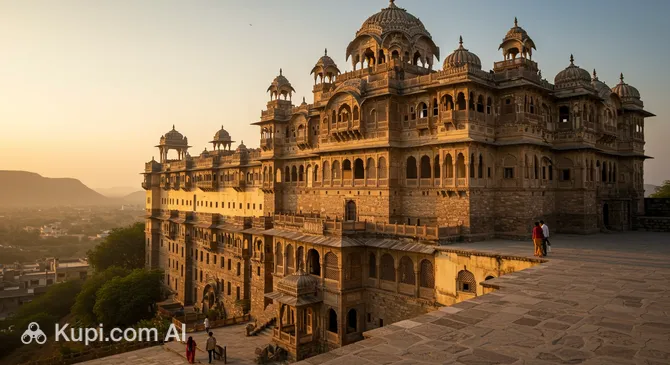
To truly understand the character of this place, one must delve into the history of Datia, which is closely tied to the ruling Bundela dynasty. The city is renowned for its impressive heritage, most notably the Datia Palace, also known as the Bir Singh Dev Palace. This seven-story architectural marvel is unique because it was constructed entirely of stone and bricks without the use of wood or iron, standing as a testament to the engineering skills of the 17th century.

Datia. Source: Kupi.Binoculars

Beyond its royal architecture, Datia is a major pilgrimage site. The Peetambara Peeth is a famous temple complex dedicated to Goddess Baglamukhi, attracting devotees from all over the country. Additionally, the nearby hill of Sonagiri is dotted with numerous white Jain temples, offering a picturesque and peaceful retreat for visitors. Whether you are an architecture enthusiast or a spiritual seeker, Datia promises a memorable journey into the rich cultural tapestry of the region.

Weather Overview

Travelers planning a trip to this historic city should be prepared for distinct seasonal changes. The weather in Datia varies significantly throughout the year, featuring sweltering summers, a distinct monsoon season, and cool, dry winters. Checking the forecast before your journey is essential to ensure a comfortable experience.

The summer months, particularly May and June, are the hottest, with average temperatures climbing to 34°C and daily maximums often reaching 40.8°C. Following the heat, the monsoon arrives in July and lasts through September. During this time, the city experiences frequent rainfall, with July and August seeing up to 24 wet days each, bringing cooler average temperatures around 28-30°C.

For many visitors, the winter season from December to February offers the most pleasant conditions for exploration. January is typically the coolest month, with an average temperature of 15.4°C and lows dropping to 9.1°C. Rainfall is rare during these months, providing clear skies and comfortable days perfect for visiting temples and heritage sites.

Interesting Facts

Beyond the well-known monuments, Datia holds several fascinating legends and historical curiosities that add depth to its character.
  • The Uninhabited Palace: The magnificent Datia Palace is famous for a peculiar historical twist—it was never actually occupied by the royal family. King Bir Singh Deo built the seven-story structure solely to honor the Mughal Emperor Jahangir, who is said to have stayed there for just one night, leaving the grand edifice largely empty ever since.

  • Origins in the Epic Mahabharata: The city's name is steeped in ancient mythology. It is widely believed to be derived from "Dantavakra," a demon king mentioned in the Indian epic Mahabharata. Local legend asserts that this was the very site where Lord Krishna defeated the demon, liberating the region from his rule.

  • A Rare Form of Worship: The Peetambara Peeth temple complex houses a shrine dedicated to Goddess Dhumavati, which is exceptionally rare in India. Unlike most goddesses who are worshipped in bridal attire, Dhumavati is revered in the form of a widow, making this temple a unique and powerful center for Tantric spiritual practices.

How to Get There

Reaching this historic destination in Madhya Pradesh is relatively straightforward, thanks to its proximity to major transportation hubs in the region. Whether you prefer traveling by air or rail, there are several convenient options available. For a comprehensive guide on all available routes and travel tips, you can read more about how to get to Datia to plan your journey effectively.

The city of Datia does not have its own airport, but you can fly into Gwalior Airport (IATA: GWL) in the city of Gwalior, which is about 73 km from Datia. This is the most practical option for domestic travelers, and the drive from the airport typically takes around 2 hours and 10 minutes by taxi. For those seeking wider international connections, Chaudhary Charan Singh International Airport (IATA: LKO) in Lucknow is another alternative, though it is located approximately 271 km away. A road trip from Lucknow to Datia is quite long, usually taking about 7 hours.

For clarity, here is a summary of the main airports:

Airport Name City Passenger Traffic Km from City
Chaudhary Charan Singh International Airport Lucknow High 271.3
Gwalior Airport Gwalior Medium 73.4
Kanpur Airport Kanpur Medium 211.6
Kheria Agra Medium 172.5
Khajuraho Airport Khajuraho Small 174.3

Traveling by train is often considered the most convenient method to reach the city. Datia has its own railway station located on the main Delhi-Chennai line, which ensures good connectivity with various parts of the country. Additionally, the city is situated very close to Jhansi, which houses a major railway junction (Virangana Lakshmibai Jhansi Junction). Many tourists choose to take a train to Jhansi and then cover the short remaining distance to Datia by taxi, auto-rickshaw, or local bus, a journey that takes less than an hour.

Main Attractions

Datia offers a unique blend of architectural brilliance and deep spirituality, making it a compelling stop for travelers exploring Madhya Pradesh. The city's landmarks range from imposing palaces that defy structural norms to serene temple complexes that have drawn pilgrims for centuries. Here are the top attractions you should not miss during your visit.

Datia Palace, often called the Bir Singh Dev Palace or Govind Mahal, is undoubtedly the city's crown jewel. Overlooking the Karna Sagar Lake, this seven-story edifice is a masterpiece of Bundela architecture. What makes it fascinating for tourists is its structural integrity; it stands tall without the support of wood or iron, relying solely on stone and brick. Visitors can explore its maze-like corridors, admire the exquisite Bundela paintings and frescoes that adorn the walls, and enjoy panoramic views of the city from its upper levels. It is a photographer's paradise, especially during sunset when the stone glows in golden hues.

For those seeking spiritual solace, Peetambara Peeth is a must-visit destination located in the heart of the city. This renowned temple complex is a Shakti Peeth and a significant center for meditation and mantra chanting. While it houses several shrines, it is most famous for the temples of Goddess Baglamukhi and Goddess Dhumavati. The atmosphere here is charged with devotion, and the complex is meticulously maintained, offering a peaceful environment despite the crowds. It provides a profound insight into the local religious practices and the reverence the city holds for its guardian deities.

Just a short drive from Datia lies the sacred hill of Sonagiri, a major pilgrimage site for the Jain community. The area is dotted with over 100 gleaming white temples, with 77 of them located on the hill itself. The climb to the top is a spiritual trek that rewards visitors with a breathtaking view of the surrounding landscape and the cluster of white spires against the blue sky. Temple number 57 is the main attraction here, known for its artistic beauty and scale. The serenity and architectural uniformity of Sonagiri make it a tranquil escape from the bustle of everyday life.

Another significant site nearby is the Unao Balaji Sun Temple, located approximately 17 kilometers from Datia. Dedicated to the Sun God, this ancient temple is famous for its unique architecture and the sacred pond within its premises. It is widely believed by locals to possess healing powers, attracting devotees from far and wide. For tourists, the temple offers a chance to witness a distinct style of sun worship and explore a site that feels stepped in history and folklore.

Local Cuisine

Local Cuisine:

The culinary landscape of Datia is a delightful reflection of the broader Bundelkhand region, characterized by simple yet flavorful vegetarian fare. Due to the city's status as a significant religious center, particularly with the presence of the Peetambara Peeth, the local food scene is predominantly vegetarian. Travelers will find that the cuisine here relies heavily on wheat, lentils, and dairy products, offering a wholesome and rustic gastronomic experience that is deeply satisfying.

A quintessential day in Datia begins with the state's favorite breakfast duo: Poha and Jalebi. You will find street vendors serving steaming plates of Poha—flattened rice cooked with turmeric, mustard seeds, and peanuts, topped with crunchy sev and fresh coriander. This savory treat is traditionally paired with hot, syrup-soaked Jalebis, creating a perfect balance of sweet and salty flavors. Another popular snack to look out for is the Kachori, a deep-fried pastry filled with spicy lentils or potatoes, usually served with a tangy tamarind chutney or a spicy potato curry.

For a hearty lunch or dinner, visitors should try Dal Bafla, a regional specialty that is a close cousin to the Rajasthani Dal Baati. Baflas are balls of wheat dough that are first boiled and then baked over charcoal before being dunked in ghee. They are typically served with a spicy lentil curry (Dal), garlic chutney, and sometimes a side of Laddu (sweet wheat balls). The meal is rich, filling, and offers an authentic taste of Madhya Pradesh's hospitality.

The city's sweet tooth is evident in its array of desserts. Apart from Jalebis, local sweet shops offer delicious milk-based treats like Mawa Bati and Gulab Jamun. To wash down these rich meals, locals prefer a tall glass of chilled Lassi (sweetened churned yogurt) or traditional Chaas (buttermilk) seasoned with roasted cumin, which is especially refreshing during the hot summer months. Hot masala Chai is ubiquitous, available at every corner and serving as a social staple for residents and tourists alike.

Dining in Datia is less about high-end restaurants and more about exploring local eateries, known as dhabas, and vibrant street food stalls. The most authentic food experiences can often be found in the bustling markets near the temple complexes. Here, the aroma of frying spices fills the air, and food is prepared fresh in front of you. While the setting is often modest, the flavors are bold and the ingredients are fresh, offering a genuine connection to the local culture.

Travel Tips

Visiting Datia offers a glimpse into India's spiritual heartland, but a little preparation goes a long way in this traditional city. These practical tips will help you navigate the local cultural landscape smoothly and ensure a hassle-free journey.

  1. Dress Modestly and Comfortably. Since Datia is a significant religious hub with sites like Peetambara Peeth, conservative attire that covers shoulders and knees is essential for both men and women. Bring breathable cottons for the hot summers and a light jacket for winter evenings; slip-on shoes are highly recommended as you will frequently need to remove them at temples.

  2. Getting Around Locally. The city is relatively small, and the best way to navigate is by auto-rickshaw or shared electric rickshaws (tempos). Ride-hailing apps like Uber or Ola are generally not available or reliable here, so it is customary to negotiate the fare before boarding or ask your hotel to arrange a trusted taxi for day trips to nearby Sonagiri.

  3. Cash is King. While some hotels and larger restaurants may accept cards, most local shops, street food vendors, and temple donation counters deal exclusively in cash. Ensure you carry sufficient Indian Rupees (INR) in smaller denominations, and try to withdraw money from ATMs in the main market area or near the railway station rather than relying on finding one in remote corners.

  4. Health and Safety. The summer heat can be intense, so always carry sealed bottled water to stay hydrated and avoid drinking tap water. Pharmacies are available near the district hospital and the main market, but for any serious medical issues, it is often advisable to head to the larger hospitals in nearby Gwalior or Jhansi. The city is generally safe, but standard travel precautions apply.

  5. Language Barriers. Hindi is the primary language spoken in Datia, and while hotel staff may speak English, it is much less common among rickshaw drivers and shopkeepers. Downloading an offline translation app or learning a few basic Hindi phrases like "Namaste" (Hello) and "Kitne ka hai?" (How much is it?) will be extremely helpful for daily interactions.

  6. Respect Religious Customs. When visiting temples, always remove your footwear outside and treat religious symbols with deep reverence. It is customary to greet locals with a "Namaste" and to ask for permission before taking photographs of people, especially sadhus (holy men). Be aware that photography is often strictly prohibited inside the inner sanctums of temples.

  7. What to Avoid. Avoid public displays of affection, as the local culture is traditional and conservative. Additionally, be mindful of dietary norms; consuming alcohol or non-vegetarian food is strictly frowned upon in many parts of the city, especially in the immediate vicinity of the Peetambara Peeth temple complex.

  8. Timing Your Visits. To beat the crowds and the midday heat, plan your visits to popular sites like Datia Palace and the temples early in the morning. While shops and markets typically open around 10:00 AM, the spiritual energy of the city is best experienced at dawn, and you will find the stone architecture much cooler to explore.

By keeping these practical suggestions in mind, you can focus on absorbing the architectural beauty and spiritual serenity of Datia without logistical worries. A respectful and well-prepared approach will open doors to warm interactions with the locals and ensure a truly authentic travel experience.

Entertainment & Nightlife

Travelers expecting a pulsating nightlife with neon-lit nightclubs, loud discotheques, and high-end cocktail bars will find Datia to be a stark contrast to their expectations. As a city deeply rooted in spirituality and history, the "nightlife" here is defined not by parties but by cultural immersion, evening rituals, and vibrant street life. The atmosphere after sunset is serene yet lively in its own way, centered largely around the town's religious landmarks and bustling marketplaces. It is important to note that Datia is a conservative town; alcohol is not widely served, especially near the temple zones, and you will not find western-style pubs or dance clubs here.

The heart of the city's evening activity beats around the Peetambara Peeth complex. As dusk falls, the area transforms into a hive of activity. The evening Aarti (prayer ceremony) is a mesmerizing spectacle that attracts hundreds of devotees, filling the air with the sounds of bells and chanting. Following the prayers, the streets surrounding the temple, particularly the Sadar Bazar area, come alive. This is the best place to experience the local crowd, shop for religious artifacts, and soak in the traditional Indian small-town vibe. The shops here stay open late, often until 10:00 PM, offering a safe and bustling environment for an evening stroll.

For those looking for a place to relax and enjoy a meal in the evening, the options are focused on dining rather than drinking. MPT Tourist Village, run by Madhya Pradesh Tourism, is one of the most reliable spots for tourists. It offers a peaceful ambiance where you can enjoy a quiet dinner in a garden setting, a welcome break from the crowded city center. Another popular area for evening dining is along the Gwalior-Jhansi Highway and Station Road, where numerous dhabas (roadside eateries) serve hot, fresh food well into the night. These venues are casual and family-friendly, perfect for tasting local flavors like Dal Fry and Tandoori Roti.

When planning your evening, keep in mind that the city goes to sleep relatively early. Most shops close by 9:30 PM or 10:00 PM. The best time to head out is around 7:00 PM to catch the market at its peak. In terms of safety, the areas around the temple and main market are generally safe for night walks due to the constant flow of pilgrims. However, the outskirts can get desolate, so it is advisable to stay within the well-lit central zones. Public transport like auto-rickshaws becomes scarce after 9:00 PM, so if you are dining late, it is wise to arrange a return taxi or keep the contact number of a local driver handy.

While the nights are reserved for spiritual and culinary exploration, the daytime offers its own set of entertainment focused on heritage. The majestic Datia Palace is the primary attraction, offering hours of exploration through its intricate stone corridors. Visitors can also spend the day exploring the local museum housed within the palace complex (if open) or taking a short excursion to the serene Jain temples of Sonagiri. These sites provide a rich historical context that complements the peaceful evenings of this unique city.

Parks & Museums

While Datia is predominantly celebrated for its architectural marvels and spiritual significance, the city also offers serene spots and cultural repositories that provide a deeper understanding of its heritage. Visitors looking to step away from the bustling temple crowds can find respite near historic water bodies or explore collections that safeguard the region's artistic past.

Karna Sagar Lake stands out as the most picturesque natural area in the city. Located adjacent to the majestic Datia Palace, this historic man-made lake was created by the Bundela rulers and serves as a tranquil setting for evening strolls. The embankment offers a stunning vantage point, particularly at sunset, where you can witness the golden silhouette of the palace reflecting on the water's surface. Another significant green space is the area surrounding Lala Ka Tal, a historic tank that becomes lush and vibrant during the monsoon season, attracting locals for picnics and quiet contemplation.

For those interested in the region's history beyond the palace walls, the State Museum (often referred to as the District Museum) is a key cultural venue. Housed within the premises of the Rajgarh Palace, this museum may be modest in size, but it holds an impressive collection of ancient sculptures, Jain artifacts, and archaeological finds from the surrounding Bundelkhand region. It offers a fascinating glimpse into the artistic evolution of the area, featuring statues that date back several centuries.

The city itself serves as an open-air museum, with the Datia Palace being the primary exhibit. Although technically a monument, its empty corridors and intricate stone lattices (jalis) function as a gallery of Bundela architecture. Visitors can observe the fusion of Rajput and Mughal styles in the stone carvings and the faded yet beautiful murals that adorn the interior walls, depicting scenes from mythology and royal life.

For a unique experience, consider a short trip to the Sonagiri Hills. While primarily a pilgrimage site, the trek up the hill offers a refreshing nature walk amidst rocky terrain and sparse vegetation. The panoramic view from the top, encompassing the white temples and the sprawling countryside, provides a peaceful escape from the urban environment.

Insider Tip: If you visit the State Museum, ask the caretaker about the local legends associated with the sculptures; their stories often add a layer of depth that isn't written on the plaques. Also, the best time to visit Karna Sagar is just after the monsoon rains when the lake is full and the surrounding greenery is at its peak.

Getting Around

Navigating Datia is a relatively straightforward experience, as the city is compact and lacks the complex mass transit systems found in larger metropolises. There is no metro, tram, or extensive city bus network here. Instead, the local transportation system relies heavily on intermediate public transport, primarily auto-rickshaws and battery-operated e-rickshaws, which serve as the lifeline for daily commuting within the town.

Auto-rickshaws are the most versatile option for tourists. You will find them waiting at key locations such as the railway station, the bus stand, and near major attractions like the Datia Palace and Peetambara Peeth. They can be hired for a specific journey or rented for a few hours to tour the city. Recently, E-rickshaws (battery-operated three-wheelers) have become very popular for short distances. They are quieter, eco-friendly, and often operate on a shared basis along fixed routes, making them an incredibly affordable way to get from one market area to another.

Regarding payment, the system is entirely traditional. There are no travel cards, digital passes, or mobile ticketing apps available for local transport in Datia. Cash is the only accepted mode of payment. Fares for shared rides are usually fixed and very low, often ranging from 10 to 20 Indian Rupees (INR) depending on the distance. However, if you hire a private auto-rickshaw for a dedicated trip, there are no taximeters. You must negotiate and agree upon the fare with the driver before stepping into the vehicle to avoid any misunderstandings later.

For tourists, here are a few practical tips to ensure a smooth journey. Always carry small denominations of cash (coins and notes of 10, 20, and 50 INR), as drivers often do not have change for large bills. While transport is available early in the morning to cater to pilgrims, the frequency drops significantly after 9:00 PM. If you plan to stay out late, ensure you have a reliable way to return to your accommodation. Additionally, for excursions to nearby sites like Sonagiri, relying on local rickshaws might be uncomfortable; hiring a private taxi for the day through your hotel is a more convenient alternative.

Walking is often the best alternative for exploring the heart of the city. The narrow, winding lanes around the Datia Palace and the main temple complex are often too congested for vehicles, making a foot journey not only practical but also the best way to soak in the local atmosphere. Ride-sharing apps and bike rentals are generally not available in the city, so planning your movements with a mix of walking and hired rickshaws is the most effective strategy.

Accommodation

Accommodation in Datia primarily caters to the influx of pilgrims and heritage travelers, meaning the options are generally modest, functional, and budget-friendly. Travelers should not expect high-end luxury chains or five-star resorts within the city limits. Instead, the hospitality landscape is dominated by budget hotels, government-run tourist lodges, and numerous dharamshalas (pilgrim rest houses) that offer basic amenities at very affordable rates. For those seeking luxury, staying in nearby Gwalior or Jhansi and making a day trip is a common alternative, but staying locally offers a more immersive experience of the town's spiritual rhythm.

The most popular area to stay is undoubtedly the vicinity of the Peetambara Peeth temple complex. Hotels and guest houses here are in high demand due to their proximity to the main shrine, allowing devotees to attend early morning prayers with ease. However, this area can be quite bustling and noisy. For travelers prioritizing convenience for transit, the area around the Railway Station and Station Road offers several functional lodges and hotels. Alternatively, the outskirts along the Gwalior-Jhansi Highway provide slightly more spacious options with parking facilities, suitable for those traveling by car.

While specific hotel listings are best checked on booking platforms, a standout option for tourists is the MPT Tourist Village. Managed by Madhya Pradesh Tourism, this property is widely regarded as one of the most reliable and comfortable places to stay in Datia. It typically offers clean rooms, a restaurant serving decent food, and a scenic location near the highway, providing a peaceful retreat away from the chaotic city center. It serves as an excellent mid-range choice for families and international travelers looking for consistent service standards.

Booking Tip: Datia sees a massive surge of visitors during religious festivals, particularly during the Navratri celebrations (occurring twice a year). During these periods, accommodation is often booked out weeks in advance, and prices can spike. If you plan to visit during these festivals, securing your room well ahead of time is crucial. For the rest of the year, walk-in availability is usually good, but booking in advance is still recommended for the better-rated properties.

In terms of pricing, Datia is an economical destination. Budget rooms and dharamshalas can be found for very low rates, making it accessible for all travelers. Mid-range hotels are also reasonably priced compared to larger Indian cities. While major online booking platforms list some of the larger hotels and the government lodge, many smaller guesthouses and dharamshalas still rely on direct phone bookings or walk-ins. Carrying cash is advisable for settling bills at smaller establishments, as card machines may not always be available.

Nearby Cities

For those looking to explore the surroundings, Datia serves as an excellent base for day trips to several interesting nearby locations. The region is rich in history, featuring magnificent forts, ancient temples, and vibrant cultural centers that are easily accessible by road or train.

One of the most popular excursions is to Jhansi, located just a short distance away. Known historically for the valor of Rani Lakshmibai during the Indian Rebellion of 1857, the city is dominated by the imposing Jhansi Fort, which offers panoramic views and a deep dive into India's struggle for independence. Another major destination is Gwalior, a historic city famous for its massive hilltop fort, often described as the "pearl amongst fortresses in India." Visitors here can explore the intricate Man Singh Palace, the rock-cut Jain statues, and the opulent Jai Vilas Palace, which houses a museum showcasing royal artifacts.

City Population Distance (km)
Gwalior 1,069,276 67
Jhansi 507,000 26
Dabra 74,807 28
Karera 31,026 41
Bhander 27,287 29

These nearby destinations offer a glimpse into the diverse culture and landscapes of the region, making them perfect for extending your travel itinerary beyond Datia.

Shopping & Souvenirs

Shopping in Datia offers a delightful glimpse into the traditional lifestyle of Madhya Pradesh. Unlike the glitzy retail hubs of metropolitan India, the shopping scene here is grounded in local culture, revolving around bustling street markets and family-run establishments. Visitors will not find high-end luxury brands or sprawling department stores; instead, the city provides an authentic experience where you can buy everyday essentials, religious artifacts, and regional handicrafts directly from local vendors. The atmosphere is vibrant, colorful, and often crowded, reflecting the energetic spirit of this historic town.

The primary commercial hub of the city is Sadar Bazar. This main market area is a labyrinth of narrow streets lined with shops selling everything from colorful textiles and jewelry to kitchenware and electronics. It is the best place to witness the daily rhythm of the city. As you navigate the lanes, you will find traditional Indian clothing, including sarees and kurtas, often at very reasonable prices. The market is also known for its jewelry shops, where silver ornaments—popular in the Bundelkhand region—are crafted with intricate designs.

Another significant shopping district is located in the immediate vicinity of the Peetambara Peeth temple complex. This area caters specifically to the thousands of pilgrims who visit the city. The streets here are lined with rows of small stalls and shops displaying items used for worship (puja). The air is filled with the scent of incense and fresh flowers, creating a unique sensory experience. It is the perfect spot to browse for religious souvenirs, such as brass idols, prayer beads (malas), and framed pictures of deities, which make for meaningful keepsakes.

Travelers accustomed to modern retail experiences should note that Datia does not have large, western-style shopping malls. The retail landscape is dominated by standalone shops and small shopping complexes that house a variety of local businesses. If you are looking for a branded shopping experience, you might need to travel to the nearby city of Gwalior. However, the charm of shopping in Datia lies in its traditional bazaars rather than air-conditioned malls.

When it comes to souvenirs, the best items to take home are those that reflect the city's spiritual heritage and culinary traditions. Apart from religious artifacts, Datia is famous for its sweets. Visitors should definitely pick up a box of Peda (a milk-based sweet) or Kalakand from the local sweet shops. These treats are made fresh daily and are a popular gift to bring back for friends and family. Additionally, you may find locally made terracotta items and stone crafts that showcase the artistic skills of the region's artisans.

Shops in Datia typically open around 10:00 AM or 11:00 AM and remain open until approximately 9:00 PM or 10:00 PM. Many smaller shops may close for a short break in the afternoon, especially during the hot summer months. In terms of payment, cash is the most widely accepted method. While some larger showrooms and hotels may accept credit cards or digital payments like UPI, the majority of street vendors and small shopkeepers deal exclusively in cash. It is highly advisable to carry sufficient Indian Rupees in smaller denominations when heading out to the markets.

Tourists should be aware that tax-free shopping or VAT refund schemes are generally not available in Datia. The prices in the local markets are usually fixed or open to bargaining, depending on the type of store, but formal tax-refund procedures for international visitors are not applicable in these small-town establishments.
Reached the end of the page?

That means the route is fully explored