Support

Lucknow

About

Welcome to Lucknow, the capital city of Uttar Pradesh and a place often affectionately called the "City of Nawabs." Renowned for its refined culture, gracious living, and rich artistic traditions, this vibrant metropolis sits along the banks of the Gomti River in northern India.

With a population exceeding 3.3 million, the city is a bustling hub that perfectly blends the old-world charm of a bygone era with modern development. The climate here is humid subtropical, featuring cool, dry winters which are generally considered the best time for sightseeing, contrasting with hot summers.
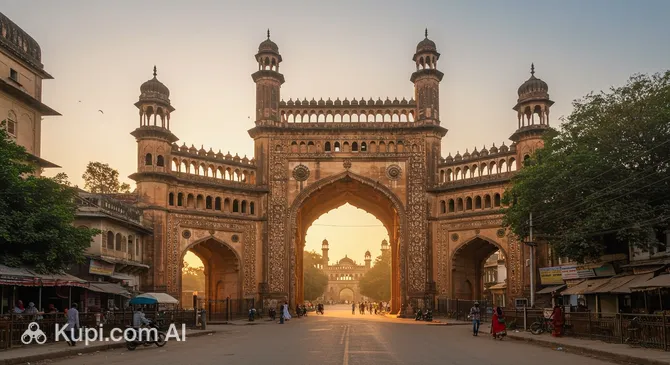
Lucknow. Source: Kupi.Binoculars

The history of Lucknow is deeply intertwined with the legacy of the Nawabs of Avadh, who were great patrons of the arts and culinary sciences. Their influence is still visible today in the city's polite mannerisms, known locally as Tehzeeb, and its stunning architecture. Visitors are often captivated by the intricate Chikankari embroidery work, a traditional craft that has put the city on the global fashion map.

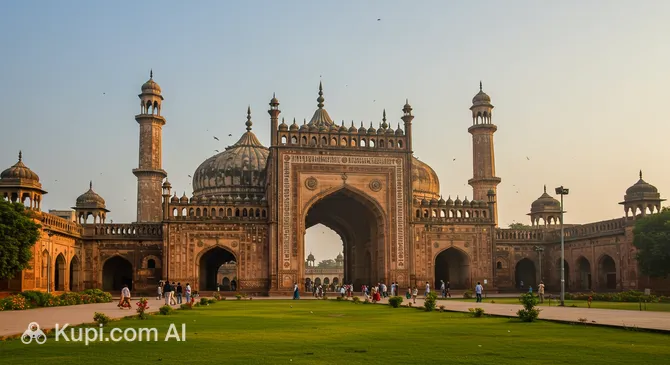
Architecture enthusiasts will marvel at the Bara Imambara, a colossal structure famous for its gravity-defying central hall and the labyrinthine Bhulbhulaiya. Another iconic landmark is the Rumi Darwaza, an imposing gateway that serves as a symbol of the city. Food lovers, meanwhile, can indulge in the legendary Awadhi cuisine, particularly the melt-in-the-mouth kebabs that are a culinary staple here.

Whether you are drawn by the whispers of the past, the allure of exquisite handicrafts, or the aroma of authentic spices, Lucknow promises an unforgettable experience. It is a destination that invites you to slow down and savor the finer things in life.
Weather Overview

Understanding the local climate is key to planning your visit, as the city experiences distinct seasonal shifts. To get a detailed forecast for your specific dates, you can check the current weather in Lucknow. Generally, the city features a humid subtropical climate with clear distinctions between the hot, rainy, and cool seasons.

Winters are pleasant and cool, with January being the coldest month, averaging around 14.5°C and seeing lows of 8.8°C. As the season shifts towards summer, temperatures rise significantly. By May and June, the heat intensifies, with average temperatures hovering around 32°C to 33°C and maximum highs reaching up to 38.2°C.

Precipitation plays a major role in the city's annual cycle. While the winter months of November and December are very dry with almost no wet days, the monsoon period brings a dramatic change. July and August are the wettest months in terms of frequency, recording up to 26 wet days, transforming the landscape with regular showers.

Expect very warm summers with frequent rain during the monsoon months and cool, dry winters that are ideal for sightseeing.

Interesting Facts

Beyond the main attractions and culinary delights, Lucknow holds many fascinating secrets and architectural marvels that often escape the casual observer's eye. Here are some intriguing details that reveal the depth of the city's heritage.

  • The central hall of the Bara Imambara is a true engineering wonder; it stands as one of the largest arched halls in the world built entirely without the support of pillars or beams to hold up its massive ceiling.

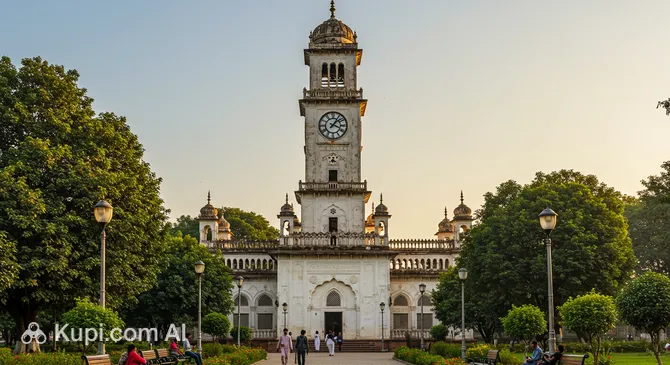
  • Standing at an impressive height of 67 meters (220 feet), the Hussainabad Clock Tower holds the title of the tallest clock tower in India and was designed in a Victorian-Gothic style reminiscent of Big Ben.

  • The Chota Imambara is famously known as the "Palace of Lights" because its interior is adorned with a vast collection of exquisite Belgian crystal chandeliers and lamps that illuminate the structure during special festivals.

  • The ruins of The Residency have been preserved exactly as they were left after the events of 1857, with cannonball marks and bullet holes still clearly visible on the walls, freezing a moment of history in time.

Hussainabad Clock Tower. Source: Kupi.Binoculars

How to Get There

Reaching the "City of Nawabs" is quite convenient thanks to its well-connected transport network. Whether you are traveling from within India or arriving from abroad, there are several options to suit your itinerary. For a comprehensive overview of all travel methods, you can read more about how to get to Lucknow.

The primary gateway for air travelers is the Chaudhary Charan Singh International Airport (IATA: LKO). Located directly in Lucknow, it is just 11.1 km from the city center. This major hub handles a significant volume of passengers annually, connecting the city to major domestic and international destinations. A taxi or bus ride from the airport to the heart of the city typically takes about 35 to 40 minutes, depending on traffic.

If direct flights to Lucknow are unavailable, you might consider flying into Kanpur Airport (IATA: KNU). Please note that this airport is not in Lucknow itself but in the neighboring city of Kanpur, approximately 72.5 km away. It is a smaller regional airport, but it serves as a viable alternative. The journey from Kanpur Airport to Lucknow by road usually takes around 2 hours and 10 minutes.

Another option for travelers exploring the wider region is the Ayodhya Airport (IATA: AYJ), situated in the city of Ayodhya. It is located about 120.6 km from Lucknow. While further away, it is a medium-sized facility that has seen growing passenger traffic. Expect a travel time of approximately 3.5 hours by taxi or bus to reach Lucknow from there.

For clarity, here is a summary of the main airports:

Airport Name City Passenger Traffic Km from City
Chaudhary Charan Singh International Airport Lucknow Large 11.1
Ayodhya Airport Ayodhya Medium 120.6
Bamrauli Airport Prayagraj Medium 174.6
Nepalganj Airport Nepalganj Small 156.4
Kanpur Airport Kanpur Small 72.5

Main Attractions

Lucknow is a treasure trove of architectural gems and historical landmarks that reflect its royal past and cultural depth. From grand monuments built by the Nawabs to serene parks and colonial ruins, the city offers a diverse range of sights for every traveler.

One of the most magnificent structures in the city is the Bara Imambara. Built in 1784, this colossal complex is famous for its central hall, which is said to be the largest arched hall in the world without pillar support. Tourists are particularly drawn to the Bhulbhulaiya, an intricate labyrinth of corridors on the upper floor where getting lost is part of the fun, offering a playful yet awe-inspiring experience of Nawabi engineering.

Bara Imambara. Source: Kupi.Binoculars

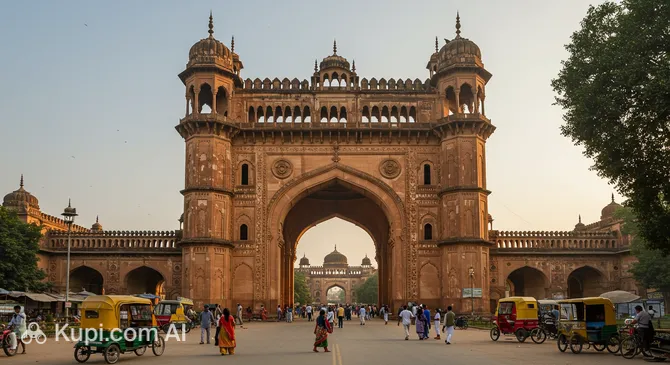
Standing tall as the signature landmark of Lucknow is the Rumi Darwaza. Often referred to as the Turkish Gate, this imposing sixty-foot-high gateway showcases the finest Awadhi architecture. It is especially enchanting at night when it is illuminated, making it a perfect spot for photography enthusiasts who wish to capture the grandeur of the city's heritage.

Rumi Darwaza. Source: Kupi.Binoculars

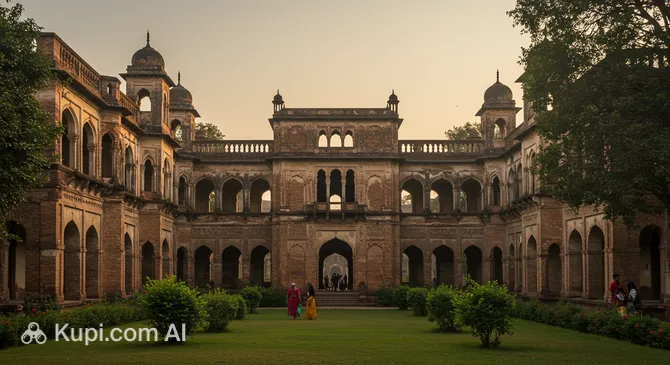
For those interested in history, The Residency is a poignant site that narrates the story of the 1857 uprising. These sprawling ruins, once the residence of the British Resident General, still bear the scars of cannonballs and bullets. Walking through the lush green gardens and shattered walls evokes a deep sense of the past, making it a compelling visit for history buffs.

The Residency. Source: Kupi.Binoculars

A striking contrast to the ancient heritage is the Dr. Bhimrao Ambedkar Memorial Park. This massive public park in Gomti Nagar is dedicated to the memory of Dr. B.R. Ambedkar and other social reformers. Constructed primarily from red sandstone brought from Rajasthan, the park's sheer scale, majestic stupas, and elephant statues offer a spectacular visual experience, particularly during the evening when the lighting accentuates its grandeur.

Another notable mention is the Hussainabad Clock Tower. Located near the Rumi Darwaza, this Victorian-Gothic structure is the tallest clock tower in India. Its intricate design and towering presence make it a must-see landmark that beautifully complements the surrounding historical monuments.

Local Cuisine

Lucknow is widely regarded as a paradise for food lovers, celebrated globally for its rich and aromatic Awadhi cuisine. The culinary culture here is deeply influenced by the royal kitchens of the Nawabs, who pioneered the art of slow cooking known as "Dum Pukht." In this method, meat and vegetables are cooked over a low flame in sealed containers, allowing the ingredients to marinate in their own juices for hours, resulting in flavors that are both subtle and profound.

No visit to the city is complete without trying its legendary Kebabs. The Galouti Kebab, originally created for a toothless Nawab, is famous for its melt-in-the-mouth texture and complex blend of over 150 spices. Another signature dish is the Lucknowi Biryani. Unlike its spicy counterparts from other regions, this version is milder and more fragrant, focusing on the delicate balance of saffron, star anise, and perfectly cooked long-grain rice. To accompany these dishes, you must try Sheermal, a saffron-flavored flatbread that adds a touch of sweetness to the savory meal.

For those with a sweet tooth, the city offers delights like Kulfi Falooda and the seasonal Malai Makhan, a frothy and airy milk dessert available primarily in winter. When it comes to beverages, Thandai is a popular local drink made with milk, almonds, and spices, offering a refreshing escape from the heat. Lassi is another staple, often served in clay cups that impart an earthy flavor.

The dining scene in Lucknow is a fascinating mix of bustling street food stalls and elegant fine dining. The old city areas, particularly around Chowk and Aminabad, are the heart of the traditional food scene, where history is served on a plate. However, for those seeking a modern or luxurious atmosphere, the city has plenty to offer. You can enjoy a sophisticated meal at The Centrum, which offers a refined setting for culinary exploration.

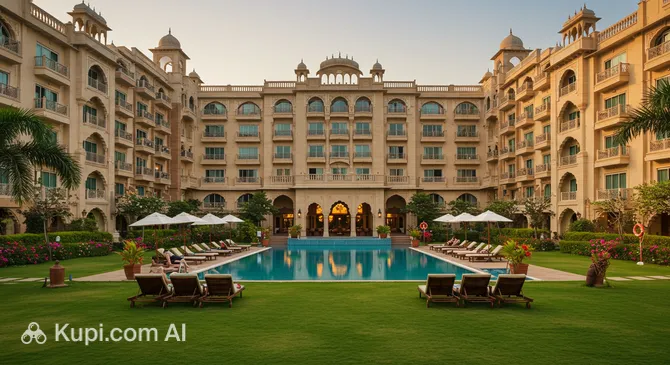
Taj Mahal, Lucknow. Source: Kupi.Binoculars

Travelers looking for a lavish experience often head to the Taj Mahal, Lucknow, a resort hotel known for its exceptional hospitality and diverse dining options that pay homage to the city's royal heritage. If you are looking to unwind with a drink after a day of sightseeing, the city's nightlife is growing vibrant. Places like Casa Aishbagh Bar or the lively Limone Lounge provide a relaxed environment to enjoy cocktails and music.

Travel Tips

To ensure your journey through the "City of Nawabs" is as smooth and enjoyable as the local culture itself, we have compiled a list of essential travel advice. These practical tips will help you navigate Lucknow with confidence, allowing you to focus on the rich history and exquisite cuisine that await you.

  1. Clothing and Gear: Lucknow experiences extreme temperatures, so pack accordingly. For the scorching summers (April to June), loose-fitting cotton clothes are essential to beat the heat, while winters (December to January) require light woolens or jackets, especially for the evenings. Since you will likely visit religious sites like the Imambaras, modest clothing is a must; ensure your shoulders and knees are covered, and carrying a scarf to cover your head is highly recommended for women. Comfortable slip-on shoes are practical, as you will frequently need to remove them at temples and mosques.

  2. Transportation: The Lucknow Metro is a modern, clean, and efficient way to travel between major hubs like the airport, Charbagh railway station, and Hazratganj. For shorter distances or navigating the narrow lanes of the old city, auto-rickshaws and battery-operated e-rickshaws are ubiquitous; however, be prepared to negotiate the fare before hopping in. Ride-hailing apps like Uber and Ola are widely available and offer a comfortable, hassle-free alternative to negotiating with local drivers.

  3. Finances: The local currency is the Indian Rupee (INR). While credit and debit cards are accepted in hotels, malls, and upscale restaurants in areas like Gomti Nagar, cash is absolute king in the traditional markets of Aminabad and Chowk. It is advisable to carry smaller denominations for buying street food or paying rickshaw drivers. ATMs are plentiful across the city, and tipping around 10% at restaurants is customary if a service charge isn't already included.

  4. Health and Safety: Lucknow is generally a safe city for tourists, but standard precautions apply. Stick to bottled or filtered water to avoid stomach issues, and be cautious with street food hygiene—look for stalls with high turnover. Pharmacies are easy to find, with many 24/7 outlets near major hospitals. In crowded markets, keep your belongings secure to prevent pickpocketing, though violent crime against tourists is rare.

  5. Communication: The primary languages are Hindi and Urdu, often spoken with a distinctive polite flair. English is widely understood in hotels, tourist attractions, and commercial centers. Learning a few local greetings like "Namaste" or the traditional Lucknowi greeting "Adaab" will go a long way in establishing a rapport with locals. SIM cards with data plans can be purchased at the airport or official telecom stores; you will need your passport and a passport-sized photo.

  6. Local Etiquette: Lucknow is famous for its Tehzeeb (etiquette). Politeness is highly valued here; speaking softly and addressing people with respect is the norm. When entering a local's home or a religious site, always take off your shoes. It is also polite to use your right hand for eating or passing money and objects to others.

  7. What to Avoid: Avoid public displays of affection, as the local culture is somewhat conservative. Also, refrain from photographing people, especially women, without asking for permission first. When shopping in traditional bazaars, do not accept the first price offered; bargaining is expected, but remember to keep the interaction friendly and polite rather than aggressive.

  8. Shopping Tip: If you plan to buy the famous Chikankari embroidery, head to the wholesale markets in Chowk or Aminabad for the best variety and prices. Authentic hand-embroidered pieces are a specialty here, but be wary of machine-made imitations sold as "handmade" in tourist traps. Asking a local guide or your hotel concierge for reputable shops can save you from overpaying.

By keeping these tips in mind, you will be well-prepared to immerse yourself in the elegant lifestyle of Lucknow. Embrace the city's warm hospitality and courteous pace, and you are sure to have a memorable and hassle-free vacation.

Entertainment & Nightlife

While Lucknow is steeped in history and tradition, its entertainment scene has evolved significantly, offering a vibrant mix of old-world charm and modern energy. As the sun sets, the city transforms, catering to those who enjoy leisurely evening strolls as well as those looking for pulsating nightlife.

The heart of the city's evening culture is undoubtedly Hazratganj. For decades, locals have practiced the tradition of "Ganjing"—a leisurely walk down the wide avenues of this Victorian-era district to shop, eat, and socialize. It remains the most popular spot for families and couples to enjoy the cool evening breeze, surrounded by heritage buildings, modern showrooms, and bustling cafes.

For a more contemporary nightlife experience, the Gomti Nagar and Vibhuti Khand areas have emerged as the new hubs for party-goers. Here, you will find a concentration of upscale lounges, bars, and clubs that stay open late. The atmosphere in these districts is cosmopolitan, attracting a crowd of young professionals and tourists. The dress code is generally smart casual, and weekends tend to be lively with local DJs spinning Bollywood and electronic tracks.

If you are looking for specific venues to unwind, The Royal Fusion is a popular choice. It combines a restaurant setting with a lounge vibe, making it suitable for both a hearty dinner and late-night drinks. Another excellent option is All Seasons, known for its relaxed ambiance and extensive beverage menu, perfect for a quiet conversation or a celebratory toast.

For a comprehensive evening out that includes shopping, dining, and entertainment under one roof, Phoenix Palassio is a must-visit. This sprawling mall in Gomti Nagar is an architectural marvel in itself, inspired by European classicism. At night, its musical fountain and illuminated façade create a festive atmosphere, drawing large crowds for dinner and movies.

Phoenix Palassio. Source: Kupi.Binoculars

Practical Advice for Nightlife: Most bars and clubs operate until around 1:00 AM, though restaurants may close their kitchens earlier. Prices in upscale venues are comparable to other metropolitan cities in India. For transportation, it is best to rely on app-based cab services like Uber or Ola, especially late at night, as they are reliable and trackable. While Lucknow is generally safe, it is advisable to stick to busy, well-lit main roads and avoid isolated areas after dark.

Beyond the nightlife, the city offers plenty of daytime entertainment for families and thrill-seekers. You can visit Trampoline Park Lucknow for an energetic afternoon of jumping and activities. Science enthusiasts will enjoy the Regional Science City, which features interactive exhibits and a 3D theater, making it a great educational stop before the evening festivities begin.

Parks & Museums

Beyond its architectural grandeur, the city offers lush green spaces and educational centers that provide a refreshing escape from the bustling streets. Whether you are looking for a peaceful morning walk, a family picnic spot, or a dive into the natural world, the parks and museums here cater to all ages.

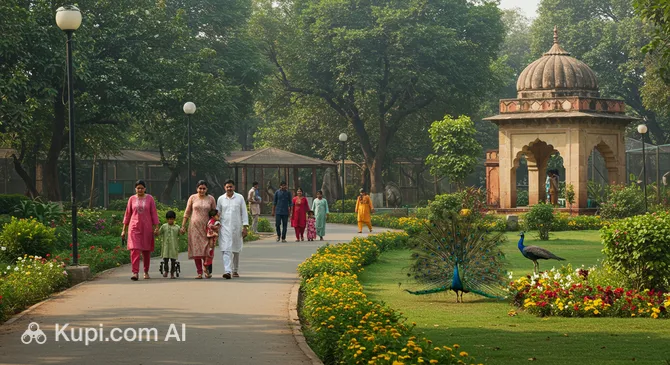
A favorite among families and nature enthusiasts is the Nawab Wajid Ali Shah Zoological Garden, commonly known as the Lucknow Zoo. Established in 1921, this expansive garden is home to a diverse range of wildlife, including the Royal Bengal Tiger, white tigers, lions, and exotic birds. The zoo also features a toy train that is particularly popular with children, offering a fun way to navigate the large grounds while enjoying the flora.

Nawab Wajid Ali Shah Zoological Garden. Source: Kupi.Binoculars

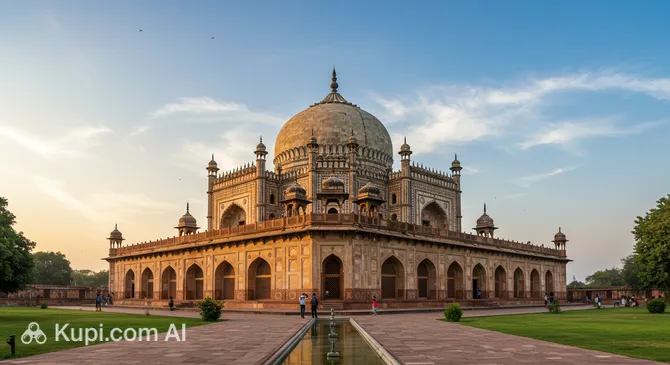
For a blend of history and horticulture, a visit to Sikandar Bagh is highly recommended. This villa and garden, enclosed by high walls, was built by the last Nawab of Oudh, Wajid Ali Shah, as a summer residence. Today, it stands as a serene botanical garden where visitors can admire the surviving gateway and walls, which bear silent witness to the events of 1857, while enjoying the well-maintained lawns and seasonal flowers.

Sikandar Bagh. Source: Kupi.Binoculars

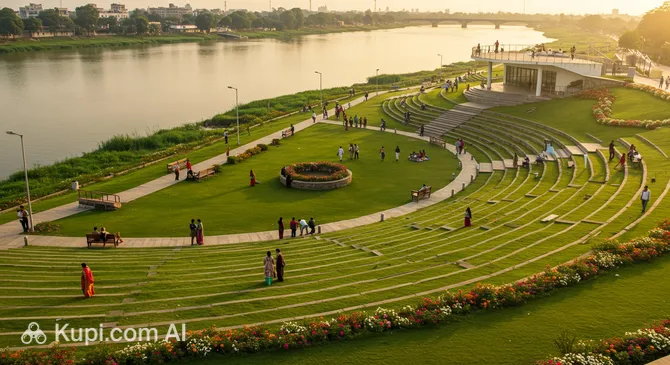
Those seeking a modern recreational space should head to the Gomti Riverfront Park. Stretching along the banks of the Gomti River, this beautifully landscaped promenade is ideal for evening strolls, cycling, and photography. The park features musical fountains, an amphitheater, and dedicated walking tracks, making it a vibrant spot where locals gather to unwind and watch the sunset over the water.

Gomti Riverfront Park. Source: Kupi.Binoculars

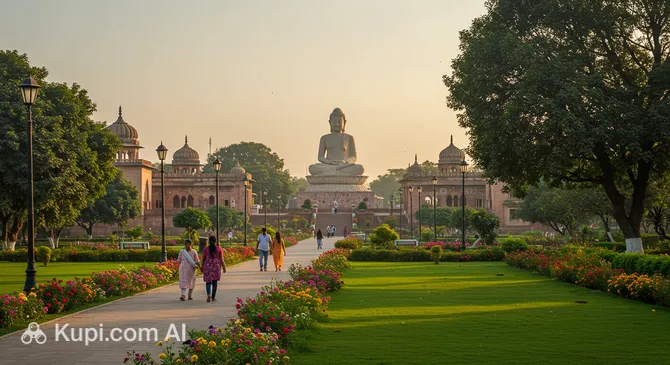
Located near the iconic Rumi Darwaza, Gautam Buddha Park offers a tranquil environment amidst the city's historical heavyweights. The park is designed with varied landscaped gardens, rides for children, and paddle boating facilities in its artificial canal. It serves as a perfect resting point for tourists exploring the nearby heritage zone, providing a cool and green respite.

Gautam Buddha Park. Source: Kupi.Binoculars

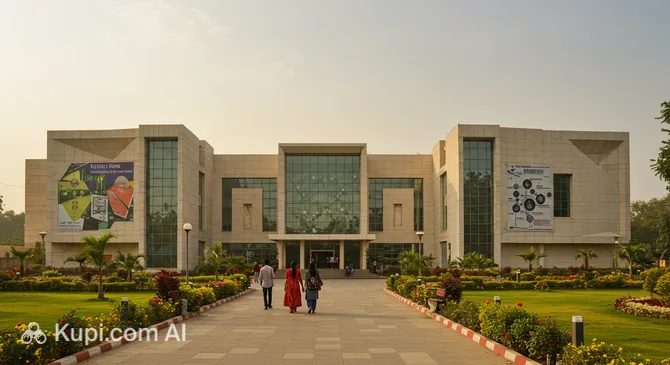
Another notable mention is the Regional Science City, located in the Aliganj area. While primarily an educational hub, it is set within a sprawling green campus filled with outdoor exhibits that demonstrate scientific principles in a fun and interactive way. It is an excellent destination for curious minds to explore the wonders of science while enjoying a park-like atmosphere.

Regional Science City. Source: Kupi.Binoculars

Getting Around

Navigating Lucknow is a convenient affair, thanks to a transport system that effectively bridges the gap between modern infrastructure and traditional commuting methods. The city offers a variety of options ranging from a high-speed metro network to the ubiquitous rickshaws that weave through the bustling lanes of the old districts.

The Lucknow Metro is the most efficient and comfortable way to travel across the city's major arteries. It connects key locations, including the airport, the Charbagh railway station, and the main shopping district of Hazratganj. The trains are air-conditioned, clean, and punctual, offering a respite from the city's traffic. Currently, the North-South corridor is fully operational, making it a reliable choice for tourists covering long distances.

For shorter trips or reaching areas not covered by the metro, auto-rickshaws and e-rickshaws are the lifelines of local transit. E-rickshaws are battery-operated, eco-friendly, and ideal for short hops within neighborhoods, especially in the narrower streets of Chowk and Aminabad. Larger shared auto-rickshaws, locally known as "Tempos" or "Vikrams," run on fixed routes and are a very cost-effective mode of travel, though they can be quite crowded.

The city also has a network of buses operated by the state transport corporation. These include both air-conditioned electric buses and standard non-AC buses. While they cover a wider range of routes than the metro, they are often subject to traffic congestion. They are, however, a budget-friendly option for leisurely exploring the city if you are not in a rush.

Regarding payments, the systems vary by mode of transport. For the Lucknow Metro, you can purchase a single-journey token or a rechargeable GoSmart Card at any station. Tokens must be tapped at the entry gate and deposited at the exit gate. Ticket Vending Machines (TVMs) and counters are available at all stations, with fares generally ranging from inexpensive to moderate depending on the distance. For buses, rickshaws, and tempos, cash is the primary mode of payment. It is highly streamlined to carry small denominations, as drivers often struggle with change for high-value notes.

Travelers seeking more privacy and comfort can rely on app-based cab services like Uber and Ola, which are widely available throughout the city. These apps also offer bike-taxi services, which are perfect for solo travelers wanting to zip through traffic quickly. Traditional car rentals are available but usually come with a driver; self-drive options are less common and generally not recommended due to the chaotic traffic flow.

Practical advice for tourists includes checking the operating hours. The metro typically runs from 6:00 AM to 10:00 PM. If you plan to use auto-rickshaws that are not on a shared route, be prepared to negotiate the fare before getting in, or insist on going by the meter, although the latter is rare. Always hold on to your metro token until you exit the station, and if you are using a smart card, ensure it has a minimum balance to enter the gates.

Accommodation

Where to Stay:

Accommodation in Lucknow caters to a wide spectrum of preferences and budgets, seamlessly blending the city's royal heritage with modern comforts. Travelers can choose from opulent heritage properties that offer a taste of the Nawabi lifestyle, contemporary luxury hotels with world-class amenities, and a plethora of efficient mid-range and budget guesthouses. Whether you are visiting for business or leisure, finding a suitable place to stay is relatively easy.

When selecting a location, it is helpful to consider your itinerary. Gomti Nagar is a preferred choice for those seeking a modern, quieter environment; it is home to upscale hotels, wide roads, and parks, making it perfect for families and business travelers. If you prefer staying in the heart of the action, Hazratganj places you within walking distance of prime shopping and dining areas. For travelers on a tighter schedule or budget, the area around Charbagh Railway Station offers numerous affordable options and excellent connectivity to the rest of the city.

For those looking to indulge in a luxurious experience that reflects the city's architectural grandeur, the Taj Mahal, Lucknow is a standout choice. This property is designed to mirror the elegance of the Nawabi era, featuring domes and pillars that transport guests back in time while providing top-tier service. Another available option for travelers is Hotel Impact, which serves as a comfortable base for exploring the local attractions.

Hotel Impact. Source: Kupi.Binoculars

Booking Tips: Lucknow is a popular destination for weddings and conferences, particularly between October and March. During these peak months, and especially around major festivals like Diwali or Eid, hotels can fill up quickly. It is highly recommended to book your accommodation at least a few weeks in advance to secure your preferred choice and rates.

Price Range and Methods: The cost of staying in the city is generally reasonable compared to other Indian metros. Budget accommodations typically range from INR 1,000 to INR 2,500 per night, while mid-range hotels usually charge between INR 3,000 and INR 6,000. Luxury stays can start from INR 8,000 and go significantly higher depending on the suite and season. Most hotels and guesthouses can be easily booked through major online travel platforms, though contacting smaller heritage properties directly can sometimes yield better personalized offers.

Nearby Cities

For those looking to explore the surroundings, Lucknow serves as an excellent base for day trips to several interesting nearby locations:

Kanpur is the most prominent neighbor, located just a short drive away. Often referred to as the industrial capital of Uttar Pradesh, it offers a fascinating contrast to Lucknow's royal demeanor. Visitors can explore the lush Allen Forest Zoo, one of the few zoos in India created in a natural forest, or visit the historic Kanpur Memorial Church, which stands as a testament to the colonial era.

Unnao, situated conveniently between Lucknow and Kanpur, is another accessible option. It is primarily known for its religious significance and its proximity to the Nawabganj Bird Sanctuary. This sanctuary is a paradise for birdwatchers, especially during the winter months when migratory birds flock to the lake, offering a serene escape from city life.

Rae Bareli offers a glimpse into the region's historical heritage. The city is dotted with old forts and colonial-era buildings that reflect its past. It is also home to the expansive Indira Gandhi Memorial Botanical Garden, providing a peaceful retreat for nature lovers and families looking for a quiet picnic spot.

City Population Distance (km)
Kanpur 2,701,324 75
Rae Bareli 191,316 76
Unnao 177,658 57
Sandila 58,346 50
Lalganj 39,432 76

These nearby destinations offer a glimpse into the diverse culture and landscapes of the region.

Shopping & Souvenirs

Shopping in Lucknow is a delightful journey that takes you from the narrow, aromatic lanes of centuries-old bazaars to the polished corridors of modern shopping complexes. The city is renowned for its exquisite handicrafts and textiles, making it a haven for those looking to take a piece of Indian artistry back home. Whether you are hunting for traditional embroidery or high-end fashion, the "City of Nawabs" offers a diverse retail therapy experience.

The heart of the city's shopping scene is undoubtedly Hazratganj. Often compared to London's Oxford Street, this Victorian-era district is lined with showrooms, cinemas, and cafes. It is the place to see and be seen, a practice locally known as "Ganjing." Here, you can find everything from branded clothing to local khadi products. For a more chaotic yet authentic experience, head to Aminabad. This is one of the oldest markets in the city, where bargaining is an essential skill. It is a treasure trove for books, jewelry, and affordable garments, bustling with energy from morning until night.

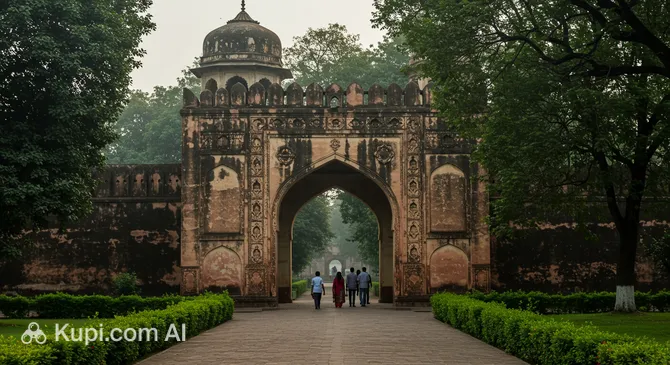
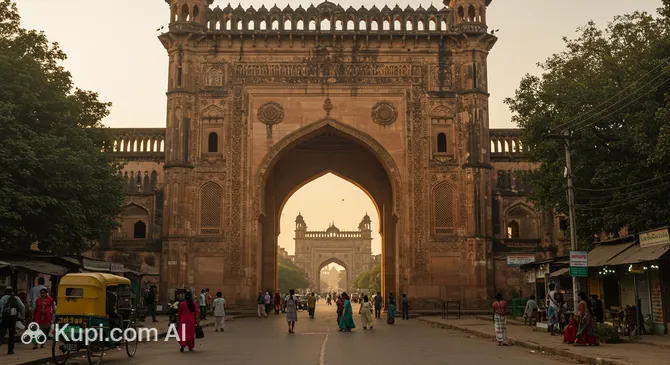
For those interested in the city's heritage crafts, the Chowk area is indispensable. Located in the old part of the city, often accessed via the historic Akbari Gate, this market is the epicenter of traditional manufacturing. Walking through these lanes offers a glimpse into the workshops of artisans creating perfumes and embroidery, providing a shopping experience that feels like a walk through history.

Akbari Gate. Source: Kupi.Binoculars

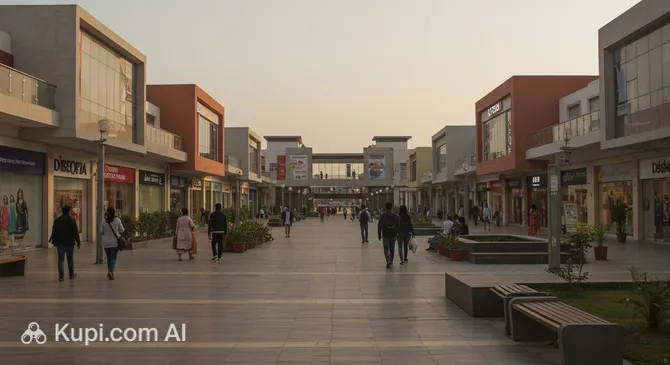
If you prefer the comfort of air-conditioned environments and international brands, Lucknow boasts several impressive shopping malls. Phoenix Palassio is a grand destination that offers a luxurious mix of high-end retail stores, fine dining, and entertainment options. Another popular spot is the Indira Nagar Shopping Mall, which caters to the daily needs of locals and tourists alike with a variety of shops and food outlets.

Indira Nagar Shopping Mall. Source: Kupi.Binoculars

The markets in Lucknow are not just about clothes; they are cultural hubs. Nakhas is famous for its Sunday bird market and antiques, offering a unique flea market vibe where you can find old wooden items and jewelry. The Janpath Market in Hazratganj is another favorite for bargain hunters looking for trendy accessories, leather goods, and ethnic wear at reasonable prices.

When it comes to souvenirs, Chikankari is the undisputed star. This delicate hand-embroidery on muslin or cotton is world-famous, and buying a Kurta or Saree featuring this work is a must. Another specialty is Ittar (or Attar), natural perfumes derived from flowers and herbs, sold in small crystal bottles in the Chowk area. You might also look for Zardozi work, which is heavy embroidery using gold and silver threads, often found on wedding attire and velvet purses.

Most shops in the main markets open around 11:00 AM and close by 9:00 PM. While malls and showrooms in Hazratganj accept credit and debit cards, cash is still the preferred mode of payment in traditional bazaars like Aminabad and Chowk. Tourists should note that India operates under a Goods and Services Tax (GST) system, which is usually included in the marked price or added at the bill; there is typically no tax refund scheme available for tourists on general shopping.

Reached the end of the page?

That means the route is fully explored