Support

Siddharthanagar

About

Siddharthanagar, widely known among locals and travelers as Bhairahawa, is a vibrant and significant city located in the southern plains of Nepal. As the administrative headquarters of the Rupandehi District in the Lumbini Province, it serves as a bustling hub of commerce, industry, and transportation. The city's energetic atmosphere creates a stark contrast to the peaceful countryside that surrounds it, offering visitors a glimpse into the dynamic daily life of the Terai region.

Geographically, the city is situated just a few kilometers from the Indian border, making it a strategic entry point for overland travelers. The climate here is subtropical, characterized by hot summers and mild, pleasant winters. With a population of approximately 63,000 residents, Siddharthanagar is a growing urban center that balances modern development with its role as a transit town.
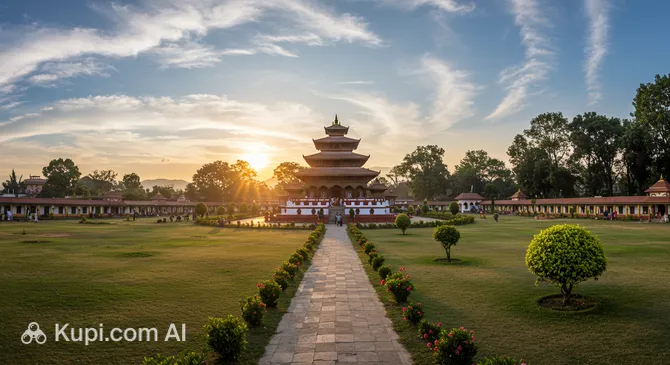
Siddharthanagar. Source: Kupi.Binoculars

While the city is often viewed as a commercial center, the history of Siddharthanagar is deeply connected to the spiritual heritage of the area. Its most prominent feature for tourists is its status as the primary gateway to Lumbini, the birthplace of Lord Buddha and a UNESCO World Heritage Site, which is located just a short drive away. This proximity makes the city an essential stop for pilgrims and history enthusiasts from around the world.

Beyond its spiritual connections, Siddharthanagar is famous for the Sunauli border crossing, one of the busiest and most important transit points for trade and tourism between Nepal and India. The city is also home to the Gautam Buddha International Airport, which has significantly enhanced connectivity, allowing easier access for international visitors eager to explore the region's cultural treasures.

Whether you are embarking on a pilgrimage to Lumbini or starting an adventure across the Nepalese plains, Siddharthanagar offers a convenient and welcoming base. Its mix of cross-border culture, convenient amenities, and strategic location makes it a noteworthy destination for any traveler planning a trip to this part of the country.
Weather Overview

Siddharthanagar experiences a subtropical climate typical of the Terai plains, characterized by distinct seasonal variations. The weather pattern generally features hot, humid summers and cool, pleasant winters. For travelers planning their visit, understanding the weather in Siddharthanagar is key to packing appropriately, as conditions shift significantly throughout the year.

The winter months of December and January are the coolest and driest, with average temperatures hovering around 14°C to 16°C and almost no rainfall. As spring approaches in March and April, temperatures rise steadily, reaching daily highs of roughly 34°C. This pre-monsoon period is warm and generally dry, making it a popular time for sightseeing before the heavy rains arrive.

From June through September, the city undergoes a transformation brought by the monsoon. This season sees the highest temperatures, averaging around 28°C to 29°C, accompanied by frequent rainfall; July and August can have up to 30 wet days each. By October and November, the rain subsides, and the air becomes crisper, offering a comfortable transition back into the cooler winter season.

Interesting Facts

Beyond the main attractions and its reputation as a transit hub, Siddharthanagar holds many fascinating secrets that enrich its identity as a border town. Here are a few intriguing details that reveal the deeper character of this bustling city.
  • Although the city was officially renamed Siddharthanagar in 1976 to honor Prince Siddhartha (Lord Buddha), almost all locals still refer to it by its historical name, Bhairahawa. This original name is believed to be derived from a local temple dedicated to Bhairav, a fierce manifestation of Lord Shiva, highlighting the region's deep Hindu roots alongside its Buddhist significance.

  • The city offers a surprising culinary delight; despite being located in the hot southern plains, it is renowned for serving some of the country's most authentic Thakali cuisine, a tradition that originates from the high Himalayas. Travelers can experience these traditional flavors at popular local establishments like Aagan Restaurant and Thakali Ghar, which bring the taste of the mountains to the Terai.

  • Siddharthanagar is home to Nepal's very first Special Economic Zone (SEZ), distinguishing it as a pioneer in the nation's industrial development. This status underscores the city's strategic importance as a major trade hub and economic engine, going far beyond its role as merely a gateway for pilgrims visiting Lumbini.

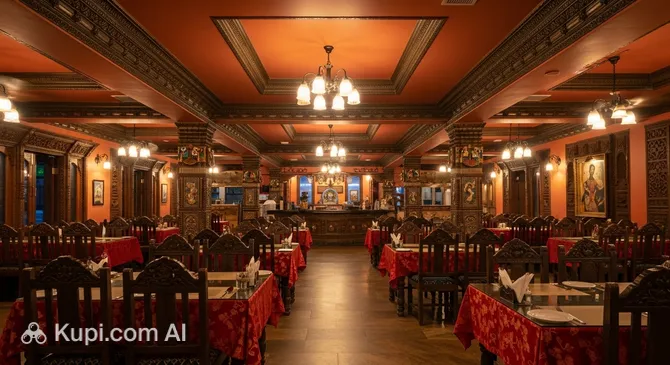
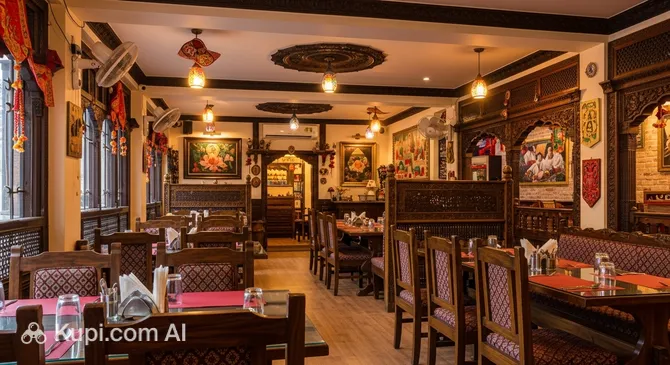
Aagan Restaurant and Thakali Ghar. Source: Kupi.Binoculars

How to Get There

Reaching Siddharthanagar is relatively straightforward thanks to its strategic location near the Indian border and its developing transport infrastructure. Whether you are arriving by air or land, there are several convenient options to choose from. For a complete guide on all travel methods, you can read more about how to get to Siddharthanagar on our detailed page.

The most convenient way to arrive is via Bhairawa Airport (BWA), also known as Gautam Buddha International Airport. It is located directly in Siddharthanagar, just 2.1 km from the city center. A taxi or shuttle from the airport typically takes only 5 to 10 minutes, making it an incredibly quick transfer. This airport serves as the primary gateway for pilgrims visiting Lumbini and travelers exploring the western Terai region.

Travelers coming from India often choose to fly into Gorakhpur Airport (GOP), situated in the city of Gorakhpur, approximately 85 km away from Siddharthanagar. Since this airport is across the border, the journey involves a drive of about 2.5 hours, plus time for customs and immigration at the Sunauli border crossing. Another option in India is Ayodhya Airport (AYJ) in Ayodhya, located about 152 km away, with a travel time of roughly 4 hours by road.

For clarity, here is a summary of the main airports:

Airport Name City Passenger Traffic Km from City
Ayodhya Airport Ayodhya Large 152.2
Gorakhpur Airport Gorakhpur Medium 85.0
Nepalganj Airport Nepalganj Medium 186.6
Simara Simara Small 157.4
Bhairawa Airport Siddharthanagar Small 2.1

While Siddharthanagar does not have its own railway station, it is well-connected to the Indian railway network through nearby border towns. The closest major railway hub is Gorakhpur Junction in India, which offers extensive connections to cities like Delhi, Mumbai, and Kolkata. From Gorakhpur, travelers can take a bus or taxi to the Sunauli border, crossing into Nepal to reach Siddharthanagar.

Main Attractions

Siddharthanagar serves primarily as a transit hub, but it offers its own unique charm through its culinary scene and proximity to world-class heritage sites. While the city itself is bustling with trade, the surrounding area holds treasures that range from spiritual sanctuaries to unique agricultural parks.

The most significant attraction for anyone visiting this region is undoubtedly Lumbini, located just a short drive west of the city. As the birthplace of Lord Buddha and a UNESCO World Heritage Site, it attracts pilgrims and peace-seekers from across the globe. Visitors can explore the sacred Maya Devi Temple, walk through the peaceful monastic zones built by various countries, and meditate in the sprawling gardens that radiate tranquility.

For a distinctively local experience, travelers should visit Ostrich Nepal in the nearby Gangoliya area. This facility is the largest ostrich farm in the country and offers a fascinating day out where visitors can observe these flightless birds in a well-maintained environment. It is an educational and entertaining stop, particularly popular among families and those curious about Nepal's agricultural innovations.

Aama Ko Chulo. Source: Kupi.Binoculars

The city is also gaining a reputation for its excellent culinary offerings. Aama Ko Chulo is a standout destination for those wishing to savor authentic Nepalese flavors. Translating to "Mother's Stove," this restaurant provides a cozy atmosphere where guests can enjoy traditional meals prepared with care, making it a great place to relax after a day of travel.

Another essential stop for food enthusiasts is Aagan Restaurant and Thakali Ghar. Renowned for serving some of the best Thakali cuisine in the Terai, this spot is famous for its flavorful rice sets and local side dishes. It offers a perfect opportunity to taste the rich culinary heritage of the Himalayas while staying in the plains.

Local Cuisine

The culinary landscape of Siddharthanagar offers a delightful fusion of traditional Nepalese flavors and the robust, spicy influences of the nearby Indian border. Located in the warm Terai plains, the city's food scene is characterized by rich curries, fresh local produce, and a street food culture that thrives in the bustling markets. For travelers, dining here is an opportunity to taste the authentic "frontier" cuisine of Nepal, which is often distinct from the milder flavors found in the hills.

The undisputed staple of the region is the classic Dal Bhat Tarkari (steamed rice, lentil soup, and vegetable curry), often served with spicy pickles and meat curries. However, Siddharthanagar is particularly famous for its high-quality Thakali sets, a meal tradition originating from the Himalayas that has found a second home here. Visitors eager to experience this should head to Aagan Restaurant and Thakali Ghar, which is widely celebrated for serving one of the best authentic Thakali thalis in the city, complete with delicious fermented accompaniments.

Street food is an integral part of daily life in Bhairahawa. Due to the proximity to India, you will find an abundance of snacks like samosas, chaat, and pani puri being sold by roadside vendors, especially in the evenings. Of course, no Nepalese city is complete without Momo (dumplings), which are available everywhere from small stalls to air-conditioned restaurants, served steamed or fried with a spicy tomato-based dipping sauce.

To beat the subtropical heat, locals turn to refreshing beverages. Lassi, a yogurt-based drink often sweetened and topped with dried fruits or cream, is a favorite cooler during the hot summer months. Fresh sugarcane juice is another common sight on the streets. For something warmer, sweet Masala Chiya (spiced tea) is the standard welcome drink. In the evenings, you can find local taverns serving domestic beers and, for the adventurous, Raksi, a traditional homemade distilled spirit.

The dining culture in Siddharthanagar ranges from quick bites in busy bazaars to relaxed family meals in established venues. For a comfortable atmosphere that emphasizes hospitality, Aama Ko Chulo is a popular choice among both locals and tourists. The name translates to "Mother's Stove," and the restaurant lives up to it by offering a wide variety of comforting, home-style Nepalese dishes in a setting that feels welcoming after a long day of travel.

Travel Tips

Welcome to Siddharthanagar! As the bustling gateway to the sacred gardens of Lumbini and a major entry point from India, this city offers a unique mix of commerce, culture, and spirituality. To help you navigate the lively streets and cultural nuances of this border town with ease, we have compiled a list of essential practical tips for your journey.

  1. Clothing and Gear: Since Siddharthanagar is located in the hot plains of the Terai, lightweight and breathable cotton clothing is essential, especially during the sweltering summer months. However, always carry a scarf or shawl; modest dress covering shoulders and knees is required when visiting the nearby sacred sites of Lumbini. A good pair of slip-on shoes is highly recommended, as you will frequently need to remove them at temples and monasteries.

  2. Transportation: The most popular and convenient way to get around the city is by electric rickshaws, locally known as "City Safaris." They are eco-friendly, abundant, and perfect for short distances. Taxis are available for longer trips, such as to the airport or Lumbini, but ride-hailing apps are not yet widely established here, so it is best to negotiate the fare before you hop in.

  3. Finances: The local currency is the Nepalese Rupee (NPR). While Indian Rupees (INR) are widely accepted due to the proximity to the border, please note that Indian notes of 500 and 2000 denominations are often not accepted or are technically restricted. Cash is king in local markets and smaller eateries, so keep small change handy. ATMs are available in the city center, but carrying a backup reserve of cash is wise.

  4. Health and Safety: The Terai region is prone to mosquitoes, so packing a strong insect repellent is non-negotiable, particularly if you are visiting during the monsoon or post-monsoon season. Pharmacies are readily available near the hospital areas, but always drink sealed bottled water to avoid stomach issues. The city is generally safe, but keep an eye on your belongings in crowded bazaar areas.

  5. Communication: Nepali is the official language, but due to the border location, Hindi is widely understood and spoken. English is generally spoken by staff in hotels and tourist-focused restaurants. If you need mobile data, you can purchase a SIM card (Ncell or Nepal Telecom) at the airport or local shops; remember to bring your passport and a passport-sized photo for registration.

  6. Local Etiquette: The traditional greeting is "Namaste," accompanied by placing your palms together. When handing over money or objects, always use your right hand (or both hands) as a sign of respect. Public displays of affection are considered culturally inappropriate, so it is best to be conservative in your behavior while in public spaces.

  7. What to Avoid: Be cautious of aggressive touts, especially if you are crossing the border at Sunauli or looking for transport to Lumbini. It is better to book travel through your hotel or an established travel agency rather than agreeing to offers from random individuals on the street.

  8. Border Crossing Tip: If you are planning to cross the Sunauli border overland, try to do so early in the morning to avoid the chaotic mid-day traffic and long queues. Also, keep a pen handy for filling out forms, as finding one at the immigration office can sometimes be a challenge!

Siddharthanagar is more than just a transit point; it is a place where the warmth of the people matches the heat of the plains. By keeping these practical tips in mind, you are sure to have a smooth, respectful, and enjoyable experience as you explore this dynamic corner of Nepal.

Entertainment & Nightlife

Unlike the bustling tourist hubs of Kathmandu or Pokhara, the nightlife in Siddharthanagar is relatively subdued and low-key. As a transit city and a gateway to the sacred site of Lumbini, the evening entertainment scene here revolves primarily around dining, hotel lounges, and a few local bars rather than high-energy nightclubs or discos. Travelers should expect a relaxed atmosphere where the main activity is enjoying a good meal and drinks in the company of friends or family.

The center of activity in the evenings is generally focused around Bank Road and the main market areas near Devkota Chowk. Here, the streets remain lively until around 9:00 PM or 10:00 PM, filled with locals shopping and eating. For those looking for a more upscale evening experience, the larger hotels in the city often feature their own bars and lounges, which are considered the safest and most comfortable places to enjoy a drink. There are also several casino resorts located on the outskirts of the city, near the border, which attract visitors looking for late-night gaming and entertainment.

For a pleasant evening out, the culinary scene serves as the main attraction. Aama Ko Chulo is a popular venue that stays open for dinner, offering a cozy ambiance where you can unwind after a long day of travel. It is an excellent spot to experience local hospitality in a setting that feels more refined than the typical street-side eateries. Similarly, Aagan Restaurant and Thakali Ghar provides a lively environment for an evening meal, where the focus is on enjoying hearty Thakali sets and local beverages.

Practical Advice for Night Owls: Most venues in Siddharthanagar close relatively early compared to Western standards. Restaurants typically take their last orders by 9:30 PM or 10:00 PM, though hotel bars may stay open slightly longer. The dress code is almost everywhere casual; you will feel comfortable in jeans and a t-shirt. Prices are generally very affordable, with a night out costing significantly less than in the capital. Beer and spirits are widely available, but it is polite to consume alcohol inside licensed venues rather than on the street.

Safety and Transport: Siddharthanagar is generally safe, but the area near the Sunauli border can be chaotic and is best avoided late at night unless you are crossing the border. It is recommended to stick to well-lit main streets in the city center. Public transport dwindles after dark, so if you are staying far from your dining venue, it is wise to arrange a taxi or an electric rickshaw (City Safari) in advance, or ask the restaurant staff to call one for you.

During the daytime, entertainment options shift towards cultural and recreational activities. While the city itself lacks large amusement parks, there are modern movie theaters screening the latest Bollywood and Nepali films, which are a popular pastime for locals. Additionally, the proximity to the expansive gardens of Lumbini offers a peaceful alternative for those seeking a serene day trip before returning to the city for the evening.

Parks & Museums

While Siddharthanagar is primarily known as a bustling commercial and industrial hub, its landscape is heavily defined by its proximity to some of Nepal's most serene and spiritually significant green spaces. The city itself is urban and functional, but it serves as the immediate gateway to lush gardens and protected natural areas that offer a tranquil escape from the busy market streets.

The most prominent green space accessible from the city is the Sacred Garden of Lumbini. Located just a short drive west, this UNESCO World Heritage site is far more than a collection of temples; it is a sprawling parkland characterized by peaceful canals, forests, and carefully manicured gardens. Visitors can walk or cycle through the Monastic Zone, enjoying the shade of Bodhi trees and the calm atmosphere. Within this area, the Lumbini Crane Sanctuary is a must-visit for nature lovers. It preserves the natural wetland habitat and serves as a protected nesting ground for the Sarus Crane, the world's tallest flying bird, offering a unique opportunity for birdwatching amidst spiritual surroundings.

For those willing to travel slightly further for a scenic retreat, Manimukunda Sen Park (often called Phulbari) is a popular destination. Although situated in the neighboring city of Butwal, about a 30-minute drive north, it is frequently visited by tourists staying in Siddharthanagar. The park houses the ruins of an ancient palace belonging to King Manimukunda Sen and features beautiful flower gardens, walking trails, and a small zoo. Its elevated location offers refreshing breezes and panoramic views of the plains, making it an excellent spot for a picnic.

Cultural exploration in the area is anchored by the Lumbini Museum, located within the Cultural Zone of the sacred complex. Designed by the renowned architect Kenzo Tange, the building itself is an architectural marvel with its cylindrical vaults. Inside, the museum houses a significant collection of artifacts, including Mauryan and Kushana coins, religious manuscripts, and terracotta fragments that depict the life of Lord Buddha and the history of the region. It provides essential context for understanding the archaeological significance of the sites you visit.

In terms of local history within the city limits, the Bhairav Sthan Temple holds a special place in the hearts of residents. It is believed that the city's common name, Bhairahawa, was derived from this shrine dedicated to Lord Bhairav, a fierce manifestation of Shiva. While smaller and less grandiose than the monuments in Lumbini, it offers a glimpse into the deep-rooted Hindu traditions that coexist with the Buddhist heritage of the region.

For an authentic local experience, take a bicycle ride into the rural outskirts surrounding the city. The flat terrain is dominated by vibrant yellow mustard fields and traditional farming villages. This unmanicured, open landscape offers a raw and beautiful perspective of the Terai lifestyle, far removed from the commercial hustle of the city center.

Getting Around

The public transport system in Siddharthanagar is relatively simple and informal compared to larger metropolitan areas. There are no metros, trams, or trains operating within the city limits. Instead, the transportation network relies heavily on road-based vehicles that are well-suited to the flat terrain of the region, offering a functional way to navigate the streets without the complexity of a large-scale transit grid.

The most popular and ubiquitous mode of transport is the electric rickshaw, locally known as "City Safari" or "Mayuri." These eco-friendly, three-wheeled vehicles serve as the primary means of getting around for both locals and tourists. They are ideal for short to medium distances and can navigate the bustling market streets with ease. For longer journeys to neighboring towns or the outskirts, larger local buses and minibuses are available, though they can be crowded and often lack air conditioning.

Payment for all forms of public transport is made exclusively in cash. There are no travel cards, digital passes, or mobile ticketing apps currently in use for local transit. Travelers should carry small denominations of the local currency, as drivers often struggle to provide change for large bills. Fares for electric rickshaws are generally very affordable, often ranging from a nominal amount for short trips within the city center, while bus fares are collected by a conductor on board during the ride.

For tourists, the most important piece of advice is to negotiate the fare before starting your journey, especially when taking a rickshaw or taxi that does not use a meter. While some routes have standard local rates, drivers may quote higher prices to visitors. In terms of operating hours, electric rickshaws are plentiful from early morning until around 8:00 PM or 9:00 PM. After this time, availability drops significantly, so it is wise to arrange transport in advance if you plan to be out late.

As an alternative to public transit, taxis are available, primarily stationed near the airport, the border crossing, and major hotels. They offer more comfort and space for luggage but are significantly more expensive than rickshaws. Car-sharing apps are not widely established here, so relying on street-hailing or hotel bookings is standard. Additionally, due to the city's compact size and flat landscape, renting a bicycle from your hotel is an excellent and popular way to explore at your own pace.

Accommodation

Finding a place to stay in Siddharthanagar is generally a straightforward experience, as the city offers a wide range of accommodation options tailored to its role as a major transit hub. The hospitality landscape here is dominated by budget-friendly guesthouses and mid-range hotels designed to cater to travelers moving between India and Nepal or pilgrims heading to Lumbini. With the recent upgrade of the international airport, the standard of accommodation is gradually rising, and visitors can now find several modern hotels offering enhanced amenities like air conditioning, Wi-Fi, and attached bathrooms.

The most convenient area for tourists to stay is the city center, particularly around Bank Road and the main market. Staying here places you within walking distance of local restaurants, shops, and the bus station, making it easy to arrange onward travel. For those with early morning flights or late arrivals, there is a growing cluster of hotels located near Gautam Buddha International Airport, offering quick transfers and a quieter environment away from the bustle of the bazaar. Alternatively, budget travelers planning an early morning border crossing often choose the simple lodges near the Sunauli border point, though this area can be quite chaotic and noisy.

When planning your trip, it is important to consider the timing of your visit. While walk-in availability is usually good throughout the year, it is highly advisable to book in advance during the peak tourist seasons of autumn (October to November) and spring (March to April). This is especially true during major Buddhist festivals such as Buddha Jayanti, when pilgrims flock to the region, causing many of the better hotels to fill up quickly.

In terms of cost, Siddharthanagar is a very affordable destination. Budget accommodation typically ranges from simple rooms with shared facilities to basic private rooms costing between $10 and $20 USD per night. Mid-range options, which include air conditioning and breakfast, usually fall between $25 and $50 USD. While true luxury resorts are scarce within the city limits, a few higher-end establishments near the airport and on the highway to Lumbini offer more comfort for around $70 to $100 USD. Booking can be done easily through major online platforms for mid-range and higher-end hotels, while many smaller budget guesthouses still operate primarily on a cash-only, walk-in basis.

Nearby Cities

For those looking to explore the surroundings, Siddharthanagar serves as an excellent base for day trips to several interesting nearby locations:

City Population Distance (km)
Bharatpur 369377 100
Pokhara 353841 95
Jitpur 337785 132
Ghorahi 156164 112
Tulsipur 141529 131

While the cities listed above make for excellent next destinations on a longer itinerary, the immediate vicinity of Siddharthanagar offers compelling options for convenient day trips that can be easily managed within a few hours.

Lumbini is undoubtedly the most significant site to visit, located just about 22 km west of the city. As the birthplace of Lord Buddha, it features a sprawling complex of monasteries, the sacred Maya Devi Temple, and peaceful gardens. It is the primary reason most travelers find themselves in this region, and a full day can easily be spent exploring the various international temples and soaking in the spiritual atmosphere.

Just 26 km north lies the city of Butwal, situated at the exact point where the flat Terai plains meet the rising foothills of the Himalayas. Unlike the quiet spirituality of Lumbini, Butwal is a bustling commercial hub known for its hill-station vibe and cooler breezes. Visitors often head to the Manimukunda Sen Park for panoramic views of the city below or to explore the local bazaars that serve as a trade link between the hills and the plains.

For history enthusiasts, a trip to Tilaurakot (Kapilvastu) is highly recommended. Located approximately 29 km west of Siddharthanagar, this archaeological site is believed to be the ancient capital of the Shakya kingdom where Prince Siddhartha lived the first 29 years of his life before renouncing the world. Walking among the ancient ruins of the palace complex offers a profound connection to the history of the region.

These nearby destinations offer a glimpse into the diverse culture and landscapes of the region, ranging from sacred pilgrimage sites to the foothills of the mountains.

Shopping & Souvenirs

Shopping in Siddharthanagar reflects its status as a bustling border town and a key commercial hub in the Terai region. Unlike the artisan-focused boutiques of Kathmandu, the shopping scene here is driven by trade and practicality, offering a mix of imported goods from neighboring India and local Nepalese products. Visitors will find a lively atmosphere where modern retail stores coexist with traditional street-side stalls, making it an interesting place to observe the daily economic life of the province.

The primary destination for retail therapy is Bank Road, which serves as the city's main high street. This thoroughfare is lined with a variety of shops selling everything from clothing and footwear to electronics and household items. Another key area is Milan Chowk, a busy intersection surrounded by commercial establishments. These districts are perfect for taking a stroll, where you can find branded showrooms sitting next to smaller local vendors offering affordable textiles and gadgets.

For a modern shopping experience, the city boasts a branch of Bhatbhateni Supermarket, Nepal's largest retail chain. This multi-story department store offers a one-stop solution for travelers, stocking international brands, groceries, liquor, and clothing in an air-conditioned environment. It is a convenient spot to pick up travel essentials or fixed-price goods without the need for bargaining.

To experience the local trade culture, visiting the weekly Haat Bazaar is a must. These open-air markets are a staple of the Terai lifestyle, where farmers from surrounding villages gather to sell fresh produce, spices, and handmade wares. Additionally, the proximity to the Sunauli border means there is a constant flow of goods; the markets near the border point are famous for inexpensive items ranging from kitchenware to fabrics, though the area can be quite chaotic and crowded.

While Siddharthanagar is not primarily known for handicrafts, tourists can still find excellent souvenirs. The region is a good place to buy Dhaka fabric (a traditional Nepalese textile) and readymade garments at reasonable prices. Food items also make great gifts; look for local varieties of pickles (achar) or packets of namkeen (savory snacks) that are popular in this border region. Since the city is the gateway to Lumbini, you may also find shops selling Buddhist prayer flags and incense, although the selection is wider closer to the pilgrimage site itself.

Most shops in Siddharthanagar open around 10:00 AM and close by 8:00 PM. While the larger supermarket and some hotels accept credit cards, the local economy is heavily cash-based. It is essential to carry sufficient Nepalese Rupees (NPR) when shopping in smaller stores or markets. Bargaining is common and expected in street markets and standalone shops, but prices in supermarkets and branded showrooms are generally fixed.

Regarding tax refunds, the Tax-Free shopping system (VAT refund) is generally not applicable for tourists in the local shops of Siddharthanagar. This facility is typically limited to specific large purchases at authorized retailers in the capital or at the international departure points, and the process can be complex. It is best to assume that the price you pay is final and inclusive of all local taxes.

Reached the end of the page?

That means the route is fully explored