Support

Nepalganj

About

Welcome to Nepalganj, a bustling sub-metropolitan city located in the southwestern plains of Nepal. As a major transport hub in the Lumbini Province, it serves as the primary gateway to the remote and beautiful western regions of the country. The city offers a distinct atmosphere that blends the energetic pace of a border town with rich cultural traditions, situated just a few kilometers from the Indian border. Unlike the mountainous terrain often associated with the nation, Nepalganj features the flat topography of the Terai region and experiences a warm, tropical climate.
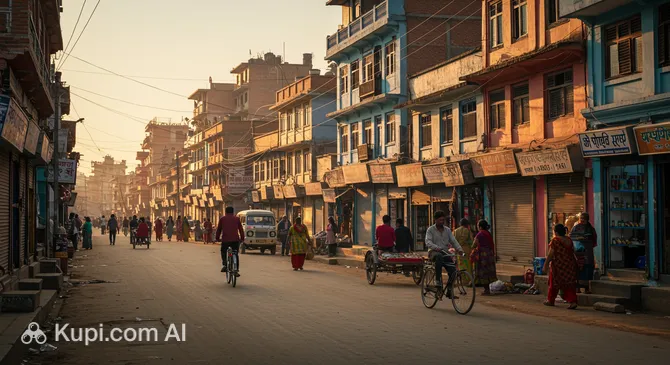
Nepalganj. Source: Kupi.Binoculars

With a population of approximately 72,000 residents, the city is a melting pot of diverse communities, languages, and faiths. Travelers interested in the region's background can explore the history of Nepalganj, which highlights its long-standing importance as a center for trade, commerce, and cultural exchange. The local bazaars are vibrant and lively, offering visitors a chance to taste unique local cuisines, such as the famous Ravadi sweets, and experience the warm hospitality of the locals.

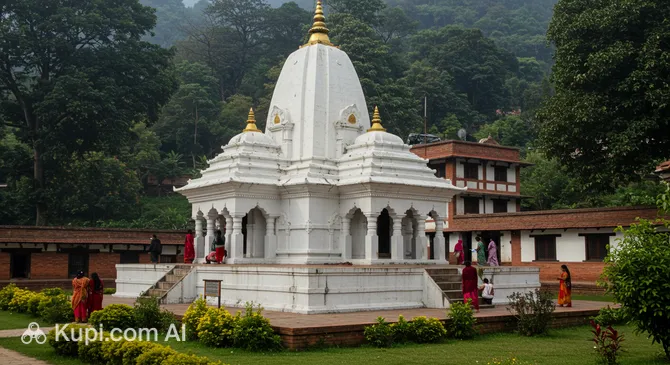
Among the city's key attractions is the renowned Bageshwori Temple, one of the most important Hindu shrines in the region dedicated to Goddess Durga. Within the temple premises, visitors can find a fascinating and rare statue of Lord Shiva with a mustache, which is locally known as Junge Mahadev. Additionally, Nepalganj is the ideal starting point for wildlife enthusiasts heading to Bardia National Park, a pristine sanctuary known for its population of Royal Bengal tigers and one-horned rhinoceroses. Whether you are embarking on a jungle safari or soaking in the spiritual ambiance, Nepalganj invites you to discover a different and fascinating side of the country.
Weather Overview

Nepalganj experiences a subtropical climate typical of the Terai plains, characterized by distinct seasonal changes. The city generally sees sweltering heat during the summer months and pleasant, milder conditions during the winter. To help you pack appropriately for your trip, it is helpful to review the detailed forecast and historical trends regarding the weather in Nepalganj before you travel.

The summer season, particularly from April to June, can be quite intense, with average temperatures climbing above 30°C and daily highs regularly reaching around 35°C. This heat is often followed by the monsoon season, which brings significant humidity and precipitation; July is typically the wettest month, experiencing rain on approximately 29 days. In contrast, the winter months of December and January are cool and very dry, with average temperatures dropping to around 14°C to 16°C, making it a comfortable time for outdoor activities.

Interesting Facts

Beyond the main attractions and busy streets, Nepalganj holds many fascinating secrets that reveal its deep historical roots and cultural vibrancy. This border city offers a unique blend of traditions and stories that often go unnoticed by the casual traveler.
  • The "New Country" History: Nepalganj is part of a region historically known as Naya Muluk, or "New Country." The districts of Banke, Bardia, Kailali, and Kanchanpur were returned to Nepal by the British East India Company in 1860 as a gesture of gratitude for Nepal's military assistance during the Indian Sepoy Mutiny, giving the city a distinct geopolitical legacy.

  • Vintage Horse Carriages: While modern vehicles dominate most Nepalese cities, Nepalganj retains a nostalgic charm with its traditional horse-drawn carriages, locally known as Tongas. These colorful carts are still used for transportation and offer a unique way to explore the city's bazaars, reminiscent of a bygone era.

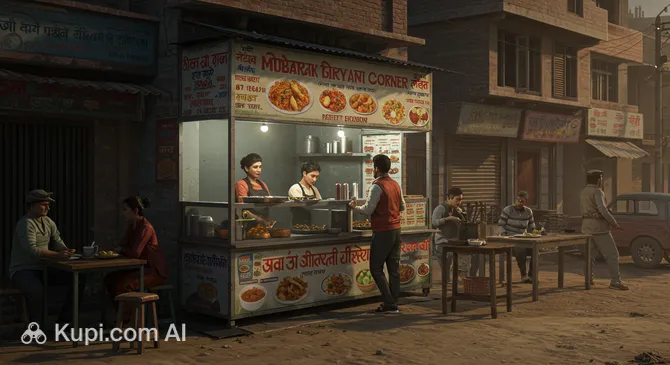
  • A Taste of Awadhi Cuisine: Due to its proximity to the Indian city of Lucknow, the local food culture is heavily influenced by rich Awadhi flavors. It is one of the best places in the country to savor authentic biryani and kebabs, with popular eateries like Mubarak Biryani Corner offering dishes that perfectly capture this culinary heritage.

  • Gateway to the Wild West: Although situated in the flat plains, the city serves as the critical aviation hub for the entire western region. It is the primary jumping-off point for flights to remote Himalayan destinations, including the majestic Rara Lake and the trekking trails of Dolpa, connecting the tropical heat of the Terai with the snowy peaks of the north.

  • A Sacred Pond: The revered Bageshwori Temple is not only known for its rare statue but also for the large, sacred pond within its complex. This body of water is central to local rituals and draws throngs of devotees who come to offer prayers and light oil lamps, especially during the vibrant festival of Dashain.

Bageshwori Temple. Source: Kupi.Binoculars

How to Get There

Reaching this vibrant city in the western plains is relatively straightforward, with air travel being the most time-efficient method. Whether you are arriving from within Nepal or crossing the border from India, there are several convenient options to consider. You can find all ways to reach the city and plan your journey in detail on our dedicated page.

The most direct way to arrive is via Nepalganj Airport (KEP), which serves as a vital transport hub for the region. Located just 7.5 km from the city center, this domestic airport offers frequent connections to Kathmandu and serves as a jumping-off point for flights to the remote mountain districts. It handles a significant volume of passengers, making it a busy regional facility. A taxi or rickshaw from the airport to the main market area typically takes about 30 minutes.

For international travelers, particularly those exploring the Indian side of the border, Chaudhary Charan Singh International Airport (LKO) in Lucknow is a major gateway. Situated approximately 160 km from Nepalganj, this large international airport connects to numerous global destinations. The journey from Lucknow to the border involves a drive of roughly 4 to 5 hours, followed by a short crossing into Nepal. Another option in India is the Ayodhya Airport (AYJ), located about 154 km away, which is growing in importance for regional connectivity.

For clarity, here is a summary of the main airports:

Airport Name City Passenger Traffic Km from City
Chaudhary Charan Singh International Airport Lucknow Large 160.3
Ayodhya Airport Ayodhya Medium 154.0
Nepalganj Airport Nepalganj Medium 7.5
Dhangadhi Dhangadhi Small 127.4
Surkhet Airport Surkhet Small 58.8

Besides air travel, Nepalganj is well-connected by land. It lies close to the Mahendra Highway (East-West Highway), making it accessible by long-distance bus services from Kathmandu, Pokhara, and other major Nepalese cities. The city also shares a border with Rupaidiha in India, allowing for easy entry by road for those traveling overland from the Indian state of Uttar Pradesh.

Main Attractions

As the spiritual anchor of the city, the Bageshwori Temple draws countless devotees and travelers eager to witness local religious traditions. While the temple is renowned for its unique iconography and sacred grounds, it is the palpable sense of devotion and the vibrant daily rituals that truly define the visitor experience. It stands as a must-visit landmark for anyone wishing to connect with the cultural heartbeat of the region.

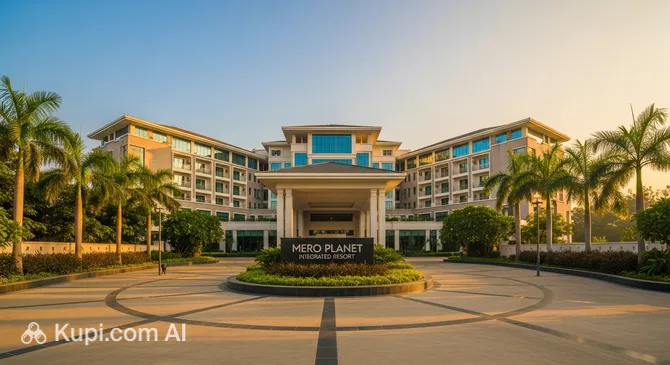
For a complete change of pace, the Mero Planet Integrated Resort offers a modern and exciting retreat for families and friends. This expansive complex is a favorite destination for escaping the heat, featuring a well-equipped water park with thrilling slides and refreshing swimming pools. Beyond the water activities, the resort provides excellent amenities and a lively atmosphere, making it the perfect spot for a full day of entertainment and relaxation.

Mero Planet Integrated Resort. Source: Kupi.Binoculars

When it comes to the city's gastronomic reputation, Mubarak Biryani Corner remains an undisputed local favorite. This eatery is celebrated for its mastery of traditional flavors, serving aromatic rice and meat dishes that have stood the test of time. It is a bustling spot where visitors can enjoy a satisfying, authentic meal that reflects the area's deep appreciation for rich and savory cuisine.

Mubarak Biryani Corner. Source: Kupi.Binoculars

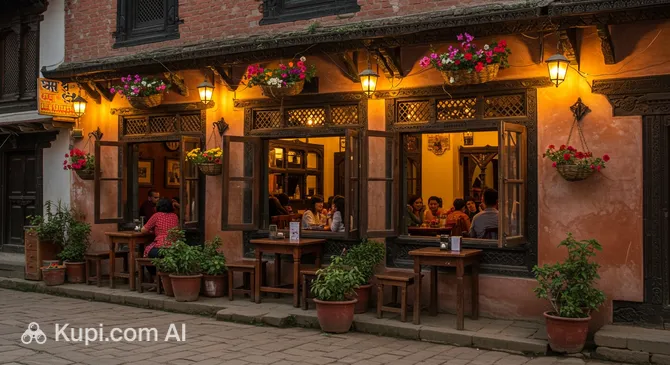
Those seeking a more tranquil dining environment will find a hidden gem in the Siddhartha Cottage Restaurant. Known for its welcoming hospitality and serene garden-like ambiance, this establishment offers a comfortable respite from the busy streets. The menu features a diverse selection of local and international dishes, ensuring a delightful culinary experience for travelers looking to unwind and enjoy a leisurely meal.

Local Cuisine

The culinary landscape of Nepalganj is a vibrant reflection of its location on the southern plains, offering a distinct fusion of Nepalese traditions and rich North Indian flavors. Due to its proximity to the border, the city is heavily influenced by Awadhi cuisine, making it a paradise for lovers of aromatic spices and slow-cooked meats. Unlike the simpler fare found in the hills, the food here is known for its depth of flavor, generous use of ghee, and variety of textures.

One of the absolute must-try dishes in the city is Biryani. Nepalganj is famously regarded as a hub for this spiced rice and meat delicacy, with local chefs mastering the art of layering flavors that rival those found in Lucknow. For those with a sweet tooth, the city offers a unique signature treat called Ravadi. This traditional dessert is made by slowly boiling milk until it thickens into a rich, creamy consistency, often shaped into small rounds and enjoyed as a decadent finish to a meal.

The street food culture is equally lively, particularly in the evenings around the main bazaars. Here, you can find vendors grilling Sekuwa, a popular spiced meat skewer that pairs perfectly with puffed rice. To beat the sweltering heat of the Terai, the most popular local drink is Lassi. This thick, yogurt-based beverage is served chilled and is often garnished with dried fruits and nuts, providing a refreshing and energizing break for travelers.

Siddhartha Cottage Restaurant. Source: Kupi.Binoculars

While the bustling street stalls offer an authentic taste of local life, there are also excellent options for a more relaxed dining experience. Siddhartha Cottage Restaurant is a favorite among visitors looking to enjoy these local flavors in a comfortable setting. With its garden ambiance and diverse menu, it provides a perfect spot to sample both traditional Nepalese thalis and the region's famous curries away from the noise of the market.

Travel Tips

Visiting Nepalganj offers a unique glimpse into the cultural tapestry of the Terai plains, but the intense climate and bustling border atmosphere require a bit of preparation. To help you make the most of your journey through this energetic city, here are some essential practical tips.

  1. Clothing and Gear: Light, breathable fabrics like cotton or linen are your best friends here, as the climate is often hot and humid. Since you will likely visit religious sites like the Bageshwori Temple, pack clothes that cover your shoulders and knees to respect local customs. Don't forget a sturdy pair of sandals that are easy to slip on and off, along with a high-quality power adapter (types C, D, and M are common) for your electronics.
  2. Transportation: The most convenient way to navigate the city streets is by using electric rickshaws or the traditional horse-drawn carriages known as Tongas, which are a signature of Nepalganj. For longer distances or trips to the border, taxis are available, but you should negotiate the fare beforehand as meters are rarely used. Car rentals are generally not necessary within the city itself due to the chaotic traffic and compact nature of the main areas.
  3. Finances: The official currency is the Nepalese Rupee (NPR). While Indian Rupees (INR) are widely circulated due to the proximity to the border, note that high-denomination Indian notes (usually those above 100) are often restricted or not accepted. Cash is definitely king here, especially in local bazaars and smaller eateries. ATMs are available in the city center and near Tribhuvan Chowk, but it is wise to carry enough cash for daily expenses in case of network outages.
  4. Health and Safety: As Nepalganj is located in a tropical zone, mosquito repellent is an absolute must to protect against insect-borne illnesses. Always stick to sealed bottled water and avoid tap water or ice in street drinks to prevent stomach issues. Pharmacies are plentiful around the main hospital areas, but carrying a basic first-aid kit with stomach medication and rehydration salts is highly recommended.
  5. Communication: While Nepali is the official language, Hindi and Awadhi are also widely spoken and understood by the locals. English is generally spoken by staff in major hotels and the airport, but less so by rickshaw drivers or market vendors. Learning a few basic phrases like "Namaste" (Hello) and "Dhanyabad" (Thank you) will be appreciated. You can easily purchase a local SIM card (Ncell or Nepal Telecom) at the airport or certified shops using your passport.
  6. Local Etiquette: The traditional greeting is a polite "Namaste" with palms pressed together. When visiting homes or temples, always remove your shoes before entering. If you choose to eat with your hands—a common practice for enjoying local Biryani—strictly use your right hand, as the left is considered unclean for dining purposes.
  7. What to Avoid: Avoid public displays of affection, such as kissing or prolonged hugging, as this is considered inappropriate in this conservative society. Additionally, refrain from photographing people, especially women and religious ceremonies, without asking for explicit permission first; a smile and a gesture are usually enough to ask.
  8. Beat the Heat: Life in Nepalganj often slows down during the peak afternoon heat (roughly 1:00 PM to 4:00 PM), especially in the summer months. Many local shops may close for a short break. Plan your outdoor sightseeing for the early morning or late afternoon, and use the midday hours to relax in the shade or enjoy a cool Lassi.

Armed with these practical insights, you are ready to navigate the vibrant streets and warm hospitality of Nepalganj with confidence. Embrace the local rhythm, savor the spicy flavors, and enjoy a safe and memorable adventure in this fascinating corner of Nepal.

Entertainment & Nightlife

While Nepalganj is not primarily known as a high-energy party destination like Kathmandu, its nightlife scene has evolved significantly in recent years, largely driven by its status as a border hub. The evening entertainment here is distinct, characterized by a blend of vibrant street markets, sophisticated hotel lounges, and a thriving casino culture that attracts visitors from across the border. For tourists, the nightlife offers a chance to unwind in a relaxed atmosphere, enjoying good food and drinks after a day of exploring the heat of the Terai.

The center of modern evening activity is largely concentrated along Surkhet Road. This area is home to the city's upscale hotels and restaurants, where you can find well-stocked bars and comfortable lounges. These venues typically stay open later than the rest of the city, offering a mix of domestic and imported liquors, cocktails, and music. In contrast, the area around Tribhuvan Chowk and the Sadar Line offers a more traditional and chaotic evening vibe, where the streets buzz with vendors selling spicy street food and local treats until around 9:00 PM or 10:00 PM.

For a complete entertainment experience, the Mero Planet Integrated Resort is a standout destination. Situated slightly away from the dusty center, this complex transforms into a lively spot in the evenings. It is popular among groups and families looking for a clean, modern environment to enjoy dinner and drinks. The resort often hosts events and provides a resort-style atmosphere that feels like a mini-vacation within the city.

Mero Planet Integrated Resort. Source: Kupi.Binoculars

If you prefer a more tranquil setting for your night out, the Siddhartha Cottage Restaurant is an excellent choice. Known for its lush garden seating and ambient lighting, it is one of the best places in town to enjoy a quiet conversation over drinks and dinner. The atmosphere here is laid-back and family-friendly, making it suitable for travelers who want to escape the noise of the bazaars. Additionally, several high-end hotels in the city feature casinos that operate late into the night, offering gaming and entertainment primarily targeted at international tourists.

Regarding daytime entertainment, the city offers a few diversions to beat the heat. Mero Planet is also the go-to spot during the day, featuring a fun amusement and water park that is perfect for cooling off. For movie lovers, there are modern cinemas like QFX Bageshwori, which screen the latest Bollywood and Nepali films in air-conditioned comfort. Cultural enthusiasts can also explore the local museums or simply enjoy the architectural diversity of the mosques and temples scattered throughout the town.

When venturing out at night, the city is generally safe, but it is advisable to stick to well-lit main roads and known establishments. The dress code is casual, though "smart casual" is appreciated in hotel bars and casinos. Public transport like buses stops running early, so electric rickshaws and taxis are your best bet for getting around after dark. Fares should be negotiated in advance, especially at night. Most local shops and smaller eateries close by 9:00 PM, so plan your evening meals accordingly if you aren't dining at a hotel.

Parks & Museums

While Nepalganj is primarily known as a bustling commercial hub and transit point, it offers several green spaces and recreational areas for travelers looking to unwind. The city does not boast large traditional museums, but its cultural depth is preserved in its religious sites and the surrounding natural reserves. Visitors can find a mix of modern amusement parks, small city gardens, and easy access to some of Nepal's most significant wildlife sanctuaries.

For those seeking modern leisure and family-friendly fun, the Mero Planet Integrated Resort is the city's premier destination. This expansive complex functions as a water park and amusement center, offering a refreshing escape from the humid climate of the Terai. With its swimming pools, slides, and well-maintained grounds, it provides a lively "park" atmosphere where visitors can relax and cool off after a day of sightseeing.

Within the city limits, Mahendra Park, often referred to locally as the Mini Zoo, serves as a traditional green space. It is a popular spot for locals to enjoy evening strolls and picnics. Although small, the park houses a few animal species and provides a quiet respite from the noise of the busy bazaars. Nearby, the Bageshwori Temple complex itself acts as an open-air cultural site. The temple grounds, centered around a sacred pond, offer a peaceful environment where one can observe the living history and religious traditions of the region.

Nepalganj is perhaps best appreciated as the gateway to the "Wild West" of Nepal. It serves as the nearest urban base for exploring Banke National Park, Nepal's youngest national park, located just a short drive away. This protected area is a haven for nature lovers, offering chances to spot wild elephants and diverse bird species. Furthermore, the city is the primary starting point for excursions to the world-renowned Bardia National Park, famous for its successful tiger conservation efforts and pristine jungle wilderness.

Getting Around

The public transport system in Nepalganj is informal, road-based, and quite distinct from the structured networks found in larger global capitals. There is no metro, tram, or train service within the city itself. Instead, the streets are dominated by a variety of smaller vehicles that are well-suited to the flat terrain of the region. For a tourist, getting around is generally affordable and offers a chance to engage directly with the local rhythm of life.

The most popular and convenient mode of transport is the electric rickshaw, often referred to locally as a "City Safari" or simply "e-rickshaw." These silent, battery-operated three-wheelers have largely replaced traditional cycle rickshaws, although you will still see the latter in the narrower market streets. E-rickshaws are ubiquitous and can be hailed from almost anywhere. They serve as the primary means of commuting for locals, offering both shared rides along fixed routes and private hires for specific destinations.

A unique and historical feature of Nepalganj's transport scene is the Tonga, or horse-drawn carriage. Unlike in many other cities where such carriages are purely for sightseeing, here they remain a functional part of the public transit mix, particularly near the border and older market areas. Riding a Tonga is not just a way to get from point A to point B; it is a nostalgic experience that connects you with the city's colonial and trade history. They are slower than modern vehicles but offer a charming perspective of the bustling bazaars.

For longer distances or travel to the outskirts, minibuses and larger local buses are available. However, these can be crowded and their routes might be confusing for a first-time visitor without local language skills. They typically operate from the main bus park and stop at major intersections. While very cheap, they are less comfortable than rickshaws and are generally not recommended for short hops within the city center.

The payment system is entirely cash-based. There are no travel cards, electronic passes, or tap-to-pay systems for public transport. You must pay the driver directly in local currency. It is highly advisable to carry small denominations (Rs. 10, 20, 50, and 100 notes), as drivers often struggle to provide change for large bills. Fares for shared e-rickshaws are usually fixed and very low, while private hires require negotiation.

Taxis are available but do not roam the streets looking for passengers like in major metropolises. You will mostly find them parked at the airport, near major hotels, or at the main bus terminal. They are best used for airport transfers or if you wish to hire a car for a full day of sightseeing. Ride-sharing apps are in their infancy here and are not reliable compared to the capital, so relying on street hailing is the standard practice.

Practical advice for tourists includes agreeing on the fare before you step into a rickshaw, tonga, or taxi to avoid misunderstandings later. Transport generally operates from early morning until around 8:00 PM or 9:00 PM. After this time, finding a ride on the street becomes significantly more difficult, so it is wise to arrange evening transport in advance if you plan to be out late dining or visiting the casinos.

Accommodation

Accommodation in Nepalganj has evolved significantly over the years to cater to a diverse mix of travelers, ranging from pilgrims and business travelers to tourists heading to the national parks. The city offers a broad spectrum of lodging options, from basic budget guesthouses and lodges to modern, mid-range hotels and a few upscale resorts. As a major transit hub in western Nepal, the hospitality sector is well-developed, ensuring that visitors can find a comfortable place to stay regardless of their budget.

For tourists seeking comfort and modern amenities, the area along Surkhet Road is the most recommended location. This thoroughfare is home to many of the city's newer and more sophisticated hotels, offering facilities like air conditioning, Wi-Fi, and in-house dining. Staying here keeps you connected to the main transport routes while providing a buffer from the chaotic noise of the inner markets. Conversely, budget travelers and backpackers often find affordable lodges clustered around Tribhuvan Chowk and the main bus park, though these areas can be quite bustling and noisy.

One of the notable establishments for those looking for a more comprehensive stay is the Mero Planet Integrated Resort. This property stands out as more than just a place to sleep; it offers a resort-style experience complete with recreational facilities, making it an excellent choice for families or travelers looking to relax after a long journey. Such venues highlight the city's growing capacity to offer leisure-focused hospitality alongside standard transit accommodation.

Booking Tip: Since Nepalganj is located in the tropical plains, the weather can get extremely hot, especially during the summer months. It is highly advisable to book a room with reliable air conditioning and a backup power generator, as load shedding (power cuts) can occur. If you are traveling during the wedding season or major festivals like Dashain, booking your accommodation a few weeks in advance is recommended to secure the best rates and availability.

In terms of pricing, Nepalganj remains a relatively affordable destination. Budget rooms can be found for very low rates, often payable in cash upon arrival. Mid-range and luxury hotels command higher prices but offer international standards of service and comfort. While the top-tier hotels are listed on major online booking platforms, many smaller guesthouses still rely on direct phone bookings or walk-ins. Checking reviews online for cleanliness and AC functionality is a smart move before confirming your stay.

Nearby Cities

For those looking to explore the surroundings, Nepalganj serves as an excellent base for day trips to several interesting nearby locations. While Nepalganj itself is a hub of activity in the plains, the adjacent districts offer scenic valleys, historical ruins, and distinct cultural experiences that are well worth the journey.

One of the most popular destinations for a short trip is Surkhet (Birendranagar), located in the beautiful Surkhet Valley to the north. As the capital of the Karnali Province, it provides a refreshing change of scenery with its slightly cooler climate and green hills. Visitors here often flock to the iconic Bulbule Taal, a serene lake and park that is perfect for picnics, and the ancient ruins of Kakrebihar, a temple complex that dates back to the 12th century and sits atop a small hill offering panoramic views.

To the east lies the Dang District, home to the cities of Ghorahi and Tulsipur. This region is situated in the Inner Terai and is deeply connected to the indigenous Tharu culture. Ghorahi is known for its religious sites, including the Ambikeshwari Temple and the Gorakhnath Temple. The area offers a glimpse into a different facet of life in western Nepal, characterized by fertile valleys and traditional villages that contrast with the border-town atmosphere of Nepalganj.

City Population Distance (km)
Ghorahi 156,164 86
Tulsipur 141,529 71
Butwal 118,462 186
Surkhet 117,000 61
Bhimdatta 104,000 176

These nearby destinations offer a glimpse into the diverse culture and landscapes of the region, making them perfect additions to your itinerary if you have extra time to spare.

Shopping & Souvenirs

Shopping in Nepalganj offers a vibrant mix of traditional Nepalese culture and the bustling energy of a border town. As a major commercial hub in western Nepal, the city serves as a trading point for goods coming from both the hill districts and neighboring India. Visitors will find that the shopping scene here is less about high-end luxury brands and more about exploring lively bazaars, discovering local handicrafts, and enjoying the affordable prices that result from the city's proximity to the border. The atmosphere is energetic, often chaotic, and filled with the sights and sounds of daily commerce.

The heart of the city's commercial activity is centered around Tribhuvan Chowk. This busy intersection and the streets radiating from it, particularly Sadar Line, form the main shopping artery of Nepalganj. Here, travelers can find a wide array of shops selling everything from electronics and fabrics to gold jewelry and daily necessities. It is a great place to walk around, observe the local lifestyle, and pick up clothing or accessories at reasonable rates.

For those seeking a modern retail experience, the city is home to a branch of the Bhat-Bhateni Supermarket. This large departmental store offers a sharp contrast to the traditional street markets, providing a comfortable, air-conditioned environment where you can purchase branded clothes, groceries, cosmetics, and household items all under one roof. It is a popular destination for locals and tourists alike who prefer a fixed-price, one-stop shopping destination.

The most fascinating market for visitors is undoubtedly Eklaini Bazaar. Known for its narrow, winding lanes and old-world charm, this market is the best place to shop for traditional items. It is particularly famous for its vast collection of colorful glass bangles, cosmetics, and bridal wear. The area is also renowned for its culinary heritage; while exploring the shops, you might pass by the famous Mubarak Biryani Corner, which is a landmark in itself within this bustling district.

When it comes to souvenirs, Nepalganj has a few unique specialties. The city is famous for a local sweet delicacy called Ravadi, a milk-based treat that makes for a delicious gift. Additionally, you can look for authentic Tharu handicrafts, such as woven baskets and traditional pottery, which reflect the indigenous culture of the region. The city is also a good place to buy Dhaka fabric, a traditional Nepalese textile used to make caps and shawls.

Most shops in Nepalganj typically open around 10:00 AM and close by 8:00 PM. While modern establishments like Bhat-Bhateni accept credit cards, cash is the preferred method of payment in the local bazaars and smaller shops. ATMs are widely available in the main commercial areas. Tax-free shopping or VAT refunds are generally not applicable for tourists in the local markets of Nepalganj, so it is best to assume that the listed price (or the bargained price) is the final cost.

Reached the end of the page?

That means the route is fully explored