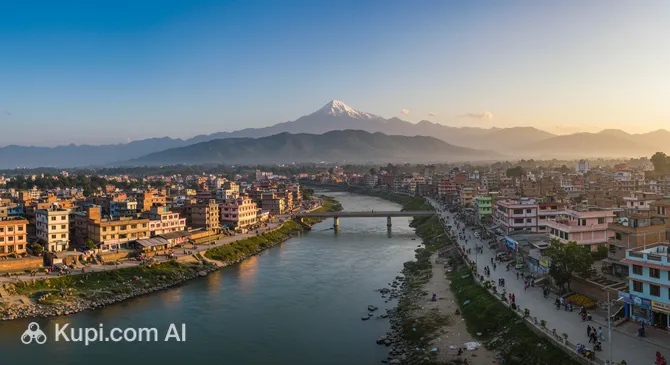
Shopping in Surkhet offers a modest yet culturally enriching experience that differs from the commercialized hubs of larger cities. As the primary trading gateway to the remote Karnali region, the city serves as a collection point for goods moving between the plains and the high Himalayas. Visitors will not find high-end luxury fashion houses here; instead, the shopping scene is defined by a bustling atmosphere filled with authentic local products, traditional textiles, and practical necessities that reflect the daily life of western Nepal.
The heart of the city's commercial activity is the **Birendranagar Bazaar**. Thanks to the city's unique status as a planned urban center, the main market area features relatively wide, grid-patterned streets, making it far easier to navigate than the crowded, narrow alleyways often found in other hill towns. The streets radiating from **Mangalgadhi Chowk** and the area surrounding the central Bus Park are lined with a diverse array of shops selling everything from ready-made garments and electronics to kitchenware and dry goods.
While Surkhet does not boast massive international shopping malls, a few modern shopping complexes and department stores have emerged in recent years to cater to the growing urban population. These multi-story centers offer a more organized shopping environment with fixed prices, providing a selection of branded clothing, footwear, and cosmetics. They serve as convenient stops for travelers who may have forgotten essential items or toiletries.
For a more traditional vibe, the local open-air markets are the place to be. The vegetable and spice markets are vibrant and colorful, showcasing the agricultural richness of the valley. Here, farmers from the surrounding hills bring their fresh produce, including organic vegetables, seasonal fruits, and aromatic spices. Wandering through these stalls offers a sensory connection to the region's culinary culture and is a great way to interact with friendly local vendors.
When it comes to souvenirs, the best items to buy are the unique organic products sourced from the high-altitude districts of Karnali. Look for packets of **Jumli Marsi** (a famous nutrient-rich red rice), organic beans, and pure mountain honey, which are highly enlarged for their quality. Additionally, you may find handmade wooden bowls and vessels crafted by the nomadic **Raute** community, as well as traditional woolen blankets known as radi or pakhi, which make for warm and practical keepsakes.
Most shops in the city typically open around **10:00 AM** and close by **7:00 PM** or **8:00 PM**. While Saturday is the official weekly holiday in the country, many shops in the main bazaar remain open or operate with reduced hours to cater to weekend shoppers. Cash is the undisputed king of commerce here. While a few modern stores and hotels might accept digital payments, small vendors, market stalls, and rickshaw drivers deal exclusively in Nepalese Rupees, so it is essential to carry sufficient cash.
Travelers should note that tax-free shopping or VAT refund schemes are not available in Surkhet. These facilities are generally limited to specific government-registered shops in the capital and the international airport. Therefore, the price you see or negotiate is the final price you pay.