Support

Cox's Bazar

About

Welcome to Cox's Bazar, a vibrant city that serves as the most popular tourist destination in Bangladesh. Renowned globally for possessing the longest unbroken natural sea beach in the world, this bustling hub offers a unique blend of coastal relaxation and cultural vibrancy. Whether you are seeking a serene escape by the Bay of Bengal or looking to explore lively local markets, Cox's Bazar provides an unforgettable atmosphere defined by golden sands and the rhythmic sound of crashing waves.
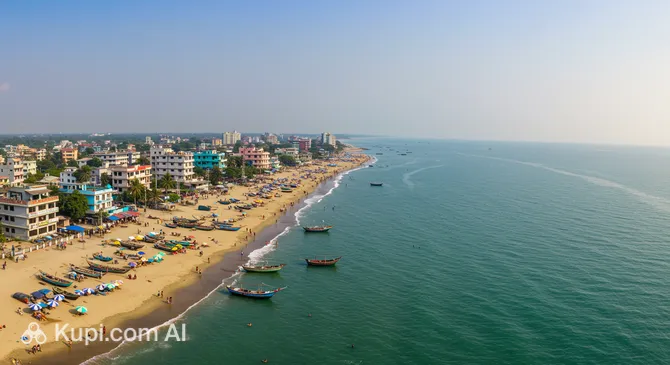
Cox's Bazar. Source: Kupi.Binoculars

Geographically, the city is situated in the Chittagong Division in the southeastern corner of the country. It enjoys a tropical climate, making it a favorable destination for beach lovers throughout much of the year. With a population of approximately 223,522 residents, it is a significant urban center that still retains the authentic charm of a fishing port. The town was named after Captain Hiram Cox, and travelers curious about the region's origins can explore the history of Cox's Bazar to learn how it evolved from a small palongkee (palanquin) into a major international resort area.

Beyond the spectacular 120-kilometer sandy beach, the city offers several other captivating attractions. Visitors can admire the Aggmeda Khyang, a magnificent Buddhist monastery that highlights the region's cultural diversity, or take a short trip to the nearby Himchari National Park, known for its refreshing waterfalls and scenic hilltop views. The local markets, often run by the Rakhine community, are also perfect spots to shop for traditional handicrafts, woven goods, and souvenirs.

We invite you to experience the warmth and hospitality of Cox's Bazar. From watching mesmerizing sunsets over the ocean to indulging in fresh, locally caught seafood, a trip to this coastal gem promises memories that will last a lifetime.
Weather Overview

The climate in this coastal region is tropical, offering warm temperatures throughout the year with distinct seasonal variations. Generally, you can expect hot, humid summers with frequent rainfall during the monsoon and mild, dry winters that are perfect for beach activities. To help you pack appropriately for your visit, we recommend checking the detailed guide to the weather in Cox's Bazar.

The most comfortable time to visit is typically from December to February, when the weather is cool and dry. During January, the average temperature is around 20.5°C, with lows dipping to 16.4°C, and there is almost no rainfall. As the year progresses into April and May, the heat increases, with average maximum temperatures reaching up to 32.7°C. The monsoon season, spanning from June to September, brings consistent rain, with August seeing up to 30 wet days, although the temperature remains warm at an average of roughly 27°C.

Interesting Facts

Beyond the famous golden coastline, Cox's Bazar holds fascinating secrets and record-breaking features that often surprise visitors. This region is not just about relaxation; it is a hub of unique geographical wonders and unexpected local industries.

  • The region boasts the longest marine drive in the world. Stretching approximately 80 kilometers from Cox's Bazar to Teknaf, this scenic road offers a breathtaking journey with the Bay of Bengal on one side and lush green hills on the other.

  • Just a few kilometers from the main town lies Nazirartek, which is considered the largest dried fish (Shutki) processing zone in the subcontinent. This bustling area produces a massive portion of the dried fish consumed in the country and exported abroad, offering a unique, albeit pungent, cultural experience.

  • While known for its calm waters, the city has emerged as an unexpected surfing destination. It is home to a passionate local surfing community and the first surf club in the country, attracting enthusiasts who ride the waves in a place not traditionally associated with the sport.

  • Parts of the beach are home to colonies of red crabs that create a stunning visual spectacle. At certain times of the day, vast stretches of the sand appear to turn red as thousands of these creatures emerge, only to quickly burrow back into the sand at the slightest sound of footsteps.

How to Get There

Reaching this coastal paradise is relatively straightforward, with options ranging from quick flights to scenic road trips and new rail connections. Whether you are traveling from within Bangladesh or arriving from abroad, understanding your transport choices will help ensure a smooth journey. For a detailed breakdown of all available routes and travel tips, you can read more about how to get to Cox's Bazar.

The most direct way to arrive is by flying into Coxs Bazar Airport (CXB). Conveniently located just 14.1 km from the heart of the city, this domestic hub welcomes daily flights from the capital, Dhaka, and other regional centers. It is the preferred choice for travelers looking to maximize their time on the beach, as the transfer from the terminal to the main hotel zone is quick and easy.

For international visitors, a common entry point is Shah Amanat International Airport (CGP), situated in the neighboring city of Chattogram. While the linear distance to Cox's Bazar is approximately 79.1 km, please note that the actual road distance is significantly longer due to the geography of the region. After landing in Chattogram, the drive to the coast typically takes around 4 to 5 hours, offering travelers a chance to see the lush Bangladeshi countryside along the way.

For clarity, here is a summary of the main airports in the wider region:

Airport Name City Passenger Traffic Km from City (Linear)
Shah Amanat International Airport Chattogram Large 79.1
Agartala Airport Agartala Large 269.7
Coxs Bazar Airport Cox's Bazar Medium 14.1
Aizawl Airport Aizawl Medium 259.0
Sittwe Airport Sittwe Small 181.2

In addition to air travel, the region is well-connected by ground transport. A robust network of long-distance buses operates from major cities like Dhaka and Chattogram, offering both luxury and economy services. For those who prefer rail travel, the city is now accessible via a direct train service. You can travel straight to the iconic, seashell-shaped railway station in Cox's Bazar, making the journey by train a comfortable and scenic alternative to the road.

Main Attractions

While the endless coastline is the primary draw, Cox's Bazar offers a variety of landmarks and natural wonders that make it a diverse destination. From bustling local squares to serene nature reserves, the city and its surroundings provide plenty of opportunities for exploration and photography.

The most iconic feature of the city is, of course, the Cox's Bazar Sea Beach. As the longest unbroken natural sea beach in the world, it is the heartbeat of the town's tourism. The beach is divided into several popular points such as Laboni, Sugandha, and Kolatoli, each offering a different vibe. Visitors spend their days walking along the golden sands, enjoying fresh coconuts, and watching the spectacular sunsets that paint the sky over the Bay of Bengal.

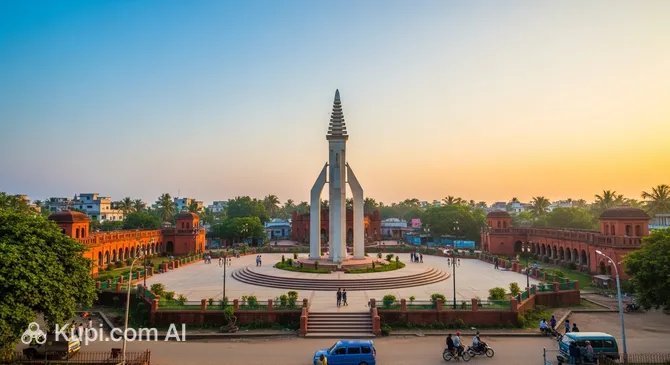
For those interested in local landmarks, the Eidgaon Shapla Square is a significant site. Located in the Eidgaon area, this monument features the Shapla (Water Lily), which is the national flower of Bangladesh. It stands as a symbol of national pride and serves as a central gathering point and recognizable landmark within the locality, reflecting the patriotic spirit of the residents.

Eidgaon Shapla Square. Source: Kupi.Binoculars

A short drive south along the coast brings you to Himchari National Park, a favorite spot for nature lovers. Famous for its "broken hills" and lush greenery, the park offers a refreshing contrast to the sandy beaches. The main attraction here is the Himchari Waterfall, which is particularly vibrant during the rainy season. Visitors can also climb the hilltop viewpoints to get a panoramic view of the vast ocean meeting the green hills.

Further down the Marine Drive lies Inani Beach, known for its unique coral boulders that become visible during low tide. Unlike the sandy stretches of the main town beach, Inani offers a rockier landscape and exceptionally clear blue waters. It is generally quieter and more serene, making it an excellent location for those looking to escape the crowds and enjoy a peaceful afternoon by the sea.

Another cultural gem is the Aggmeda Khyang, a prominent Buddhist monastery situated near the entrance of the town. This sacred site showcases traditional wooden architecture and houses a collection of ancient manuscripts and Buddha images. It provides a tranquil atmosphere and offers tourists a glimpse into the rich heritage and religious traditions of the Rakhine community living in the area.

Local Cuisine

The culinary landscape of Cox's Bazar is heavily defined by its proximity to the Bay of Bengal, making it a true paradise for seafood enthusiasts. The most iconic dish to try here is the Rupchanda fry (fried Pomfret), often served whole and marinated in spicy local masalas. Visitors can select fresh fish, crabs, or lobsters directly from display counters at many restaurants, which are then grilled or fried to order. Another local delicacy is Shutki, or sun-dried fish, which is a staple in the region. While it has a pungent aroma, dishes like Shutki Bhorta (spicy mashed dried fish) are packed with intense umami flavors and are highly recommended for those wishing to taste authentic Chittagonian cuisine.

In addition to seafood, the region reflects a unique blend of Bengali and Burmese influences, particularly evident in the variety of pickles and salads available. You will often find stalls selling achar (pickles) made from olive, mango, or tamarind, which range from sweet to extremely spicy. For a hearty meal, locals and tourists alike flock to the traditional "rice hotels." These casual, bustling eateries serve steaming plates of rice accompanied by an array of curries, daal, and vegetable mash (bhorta), offering a comforting and affordable dining experience.

When it comes to beverages, the beach culture dominates the scene. The most popular drink is fresh green coconut water, widely available from vendors right on the sand, providing a refreshing escape from the tropical heat. You can also find sugarcane juice and freshly squeezed fruit juices. Alcohol is generally not part of the mainstream dining culture due to local customs and is typically found only in upscale international hotels or designated licensed bars. Instead, the social ritual of drinking sweet, milky tea (cha) at roadside stalls remains the favorite way to unwind after a day by the sea.

Travel Tips

To ensure your visit to the world's longest natural sea beach is as relaxing and trouble-free as possible, a little preparation goes a long way. These practical tips are designed to help you navigate local customs, manage your logistics, and fully enjoy the unique coastal atmosphere of Cox's Bazar.

  1. Clothing and Gear: Cox's Bazar has a warm, tropical climate, so lightweight, breathable cotton fabrics are your best bet. However, Bangladesh is a conservative country; it is respectful to dress modestly. For men, t-shirts and long shorts or trousers are standard, while women generally prefer loose-fitting clothes that cover the shoulders and knees. If you plan to visit religious sites like the Aggmeda Khyang, you must dress conservatively and remove your shoes. Don't forget high-SPF sunscreen, sunglasses, and sturdy flip-flops for the hot sand.

  2. Transportation: The most popular way to get around the city and beach areas is by Tom-toms (electric three-wheelers) or traditional cycle rickshaws. They are abundant, eco-friendly, and affordable, though you should agree on the fare before hopping in. Ride-sharing apps like Uber or Pathao are less prevalent here than in the capital, Dhaka, so relying on local transport is often more practical. Walking is also a great option along the beach road and hotel zones.

  3. Finances: The local currency is the Bangladeshi Taka (BDT). While major hotels and upscale restaurants in the Kolatoli area accept credit cards, cash is king for almost everything else, including beach activities, souvenir shopping, and local transport. ATMs are widely available in the main town and near the hotel zones. Tipping is not strictly mandatory but is appreciated; leaving a small amount for waiters, hotel staff, or luggage porters is a kind gesture.

  4. Health and Safety: Stick to drinking bottled water and avoid tap water or ice in street drinks to prevent stomach issues. Pharmacies are plentiful along the main roads and usually stock common over-the-counter medicines. When swimming, always pay attention to the flags and instructions from the Sea Safe Guards; the currents in the Bay of Bengal can be surprisingly strong, and it is safest to swim in designated areas during low tide.

  5. Communication: The official language is Bengali. While locals in Cox's Bazar speak a distinct Chittagonian dialect that can be hard to understand even for other Bangladeshis, standard Bengali is universally understood. English is spoken at hotels and by many vendors in tourist areas, but learning a few phrases like "Assalamu Alaikum" (Peace be upon you) for greetings and "Dhonnobad" (Thank you) will go a long way. SIM cards can be purchased at the airport or local shops with a passport and visa copy.

  6. Local Etiquette: Bangladeshis are generally very hospitable and friendly. Greetings often involve a handshake (usually between men) or a polite nod. Public displays of affection, such as hugging or kissing, are frowned upon and should be avoided. When taking photos of locals, especially women, always ask for permission first as a sign of respect.

  7. What to Avoid: Avoid wearing revealing swimwear (like bikinis) on the main public beaches, as this attracts unwanted attention and is culturally inappropriate; many locals swim in t-shirts and shorts. Also, refrain from drinking alcohol in public places. Alcohol is regulated and generally only available in licensed bars within luxury hotels for foreigners.

  8. Shopping Tip: If you visit the famous Burmese Market to buy pickles, textiles, or handicrafts, be prepared to haggle. Bargaining is a normal part of the shopping experience here, and you can often get a better price with a friendly smile and a bit of negotiation. Also, be clear about prices before accepting services from beach photographers or pony ride operators.

By keeping these tips in mind, you can navigate Cox's Bazar with confidence and ease. Embrace the laid-back rhythm of coastal life, respect the local traditions, and you are sure to have a wonderful time exploring this beautiful corner of Bangladesh.

Entertainment & Nightlife

Entertainment in Cox's Bazar is distinctively different from the high-energy nightlife found in many Western capitals. Instead of a scene dominated by loud dance clubs, the evening atmosphere here is defined by relaxed coastal vibes, bustling night markets, and sophisticated lounges within luxury hotels. The city comes alive after sunset, with the cool ocean breeze inviting travelers to explore the vibrant streets and beachside promenades of the Hotel Motel Zone and Kolatoli Road.

For those seeking a refined evening with beverages and music, the options are primarily concentrated within the city's top-tier international hotels. Due to local regulations, alcohol is generally served only in designated bars inside 3-to-5-star establishments. One of the most popular spots is The Sunset Bar at the Sayeman Beach Resort, where visitors can enjoy premium drinks with a stunning view of the Bay of Bengal. Another excellent venue is Shooters Bar at the Ocean Paradise Hotel, known for its chic ambiance and billiards tables. These venues typically maintain a smart-casual dress code and offer a safe, upscale environment for tourists to unwind.

If you prefer a more authentic and energetic local experience, the night markets are the place to be. The famous Burmese Market is a hub of activity well into the evening, where you can shop for traditional textiles, handmade cigars, and an array of pickles (achar). Similarly, the area around Sugandha Beach transforms at night into a lively open-air food court. Here, you can select fresh seafood—ranging from red snapper to giant prawns—straight from the display and have it grilled to perfection right in front of you. The crowd is a mix of families, couples, and groups of friends, creating a festive and friendly chaos.

Practical advice for a night out includes planning your transport in advance. The colorful electric three-wheelers, known locally as Tom-toms, are the best way to get around the main districts. They are affordable and readily available, but it is wise to agree on a fare before hopping in. Average prices for food and drinks vary significantly; a street-side seafood feast is very budget-friendly, while cocktails at hotel bars are priced similarly to international standards. The best time to head out is around 7:00 PM, when the heat of the day has dissipated, and the markets are in full swing.

Safety is a priority in Cox's Bazar, and the Tourist Police maintain a visible presence in popular areas like Laboni and Sugandha points. It is generally safe to walk along the main beach roads and busy market streets until late. However, it is advisable to avoid unlit or isolated stretches of the beach after dark and to refrain from walking alone in the quieter areas near the Jhau forest. For any assistance or to get back to your hotel late at night, asking your hotel concierge to arrange a taxi is the most reliable option.

While the nights are for dining and relaxing, the daylight hours offer their own excitement. Families often visit the Sea Pearl Water Park, an international-standard amusement park located a bit further down Marine Drive, which offers thrilling slides and wave pools. Whether you are bargaining for souvenirs under the glow of market lights or sipping a drink by the pool, the entertainment landscape of Cox's Bazar offers a memorable blend of local culture and modern comfort.

Parks & Museums

While the golden coastline is undoubtedly the main attraction, the city and its surrounding district offer several green spaces and cultural institutions that provide a deeper understanding of the region's biodiversity and heritage. Beyond the surf, visitors can explore lush national parks, interactive aquariums, and cultural centers that celebrate the diverse ethnic tapestry of this southeastern corner of Bangladesh.

One of the most accessible natural retreats is Himchari National Park, located just a short drive south of the main town along the Marine Drive. This protected area is a haven for nature lovers, featuring a "broken hill" landscape covered in tropical rainforest. It is famous for its refreshing waterfalls, which are particularly spectacular during the monsoon season. Visitors can hike up the maintained trails to reach hilltop viewpoints that offer panoramic vistas of the Bay of Bengal, making it a perfect spot for photography and birdwatching.

For a more immersive wildlife experience, the Bangabandhu Sheikh Mujib Safari Park, commonly known as Dulahazra Safari Park, is a significant eco-tourism destination located about 50 kilometers north of Cox's Bazar. Unlike a traditional zoo, this park allows animals to roam in more natural settings while visitors observe them from protected vehicles or designated walkways. The park is home to a variety of animals, including elephants, tigers, lions, and spotted deer, set amidst towering trees and dense vegetation.

On the cultural front, Radiant Fish World stands out as a unique attraction within the city limits. As the first sea aquarium in Bangladesh, it functions as a living museum of marine life. It offers an educational journey through the underwater ecosystem of the Bay of Bengal, showcasing rare sea fishes, sharks, and stingrays. It is an excellent destination for families and anyone interested in learning about the aquatic biodiversity that sustains the local fishing industry.

To gain insight into the local ethnic communities, a visit to the Tribal Cultural Institute offers a glimpse into the life and history of the Rakhine people and other indigenous groups. The facility houses a small museum displaying traditional clothing, jewelry, musical instruments, and photographs that document the rich cultural heritage of the region. Additionally, the nearby town of Ramu serves as an open-air museum of sorts, dotted with ancient Buddhist temples and monasteries (Khyangs) that reflect centuries of history.

For an authentic local experience, try visiting the oyster and shell markets near the beach, which often function like informal galleries of the ocean's treasures. While not a formal museum, browsing the intricate shell crafts and pearls provides a tangible connection to the artisanal skills passed down through generations of coastal residents.

Getting Around

The public transport system in Cox's Bazar is quite different from what you might find in a major metropolitan capital. There is no metro, tram, or extensive city bus network operating within the town itself. Instead, the city relies on a highly efficient, informal network of small vehicles that are perfectly navigating the coastal geography. For the vast majority of tourists, getting around is an experience defined by open-air rides and the salty sea breeze.

The most popular and ubiquitous mode of transport is the battery-operated three-wheeler, locally known as the Tom-tom (or Easy Bike). These colorful, eco-friendly vehicles rule the roads and serve two distinct functions. First, they operate like shared buses along the main arteries, such as the road from Kolatoli Beach to the main market. You can simply flag one down, hop in with other passengers, and pay a nominal fixed fare for a specific distance. Secondly, they can be hired privately ("Reserve") to take you directly to your destination without stopping for others, which is a great option for families or groups carrying beach gear.

For shorter distances or a more leisurely pace, traditional cycle rickshaws are widely available. These are perfect for exploring the narrower lanes or taking a slow, scenic ride along the promenade during sunset. While they are slower than motorized options, they offer a quiet and charming way to soak in the local atmosphere. For longer trips, such as visiting Himchari or Inani Beach along the Marine Drive, CNG auto-rickshaws (green three-wheelers with a cage-like structure) are the preferred choice due to their higher speed and ability to handle longer distances.

When it comes to payment, cash is the only accepted method for local transport. There are no travel cards, passes, or digital ticketing systems for Tom-toms or rickshaws. It is essential to carry small denominations of the local currency, as drivers often struggle to make change for large banknotes. Fares for shared Tom-tom rides are generally fixed and very affordable, while prices for private hires ("Reserve") and rickshaws should be negotiated and agreed upon before you start your journey to avoid misunderstandings later.

Regarding operating hours, transport is available from early morning until late at night. In the busy tourist zones like Kolatoli and Sugandha, you will find Tom-toms and rickshaws operating well past midnight to cater to tourists returning from dinner or night markets. However, if you are planning to travel to more remote areas or need a ride very late at night, it is advisable to arrange transport through your hotel or ensure you have a reliable driver's contact number.

Alternatives like standard taxicabs are rare on the streets and are typically found only at the airport or arranged via high-end hotels. Ride-sharing apps like Uber and Pathao do exist in the city, but availability can be inconsistent compared to larger cities. Consequently, most visitors find it much faster and more convenient to simply hail a Tom-tom directly from the street. For those wanting to drive themselves, renting a car is uncommon, but hiring a private car with a driver for a day trip along the coast is a popular and comfortable service offered by many local tour agencies.

Accommodation

Finding the perfect place to stay in Cox's Bazar is relatively easy, as the city boasts a vast array of accommodation options tailored to every type of traveler. As the country's premier tourist destination, the infrastructure here is well-developed, ranging from economical guesthouses and backpacker-friendly hostels to world-class luxury resorts that offer private beach access and five-star amenities. Whether you are visiting for a quick weekend getaway or a long, relaxing holiday, you will find something that fits your budget and style.

The most popular and convenient area for tourists to base themselves is the renowned Hotel Motel Zone along Kolatoli Road. This bustling strip is the heartbeat of the city's tourism, located just steps away from the main public beaches. Staying here puts you within walking distance of hundreds of restaurants, souvenir shops, and the vibrant night markets. It is an ideal location for those who want to be in the center of the action and enjoy easy access to transport like Tom-toms and rickshaws.

For travelers seeking serenity and a more exclusive experience, the area along Marine Drive towards Inani Beach is becoming increasingly popular. Away from the crowds of the main town, this stretch is home to several high-end eco-resorts and luxury hotels. These properties often feature lush gardens, swimming pools, and unobstructed views of the sea, making them perfect for honeymooners or families looking for a quiet retreat amidst nature.

Booking Tip: Cox's Bazar is an extremely popular destination for domestic tourists, especially during the winter months (December to February) and around major holidays like Eid. During these peak times, hotels can fill up weeks in advance, and prices may surge. It is highly recommended to book your accommodation well ahead of your trip to secure the best rates and ensure availability.

In terms of pricing, the city covers the entire spectrum. Budget travelers can find clean, basic rooms for very affordable rates in the side streets off the main road. Mid-range hotels offer comfortable air-conditioned rooms with modern amenities at reasonable prices. Luxury accommodations are priced higher but provide international standards of service and comfort. While major hotels can be booked via international online platforms, many smaller, local establishments rely on direct phone bookings or social media pages.

Nearby Cities

For those looking to explore the surroundings, Cox's Bazar serves as an excellent base for day trips to several interesting nearby locations:

Chattogram, the second-largest city in the country, is a significant destination located to the north. As a major port city nestled among rolling green hills, it offers a distinct change of pace from the beach. Visitors can explore the Ethnological Museum, which details the diverse tribal cultures of the region, or enjoy a boat ride on the scenic Foy's Lake. The city is also known for the Shrine of Bayazid Bostami and the World War II Cemetery, making it a hub of history and commerce.

Just a short distance inland lies the town of Ramu, which is famous for its rich Buddhist heritage. It is home to centuries-old monasteries, temples, and pagodas containing precious images of Buddha in gold, bronze, and other metals. The area is also known for its traditional handicrafts, particularly weaving and cigar making, offering a peaceful cultural excursion that contrasts with the bustling energy of the main tourist strips.

For a unique island experience, travelers often take a boat to Maheshkhali. This island is renowned for the ancient Adinath Temple, dedicated to the Hindu god Shiva, which sits atop the Mainak Hill and provides breathtaking views of the mangrove forests and the sea. The island's simple lifestyle, salt pans, and betel leaf cultivation offer a glimpse into the traditional coastal way of life in rural Bangladesh.

City Population Distance (km)
Chattogram 7000000 92
Chauddagram 443648 198
Companiganj 279870 165
Feni 265000 173
Maijdee 130842 174

These nearby destinations offer a glimpse into the diverse culture and landscapes of the region.

Shopping & Souvenirs

Shopping in Cox's Bazar is a delightful experience that revolves less around high-end international brands and more around unique local handicrafts, traditional goods, and beachside treasures. The city offers a vibrant shopping scene where tourists can find everything from colorful handloom textiles to exotic culinary treats. It is particularly famous for products influenced by the neighboring Rakhine state of Myanmar, as well as its abundance of marine-themed souvenirs that perfectly capture the spirit of the coast.

The primary shopping hub for tourists is concentrated around the Burmese Market area in Tekpara and the bustling stalls lining the Kolatoli Road and Laboni Point. These streets are alive with energy, lined with hundreds of small shops and open-air vendors displaying their wares. For a more local atmosphere, the Main Road of the city offers general stores and clothing boutiques where residents shop for their daily needs, providing a glimpse into the everyday life of the town.

While the city is best known for its traditional markets, there are a few modern shopping complexes for those seeking a more conventional retail experience. Salim Plaza and the newer shopping centers near the Hotel Motel Zone offer a mix of clothing, electronics, and cosmetics in an air-conditioned environment. These malls are good places to visit if you need travel essentials, branded toiletries, or fixed-price garments, offering a comfortable break from the heat of the outdoor bazaars.

The most famous shopping destination is undoubtedly the Burmese Market. This is not a single building but a cluster of shops run largely by the Rakhine community. Here, you can find an array of goods including hand-woven shawls, lungis, and the famous wood-based cosmetic paste known as "Thanaka." Another significant spot is the Shutki Mahal (Dry Fish Market) in the Nazirartek area or near the main market. Even if you don't plan to buy, a visit here is a sensory experience, with rows of dried fish stacked high, representing a major local industry.

When it comes to souvenirs, Cox's Bazar offers several distinct items that are popular among visitors. Shell crafts are ubiquitous, with vendors selling beautiful conch shells, pearl jewelry (often cultured), and intricate home decor made from sea snails. Food items are also top sellers; tourists frequently take home jars of Burmese Achar (pickles) made from olive, mango, or plum, which are famous for their spicy and tangy flavors. Additionally, high-quality dried fish (Shutki) is a prized item to bring back for cooking authentic Bangladeshi curries.

Most shops in the tourist areas open around 10:00 AM and stay open late into the night, often until 10:00 PM or 11:00 PM, catering to the evening crowds. Cash is the primary mode of payment in almost all markets and small stalls. While some larger showrooms and hotels may accept credit cards, it is highly recommended to carry sufficient Bangladeshi Taka in smaller denominations for bargaining at street stalls and rickshaw rides.

Tax-free shopping or VAT refund schemes for tourists are generally not available in Cox's Bazar. The prices in local markets are typically gross prices, and bargaining is the standard practice rather than reclaiming tax at the airport. Visitors should simply focus on negotiating a fair price directly with the vendors.

Reached the end of the page?

That means the route is fully explored