Support

Ann

About

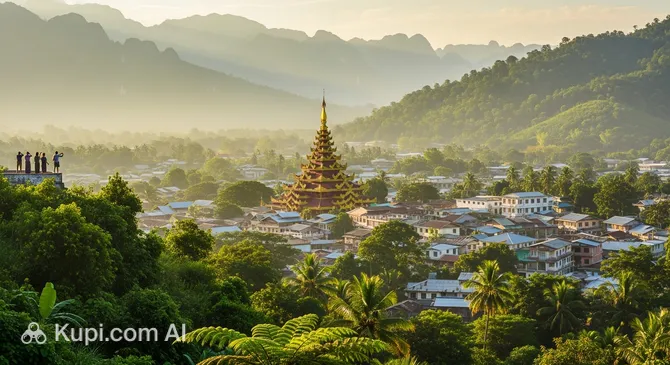
Nestled within the lush landscapes of the Rakhine State, Ann is a town that offers a glimpse into the quieter side of daily life in Myanmar. Often regarded as a significant transit point connecting the central plains to the coastal regions, this settlement is situated among the rolling hills of the Arakan Yoma mountain range. Its location makes it a unique stop for travelers venturing through the western part of the country, characterized by its green surroundings and relatively cooler climate compared to the lowlands.

Ann. Source: Kupi.Binoculars

The town serves as a gateway to the famous Ann Pass, a scenic route that winds through the mountains and offers breathtaking views of the pristine natural environment. While the history of Ann has largely been defined by its strategic position along this vital transportation corridor, today it stands as a testament to the resilience and culture of the local communities. Visitors passing through can observe the traditional architecture and the gentle pace of life that defines this part of the region.

Travelers exploring Ann can appreciate the authentic atmosphere of its local markets, where fresh produce and regional goods are traded. The area is also home to several serene pagodas, which provide peaceful spots for reflection amidst the hills. Whether you are traversing the mountain pass or simply taking a break on a longer journey, Ann offers a refreshing encounter with the natural beauty and local heritage of the Rakhine State.

Weather Overview

The climate in Ann is defined by distinct wet and dry seasons, which significantly influence the best time to visit. Travelers planning a trip should consult the detailed guide on the weather in Ann to ensure a comfortable journey. The winter months, spanning from December to February, are generally considered the most pleasant; during this time, average temperatures hover around 21°C to 23°C, and rainfall is virtually non-existent.

As the year progresses into April and May, the heat intensifies, with maximum temperatures peaking near 34.5°C. This period precedes the monsoon season, which dominates from June through September. During these months, the region experiences precipitation almost every day, with July and August often recording up to 31 wet days each. Despite the frequency of the rain, the air remains warm. Overall, you can expect hot, humid summers with consistent daily rainfall and mild, dry winters perfect for outdoor activities.

Interesting Facts

Beyond its scenic landscapes, Ann holds several fascinating secrets that reveal its deep historical roots and unique geographical significance. While often viewed merely as a transit point, this town possesses a character defined by ancient royal connections and surprising local features.

  • Royal Foundations: Unlike many towns that grew organically from trading posts, Ann was deliberately founded in the 14th century (around 1334-1335) by King Min Hti. He was a prominent ruler of the Launggyet Dynasty, the period preceding the famous Mrauk U Kingdom. Historical records suggest it was established as a strategic stopover for his army after a campaign, marking it as a settlement with royal heritage from its very inception.

  • Gateway to the Clouds: The town sits at the entrance to the Ann Pass, one of the few drivable routes cutting through the formidable Arakan Yoma mountain range. This pass is not just a road but a dramatic geographical threshold that connects the humid coastal region of Rakhine with the arid central zone of Myanmar, often shrouded in mist that gives the journey a mystical quality.

  • A Surprising Green: Despite its remote location in the hills, the town boasts the Ann Golf Course, a facility that surprises many visitors. Its presence is a nod to the town's long-standing status as a regional administrative hub, offering a touch of leisure amidst the rugged mountain terrain.

  • A Climate Anomaly: Thanks to its elevation in the foothills of the Arakan Yoma, Ann enjoys a microclimate that is noticeably cooler and less humid than coastal cities like Sittwe. This natural feature has historically made it a favored resting spot for travelers seeking respite from the tropical heat of the lowlands.

How to Get There

Reaching the town of Ann typically involves a combination of air and road travel, as the settlement itself does not have its own airport. Visitors usually fly into one of the airports in the neighboring cities and then continue their journey by car or bus through the scenic roads of Rakhine State. For a comprehensive guide on all transport options, you can read more about how to get to Ann.

The closest facility to the town is Kyaukpyu Airport (KYP), located in the city of Kyaukpyu. It is situated approximately 64.6 km from Ann. After landing, a taxi or bus ride to the town center takes about 2 hours, allowing travelers to enjoy the coastal and hilly landscapes along the way. Although it is a smaller airport with annual passenger traffic of around 30,000 people, it serves as a convenient entry point for those looking to minimize overland travel time.

Another viable option is Sittwe Airport (AKY) in the state capital, Sittwe. Located about 128.1 km from Ann, this airport handles a larger volume of travelers, with roughly 150,000 passengers annually. The journey from Sittwe to Ann by road takes approximately 3.5 hours. For tourists visiting the ancient temples of Bagan, Nyaung U Airport (NYU) in Nyaung-U is another significant hub. It is about 182.1 km away, and the transfer to Ann takes around 5 hours.

For clarity, here is a summary of the main airports nearby:

Airport Name City Passenger Traffic Km from City
Cox's Bazar Airport Cox's Bazar Large 285.2
Nyaung U Airport Nyaung-U Medium 182.1
Sittwe Airport Sittwe Medium 128.1
Nay Pyi Taw Airport Naypyidaw Small 227.8
Kyaukpyu Airport Kyaukpyu Small 64.6

Main Attractions

While Ann is often viewed as a transit hub connecting the central plains of Myanmar with the coastal Rakhine State, it possesses its own quiet charm and set of points of interest for the observant traveler. The town is nestled in a valley surrounded by the verdant hills of the Arakan Yoma, offering a scenic backdrop that defines most of its attractions. Visitors here can experience an authentic slice of local life, far removed from the bustling tourist trails of the country's larger cities.

The most prominent feature of the area is the Ann Pass. This winding mountain road is not just a crucial transportation link but a spectacular journey in itself. As travelers ascend the route, they are treated to sweeping panoramic views of the dense, mist-covered rainforests and the rugged terrain of the Arakan Mountains. It is an ideal spot for photography enthusiasts and nature lovers who wish to capture the raw, untouched beauty of the region's landscapes.

For a glimpse into the spiritual life of the town, the local Hilltop Pagodas are a must-visit. Like many settlements in the region, Ann is home to several golden stupas perched on elevated grounds. These religious sites offer a peaceful atmosphere for meditation and reflection. Climbing to these pagodas rewards visitors not only with a sense of serenity but also with bird's-eye views of the town and the winding river below, making it a perfect activity for a late afternoon walk.

To experience the daily rhythm of the community, a visit to the Ann Myoma Market is highly recommended. This bustling center of commerce is where locals from nearby villages come to trade fresh produce, dried fish, and regional handicrafts. It is a vibrant place to observe local culture, sample traditional snacks, and perhaps purchase unique textiles or goods that are characteristic of the Rakhine people. The market offers a genuine connection to the town's friendly inhabitants and their way of life.

Surrounding the town, the foothills of the Arakan Yoma provide opportunities for light trekking and exploration. The area's biodiversity is rich, and short hikes can lead to secluded spots with pristine natural surroundings. The cooler climate, compared to the humid coast, makes exploring these green trails a refreshing experience for those looking to immerse themselves in nature.

Local Cuisine

The local cuisine in Ann offers travelers a distinct and flavorful introduction to the culinary traditions of Rakhine State. Unlike the milder, oily curries often found in central Myanmar, the food here is characterized by its bold use of fresh ingredients, fiery chilies, and sour accents. As a transit hub connecting the coast to the mountains, the town's eateries serve hearty, energizing meals designed to satisfy locals and weary travelers making their way through the Ann Pass.

The undisputed star of the local dining scene is Rakhine Mont Di. This beloved dish consists of thin rice noodles served either as a soup with a rich, daggertooth pike conger fish broth or as a dry salad mixed with oil and spices. It is typically garnished with a generous amount of roasted chili paste, garlic, and fresh coriander. For those who enjoy heat, this dish is a culinary adventure, often accompanied by a side of crispy fried fritters or fish cakes to balance the texture.

Another staple worth trying is the variety of spicy salads, locally known as thoke. These are often made with seasonal vegetables, seafood, or even noodles, tossed in a dressing of lime juice, fish sauce, and plenty of fresh chilies. The flavors are sharp and zesty, providing a refreshing contrast to the humid climate. Rice is the centerpiece of most meals, usually served with spicy fish curries or a side of the famous Rakhine ngapi (fermented fish paste), which is pungent, salty, and deeply savory.

When it comes to beverages, the tea shop culture is alive and well in Ann. Locals gather at small roadside establishments to sip on Laphet Yay, a sweet and creamy Burmese milk tea that provides a caffeine kick for the day. These shops also serve complimentary pots of weak green tea, which acts as a palate cleanser. For something cooler, fresh sugarcane juice and seasonal fruit drinks are widely available at market stalls, offering a natural way to hydrate.

Dining in Ann is a casual and authentic affair. You will not find high-end restaurants here; instead, the town is dotted with family-run eateries and open-air stalls clustered around the market and the main road. These spots offer a welcoming atmosphere where you can observe the daily hustle of the town while enjoying a freshly prepared meal. The food is unpretentious, affordable, and deeply rooted in the local geography, making every meal a genuine cultural experience.

Travel Tips

Planning a trip to Ann involves preparing for its distinct hilly terrain and its role as a vital transit hub in Rakhine State. To ensure your visit is as smooth and enjoyable as the scenic views from the mountain pass, here are some essential practicalities to keep in mind.

  1. Clothing and Gear: Since Ann is located in the foothills, the weather can be cooler than in the coastal lowlands, especially in the evenings. Pack light, breathable cotton clothing for the day, but bring a light jacket or sweater for the nights. If you visit during the monsoon season (June to September), a sturdy raincoat or umbrella is essential. Comfortable slip-on shoes are recommended, as you will frequently need to remove them when entering pagodas and monasteries.

  2. Transportation: As a small town, Ann is quite walkable, and exploring on foot is the best way to soak in the local atmosphere. For longer distances or if you are carrying luggage, motorbike taxis are the most common and convenient mode of transport. Standard car taxis are rare, so agree on a fare with the driver before hopping on a bike. Public buses pass through the town connecting to other cities, but local transit within Ann is limited.

  3. Finances: Cash is king in Ann. The local currency is the Myanmar Kyat (MMK), and you should carry enough cash for your entire stay. While larger cities have reliable ATMs, they can be scarce or out of service in smaller towns like Ann. Credit cards are generally not accepted at local eateries, markets, or small guesthouses, so having a supply of smaller denominations is useful for daily purchases.

  4. Health and Safety: Pharmacies in town are small and may not stock specific international brands, so it is wise to bring a personal medical kit with essentials like painkillers, motion sickness pills (for the winding roads), and stomach medication. Mosquito repellent is a must due to the surrounding lush vegetation. Stick to bottled water for drinking and brushing your teeth to avoid stomach issues.

  5. Communication: The primary language is Burmese, with the local Rakhine dialect also widely spoken. English proficiency is generally limited to basic interactions, so downloading an offline translation app or carrying a phrasebook is highly recommended. Buying a local SIM card (such as MPT or Atom) in a major city before arriving is a good idea to ensure connectivity, as Wi-Fi availability can be sporadic.

  6. Local Etiquette: The culture here is traditional and conservative. Always greet locals with a smile and a friendly "Mingalabar" (Hello). When visiting religious sites, ensure your shoulders and knees are covered, and remove your shoes and socks before entering the compound. It is also polite to use both hands when giving or receiving an item, or at least touch your right elbow with your left hand.

  7. What to Avoid: Never point your feet towards a Buddha image or a person, as the feet are considered the lowest and dirtiest part of the body. Additionally, avoid public displays of affection, such as hugging or kissing, which are considered inappropriate in this conservative society.

  8. Market Morning Tip: For the most authentic experience, visit the Ann Myoma Market early in the morning, around 7:00 AM. This is when the market is liveliest, with fresh produce arriving from the mountains and locals having their breakfast. It is a great time to try local snacks that might be sold out by midday.

With these tips in hand, you are well-prepared to navigate the charming streets and green landscapes of Ann. Whether you are passing through or staying a while, respecting local customs and coming prepared will ensure a memorable and hassle-free adventure in this unique corner of Myanmar.

Entertainment & Nightlife

Nightlife in Ann is a reflection of the town's character: quiet, traditional, and centered around community connection rather than loud music or flashing lights. Unlike the bustling entertainment districts found in Yangon or Mandalay, the evening scene here is subdued and wraps up relatively early. Travelers will not find nightclubs, discos, or high-end cocktail bars. Instead, the "nightlife" is defined by the local Beer Station culture and open-air tea shops where residents gather to unwind after a day of work.

The social hub of the town in the evenings is undoubtedly the area surrounding the Ann Myoma Market. As the sun sets, the daily market stalls wind down, but the surrounding eateries and tea houses often stay open a bit longer. This is the best place to witness the local atmosphere. The crowd is almost exclusively local, creating an authentic experience for visitors. You will see groups of friends sharing news over cups of sweet milky tea or draught beer, with the backdrop of the darkened hills creating a cozy, isolated feel.

For those looking to enjoy a cold drink, the town's Beer Stations are the primary venues. These are typically open-air establishments located along the main road that cuts through the town (part of the Union Highway). They serve local draught beers like Myanmar Beer or Dagon, accompanied by plates of BBQ skewers or spicy salads. The vibe is casual and friendly; plastic chairs and tables are the norm, and the dress code is strictly functional—most locals wear the traditional longyi. A specific spot to check out is the restaurant at the Ann Golf Course, which offers a slightly more relaxed setting with views of the greens, providing a peaceful environment for a quiet evening drink away from the roadside dust.

Most establishments in Ann close early. By 9:00 PM or 10:00 PM, the town is mostly asleep, so it is best to start your evening early, perhaps around sunset (6:00 PM). Prices are very affordable compared to larger cities, with a glass of beer often costing less than a dollar. Safety is generally not an issue for night walks within the main town area, as the community is small and tight-knit, but the streets can be poorly lit. It is highly recommended to carry a flashlight or use your phone's torch. Taxis are virtually non-existent at night; if you are staying far from the center, ensure you have a pre-arranged motorbike taxi or be prepared to walk.

Before the sun goes down, daytime entertainment in Ann focuses on its natural and cultural assets. Visitors can explore the Hilltop Pagodas mentioned in local guides for panoramic views or take a scenic drive through the Ann Pass to admire the mist-covered mountains. For history enthusiasts, simply walking through the town offers a look at colonial-era remnants and traditional Rakhine architecture, providing a gentle cultural immersion before settling in for a quiet evening.

Parks & Museums

Travelers arriving in Ann expecting traditional indoor museums or manicured city parks may be surprised to find that the town offers something quite different. Instead of enclosed galleries, the entire region serves as an open-air museum of Rakhine culture and pristine nature. The town’s location in the foothills of the Arakan Yoma mountain range transforms the surrounding landscape into a vast, natural park, inviting visitors to explore its green hills and misty valleys.

The most significant "green space" in the area is undoubtedly the Arakan Yoma itself. This rugged mountain range, which separates the coastal state from central Myanmar, offers an ecological diversity that rivals many protected national parks. The area around the Ann Pass is particularly striking, featuring dense rainforests that are home to a variety of bird species and native flora. For nature enthusiasts, a walk along the outskirts of town provides a refreshing escape into a landscape that has remained largely unchanged for centuries.

For a more manicured outdoor experience, the Ann Golf Course stands out as a unique facility in this remote setting. Often cited as a surprising find by visitors, this course offers well-maintained greens set against the dramatic backdrop of the mountains. It functions not just as a sports venue, but as a peaceful recreational park where one can enjoy a quiet walk and take in the fresh, cool air that characterizes this elevated region.

While there are no formal history museums, the local Hilltop Pagodas act as custodians of the town's heritage. These golden stupas, visible from many points in the valley, are not only places of worship but also repositories of traditional art and architecture. Visitors can observe intricate floral designs and religious motifs that reflect the craftsmanship of the Rakhine people. A visit to these sites offers a quiet, contemplative atmosphere similar to a museum, allowing for a deeper understanding of the spiritual traditions that shape daily life in the town.

Finally, the town's streets and markets can be viewed as a living museum. Walking through the center, you will encounter traditional wooden houses and observe daily customs that have persisted for generations. Unlike the exhibits in a glass case, the culture here is vibrant and active, offering an immersive experience for those willing to slow down and look closely.

Getting Around

Navigating Ann requires a shift in expectations for travelers accustomed to the complex transit networks of major metropolises. As a small, mountainous town in Myanmar, it does not possess a formal public transport infrastructure such as a metro, tram, or city bus system. Instead, the local transport scene is informal, relying heavily on small vehicles and the town's walkable nature. The primary mode of getting around for distances too far to walk is the motorbike taxi. These agile vehicles are well-suited to the undulating terrain and narrow roads, making them the most efficient way to reach guesthouses, the market, or nearby pagodas.

For payment, cash is the absolute rule. There are no electronic travel cards, mobile payment apps, or ticketing machines in Ann. All transactions for local transport are conducted in the local currency, the Kyat. Fares for motorbike taxis are not fixed by a meter; they are based on the distance and the driver's discretion. A typical short ride within the town center costs a very small amount, usually a few thousand Kyat, but prices can fluctuate based on fuel costs and the time of day.

Practical advice for tourists centers on negotiation and preparation. Before hopping onto a motorbike taxi, it is essential to agree on the fare with the driver to avoid misunderstandings upon arrival. Since English proficiency among drivers may be limited, having the name of your destination written in Burmese or a photo of the place on your phone can be incredibly helpful. Additionally, ensure you carry small denominations of cash, as drivers often do not have change for large bills. Transport availability decreases significantly after sunset, so plan your movements during daylight hours.

Alternatives to motorbike taxis are limited but straightforward. Walking is a viable and pleasant option for exploring the town center, given its compact size. For those wishing to visit the surrounding areas or the Ann Pass in comfort, hiring a private car with a driver is the best alternative. This is typically arranged through your accommodation or by negotiating with a car owner in the market area, as there are no formal car rental agencies or ride-hailing apps like Uber or Grab operating in the region.

While there are no historic trams or cable cars, the town's "transport hub" experience is unique in its own right. The main bus stop serves as a vital lifeline, functioning as a pit stop for long-distance buses traveling between the coast and central plains. Here, the transport experience is less about the vehicle and more about the atmosphere: a bustling convergence of travelers, local vendors selling snacks through bus windows, and the backdrop of the misty Arakan Mountains, offering a rustic and authentic glimpse into local transit culture.

Accommodation

Accommodation in Ann is primarily designed to serve the needs of travelers passing through the Arakan Yoma mountain range, resulting in a selection that is functional and modest rather than luxurious. The town does not feature high-end international resorts or sprawling hotel chains. Instead, visitors will mostly find simple guesthouses, motels, and budget hotels that offer a clean place to rest before continuing their journey. These establishments typically provide basic amenities, such as air conditioning or fans and private bathrooms, catering to the practical requirements of road-weary guests.

The most convenient area to stay is along the main road that cuts through the town, often referred to as the Union Highway. Lodging options here are strategically located near the bus stops and the Ann Myoma Market, ensuring that food, transport, and supplies are within easy walking distance. Staying in this central zone allows travelers to soak in the local atmosphere and minimizes the need for additional transport arrangements upon arrival or departure.

When planning a stay, it is important to note that online booking presence for accommodations in Ann can be scarce. Major international travel platforms may not list many local properties, or the information might be outdated. Therefore, the most reliable method for securing a room is often to book directly by phone or simply to arrive as a walk-in guest. Given the town's role as a transit hub, turnover is frequent, and finding a room upon arrival is usually possible, though it is wise to arrive before nightfall.

In terms of pricing, accommodation in Ann is generally very affordable, falling squarely into the budget to lower mid-range category. Travelers can expect to pay reasonable rates for a standard double room. Payment is almost exclusively accepted in cash (Myanmar Kyat), so it is essential to have sufficient local currency on hand, as credit card facilities are virtually non-existent in these smaller establishments. Be prepared for a rustic experience, where warm hospitality often makes up for the lack of modern luxury.

Nearby Cities

For those looking to explore the surroundings, Ann serves as an excellent base for day trips to several interesting nearby locations. Travelers willing to navigate the winding roads can visit Sittwe, the capital of Rakhine State. Situated on the coast where the Kaladan River meets the Bay of Bengal, it offers historic colonial architecture and the popular Viewpoint park for sunset watchers. Alternatively, heading east across the mountains leads to Magway, a major city on the banks of the Irrawaddy River known for the golden Mya Thalun Pagoda and its lively riverfront atmosphere. Closer to Ann, the town of Minbya provides a quieter experience, surrounded by agricultural landscapes and smaller pagodas.

City Population Distance (km)
Magway 289,247 105
Sittwe 181,000 129
Minbya 169,208 104
Pauktaw 145,957 111
Taungdwingyi 145,909 160

These nearby destinations offer a glimpse into the diverse culture and landscapes of the region, ranging from coastal vistas to the vibrant river life of the central plains.

Shopping & Souvenirs

Shopping in Ann offers a distinct departure from the commercialized retail experiences found in larger cities. As a transit town nestled in the mountains of Rakhine State, the shopping scene here is driven by necessity and local trade rather than tourism or luxury. Visitors will not find high-end boutiques or international brand outlets. Instead, the town provides an authentic glimpse into the daily commerce of rural Myanmar, where small family-run shops and bustling market stalls serve the needs of the local community and travelers passing through the Ann Pass.

The primary commercial activity is concentrated along the Union Highway, the main road that bisects the town. This strip serves as the town's "high street," lined with small convenience stores, pharmacies, and tea shops. Here, you can find essential travel supplies, packaged snacks, bottled water, and basic toiletries. These roadside shops are particularly useful for stocking up before a long journey across the mountains, offering practical goods rather than leisurely browsing opportunities.

Travelers should be aware that there are no shopping malls or large department stores in Ann. The retail infrastructure is traditional, consisting entirely of standalone shophouses and open-air stalls. If you are accustomed to air-conditioned shopping centers with food courts and cinemas, you will find the experience here delightfully rustic. The charm lies in the personal interaction with shopkeepers rather than the variety of goods on display.

The heartbeat of the local economy is undoubtedly the Ann Myoma Market. Located centrally, this market is the most interesting place for visitors to explore. It is a vibrant hub of activity, particularly in the early morning hours when fresh produce arrives from the surrounding hills and nearby coastal areas. Wandering through the stalls, you will see piles of seasonal tropical fruits, fresh vegetables, and the region's famous dried fish. It is a sensory experience filled with the colors and scents of local life, offering a perfect setting for photographers and culture enthusiasts.

For those looking to bring back a memento, the best souvenirs are local products that reflect the culture of Rakhine State. The region is known for its intricate textiles, particularly the traditional longyi (sarong) featuring distinct Rakhine patterns, which are often woven in nearby villages. Additionally, given the proximity to the coast, high-quality dried seafood—such as shrimp and fish—is a popular purchase among locals and makes for a unique, albeit pungent, culinary gift. You might also find bamboo handicrafts or simple woven baskets used by the hill tribes in the area.

Opening hours in Ann are generally dictated by the sun. The market is busiest from dawn until around 11:00 AM, though some stalls remain open until the afternoon. Shops along the main road typically operate from 8:00 AM to roughly 8:00 PM, though many may close earlier if business is slow. Payment is exclusively in cash. Credit cards and digital payments are virtually unknown in local markets and small shops, so it is essential to carry sufficient Myanmar Kyat (MMK), preferably in smaller denominations, to facilitate transactions.

Tax-free shopping or VAT refunds are not applicable in Ann. The trade here is informal, and prices are often subject to friendly negotiation, especially in the market. While bargaining is common, it is best done with a smile and a sense of fairness, keeping in mind that the prices are already quite low by international standards.
Reached the end of the page?

That means the route is fully explored