Support

Nyaung-U

About

Nyaung-U serves as the bustling gateway to the archaeological zone of Bagan, welcoming visitors with its lively atmosphere and authentic local charm. Situated in the Mandalay Region of Myanmar, this town is more than just a transit point; it is a vibrant community where tradition and daily life seamlessly blend.

Located on the eastern bank of the majestic Ayeyarwady River, the town is home to approximately 50,000 residents. Its strategic position makes it a vital commercial hub, while the climate is generally warm and dry, typical of the country's central plains. The riverside location offers stunning sunset views and a refreshing breeze that travelers often appreciate after a day of exploration.

Although often overshadowed by the nearby temples of Old Bagan, the history of Nyaung-U is rich and significant. The town has grown around ancient religious sites and continues to play a crucial role in the region's cultural landscape, serving as the administrative and economic center for the surrounding area.
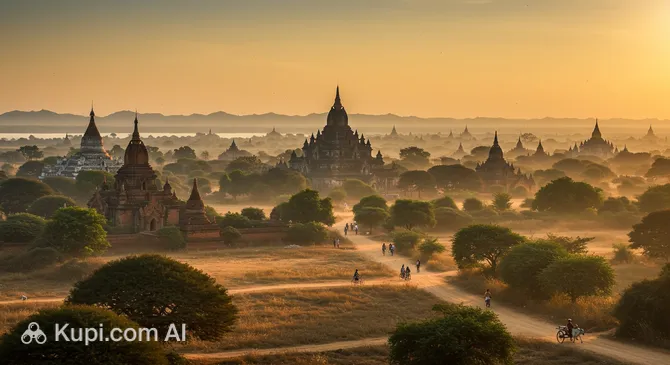
Nyaung-U. Source: Kupi.Binoculars

One of the most prominent landmarks here is the Shwezigon Pagoda, a magnificent gilded stupa that is considered a prototype for Burmese stupas built in later centuries. Visitors should also explore the colorful Mani-Sithu Market, a perfect place to observe local life, buy fresh produce, and find unique handicrafts like lacquerware and textiles.

Whether you are arriving by boat, bus, or plane, Nyaung-U offers a warm welcome and a fascinating glimpse into Burmese culture. It is an essential stop for anyone wishing to experience the heart of this enchanting region and serves as an excellent base for your adventures.

Weather Overview

The climate in this region is characterized by distinct seasons, ranging from hot and dry periods to cooler, wetter months. Being located in the central dry zone, the weather in Nyaung-U is generally drier than in the coastal areas of the country, making it a favorable destination for year-round travel.

Temperatures can soar during the hot season, particularly in April, when the average temperature is around 31.7°C and daily highs can reach up to 38.2°C. For those who prefer milder conditions, the winter months of December and January are ideal, offering pleasant average temperatures of roughly 22°C and cooler nights where the thermometer may dip to around 15.5°C.

Rainfall patterns are quite specific, with a long dry spell typically lasting from November through April; months like February and March often see 0 wet days. The wet season arrives in May and lasts until October, characterized by frequent but often light showers. August is usually the peak for precipitation frequency, recording rain on approximately 23 days, though the overall accumulation remains relatively low.

Interesting Facts

Beyond the well-trodden paths to the major temples, Nyaung-U holds fascinating secrets that offer a deeper glimpse into the region's heritage. Here are some unique details that set this historic town apart.

  • The White Elephant's Choice: Local legend recounts that the location of the famous Shwezigon Pagoda was chosen by a white elephant carrying a replica of a sacred Buddha tooth relic. King Anawrahta allowed the animal to roam freely, declaring that the holy stupa would be constructed at the exact spot where the elephant finally knelt to rest.

  • Mongol Invaders on Walls: The nearby Kyansittha Umin, a cave monastery carved into limestone, features rare and surprising frescoes. These ancient wall paintings depict Mongol soldiers from the 13th century, capturing the likeness of Kublai Khan’s forces in a peaceful religious setting, which is a unique historical anomaly.

  • A Living Heritage Site: Unlike the area of Old Bagan, where residents were relocated to preserve the monuments, Nyaung-U remains a thriving settlement within the archaeological zone. This unique status makes it the only place in the immediate vicinity where modern daily life and ancient history have coexisted continuously for centuries.

  • Sri Lankan Influence: The Sapada Stupa, located near the town, stands out due to its distinct Sinhalese architectural style. It was built by a monk who returned from Sri Lanka in the 12th century, featuring a unique square relic chamber that differs significantly from the traditional Burmese designs seen elsewhere in the region.

How to Get There

Reaching Nyaung-U is the first step to exploring the magnificent temples of Bagan. The town is well-connected to the rest of the country, with air travel being the most convenient option for many visitors. For a comprehensive overview of all travel methods, including buses and boats, you can read more about how to get to Nyaung-U on our detailed page.

The most direct entry point is Nyaung U Airport (NYU), situated right within the town, just 0.6 km from the center. It serves as the primary hub for tourists visiting the archaeological zone, handling a medium volume of passenger traffic annually. Because of its proximity, a taxi ride to most hotels in Nyaung-U takes only about 5 to 10 minutes.

For international connections, many travelers choose to fly into Mandalay International Airport (MDL). Located in the city of Mandalay, this large international hub is approximately 123 km from Nyaung-U. From the airport, you can take a taxi or a private transfer to Nyaung-U, a journey that typically takes around 3.5 hours. Another regional option is Heho Airport (HEH) in Heho, about 199 km away, which is often used by those traveling from Inle Lake.

For clarity, here is a summary of the main airports:

Airport Name City Passenger Traffic Km from City
Mandalay International AirportMandalayLarge123.2
Heho AirportHehoMedium199.9
Nyaung U AirportNyaung-UMedium0.6
Nay Pyi Taw AirportNaypyidawSmall217.7
Kalemyo AirportKalemyoSmall240.3

Beyond air travel, Nyaung-U is accessible by road and rail. Overnight buses from Yangon and mini-buses from Mandalay are popular among budget travelers, arriving at the highway bus station a few kilometers from the town center. The railway is another option, with trains stopping at the local station, offering a slower but scenic route through the dry zone of central Myanmar.

Main Attractions

Nyaung-U is often the starting point for exploring the wonders of the Bagan Archaeological Zone, but the town itself boasts several significant landmarks that are well worth a visit. From shimmering stupas to vibrant local hubs, these attractions offer a perfect introduction to the history and culture of the region.

Shwezigon Pagoda is arguably the most impressive site in Nyaung-U and one of the most important religious monuments in Myanmar. Built in the 11th century, this massive golden stupa served as the architectural prototype for many later Burmese pagodas. Visitors are drawn to its glittering terraces and the peaceful atmosphere, especially during the early morning or at sunset when the golden leaf glows against the sky. The complex also houses shrines dedicated to the 37 Nats (spirits), showcasing a fascinating blend of Buddhism and indigenous animist beliefs.

For a taste of authentic local life, the Mani-Sithu Market is an unmissable stop in the center of town. This bustling open-air market is the commercial heart of the area, where locals come to trade everything from fresh vegetables and dried fish to colorful textiles and lacquerware. It is an excellent place for tourists to observe daily routines, try local snacks, and purchase traditional items like thanaka (a cosmetic paste made from ground bark) or betel nut, offering a sensory experience distinct from the quiet temples.

Just a short distance from the town center lies the Gubyaukgyi Temple (Wetkyi-in), a site renowned for its artistic heritage. Unlike the grand open terraces of other temples, this 13th-century structure is famous for its interior. The walls are adorned with some of the finest and best-preserved frescoes in Bagan, depicting scenes from the Jataka tales (stories of the Buddha's previous lives). The temple's Indian-style spire and the detail of its ancient artwork make it a highlight for history enthusiasts and art lovers alike.

Another majestic structure located nearby is the Htilominlo Temple, known for its towering height and intricate plaster carvings. Standing three stories tall, it is one of the largest temples in the region and commands a striking presence on the landscape. Built in the early 13th century, it is celebrated for the fine stucco work that still survives on its exterior arch pediments. Exploring its corridors and admiring the four large Buddha images facing the cardinal directions provides a sense of the grandeur of the ancient Pagan Kingdom.

Local Cuisine

The culinary scene in Nyaung-U offers a delightful mix of traditional Burmese flavors and tourist-friendly dining, serving as the primary gastronomic hub for visitors to the Bagan Archaeological Zone. Unlike the quiet temple grounds, the town’s streets come alive with the aroma of sizzling woks, simmering curries, and fresh herbs, inviting travelers to explore the region's unique palate.

A true regional specialty that visitors must try is dishes cooked with Ponygyi, a fermented soybean paste that is produced extensively in the Bagan area. This thick, savory paste is a defining ingredient in the local cuisine, most famously used in Ponygyi pork curry. The paste gives the meat a distinct, rich, and slightly salty flavor that sets it apart from the typical onion-and-garlic based curries found elsewhere in the country.

For a lighter option or a quintessential Burmese snack, Lahpet Thoke (fermented tea leaf salad) is ubiquitous here. It combines pickled tea leaves with crunchy beans, peanuts, toasted sesame, garlic, and dried shrimp, creating a complex texture and flavor profile. Another breakfast staple is Mohinga, a comforting fish broth served with rice noodles, which can be found at street stalls in the early morning hours.

The dining culture in Nyaung-U revolves around the traditional Burmese curry house concept. When you order a main meat dish—whether it be mutton, chicken, or river fish—it is typically accompanied by a generous array of side dishes. These often include a clear soup, a plate of fresh and boiled vegetables, and ngapi (a spicy fish paste dip), allowing diners to sample a wide variety of tastes in a single meal.

To quench your thirst, the local tea shops are the center of social life. Here, you can sip on sweet, milky tea known as laphet yay, or enjoy the complimentary pale green tea kept in thermoses on every table. For something stronger, locally produced palm wine (htan ye), often referred to as "sky beer," provides a sweet and potent taste of the countryside, harvested from the toddy palms that dot the dry landscape.

Travelers will find the highest concentration of dining options along the main thoroughfare, often called "Restaurant Row," and near the riverside. These areas feature a blend of open-air restaurants and bamboo-walled eateries where you can enjoy a meal under the stars. For a more authentic experience, the stalls surrounding the Mani-Sithu Market offer freshly fried snacks and local treats that provide a direct connection to the daily life of Nyaung-U's residents.

Travel Tips

Preparing for a trip to Nyaung-U requires a bit of local know-how to ensure your journey through this gateway to the ancient Bagan plains is both smooth and respectful. To help you navigate the unique climate, culture, and logistics of the region, we have compiled a list of essential practical tips for your visit.

  1. Clothing and Gear: Given the hot, dry climate, pack lightweight, breathable fabrics like cotton or linen. However, modesty is key; for visiting temples, you must cover your shoulders and knees. A traditional longyi (sarong) is perfect for this and helps keep you cool. Crucially, bring slip-on sandals or flip-flops, as you will be required to remove both shoes and socks at every pagoda entrance.
  2. Transportation: The most popular and efficient way to explore Nyaung-U and the nearby temples is by renting an e-bike (electric scooter). They are quiet, easy to ride, and allow you to navigate the small dirt paths independently. For airport transfers or longer distances, taxis and tuk-tuks are readily available, but agree on the fare before starting your journey.
  3. Finances: The local currency is the Myanmar Kyat (MMK). While some high-end hotels accept credit cards, cash is king in Nyaung-U. ATMs are available in town, but they can occasionally be out of service, so carry sufficient cash. If you bring US dollars to exchange, ensure the bills are absolutely pristine—no folds, stamps, or marks—or they may be rejected.
  4. Health and Safety: The sun can be intense, so carry high-SPF sunscreen, a hat, and plenty of bottled water to prevent heatstroke. Pharmacies are available along the main road (Lanmadaw 3 Road), but stock up on personal medications beforehand. Nyaung-U is generally very safe, but stick to well-lit areas at night and be cautious of stray dogs.
  5. Communication: The official language is Burmese, and a friendly "Mingalabar" (Hello) goes a long way. English is widely understood in hotels and restaurants catering to tourists. It is highly recommended to buy a local SIM card (like MPT, Atom, or Ooredoo) upon arrival for reliable mobile data, which is essential for using maps to find hidden temples.
  6. Local Etiquette: Nyaung-U is deeply religious. Always remove footwear (including socks) before entering religious compounds. When sitting before a Buddha image, tuck your feet underneath you so they do not point at the statue or other people. Touching someone on the head is considered rude, as the head is viewed as the most sacred part of the body.
  7. What to Avoid: Do not attempt to climb pagodas or temples unless there is explicit signage saying it is allowed. Authorities have strictly banned climbing on most ancient structures to preserve them and ensure safety. Ignoring this rule is viewed as disrespectful and can lead to fines.
  8. Additional Tip: Wake up early! The best time to explore is shortly after sunrise when the air is cool and the light is magical. Many shops and local markets in Nyaung-U take a break during the hottest part of the afternoon (around 1:00 PM to 3:00 PM), so plan your lunch and rest accordingly.

By following these simple guidelines, you will be well-equipped to experience the warmth and wonder of Nyaung-U without the common travel hiccups. Embrace the slower pace of life here, respect the ancient traditions, and enjoy your adventure in one of Myanmar's most captivating destinations.

Entertainment & Nightlife

Entertainment in Nyaung-U is defined by a relaxed and social atmosphere rather than high-energy nightclubs or thumping bass. After a long day of exploring the dusty plains and climbing temples, the town offers a welcoming respite where travelers gather to share stories over cold drinks and local food. The nightlife here is delightfully low-key, centered around open-air dining and casual socializing under the stars.

The heart of the evening action is undoubtedly Thiripyitsaya 4 Street, affectionately known to locals and tourists as "Restaurant Row." As the sun sets, this dusty thoroughfare transforms into a lively strip illuminated by colorful lanterns and the warm glow of restaurant lights. It is the perfect place to experience the town's social vibe, with venues ranging from bamboo-walled shacks to stylish garden eateries. The crowd is a mix of backpackers, culture seekers, and friendly locals, creating a communal environment where it is easy to strike up a conversation.

For those looking to enjoy a drink, Weather Spoon’s is a legendary stop on the main strip. It is famous not just for its food but for its lively ambiance, often serving as the primary meeting point for travelers before they call it a night. Another popular venue is Black Bamboo, which offers a more tranquil, upscale garden setting, perfect for enjoying a cocktail or a glass of wine in a sophisticated atmosphere. While you won't find dance floors, these spots provide the perfect backdrop for a memorable evening.

Practicality is key when planning your night out. Nyaung-U is an early-to-bed town, with most kitchens closing by 9:30 PM and bars winding down around 11:00 PM. Prices are generally very affordable, with local beer and cocktails costing a fraction of what you would pay in larger cities. The dress code is universally casual; comfortable travel clothes are the norm, so there is no need to dress up unless you prefer to.

Beyond the bars, the town offers unique cultural entertainment that reflects the region's heritage. Traditional marionette shows (puppet theater) are a highlight, often performed in small theaters or restaurants. These intricate performances date back to the royal courts and provide a fascinating glimpse into Burmese folklore and storytelling, offering a quieter but deeply engaging alternative to the bar scene.

Safety in Nyaung-U is generally excellent, but the infrastructure requires caution. Street lighting can be sporadic or non-existent once you leave the main commercial areas. If you have been exploring on an e-bike, be extremely careful riding back at night, as the roads can be sandy and difficult to see. For peace of mind, it is often better to leave the e-bike at your hotel and take a tuk-tuk or taxi to dinner; they are inexpensive and can be easily flagged down or arranged by your accommodation.

During the daylight hours, entertainment shifts towards exploration and history. Apart from the temples, visitors can spend time at the Bagan Archaeological Museum to see preserved artifacts, or visit local lacquerware workshops to watch artisans at work. These daytime activities provide a cultural context that enriches the conversations you will likely have later that evening on Restaurant Row.

Parks & Museums

While Nyaung-U is primarily known as the gateway to ancient temples, its landscape offers more than just pagodas. The town and its surroundings feature unique natural areas defined by the mighty river and the arid beauty of central Myanmar, alongside cultural institutions that preserve the region's deep artistic and historical heritage.

The most significant natural asset of the city is the Ayeyarwady Riverbank. Unlike a traditional manicured city park, this area serves as a communal open space where locals and tourists gather to witness the rhythms of river life. The sandy banks provide a refreshing escape from the dusty plains, offering panoramic views of passing boats and the distant hills. It is particularly popular at sunset, when the water reflects the changing colors of the sky, creating a serene atmosphere perfect for a leisurely evening walk.

For nature enthusiasts, the Lawkananda Wildlife Sanctuary is a vital green space located a short distance along the river. This protected area is one of the last remaining examples of the region's original dry forest ecosystem. It is famous for its conservation program dedicated to the Burmese Star Tortoise, a critically endangered species. Visitors can walk through the dry deciduous forest, spotting various bird species and observing these rare tortoises in their natural habitat, making it a unique eco-tourism stop.

When it comes to history, the Bagan Archaeological Museum is the premier institution in the area. Although situated just outside the main town towards Old Bagan, it is the cultural anchor for anyone staying in Nyaung-U. The museum houses a vast collection of artifacts recovered from the temple ruins, including ancient stone inscriptions, bronze figures, and intricate wood carvings. The highlight is the Myazedi Pillar, often described as the "Rosetta Stone of Burma," which has been crucial in deciphering the Pyu language and understanding the region's chronology.

Reflecting the living culture of the city, the numerous Lacquerware Galleries function as both workshops and art museums. Nyaung-U is the center of this traditional craft, and visiting a high-end gallery offers insight into a process that has remained unchanged for centuries. These venues display exquisite pieces ranging from golden ceremonial bowls to modern tableware. Unlike a static museum, these galleries allow you to watch artisans engraving intricate designs by hand, providing a tangible connection to the local artistic heritage.

Beyond the formal sites, the entire Bagan Archaeological Zone acts as a massive open-air museum surrounding the town. The landscape is dotted with thousands of monuments, where nature and architecture coexist. Walking or cycling through the sandy paths between the temples offers a park-like experience, where ancient tamarind trees and cactus gardens frame the historic brick structures.

For a truly authentic experience, venture slightly to the outskirts to visit a Palm Sugar (Jaggery) Workshop. These small, family-run operations are often set in palm groves and act as informal open-air museums of agriculture. You can watch the traditional method of climbing toddy palms to collect sap and boiling it down in giant woks, offering a sweet and educational glimpse into the rural lifestyle that sustains the region.

Getting Around

The public transport system in Nyaung-U is informal and quite different from the structured networks found in major global cities. There is no metro, tram, or large municipal bus service operating within the town. Instead, the local transit infrastructure relies heavily on shared vehicles and small-scale private operators, reflecting the laid-back and traditional atmosphere of the region.

The closest equivalent to a public bus is the shared pickup truck (often a converted Toyota Hilux). These vehicles run along the main paved roads, connecting Nyaung-U with neighboring Old Bagan and New Bagan. Passengers sit on wooden benches in the covered rear bed of the truck. They are the primary mode of transport for locals carrying goods to the market or commuting to work. While they are incredibly cheap, they can be crowded and do not follow a strict timetable, generally departing only when full.

For payment, cash is the only accepted method. There are no travel cards, mobile apps, or electronic passes. When using a shared pickup, you simply pay the conductor or driver upon exiting or during the journey. Prices are very low, usually amounting to a few hundred Myanmar Kyat (MMK) for short trips between towns. It is essential to carry small bills, as drivers may not always have change for large denominations.

Tourists generally find that alternatives to the shared pickups offer more freedom and comfort. E-bikes (electric scooters) are the most popular transportation choice in Nyaung-U. They are widely available for rent at hotels and shops throughout the town. E-bikes allow visitors to navigate the sandy trails between temples that are inaccessible to larger vehicles. Regular bicycles are also available but are less popular due to the heat and dusty terrain.

Taxis and tuk-tuks (three-wheeled auto-rickshaws) are readily available for private hire. Unlike the shared pickups, these do not have fixed routes and can take you directly to your destination. Taxis are particularly recommended for airport transfers or for traveling in air-conditioned comfort during the hottest part of the day. Fares for these services are not metered; you must negotiate and agree on the price with the driver before starting your trip.

A unique and historic feature of the local transport scene is the traditional horse cart. While no longer a primary mode of commuting for residents, horse carts remain a popular, romantic way for visitors to tour the archaeological zone. They offer a slower pace and the drivers often serve as knowledgeable informal guides. However, they are significantly slower than e-bikes or taxis and are best reserved for a leisurely sunset tour rather than practical point-to-point travel.

Regarding operating hours, public transport options decrease significantly after dark. Shared pickups tend to stop running shortly after sunset. If you plan to stay out late for dinner on Restaurant Row, ensure you have arranged a return taxi or have your own e-bike. Always check the battery level of your e-bike before heading out for the evening to avoid getting stranded on unlit roads.

Accommodation

Nyaung-U offers the widest variety of accommodation options in the Bagan region, establishing itself as the primary base for independent travelers and backpackers. Unlike the restricted and often pricier zone of Old Bagan, this town provides a diverse range of lodgings that cater to every budget. Visitors can find everything from lively hostels and family-run guesthouses to comfortable mid-range hotels and riverside resorts featuring swimming pools—a highly desired amenity in the heat of the dry zone.

For those seeking convenience and a social atmosphere, the area surrounding Main Road (Lanmadaw 3 Road) and the vibrant "Restaurant Row" is the most popular place to stay. Accommodation here places you within walking distance of the best dining spots, e-bike rental shops, and the local market. If you prefer a more tranquil setting with scenic views, look for properties located along the banks of the Ayeyarwady River. These hotels often feature gardens and terraces that overlook the water, offering a peaceful retreat after a dusty day of temple exploration.

When planning your trip, it is important to consider the seasonality of the region. During the peak tourist months from November to February, the best-rated hotels and guesthouses can fill up quickly, so booking in advance is highly recommended. This is also true during the Thingyan Water Festival in April. Conversely, during the green (wet) season, travelers can often find excellent deals and have a wider choice of rooms without prior reservations.

In terms of pricing, Nyaung-U is generally more affordable than New Bagan or Old Bagan. Budget travelers can find simple rooms with fans or air conditioning at very reasonable rates, while mid-range options typically offer excellent value, providing modern amenities like Wi-Fi and breakfast. While many established hotels can be booked via major online platforms, smaller guesthouses may still rely on direct bookings or walk-ins. Regardless of where you stay, carrying some cash is advisable, as card payment facilities may not be available at smaller establishments.

Nearby Cities

For those looking to explore the surroundings, Nyaung-U serves as an excellent base for day trips to several interesting nearby locations:

One of the most rewarding excursions is to Monywa, a bustling trade center located on the banks of the Chindwin River. It is famous for the Thanboddhay Pagoda, a unique temple complex housing over 500,000 Buddha images, and the nearby Bodhi Tataung, which features one of the tallest standing Buddha statues in the world. The city offers a fascinating mix of spiritual grandeur and local commerce.

Another worthwhile destination is Meiktila, situated to the east. The town is centered around the beautiful Meiktila Lake, a large artificial reservoir that supports the local ecosystem and agriculture. Visitors can enjoy a peaceful walk along the water's edge and explore the town's colonial-era history, making it a pleasant stop for those traversing central Myanmar.

For a glimpse of a regional capital, travelers can head south to Magway. Known for its production of groundnut oil, this city sits along the Ayeyarwady River and is home to the stunning Mya Tha Lun Pagoda. The gilded stupa stands on a riverbank hill, offering panoramic views of the water and the surrounding plains, especially beautiful at sunset.

City Population Distance (km)
Kyaukse741071134
Magway289247113
Natogyi25000081
Monywa207489107
Meiktila177442103

These nearby destinations offer a glimpse into the diverse culture and landscapes of the region.

Shopping & Souvenirs

Shopping in Nyaung-U offers a distinctively traditional experience, far removed from the glitz of modern department stores. As the primary commercial hub for the Bagan Archaeological Zone, the town is a treasure trove of local craftsmanship and authentic Burmese culture. Visitors here will not find high-end fashion brands or electronics; instead, the shopping scene focuses on exquisite handicrafts, regional textiles, and unique artistic souvenirs that reflect the heritage of the ancient Pagan Kingdom.

The main shopping activity is concentrated around the center of town, particularly along Lanmadaw 3 Road and the streets radiating from the central market. This area serves as the town's economic heartbeat, lined with small shops, convenience stores, and souvenir stalls. Walking down these dusty but lively streets allows tourists to browse through a variety of goods, from practical travel necessities to intricate wood carvings, all while soaking in the local atmosphere.

Travelers looking for large, air-conditioned shopping malls will not find them in Nyaung-U. The retail landscape is defined by independent boutiques, family-run workshops, and open-air stalls. The absence of modern shopping complexes preserves the town's rustic charm, encouraging visitors to engage directly with artisans and shopkeepers rather than navigating impersonal aisles.

The crown jewel of the local shopping scene is undoubtedly the Mani-Sithu Market. Located in the middle of town, this bustling daily market is where the community comes to life. While the outer sections cater to tourists with handicrafts and textiles, the inner lanes are filled with locals buying fresh produce, dried fish, and spices. It is the perfect place to purchase a traditional longyi (Burmese sarong) or simply to observe the vibrant morning routine of the residents.

When it comes to souvenirs, lacquerware is the region's most famous product. Although the nearby village of Myinkaba is the production center, many high-quality shops in Nyaung-U sell these intricate bowls, plates, and boxes, which are created through a labor-intensive process involving bamboo and resin. Another popular item is the sand painting, a unique art form often depicting temples or Buddhist cosmology, created using sand collected from the riverbank. Foodies should look for palm sugar candies (jaggery) and pickled tea leaves, which make for lightweight and tasty gifts.

Regarding practicalities, cash is the absolute standard for almost all transactions. While a few high-end souvenir galleries may accept credit cards, the vast majority of market stalls and small shops deal exclusively in Myanmar Kyat (MMK). Bargaining is a common and expected practice in markets and souvenir stands; however, it should always be done with a smile and a sense of friendly negotiation. Shops typically open around 9:00 AM and close by 8:00 PM or 9:00 PM, though the fresh market starts much earlier, often at sunrise.

Tax-free shopping or VAT refunds are not applicable in Nyaung-U. The transaction process is simple and direct, with no formal tourist tax refund schemes available in this region. Prices are generally inclusive of any local costs, making the price you agree upon the final amount you pay.

Reached the end of the page?

That means the route is fully explored