Support

Kyaukpyu

About

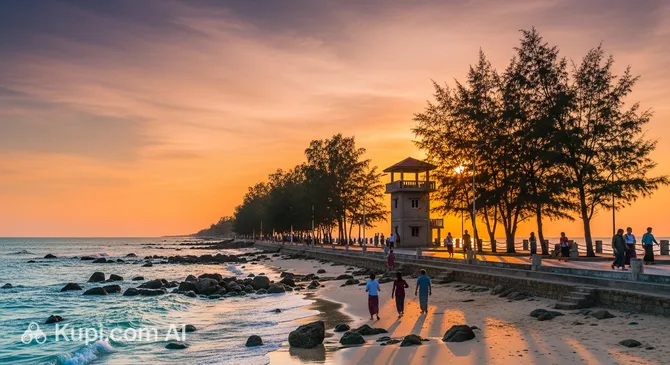
Nestled on the northern tip of Ramree Island, Kyaukpyu is a serene coastal town in the Rakhine State of Myanmar. Known for its superb natural harbor, which connects the town to the Bay of Bengal, it offers a distinctively calm atmosphere compared to the country's bustling metropolises. With a population of approximately 20,000 residents, this port town serves as an important district capital while maintaining a laid-back charm that appeals to travelers seeking off-the-beaten-path destinations.

Kyaukpyu. Source: Kupi.Binoculars

The town's name, which translates to "White Rock," is derived from the massive white rocks found in the area. Visitors interested in the region's development and colonial past can delve deeper into the history of Kyaukpyu, which reveals its long-standing significance as a maritime hub. The local climate is tropical, characterized by a monsoon season, making the cooler, dry months the most pleasant time to explore the coastline and the town's verdant surroundings.

One of the main draws for visitors is Kyaukpyu Beach, a stretch of silver sand that offers a tranquil spot for relaxation and sunset views. The town is also home to several notable religious sites, including the Shwe Gu Taung Pagoda, which stands as a testament to the local culture and architectural style. Whether you are admiring the views from the harbor or exploring the local markets, Kyaukpyu provides a unique glimpse into coastal life in this part of the world, welcoming travelers to experience its quiet beauty.

Weather Overview

Kyaukpyu experiences a tropical climate characterized by distinct wet and dry seasons, ensuring warm temperatures year-round. Generally, the weather in Kyaukpyu is pleasant, with average temperatures hovering between 23°C in the cooler months and reaching up to 29°C during the warmest period in May. The town rarely sees extreme cold, making it a comfortable destination for travelers seeking warmth.

The most popular time to visit is during the dry season, which spans from November to April. particularly in January and February, precipitation is virtually non-existent, and the days are sunny with comfortable average temperatures around 23.3°C to 23.9°C. This period is ideal for beach activities and outdoor exploration, as the humidity is lower and the skies are clear.

Conversely, the monsoon season brings significant changes from May through October. During the peak of this season, especially in June, July, and August, travelers should expect rain almost every day, with data showing up to 30 or 31 wet days per month. While the rain brings lush greenery to the region, the high humidity and frequent showers may limit outdoor plans, so appropriate gear is essential if visiting during this time.

Interesting Facts

Beyond the main attractions, Kyaukpyu holds many fascinating secrets that reveal its unique geological and historical character. From bubbling geological wonders to maritime legends, here are some intriguing details about this coastal town.

  • The "Dragon's Bubbles": Kyaukpyu is situated on Ramree Island, which is one of the few places in Myanmar home to active mud volcanoes. Known locally as Naga Pwet (Dragon's Bubbling Pools), these rare geological formations spew mineral-rich mud and methane gas. On occasion, the gas ignites, creating the spectacular illusion of "fire-breathing" mounds that have fascinated locals and visitors for centuries.

  • A Natural Maritime Wonder: The town boasts one of the finest natural harbors in the entire Bay of Bengal. Its deep, sheltered waters are naturally protected by offshore islands, allowing it to accommodate large vessels without extensive dredging. This unique geography made it a vital historical trading post, linking the rice trade between Yangon and Kolkata long before modern ports were developed.

  • The "White Stone" Namesake: The name "Kyaukpyu" literally translates to "White Rock" in Burmese. This moniker is not random; it is derived from the massive white limestone rocks and cliffs that dot the coastline. These striking formations have served as natural navigational landmarks for sailors approaching the harbor for generations.

  • A Colonial Health Retreat: While the area has been inhabited for centuries, the modern town was formally established by the British in 1838. It was specifically chosen as a district headquarters over other locations because of its "bracing" sea breezes, which were believed to create a healthier environment than other settlements in the region.

How to Get There

Reaching this coastal town is part of the adventure, offering travelers a chance to see the diverse landscapes of Myanmar. While the region is secluded, there are established routes for visitors. For a detailed breakdown of all transport options, you can read more about how to get to Kyaukpyu to plan your journey effectively.

The most direct and convenient entry point is Kyaukpyu Airport (KYP), located just 1.3 km from the heart of the town. This small regional hub handles approximately 30,000 passengers annually, ensuring a quick and easy arrival process. Once you land, the transfer to the city center is very brief, typically taking just a few minutes by taxi or local transport.

Another option for travelers exploring the wider region is Sittwe Airport (AKY), situated in the city of Sittwe, roughly 105.7 km away from Kyaukpyu. This airport is busier, serving around 150,000 passengers per year, and offers more frequent connections. However, visitors should note that this distance is measured in a straight line; the actual journey from Sittwe involves a longer trip overland or by boat due to the coastal geography.

For clarity, here is a summary of the main airports in the vicinity:

Airport Name City Passenger Traffic Km from City
Coxs Bazar Airport Cox's Bazar Large 278.9
Nyaung U Airport Nyaung-U Large 242.4
Sittwe Airport Sittwe Medium 105.7
Nay Pyi Taw Airport Naypyidaw Medium 279.6
Kyaukpyu Airport Kyaukpyu Small 1.3

Main Attractions

While Kyaukpyu is often recognized for its economic importance, it possesses a quiet charm and several landmarks that offer a glimpse into the local culture and natural beauty of Rakhine State in Myanmar. The town’s attractions are less about bustling tourist traps and more about serene landscapes, hilltop views, and traditional religious sites.

One of the most prominent landmarks is the Kyauk Talone Pagoda. Perched atop a hill, this stupa is visible from many parts of the town and serves as a significant spiritual center for the local community. For visitors, the climb is rewarded with a breathtaking panoramic view of the harbor, the surrounding islands, and the vast expanse of the Bay of Bengal. It is an ideal spot for photography, especially during the golden hours of sunrise or sunset when the light reflects off the water.

For those seeking a connection with nature, the Kyaukpyu Viewpoint, often simply called "The Point," is a must-visit destination located at the northernmost tip of the town. This area features a rugged coastline where massive white rocks—the town's namesake—meet the crashing waves. Adjacent to this scenic spot is Kyaukpyu Beach, a favorite recreational area where locals and visitors alike can enjoy the cooling sea breeze, swim in the ocean, and watch fishing boats navigate the natural harbor.

Another essential cultural stop is the Gantgaw Taw Pagoda, a highly revered shrine that holds a special place in the hearts of the residents. Named after the abundance of Gantgaw (Ironwood) trees that surround the complex, the site offers a tranquil atmosphere for meditation and prayer. It serves as a focal point for religious festivals and provides travelers with a deeper insight into the region's Buddhist traditions and architectural heritage.

Local Cuisine

The local cuisine of Kyaukpyu is a vibrant reflection of its coastal location in Rakhine State, offering a culinary experience that is distinct from the rest of Myanmar. The food here is famous for being unapologetically spicy and sour, with a heavy reliance on the fresh catch brought in daily by local fishermen. For seafood lovers, this town is a paradise where the ingredients are as fresh as they come, often transitioning from the boat to the plate within hours.

The absolute must-try dish in the region is Rakhine Mone-Ti. This signature staple consists of thin rice noodles served either as a salad or in a clear, peppery fish soup made typically from pike conger. Unlike the richer, oilier curries found in central Myanmar, Rakhine Mone-Ti is light, zestful, and packed with the flavors of galangal, lemongrass, and plenty of fresh green chilies. It is often garnished with crispy fried garlic and coriander, making it a favorite breakfast or light lunch option for locals.

Given the town's status as a major fishing port, grilled and curried seafood features prominently on every menu. Visitors should not miss the chance to try the local sea crabs and lobsters, which are widely considered some of the best in the country. These are often prepared simply to highlight their natural sweetness or cooked in a spicy tomato-based curry. Another essential element of the local table is Ngapi, a fermented fish paste; the Rakhine version is particularly potent and savory, serving as a central dip for fresh vegetables alongside meals.

When it comes to drinks, the local culture revolves around the traditional tea shop. Here, you can sip on sweet, milky Burmese tea while watching the world go by. For something more refreshing to combat the tropical heat, fresh coconut water is abundant and cheap, often sold directly from the shell at roadside stalls. Sugarcane juice with a squeeze of lime is another popular non-alcoholic thirst quencher found in the markets.

Dining in Kyaukpyu is a casual and social affair. You won't find many high-end fine dining establishments; instead, the best food is found in open-air tea houses, bustling morning markets, and small family-run restaurants near the harbor or Kyaukpyu Beach. Eating at a beachside stall as the sun sets, enjoying spicy salads and cold drinks with the sound of the waves in the background, is the quintessential dining experience in this charming coastal town.

Travel Tips

Visiting Kyaukpyu offers a genuine slice of coastal life in Rakhine State, far removed from the well-trodden tourist paths found elsewhere in the country. To make your journey to this "White Rock" town as smooth and enjoyable as possible, here are some practical insights to help you navigate local customs and logistics with ease.

  1. Clothing and Gear: Given the tropical climate, pack lightweight, breathable cotton or linen clothing to stay cool. Since Kyaukpyu is a conservative town with significant religious sites like the Shwe Gu Taung Pagoda, modesty is key; ensure you have clothes that cover your shoulders and knees. Slip-on shoes or sandals are highly recommended, as you will need to remove footwear frequently when entering temples and local homes.

  2. Transportation: The town is relatively small, and there is no metro or large bus network. The most common way to get around is by motorbike taxi or thone-bane (three-wheeled tuk-tuks). These are readily available and affordable, but you should agree on the fare before starting your journey. For exploring the immediate town center or the harbor area, walking is a pleasant option, though renting a scooter can offer more freedom for visiting distant beaches.

  3. Finances: The local currency is the Myanmar Kyat (MMK), and Kyaukpyu operates almost entirely on a cash economy. While there may be a few ATMs in town, they can occasionally be out of service or refuse international cards, so it is crucial to carry sufficient cash for your entire stay. International credit cards are rarely accepted outside of high-end hotels, so keep small denominations handy for markets and tea shops.

  4. Health and Safety: As a coastal destination, mosquitoes can be prevalent, especially around dusk; bring a high-quality insect repellent and consider wearing long sleeves in the evening. Pharmacies in town sell basic medicines, but specific prescription drugs may be hard to find, so pack a personal medical kit. Always drink bottled water and avoid tap water to prevent stomach issues.

  5. Communication: The primary language is Burmese, with the local Rakhine dialect widely spoken. English proficiency is generally limited to hotel staff and some younger locals, so having a translation app that works offline is very helpful. You can easily purchase a local SIM card (such as MPT, Atom, or Ooredoo) upon arrival in the country for reliable mobile data coverage in the town.

  6. Local Etiquette: The culture here is deeply rooted in Buddhism and respect. Always remove your shoes and socks before entering pagoda grounds. When sitting in a temple or a local's house, tuck your legs beneath you; pointing your feet at a Buddha image or another person is considered extremely rude. Use your right hand (or both hands) when giving or receiving items, as the left hand is traditionally regarded as unclean.

  7. What to Avoid: Refrain from touching anyone, including children, on the head, as it is considered the most sacred part of the body in local culture. Additionally, avoid public displays of affection, such as hugging or kissing, which are frowned upon in this conservative society.

  8. Power Supply Tip: Electricity supply in smaller towns can sometimes be sporadic. It is a smart "life hack" to bring a high-capacity power bank and a universal adapter to keep your devices charged, ensuring you don't miss capturing a sunset at The Point due to a drained battery.

By keeping these practical tips in mind, you will be well-equipped to embrace the slow, rhythmic pace of life in Kyaukpyu. Respecting local traditions and coming prepared for the town's rustic charm will ensure your visit is not just a trip, but a memorable cultural immersion.

Entertainment & Nightlife

Travelers expecting a bustling nightlife scene with pulsing nightclubs and high-end cocktail bars will find Kyaukpyu to be a refreshing change of pace. The town does not have a designated "party district" or western-style clubs. Instead, the evening entertainment here is decidedly low-key, local, and centers around socializing, dining, and enjoying the cool maritime breeze after a hot day.

The heart of the local "nightlife" is the ubiquitous Beer Station. These open-air venues are the Myanmar equivalent of a pub and serve as the main social hubs for residents. Typically located along the main roads or near the market, they offer draft beer and a variety of BBQ skewers and spicy salads. The atmosphere is casual and lively, filled with the chatter of locals watching football matches on TV or catching up with friends. For visitors, this is the most authentic way to experience the town's evening culture.

For a more serene evening, the area around Kyaukpyu Beach and the Kyaukpyu Viewpoint (often called "The Point") is the place to be. While not a nightlife venue in the traditional sense, this area comes alive at sunset as families and couples gather to watch the sun dip below the Bay of Bengal. Several small seafood restaurants and stalls nearby stay open into the evening, allowing you to enjoy fresh grilled fish or spicy salads accompanied by the sound of crashing waves. It is a perfect spot for a quiet, romantic dinner under the stars.

Practical Advice for the Evening:

  • Timing: The town sleeps early. Most restaurants and beer stations begin to wind down around 9:00 PM or 10:00 PM. It is best to head out for dinner and drinks around 7:00 PM to ensure you get served.
  • Safety: Kyaukpyu is generally safe for tourists, but street lighting can be sporadic or non-existent in some areas. It is advisable to carry a flashlight or use your phone's torch when walking at night. Be mindful of stray dogs, which can be more active after dark.
  • Transport: Motorbike taxis are the primary mode of transport, but they become scarce late at night. If you plan to stay out until closing time, arrange a ride back in advance or be prepared for a walk.
  • Dress Code: The vibe is completely casual. Shorts and t-shirts are standard, but given the conservative nature of the region, avoid overly revealing attire even in the evenings.

When the sun is up, the entertainment options in Kyaukpyu shift towards nature and culture. The town offers excellent opportunities for daytime exploration, primarily centered around its coastline. Visitors can spend hours swimming or lounging at the beach, exploring the bustling Myoma Market to see local trade in action, or taking a boat trip to explore the nearby mangrove forests. For a touch of history and panoramic views, a hike up to the hill pagodas provides a peaceful retreat before the evening sets in.

Parks & Museums

Kyaukpyu is a destination where the boundaries between urban life and nature blur, offering visitors a landscape defined more by its rugged coastline and verdant hills than by manicured city parks. While you will not find grand national museums here, the town itself serves as an open-air gallery, preserving the traditions of Rakhine State and the geological wonders of Myanmar.

Kyaukpyu Viewpoint (The Point) is the town's premier public space and arguably its most famous natural landmark. Located at the northernmost tip of the peninsula, this area is not a traditional garden but a dramatic coastal promenade where the town’s signature massive white limestone rocks meet the Bay of Bengal. It is a favorite gathering spot for locals, offering paved walkways and unobstructed views of the ocean. The rugged beauty of the stone formations against the crashing waves creates a mesmerizing backdrop, particularly stunning during sunset when the sky transforms into a canvas of oranges and purples.

Just adjacent to the rocky outcrops lies Kyaukpyu Beach, which functions as the town's main recreational "green" space. Framed by rows of casuarina trees and coconut palms, this silver-sand beach remains largely untouched by mass tourism. It offers a serene environment for picnics, swimming, and relaxation. Unlike busy resort beaches, the atmosphere here is tranquil and grounded in nature, allowing visitors to unwind to the sound of the tides and the rustling coastal breeze.

Travelers should be aware that Kyaukpyu does not possess formal indoor museums or contemporary art galleries in the Western sense. Instead, the rich history and culture of the region are preserved within its living heritage sites. The Shwe Gu Taung Pagoda acts as the primary custodian of local history. As one of the most revered religious sites in the area, its complex houses intricate Buddhist architecture and traditional statues that reflect the unique artistic style of the Rakhine people. A visit here offers a quiet space to observe the spiritual traditions that have shaped the community for centuries.

In the absence of a history museum, the Myoma Market serves as a vibrant, interactive gallery of local life. This bustling center offers an authentic look at the maritime economy that has sustained the town for generations. Walking through its aisles, visitors can observe the daily trade of fresh seafood, local produce, and traditional textiles. It is a place where the culture is alive and dynamic, providing a deeper understanding of the local lifestyle than any static exhibit could.

For a unique "natural history" experience, consider a short trip to the nearby Mud Volcanoes on Ramree Island. These geological rarities act as a fascinating open-air museum of the earth's subterranean activity. Watching the bubbling mud pools is a rare opportunity to witness raw geological forces in action, making it a memorable excursion for nature enthusiasts.

Getting Around

The public transport system in Kyaukpyu is informal and quite different from the structured networks found in larger cities. There are no metros, trams, or large municipal buses operating within the town. Instead, the primary mode of transportation for locals and visitors alike is the Thone-bane, a motorized three-wheeled auto-rickshaw similar to a tuk-tuk. These vehicles serve as the town's taxis and are perfect for navigating the narrow streets or carrying luggage to and from the airport.

Supplementing the three-wheelers are motorbike taxis, which are the fastest way to get around for solo travelers. You will often find drivers waiting at key locations such as the market, the jetty, or near the airport exit. For travel between Kyaukpyu and nearby villages on the island, converted light trucks or songthaews (pick-up trucks with bench seating) run on specific routes, though these are less commonly used for short intra-city trips.

The payment system is exclusively cash-based, operating entirely on the local currency. There are no travel passes, transport cards, or mobile ticketing apps available here. Fares are not metered; instead, they are generally fixed for standard routes or open to negotiation for longer distances. A short ride within the town center typically costs a nominal amount, while a trip to the beach or the airport will command a slightly higher, though still affordable, price.

For tourists, the golden rule is to agree on the fare with the driver before the journey begins to avoid any misunderstandings upon arrival. While drivers are generally honest and friendly, clarifying the price upfront is standard practice. Transport is most readily available during daylight hours. If you plan to be out late in the evening, it is advisable to arrange a pick-up with a driver beforehand, as hailing a ride on the street becomes difficult after 9:00 PM.

Walking is a viable and pleasant alternative for exploring the compact town center, where the market and harbor are located close to each other. For those seeking more independence to explore the coastline or visit the distant pagodas at their own pace, renting a motorbike or scooter is highly recommended. Rentals can usually be arranged through guesthouses or small local shops, offering the freedom to discover the island's scenic spots without relying on drivers.

Accommodation

Where to Stay:

Accommodation options in Kyaukpyu are modest and functional, reflecting its status as a working port town rather than a dedicated tourist resort. Visitors should not expect international luxury chains or high-end boutique hotels. Instead, the town offers a selection of mid-range hotels and family-run guesthouses that provide clean, comfortable, and affordable lodging. These establishments are generally geared towards both business travelers and visitors exploring the Rakhine coast.

In terms of location, most accommodation is concentrated in the town center. Staying here places you within walking distance of the Myoma Market, the jetty, and a variety of local tea shops and restaurants, making it the most convenient area for logistics and dining. Alternatively, there are a few lodging options situated closer to Kyaukpyu Beach and the "Point" area. These spots are perfect for travelers who prioritize sea views and a quieter atmosphere over immediate access to the town's commercial hub.

Prices in Kyaukpyu are generally reasonable, falling squarely into the budget to mid-range categories. While a few of the larger hotels may have a presence on major online booking platforms, many smaller guesthouses still operate on a direct booking basis or accept walk-ins. A crucial tip for booking is to confirm whether the property has a backup generator, as reliable electricity can sometimes be an issue in the region.

Booking Tip: Since credit card facilities are rare and often unreliable, it is highly recommended to carry sufficient cash (Myanmar Kyat) to pay for your room upon arrival. If you are visiting during a local festival or the peak dry season, calling ahead to reserve a room is advisable, as the limited number of quality rooms can fill up quickly.

Nearby Cities

For those looking to explore the surroundings, Kyaukpyu serves as an excellent base for day trips to several interesting nearby locations:

Sittwe, the capital of Rakhine State, is one of the most prominent destinations in the region. Located at the estuary of the Kaladan River, it is a historic port city known for its colonial-era architecture and the famous View Point, which offers spectacular vistas of the Bay of Bengal. Visitors can explore the extensive central market and the Rakhine State Cultural Museum to gain deeper insights into the local heritage.

Another interesting town to consider is Minbya, situated along the banks of the Lay Myo River. It provides a contrast to the coastal atmosphere of Kyaukpyu with its riverine landscape and agricultural surroundings. The town is home to the Kyein Taung Pagoda, a significant local landmark that offers panoramic views of the winding river and the lush green plains, making it a peaceful spot for a short visit.

City Population Distance (km)
Maungdaw 400,000 198
Magway 289,247 168
Sittwe 181,000 108
Minbya 169,208 109
Pauktaw 145,957 98

These nearby destinations offer a glimpse into the diverse culture and landscapes of the region.

Shopping & Souvenirs

Shopping in Kyaukpyu offers an authentic glimpse into the daily life of a coastal town in Rakhine State. Unlike the commercial hubs of larger cities, the retail experience here is devoid of glitz and glamour. Instead, it is characterized by bustling local markets, small family-run general stores, and a laid-back atmosphere where commerce is conducted with a personal touch. For visitors, this is an opportunity to engage with the local community and discover goods that are unique to this specific region of Myanmar.

The town does not have designated "shopping districts" in the modern sense. The primary commercial activity is concentrated in the town center, particularly along the streets radiating outwards from the main jetty and the central market. Here, you will find rows of small shophouses selling everything from mobile phones and plasticware to traditional clothing and hardware. Walking these streets provides a colorful sensory experience, with goods often spilling out onto the sidewalks.

Travelers should be aware that there are no modern shopping malls or large department stores in Kyaukpyu. The retail landscape is dominated by traditional trade. While you may find small convenience stores or mini-marts stocking imported snacks and beverages, the air-conditioned shopping complexes found in Yangon or Mandalay are non-existent here. The charm of shopping in Kyaukpyu lies in its rustic simplicity rather than international branding.

The heartbeat of the town's economy is undoubtedly the Myoma Market. This sprawling, semi-open-air market is the best place to witness the region's bounty. It is liveliest in the early morning when fishermen bring in the night's catch and farmers arrive with fresh produce. Visitors can wander through narrow aisles piled high with tropical fruits, vegetables, and mounds of spices. It is also a great place to observe the local tea shop culture, which is integrated into the market scene.

When looking for souvenirs, the best items to buy are those that reflect the local culture and geography. Rakhine Longyis (sarongs) are a popular choice; these traditional woven textiles feature distinct patterns and weaving techniques that differ from those found in other parts of the country. Additionally, given the town's coastal location, dried seafood is a specialty. Packets of dried shrimp or fish are high-quality local products, though you should check customs regulations if you plan to take them home. Handcrafted items made from seashells are also common and make for charming, affordable keepsakes.

Practicality is key when shopping in Kyaukpyu. Most shops open around 8:00 AM or 9:00 AM and close relatively early, usually by 8:00 PM, though the fresh market starts much earlier at dawn. Cash is the only accepted payment method in virtually all shops and market stalls. Credit cards are not used in the local retail sector, so it is essential to carry enough Myanmar Kyat (MMK) in smaller denominations to pay for your purchases. Bargaining is acceptable and expected in the market, but should always be done with a smile and a sense of friendly negotiation.

As a small regional town, Tax-Free shopping or VAT refund schemes are not available. The prices you see or negotiate are final, but given the generally low cost of living in the region, most visitors find the prices to be very reasonable without the need for tax rebates.
Reached the end of the page?

That means the route is fully explored