Support

Sittwe

About

Sittwe is the capital of Rakhine State and a bustling port city located in the western part of Myanmar. Situated on an estuarial island created by the confluence of the Kaladan, Mayu, and Lay Myo rivers, it offers a unique blend of coastal atmosphere and riverine culture. With a population of approximately 181,000 residents, the city serves as a significant trade and transportation hub for the region, where the river meets the Bay of Bengal.

The city possesses a distinct character shaped by its past. Those interested in the history of Sittwe will find remnants of its time as an important colonial trading post, formerly known as Akyab. The streets feature a mix of colonial-era architecture and traditional structures, providing a fascinating glimpse into its heritage as a maritime center.
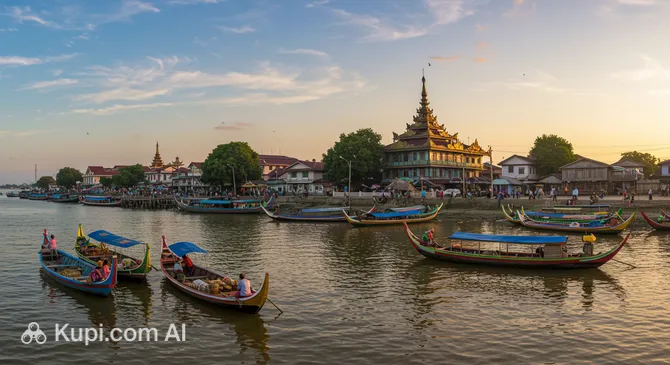
Sittwe. Source: Kupi.Binoculars

Travelers are often drawn to the famous View Point, also known as Point Lwin, which offers spectacular views of the ocean, especially during sunset. It is a popular spot for locals and tourists alike to relax and enjoy the refreshing sea breeze. Another highlight is the vibrant Central Market, specifically the fish market, where the daily catch is displayed early in the morning, offering a lively and authentic experience of local life. Additionally, Sittwe serves as the primary gateway for travelers heading by boat to the ancient archaeological wonders of Mrauk U.

Whether you are passing through on your way to ancient temples or staying to explore the coastal charm, Sittwe welcomes visitors with its diverse culture and scenic waterfronts. It is an intriguing destination for those looking to explore the authentic and less-traveled paths of the country.

Weather Overview

The climate in this coastal city is characterized by distinct seasonal changes, offering visitors a mix of sunny, pleasant days and a pronounced monsoon period. To help plan your trip effectively, it is useful to check the current weather in Sittwe for the most accurate forecasts.

The dry season, spanning from November to April, is generally considered the most comfortable time to visit. During these months, rainfall is virtually non-existent, and temperatures are moderate. January is typically the coolest month, with average temperatures around 21.9°C and lows dipping to 17.3°C, creating ideal conditions for exploring the outdoors.

As the year progresses into May, the heat intensifies, reaching average highs of roughly 29.4°C. This marks the transition into the wet season, which lasts from June through October. During this period, you can expect frequent precipitation, with July and August seeing rain on almost every day of the month. Despite the wet weather, temperatures remain warm, averaging around 27°C. Expect warm, humid conditions with frequent showers during the summer monsoon, contrasting with the dry and cooler weather of the winter months.

Interesting Facts

Beyond the main attractions, Sittwe holds fascinating secrets rooted in its rich heritage and unique geography. Visitors willing to look closer will discover a city shaped by global trade history and distinct local traditions.
  • The Meaning Behind the Name: The name "Sittwe" is historically significant, translating roughly to "the place where the war meets." It is believed to derive from a pivotal event during the First Anglo-Burmese War in 1825, marking the location where defenders intercepted British forces.

  • A Former Global Rice Hub: During the 19th century, under the colonial name Akyab, the city was not just a regional port but one of the leading rice-exporting harbors in the world. At its peak, its economic importance in the rice trade rivaled that of major international shipping centers.

  • Distinctive Dark Sand: Unlike the white sandy shores found in the southern parts of the country, the beaches in Sittwe, particularly around the View Point, are known for their dark, greyish sand. This unique feature creates a dramatic contrast with the waters of the Bay of Bengal, especially during sunset.

  • Cultural Museum Treasures: The Rakhine State Cultural Museum located in the city offers a rare glimpse into the specific heritage of the Rakhine people. It houses detailed models of traditional hairstyles and dress patterns that date back to the Mrauk U period, artifacts that are rarely seen elsewhere in the country.

How to Get There

Reaching this coastal capital is an adventure in itself, with air travel being the most practical and comfortable option for the majority of visitors. For a comprehensive guide on planning your journey, you can read more about how to get to Sittwe, including detailed routes and tips.

The city is served directly by Sittwe Airport (AKY), which is conveniently located within the city limits. Situated just 2.3 km from the center, it is the primary hub for travelers exploring the region. A taxi or shuttle transfer from the terminal to the heart of the city is very quick, typically taking approx. 10 minutes. While it is a regional airport with moderate passenger traffic, it connects the city to major destinations within Myanmar, making it the most straightforward entry point.

Another regional option is Kyaukpyu Airport (KYP), located in the neighboring city of Kyaukpyu. However, it is situated approximately 106.5 km away from Sittwe. Due to the complex geography of the region, the connection between these two points is not direct, making the flight into Sittwe the far more efficient choice for tourists compared to navigating the distance from Kyaukpyu.

For clarity, here is a summary of the main airports in the wider region:

Airport Name City Passenger Traffic Km from City
Shah Amanat International Airport Chattogram High 256.7
Coxs Bazar Airport Cox's Bazar Medium 171.9
Nyaung U Airport Nyaung-U Medium 243.1
Sittwe Airport Sittwe Medium 2.3
Kyaukpyu Airport Kyaukpyu Low 106.5

Main Attractions

Sittwe offers a fascinating array of landmarks that reflect its rich cultural heritage and coastal geography. While it is often viewed as a transit point to the ancient city of Mrauk U, the city itself possesses several sites worth exploring to understand the history and daily life of the Rakhine people.

Rakhine State Cultural Museum is an essential stop for anyone interested in the region's deep history. This multi-story building houses a significant collection of artifacts, including ancient bronze coins, detailed architectural models, and traditional costumes that trace the evolution of the Rakhine civilization. Visitors can admire well-preserved Buddha images and musical instruments, offering a comprehensive introduction to the local culture before heading further inland.

One of the city's most iconic religious sites is the Shwezedi Monastery. Founded in the early 20th century, this monastery is not only a place of worship but also holds historical importance as a center for political and social gatherings during the colonial era. The architecture is striking, and the peaceful compound provides a quiet retreat from the busy streets, allowing tourists to observe the daily routines of the resident monks.

For a scenic experience, the View Point (Point Lwin) remains the most popular recreational area in the city. Located at the confluence of the Kaladan River and the Bay of Bengal, this promenade features a viewing tower and paved walkways. It is the perfect place to witness the sunset, as the sky turns vibrant shades of orange over the dark sands and fishing boats, creating a picturesque coastal atmosphere.

Another prominent landmark is the Lawkananda Pagoda, a massive golden stupa that dominates the skyline near the airport. It is one of the largest Buddhist structures in the area and serves as a major pilgrimage site for locals. The spacious grounds and the intricate design of the pagoda make it an impressive sight, reflecting the spiritual devotion that is central to life in Myanmar.

Local Cuisine

The local cuisine in Sittwe is a fiery and flavorful reflection of its coastal geography and the distinct culture of the Rakhine people. Unlike the milder flavors often found in central Myanmar, food here is known for being significantly spicier and more sour, with a heavy reliance on fresh ingredients from the Bay of Bengal. For gastronomic adventurers, the city offers a chance to dive into dishes that are intense, aromatic, and deeply satisfying.

The absolute signature dish that every visitor must try is Rakhine Mont Di (also known as Mone Ti). This staple consists of thin rice vermicelli noodles served either as a salad or in a clear, peppery fish soup. It is typically garnished with pennywort, chili paste, and galangal, giving it a sharp, zesty kick. It is ubiquitous in Sittwe, eaten by locals for breakfast, lunch, or a light afternoon snack, and is widely considered the region's most famous culinary export.

Given the city's location as a major port, seafood is the heart of the dining scene. You will find an abundance of spicy curries featuring tiger prawns, mud crabs, and various ocean fish. These curries are often cooked with less oil than traditional Burmese versions and are flavored with tamarind and plenty of green chilies. Another local favorite is the spicy seaweed salad, a refreshing yet hot side dish that perfectly complements a plate of steamed rice.

When it comes to beverages, the local tea shop culture is vibrant and essential to daily life. Locals gather at these open-air establishments to sip on sweet, milky tea known as laphet ye, which balances the heat of the spicy food. For something more refreshing to combat the coastal humidity, fresh coconut water and sugarcane juice are widely available from street vendors. In the evenings, enjoying a cold local beer at a riverside station while watching the sunset is a popular way to unwind.

The food culture in Sittwe is best experienced on the streets and in the bustling markets rather than in high-end restaurants. The area around the Central Market and the main road leading to the View Point comes alive with stalls selling deep-fried snacks, grilled skewers, and noodle dishes. Eating here is a communal affair; tea shops serve as social hubs where news is exchanged, and street stalls offer an authentic taste of the city's energetic rhythm.

Travel Tips

Welcome to the capital of Rakhine State, a place where coastal charm meets cultural depth. To ensure your journey through Sittwe is comfortable, safe, and respectful of local customs, here are some practical travel tips to keep in mind while planning your visit.

  1. Clothing and Gear: Due to the tropical climate, lightweight and breathable fabrics like cotton or linen are essential. However, modesty is key; always ensure your shoulders and knees are covered when visiting religious sites like the Shwezedi Monastery. Slip-on sandals are the most practical footwear choice, as you will need to remove shoes and socks frequently when entering pagodas and local homes.

  2. Transportation: The most convenient way to get around the city is by tuk-tuk (auto-rickshaw) or traditional trishaw (cycle rickshaw). There is no public metro or bus network within the city limits. Fares are generally not metered, so it is standard practice to negotiate and agree on a price with the driver before hopping in.

  3. Finances: The local currency is the Myanmar Kyat (MMK). Sittwe operates primarily on a cash economy, and credit cards are rarely accepted outside of a few top-tier hotels. It is crucial to bring enough cash for your daily needs. If you plan to exchange foreign currency, ensure your US dollar or Euro notes are in pristine, crisp condition, as banks often reject bills with creases or marks. ATMs are available but can be unreliable.

  4. Health and Safety: Always drink bottled water and avoid using tap water for brushing your teeth. Pharmacies can be found in the town center, but it is advisable to bring your own supply of essential medicines. As a coastal city, mosquitoes can be prevalent, so carrying a strong insect repellent is highly recommended. Stick to well-lit, populated areas at night and exercise standard travel precautions.

  5. Communication: The main languages spoken are Rakhine and Burmese. English is not widely spoken by the general public, though staff at hotels and the airport will likely understand you. Buying a local SIM card (such as MPT or Atom) upon arrival is very useful for navigation and translation apps, which can bridge the language gap effectively.

  6. Local Etiquette: The traditional greeting is "Mingalaba," often accompanied by a slight bow. The head is considered the most sacred part of the body, while the feet are the lowest; never touch someone on the head, and avoid pointing your feet at people or religious images. When handing over money or a gift, use your right hand, or support your right elbow with your left hand to show respect.

  7. What to Avoid: refrain from wearing shorts or sleeveless tops when entering the grounds of a pagoda or monastery, as this is considered disrespectful. Additionally, avoid public displays of affection, which are culturally frowned upon in this conservative region.

  8. Additional Tip: Occasional power outages can occur in the area. It is a smart idea to pack a reliable power bank and a small flashlight. These will come in handy if the electricity dips during the evening, ensuring you can still charge your devices and navigate your way back to your accommodation safely.

By keeping these practicalities in mind, you will be well-prepared to navigate the streets of Sittwe with ease and confidence. Embracing the local pace and respecting cultural norms will undoubtedly open doors to warmer interactions and a more authentic experience in this fascinating coastal city.

Entertainment & Nightlife

Nightlife in Sittwe is distinctively laid-back and centers almost entirely around social dining and the local "beer station" culture. Unlike the bustling club scenes found in larger metropolises, the evening entertainment here is about relaxing by the waterfront, enjoying the cool sea breeze, and engaging in conversation. The atmosphere is friendly, authentic, and relatively quiet, offering a glimpse into how locals unwind after a day's work.

The primary hub for evening activity is the area along the Strand Road leading towards the View Point (Point Lwin). As the sun sets, this stretch transforms into a social gathering spot. You will not find neon-lit dance clubs or high-end cocktail lounges here. Instead, the "nightlife" consists of open-air restaurants and simple beer stations where local draft beer and grilled barbecue skewers are the staples. The crowd is typically a mix of local residents socializing and families enjoying dinner, creating a casual and welcoming vibe.

For those looking for a specific place to sit and enjoy a drink with a view, the River Valley Seafood Restaurant is a well-known establishment often visited by travelers. Located near the water, it offers a relaxed setting to enjoy fresh seafood and cold beverages while watching the river. Another key part of the evening culture involves the traditional tea shops scattered around the Central Market area. These venues remain open relatively late and serve as the city's social anchors, offering sweet milky tea and snacks in a bright, bustling environment that serves as a non-alcoholic alternative to the beer stations.

Travelers should be aware that the city sleeps early. The best time to head out is right after sunset, as most venues and kitchens begin to close by 9:00 PM or 10:00 PM. Prices are generally very affordable compared to major tourist hubs. The dress code is universally casual, but it is respectful and practical to wear long trousers or skirts. This is not only culturally appropriate but also provides essential protection against mosquitoes, which are active in the evenings.

Regarding safety, the main streets and the waterfront promenade are generally safe for evening walks, but street lighting can be inconsistent or non-existent in some areas. It is advisable to stick to populated zones and avoid wandering into unlit backstreets. Be cautious of stray dogs, which can be territorial at night. Taxis and tuk-tuks can be scarce after dark, so it is highly recommended to arrange your return transport in advance or keep the phone number of a reliable driver.

During the day, entertainment options are more traditional and focused on cultural exploration rather than modern amusement. While there are no large cinemas or amusement parks, visitors can spend their time exploring the Rakhine State Cultural Museum to learn about the region's history or browsing the lively local markets. The entertainment here is found in the slow pace of life and the observation of daily coastal routines.

Parks & Museums

While Sittwe is primarily known as a bustling port and a transit hub, the city offers a modest but meaningful selection of cultural institutions and open spaces. Visitors interested in delving deeper into the local heritage or seeking a quiet respite from the town center will find that the city's parks and museums provide a unique window into the soul of Rakhine State.

The View Point (Point Lwin) serves as the city's premier outdoor recreational area. Located at the southern tip where the Kaladan River flows into the Bay of Bengal, this area functions more like a coastal park than a traditional garden. It features paved walkways, shaded seating areas, and an open plaza that catches the cooling sea breeze. It is the perfect location for a leisurely stroll, offering visitors a chance to observe locals exercising, families picnicking, and the rhythmic movement of fishing boats against a backdrop of open water.

Another significant green space is the promenade along Strand Road. Stretching along the waterfront, this avenue is lined with trees and offers uninterrupted views of the river. It acts as the city's main artery for relaxation, connecting the busy market areas with the quieter residential zones. In the evenings, the road transforms into a linear park where residents gather to socialize, making it an excellent spot for tourists to experience the community atmosphere while enjoying a walk by the water.

For culture enthusiasts, the Rakhine State Cultural Museum is the most important educational institution in the region. The museum is dedicated to preserving the distinct identity of the Rakhine people, showcasing artifacts that span centuries. Exhibits include ancient stone inscriptions, traditional loom-woven textiles, and intricate bronze ware. It provides a crucial context for understanding the area's history before the colonial era, making it an invaluable stop for anyone planning to visit the archaeological sites further inland.

Beyond the official state museum, the Shwezedi Monastery acts as an informal gallery of history and culture. As one of the most historically significant religious sites in Sittwe, it houses a collection of antiques and religious paraphernalia that have been preserved by the monks for decades. The monastery is also deeply connected to the anti-colonial movement, and the main building itself serves as a monument to the region's political and spiritual resilience.

The city's streets are also dotted with architectural landmarks that tell the story of its colonial past. The Sittwe Clock Tower stands as a central orientation point, a relic from the British administration that has survived the passage of time. Nearby, visitors can spot several dilapidated but majestic colonial-era administrative buildings and warehouses. These structures, with their thick brick walls and high arches, offer a silent testament to the city's former status as a global rice-trading hub.

For a truly authentic experience, take a walk around the Lawkananda Pagoda grounds in the late afternoon. The expansive platform surrounding the stupa is not only a place of worship but also a serene space where one can enjoy panoramic views of the surrounding landscape. It offers a peaceful environment to meditate or simply admire the sunset away from the crowds at the main View Point.

Getting Around

Public transport in Sittwe is quite different from the structured systems found in major global capitals. Visitors will not find a metro, tram, or a scheduled city bus network here. Instead, the city relies on a flexible, informal network of small vehicles that are perfectly suited to the local pace of life and the relatively compact size of the town. This lack of rigid schedules allows for a more personalized and spontaneous way of exploring the streets.

The most iconic and ubiquitous mode of transport is the trishaw (cycle rickshaw). These three-wheeled, pedal-powered vehicles are the heartbeat of local mobility and are ideal for short distances, such as moving between the Central Market and your hotel. Riding in a trishaw offers a leisurely pace that allows you to take in the sights and sounds of the streets up close. For slightly longer journeys, or if you are traveling with luggage, tuk-tuks (auto-rickshaws) are the standard choice. They are faster than trishaws and can navigate the distance to the View Point or the airport more efficiently.

Regarding payment, there are no electronic travel cards, passes, or mobile apps for transport in Sittwe. The system operates entirely on cash. Fares are not metered; instead, the price is fixed through negotiation before the journey begins. It is helpful to ask your hotel reception for the approximate going rate for your destination so you have a baseline for bargaining. Prices are generally very reasonable, but carrying small denominations of notes is essential, as drivers often do not have change for large bills.

For those who prefer more comfort, private taxis are available, though they are less numerous than tuk-tuks. They are typically found at the airport or can be arranged through your accommodation for day trips. Unlike in larger cities, hailing a standard car taxi on the street can be difficult. If you plan to explore the outskirts or need a vehicle for the whole day, hiring a car with a driver is the most reliable alternative. Walking is also a viable and pleasant option for exploring the immediate downtown area, particularly around the markets and colonial buildings, where the traffic is manageable.

A practical tip for tourists is to be mindful of operating hours. While transport is readily available during the day, the number of trishaws and tuk-tuks drops significantly after sunset. If you are dining out late, it is wise to arrange your return ride in advance or keep the phone number of a trusted driver. There is no need to worry about validating tickets; the interaction is personal and direct. Simply flag down a driver, agree on a destination and price, and enjoy an authentic local ride.

Accommodation

Accommodation in Sittwe is primarily functional and catered to travelers passing through or visiting for business, rather than those seeking a luxury resort experience. The city offers a selection of mid-range hotels and budget guesthouses, with very few high-end options. Most establishments are clean and comfortable, providing the basic amenities needed for a restful stay, but visitors should manage their expectations regarding international standards of luxury.

The most popular area to stay is along Strand Road and the surrounding waterfront streets. Accommodation here is highly sought after because of the proximity to the ocean and the cooling sea breeze, which is a welcome relief after a hot day. Staying in this area also puts you within walking distance of the View Point and several riverside restaurants. Alternatively, the town center, near the Central Market and the Cultural Museum, offers convenience for those who want to be in the heart of the daily commercial bustle, though it can be noisier in the mornings.

When planning your stay, it is important to note that electricity supply can be inconsistent in the region. A crucial tip for choosing a hotel is to confirm that the property has a reliable backup generator. This ensures that the air conditioning and lights will continue to function during the occasional power cuts, which is a significant factor for comfort in the tropical climate.

Price ranges in the city are generally affordable, falling into the budget to mid-range categories. While some of the larger, well-established hotels can be booked via major online travel platforms, many smaller guesthouses still rely on direct telephone bookings or walk-ins. However, for international travelers, it is highly recommended to book in advance to ensure the hotel is licensed to host foreigners. Additionally, while some top-tier hotels accept credit cards, it is wise to settle your bill in cash (Myanmar Kyat), as card machines can sometimes be offline.

Nearby Cities

For those looking to explore the surroundings, Sittwe serves as an excellent base for day trips to several interesting nearby locations.

One of the most accessible destinations is Pauktaw, situated just a short distance away, which offers visitors a genuine look at the traditional riverine lifestyle of the Rakhine people. For those willing to venture further along the coast, Myebon is known for its scenic waterways and serene atmosphere, providing a peaceful contrast to the bustling port city. Additionally, Minbya serves as another key town in the delta network, offering insights into the agricultural heart of the region.

City Population Distance (km)
Maungdaw 400,000 91
Magway 289,247 217
Minbya 169,208 48
Pauktaw 145,957 21
Myebon 137,193 54

These nearby destinations offer a glimpse into the diverse culture and landscapes of the region.

Shopping & Souvenirs

Shopping in Sittwe offers a raw and authentic experience that stands in stark contrast to the polished retail environments of modern metropolises. Instead of high-end fashion boutiques or sprawling commercial complexes, visitors will find a vibrant trade scene driven by local necessities and traditional craftsmanship. The city is a major port, meaning that commerce here is lively and centered around fresh produce, regional textiles, and goods arriving from the river, providing a genuine glimpse into the daily life of the Rakhine people.

The primary commercial hub of the city is concentrated around the Central Market and the streets radiating outwards from it. This area serves as the town's open-air department store, where narrow lanes are lined with shop houses selling everything from gold jewelry and electronics to plastic wares and clothing. A stroll down the main road near the clock tower reveals a mix of family-run businesses and street vendors, making it the best area to browse for local goods and observe the bustling trade atmosphere.

Travelers expecting large, air-conditioned shopping malls will not find them in Sittwe. The retail landscape is traditional, and the concept of a modern mall has not yet taken root here. There are a few small supermarkets and convenience stores scattered around the town center where you can purchase imported snacks, toiletries, and beverages, but for the most part, shopping is an outdoor or street-side activity.

The heart and soul of the city’s shopping scene is undoubtedly the Central Market (Myoma Market). It is a sensory overload of colors and smells, selling piles of fresh vegetables, spices, and household items. Just a short distance away, near the water, lies the famous Fish Market. While you might not be looking to buy fresh seafood to take home, visiting in the early morning is an essential experience to see the catch of the day being auctioned and processed. It is one of the most energetic spots in the city and offers great photo opportunities.

When it comes to souvenirs, the best items to buy are locally produced textiles. The region is famous for the Rakhine Longyi, a traditional sarong worn by both men and women. These are known for their distinct, intricate geometric patterns that differ from the designs found in other parts of the country. Another popular local product is dried seafood, particularly dried shrimp, which is a staple of the local cuisine. For a smaller keepsake, you can look for woven cane handicrafts or bags, which are practical and support local artisans.

Opening hours in Sittwe follow the rhythm of the sun. The fresh markets are active as early as 6:00 AM and start to wind down by the afternoon. Regular shops typically open around 9:00 AM and close by 8:00 PM or 9:00 PM. Regarding payment, cash is the absolute rule. Credit cards are virtually useless in markets and small shops. Ensure you have plenty of Myanmar Kyat in smaller denominations, as vendors often struggle to make change for large bills.

Tourists should be aware that tax-free shopping or VAT refunds are not available in Sittwe. The tax refund systems found in some international airports do not extend to the local markets and independent shops of this region, so the price you negotiate is the final price.

Reached the end of the page?

That means the route is fully explored