Support

Naypyidaw

About

Naypyidaw is a fascinating destination that stands in stark contrast to the bustling, ancient cities often associated with Southeast Asia. As the modern administrative capital of Myanmar, it offers a unique glimpse into a meticulously planned metropolis known for its immense scale and wide boulevards. The city provides a distinctively quiet and spacious atmosphere, allowing visitors to explore its grand architecture and organized zones without the typical urban congestion.

Located in the central basin of the country, Naypyidaw serves as a strategic hub surrounded by mountain ranges. Despite having a population of over 1.1 million people, the city feels surprisingly open, characterized by its vast distances and lush greenery. While it is a relatively young settlement, officially unveiled to the world in the early 21st century, the history of Naypyidaw represents a significant chapter in the nation's modern development, showcasing an ambitious engineering feat built from the ground up.
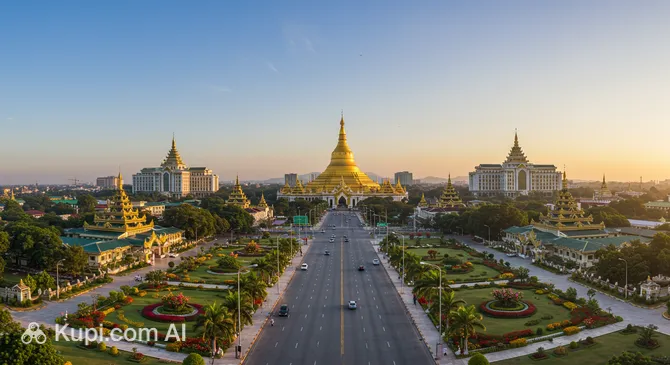
Naypyidaw. Source: Kupi.Binoculars

Travelers are often drawn to the majestic Uppatasanti Pagoda, a nearly exact replica of the famous Shwedagon Pagoda in Yangon. This golden landmark houses a Buddha tooth relic and offers panoramic views of the surrounding area. For nature and wildlife enthusiasts, the Naypyidaw Zoological Gardens is a must-visit; it is the largest zoo in the country and features a safari park, a penguin house, and a planetarium. The city also boasts the beautiful Water Fountain Garden, which comes alive with illuminated displays in the evenings.

If you are looking for a travel experience that defies expectations, Naypyidaw is an intriguing stop. Its blend of monumental infrastructure, serene parks, and unique urban planning creates a memorable environment for those journeying through the heart of the country.

Weather Overview

Naypyidaw features a tropical climate with three well-defined seasons, making it important to choose the right time for your visit. To help plan your activities, you can check the latest forecast for the weather in Naypyidaw. Generally, the city experiences a distinct shift between hot, dry spells and a humid monsoon season.

The hot season typically runs from March to May, with temperatures rising steadily. April is usually the warmest month, seeing average temperatures of 31.1°C and daily highs peaking at 38.1°C. Following this intense heat, the rainy season arrives in late May and lasts through October. During the peak monsoon months of July and August, rain is very frequent, with up to 30 wet days per month, although temperatures remain warm at around 27°C.

The most comfortable period for exploration is the cool, dry season from November to February. January is often the coolest month, offering pleasant average temperatures of 22.2°C and refreshing nighttime lows of roughly 14.8°C. Expect hot summers with the eventual arrival of heavy monsoon rains, and enjoy mild, dry winters ideal for outdoor sightseeing.

Interesting Facts

Beyond its role as an administrative center, Naypyidaw holds several intriguing details that set it apart from typical capital cities. From its immense scale to its meticulous zoning, the city offers a few surprises for the observant traveler.
Myanmar Gems Museum. Source: Kupi.Binoculars
  • The sheer size of the city is difficult to comprehend; it covers a massive geographic area roughly four times the size of London. Despite this expanse, the population density is incredibly low, creating a unique urban atmosphere where traffic jams are virtually non-existent.

  • One of the most famous features is the colossal 20-lane highway located near the parliament complex. This road is so wide that urban legends suggest it was designed to function as an emergency runway for aircraft, although today it is mostly known for its surreal emptiness.

  • The city’s residential zones were originally organized with a distinct color-coded system. The roofs of apartment buildings were painted in specific colors corresponding to the government ministry of the employees living there, creating a visual map of the workforce.

  • Visitors can explore the country's mineral wealth at the Myanmar Gems Museum. This facility showcases a dazzling array of precious stones, including high-quality jade, rubies, and sapphires, for which the nation is globally renowned.

How to Get There

Reaching the administrative capital of Myanmar is a unique experience, thanks to its modern infrastructure and central location. Travelers can choose from various transport options depending on their itinerary. For a detailed guide on planning your journey, you can read more about how to get to Naypyidaw via different routes.

The most direct way to arrive is by flying into Nay Pyi Taw Airport (NYT), which is conveniently located within the city limits. Situated approximately 20 km from the city center, the airport serves as the primary gateway for government officials and tourists alike. A taxi or shuttle from the terminal to the main hotel zones typically takes about 50 minutes. While it is a spacious facility capable of handling international flights, its passenger traffic is relatively modest, ensuring a calm arrival experience.

For those exploring the wider region, Heho Airport (HEH) in the city of Heho is another option, although it is located about 132 km away from Naypyidaw. Heho is a major hub for tourists visiting Inle Lake and handles a higher volume of passengers. The journey by road from Heho to the capital is scenic but takes significantly longer, estimated at around 3.5 to 4 hours by car.

For clarity, here is a summary of the main airports in the region:

Airport Name City Passenger Traffic Km from City
Heho Airport Heho Medium 132.0
Nyaung U Airport Nyaung-U Medium 197.3
Nay Pyi Taw Airport Naypyidaw Small 20.2
Mae Hong Son Airport Mae Hong Son Small 205.3
Loikaw Airport Loikaw 119.4

Main Attractions

While the city is best known for its grand government buildings and expansive boulevards, it also boasts a selection of leisure destinations that cater to both locals and visitors. From cultural exhibits to modern retail hubs, the attractions here offer a glimpse into the developing lifestyle of the capital.

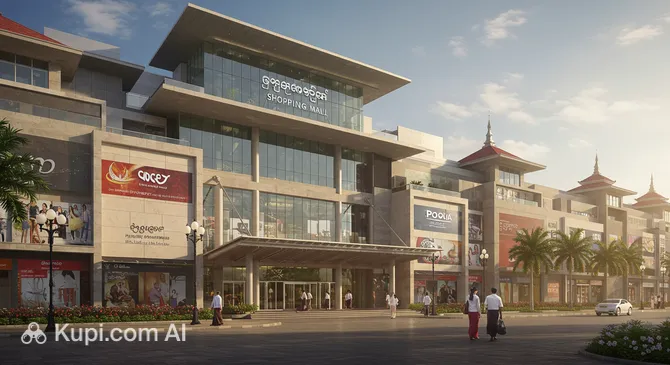
A highlight for many is the Myanmar Gems Museum, which displays the country's rich natural resources, including rubies, jade, and pearls. For a more contemporary experience, Junction Naypyitaw is the city's premier shopping and entertainment complex. It features a modern cinema, a well-stocked supermarket, and a variety of retail stores, making it a popular spot to escape the midday heat.

Junction Naypyitaw. Source: Kupi.Binoculars

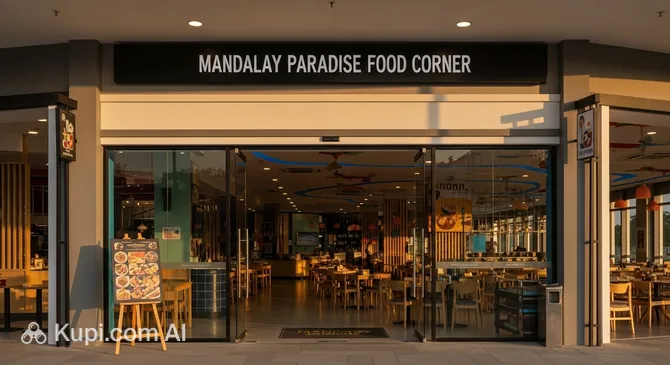
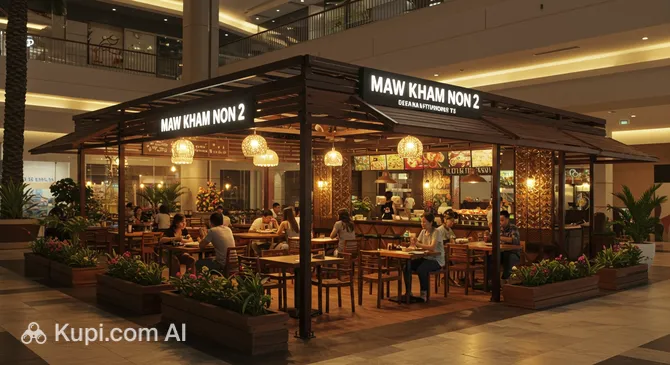
Dining in the capital provides an opportunity to savor authentic regional cuisine. Maw Kham Non 2 is a noted restaurant where travelers can enjoy traditional Burmese flavors in a comfortable setting. Another excellent option is the Mandalay Paradise Food Corner, which offers a diverse menu of local dishes, perfect for a casual and satisfying meal.

For those seeking luxury and relaxation, the Aureum Palace Nay Pyi Taw is a standout destination. This resort hotel is celebrated for its impressive architecture and sprawling, landscaped grounds, offering a serene environment that feels worlds away from the busy administrative centers.

Aureum Palace Nay Pyi Taw. Source: Kupi.Binoculars

Local Cuisine

The culinary landscape of Naypyidaw is a reflection of its status as a gathering point for people from all over the country. Because the city draws government workers and residents from various regions, the local food scene is a melting pot of Burmese flavors. Unlike the crowded street food stalls found in Yangon or Mandalay, dining here is often a more orderly affair, with many restaurants located in designated zones or spacious hotel compounds, offering a relaxed environment to enjoy a meal.

One dish that every visitor must try is Mohinga, widely considered the national dish of Myanmar. This comforting breakfast staple consists of rice noodles served in a rich, herbal fish broth, often topped with crispy fritters and hard-boiled eggs. Another gastronomic highlight is Lahpet Thoke, or fermented tea leaf salad. It is a unique mixture of tart tea leaves, crunchy nuts, toasted sesame seeds, garlic, and dried shrimp, creating a complex balance of textures and flavors that is distinct to Burmese cuisine.

For a true taste of the local lifestyle, you should experience the tea shop culture. Locals frequently gather to drink sweet, milky tea, known as Laphet Yay, which is often served with savory snacks or sweet buns. Fresh fruit juices are also widely available and refreshing in the tropical heat. If you are looking for something stronger, the local beer is a popular accompaniment to evening meals, often enjoyed at open-air barbecue stations.

When it comes to finding a place to eat, the city offers several reliable spots that cater to diverse tastes. Mandalay Paradise Food Corner is a great venue to explore a variety of local dishes in a welcoming setting. It is an excellent choice for travelers who want to sample different curries and noodle dishes without navigating a complex menu.

Mandalay Paradise Food Corner. Source: Kupi.Binoculars

For those interested in specific regional specialties, Maw Kham Non 2 is another well-regarded establishment. Here, you can dive deeper into authentic recipes that showcase the depth of traditional cooking. Whether you are dining in a modern shopping center like Junction Naypyitaw or a standalone restaurant, the food in Naypyidaw offers a flavorful journey through the country's culinary heritage.

Travel Tips

Visiting Naypyidaw offers a travel experience unlike any other in Southeast Asia, but its unique layout and administrative nature require a bit of specific preparation. To help you navigate this vast, planned city with ease and respect for local customs, here are some practical tips to keep in mind.

  1. Clothing and Gear: Given the tropical climate, pack lightweight, breathable fabrics like cotton or linen to stay cool. However, modesty is key when visiting religious sites like the Uppatasanti Pagoda; you must cover your shoulders and knees. A longyi (traditional sarong) is a great local option. Also, bring comfortable slip-on shoes or sandals, as you will be required to remove your footwear frequently at temples and pagodas.

  2. Transportation: Unlike other capital cities, Naypyidaw does not have a comprehensive public transport system for tourists, and the distances between zones are immense. Walking is not feasible. The best way to get around is to hire a private car with a driver for the day or use hotel taxis. While ride-hailing apps are popular in other parts of the country, availability can be sporadic here, so arranging transport through your accommodation is often the most reliable choice.

  3. Finances: The local currency is the Myanmar Kyat (MMK). While major hotels and shopping centers like Junction Naypyitaw accept credit cards, cash is essential for smaller restaurants and local shops. It is advisable to carry US dollars for exchange, but ensure the bills are in pristine condition—no creases, stamps, or tears—as damaged notes are often rejected.

  4. Health and Safety: The city is generally very safe for tourists, with low crime rates. However, medical facilities may be more limited than in Yangon, so bring a basic first-aid kit and any personal prescription medications. Tap water is not safe to drink; always stick to sealed bottled water. Additionally, carry mosquito repellent, especially if you plan to visit parks or gardens in the evening.

  5. Communication: The official language is Burmese. While staff at high-end hotels and government-related venues often speak English, taxi drivers and local shopkeepers may not. It is highly recommended to download an offline translation app and offline maps. Purchasing a local SIM card (available at the airport) is affordable and ensures you stay connected.

  6. Local Etiquette: The traditional greeting is "Mingalabar" (Hello/Good fortune), often accompanied by a smile. The head is considered the most sacred part of the body, so never touch anyone on the head, even children. Conversely, the feet are considered the lowest part; avoid pointing your feet at people or religious images when sitting.

  7. What to Avoid: Naypyidaw is the seat of the government and home to many military and administrative zones. Strictly avoid taking photographs of government buildings, military personnel, or restricted areas, as this can lead to serious misunderstandings. Always look for signs indicating whether photography is permitted.

  8. Dining Logistics: Be aware that the city is zoned, meaning restaurants are often clustered in specific areas far from the hotel zones. Unlike the late-night culture in other cities, many establishments in Naypyidaw close relatively early, often by 9:00 PM or 10:00 PM. Plan your dinner arrangements in advance to avoid being caught out without a meal.

By keeping these practicalities in mind, you can focus on the surreal beauty and quiet grandeur of Naypyidaw. With a little planning, your visit to this modern marvel will be a smooth and memorable adventure.

Entertainment & Nightlife

Nightlife in Naypyidaw offers a distinctively tranquil experience, standing in sharp contrast to the high-energy party scenes found in other Southeast Asian capitals. Instead of bustling club districts and noisy bar streets, the evening culture here is centered around sophisticated hotel lounges, relaxed dining venues, and modern entertainment complexes. The atmosphere is generally quiet and reserved, catering to business travelers and officials, making it an ideal destination for a peaceful evening rather than a wild night out.

The primary hub for upscale evening entertainment is the dedicated Hotel Zone. Many of the city's luxury hotels feature well-stocked bars and spacious lounges that welcome non-guests. For instance, the Aureum Palace Nay Pyi Taw provides an elegant setting where you can unwind with a cocktail or a glass of wine by the poolside or in a refined lobby bar. The vibe is exclusive yet relaxed, and the dress code typically leans towards smart-casual.

For a more lively and local atmosphere, the city's dining establishments serve as key social gathering spots after dark. Maw Kham Non 2 is a popular venue where visitors can enjoy excellent food and drinks late into the evening. It is a great place to observe the local social scene while enjoying a hearty meal in an open and friendly environment.

Maw Kham Non 2. Source: Kupi.Binoculars

If you are looking for entertainment beyond dining and drinking, Junction Naypyitaw is the city's main center for nightlife activity. This shopping complex remains bustling until around 9:00 PM or 10:00 PM and houses a modern cinema that screens both international blockbusters and local films. It is a safe, air-conditioned haven where you can shop, eat, and catch a movie all in one place.

Practical Tips for the Night:
Since Naypyidaw is spread out over vast distances, walking between nightlife venues is not feasible. The streets are wide, often dimly lit, and devoid of pedestrians. It is essential to arrange a taxi or keep a private driver on standby for your evening out, as hailing a cab on the street is virtually impossible at night. The city is extremely safe, but planning your return transport is crucial to avoid being stranded. Most venues close relatively early compared to other cities, so it is best to start your evening by 7:00 PM.

While the nights are quiet, the city offers interesting diversions during the day. Visitors can explore cultural treasures at the Myanmar Gems Museum, which showcases the nation's mineral wealth, or visit the sprawling Zoological Gardens. For a relaxing afternoon, the Water Fountain Garden offers a pleasant space for a stroll before the evening lights turn on.

Parks & Museums

Naypyidaw is meticulously designed as a "Garden City," integrating monumental architecture with vast green spaces and recreational zones. Unlike the dense urban sprawl found in other capitals, the city features wide, tree-lined avenues and designated areas for leisure, making it a surprisingly green destination to explore.

One of the city's most prominent cultural attractions is the Myanmar Gems Museum. This facility highlights the country's status as a major source of precious stones, showcasing high-quality jade, rubies, sapphires, and the largest pearl in Myanmar. For history buffs, the National Museum offers an extensive collection of artifacts, royal regalia, and traditional art, providing a deep dive into the nation's rich heritage across several spacious galleries. Another massive institution is the Defense Services Museum, which displays a vast array of military history, including tanks, aircraft, and weaponry, spread over an immense compound.

For nature lovers, the Naypyidaw Zoological Gardens is a major highlight. It is the largest zoo in the country, home to diverse wildlife such as elephants, tigers, and kangaroos, and even features a penguin house. Adjacent to the zoo is the Safari Park, where visitors can take a guided ride to observe animals roaming in open, naturalistic habitats.

Those looking for a peaceful evening retreat should visit the Water Fountain Garden. Located near the city center, this park features a steel suspension bridge, a large play area, and a main pond where synchronized fountain shows light up the night. Additionally, the National Herbal Park serves as a serene educational space, cultivating thousands of medicinal plants and herbs used in traditional medicine.

Getting Around

Navigating Naypyidaw is a unique experience compared to other major cities in the region. The city was designed with immense scale in mind, featuring vast distances between its designated zones and famously wide boulevards. Consequently, the public transport system is not as comprehensive or tourist-oriented as one might expect. There is no underground metro, tram, or light rail network. Instead, the city is built primarily for automotive travel, making private transport the most viable option for visitors.

For tourists, taxis are the most practical and convenient way to get around. Unlike in older, more congested cities where you can easily hail a cab on the street, in Naypyidaw, it is highly recommended to arrange transport through your hotel or a reputable travel desk. Street taxis are scarce due to the low population density and the sheer size of the roads. Most taxis do not use meters, so it is standard practice to negotiate and agree on the fare with the driver before starting your journey. Prices are generally reasonable, but having an idea of the distance can help in negotiations.

Ride-hailing applications are available but can be less reliable here than in busier urban centers. While apps like Grab or local alternatives may operate, the fleet size is smaller, leading to potentially longer wait times. It is often safer to book a private car and driver for the entire day, especially if you plan to visit multiple attractions spread across the Hotel Zone, the Ministry Zone, and the various pagodas and museums. This ensures you are not left stranded in a remote area with no transport in sight.

There is a local bus system, but it is designed almost exclusively for local residents and government employees commuting between specific residential and administrative zones. Information regarding routes, schedules, and stops is rarely available in English, and the network does not typically connect the main tourist attractions conveniently. For adventurous travelers who wish to try the bus, it is best to ask a local guide for assistance, but for efficiency and comfort, this mode is generally not recommended for short-term visitors.

Motorbike taxis are another alternative for shorter trips or solo travelers. They are often found waiting at major intersections or near markets. While they are cheaper than cars, safety should be a priority; always request a helmet. However, given the high speeds on the multi-lane highways, a car remains the safer choice.

Regarding payment, cash is the absolute standard for all forms of local transport. Drivers and bus conductors will not accept credit cards or digital passes. You will need to pay in the local currency, and it is advisable to carry small denominations to pay the exact fare, as drivers may not always have change for large bills.

A crucial piece of advice for all visitors is to avoid attempting to walk between destinations. The distances in Naypyidaw are deceptive; what looks like a short stroll on a map can be several kilometers of walking under the hot sun with little shade. Always plan your transport in advance, specifically for your return journey, as finding a ride spontaneously in the evening can be challenging.

Accommodation

Accommodation in Naypyidaw is quite different from what travelers might expect in other Southeast Asian cities. Consistent with the city's master plan, hotels are not scattered randomly but are concentrated primarily in designated areas, most notably the specialized Hotel Zone. The options here tend to lean towards spacious, resort-style properties and mid-range to high-end hotels, rather than the small guesthouses or budget hostels found in Yangon or Mandalay.

The Hotel Zone is situated a short drive from the main ministry buildings and the convention center, making it the most convenient area for visitors to base themselves. This area is characterized by wide streets and large plots of land, allowing hotels to offer expansive gardens, swimming pools, and bungalow-style rooms. Because the city is spread out, staying in this zone ensures you are relatively close to the few dining and shopping hubs available.

For those seeking a luxurious stay, the city offers several grand establishments that cater to diplomats and business travelers. A prime example is the Aureum Palace Nay Pyi Taw, which features impressive architecture, a large landscaped lake, and top-tier amenities. Hotels in this category often provide a tranquil retreat with extensive facilities, including gyms, spas, and on-site restaurants, which is particularly useful given the limited walkability of the city.

Price Range and Booking:
Generally, accommodation prices in Naypyidaw offer good value for money, especially given the size and quality of the rooms. Prices range from affordable mid-range rates to higher prices for luxury resorts, though they are often lower than comparable 5-star options in neighboring countries. Most major hotels can be booked via standard online travel platforms, but for smaller local hotels, direct booking by phone or email is sometimes necessary.

Booking Tip:
While the city rarely feels crowded, it frequently hosts large government conferences and international summits. During these events, the best hotels can book out completely. It is highly advisable to check the local event calendar and secure your reservation well in advance to ensure you get your preferred choice of accommodation.

Nearby Cities

For those looking to explore the surroundings, Naypyidaw serves as an excellent base for day trips to several interesting nearby locations:

One of the most accessible destinations is Meiktila, situated approximately 125 km from the capital. This historic city is centered around the scenic Meiktila Lake, offering a refreshing atmosphere and cooling breezes. Visitors can admire the Phaung Daw U Pagoda, which sits majestically on the water, and enjoy a relaxing break by the lakeside, observing the daily life of the locals.

For a change in climate and scenery, travelers might consider a trip to Taunggyi, the capital of Shan State. Perched on a mountain ridge, it is known for its cooler weather and vibrant cultural diversity. The city features bustling markets selling local produce and traditional handicrafts, and it serves as a gateway to the famous Inle Lake region, making it a worthwhile stop for those seeking a different perspective of the country.

To the west lies Magway, located on the banks of the mighty Irrawaddy River. It is famous for the stunning Mya Tha Lun Pagoda, a golden stupa that offers panoramic views over the river. Exploring Magway provides a chance to witness the spiritual heritage and riverside landscapes that define much of central Myanmar.

City Population Distance (km)
Taunggyi 381,639 151
Magway 289,247 126
Natogyi 250,000 189
Meiktila 177,442 125
Mahlaing 157,674 154

These nearby destinations offer a glimpse into the diverse culture and landscapes of the region.

Shopping & Souvenirs

Shopping in Naypyidaw offers a distinct experience compared to the bustling commercial hubs of other Southeast Asian capitals. Instead of chaotic street vendors scattered throughout the city, retail therapy here is organized into specific zones and modern complexes. The city provides a mix of air-conditioned comfort in large malls and the authentic, lively atmosphere of traditional open-air markets, allowing visitors to purchase everything from daily necessities to high-value local treasures.

The city does not have traditional "shopping streets" in the European sense due to its vast, zoned layout. However, the Myoma Market serves as the primary commercial district for locals. This expansive market is the beating heart of the city's trade, where you can find hundreds of stalls selling fresh produce, clothing, household goods, and local snacks. It is a vibrant place to witness daily life, contrasting sharply with the quiet boulevards of the administrative zones. Another key area is the Thapye Gone Market, known for its array of textiles, electronics, and restaurants.

For a modern retail experience, Junction Naypyitaw is the undisputed highlight. As the capital's premier shopping mall, it offers a cool respite from the tropical heat. Inside, visitors will find a well-stocked supermarket, international brand outlets, a cinema, and a variety of dining options. It is the most convenient spot for tourists to pick up travel essentials, branded clothing, or simply enjoy a coffee in a contemporary setting. The Capital Hypermarket is another major shopping destination, providing a vast selection of groceries and general merchandise.

When it comes to souvenirs, Naypyidaw is an excellent place to purchase high-quality precious stones. Myanmar is famous for its rubies, sapphires, and jade. The Myanmar Gems Museum is not only an exhibition space but also hosts numerous licensed jewelry counters where you can buy certified gems. Apart from jewelry, travelers often look for Longyi, the traditional Burmese sarong worn by both men and women. These are available in various patterns and fabrics, from simple cotton for daily wear to intricate silk for special occasions.

Opening hours vary significantly depending on the venue. Modern shopping malls like Junction Naypyitaw typically operate from 9:00 AM to 9:00 PM daily. In contrast, local markets like Myoma start much earlier, often bustling by 6:00 AM, but many stalls begin to close around 5:00 PM or 6:00 PM. Regarding payment, cash is king. While the major malls and high-end jewelry shops accept credit cards, cash in local currency (Kyat) is essential for markets and smaller stores. If you plan to pay with US dollars, ensure the notes are crisp and brand new, as damaged bills are usually rejected.

Tax-free shopping is not a widespread service for tourists in Myanmar. While some high-end jewelry shops may offer export certificates required for taking gems out of the country, standard VAT refunds at the airport are not currently a common feature. It is always best to ask for an official receipt and export voucher when purchasing significant items like gemstones to ensure a smooth departure.

Reached the end of the page?

That means the route is fully explored