Support

Monywa

About

Monywa is a vibrant and bustling city located on the eastern bank of the Chindwin River, serving as a major trade and commercial center in the Sagaing Region. As a significant hub in central Myanmar, it offers travelers a lively atmosphere that blends modern economic activity with deep-rooted traditions. With a population of over 200,000 people, the city acts as a crucial gateway for those exploring the Chindwin Valley and the western parts of the country.

The climate here tends to be hot and dry, typical of the central dry zone, making it a distinct destination compared to the cooler hill stations. While the city itself is known for its markets and industry, the history of Monywa is reflected in the spectacular religious monuments that surround it. These sites showcase the artistic and spiritual dedication of the region's inhabitants over the centuries.

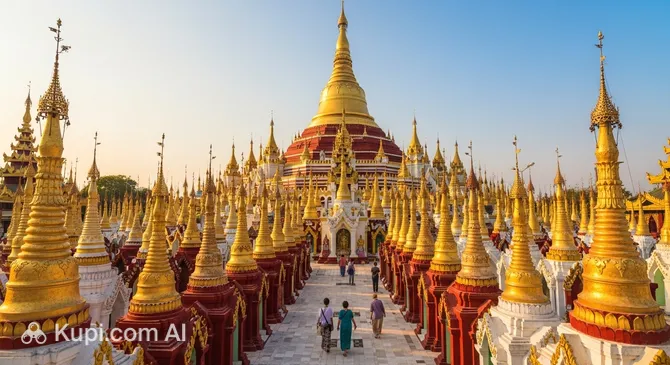
Monywa. Source: Kupi.Binoculars

Visitors are primarily drawn to the area's unique attractions, most notably the Thanboddhay Pagoda. This incredibly colorful temple is famous for its intricate architecture and for housing over half a million Buddha images in various sizes. Another unmissable site is the Maha Bodhi Tahtaung, a sprawling complex that features the Laykyun Sekkya, one of the tallest standing Buddha statues in the world, dominating the landscape.

Whether you are interested in exploring ancient cave temples like those at Po Win Taung or simply want to experience the authentic daily life of a Burmese provincial city, Monywa is a fascinating stop. It invites adventurous travelers to discover a side of the country that is both spiritually grand and pleasantly down-to-earth.

Weather Overview

Monywa is located in the central dry zone of Myanmar, resulting in a climate that is generally hot and distinct from the coastal regions. When planning your trip, it is helpful to check the typical weather in Monywa, as temperatures and conditions vary greatly depending on the season. The hottest period occurs in April, where the average temperature is around 32.0°C, often peaking at a sweltering 38.4°C. In contrast, the winter months of December and January are much milder and more comfortable for exploration, with average temperatures hovering between 21.8°C and 22.9°C and nighttime lows dipping to approximately 15.8°C.

Precipitation follows a clear seasonal trend, dividing the year into distinct wet and dry phases. Expect scorching, dry heat in the spring followed by a rainy season that spans from May to October. During the peak of the monsoon in August and September, the city experiences about 23 wet days per month, making rain gear essential, whereas the period from December through March is exceptionally dry with almost zero wet days recorded.

Interesting Facts

Beyond the main attractions, Monywa holds many fascinating secrets and unique cultural distinctions that set it apart from other cities in Myanmar. These lesser-known details reveal the region's deep connection to craftsmanship, geology, and spiritual devotion.
  • The "Black" Lacquerware Capital: Just a short distance from the city lies Kyaukka village, famous for producing a distinct style of lacquerware. Unlike the delicate, colorful designs found in Bagan, Kyaukka ware is typically black, thicker, and more utilitarian, making it a favorite for everyday use by locals.

  • A Forest of Faith: While the giant standing Buddha is the skyline's highlight, the Maha Bodhi Tahtaung complex also features a geometrically perfect grove known as the "Garden of a Thousand Bodhi Trees." It actually contains thousands of Bo trees, each sheltering a seated Buddha statue, creating a serene and endless grid of devotion.

  • Monastic Supply Hub: The city is a crucial production center for Buddhist monastic essentials, particularly alms bowls. Skilled artisans in local workshops craft these bowls and coat them with black lacquer, supplying monks throughout the entire country.

  • Ancient Fossils: The dry landscape around the city is geologically rich and is known for yielding abundance of petrified wood. Visitors exploring the areas near the cave temples often come across these fossilized remnants of ancient forests, dating back millions of years.

How to Get There

Reaching Monywa typically involves a combination of air and road travel, as the city is located in the heart of the Sagaing Region, slightly off the main tourist circuit. Most travelers arrive overland from nearby major hubs. You can find more about how to get to Monywa and the various transport options available to help plan your journey efficiently.

The city of Monywa does not have its own airport, but you can fly into Mandalay International Airport (MDL) in the city of Mandalay, which is about 98 km from Monywa. As the primary international gateway for central Myanmar, it offers the most convenient connections. From there, you can get a taxi or bus, which takes about 170 minutes depending on traffic and road conditions. This route is frequently used by visitors heading to the Chindwin Valley.

Alternatively, you can arrive at Nyaung U Airport (NYU) in Nyaung-U, which serves the ancient city of Bagan. It is located approximately 107 km from Monywa. The drive from Nyaung-U takes around 180 minutes, offering a scenic route through the dry zone. This option is particularly popular for those combining a trip to the temples of Bagan with a visit to Monywa.

For clarity, here is a summary of the main airports:

Airport Name City Passenger Traffic Km from City
Mandalay International Airport Mandalay Large 97.7
Heho Airport Heho Medium 228.1
Nyaung U Airport Nyaung-U Medium 106.9
Nay Pyi Taw Airport Naypyidaw Small 297.4
Kalemyo Airport Kalemyo Small 163.7

Beyond air travel, Monywa is well-connected by road to other major cities. Regular air-conditioned buses operate daily from Mandalay and Yangon, providing an affordable and reliable way to reach the city. There is also a railway connection, though trains in this region can be significantly slower than road transport; however, they offer a unique perspective of the countryside for those with ample time.

Main Attractions

Monywa offers a surprising array of monumental sights that rival the more famous destinations in the country. The city's attractions are characterized by their massive scale, vibrant colors, and unique artistic styles, providing a distinct experience from the ancient ruins found elsewhere in the region. Exploring these sites reveals the deep spiritual dedication and craftsmanship of the local people.

Thanboddhay Pagoda is a visual masterpiece that stands out from the traditional golden stupas typical of the area. Built in the mid-20th century, its architecture is incredibly intricate, featuring a multi-tiered roof adorned with gold leaf and bright colors. The interior is a labyrinth of corridors and shrines, famously housing over 580,000 Buddha images of varying sizes. This sheer volume of iconography creates a mesmerizing and almost psychedelic effect for visitors as they wander through the decorated halls.

Just a short drive away lies the Maha Bodhi Tahtaung complex, a site defined by its colossal statues that dominate the skyline. The highlight is the Laykyun Sekkya, one of the world's tallest standing Buddha statues, which towers approximately 116 meters above the Po Khaung Hills. Visitors can climb the stairs inside the statue to view depictions of Buddhist cosmology and enjoy panoramic views of the surrounding countryside. At the foot of this giant lies a massive reclining Buddha, and the grounds are further distinguished by thousands of Bo trees, each shading a seated Buddha image.

For a journey into the past, Po Win Taung offers a fascinating excursion across the Chindwin River. This extensive complex consists of hundreds of sandstone caves dug into the hillsides, with some dating back to the 14th century. Inside, travelers will find well-preserved mural paintings and countless Buddha statues carved directly into the rock. The site is an archaeological wonder that blends nature and art, and it is also known for the troops of monkeys that inhabit the paths, adding a lively element to the visit.

Adjacent to the caves is Shwe Ba Taung, often described as a "mini-Petra" due to its spectacular rock-cut architecture. Here, narrow pathways have been hewn vertically into the limestone cliffs, revealing ornate facades and entrances to shrines decorated with colorful mosaics. The contrast between the sheer rock walls, the blue sky above, and the detailed craftsmanship makes it a photogenic and highly atmospheric destination for those exploring the western bank of the river.

Local Cuisine

The local cuisine in Monywa offers an authentic taste of the Sagaing Region, characterized by hearty flavors and ingredients typical of Myanmar's central dry zone. As a major agricultural hub, the city's food scene relies heavily on fresh local produce, particularly beans, pulses, sesame, and peanuts. Visitors will find that the food here is less influenced by tourism than in other major cities, providing a genuine opportunity to eat like a local.

When exploring the culinary landscape, you must try the staple Burmese curry meals. These are typically served at "rice shops" and consist of a main meat or fish curry accompanied by a generous spread of side dishes, including soup, fresh vegetables, tart salads, and the ubiquitous ngapi (fermented fish paste) dip. For breakfast or a lighter meal, Mohinga—rice noodles in a fish-based broth—is available on almost every corner. Given the region's production of crops, you will also find an excellent variety of A Kyaw (fried fritters) made from gourds, onions, or chickpeas, which are a favorite afternoon snack.

Tea culture is an essential part of daily life in Monywa. Traditional open-air tea shops serve Laphet Yay, a sweet and creamy Burmese milk tea, often enjoyed with steamed buns or fried dough sticks. These shops also provide complimentary pots of pale green tea, which acts as a palate cleanser. For those looking for something stronger in the evenings, local beer stations are popular gathering spots. In the surrounding rural areas, you might also encounter Htan Ye, or palm wine, a natural alcoholic beverage tapped directly from palm trees.

The heart of Monywa's dining experience is undoubtedly its vibrant night market. Located near the clock tower and the riverfront, the market comes alive after sunset with rows of stalls selling everything from barbecue skewers and noodle salads to sweet desserts. It is the perfect place to immerse yourself in the local food culture, sitting on small plastic stools amidst the bustle of the city, enjoying freshly cooked street food at very affordable prices.

Travel Tips

Traveling to Monywa offers a glimpse into the authentic heart of the country, far removed from the heavy tourist crowds of the main circuit. To make your journey through this vibrant trade hub as smooth and enjoyable as possible, here are some essential practical tips to keep in mind.

  1. Clothing and Gear: Due to the intense heat of the central dry zone, wear loose, breathable cotton or linen clothing. However, modesty is paramount; you must keep shoulders and knees covered at all times when visiting religious sites like the Thanboddhay Pagoda. A sturdy pair of slip-on sandals is indispensable, as you will be required to remove shoes and socks frequently at temple entrances.

  2. Transportation: There is no metro or extensive bus system within the city. The most common way to get around is by motorbike taxi or three-wheeled auto-rickshaws (often called tuk-tuks). Ride-hailing apps are not widely used here, so always agree on a price with the driver before starting your journey. For visiting distant sites like the caves, hiring a private car with a driver for the day is the most comfortable option.

  3. Finances: The local currency is the Myanmar Kyat (MMK). Cash is king in Monywa; while a few major hotels might accept credit cards, markets, restaurants, and transport operate exclusively on cash. There are ATMs available in the city center (look for KBZ or CB Bank), but it is wise to bring a sufficient backup of cash in case machines are offline or out of money.

  4. Health and Safety: Monywa is generally very safe for tourists, but standard precautions apply. Drink only sealed bottled water and avoid ice in street drinks to prevent stomach upsets. Pharmacies are available in the town center, but stock is basic, so bring your own prescription meds and a small first-aid kit. Be cautious of stray dogs, especially if walking around at night.

  5. Communication: English is not widely spoken outside of the hospitality sector. It is highly recommended to download an offline translation app and offline maps (like Google Maps or Maps.me) before arriving. Buying a local SIM card (such as MPT or Atom) is cheap and easy, providing reliable 4G data which is often faster than hotel Wi-Fi.

  6. Local Etiquette: The culture in the Sagaing Region is traditional. Always use your right hand when eating or passing money to someone; using the left hand is considered unclean. Be mindful of your feet—never point them at a person or a Buddha image, as this is seen as highly disrespectful.

  7. What to Avoid: Do not enter any pagoda or monastery compound with footwear on—this includes socks. Locals take this rule very seriously. Also, avoid public displays of affection, such as hugging or kissing, as this can make locals uncomfortable in this conservative provincial city.

  8. River Crossing Tip: If you plan to visit the Po Win Taung caves, you may need to cross the Chindwin River. You can take a local ferry or hire a small private boat. Be aware that the last boats often return around sunset, so plan your trip to ensure you aren't stranded on the opposite bank after dark.

With these preparations in place, you are all set to navigate the colorful streets and spectacular monuments of Monywa with confidence. Embrace the local way of life, stay hydrated in the heat, and enjoy the warm hospitality that this unique riverside city has to offer.

Entertainment & Nightlife

Monywa offers a nightlife experience that is distinctly traditional and laid-back, standing in contrast to the high-energy club scenes found in larger cities like Yangon or Mandalay. The evening entertainment here revolves around socializing, dining, and enjoying the cool river breeze after a hot day. For tourists, it is an opportunity to immerse themselves in the local culture, where "nightlife" means gathering with friends at open-air venues rather than dancing until dawn.

The city's evening pulse is strongest around the Clock Tower in the city center and along Strand Road facing the Chindwin River. As the sun sets, these areas transform into bustling hubs of activity. The atmosphere is casual and friendly, with locals of all ages enjoying the cooler temperatures. There is no strict dress code, but modest, casual attire is recommended to blend in respectful of the local culture.

The most popular form of evening entertainment in Monywa is the traditional Beer Station. These are open-air establishments serving local draft beer and barbecue. They are lively, affordable, and offer a genuine slice of local life. You will find many of these dotted along the riverfront and main roads.

Monywa Night Market is the primary destination for evening entertainment, located near the city center (often shifting between the Clock Tower and Kan Thar Yar Lake areas). It is a sensory overload of sizzling woks, bright lights, and chatter. Here, you can grab a cold drink, sample street food, and browse for affordable clothes and local goods. It is the best place to people-watch and soak up the city's energy.

Sky View Restaurant, situated at the Jade Royal Hotel, offers a more modern and polished atmosphere compared to the street-side stalls. It is an excellent spot for travelers looking to enjoy a cocktail or a cold beer with a view of the city skyline. Another great option is the Win Unity Lakeview Terrace at the Win Unity Resort. Located by the Kan Thar Yar Lake, it provides a serene setting where you can enjoy dinner and drinks surrounded by greenery and water views, far removed from the dust and noise of the town center.

Before the sun goes down, Monywa offers modest daytime entertainment options. Kan Thar Yar Lake is a popular recreational spot where you can enjoy a leisurely walk or rent a small boat. It is a favorite hangout for couples and families. For those interested in local culture, the city has public parks like Bogyoke Aung San Park, which are pleasant for a late afternoon stroll before heading to dinner.

When planning your evening, keep in mind that the nightlife in Monywa wraps up relatively early. Most beer stations and markets are busiest between 7:00 PM and 9:00 PM, with many places closing by 10:00 PM or 11:00 PM. It is best to start your evening around sunset. Entertainment here is very affordable; a glass of local draft beer costs less than a dollar, and a hearty meal at the night market is equally cheap. Cash is essential, as very few local venues accept credit cards.

Getting around at night requires some planning as public transport ceases early. Tuk-tuks (three-wheeled auto-rickshaws) are the best way to move between your hotel and the riverfront. Always agree on a fare before hopping in, as meters are not used. While Monywa is generally safe for tourists, street lighting can be inconsistent. It is advisable to stick to well-lit main roads and avoid walking alone in dark alleys to ensure a safe return to your accommodation.
Parks & Museums

While Monywa is primarily celebrated for its religious architecture, the region also offers compelling natural landscapes and cultural sites that function as open-air museums. Visitors exploring this part of Myanmar will find that the distinction between a place of worship, a gallery, and a nature reserve is often beautifully blurred, providing a rich tapestry of experiences for those willing to look beyond the main temples.

For true wilderness enthusiasts, the Alaungdaw Kathapa National Park is the premier destination. Located west of the city in the Mahamyaint Forest, this is one of the country's oldest and largest national parks, designated as an ASEAN Heritage Park. It preserves a vast expanse of pristine teak and pine forests, offering a sanctuary for diverse wildlife, including wild elephants, leopards, and numerous bird species. Beyond its ecological value, the park is a major pilgrimage site housing the shrine of Shin Maha Kathapa, an enlightened Buddhist saint. A visit here typically involves a combination of trekking and elephant rides, providing a unique blend of rugged adventure and spiritual discovery.

Closer to the city center, Kan Thar Yar Lake offers a more accessible touch of nature. Serving as the primary reservoir for the area, it acts as a vital cooling counterpoint to the arid climate of the dry zone. While it is a well-known social hub, botany lovers will appreciate the mature shade trees and aquatic plants that line its banks. The lake provides a lush, green environment that supports local birdlife, acting as a refreshing botanical refuge right in the heart of the urban sprawl.

In terms of museums, Monywa presents its history through monumental architecture rather than glass display cases. The Thanboddhay Pagoda effectively serves as a massive gallery of Buddhist art. Its interior corridors are lined with nearly 600,000 Buddha images, offering an exhaustive archive of regional iconography and devotional craftsmanship from the last century. The sheer volume and variety of statues provide an immersive artistic experience that rivals any traditional museum collection.

Similarly, Kyaukka Village operates as a fascinating "living museum" of industrial heritage. While the village is renowned for its lacquerware products, the true value for a visitor lies in the immersive observation of the craft itself. Walking through the open workshops allows you to witness artisans using bamboo-strip weaving and sap-coating techniques that have remained virtually unchanged for generations. It offers a tangible connection to the region's pre-modern economic history and a chance to see history in motion.

Finally, the interior of the giant Laykyun Sekkya Buddha offers a structured educational experience unique to this region. As visitors ascend the stairs within the statue, they traverse a vertical museum depicting Buddhist cosmology. The murals vividly illustrate the thirty-one planes of existence, transitioning from graphic depictions of the realms of punishment at the base to the serene celestial worlds at the top, providing a culturally revealing lesson in the spiritual beliefs that shape daily life in the province.

Getting Around

Public transport in Monywa is quite different from what you might find in a modern metropolis. The city does not have a metro, tram, or formal municipal bus network. Instead, the local transportation system is informal, road-based, and relies heavily on smaller vehicles. For tourists, this means navigating a mix of motorized rickshaws, motorbikes, and converted pickup trucks that serve as shared buses.

The most common way for visitors to get around the city center is by three-wheeled auto-rickshaws, locally known as tuk-tuks or thone bane. These are versatile, able to navigate narrow streets, and are readily available at markets, bus stations, and major intersections. For solo travelers looking for a faster option, motorbike taxis are ubiquitous. You will often see drivers wearing colored vests waiting at street corners; they offer the quickest way to cut through traffic, though they are less suitable for carrying luggage.

For longer distances or a cheaper, more local experience, you can use the line-cars. These are pickup trucks or light trucks fitted with bench seats in the back and a roof overhead. They function as the city's bus system, running on roughly fixed routes along main roads. They are incredibly affordable but can get very crowded, often stopping frequently to let passengers on and off. While they are a genuine slice of local life, they can be confusing for non-locals to navigate without knowing the specific route or language.

The payment system in Monywa is exclusively cash-based. There are no travel cards, electronic passes, or mobile payment apps for public transport. You must pay the driver or the conductor directly in the local currency, the Myanmar Kyat (MMK). For shared transport like line-cars, the fare is a fixed, low amount. However, for private hires like tuk-tuks and motorbike taxis, there are no meters. You must negotiate and agree on the fare before you start your journey to avoid misunderstandings later.

Tourists should be aware that public transport options decrease significantly after sunset. Most line-cars and motorbike taxis operate from early morning until around 8:00 PM or 9:00 PM. If you plan to stay out late, you should arrange your return transport in advance. Since English is not widely spoken by drivers, it is highly practical to have the name of your hotel or destination written down in Burmese script to show the driver.

Alternatives to public transport include hiring a private taxi or a car with a driver for the day. This is the most popular option for visiting distant attractions like the Thanboddhay Pagoda or the caves across the river, providing comfort and air conditioning in the heat. While walking is possible within the compact downtown area near the clock tower, the heat and dust often make motorized transport a more appealing choice for exploring further afield. Additionally, traditional trishaws (bicycles with a sidecar) are still in use for very short trips, offering a nostalgic and leisurely way to see the streets.

Accommodation

Accommodation in Monywa is generally simple, practical, and affordable, reflecting its status as a provincial trade hub rather than a luxury tourist destination. Visitors will not find international five-star hotel chains here. Instead, the city offers a decent selection of budget guesthouses, clean motels, and a handful of mid-range hotels that provide comfortable amenities such as air conditioning, Wi-Fi, and attached bathrooms. The hospitality standards are typically warm and welcoming, even if the facilities are more functional than opulent.

When choosing where to stay, location is a key factor. The most convenient area for backpackers and budget travelers is the downtown district, particularly around the Clock Tower and the central market. Staying here puts you within walking distance of tea shops, ATMs, and the night market. However, this area can be dusty and noisy, especially during the day. For a more tranquil experience, look for properties near Kan Thar Yar Lake or along the quieter stretches of Bogyoke Road. These areas are slightly removed from the chaotic center and offer a more relaxing atmosphere, often with garden settings.

For those seeking the highest level of comfort available in the city, there are a few standout options that are widely recognized by travelers. The Win Unity Resort is often considered the premier choice, located on the edge of the lake with bungalow-style rooms and a swimming pool, making it a rare oasis in the dry zone. Another well-regarded establishment is the Jade Royal Hotel, known for its modern facilities and rooftop dining. Hotel Chindwin is also a popular pick, centrally located and catering to both business travelers and tourists with reliable service.

Regarding prices and booking, Monywa is very budget-friendly. Basic guesthouses can cost as little as $15 to $20 per night, while the top-tier hotels generally range between $30 and $60. While walk-ins are often possible at smaller guesthouses, it is highly recommended to book in advance if you plan to stay at the better hotels, especially during the peak tourist season from November to February. Note that while major hotels accept online bookings and sometimes credit cards, smaller establishments often deal exclusively in cash, so it is wise to carry sufficient Myanmar Kyat.

Nearby Cities

For those looking to explore the surroundings, Monywa serves as an excellent base for day trips to several interesting nearby locations:

City Population Distance (km)
Mandalay 1,319,452 98
Kyaukse 741,071 116
Natogyi 250,000 93
Myingyan 163,812 78
Mahlaing 157,674 124

Among the most prominent destinations is Mandalay, the last royal capital of the country. Located just under 100 kilometers away, it is the cultural heart of the nation, boasting major attractions such as the Royal Palace, the sacred Mahamuni Buddha Image, and the iconic U Bein Bridge in nearby Amarapura. A visit here offers a deep dive into traditional arts, crafts, and history that contrasts with the more provincial atmosphere of the Sagaing Region.

Closer to the city lies Myingyan, a bustling trade hub situated in the dry zone. While it sees fewer international tourists, it provides an authentic glimpse into daily life in central Myanmar. Known for its lively market atmosphere and its position near the confluence of major rivers, it serves as an interesting stop for those wishing to experience a typical commercial town off the beaten path.

These nearby destinations offer a glimpse into the diverse culture and landscapes of the region.

Shopping & Souvenirs

General Overview: Shopping in Monywa offers a distinctly local experience, far removed from the glitzy designer boutiques of international capitals. As a major trade hub in the Sagaing Region, the city is a commercial center for agricultural produce and traditional crafts. For tourists, the appeal lies in exploring bustling markets and discovering authentic Burmese products, particularly textiles and handicrafts, at very reasonable prices.

Main Shopping Areas: The commercial heart of the city beats strongest in the downtown area, particularly around the Clock Tower and along Bogyoke Road. This central district is lined with small shophouses, gold shops, and general stores selling everything from electronics to clothing. Walking through these streets provides a lively atmosphere where you can browse alongside locals going about their daily business.

Shopping Malls: While Monywa is primarily a provincial city, it does feature modern retail conveniences. The most prominent option is the Ocean Supercenter. As part of a major retail chain in Myanmar, this mall offers a clean, air-conditioned environment with a supermarket, fashion outlets, and household goods, providing a comfortable break from the heat and dust of the outdoor markets.

Markets: The soul of the city's commerce is the Chindwin Zay (also known as the Myoma Market). This sprawling complex is the largest in the city and is divided into sections selling fresh produce, dry goods, and textiles. It is a fascinating place to wander in the morning to see the variety of goods coming in from the surrounding countryside. Additionally, the Night Market near the riverfront is not just for food; you can also find stalls selling cheap clothing, shoes, and small accessories under the glow of streetlights.

Souvenirs: Monywa is famous for specific local products that make for excellent souvenirs. The region is renowned for its cotton blankets and textiles, which are durable and come in various patterns. Another unique buy is Kyaukka lacquerware, produced in a nearby village. Unlike the colorful Bagan style, this lacquerware is typically black with gold accents and is known for its sturdy, utilitarian quality. You can also find high-quality Thanakha (traditional cosmetic bark) here, as the region is a major producer of the raw material.

Opening Hours and Payment: Traditional markets open very early, often by 6:00 AM, and start winding down around 5:00 PM. Modern shops and the Ocean Supercenter usually stay open from 9:00 AM until 9:00 PM. Payment is almost exclusively in cash (Myanmar Kyat). While the supermarket might accept credit cards, small vendors and market stallholders deal only in cash, so ensure you have plenty of small notes for bargaining.

Tax-Free: Tax-free shopping or VAT refund schemes are generally not available in Monywa. The prices listed or negotiated in markets are final, and tourists should not expect to claim taxes back on purchases made within the city.

Reached the end of the page?

That means the route is fully explored