Support

Loikaw

About

Loikaw, the charming capital of Kayah State, offers a serene escape in the eastern part of Myanmar. Nestled among the rolling Karen Hills, this picturesque city is bisected by the gentle Pilu River, creating a landscape defined by lush greenery and dramatic limestone formations. With a population of approximately 11,000 residents, Loikaw retains a quiet, small-town atmosphere that feels worlds away from the country's bustling metropolises.

The region is deeply rooted in tradition and is home to a diverse array of ethnic groups. Travelers keen to understand the history of Loikaw will discover a fascinating cultural heritage, particularly that of the Kayan people, who are famous for their traditional brass neck coils. The city serves as a gateway to exploring these unique local customs and the authentic rural lifestyle of the state.

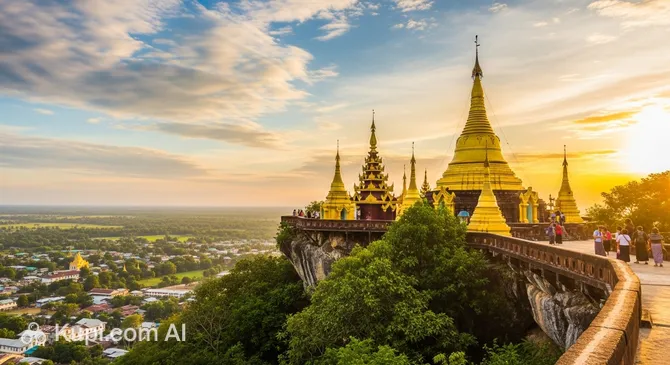
Loikaw. Source: Kupi.Binoculars

The city's skyline is dominated by its most iconic landmark, the Taung Kwe Pagoda. Perched precariously atop fragmented limestone outcrops, this sacred site offers breathtaking panoramic views of the city and the surrounding mountains, especially during sunset. Beyond the pagoda, visitors can enjoy a relaxing boat ride along the river or explore the vibrant local markets that showcase the area's agricultural bounty and handicrafts.

For those seeking an off-the-beaten-path adventure, Loikaw provides a perfect blend of natural beauty and cultural immersion. It is a destination that invites you to slow down, breathe in the fresh mountain air, and experience the genuine hospitality of its people.

Weather Overview

The weather in Loikaw is generally characterized by a tropical savanna climate, featuring distinct cool, hot, and rainy seasons. Visitors can expect warm summers with occasional rain and cold, dry winters, making the region a year-round destination depending on your preferences for heat and humidity.

The most popular time to visit is often during the cool, dry months from December to February. During this period, average temperatures hover around 19°C to 20°C, with crisp nights dropping to approximately 12.5°C and pleasant daytime highs reaching up to 28°C. Rainfall is virtually non-existent in February and March, providing clear blue skies perfect for exploring the outdoors.

From March to April, the city experiences its hottest weather, with maximum temperatures climbing above 32°C. This brief hot spell transitions into the rainy season, which lasts from May through October. While temperatures moderate to an average of roughly 23°C to 25°C, the humidity rises significantly. July and August are the wettest months in terms of frequency, with rain recorded on up to 31 days, keeping the surrounding hills lush and green.

Interesting Facts

Beyond the main attractions, Loikaw holds many fascinating secrets that reveal the deep spiritual and cultural layers of this corner of Myanmar. The city is defined not just by its dramatic scenery, but by unique traditions and architectural marvels found nowhere else in the country.

  • The Meaning of "Split Mountain": The city's most famous landmark, Taung Kwe Pagoda, gets its name from the geological formation it rests upon. "Taung Kwe" literally translates to "Split Mountain," referring to the two distinct limestone outcrops connected by a small bridge that give the illusion of a single mountain torn apart by mythical forces.

  • A Hub of Catholicism: Unlike the predominantly Buddhist regions of the country, Loikaw is a significant center for the Roman Catholic faith. The Christ the King Cathedral, built in 1939, is the oldest church in Kayah State and features a rare architectural blend, combining traditional European church layouts with local artistic elements.

  • Sacred Frog Drums: Loikaw is the cultural home of the "Kyee Zi," or bronze frog drums. These ancient instruments are considered sacred treasures by the local people and were historically used to summon rain; they are believed to possess souls and are often used as a symbol of the state's identity.

  • Totem Pole Traditions: While pagodas are common, Loikaw also hosts the unique Kayhtobo festivals, which center around tall, decorated totem poles called "Tagundaing." These poles are erected to pay homage to guardian spirits, showcasing the region's enduring animist traditions alongside established religion.

How to Get There

Reaching the capital of Kayah State involves a journey through some of Myanmar's most scenic landscapes. While the city retains a remote and peaceful atmosphere, it is well-connected to the rest of the country by air and road. For travelers planning their route, you can find more about how to get to Loikaw and the specific transport options available on our detailed page.

The most convenient way to arrive is by flying directly into Loikaw Airport (LIW). Situated just 2 km from the city center, this regional airport offers the quickest access, allowing you to start your exploration almost immediately upon landing. If direct flights are unavailable, you might consider flying into Nay Pyi Taw Airport (NYT) in Naypyidaw. Located approximately 106 km away, the journey from the capital's airport to Loikaw by taxi or private transfer takes around 3 hours, winding through the picturesque hills. Another popular option for tourists is Heho Airport (HEH) in Heho, which serves as the gateway to Inle Lake. It is located about 126 km from Loikaw, with a transfer time of roughly 3.5 hours by road.

For clarity, here is a summary of the main airports in the region:

Airport Name City Passenger Traffic Km from City
Chiang Mai International Airport Chiang Mai Large 210.1
Heho Airport Heho Medium 126.6
Nay Pyi Taw Airport Naypyidaw Medium 106.1
Mae Hong Son Airport Mae Hong Son Small 90.0
Loikaw Airport Loikaw 2.0

Main Attractions

While Loikaw is a relatively quiet capital, it boasts several unique landmarks that blend natural beauty with deep spiritual significance. The city and its surroundings offer travelers a chance to explore limestone wonders, mythical lakes, and mysterious caves that define the character of Kayah State.

Undoubtedly the most famous site in the region is the Taung Kwe Pagoda. Rising dramatically from the city center, this sacred complex is built atop separate limestone outcrops connected by bridges and stairways. The name translates to "Split Mountain," referencing the jagged rock formations that support the golden stupas. It is the perfect spot to visit in the late afternoon, as the climb rewards tourists with spectacular 360-degree views of the city and the distant blue mountains bathed in the golden light of sunset.

For those willing to venture a bit further into the countryside, the Seven Stages Lake (Kan Hsoom Sin) offers a serene escape. Steeped in the local legend of the Kinnari—mythical half-bird, half-woman creatures—this attraction consists of seven interconnected lakes nestled among lush green hills. The tranquil atmosphere and the reflection of the mountains in the calm waters make it an ideal location for a peaceful picnic and a deeper appreciation of the region's folklore and natural scenery.

Travelers looking for something truly unusual should visit Htee Pwint Kan, also known as the Umbrella Pond. This small, unassuming body of water is famous for a geological curiosity: the mud at the bottom periodically bubbles up to the surface in the distinct shape of an umbrella. According to local belief, witnessing this phenomenon brings good fortune. It is a fascinating stop that highlights the mysterious natural features scattered throughout the state.

Another intriguing site is Kyat Cave (Yarsu Ku), located to the east of the city. This limestone cavern attracts visitors not only for its impressive stalactites and stalagmites but also for the ancient teak coffins found inside. The origins of these wooden caskets remain a topic of speculation and local mystery, adding an element of historical intrigue to the spelunking experience. The cave provides a cool respite from the heat and a sense of adventure for those exploring the area's geology.

Local Cuisine

The culinary landscape of Loikaw offers a distinct and flavorful journey that sets it apart from other regions in Myanmar. Influenced heavily by the traditions of the Kayah and Shan people, the local food is known for its use of aromatic herbs, spicy accents, and fresh ingredients sourced from the surrounding hills. Dining here is less about fine dining establishments and more about authentic, home-cooked flavors found in small eateries and bustling markets.

The undisputed star of the local table is the famous Kayah Sausage. Unlike the sweeter varieties found elsewhere, this sausage is savory, packed with lean pork, and generously seasoned with local peppercorns, garlic, and chili. It is often smoked or air-dried before being fried, resulting in a firm texture and a burst of spicy, aromatic flavor. It is ubiquitous in Loikaw, served as a main dish with rice or enjoyed as a popular snack alongside drinks.

Another must-try specialty is Hin Htoke (or Hin Htope), a savory steamed dumpling that is a favorite for breakfast or a light afternoon meal. Made from rice flour batter mixed with scallions and seasoned pork or chicken, the mixture is wrapped in banana leaves and steamed until firm. The result is a soft, gelatinous treat that absorbs the subtle fragrance of the leaf, typically served with a side of chili oil or tamarind sauce for an extra kick.

When it comes to beverages, visitors should not miss the chance to try Khaung Ye, the traditional earthen pot wine. Brewed from millet or sticky rice, this alcoholic drink is central to Kayah hospitality and social gatherings. It has a milky appearance and a unique, slightly sour and earthy taste. It is often consumed communally from a large ceramic jar using long bamboo straws, though in restaurants, it is usually served in mugs or bamboo cups.

The food culture in Loikaw is best experienced at the local night markets and open-air tea shops. As the sun sets, the streets come alive with vendors grilling skewers of meat and fish, offering a perfect accompaniment to the cool evening air. Here, tourists can sit on low plastic stools alongside locals, enjoying plates of spicy noodle salads and sipping on hot green tea or the potent local wine, immersing themselves in the city's warm and communal dining atmosphere.

Travel Tips

Visiting Loikaw is a rewarding experience that offers a glimpse into the authentic heart of Kayah State, but the region's unique geography and culture require a bit of preparation. To ensure your journey is smooth and respectful of local traditions, here are some essential practical tips to keep in mind before you arrive.

  1. Dress for Culture and Climate: Since the weather can fluctuate, pack lightweight, breathable clothing for the day and a warm jacket or sweater for the cool evenings, especially if you visit between November and February. When visiting religious sites like the Taung Kwe Pagoda, modest dress is mandatory; ensure your shoulders and knees are covered, and wear slip-on shoes as you will need to remove them frequently.
  2. Getting Around Locally: Public transport in the form of buses is non-existent within the city, so the best way to travel is by tuk-tuk (three-wheeled auto-rickshaws) or motorbike taxi. Ride-hailing apps are not widely used here, so you will likely need to flag down a driver; always negotiate and agree on the fare before starting your journey to avoid confusion later.
  3. Cash is Essential: While some high-end hotels may accept credit cards, Loikaw is primarily a cash-based economy. The local currency is the Myanmar Kyat (MMK), and you should carry enough small denominations for markets and transport. ATMs are available but can be unreliable or out of service, so bring pristine, uncreased US dollars to exchange at banks or official money changers as a backup.
  4. Health and Hydration: Tap water is not safe for consumption, so stick to bottled water, which is widely available. As Loikaw is located in a tropical region surrounded by nature, carrying strong insect repellent is crucial to protect against mosquitoes, particularly during dusk and dawn. Pharmacies are available in the town center for basic supplies, but carry any specific prescription medications you need with you.
  5. Communication and Connectivity: English is spoken by hotel staff and some tour guides, but it is less common among shopkeepers and drivers. Learning a few basic Burmese phrases like "Mingalabar" (Hello) and "Jay Zu Tin Bar De" (Thank you) goes a long way. It is highly recommended to buy a local SIM card (such as MPT or Atom) upon arrival in the country for reliable mobile data, as Wi-Fi speeds can be slow.
  6. Respecting Local Etiquette: The head is considered the most sacred part of the body, while the feet are the lowest. Never touch anyone on the head, and be careful not to point your feet at people or religious images when sitting. When handing over money or a gift, use your right hand while supporting your right elbow with your left hand as a sign of respect.
  7. Photography and Interaction: When visiting ethnic minority villages, particularly to see the Kayan women, avoid treating residents as mere photo opportunities. Always ask for permission before taking photographs and try to engage in conversation or buy a small handicraft to support the community; this fosters a meaningful cultural exchange rather than a transactional one.
  8. Hire a Local Guide: To truly explore the surrounding limestone caves and lakes, hiring a local guide is invaluable. Not only do they know the safest and most scenic routes, but they can also bridge the language gap and provide deeper insights into the fascinating legends and history of the Kayah people.

By following these simple guidelines, you will be well-equipped to navigate the charming streets of Loikaw with confidence. Embracing these local norms will not only make your trip easier but will also open doors to warmer interactions with the incredibly hospitable people of Kayah State.

Entertainment & Nightlife

Entertainment in Loikaw is defined by its laid-back, small-town atmosphere rather than a high-energy clubbing scene. The nightlife here is authentically local, centered around socializing in open-air venues and enjoying the cool evening breeze. Visitors will not find thumping discos or neon-lit nightclubs; instead, the city offers a charming selection of riverside spots and traditional gathering places where the vibe is friendly, casual, and welcoming.

The heart of the evening action is undoubtedly along the banks of the Pilu River. As the sun sets behind the mountains, this area comes alive with "beer stations"—the quintessential Myanmar nightlife experience. These venues are typically open-air restaurants serving draught beer and barbecue. The crowd is a mix of locals unwinding after work and travelers soaking in the view. The dress code is entirely casual, with comfortable attire being the norm for sitting on low plastic stools or wooden chairs.

For a taste of the local culinary scene and a bustling atmosphere, the Loikaw Night Market is a must-visit. Located near the river, this vibrant spot offers more than just food; it is a social hub where you can sample local delicacies like grilled fish and spicy salads while observing the rhythm of daily life. It is the perfect place to start your evening with a cheap and delicious meal before heading to a nearby drink spot.

If you are looking for a slightly more refined setting, Loikaw Lodge is an excellent choice. Known for its cozy ambiance and wooden architecture, the dining area here serves as a quiet retreat where you can enjoy a glass of wine or a cocktail in a relaxed environment. Another notable venue is the bar and restaurant at the Kayah Resort, which offers a comfortable space to unwind with reliable service, making it popular among international visitors seeking a quieter night out.

Practical advice is essential for enjoying nights in Loikaw. The city tends to sleep early, with most beer stations and restaurants closing by 10:00 PM or 11:00 PM. Prices are generally very affordable, with a glass of draught beer often costing less than a dollar. Transportation can be scarce late at night; tuk-tuks are the main mode of travel, but they stop running early. It is highly recommended to arrange a return ride with your driver beforehand or ask your hotel to call a taxi for you.

Regarding safety, Loikaw is generally safe for tourists, but street lighting can be dim or non-existent in some areas. It is best to stick to the main streets and the lively riverside district rather than wandering into unlit residential alleys. Be mindful of stray dogs, which can be more active and territorial at night. Walking in groups or taking a taxi is the safest bet after dark.

During the daylight hours, the entertainment shifts towards cultural exploration. The Kayah State Cultural Museum is a key attraction for those wanting to learn about the region's ethnic diversity, featuring displays of traditional dress, musical instruments, and household artifacts. For a more leisurely afternoon, visitors can explore the local weaving centers to see how the famous Kayah textiles are made, offering a peaceful counterpoint to the evening's social activities.

Parks & Museums

While Loikaw is primarily known for its dramatic mountain pagodas, the city also offers serene green spaces and cultural institutions that provide a deeper understanding of the region's heritage. Beyond the bustling markets and religious sites, visitors can find tranquility in nature and explore the fascinating history of the Kayah people through well-preserved museums and historical buildings.

For a relaxing break within the city limits, Naung Yar Lake is the most popular recreational spot for both locals and tourists. This scenic body of water is surrounded by shady trees and features a wooden boardwalk that is perfect for a leisurely evening stroll. The atmosphere here is calm and family-friendly, often filled with residents exercising or enjoying picnics. The reflection of the nearby pagodas on the water's surface creates a picturesque setting, making it an excellent location for photography, especially during the golden hour.

Just a short drive from the town center, Htee Se Kha Waterfall serves as a refreshing natural retreat. Although it is more of a wide cascade than a towering drop, the waterfall is surrounded by lush forest and offers cool, clear waters where visitors can swim. It is a favorite weekend getaway for locals, featuring small stalls selling snacks and drinks nearby. The area provides a wonderful opportunity to immerse yourself in the tropical landscape of Kayah State without venturing too far into the wilderness.

To truly grasp the ethnic diversity of the region, a visit to the Kayah State Cultural Museum is essential. This facility houses an impressive collection of artifacts that showcase the distinct traditions of the various tribal groups inhabiting the state, including the Kayan, Kayah, and Geba people. Exhibits include traditional costumes, intricate jewelry, and household tools, but the highlight is the collection of ceremonial frog drums. These bronze drums are culturally significant symbols of status and spirituality in Kayah history, and the museum offers rare insights into their craftsmanship and usage.

Another significant cultural landmark is the Haw Nann, also known as the Kayah Haw. Once the residence of the local Saopha (chieftain) during the colonial era, this grand wooden structure now functions as a monastery. It stands as a testament to the region's feudal past and architectural ingenuity, blending traditional Shan and European styles. Visitors can explore the spacious, creaky wooden halls and observe the antique furniture and historical photographs that adorn the walls, offering a nostalgic glimpse into the lives of the former ruling families.

For an authentic local experience, keep an eye out for the small, community-run weaving centers often tucked away in residential neighborhoods. Unlike formal museums, these workshops allow you to watch artisans creating the famous Kayah textiles on traditional backstrap looms. It is a "living museum" experience where you can observe the intricate techniques passed down through generations and perhaps purchase a scarf directly from the weaver.

Getting Around

Navigating Loikaw is a straightforward and often personal experience, as the city does not possess a formal public transport system like those found in major metropolises. Travelers should not expect to find metros, trams, or scheduled city buses here. Instead, the local transport network relies heavily on informal, private services that are well-suited to the town's modest size and relaxed pace.

The most common way to get around for distances too far to walk is by using tuk-tuks (three-wheeled auto-rickshaws) or motorbike taxis. These can be found parked at major intersections, near the central market, and outside popular hotels. Motorbike taxis are the fastest way to zip between locations for a solo traveler, while tuk-tuks are better suited for couples or small groups carrying luggage. There are no fixed routes; you simply hire the driver to take you directly to your destination.

Regarding payment, the system is exclusively cash-based. There are no travel cards, digital passes, or tap-to-pay systems available for local transport in Loikaw. You will need to pay the driver directly in the local currency. It is standard practice to negotiate and agree on the fare before you start your journey to avoid any misunderstandings upon arrival. Prices are generally very reasonable, but it helps to ask your hotel reception for a rough estimate of current rates so you have a benchmark.

For tourists who prefer more independence, renting a motorbike or scooter is a highly popular alternative. This is often the best way to explore the surrounding attractions, such as the Seven Stages Lake, at your own pace. Several guesthouses and hotels offer rental services for a daily fee. Bicycle rentals are also available and are a delightful way to explore the flat, scenic streets of the city center and the riverside areas.

Walking is a viable and pleasant option for getting around the downtown area, particularly near the Pilu River and the main market. The town is compact enough that many key sites, including the Taung Kwe Pagoda, can be reached on foot from central accommodations. However, sidewalks can be uneven or non-existent in some parts, so comfortable walking shoes are recommended.

A crucial piece of advice for visitors is to plan your transport in advance for the evenings. Public transport options dwindle significantly after sunset, and finding a tuk-tuk on the street late at night can be difficult. If you are dining out or visiting the night market, it is wise to arrange a return pickup with your driver or ask the restaurant staff to call a taxi for you. Ride-hailing apps are generally not active or reliable in this region, so relying on traditional methods is necessary.

Accommodation

Accommodation in Loikaw offers a modest but welcoming selection of options that cater primarily to travelers seeking authenticity rather than opulence. As the capital of a developing tourist region, the city does not feature international luxury hotel chains. Instead, visitors will find a variety of reliable budget-friendly guesthouses, clean motels, and comfortable mid-range hotels. These establishments are typically family-run, ensuring a warm atmosphere where guests can experience genuine local hospitality and personalized service.

For the most convenient and scenic experience, travelers are advised to look for properties located along the banks of the Pilu River or within walking distance of the iconic Taung Kwe Pagoda. Staying in these central areas places you in the heart of the action, close to the vibrant night market, local restaurants, and key attractions. The riverside area is particularly popular for its tranquil ambiance, allowing guests to enjoy peaceful mornings with views of the water and the distant limestone mountains.

While the city is small, there are distinct choices to suit different preferences. Travelers looking for a touch of comfort can find charming boutique lodges that showcase traditional wooden architecture and local decor, providing a cozy and culturally immersive stay. Alternatively, there are resort-style hotels situated slightly further from the town center, offering spacious grounds, bungalow accommodations, and quiet gardens, which are perfect for those seeking a restful retreat after a day of hiking or sightseeing.

Booking accommodation in Loikaw is generally affordable, with prices significantly lower than in Myanmar's major tourist hubs. Budget rooms typically range from $15 to $25 per night, while more upscale options and resorts usually cost between $40 and $80. It is highly recommended to book in advance, especially if you plan to visit during the peak cool season from December to February or during local festivals, as the best rooms fill up quickly. While many hotels are listed on major online booking platforms, some smaller guesthouses may prefer direct contact and often require payment in cash.

Nearby Cities

For those looking to explore the surroundings, Loikaw serves as an excellent base for day trips or short excursions to several interesting nearby locations. The region's central location allows travelers to easily connect with the diverse landscapes of the Shan Hills and the central plains.

One of the most popular destinations nearby is Taunggyi, the capital of Shan State. Perched high on a mountain ridge, it offers a refreshing, cool climate and a vibrant atmosphere. Visitors are drawn to its bustling markets, where various ethnic groups gather to trade local produce and handicrafts. It is also famous for its spectacular Fire Balloon Festival held in November and serves as the primary gateway to the iconic Inle Lake region.

For a completely different experience, a trip to Naypyidaw, the country's administrative capital, provides a fascinating contrast. Known for its massive scale, the city features wide, multi-lane boulevards and grand government buildings. Key attractions include the impressive Uppatasanti Pagoda, which is a replica of the Shwedagon Pagoda, and the Gem Museum. It offers a unique glimpse into modern urban planning distinct from the traditional charm of Loikaw.

City Population Distance (km)
Naypyidaw 1,160,242 119
Kyaukse 741,071 242
Taunggyi 381,639 125
Meiktila 177,442 194
Mahlaing 157,674 227

These nearby destinations offer a glimpse into the diverse culture and landscapes of the region, ranging from misty mountains to the vast plains of the central dry zone.

Shopping & Souvenirs

Shopping in Loikaw offers a delightfully authentic experience that stands in stark contrast to the commercialized retail scenes of larger cities. Instead of gleaming high-rise malls and international brand outlets, visitors will find bustling local markets, small family-run shops, and traditional weaving centers. The city is particularly famous for its rich heritage of craftsmanship, making it an excellent destination for travelers looking to purchase unique, handmade items that directly support the local economy and preserve age-old traditions.

The primary commercial hub of the city is concentrated in the downtown area, particularly along the main roads surrounding the central market. Here, rows of shophouses sell everything from daily necessities and electronics to traditional clothing. A stroll down these streets offers a glimpse into the daily life of the residents, where trade is conducted with a friendly smile and a personal touch. The area near the Pilu River also features small vendors and stalls, especially in the evenings, creating a lively atmosphere for browsing.

Travelers expecting large, modern shopping complexes will find options limited in Loikaw. There are no mega-malls here; however, there are a few smaller convenience stores and mini-marts that stock imported goods and modern necessities. These establishments provide a comfortable, air-conditioned environment for purchasing toiletries, snacks, and beverages, serving as a practical supplement to the traditional open-air markets.

The heartbeat of the local shopping scene is undoubtedly the Thiri Mingalar Market (often simply called the Loikaw Central Market). This sprawling complex is a sensory overload of colors and scents, where vendors from surrounding hill tribes come to sell their produce. It is the best place to observe the region's diversity, with stalls piled high with fresh fruits, vegetables, and spices. For tourists, the dry goods section is particularly interesting, offering local textiles and household items. Additionally, the Loikaw Night Market near the river is a must-visit, primarily for food but also for small trinkets and the vibrant social atmosphere.

When it comes to souvenirs, Kayah textiles are the city's most prized offering. The region is renowned for its skilled weavers who create intricate patterns using backstrap looms. Visitors should look for traditional shoulder bags, scarves, and the distinctive red and black clothing worn by the Kayah people. Another popular local product is Kayah wine (millet wine), often sold in traditional earthen jars or plastic bottles. For a savory memento, packages of dried Kayah sausage are a favorite choice among domestic travelers, known for their unique blend of local spices.

Business hours in Loikaw are generally geared towards the daylight. The main markets start buzzing as early as 6:00 AM and begin to wind down by 4:00 PM or 5:00 PM. Standalone shops and convenience stores may stay open until 8:00 PM or 9:00 PM, but the town becomes quiet relatively early. Payment is almost exclusively made in cash (Myanmar Kyat). Credit cards are rarely accepted outside of high-end hotels, so it is essential to carry sufficient small denominations for purchases in markets and small shops.

Tourists should note that tax-free shopping and VAT refund schemes are not available in Loikaw. The prices listed or negotiated are final. Bargaining is acceptable and expected in the markets, particularly for handicrafts and textiles, but it should always be done with a smile and a sense of fairness, respecting the artisan's time and skill.
Reached the end of the page?

That means the route is fully explored