Support

Lampang

About

Welcome to Lampang, a charming and historically significant city nestled in the lush landscapes of Northern Thailand. Often referred to as "Mueang Rot Ma" or the "Horse Carriage City," Lampang offers a unique glimpse into the past, maintaining a relaxed and authentic atmosphere that stands in contrast to its busier neighbors. Located in the fertile Wang River valley and surrounded by mountain ranges, this city is home to approximately 55,044 residents, creating a cozy yet vibrant community environment.
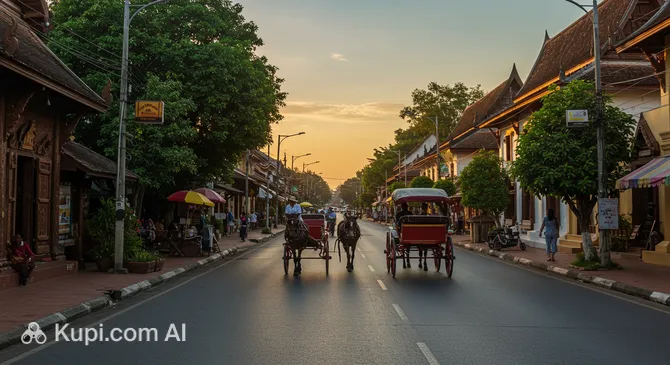
Lampang. Source: Kupi.Binoculars

The city boasts a cultural heritage that dates back over a thousand years. Travelers interested in the history of Lampang will be fascinated by its roots in the ancient Lanna Kingdom, which are evident in the stunning architecture of its numerous temples. Unlike many other modern Thai cities, Lampang has preserved its traditional wooden houses and a distinctively laid-back lifestyle, making it a perfect destination for those seeking a "slow travel" experience.

Visitors are particularly drawn to the magnificent Wat Phra That Lampang Luang, widely considered one of the finest existing examples of Lanna-style architecture. Another defining feature of the city is its iconic horse-drawn carriages, which remain a delightful mode of local transport and a proud symbol of the province. Whether you are exploring the bustling weekend walking street or visiting the nearby Thai Elephant Conservation Center, Lampang promises a memorable journey filled with culture, nature, and warm local hospitality.
Weather Overview

The climate in Lampang is generally characterized by three distinct seasons, offering travelers a variety of experiences depending on when they visit. To help you pack appropriately, you can check the detailed weather in Lampang before your trip. The city enjoys a tropical climate where temperatures and humidity levels shift noticeably throughout the year.

The cool season, typically lasting from November to February, is often considered the best time to visit. During months like December and January, average temperatures hover around a comfortable 23°C, with nighttime lows occasionally dropping to a refreshing 17°C. This period is also the driest, with virtually no rainfall recorded in the summary data, making it ideal for outdoor activities.

As the year progresses into March and April, the heat intensifies, with April being the hottest month; average temperatures rise to 30°C, and daily highs can reach a sweltering 36°C. The rainy season picks up from May through October, bringing frequent precipitation. August is particularly noted for having up to 28 wet days, transforming the landscape into a lush green haven. Expect hot temperatures peaking in the spring and frequent rain showers during the monsoon months, while the winter season offers cooler, drier conditions perfect for sightseeing.

Interesting Facts

Beyond its scenic landscapes, Lampang holds fascinating secrets that tell the story of its rich cultural tapestry. Discover these unique aspects that set the city apart from other northern destinations.
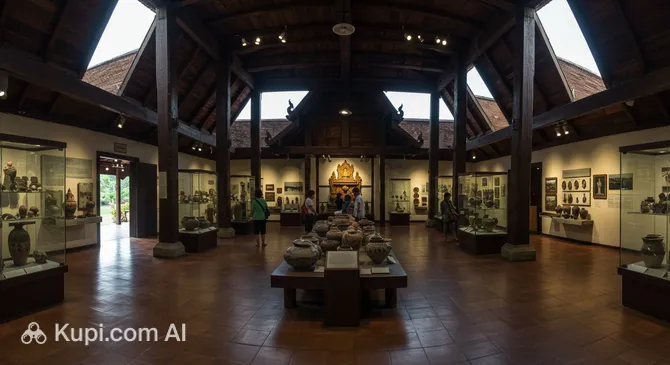
Dhanabadee Ceramic Museum. Source: Kupi.Binoculars
  • Lampang is famous across the country as the "Ceramic City," and it is the birthplace of the iconic traditional chicken bowl used in noodle shops everywhere. You can trace the origins of this legendary kitchenware at the Dhanabadee Ceramic Museum, which houses the oldest dragon kiln in the region.

  • Before it was enshrined in Bangkok, Thailand's most revered Buddha image, the Emerald Buddha, resided in Lampang for over 30 years during the 15th century. It was housed at Wat Phra Kaew Don Tao Suchadaram, a temple that remains a significant spiritual site today.

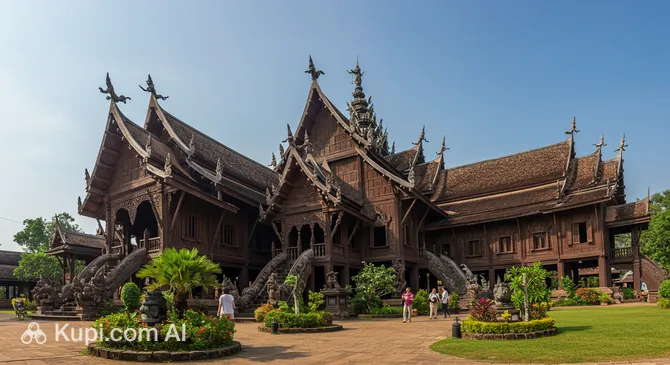
  • The city features a surprising concentration of Burmese-style temples, a legacy of the teak logging boom in the late 19th century when wealthy Burmese merchants sponsored their construction. Wat Si Rongmuang is a prime example, showcasing intricate wood carvings and elaborate architectural details that differ from traditional Thai styles.

  • Architecture enthusiasts will be amazed by Baan Sao Nak, a massive teak house supported by 116 solid teak pillars. Known as the "House of Many Pillars," this well-preserved structure offers a rare glimpse into the opulent lifestyle of local nobility in the past.

How to Get There

Planning a trip to this northern province is quite convenient, with air travel being a popular choice for many visitors. Whether you prefer a direct connection or a scenic drive from a larger hub, you can find the route that best suits your itinerary. For a detailed breakdown of all transport options, you can read more about how to get to Lampang.

The most direct way to arrive is via Lampang Airport (LPT), which is situated just 2.1 km from the city center. While it is a smaller facility with lower passenger traffic, it offers the advantage of immediate access to the city. From here, a taxi or local transport can take you to your destination in just a few minutes.

Alternatively, many international travelers opt to fly into Chiang Mai International Airport (CNX) in the city of Chiang Mai, which is approximately 78.5 km away from Lampang. As a major hub serving over 9 million passengers annually, it provides a wider array of flight schedules. The transfer from Chiang Mai to Lampang by road typically takes around 1.5 to 2 hours by taxi or bus.

For clarity, here is a summary of the main airports:

Airport Name City Passenger Traffic Km from City
Chiang Mai International Airport Chiang Mai High 78.5
Phitsanulok Airport Phitsanulok Medium 185.8
Nan Airport Nan Medium 146.1
Lampang Airport Lampang Small 2.1
Sukhothai Airport Sukhothai Small 120.4

Main Attractions

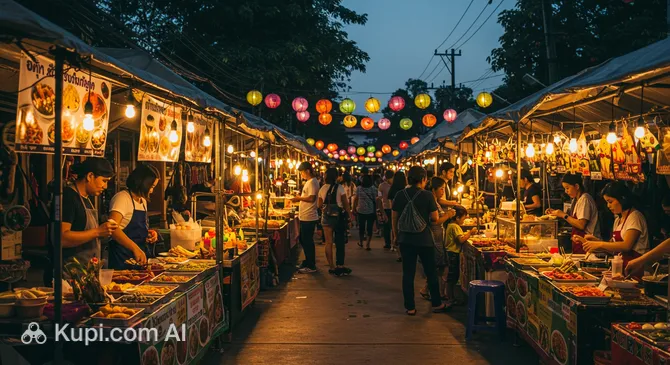
Lampang is a treasure trove of cultural heritage, offering visitors a mix of vibrant local markets and stunning religious sites that reflect its long history. One of the most lively spots to visit is the Kad Kong Ta Night Market. Located on a historic trading route near the Wang River, this weekend walking street comes alive on Saturday and Sunday evenings. It is lined with century-old wooden houses that showcase a blend of Lanna, Burmese, and Chinese architectural styles, creating a nostalgic backdrop for shoppers. Here, you can sample delicious northern Thai street food, browse for handicrafts, and soak in the bustling atmosphere.

Kad Kong Ta Night Market. Source: Kupi.Binoculars

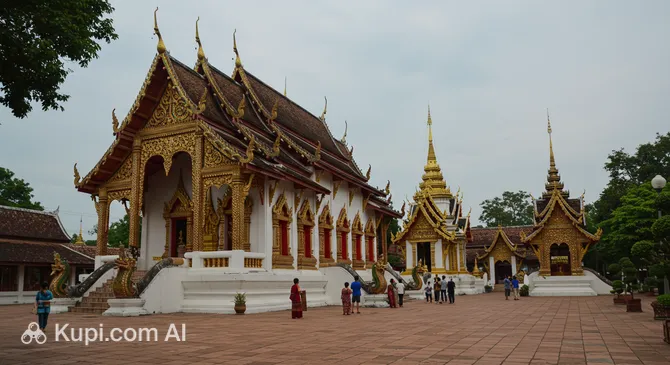
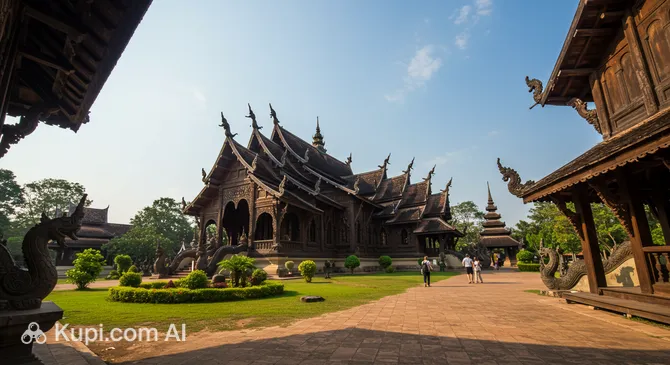
For those seeking spiritual tranquility and architectural beauty, Wat Phra Kaew Don Tao Suchadaram is an essential stop. This ancient temple is one of the most revered in the province and famously housed the Emerald Buddha for 32 years. The complex features a magnificent golden chedi and a Burmese-style mondop with intricate wood carvings, offering a peaceful setting to admire the craftsmanship of the Lanna period.

Wat Phra Kaew Don Tao Suchadaram. Source: Kupi.Binoculars

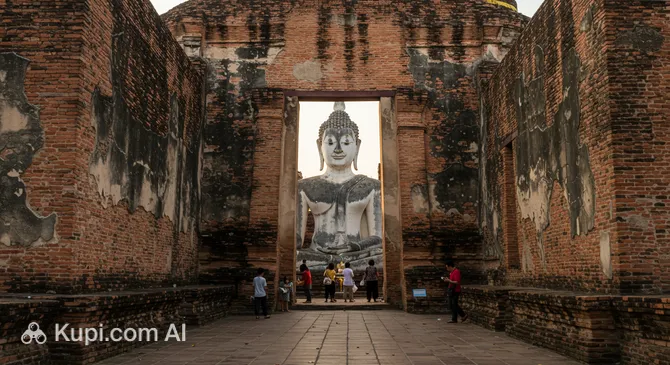
Another architectural gem is Wat Si Chum, which stands out as one of the largest and most beautiful Burmese-style temples in Thailand. Built by wealthy teak merchants a century ago, the temple is renowned for its elaborate gold-and-lacquer woodwork and multi-tiered roofs. The interior is equally impressive, featuring detailed murals and a serene ambiance that transports visitors back to the era of the thriving teak trade.

Wat Si Chum. Source: Kupi.Binoculars

Travelers looking for a visually striking landmark should also visit Wat Chiang Rai. Often compared to the famous White Temple in the neighboring province, this temple dazzles with its brilliant white facade and sparkling mirror mosaics. It serves as a stunning example of modern Lanna art and provides excellent photo opportunities, especially when the sunlight catches its intricate details.

Local Cuisine

The culinary landscape of Lampang is a delightful reflection of Northern Thai, or Lanna, culture, characterized by rich flavors, aromatic herbs, and a distinct preference for sticky rice over steamed jasmine rice. Unlike the fiery heat often associated with Southern Thai food, the local cuisine here tends to be milder, focusing on a balance of sour, salty, and spicy notes. Food lovers will find that eating in this city is an unhurried and enjoyable experience, deeply rooted in tradition.

One dish you simply cannot miss is Khao Soi, the most iconic noodle dish of the north. It features egg noodles in a creamy, coconut milk-based yellow curry soup, typically served with chicken or beef and topped with crispy noodles, pickled mustard greens, and lime. Another local favorite is Sai Oua, a grilled pork sausage packed with herbs like lemongrass, kaffir lime leaves, and galangal. It is often eaten with sticky rice and Nam Phrik Num, a roasted green chili dip served with crispy pork rinds known as Kap Moo.

When it comes to beverages, the locals enjoy a variety of refreshing options to combat the tropical heat. Thai Iced Tea (Cha Yen), with its signature orange hue and sweet condensed milk, is a popular choice. For something lighter, look for herbal drinks made from roselle, chrysanthemum, or butterfly pea flowers. In the evenings, you will find both locals and tourists enjoying domestic beers or locally produced rice spirits, which pair well with the savory street food.

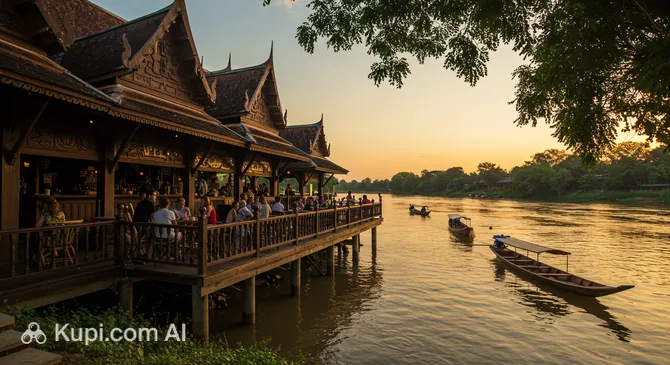
The dining culture in Lampang ranges from humble street stalls to scenic eateries. The city is famous for its relaxed riverside dining along the Wang River, where you can enjoy a meal with a view and live folk music. For a memorable evening by the water, The Riverside Restaurant is a classic spot that serves a wide array of Thai and Western dishes in a wooden setting that captures the old-world charm of the city.

The Riverside Restaurant. Source: Kupi.Binoculars

Markets play a central role in the local food scene. While the weekend walking streets are famous, the Lampang Cultural Street Market (Kad Mua) is another excellent venue to explore. Here, you can sample traditional snacks served on banana leaves and soak in the community atmosphere. For travelers seeking a dedicated sit-down experience with authentic regional recipes, Krua Nuea Hom Lampang is highly regarded for its genuine preparation of Lanna specialties.

Travel Tips

Visiting Lampang offers a unique opportunity to experience the authentic culture of Thailand without the heavy crowds found in larger tourist hubs. To help you navigate the "City of Horse Carriages" comfortably, here are some practical tips regarding local transport, etiquette, and daily logistics.

  1. Clothing Essentials: Due to the tropical climate, lightweight and breathable fabrics like cotton are best for daily wear. However, when visiting temples, modest attire is strictly required; always carry a sarong or scarf to cover your shoulders and knees. Slip-on shoes are highly practical, as you must remove footwear before entering temple buildings and many private establishments.
  2. Getting Around: Lampang is famous for its horse-drawn carriages, which are primarily used for city tours rather than general commuting; be sure to agree on a fare before starting your ride. For standard transport, songthaews (yellow and green pick-up trucks with bench seats) are the most common public option. Ride-hailing apps are available but may have longer wait times than in Bangkok, so plan accordingly.
  3. Currency and Payments: The local currency is the Thai baht (THB). While major hotels and modern restaurants accept credit cards, cash is essential for exploring night markets like Kad Kong Ta, buying street food, or paying for local transport. ATMs are widely available throughout the city near convenience stores and banks.
  4. Health and Safety: The city is generally very safe for travelers. Tap water is not suitable for drinking; always opt for cheap and readily available bottled water. Mosquito repellent is a must-have item, particularly for dining outdoors in the evenings or visiting parks. Pharmacies are common and usually stock international brands if you need basic supplies.
  5. Language and Communication: The primary language is Thai, often spoken with a Northern (Lanna) dialect. English is generally understood at hotels and tourist attractions, but less so in local markets. having a translation app or learning basic words like "Sawasdee" (Hello) and "Khop Khun" (Thank you) can be very helpful. Local SIM cards with data packages are easy to purchase upon arrival in the country.
  6. Cultural Etiquette: The traditional greeting is the wai (pressing palms together at chest level), and returning a wai is considered polite. In Thai culture, the head is sacred, so avoid touching anyone's head. Conversely, feet are considered the lowest part of the body; never point your feet at people or Buddha images, and avoid stepping over objects or people on the ground.
  7. Respectful Behavior: Show improved respect at religious sites by not climbing on statues or posing inappropriately for photos. Public displays of affection are culturally frowned upon, so discretion is advised. Additionally, keeping calm and avoiding public outbursts of anger is important to maintain social harmony and avoid causing others to "lose face."
  8. Shopping Tip: As the "Ceramic City," Lampang is the premier place to purchase high-quality pottery. The city is the origin of the famous chicken bowls found throughout the country. You can find authentic pieces at factory outlets or walking streets at prices significantly lower than in other major tourist destinations.

By keeping these practical points in mind, you can ensure a smooth and respectful journey through this historic province. Embracing the local customs and relaxed pace will make your time in Lampang even more memorable.

Entertainment & Nightlife

Nightlife in Lampang is refreshingly laid-back and authentic, standing in stark contrast to the high-energy party scenes found in Bangkok or Pattaya. Instead of thumping nightclubs and neon-lit strips, the evening entertainment here revolves around socializing, live folk music, and enjoying the cool evening breeze. The atmosphere is generally casual and friendly, with a mix of locals and tourists gathering to unwind after sunset.

The heart of the city's evening activity is undoubtedly along the banks of the Wang River. This area is lined with rustic wooden establishments where you can enjoy dinner and drinks accompanied by live bands playing Thai pop, country, and Western covers. A standout venue in this district is The Riverside Restaurant. While known for its food, it transforms into a lively social hub at night, offering a vibrant atmosphere with talented local musicians performing daily. It is the perfect spot to sip a cold drink and soak in the riverside ambiance.

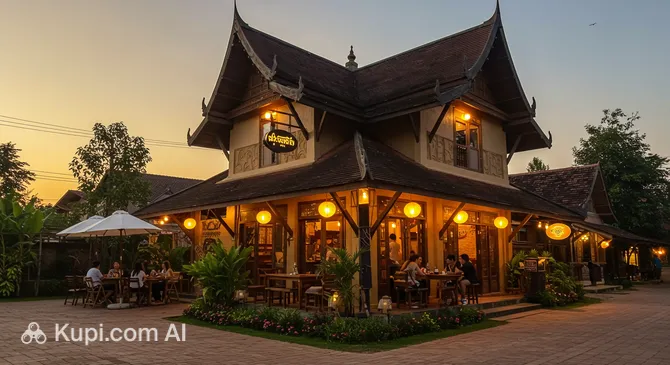
For those seeking a trendy spot to hang out with friends, The Space Lampang offers a modern setting with a relaxed vibe. It is popular among the local youth and expats for its stylish decor, good selection of beverages, and welcoming environment. The venue often hosts events and provides a great backdrop for a memorable night out in the city.

The Space Lampang. Source: Kupi.Binoculars

If your visit falls on a weekend, the nightlife scene shifts to the walking streets. The Kad Kong Ta Night Market is not just for shopping; it is a major evening event where the streets bustle with activity until around 10:00 PM. It is an excellent place to grab a beer or a fruit shake, listen to street performers, and enjoy the festive mood amidst historical architecture.

For travelers looking for more conventional entertainment options like watching the latest blockbuster movie or enjoying air-conditioned comfort, Central Lampang is the premier destination. This modern shopping complex houses a cinema and various entertainment facilities, making it a reliable choice for a family-friendly evening or a break from the tropical heat.

During the daytime, entertainment in the city takes a slower pace, focusing on culture and relaxation. You can explore the fascinating history of ceramics at the Dhanabadee Ceramic Museum or enjoy a peaceful afternoon at Kelang Nakhon Public Park. This large green space is perfect for a leisurely walk, jogging, or simply watching the locals exercise and relax by the lake.

Practical Advice for Night Owls:

  • Timing: Most bars and restaurants close around midnight. The night markets typically wind down by 10:00 PM, so it is best to start your evening early.
  • Transport: Public transport like songthaews becomes scarce after dark. It is highly recommended to have a ride-hailing app installed or arrange a return trip with a driver beforehand if you are staying far from the city center.
  • Safety: Lampang is very safe for night walks, even for solo travelers. However, some streets can be dimly lit, so sticking to main roads or the riverside area is advisable.
  • Dress Code: The dress code is casual almost everywhere. Shorts and t-shirts are perfectly acceptable in bars and night markets.

Parks & Museums

Beyond its ancient temples and lively street markets, Lampang offers a variety of cultural and recreational spaces that allow visitors to connect with the local history and lifestyle. The city features well-maintained green areas for relaxation and several museums that provide deep insights into the region's unique Lanna heritage and industrial roots.

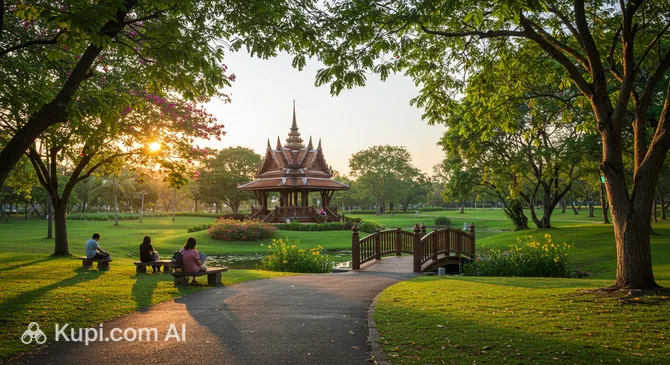
For a breath of fresh air in the heart of the city, Kelang Nakhon Public Park is the premier destination. Situated centrally, this expansive park is a favorite among locals for evening jogs, aerobics, and leisurely strolls. The park is anchored by a large lake, providing a cooling breeze and a scenic backdrop for picnics. It is an excellent spot to witness the daily life of the residents, who gather here to unwind after work in a peaceful, green environment.

Kelang Nakhon Public Park. Source: Kupi.Binoculars

To truly understand the story of the province, a visit to the Lampang Museum is highly recommended. This modern facility offers interactive exhibits that walk you through the geological, historical, and cultural evolution of the area. From prehistoric discoveries to the golden era of the teak trade, the museum presents a comprehensive narrative that helps contextualize the sights you see around the city. It is an educational stop that appeals to both history buffs and casual travelers.

Lampang Museum. Source: Kupi.Binoculars

Another cultural highlight is the Dhanabadee Ceramic Museum, which celebrates Lampang's reputation as the "Ceramic City." Visitors can explore the history of the famous "chicken bowl" and see the traditional dragon kilns that have fired pottery for generations. The museum offers a fascinating look at the craftsmanship behind one of Thailand's most iconic exports, complete with demonstrations of the production process.

For architecture enthusiasts, Baan Sao Nak serves as a living museum of Lanna nobility. Known as the "House of Many Pillars," this 19th-century teak mansion is supported by 116 massive wooden posts. The house displays a collection of antiques and artifacts that reflect the lifestyle of the wealthy teak merchants who once thrived in the region. Wandering through its open-air verandas and polished wooden floors offers a nostalgic step back in time.

Baan Sao Nak. Source: Kupi.Binoculars

Insider Tip: If you are visiting Kelang Nakhon Public Park, try to arrive just before sunset. The temperature is cooler, and the light over the lake is beautiful. Afterward, you are just a short distance from the city's night markets, making it a perfect starting point for your evening itinerary.

Getting Around

Navigating Lampang is a refreshing change of pace from the chaotic traffic of larger metropolises. The city does not have a metro, tram, or complex bus network. Instead, the public transport system relies primarily on road-based vehicles that reflect the town's laid-back atmosphere. The most common and practical way for locals and tourists to get around is by using Songthaews. These are converted pick-up trucks, typically yellow and green in color, fitted with two bench seats in the back. They function as shared taxis, roaming the streets and picking up passengers along the way.

For a truly unique experience found nowhere else in the country, you must try the city's iconic horse-drawn carriages. Lampang is the only city in the nation where these carriages still serve as a recognized form of local transport. While they are no longer the primary means of commuting for residents, they are a charming way to tour the historic city center. You will typically find them stationed near the old city markets or major hotels. Prices are usually fixed for specific routes or time durations, offering a nostalgic journey past colonial-style buildings and temples.

When it comes to payment, cash is the absolute rule for public transport here. There are no travel cards, tap-to-pay systems, or ticket machines for songthaews or horse carriages. A standard ride within the city center on a shared songthaew generally costs around 20 to 30 THB per person. If you wish to hire a songthaew privately to take you to a specific destination off the main route, you will need to negotiate the fare with the driver before getting in. Always carry small bills and coins, as drivers often do not have change for large banknotes.

For those who prefer more direct or private travel, motorbike taxis are available at designated stands, identifiable by the drivers wearing colored vests. They are the fastest way to get around, especially for short distances. Alternatively, ride-hailing apps like Grab are operational in the city. However, the fleet is smaller than in major tourist hubs, so you may experience longer wait times. Renting a motorbike or a car is also a popular option for travelers who want the freedom to explore the surrounding province at their own pace.

A few practical tips will ensure a smooth journey. Public transport services, particularly songthaews, tend to wind down early in the evening, often around 7:00 PM or 8:00 PM. If you plan to stay out late at a night market or restaurant, it is wise to arrange your return transport in advance or use a ride-hailing app. To stop a songthaew, simply wave your hand palm-down at the roadside. When you reach your destination, press the buzzer located on the roof inside the back cabin to signal the driver to stop, then walk to the passenger window to pay.

Accommodation

Where to Stay:

Finding accommodation in Lampang is generally a stress-free experience, with options that reflect the city's laid-back and culturally rich atmosphere. Unlike the sprawling resort complexes found in major beach destinations, the lodging scene here leans towards intimate boutique hotels, charming guesthouses, and comfortable mid-range city hotels. Many of these establishments are housed in renovated traditional wooden buildings or colonial-style structures, offering visitors a chance to stay in places that possess genuine local character and history.

The most popular area for tourists to stay is undoubtedly along the banks of the Wang River, particularly near the historic Kad Kong Ta district. Staying in this vicinity places you within walking distance of the famous weekend night market, vibrant street food stalls, and scenic riverside restaurants. It is an ideal location for those who want to soak up the old-world charm of the city. Alternatively, the city center near the iconic clock tower offers convenient access to transport hubs and modern amenities, making it a practical choice for travelers planning to explore the wider province.

Prices in Lampang are generally very affordable compared to larger tourist hubs like Chiang Mai or Bangkok. Budget travelers can find clean and friendly hostels or guesthouses for a very low cost, while mid-range options offer excellent value with amenities like swimming pools and breakfast included. Even the more upscale boutique hotels are reasonably priced, allowing for a touch of luxury without breaking the bank. While walk-ins are often possible, it is highly recommended to book in advance if you plan to visit during the weekend (Friday to Sunday) to ensure you are close to the Walking Street action.

Most accommodations can be easily booked through major online travel platforms, which is often the most convenient method for securing a room and checking reviews. However, many smaller, family-run guesthouses also accept direct bookings via phone or social media pages. Whether you prefer a modern room with city views or a cozy stay in a traditional Lanna-style house, Lampang offers a welcoming variety of places to rest after a day of exploration.

Nearby Cities

Nearby Cities:

Located in the heart of Northern Thailand, Lampang serves as a convenient gateway to several neighboring communities and major urban centers in the region. The city's position in the Wang River valley allows for easy travel to nearby towns, ranging from small local settlements to prominent cultural hubs. Exploring these surrounding areas offers visitors a broader perspective of life in Lampang Province and the diversity of the north.

The most notable destination in the vicinity is Chiang Mai, the largest city in Northern Thailand, situated just under 80 kilometers away. Closer to the city center, you will find smaller communities such as Ban Bo Haeo, which is only a short drive away. These locations vary significantly in size and atmosphere, providing options for both quick day trips and onward travel.

The following table lists the nearby cities, their populations, and their distances from Lampang:

City Name Population Distance (km)
Chiang Mai 1,198,000 79
Ban Pa Sak 24,902 80
Ban Tha Pha 20,211 16
Ban Bo Haeo 18,777 9
Ban Mae Hia Nai 18,564 80

Shopping & Souvenirs

Shopping in Lampang is a delightful journey that prioritizes local craftsmanship and cultural heritage over high-end luxury. Known throughout Thailand as the "Ceramic City," this northern province is the premier destination for authentic pottery. The city offers a mix of vibrant open-air markets and modern retail complexes, ensuring that visitors can find everything from traditional handicrafts to daily necessities in a relaxed atmosphere.

The most iconic product of the region is undoubtedly the "chicken bowl," a legendary piece of kitchenware featuring a painted rooster, peonies, and banana leaves. To purchase these authentic items directly from the source, a visit to the Dhanabadee Ceramic Museum is essential. The museum features a factory outlet where you can buy high-quality, hand-painted ceramics, ranging from the classic rooster design to contemporary artistic pieces, often at prices significantly lower than in Bangkok.

For a shopping experience steeped in history, the Kad Kong Ta Night Market is the city's highlight. Held every weekend on a road lined with century-old teak houses, this walking street is a treasure trove of Northern Thai culture. Here, you can browse for hand-woven cotton textiles, intricate wood carvings, and unique souvenirs while enjoying the cool evening breeze. It is the perfect place to find gifts that carry the spirit of Lanna craftsmanship.

Another excellent spot for local goods is the Lampang Cultural Street Market, locally known as "Kad Mua." This market offers a rustic and friendly vibe, focusing on traditional clothing, handmade accessories, and local snacks. It provides a wonderful opportunity to support local artisans and purchase items that are not mass-produced.

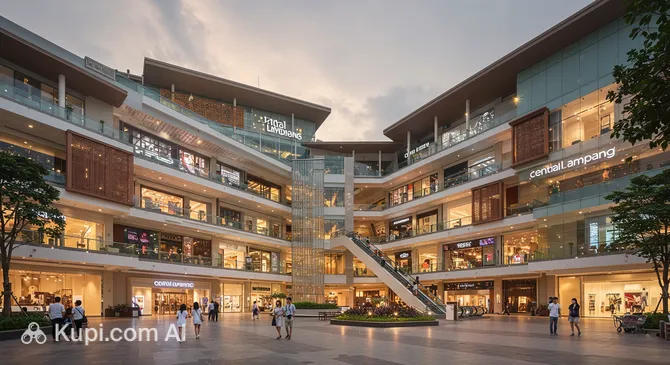
If you are in need of modern conveniences, electronics, or international fashion brands, the city is well-served by major shopping malls. Central Lampang is the largest lifestyle complex in the province, featuring a department store, a cinema, and a wide range of dining options. For additional choices in clothing, cosmetics, and household items, Robinson Lampang offers a comprehensive shopping experience in air-conditioned comfort.

Central Lampang. Source: Kupi.Binoculars

What to Buy in Lampang:

  • Ceramics: Look for the signature rooster bowls, plates, and mugs, which are durable and culturally significant.
  • Lanna Textiles: Hand-woven cotton fabrics (Pha Fai) and indigo-dyed clothes are popular for their quality and comfort.
  • Wood Carvings: The region is known for skilled woodworkers who create detailed home decor and figurines.
  • Khao Tan: These crispy rice crackers topped with cane sugar are a famous local snack and make for excellent edible souvenirs.

Reached the end of the page?

That means the route is fully explored