Support

Tachileik

About

Welcome to Tachileik, a bustling border town that serves as a major gateway to eastern Myanmar. Located in the Shan State, this vibrant city sits directly across the Ruak River from Mae Sai in Thailand, making it a popular entry point for international travelers and a lively hub of cross-border commerce.

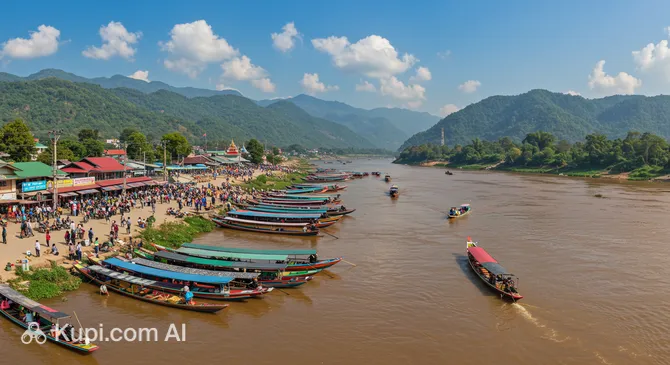
Tachileik. Source: Kupi.Binoculars

With a population of approximately 51,000 residents, Tachileik offers a unique blend of cultures and a distinct atmosphere that differs from the country's interior. The city is geographically significant due to its proximity to the famous Golden Triangle, where the borders of three countries meet. While the history of Tachileik has long been defined by its strategic position on trade routes, today it stands as a welcoming destination for those looking to experience the local lifestyle and diverse heritage of the region.

Visitors are often drawn to the city's lively markets, particularly the Tachileik Market, where an array of goods from textiles to handicrafts can be found. Another key attraction is the Tachileik Shwedagon Pagoda, a stunning golden replica of the famous Yangon original, which sits atop a hill offering panoramic views of the town and the neighboring Thai border. Whether you are passing through on a larger journey or stopping to explore the local temples and shops, Tachileik provides an intriguing glimpse into life at the border.

Weather Overview

Understanding the local climate is essential for planning your visit to this border region. The weather in Tachileik is characterized by three distinct seasons, offering a mix of pleasant cool periods and warmer, wetter months. Generally, you can expect warm temperatures year-round, with distinct variations in rainfall frequency depending on when you travel.

The coolest and driest time to visit is from December to February, when average temperatures hover between 19.2°C and 21.0°C. Nights can be crisp, with minimum temperatures dropping to around 12.8°C in January, making it a comfortable time for exploring. This period sees very little rain, often with only a few wet days per month.

As the year progresses into March and April, the heat intensifies. April is typically the warmest month, with average highs reaching 33.6°C. From May through October, the region experiences its wet season. While the precipitation volume is moderate, peaking at 15mm in August, the frequency of rain is significant. During June and July, rain can occur on as many as 27 to 29 days of the month, so packing waterproof gear is highly recommended if you visit during this time.

Interesting Facts

Beyond the main attractions and busy markets, Tachileik holds fascinating quirks that highlight its unique position as a border town. Here are some interesting facts that define daily life in this gateway city.

  • The Traffic Switch: One of the most disorienting experiences for drivers occurs at the Friendship Bridge connecting Tachileik to Thailand. Since Myanmar drives on the right-hand side of the road and Thailand on the left, traffic must crisscross at the border, a unique logistical maneuver that marks the physical transition between the two nations.

  • A Dual-Currency Economy: Although the Kyat is the official national currency, the Thai Baht is ubiquitously accepted and often preferred by local vendors. Prices in shops, markets, and restaurants are frequently quoted in Baht, reflecting the city's deep economic integration with its neighbor.

  • A Golfer’s Getaway: It might come as a surprise, but Tachileik is a well-known destination for golf enthusiasts in the region. The city features courses that attract players crossing over specifically for a day on the greens, adding a leisure dimension to its reputation as a primarily commercial hub.

How to Get There

Reaching this bustling border town is a unique experience, often involving either a domestic flight within Myanmar or a land crossing from neighboring Thailand. Whether you are arriving from Yangon or stepping across the Friendship Bridge, planning your journey is essential. You can read more about how to get to Tachileik in our detailed transport guide.

The most convenient entry point for domestic travelers is Tachilek Airport (THL), located directly in the city of Tachileik, just 5.2 km from the center. It primarily serves domestic routes, connecting the town with major hubs like Yangon and Mandalay. The short journey from the terminal to the city center typically takes about 28 minutes by taxi. This airport handles a moderate volume of travelers, ensuring a relatively quick and straightforward arrival process.

For international visitors, particularly those coming through Thailand, the Chiang Rai International Airport (CEI) is a significant gateway. Although this airport is located in the city of Chiang Rai, approximately 55.4 km away from Tachileik, it is a major hub with high passenger traffic. Travelers landing here usually take a taxi or bus to the Mae Sai border crossing. The total travel time, including the drive to the border, is estimated to be around 1 hour and 45 minutes. Once at the border, you can cross the bridge directly into Tachileik.

For clarity, here is a summary of the main airports:

Airport Name City Passenger Traffic Km from City
Chiang Rai International AirportChiang RaiLarge55.4
Muang Ton Pheung (Bokeo International)Ban SaeoMedium30.8
Tachilek AirportTachileikMedium5.2
Keng Tung AirportKengtungSmall98.3
Luang Namtha AirportLuang NamthaSmall166.4

The city of Tachileik does not have a railway station, and there are no direct train services to this part of the Shan State. Visitors preferring land travel typically rely on buses or private cars, often arriving via the well-traveled road routes from Kengtung or crossing the border from Thailand.

Main Attractions

While often viewed primarily as a border crossing point, Tachileik possesses a distinct charm and several landmarks that are well worth exploring. The city offers a mix of cultural influences, visible in its religious sites and bustling commercial areas. Spending a day here allows visitors to witness the unique fusion of Shan, Burmese, and neighboring traditions that characterize this gateway to the east.

One of the most prominent landmarks in the city is the Tachileik Shwedagon Pagoda. Perched atop a hill overlooking the town, this gilded stupa is a scaled-down replica of the iconic Shwedagon Pagoda in Yangon. The site is not only a place of worship for locals but also a fantastic viewpoint for tourists. From the terrace, you can enjoy sweeping views of the city below, the winding Ruak River, and the hills of Mae Sai across the border. The complex features intricate statues and a peaceful atmosphere, making it a perfect spot for photography and reflection.

For those who love vibrant commerce, the Tachileik Market is an absolute must-visit. Located right near the border bridge, this sprawling marketplace is the economic heartbeat of the town. It is a maze of stalls and shops selling an incredible variety of goods, from local handicrafts and traditional textiles to electronics and duty-free items. The market offers a sensory overload of sights and sounds, providing a fascinating glimpse into the cross-border trade that defines the local economy. It is an excellent place to pick up souvenirs and practice your bargaining skills.

Another significant spiritual site is the Mahamyatmuni Buddha Image Temple (also known as the Maha Myat Muni Monastery). This complex is a fine example of traditional Shan monastic architecture, characterized by its multi-tiered roofs and ornate wood carvings. Inside, visitors will find a revered Buddha image that draws many devotees. The temple grounds are spacious and serene, offering a quiet escape from the dusty and busy streets of the town center.

Reflecting the diverse population of the area, the local Chinese Temple is also a noteworthy stop. Dedicated to Guan Yin, the Goddess of Mercy, this colorful temple stands out with its bright red pillars and dragon motifs. It serves the local Chinese community and adds to the multicultural tapestry of Tachileik. Visitors are often welcomed to look around and observe the different rituals and offerings that take place here, contrasting with the Theravada Buddhist practices seen elsewhere in the city.

Local Cuisine

The culinary landscape of Tachileik is a delicious reflection of its geography, blending the distinct savory traditions of the Shan State with the spicy and aromatic influences of neighboring Thailand. This cross-border fusion creates a vibrant food scene where travelers can easily switch between authentic Burmese curries and zesty Thai street food within the same neighborhood.

A visit to Tachileik would be incomplete without trying the region's most famous export, Shan Noodles (Shan Khauk Swe). This staple dish consists of rice noodles served either in a clear, peppery broth or "dry" with a rich chicken or pork sauce, topped with toasted sesame seeds, crushed peanuts, and pickled mustard greens. Another must-try local specialty is Shan Fish Rice (Htamin Jin), where rice is kneaded with turmeric and flakes of freshwater fish, typically served with sides of whole garlic cloves, leeks, and crispy pork rinds for a burst of texture and flavor.

For breakfast or a hearty snack, look for Tofu Nway, a warm and creamy tofu porridge made from chickpea flour. Unlike firm tofu, this dish has a silky consistency and is usually poured over rice noodles and garnished with chili oil, coriander, and soy sauce. The city is also a great place to sample Mala Hin, a spicy vegetable stir-fry heavily influenced by Chinese cuisine, which has become a popular comfort food in this border region.

The food culture in Tachileik is incredibly social and centers largely around open-air dining. The area surrounding the Tachileik Market is a hub for street food enthusiasts, offering everything from deep-fried fritters and grilled skewers to fresh tropical fruits. In the evenings, night markets near the border bridge come alive with locals gathering for hot pot or spicy salads. It is common for vendors here to accept both Myanmar Kyat and Thai Baht, making transactions easy for day-trippers.

When it comes to beverages, the local teahouse culture is an essential part of daily life. Locals spend hours sipping Lahpet Yay, a sweet and strong tea mixed with condensed milk, often accompanied by savory snacks like samosas or steamed buns. For those seeking refreshment in the heat, fresh sugarcane juice is widely available at street corners. In the evenings, open-air beer stations are popular spots to enjoy a cold glass of Myanmar Beer, an internationally award-winning lager that pairs perfectly with the local barbecue.

Travel Tips

Planning a trip to Tachileik requires a bit of specific know-how to fully enjoy its unique status as a bustling border hub between Myanmar and Thailand. To help you navigate the lively streets, manage the dual-currency economy, and respect local traditions with ease, here is a set of essential practical tips for your journey.

  1. Clothing and Gear: Due to the tropical climate, lightweight and breathable fabrics like cotton or linen are your best bet for staying cool. However, always carry a light jacket or sweater if you visit during the cool season (December to February), as mornings can be chilly. For temple visits, modesty is key; ensure your shoulders and knees are covered. Slip-on shoes are highly recommended, as you will need to remove them frequently when entering religious sites and private homes.
  2. Transportation: The most common way to get around Tachileik is by motorbike taxi or tuk-tuk (three-wheeled auto-rickshaw). Public buses are not standard for inner-city travel, and international car rental agencies are virtually non-existent here. Always negotiate and agree on the fare before starting your journey, as meters are rarely used. While the town center is walkable, these local rides are affordable and save you from the midday heat.
  3. Finances: Tachileik operates on a unique dual-currency system. While the Myanmar Kyat (MMK) is the official currency, the Thai Baht (THB) is widely accepted and often preferred by vendors, especially near the border. Cash is king here; credit cards are rarely accepted outside of high-end hotels. ATMs are available but can be unreliable or charge high fees, so it is wise to carry sufficient cash in Baht or clean US Dollars to exchange at local banks or authorized money changers.
  4. Health and Safety: Pharmacies are available in the town center, but they may not carry specific prescription brands, so bring an adequate supply of any personal medication. It is essential to drink only bottled water and avoid tap water to prevent stomach issues. As in any busy border town, keep an eye on your belongings in crowded markets, though violent crime against tourists is rare. Be sure to pack high-quality mosquito repellent to protect against insect-borne illnesses.
  5. Communication: The main languages spoken are Burmese and Shan, but due to the proximity to Mae Sai, many locals also speak or understand Thai. English proficiency is generally low outside of major hotels and tourist-focused shops. Buying a local SIM card (operators like MPT, Atom, or Ooredoo) is easy and affordable at mobile shops; this will give you access to map apps and translation tools, which are invaluable for navigating the language barrier.
  6. Local Etiquette: The traditional greeting is "Mingalaba" accompanied by a smile. Local culture places great importance on the head as the most sacred part of the body and the feet as the lowest. Never touch someone on the head, even children, and avoid pointing your feet at people or religious images. When handing over money or a gift, use your right hand or both hands as a sign of respect.
  7. What to Avoid: Avoid any display of anger or shouting in public, as this causes a "loss of face" for everyone involved and is considered extremely rude. Additionally, do not attempt to photograph military personnel, government buildings, or sensitive border infrastructure, as this is strictly prohibited and can lead to serious complications.
  8. Shopping Insight: When shopping at the famous Tachileik Market, bargaining is not just accepted; it is expected. Vendors often quote a higher price initially for tourists. Approach the negotiation with a friendly smile and a sense of humor—it is part of the social interaction. However, be mindful of customs regulations if you plan to take goods back across the border into Thailand, as there are strict limits on certain items like alcohol and tobacco.

By keeping these practical tips in mind, you will be well-prepared to experience the vibrant culture and dynamic atmosphere of Tachileik. Embrace the local rhythm, try the delicious food, and enjoy your time exploring this fascinating gateway to the Shan State!

Entertainment & Nightlife

To experience the nightlife in Tachileik is to step into a world that contrasts sharply with the quiet evenings typical of many other towns in Myanmar. As a bustling border hub, the city’s after-dark scene is heavily influenced by its proximity to Thailand, catering to a mix of locals, cross-border visitors, and international travelers. The atmosphere here is less about Western-style dance clubs and more about lively entertainment complexes, karaoke lounges (KTVs), and open-air riverside dining.

The pulse of the nightlife is concentrated primarily in the areas surrounding the Friendship Bridge and along the banks of the Ruak River. Once the sun sets, the streets near the border crossing remain active, illuminated by the neon lights of hotels and entertainment venues. The vibe is energetic but casual; there is rarely a strict dress code, though "smart casual" is the norm if you are visiting the higher-end hotel lounges.

For those seeking a more upscale evening, the city's large resort hotels are the main destination. The Allure Resort, located conveniently near the border checkpoint, is one of the most prominent venues. It features a sophisticated lounge and bar area where visitors can enjoy live music and cocktails in a comfortable, air-conditioned setting. It is a popular spot for travelers looking to unwind with a premium drink away from the dusty streets.

Another key location is the Regina Hotel & Golf Club. Situated a bit further from the immediate border chaos, this sprawling complex offers a more relaxed resort atmosphere. It is well-regarded for its evening entertainment options, including restaurants serving international cuisine and bars that stay open late. The venue often attracts a crowd of golf enthusiasts and weekend visitors crossing over from Mae Sai.

If you prefer a more local and authentic experience, head to the street-side beer stations scattered throughout the town center. These open-air venues are the heart of Myanmar’s social life. Here, you can pull up a plastic chair, order a glass of draft beer, and enjoy plates of barbecue or spicy salads while watching the world go by. The area around the Tachileik Night Market is particularly good for this, offering a vibrant mix of street food stalls and affordable drinks.

Practical Tips for a Night Out:

  • Timing: The action starts early, around 7:00 PM, and hotel venues often stay open until late. However, be aware that the border bridge itself closes in the evening (usually around 9:00 PM), so if you are staying in Thailand, you must return before then. Nightlife is strictly for those staying overnight in Tachileik.
  • Currency: Just like during the day, Thai Baht is widely accepted and often preferred at bars and clubs.
  • Transport: Taxis and tuk-tuks can be scarcer late at night. It is best to arrange transportation through your hotel or have a reliable motorbike taxi number handy.
  • Safety: Tachileik is generally safe for tourists in the main commercial areas. However, it is a border town with a transient population. Stick to well-lit main streets, avoid unlit alleys, and keep your valuables secure.

While the city is famous for its border trade and nightlife, daytime entertainment also offers some leisurely pursuits. Golfers can enjoy a round at the local courses, which are a major draw for regional tourists. For culture seekers, a visit to the Two Dragons Monastery or simply wandering through the bustling morning markets provides a fascinating look at the local way of life before the sun goes down.

Parks & Museums

While Tachileik is primarily known as a bustling trade hub in Myanmar rather than a city of sprawling botanical gardens or grand state museums, it offers a distinct kind of cultural immersion. The city's "green spaces" are often integrated with its spiritual sites, offering serene escapes with panoramic views, while its "museums" are living entities—found in the vibrant traditions of its ethnic villages and the intricate craftsmanship visible in its religious architecture.

For a breath of fresh air and a break from the dusty streets, the grounds of the Tachileik Shwedagon Pagoda serve as the city’s premier scenic spot. Perched on a hill, the complex is surrounded by well-maintained terraces and small gardens that offer a peaceful environment for walking. It functions as a de facto park for both locals and tourists, providing the best vantage point in town. From here, you can enjoy sweeping views of the lush hills of the Shan State and look across the Ruak River into Thailand, making it a perfect location for sunset photography and quiet reflection.

Another significant green area is found at the Regina Hotel & Golf Club. Although it is a private establishment, its golf course is one of the few expansive, manicured natural landscapes in the city. Travelers often visit to enjoy the open space and the backdrop of misty mountains. For a more rugged natural experience, the banks of the Ruak River offer a glimpse into the riverine ecosystem that defines this border region, where you can watch long-tail boats navigate the narrow waterway that separates two nations.

In terms of cultural preservation, Tachileik does not rely on traditional indoor museums but rather on "living museums" that showcase the region's diversity. The Padaung Villages (home to the Long Neck Kayan people) are frequently visited by tourists seeking to understand local heritage. These communities allow visitors to observe traditional weaving techniques and the unique cultural practice of wearing brass neck coils. While often debated in terms of tourism ethics, when approached with respect, these visits offer a direct window into a way of life that has remained largely unchanged for generations.

For art and craftsmanship, the Shan State Handicrafts Center (often found near the main market areas) acts as a gallery of local talent. Here, you can view and purchase intricate wood carvings, hand-woven textiles, and lacquerware that represent the artistic identity of the Shan people. Additionally, the Two Dragons Monastery (Naga Hnakaung) is an architectural marvel that functions as a gallery of religious art. It features stunning dragon sculptures and a unique bamboo Buddha image, showcasing the fusion of Chinese and Burmese artistic styles that characterizes this border town.

For a truly authentic experience, skip the formal tours and visit a local cheroot making workshop. These small, often family-run businesses allow you to watch artisans hand-roll traditional Burmese cigars using thanakha and dried leaves. It is a fascinating, sensory-rich experience that offers a deeper look into the local economy and culture than any static museum exhibit could provide.

Getting Around

Navigating Tachileik is relatively straightforward, thanks to its compact size and the availability of local transit options. Unlike larger cities in Myanmar, the town does not have a comprehensive public bus system. Instead, getting around relies heavily on walking for short distances and utilizing an informal network of motorbike taxis and three-wheeled vehicles for longer trips.

Walking is the most convenient way to explore the immediate border area and the bustling commercial districts. The town center, particularly around the Friendship Bridge and the main market, is dense and active. Exploring on foot allows you to easily browse the stalls and soak in the local atmosphere. However, pedestrians should remain vigilant when crossing streets, as the traffic flow can be chaotic and rules are not always strictly followed.

Motorbike Taxis (known locally as "Sai-kel") are the primary mode of transport for locals and visitors alike. You will see drivers waiting at street corners, outside hotels, and near the border checkpoint. They are the fastest way to reach destinations like the hilltop pagodas or the airport. Fares are not metered, so it is essential to negotiate and agree on a price before starting your journey. These rides are generally very affordable and can often be paid for in either Myanmar Kyat or Thai Baht.

Tuk-Tuks are a popular alternative, especially if you are traveling in a small group or carrying heavy shopping bags from the market. These three-wheeled auto-rickshaws offer shade from the sun and a bit more comfort than a motorbike. They are readily available in the town center. Hiring a tuk-tuk for a few hours is also a great way to visit attractions located on the outskirts of the city without the hassle of finding a return ride.

Car Taxis are less frequently seen cruising the streets for passengers. They are mostly found at the airport or arranged through hotels for specific trips, such as traveling to the bus station or for a full day of sightseeing. If you require a private car, it is recommended to book one in advance through your accommodation.

Driving yourself is generally not recommended for tourists. The traffic conditions can be unpredictable, and the unique switch from left-hand traffic in Thailand to right-hand traffic in Myanmar can be confusing near the border. Relying on experienced local drivers is safer and allows you to enjoy the sights without the stress of navigating.

Accommodation

Accommodation in Tachileik presents a fascinating contrast that reflects its dual identity as a busy trading post and a leisure destination for cross-border visitors. The options generally fall into two distinct categories: high-end resort hotels that cater primarily to international tourists and casino-goers, and simple, functional guesthouses designed for traders and budget travelers passing through the Shan State.

For those seeking comfort and amenities, the city boasts several luxury resorts and mid-range hotels. These establishments are often located near the banks of the Ruak River or close to the Friendship Bridge. They are tailored to Thai visitors and international guests, offering spacious rooms, air conditioning, swimming pools, and on-site entertainment such as casinos and karaoke lounges. Staying in these areas is convenient if you want to be close to the border crossing and the main nightlife districts.

On the other end of the spectrum, the town center is dotted with budget guesthouses and smaller hotels. These are typically situated a few blocks back from the main road and the bustling market areas. While they offer fewer frills, they provide a clean and affordable place to sleep. These spots are popular among backpackers and locals traveling for business. If you choose to stay here, you will be in the heart of the daily commerce, surrounded by morning markets and tea shops.

Booking Tips:

If you plan to stay at one of the popular resorts, especially on a weekend or a Thai public holiday, it is highly recommended to book in advance. These venues can fill up quickly with visitors crossing over from Mae Sai. Conversely, for budget guesthouses, walk-ins are quite common, and you can often inspect the room before agreeing to a price.

Price Range and Payment:

Prices vary significantly depending on the level of luxury. Budget rooms can be quite inexpensive, while the top-tier resorts charge rates comparable to international standards. A unique feature of staying in Tachileik is the payment flexibility; most hotels and guesthouses readily accept Thai Baht alongside the Myanmar Kyat. In fact, Baht is often the preferred currency for room rates in the larger hotels. It is advisable to carry cash, as credit card facilities may be limited to the most upscale establishments.

Nearby Cities

For those looking to explore the surroundings, Tachileik serves as an excellent base for day trips to several interesting nearby locations:

The most popular excursion from the border town is to Kengtung (Kyaing Tong), located approximately 160 kilometers to the north. Known as the capital of Eastern Shan State, it is famous for its crumbling colonial architecture, scenic Maha Myat Muni Pagoda, and the incredible diversity of ethnic hill tribes inhabiting the surrounding mountains. A trip here offers a deep dive into the traditional culture of the region, distinct from the commercial bustle of the border.

Closer to Tachileik, travelers can visit the historic Golden Triangle area, where the borders of Myanmar, Laos, and Thailand converge at the confluence of the Ruak and Mekong Rivers. A short drive takes you to viewpoints that offer stunning panoramas of the three nations. The area is also dotted with small villages and serene temples, providing a quieter, scenic alternative to the town center, perfect for a relaxing afternoon of exploration.

City Population Distance (km)
Naypyidaw 1,160,242 407
Kyaukse 741,071 412
Taunggyi 381,639 301
Meiktila 177,442 423
Lashio 131,000 354

These nearby destinations offer a glimpse into the diverse culture and landscapes of the region.

Shopping & Souvenirs

Shopping in Tachileik is one of the primary activities that draws visitors to this bustling border town. As a major trade gateway between Myanmar and Thailand, the city functions as a massive commercial hub where goods from China, Myanmar, and Thailand converge. The shopping scene here is less about high-end luxury boutiques and more about the thrill of the hunt in vibrant marketplaces. It is a haven for bargain hunters, offering an eclectic mix of products ranging from electronics and clothing to traditional handicrafts and duty-free items.

The main shopping district is concentrated immediately around the border checkpoint near the Friendship Bridge. Once you cross into the city, you are greeted by rows of shophouses and street stalls that line the main road. This area is the commercial heart of the town, where the energy is highest. Tourists can wander through these streets to find a dizzying array of shoes, bags, luggage, and mobile accessories. The proximity to the border means that this area is always active during the day, catering to the constant flow of day-trippers.

While Tachileik does not have modern, Western-style shopping malls, it is famous for its Duty-Free Shops located near the bridge. These establishments are a major draw for visitors crossing from Thailand. Here, you can find imported goods such as cigarettes, alcohol, perfumes, and cosmetics at prices significantly lower than in neighboring countries. These shops offer a more air-conditioned and organized shopping experience compared to the outdoor stalls, making them a popular first stop for many travelers.

The crown jewel of the city's retail landscape is the Tachileik Market (often referred to as the Border Market). This sprawling, maze-like complex is an adventure in itself. Hidden behind the main street facades, the market's narrow alleyways are packed with vendors selling everything imaginable. It is the best place to find inexpensive clothing, toys, and household goods. The market is also known for its "replica" goods, so visitors should inspect items carefully. The atmosphere is lively and somewhat chaotic, offering a sensory-rich experience that defines the local trade culture.

For those looking to bring back authentic souvenirs, Tachileik offers several unique local products. Cheroots (traditional Burmese cigars) are a classic gift, often sold in colorful packaging. You can also find high-quality Shan tea and dried goods like mushrooms and nuts, which are regional specialties. Hand-woven Shan textiles and shoulder bags are popular for their durability and beautiful patterns. While the city is also known for gemstones and jade, it is advisable to be cautious and only purchase these from reputable, licensed dealers to ensure authenticity.

Opening hours for most shops and market stalls generally align with the border crossing times. Business typically starts around 8:00 AM and winds down by 5:00 PM or 6:00 PM. It is important to note that many shops close before the border shuts for the night. Regarding payment, cash is the undisputed king. The Thai Baht (THB) is universally accepted and often preferred over the local Kyat in the market areas. Bargaining is expected and is part of the shopping culture; always negotiate politely to get the best price.

Regarding tax-free shopping, there is no formal VAT refund system for tourists within the local markets or small shops. The "duty-free" status applies primarily to specific shops designated for travelers crossing the border, where goods are already priced without certain taxes. Therefore, the price you negotiate or see on the shelf is typically the final price you pay.
Reached the end of the page?

That means the route is fully explored