Support

Luang Namtha

About

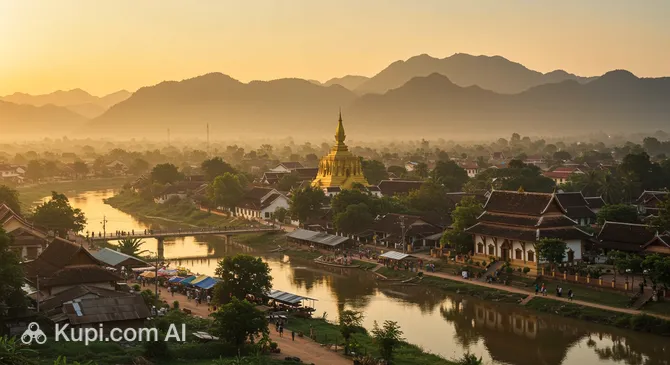
Welcome to Luang Namtha, a vibrant town nestled in the mountainous northwest of Lao, People's Dem. Rep.. Renowned as the country's premier hub for ecotourism and trekking, this destination offers a perfect blend of outdoor adventure and cultural immersion. The city serves as the capital of the province with the same name and is situated in a picturesque valley near the Nam Tha River. With a population of approximately 28,551, it maintains a relaxed and authentic atmosphere, acting as a gateway to the region's stunning natural landscapes and diverse ethnic communities.

Luang Namtha. Source: Kupi.Binoculars

The area is rich in heritage, and visitors can discover more about the history of Luang Namtha by exploring its landmarks and museums. The town itself consists of two distinct parts: the older settlement near the airport and the newer administrative center to the north. This duality reflects the town's resilience and development over the decades. Today, it stands as a peaceful meeting point where travelers from around the world gather before embarking on journeys into the surrounding wilderness.

The primary allure for many visitors is the spectacular Nam Ha National Bio-Diversity Area, a protected reserve that offers some of the best hiking and kayaking experiences in Southeast Asia. Beyond the trails, Luang Namtha is celebrated for its cultural diversity, being home to numerous ethnic groups such as the Akha, Lanten, and Tai Dam people. In the evenings, the bustling Night Market becomes the heart of social life, where you can sample delicious local dishes and engage with the friendly locals. Whether you are seeking an adrenaline-filled trek or a quiet cultural exchange, Luang Namtha invites you to experience the genuine charm of northern Laos.

Weather Overview

The climate in this region is characterized by distinct seasonal changes, influenced heavily by the tropical monsoons. Visitors can generally expect warm, humid summers with frequent rainfall and cooler, dry winters that are ideal for outdoor activities. To help plan your trekking adventures or city exploration, it is helpful to consult the detailed guide to the weather in Luang Namtha before your trip.

During the cool, dry months from November to February, temperatures are quite pleasant, with January averages ranging from a crisp 12.1°C at night to a comfortable 23.2°C during the day. As spring approaches, the heat builds up, peaking in April with average highs reaching around 31.1°C. The wet season dominates from May to September, bringing consistent rain; August is typically the rainiest period, with precipitation recorded on approximately 30 days of the month. Despite the wet weather, temperatures during this time remain warm, hovering around 24°C to 25°C on average.

Interesting Facts

Beyond its reputation as a trekking capital, Luang Namtha holds several fascinating historical and cultural secrets waiting to be uncovered by curious travelers. The region's unique geography and resilient history have shaped it into a destination full of surprises.

  • The town is geographically split into two distinct sections located approximately 6 kilometers apart. This division is a historical adaptation to the environment; the administrative center was moved from the riverside "Old Town" to higher ground in the "New Town" decades ago, following the devastating floods of 1966 and wartime damage, to ensure the settlement's safety from the river's seasonal swells.

  • Luang Namtha serves a unique version of Khao Soi that differs significantly from the famous coconut curry noodle soup found in neighboring Thailand. The local rendition features wide flat rice noodles served in a clear broth, topped with a savory, bolognese-style meat sauce made from minced pork and fermented soybeans, offering a distinct taste of northern culinary traditions.

  • The province is recognized as one of the most ethnically diverse areas in the region, home to over 20 distinct ethnic groups including the Akha, Khmu, and Lanten people. This diversity is most visible at the local markets, where villagers descend from the hills wearing traditional attire to trade forest products and handicrafts, creating a vibrant tapestry of cultures in a single location.

  • The golden That Phum Puk stupa, which gleams on a hill northeast of the town, is actually a modern reconstruction built in 2003. The original stupa, dating back to 1628, was destroyed during wartime conflicts; its ancient brick ruins still lie beside the new monument, serving as a poignant reminder of the area's turbulent history and enduring spirituality.

How to Get There

Planning a trip to this northern province involves choosing the right entry point, as the region is tucked away in a mountainous area near the borders of China and Myanmar. For a detailed breakdown of routes and transport options, you can read more about how to get to Luang Namtha to help organize your journey.

The most direct way to arrive is via Luang Namtha Airport (LXG), which is conveniently located just 1.4 km from the city center. Although it is a small airport with limited passenger traffic, it serves as the primary air link for the town. Upon arrival, a transfer to the main accommodation area is very quick by local transport.

For international travelers, a common alternative is flying into Luang Prabang International Airport (LPQ) in the city of Luang Prabang. This is a much larger hub that handles significantly more flights and visitors. It is situated approximately 140.6 km from Luang Namtha. From there, you can continue your journey by road; the trip offers a scenic route through the Laotian countryside, though travelers should be prepared for a ground transfer to reach their final destination.

Another option for those in the region is Xishuangbanna Gasa Airport (IATA: JHG) in Jinghong, China. It is a large international airport located about 131.3 km from Luang Namtha. While it is geographically close, traveling from here requires crossing the international border. Visitors arriving here will need to arrange a subsequent ground transfer to complete the trip.

For clarity, here is a summary of the main airports:

Airport Name City Passenger Traffic Km from City
Xishuangbanna Gasa Airport Jinghong Large 131.3
Luang Prabang International Airport Luang Prabang Large 140.6
Muang Ton Pheung (Bokeo International) Ban Saeo Medium 147.2
Tachilek Airport Tachileik Medium 161.2
Luang Namtha Airport Luang Namtha Small 1.4

Main Attractions

While many travelers use the town primarily as a base for longer excursions, the immediate area holds several gems worth exploring. The most significant highlight is undoubtedly the Nam Ha National Bio-Diversity Area. This vast protected zone is an ASEAN Heritage Park and serves as the main setting for the region's famous ecotourism activities. Visitors can embark on guided treks ranging from single-day hikes to multi-day adventures, navigating through dense primary rainforests, bamboo groves, and river valleys that are home to a rich variety of wildlife and distinct ecosystems.

For a perfect mix of culture and nature close to the city center, the Ban Nam Dee Waterfall is a favorite stop. Located just a short bicycle or tuk-tuk ride away, the waterfall is situated within a traditional Lanten ethnic village. After observing the local life and perhaps seeing the villagers' distinctive indigo-dyed clothing and bamboo paper-making skills, you can follow a scenic trail to the falls. It is a refreshing spot for a picnic and offers a peaceful retreat into the lush greenery that defines the province.

To gain a deeper understanding of the local heritage, a visit to the Luang Namtha Provincial Museum is highly recommended. Although compact, the museum houses an impressive collection of artifacts that showcase the diverse ethnic tapestry of the region. Exhibits include traditional clothing, agricultural tools, ancient bronze drums, and textiles from the various hill tribes inhabiting the valley. It provides excellent context before heading out to visit the local communities in person.

Finally, for the best views of the town and the surrounding valley, travelers should head to Phra That Luang Namtha. This majestic golden stupa (also known as the Samakhixay Stupa) sits atop a hill on the edge of the town. It is particularly popular in the late afternoon, as it offers a stunning vantage point for watching the sunset over the mountains. The site is not only a place of worship for locals but also a serene spot for visitors to appreciate the landscape's layout and beauty.

Local Cuisine

The culinary landscape of Luang Namtha is a vivid reflection of its ethnic diversity and northern geography. Food here is characterized by the use of fresh, wild-harvested ingredients, aromatic herbs, and distinct flavors that set it apart from the cuisine of southern Laos. The dining scene is unpretentious and deeply communal, often centering around simple wooden tables where travelers and locals share meals. Whether you are sampling street food or dining in a family-run guesthouse, the emphasis is always on freshness and bold, earthy tastes.

A true local experience involves sitting down for a bowl of Khao Soi, the town's signature noodle dish. The consumption of this meal is almost a ritual; you are served a steaming bowl alongside a generous basket of fresh produce, including watercress, long beans, mint, and other herbs. The custom is to pile the greens high into the soup and squeeze in fresh lime juice, allowing you to tailor the crunch, zest, and spice level to your own palate. Another essential element of the local table is Jeow, a spicy dipping paste made from roasted chilies and vegetables, designed to be scooped up with a handful of warm Khao Niew (sticky rice).

For those looking to explore typical beverages, Beerlao remains the most popular choice to cool down after a day of trekking. It is widely regarded as one of the best beers in Asia and pairs perfectly with spicy local dishes. For a non-alcoholic option, the abundance of tropical fruit in the region means fresh fruit shakes are available everywhere; dragon fruit, mango, and pineapple blends are particularly refreshing. Adventurous spirits might also try Lao-Lao, a potent local rice whiskey often distilled in nearby villages and sometimes infused with medicinal herbs.

The epicenter of the town's food culture is undoubtedly the Night Market. As the sun sets, this area comes alive with smoke rising from charcoal grills and the chatter of hungry patrons. It is the perfect place to experience "point-and-choose" dining, where you can select from an array of grilled river fish, roasted duck, herbal sausages, and bamboo shoots. Visitors typically gather at the communal tables, making it a social hub where swapping travel stories over a plate of spicy papaya salad is the norm. In the mornings, the local fresh markets offer a different vibe, bustling with vendors selling wild mushrooms, bamboo worms, and exotic produce gathered from the surrounding forests.

Travel Tips

To ensure your journey to Luang Namtha is as smooth as it is adventurous, we have compiled a set of essential guidelines. As the gateway to the Lao wilderness, this town requires a bit of specific preparation compared to more urban destinations, so keeping these practicalities in mind will help you focus on the stunning scenery and unique culture.

  1. Clothing and Gear for the Jungle and Town. Since this is the trekking capital of the region, sturdy, broken-in hiking boots or trail shoes are a must if you plan to explore the Nam Ha National Bio-Diversity Area. Leeches can be an issue in the wet season (May–September), so long trekking socks and quick-dry trousers are recommended. For the cool dry season (November–February), bring a warm fleece or jacket, as temperatures drop significantly at night. Always dress modestly—covering shoulders and knees—when visiting temples or entering ethnic minority villages.

  2. Getting Around on Two Wheels. Luang Namtha is relatively small and spread out between the old and new town centers. The best way to navigate is by renting a mountain bike or a scooter from one of the many guesthouses or rental shops on the main street. Public transport within the town is limited to tuk-tuks and jumbos (shared taxis), which are useful for airport transfers or getting to the bus station. Ride-hailing apps are not operational here, so rely on negotiated fares or your own wheels.

  3. Cash is King. The Lao Kip (LAK) is the official currency. While there are ATMs in the main town (New Town) that accept international cards (Visa/Mastercard), they can occasionally be out of service or run out of cash. It is highly advisable to carry a backup supply of US Dollars or Thai Baht, which can be easily exchanged at local banks or authorized money changers. Credit cards are rarely accepted outside of high-end hotels and tour agencies, so keep plenty of small bills for markets and street food.

  4. Health and Mosquito Protection. As a tropical region surrounded by dense forest, protecting yourself from insect bites is crucial. Dengue fever and malaria are risks in rural areas, so bring a high-quality insect repellent (DEET-based) and wear long sleeves during dawn and dusk. Pharmacies in town can handle minor ailments and sell basic supplies, but for serious medical emergencies, you would likely need to travel to Vientiane or cross the border into Thailand. Always drink bottled or purified water.

  5. Staying Connected. English is widely spoken by guides, guesthouse owners, and staff at tour agencies, but communication may be difficult with older locals or in remote villages. Learning a few basic phrases like "Sabaidee" (Hello) and "Khop Chai" (Thank you) goes a long way. For internet access, Wi-Fi is standard in most accommodations and cafes. If you need mobile data, buying a local SIM card (Unitel or Lao Telecom) is cheap and easy; shops in the town center can register and set it up for you in minutes.

  6. Respecting Local Customs. The "Nop"—placing your palms together in a prayer-like gesture at chest level—is the standard greeting and is more culturally appropriate than a handshake. The head is considered the most sacred part of the body, while feet are the lowest; never touch someone's head and avoid pointing your feet at people or Buddha images. When visiting hill tribe villages, always ask for permission before taking photos of people, especially elders and children.

  7. What to Avoid. Strictly avoid purchasing any wildlife products, antique heirlooms, or items made from ivory or rare wood. The sale of these items threatens local biodiversity and heritage, and taking them out of the country is illegal. Additionally, while trekking, do not distribute candy or money directly to village children, as this encourages begging; if you wish to help, donate to the village chief or a local school instead.

  8. Eco-Friendly Hydration. Luang Namtha is a hub for ecotourism, and the community is conscious of plastic waste. Many guesthouses and tour operators participate in "Refill My Bottle" or similar schemes. Bring a reusable water bottle and look for refill stations (often free or for a nominal fee) rather than buying single-use plastic bottles constantly. It is a small step that makes a big difference in preserving the pristine environment you came to see.

By following these tips, you will be well-equipped to navigate the charming streets of Luang Namtha and the wild trails beyond. Embrace the slower pace of life, connect with the welcoming locals, and enjoy a safe and unforgettable adventure in Northern Laos!

Entertainment & Nightlife

Entertainment in Luang Namtha is defined by its relaxed, backpacker-friendly atmosphere rather than high-energy nightclubs or thumping discos. As a town primarily focused on ecotourism and trekking, the nightlife here is low-key and centers around socializing, sharing stories from the jungle, and enjoying local refreshments. The main hub for evening activity is the central street in the New Town, where travelers congregate after sunset to unwind.

The epicenter of the town's evening social scene is undoubtedly the Luang Namtha Night Market. While primarily a dining venue, it functions as the town's open-air meeting hall. Plastic chairs and metal tables fill up quickly with a mix of locals and tourists, creating a buzzing environment where it is easy to strike up a conversation with fellow travelers. The vibe is casual and communal, making it the perfect place to start your evening with a cold drink and some local snacks.

For those looking for a place to sit down with a beer or a cocktail, the options are mostly found within the larger guesthouses and restaurants along the main road. Zuela Guesthouse is a popular spot that draws a crowd in the evenings; its open-air restaurant area is often filled with trekkers enjoying a post-hike celebration. Another well-known venue is Manychan Guesthouse, which offers a friendly atmosphere where you can relax on the terrace and watch the town settle in for the night. These places do not have dress codes or cover charges, and the music is usually kept at a conversational volume.

Practical advice for enjoying a night out here revolves around timing. Luang Namtha is an "early to bed, early to rise" town. Most venues begin to wind down around 10:00 PM, and by 11:00 PM, the streets are often quiet. Prices are very affordable, with large bottles of local beer and mixed drinks costing a fraction of what you would pay in larger cities. Since the town center is compact, the best way to get around at night is on foot. Taxis and tuk-tuks are rarely available late at night, so it is best to choose accommodation within walking distance of the main strip.

Safety in Luang Namtha is generally excellent, and the town is safe for night walks. However, street lighting can be sporadic or non-existent on side roads, so carrying a flashlight or using your phone's torch is highly recommended to avoid uneven pavement or potholes. While crime is low, be mindful of local street dogs, which can be more active and territorial after dark.

During the daytime, entertainment shifts towards relaxation and cultural recovery. After a grueling trek, many visitors seek out a traditional Lao herbal sauna. These rustic facilities, often run by local families or community groups near the town center, offer a rejuvenating experience using steam infused with lemongrass, tamarind, and other native herbs. For a more active day off, you can rent a bicycle to explore the paved roads leading to the golden stupas or visit the local craft centers to see traditional weaving in action.

Parks & Museums

While Luang Namtha does not feature the manicured botanical gardens found in larger capitals, its entire existence is framed by one of the most spectacular natural "parks" in Southeast Asia. The city serves as a living gallery of ethnic diversity and a gateway to pristine wilderness, where the boundaries between urban life and the jungle are beautifully blurred. For visitors, the distinction between a park visit and a jungle trek is often just a matter of how deep you choose to venture.

The crown jewel of the region's natural spaces is the Nam Ha National Bio-Diversity Area. Recognized as an ASEAN Heritage Park, this vast protected zone covers over 2,200 square kilometers and is a sanctuary for diverse wildlife, including clouded leopards and Asian elephants. While deep trekking is the main draw, the edges of the park offer accessible nature trails that feel like a walk in a wild, unkempt garden. The dense canopy of old-growth forest, bamboo groves, and the banks of the Nam Ha River provide a serene backdrop for birdwatching or simply escaping the heat of the town.

For a more contained natural experience, the area around Ban Nam Dee Waterfall functions as a popular local park. Located just a few kilometers from the town center, this spot is perfect for a relaxing afternoon. A short, scenic trail winds through the forest leading to the falls, which cascade dramatically during the rainy season. The area is equipped with small bamboo pavilions and open spaces where locals and tourists alike gather for picnics, surrounded by the lush greenery of the Lanten people's village lands.

Cultural preservation is central to the town's identity, and the Luang Namtha Provincial Museum is the primary institution dedicated to this cause. Situated in the New Town, this museum may be modest in size, but it is rich in content. It features an extensive collection of ethnographic artifacts, including traditional clothing, jewelry, and agricultural tools from the Akha, Khamu, and Tai Dam ethnic groups. The displays offer a fascinating insight into the distinct lifestyles and craftsmanship of the hill tribes, making it an essential stop for anyone planning to visit the villages.

Although formal art galleries are scarce, the town itself acts as a canvas for local craftsmanship. Many handicraft centers and village cooperatives operate as living galleries where visitors can observe the creation of traditional textiles and bamboo paper. These venues often display intricate weavings and silverwork that reflect centuries-old artistic traditions. Watching a Lanten artisan create paper or a Tai Dam weaver at her loom provides a more dynamic and interactive cultural experience than a static exhibition.

On the historical front, the Phra That Luang Namtha (Samakhixay Stupa) offers both architectural beauty and a park-like setting. The golden stupa sits atop a hill, surrounded by well-maintained grounds that offer panoramic views of the valley below. It is a peaceful place for contemplation and a favorite spot for photographers capturing the sunset. Nearby, the ruins of the ancient Phra That Phum Puk contrast with its modern reconstruction, providing a tangible link to the region's history before the conflicts of the 20th century.

For a truly authentic "insider" experience, take a morning walk to the banks of the Nam Tha River near the Old Town bridge. In the early hours, this area transforms into a quiet, misty observation point where you can watch monks collecting alms and fishermen checking their nets. It is a moment of pure, uncurated local life that rivals any organized tour.
Getting Around

Public transport in Luang Namtha is quite different from what you might find in a bustling metropolis. Due to the town's relatively small size and relaxed pace, there is no complex network of subways, trams, or city buses. Instead, the local transport system is informal and relies heavily on small, versatile vehicles that navigate the distance between the two main centers: the New Town (administrative center) and the Old Town (near the airport). For visitors, this simplicity is part of the charm, offering a straightforward, albeit rustic, way to get around.

The primary mode of motorized public transport is the Songthaew, locally often referred to as a "Jumbo." These are converted pickup trucks fitted with two rows of bench seats in the back and a roof for cover. They function as shared taxis and are the standard way to travel between the town center, the airport, and the provincial bus stations. Smaller three-wheeled tuk-tuks are also available for shorter hops within the town. Neither of these operate on a fixed schedule with designated stops; instead, they can be flagged down from the roadside or found waiting at popular spots like the morning market or the main bus terminals.

The payment system is entirely cash-based. There are no travel cards, electronic passes, or ticketing apps to worry about. Transactions are conducted in the local currency, and you pay the driver directly upon reaching your destination. Prices are generally affordable but can vary depending on the distance and the number of passengers. For a shared ride in a Songthaew, the fare is usually a small fixed amount per person, but if you hire the entire vehicle for a specific trip—such as a transfer to the airport or a waterfall—you will need to negotiate the price beforehand. It is highly recommended to carry small bills, as drivers often do not have change for large denominations.

For tourists, the most popular and practical alternative to public transport is renting a vehicle. Bicycles and motorbikes (scooters) are widely available for rent at numerous guesthouses and shops along the main street in the New Town. Given the flat terrain of the valley and the scenic 6-kilometer road connecting the Old and New towns, cycling is a delightful way to explore the area at your own pace. Rental prices are very reasonable, usually calculated on a 24-hour basis. If you choose to rent a scooter, ensure you are comfortable driving, always wear a helmet, and check the fuel level before heading out, as you may need to fill up immediately.

Walking is also a viable option for exploring the immediate vicinity of your accommodation, especially in the New Town where most restaurants, banks, and tour agencies are clustered. However, to travel between the two distinct town sections or to visit attractions on the outskirts, walking can be time-consuming due to the distances involved. In these cases, flagging down a passing Jumbo or renting your own wheels is the most efficient choice. While there are no ride-hailing apps operating in the town, finding a ride during daylight hours is rarely difficult, as locals are generally helpful in pointing you toward the nearest transport stand.

Accommodation

Where to Stay:

Accommodation in Luang Namtha perfectly mirrors the town's laid-back, outdoor-oriented character. Instead of sprawling luxury resorts or international hotel chains, the hospitality landscape is dominated by family-run guesthouses, eco-lodges, and rustic bungalows. These establishments are generally small, affordable, and offer a welcoming atmosphere where the owners often interact directly with guests, providing a personal touch to your stay in Lao, People's Dem. Rep..

When choosing where to base yourself, location is the primary consideration. The vast majority of travelers opt to stay in the New Town, which serves as the administrative and tourist center. Here, along the main street, you will find a dense concentration of guesthouses situated within walking distance of trekking agencies, banks, and the Night Market. This area is the most convenient for arranging tours and finding dining options. In contrast, the Old Town, located approximately 6 kilometers south near the airport, offers a much quieter, more local experience. It is ideal for those with early morning flights or travelers seeking total tranquility away from the backpacker hub.

The types of lodging available range from simple concrete rooms to charming bamboo structures. Wooden bungalows are a popular choice for those wanting to feel closer to nature; these often feature small verandas with hammocks, perfect for relaxing after a day in the jungle. Many guesthouses are designed with communal courtyards or open-air lobbies, fostering a social environment where trekkers can meet and swap stories. For those seeking a bit more comfort, several newer establishments in the town center offer modern boutique-style rooms with tiled floors and updated furnishings.

In terms of amenities, expectations should be managed according to the remote location. Most mid-range options provide air conditioning, private bathrooms with hot water (often solar-powered), and reliable Wi-Fi. Budget rooms may rely on fans and have simpler "wet room" style bathrooms. Since the town is surrounded by nature, mosquito nets are standard fixtures in most accommodations, especially in the bamboo bungalows. It is also worth noting that during the cool winter months, nights can get chilly, so checking if your room has thick blankets or a heater is a good idea.

Booking in advance is recommended if you plan to visit during the peak trekking season (November to February), as the most popular guesthouses can fill up quickly. However, for much of the year, it is quite easy to find a room as a walk-in guest. Payment is typically expected in cash (Lao Kip), although some of the larger guesthouses may accept credit cards for a surcharge. Regardless of where you choose to stay, you will find that the accommodation in Luang Namtha offers excellent value for money and a comfortable base for your adventures.

Nearby Cities

For those looking to explore the surroundings, Luang Namtha serves as an excellent base for day trips to several interesting nearby locations:

City Population Distance (km)
Vientiane 948487 353
Phonsavan 267172 249
Savannakhet 124000 600
Pakse 119848 797
Sekong 100000 837

While the major cities listed above represent significant hubs in the country, the most practical day trips from Luang Namtha involve visiting smaller, closer towns that offer deep cultural immersion. One of the most popular excursions is to Muang Sing, located about a two-hour drive northwest near the Chinese border. This valley is famous for its high concentration of ethnic minority groups, particularly the Tai Lue and Akha people. Visitors can explore the vibrant morning market, visit the former prince's palace (now a museum), and cycle through rice paddies to see traditional villages and stupas.

Another rewarding option is traveling south to Vieng Phoukha. This district is known for its dramatic limestone karst scenery and serves as a secondary center for ecotourism. The area is home to the impressive Khao Rao Cave and offers opportunities to see rural life along the road less traveled. The journey itself is scenic, winding through mountainous terrain and lush forests, making it a perfect getaway for nature enthusiasts.

These nearby destinations offer a glimpse into the diverse culture and landscapes of the region.

Shopping & Souvenirs

Shopping in Luang Namtha is an experience defined by authenticity and cultural connection rather than modern retail therapy. Unlike the commercial hubs of Southeast Asia, this town does not feature gleaming shopping malls or designer boutiques. Instead, it offers a rustic and genuine atmosphere where commerce is conducted in open-air markets and small, family-owned shophouses. Visitors here have the unique opportunity to purchase goods directly from the ethnic minority communities that inhabit the surrounding hills, making every transaction a personal exchange and a chance to support the local economy.

The primary commercial activity is concentrated along the main road of the New Town. This thoroughfare serves as the town's high street, lined with a mix of trekking agencies, guesthouses, and small convenience stores. Here, travelers can find essential supplies for their jungle adventures, such as hiking gear, sunscreen, and insect repellent. Interspersed among these practical shops are several handicraft stores and fair-trade cooperatives that showcase the artistic traditions of the region. Exploring this area on foot is easy and allows you to browse at a leisurely pace.

Since there are no shopping malls in the city, the true heart of the local shopping scene beats in its traditional markets. The Morning Market (Talat Chao) is the most significant and vibrant shopping destination in the province. Located in the town center, it comes alive shortly after dawn. This is not just a place to buy food; it is a cultural spectacle where villagers from diverse ethnic groups, such as the Akha, Tai Dam, and Lanten, arrive in traditional attire to sell forest products. You can find everything from wild mushrooms, bamboo shoots, and exotic herbs to fresh river fish and organic vegetables.

For those looking to take a piece of Lao, People's Dem. Rep. home, the region is famous for its exquisite handicrafts and textiles. The most sought-after souvenirs are the intricate weavings and indigo-dyed fabrics created by the Lanten and Tai Dam people. You can purchase hand-woven scarves, traditional skirts (sin), and shoulder bags directly from the makers or at village cooperatives. Another unique local product is traditional bamboo paper, often fashioned into notebooks or lanterns. Silver jewelry, beaten into distinct designs by the Hmong and Akha tribes, is also a popular keepsake, though buyers should ensure they are purchasing from reputable sources.

When planning a shopping trip, it is important to note that cash is the primary method of payment throughout Luang Namtha. While a few tour agencies or higher-end guesthouses might accept credit cards, market vendors and small shopkeepers deal exclusively in the local currency, the Lao Kip (LAK). US Dollars and Thai Baht are sometimes accepted for larger purchases, but small change is always given in Kip. Shops typically open around 8:00 AM and close by 8:00 PM, while the Morning Market is best visited between 6:00 AM and 8:00 AM for the most activity. Tax-free shopping and refund schemes are not available in this remote part of the country.

Reached the end of the page?

That means the route is fully explored