Support

Chiang Rai

About

Chiang Rai is a captivating destination located in the northernmost part of Thailand. Known for its relaxed atmosphere and rich artistic heritage, this city offers a distinct vibe that sets it apart from its busier neighbors. As the capital of Chiang Rai Province, it serves as a cultural hub and a gateway to the famous Golden Triangle, where the borders of Thailand, Laos, and Myanmar meet amidst stunning mountain scenery.

Established in 1262 by King Mangrai, the city holds significant historical importance as the first capital of the Lanna Kingdom. Visitors interested in the region's past can explore the fascinating history of Chiang Rai, which is reflected in its ancient temples and local traditions. Geographically, the city enjoys a slightly cooler climate than the central plains, making it a pleasant escape. With a population of approximately 70,610, it retains a charming small-town feel while still offering all the necessary amenities for a comfortable stay.

Chiang Rai. Source: Kupi.Binoculars

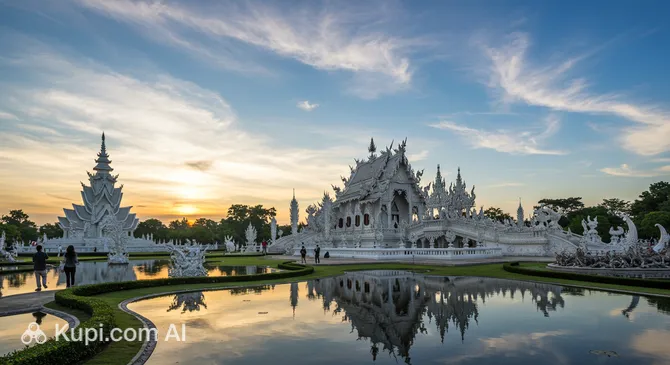
The city is globally renowned for its unique modern architecture, most notably the surreal Wat Rong Khun, commonly known as the White Temple. This masterpiece of contemporary Buddhist art is complemented by the striking Blue Temple (Wat Rong Suea Ten) and the eccentric Black House (Baan Dam Museum). In the evenings, the city center comes alive at the Night Bazaar, where travelers can taste delicious local northern cuisine and shop for handicrafts.

Whether you are seeking spiritual tranquility, artistic inspiration, or an adventure in the lush hills, Chiang Rai is a destination that should not be missed. Its blend of traditional culture and creative energy makes it a truly special place to visit.

Weather Overview

Chiang Rai experiences a tropical climate characterized by three main seasons: cool, hot, and rainy. The most comfortable time for travelers is usually the cool season, which runs from December through February. During this period, the weather in Chiang Rai is dry and pleasant, with average temperatures ranging from 20.7°C to 22.7°C. Nights can be crisp, particularly in January when minimum temperatures may dip to 14.5°C, so bringing a light jacket is advisable.

The heat begins to build in March, leading into the hot season which lasts until May. April is typically the warmest month, seeing average highs of 34.4°C and daily averages around 28.1°C. While precipitation is scarce at the start of this season, it begins to pick up in May, signaling the approaching transition.

From June to October, the rainy season takes over, transforming the surrounding countryside into lush greenery. This period sees a significant increase in rainfall frequency, with July and August experiencing up to 28 wet days each. Despite the frequent showers, it remains warm, with average temperatures staying steady between 25°C and 27°C.

Interesting Facts

Beyond the main attractions, Chiang Rai holds many fascinating secrets and historical tales that often escape the casual observer. This northern city is not just a transit point but a cradle of legends and artistic marvels that date back centuries.
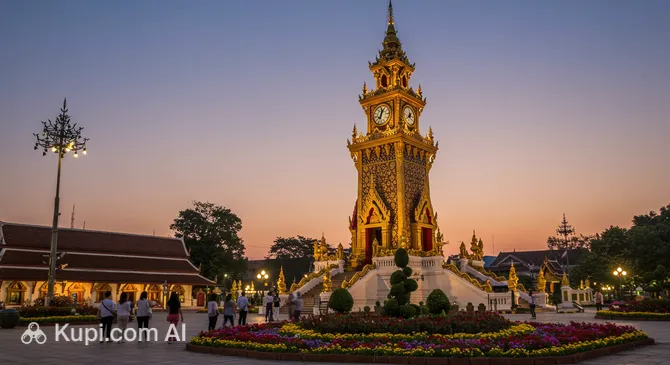
Chiang Rai Clock Tower. Source: Kupi.Binoculars
  • The city is the original home of Thailand's most sacred image, the Emerald Buddha. It was discovered in 1434 at Wat Phra Kaew Chiang Rai when a bolt of lightning struck an ancient chedi, cracking the stucco to reveal the jade statue hidden within.

  • Designed by Chalermchai Kositpipat, the same visionary artist behind the famous White Temple, the golden Chiang Rai Clock Tower serves as more than just a timekeeper. Every evening, it transforms into a spectacle of changing lights and music, turning a traffic roundabout into an open-air art exhibit.

  • The vibrant Blue Temple (Wat Rong Suea Ten) sits on a site with a wild history. Its name translates to "Temple of the Dancing Tiger," referring to the tigers that once roamed the area and were said to leap across the nearby Mae Kok River.

  • Although often overshadowed by its larger neighbor Chiang Mai, Chiang Rai is actually the older of the two cities. It was established as the first capital of the Lanna Kingdom in 1262 by the founder memorialized at the King Mangrai Monument.

  • According to ancient Lanna cosmology, the Chiang Rai City Pillar Shrine represents the "navel" or omphalos of the city. The pillars are roughly the height of a human and are believed to anchor the city's spiritual stability and prosperity.

How to Get There

Reaching this northern Thai gem is relatively straightforward, with air travel being the most convenient option for most visitors. For a detailed guide on all available transport methods, you can read more about how to get to Chiang Rai.

The city is directly served by Chiang Rai International Airport (CEI), which is located just 6.4 km from the city center. This airport handles a mix of domestic and international flights, making it the primary gateway for travelers. A trip from the airport to the downtown area by taxi or shuttle is quick, typically taking around 30 minutes. With passenger traffic in the millions, it is a well-equipped facility that ensures a smooth arrival.

Alternatively, many travelers choose to fly into Chiang Mai International Airport (CNX), situated in the neighboring city of Chiang Mai. This is a much larger hub located approximately 156 km from Chiang Rai. While it is not in the city itself, it offers a wider range of international connections. From Chiang Mai, you can continue your journey by bus or private car, a scenic drive that usually takes about 4 hours and 15 minutes.

For clarity, here is a summary of the main airports:

Airport Name City Passenger Traffic Km from City
Chiang Mai International Airport Chiang Mai Large 156.4
Chiang Rai International Airport Chiang Rai Medium 6.4
Muang Ton Pheung (Bokeo International) Ban Saeo Small 56.1
Tachilek Airport Tachileik Small 64.2
Keng Tung Airport Kengtung Small 155.8

Main Attractions

Chiang Rai is home to a fascinating array of landmarks that blend ancient Lanna history with contemporary artistic flair. While the city is often celebrated for its famous White Temple, there are several other key sites that offer a deeper understanding of its unique culture and vibrant local life.

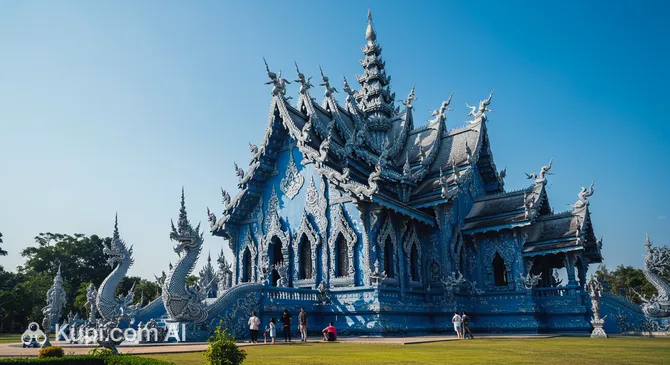
One of the most visually stunning locations is the Blue Temple (Wat Rong Suea Ten). As its name suggests, this modern temple is characterized by its vivid sapphire hue, accented with intricate golden motifs. Inside the main hall, visitors are greeted by a massive white Buddha statue that glows ethereally against the blue background. The attention to detail in the carvings and the surreal artistic style make it a photographer's dream and a spiritual highlight of the city.

Blue Temple (Wat Rong Suea Ten). Source: Kupi.Binoculars

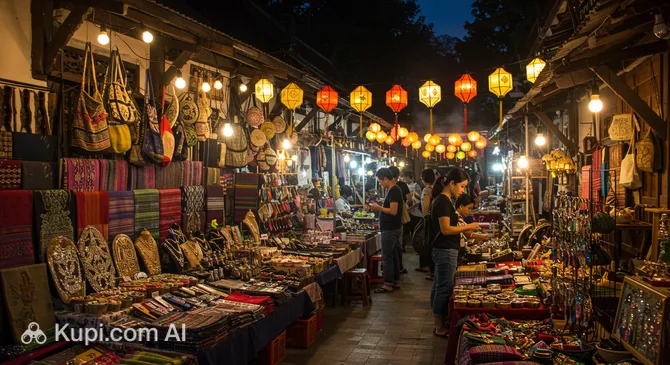
For those looking to experience the local evening atmosphere, the Chiang Rai Night Bazaar is an essential stop. Located near the city center, this bustling market comes alive after sunset with rows of stalls selling handicrafts, hill-tribe souvenirs, and clothing. It is also an excellent place to sample Northern Thai cuisine at the open-air food court, where you can enjoy delicious dishes while watching traditional dance and music performances on the central stage.

Chiang Rai Night Bazaar. Source: Kupi.Binoculars

History enthusiasts will appreciate a visit to Wat Phra Singh Chiang Rai, one of the city's oldest temples dating back to the late 14th century. This temple is a classic example of Lanna architecture, featuring low sweeping roofs and exquisite wood carvings. It houses a replica of the revered Phra Singh Buddha image and is known for its peaceful grounds and the beautiful wooden doors designed by renowned local artists.

To escape the urban bustle and immerse yourself in the region's heritage, the Mae Fah Luang Art and Cultural Park offers a serene retreat. This expansive park features meticulously landscaped gardens, a large golden teak pavilion, and a museum displaying a vast collection of Lanna religious and secular artifacts. It provides a quiet and educational environment where visitors can learn about the royal history and artistic traditions of Northern Thailand.

Local Cuisine

The culinary landscape of Chiang Rai is a delightful exploration of Northern Thai, or Lanna, flavors. Unlike the sweeter dishes often found in central Thailand, the food here tends to be richer, savory, and packed with fragrant herbs. Sticky rice is the staple staple, usually served in small woven baskets and eaten by hand alongside various spicy dips, such as the famous Nam Prik Ong (minced pork and tomato dip) or the spicy green chili dip known as Nam Prik Noom.

No visit is complete without trying Khao Soi, the region's most iconic dish. This creamy coconut curry soup features tender braised chicken or beef and soft egg noodles, topped with crispy fried noodles, lime, shallots, and pickled mustard greens. Another local favorite is Sai Oua, a grilled herbal pork sausage bursting with the aromas of lemongrass, kaffir lime leaves, and galangal. For those who enjoy tangy and spicy flavors, Khanom Jeen Nam Ngiao—rice noodles served in a rich tomato and pork broth—is a signature meal that perfectly represents the local palate.

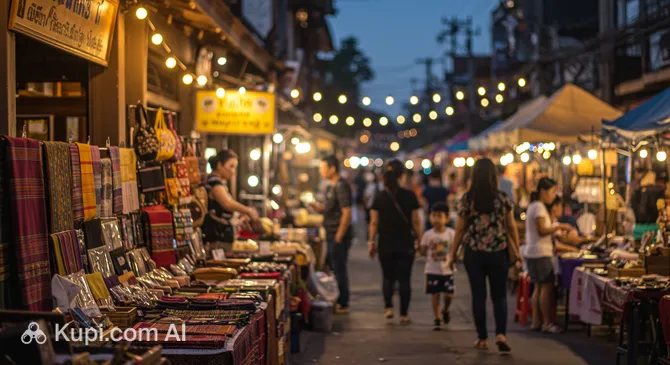
The city's food culture is best experienced on the streets, where the energy is vibrant and the options are endless. On Saturday evenings, the Chiang Rai Walking Street transforms a large section of the city into a massive open-air market. Here, visitors can stroll through crowds of locals, sampling a variety of snacks, from grilled skewers and hot pots to fresh fruits and coconut pancakes, all while enjoying the lively atmosphere.

Chiang Rai Walking Street. Source: Kupi.Binoculars

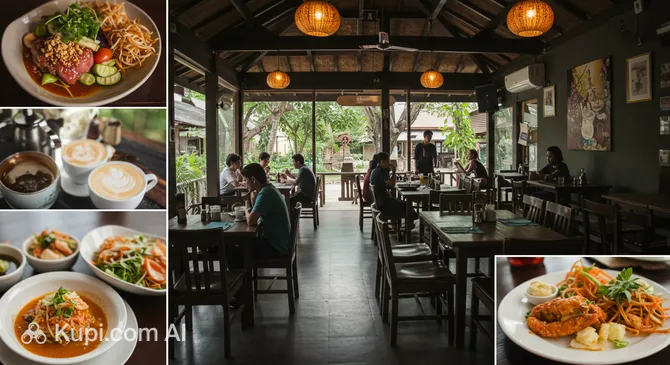
Beyond street stalls, Chiang Rai boasts a sophisticated café culture and excellent restaurants, fueled by the high-quality Arabica coffee grown in the surrounding hills. Coffee lovers should not miss the chance to sip a locally sourced brew in one of the many garden cafes. For a memorable dining experience by the Kok River, Chivit Thamma Da Coffee House, Bistro & Bar offers a beautiful colonial-style setting with a menu that blends Western dishes and Thai classics. Alternatively, for those seeking pure authentic tastes in a cozy setting, Barrab Restaurant is highly regarded for its dedication to traditional Northern recipes.

Chivit Thamma Da Coffee House, Bistro & Bar. Source: Kupi.Binoculars

As for drinks, aside from the renowned local coffee, refreshing herbal juices like lemongrass or butterfly pea tea are widely available and perfect for cooling down in the afternoon heat. In the evenings, the local scene offers a relaxed vibe where you can enjoy a cold Thai beer or a cocktail at a venue like O'Kane's Irish Pub or other friendly spots around the city center.

Travel Tips

Welcome to Chiang Rai! To help you navigate this artistic northern city with ease and confidence, we have compiled a set of essential guidelines covering everything from local customs to getting around.

  1. Clothing and Temple Gear: Since the weather is generally warm and humid, pack lightweight, breathable fabrics like cotton or linen. However, if you are visiting between December and February, bring a light jacket or sweater, as evenings can get surprisingly chilly. When visiting religious sites like the White Temple, modest dress is mandatory; you must cover your shoulders and knees. Slip-on shoes are highly recommended because you will need to take them off frequently when entering temple buildings.

  2. Transportation Options: Unlike Bangkok, Chiang Rai does not have a metro or skytrain system. The most convenient way to get around is by using the Grab app to book cars or bike taxis, which saves you from negotiating fares. For short distances, you can hop on a tuk-tuk (agree on the price beforehand) or use the local blue songthaews (shared pick-up trucks) for fixed routes. Motorbike rentals are popular for exploring the countryside, but ensure you have a valid International Driving Permit and wear a helmet.

  3. Managing Finances: The local currency is the Thai Baht (THB). While credit cards are accepted at hotels and upscale restaurants, cash is king at night markets, street food stalls, and small cafes. ATMs are widely available, particularly outside 7-Eleven convenience stores. Tipping is not strictly mandatory, but it is polite to round up the bill or leave small change at local eateries, and a tip of 20-50 THB is appreciated for massage therapists or bellhops.

  4. Health and Safety: Chiang Rai is generally a very safe city for tourists. Pharmacies are plentiful, with chains like Boots and Watsons located in shopping centers and independent drugstores on main streets; many pharmacists speak basic English. Always drink bottled water rather than tap water. Since the city is surrounded by nature, carrying mosquito repellent is essential, especially during dawn and dusk, to prevent insect bites.

  5. Communication Essentials: While English is spoken in major tourist areas and hotels, it is less common in local markets and rural outskirts. It is highly useful to download a translation app and learn a few basic Thai phrases like "Sawasdee" (Hello) and "Khop Khun" (Thank you). You can easily purchase a tourist SIM card from providers like AIS, TrueMove, or DTAC at the airport or any convenience store to stay connected with high-speed data.

  6. Local Etiquette: The traditional greeting is the Wai (pressing palms together at chest level), which is a sign of respect. Thais regard the head as the most sacred part of the body and the feet as the lowest; never touch someone's head, and avoid pointing your feet at people or religious images. Always remove your shoes before entering a private home or the main hall of a temple.

  7. What to Avoid: Do not climb on or pose disrespectfully with Buddha statues, as this is considered deeply offensive. Additionally, avoid raising your voice or showing aggression in public; Thai culture values maintaining a "cool heart" (jai yen), and confrontation usually leads to loss of face for everyone involved.

  8. Local Insight: Plan your evening stroll around the city center to coincide with the clock striking 7:00 PM, 8:00 PM, or 9:00 PM. The golden Clock Tower puts on a free light and sound show at these times, offering a delightful and uniquely local spectacle right in the middle of the street.

By keeping these simple tips in mind, you will be well-prepared to embrace the relaxed pace and rich culture of Chiang Rai. Enjoy your journey through this enchanting corner of Northern Thailand!

Entertainment & Nightlife

Chiang Rai offers a nightlife scene that perfectly mirrors its overall character: relaxed, artistic, and incredibly welcoming. Unlike the high-energy clubbing atmosphere found in Bangkok or Pattaya, the evening entertainment here focuses on live music, socializing in open-air venues, and enjoying the cool northern breeze. The vibe is predominantly casual, making it easy for travelers to mingle with locals and expatriates over a cold drink and good conversation.

The heart of the city's nightlife beats strongest around **Jet Yod Road** and the streets surrounding the iconic Clock Tower. This area serves as the primary entertainment district, lined with small bars, pubs, and restaurants. The atmosphere is laid-back, with many venues featuring talented local bands playing everything from acoustic covers of international hits to Thai folk songs. There is no strict dress code; casual attire such as jeans and t-shirts is the norm, even in the most popular spots.

For a truly local experience, Tawandang Mahason Chiang Rai is a must-visit venue. This large German-brewery-style hall is famous for its lively atmosphere, serving excellent microbrewed beer and authentic Thai dishes. The stage hosts energetic variety shows, including live bands and dancers, drawing a crowd that loves to sing along and enjoy the festive spirit late into the night.

Tawandang Mahason Chiang Rai. Source: Kupi.Binoculars

If you prefer a more scenic setting, the riverside area offers a romantic backdrop for an evening out. Tamarind Bistro and Music House is a fantastic choice located along the banks of the Kok River. It combines a retro ambiance with live music, making it an ideal spot to unwind with a cocktail while watching the water reflect the city lights. Alternatively, for a cozy coffee shop vibe that transitions into a bar in the evening, Awe's Cafe offers a friendly environment to enjoy drinks and snacks near the city center.

Practicalities for a night out in Chiang Rai are straightforward. Most bars open around sunset and close by midnight or 1:00 AM. Prices are generally very affordable compared to southern Thailand, with local beers and cocktails costing a fraction of what you would pay in tourist hotspots. Getting around is easy; Grab is widely available and safe for late-night rides, or you can hail a tuk-tuk, though it is wise to agree on the fare before hopping in.

Safety is rarely a concern in Chiang Rai, as the city is known for its low crime rate and friendly locals. The main nightlife areas are well-lit and populated, making them safe for walking. However, as with any travel destination, it is advisable to stay aware of your surroundings and stick to main streets when returning to your accommodation late at night.

While the nights are for music and socializing, daytime entertainment offers a different pace. Visitors can explore the contemporary art scene at the Chiang Rai Contemporary Art Museum, which showcases works by local artists. For those seeking modern conveniences, Central Chiang Rai provides a comprehensive shopping experience with a cinema, international brands, and air-conditioned comfort, perfect for escaping the midday heat.

Parks & Museums

Chiang Rai is not only a city of temples but also a destination rich in verdant public spaces and cultural institutions that honor its storied past. Visitors looking to explore beyond the main tourist trail will find beautifully landscaped gardens and museums that offer a deeper insight into the local way of life and the region's artistic evolution.

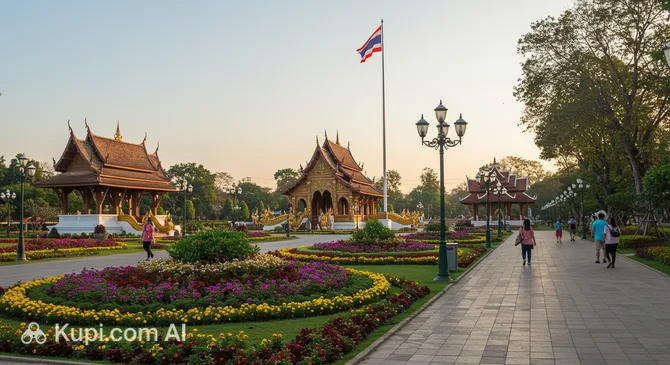
For a breath of fresh air right in the heart of the city, the 75th Anniversary Flag and Lamp Park is a delightful stop. This meticulously maintained park is famous for its vibrant flower displays, particularly during the cool season when the annual flower festival takes place. It serves as a colorful botanical retreat where travelers can enjoy a leisurely walk amidst varied flora and artistic installations.

75th Anniversary Flag and Lamp Park. Source: Kupi.Binoculars

Another scenic escape is the Garden of Reeds, a nature-centric attraction that highlights the beauty of the local landscape. Located a short drive from the city center, this area features elevated bamboo walkways that weave through lush fields and wetlands. It is an excellent spot for photography enthusiasts and nature lovers seeking a tranquil atmosphere away from the urban bustle.

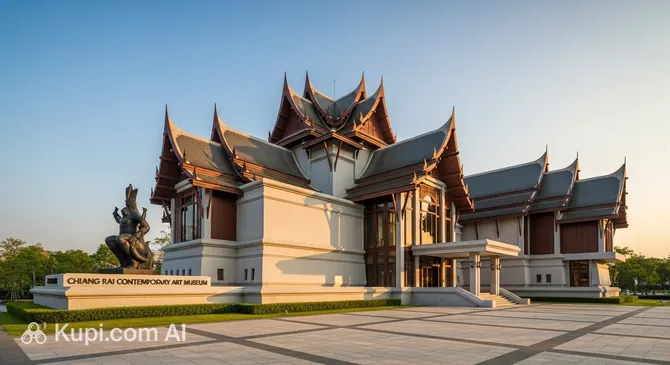
To understand the artistic soul of the province, a visit to the Chiang Rai Contemporary Art Museum is highly recommended. This venue showcases a diverse collection of modern works by local artists, reflecting the creative energy that defines Chiang Rai today. The galleries provide a quiet space to appreciate paintings and sculptures that interpret Northern Thai culture through a modern lens.

Chiang Rai Contemporary Art Museum. Source: Kupi.Binoculars

History buffs should pay their respects at the King Mangrai Monument, a landmark dedicated to the founder of the Lanna Kingdom and the city itself. While not a museum in the traditional sense, this site is historically pivotal and serves as a gathering place for locals who come to make offerings. It stands as a testament to the city's origins in the 13th century and is often the starting point for cultural tours.

For a truly authentic local experience, head to the Chiang Rai River Beach (Hat Chiang Rai). Situated along the banks of the Kok River, this "beach" is a popular picnic spot where you can relax in bamboo huts, enjoy simple local dishes, and dip your feet in the cool water, just like the residents do on weekends.

Getting Around

Public transport in Chiang Rai is significantly different from the complex systems found in larger metropolises. There is no metro, skytrain, or tram network here. Instead, the city relies on a combination of road-based options that are relatively simple to use once you understand how they operate. The system is designed to serve a smaller population, meaning routes are fewer and the pace is more relaxed.

The most tourist-friendly option is the Chiang Rai City Bus (CR Bus). This air-conditioned bus service connects the three main transport hubs: Chiang Rai International Airport, Bus Terminal 1 (located in the city center near the Night Bazaar), and Bus Terminal 2 (the long-distance bus station on the outskirts). These buses are distinctively colored, often purple or pink, and offer a comfortable ride with designated stops. They typically run from early morning until late evening, making them the most reliable choice for getting to and from the airport or transferring between the two bus terminals.

For local commuting around the city and to nearby districts, Songthaews are the primary mode of transport. These are converted pick-up trucks with two rows of bench seating in the back. In Chiang Rai, the blue songthaews generally serve routes within the city and immediate suburbs, while other colors like green or red may travel to specific outlying districts. There are no fixed stops for songthaews in many areas; you simply wave one down from the roadside and ring the buzzer on the ceiling when you want to get off. They act as shared taxis and are a very authentic way to travel.

A unique and historic feature of Chiang Rai's transport scene is the Samlor, a traditional three-wheeled pedal rickshaw. Unlike the motorized tuk-tuks found elsewhere, these are powered by human energy and offer a slow, quiet, and scenic way to tour the city center. They are perfect for short distances and sightseeing, allowing you to soak in the atmosphere at a leisurely pace. For faster private transport, motorized Tuk-tuks are also widely available, buzzing around the main tourist areas.

Regarding payment, the system is almost exclusively cash-based. For the CR Bus, there is usually a fixed flat fare (typically around 20 THB) which you pay to the driver or conductor upon boarding. For songthaews, prices are also fixed for specific distances, but it is wise to confirm the fare with the driver before hopping in. Tuk-tuks and Samlors do not have meters, so you must negotiate and agree on a price before starting your journey to avoid misunderstandings. Carrying small banknotes and coins is highly recommended, as drivers often do not have change for large denominations.

For those who prefer modern convenience, ride-hailing apps are a popular alternative. Grab is the dominant application in the city, allowing you to book cars or motorbike taxis with transparent pricing and credit card payment options. This is often the easiest way to reach specific attractions that are not on main bus routes, such as the White Temple or the Blue Temple. Additionally, many tourists choose to rent a motorbike or car to explore the province independently. If you choose this option, ensure you have a valid International Driving Permit and always wear a helmet.

Travelers should be aware that public transport operating hours are limited compared to major capitals. The CR Bus and songthaews generally stop running in the early evening, often around 6:00 PM to 9:00 PM. If you plan to stay out late at the Night Bazaar or a bar, be prepared to use a Grab taxi or a tuk-tuk to return to your accommodation.
Accommodation

Where to Stay:

Chiang Rai offers a diverse range of accommodation options that cater to every type of traveler, from backpackers seeking social vibes to couples looking for a romantic riverside retreat. The city is generally very affordable compared to other major Thai destinations, allowing visitors to enjoy high-quality stays at reasonable prices. Whether you prefer the convenience of the city center or the tranquility of nature, you will find a place that suits your style and budget.

For those who prioritize convenience and nightlife, staying in the City Center near the Clock Tower and the Night Bazaar is the best choice. This area is packed with budget-friendly hostels, guesthouses, and mid-range hotels, putting you within walking distance of street food, markets, and transportation hubs. Alternatively, travelers seeking luxury and relaxation often choose the Riverside area along the Mae Kok River. Here, you can find upscale resorts that offer stunning views, lush gardens, and a peaceful atmosphere just a short drive from the downtown bustle.

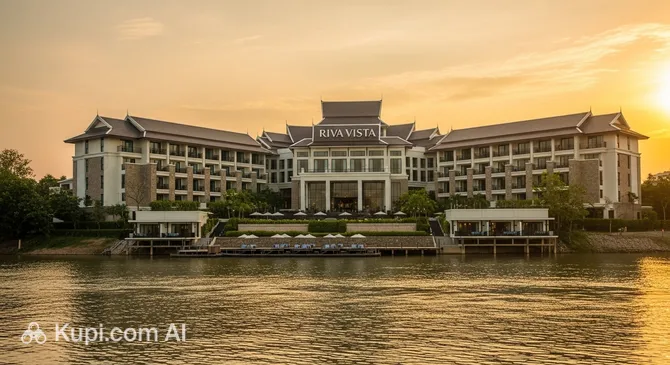
If you are looking for a sophisticated stay by the water, Riva Vista Riverfront Chiang Rai is a standout option. This modern hotel is designed to maximize river views and provides a luxurious setting for unwinding after a day of sightseeing. Another excellent choice for a comfortable retreat is Saikaew Resort, which offers a serene environment perfect for recharging your energy.

Riva Vista Riverfront Chiang Rai. Source: Kupi.Binoculars

Booking Tips and Prices: Accommodation prices in Chiang Rai are generally wallet-friendly. Budget beds in dormitories or simple guesthouses can start as low as 300–500 THB per night. Mid-range hotels typically range from 800 to 2,000 THB, while luxury resorts can cost upwards of 3,000 THB. It is highly recommended to book your accommodation in advance, especially if you are visiting during the peak cool season (December to February), as the most popular hotels fill up quickly. While walk-ins are possible for budget guesthouses, using online booking platforms ensures you secure the best rates and availability.

Nearby Cities

For those looking to explore the surroundings, Chiang Rai serves as an excellent base for day trips to several interesting nearby locations. The province is dotted with charming towns and scenic villages that offer a deeper look into the region's diverse heritage and natural beauty.

Mae Sai, located to the north, is a vibrant border town and the northernmost point of Thailand. It offers a lively market atmosphere and a unique glimpse into local cross-border trade with Myanmar. Ban Tha Ton is another scenic destination situated on the banks of the Mae Kok River. It is famous for its hilltop temple, Wat Thaton, which provides stunning views of the valley and is a popular stop for river boat tours. Ban Thoet Thai offers a more historical perspective; formerly known as the stronghold of a drug warlord, it is now a peaceful village surrounded by tea plantations and hill tribe communities.

City Population Distance (km)
Ban Thoet Thai 23,392 43
Ban Pa Tueng 22,139 25
Mae Sai 20,699 59
Ban Tha Ton 19,902 53
Ban Fang Tuen 19,326 49

These nearby destinations offer a glimpse into the diverse culture and landscapes of the region.

Shopping & Souvenirs

Shopping in Chiang Rai is a delightful experience that focuses less on high-end luxury and more on authentic local craftsmanship and culture. The city offers a relaxed atmosphere where visitors can browse through a variety of goods, ranging from traditional hill tribe handicrafts to modern necessities. It is an excellent place to find unique items that reflect the artistic heritage of Northern Thailand, often at prices that are significantly lower than in larger tourist hubs like Chiang Mai or Bangkok.

The heart of the local shopping scene lies in its vibrant open-air markets. The most famous daily spot is the Chiang Rai Night Bazaar, located near the city center bus terminal. This bustling market is a treasure trove for tourists, offering rows of stalls selling embroidered clothing, wood carvings, and handmade accessories. It is the perfect place to practice your bargaining skills while soaking in the lively evening ambiance.

For a more expansive walking experience, the weekend pedestrian streets are a must-visit. On Saturday evenings, the Chiang Rai Walking Street (Thanalai Road) transforms into a massive market stretching over a kilometer. Here, locals sell their own handmade goods, folk crafts, and an array of street food. There is also a Sunday Walking Street on Sankhong Noi Road, often called "Happy Street," which has a slightly more local and relaxed vibe.

If you are looking for air-conditioned comfort and international brands, Central Chiang Rai is the city's premier shopping mall. Located slightly outside the immediate city center, this modern complex houses a department store, a supermarket, electronics shops, a cinema, and various restaurants. It provides a convenient one-stop destination for travelers who need to restock on supplies or purchase standard clothing and cosmetics.

Central Chiang Rai. Source: Kupi.Binoculars

When it comes to souvenirs, Chiang Rai is renowned for its high-quality local products. Coffee and tea lovers should look for beans and leaves harvested from the nearby hills of Doi Chang and Doi Mae Salong, which are famous for their distinct flavors. Other popular items include intricate silver jewelry, hand-woven textiles from various hill tribes, and mulberry paper products. These items not only make beautiful gifts but also support the local communities.

Understanding store hours and payment methods will help you plan your shopping trips. Large shopping malls like Central are typically open from 10:00 AM or 11:00 AM until 9:00 PM daily. Night markets usually begin setting up around 5:00 PM and run until 10:00 PM or 11:00 PM. While credit cards are widely accepted in malls and larger stores, cash is essential for night markets and street stalls. ATMs are plentiful, so withdrawing Thai Baht is easy.

Tourists should also be aware of the VAT Refund for Tourists scheme. If you purchase goods from participating stores (usually found in the larger malls) totaling at least 2,000 THB in a single day, you may be eligible for a 7% tax refund. Look for the "VAT Refund for Tourists" sign at the shop, ask for the necessary forms (P.P.10), and present your passport. You will then need to show the goods and documents to customs officers at the international airport upon your departure from Thailand.

Reached the end of the page?

That means the route is fully explored