Support

Phitsanulok

About

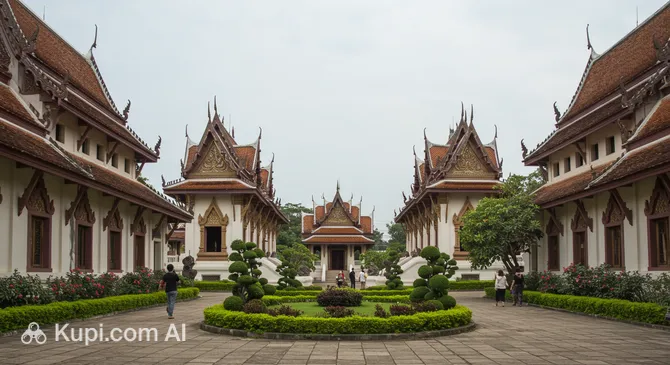
Phitsanulok is a captivating destination that seamlessly blends ancient heritage with the vibrancy of modern provincial life. Often referred to as "Song Khwae" due to its location between two major rivers, this city serves as a significant cultural and transportation hub in the region. It offers travelers a unique opportunity to experience an authentic atmosphere away from the most crowded tourist paths.

Situated in the lower northern part of Thailand, the city lies approximately halfway between Bangkok and Chiang Mai. It is built along the banks of the Nan River, which plays a central role in local life and scenery. With a population of around 70,000 residents, Phitsanulok maintains a bustling yet manageable pace, characterized by a tropical savanna climate that brings warm weather throughout the year.
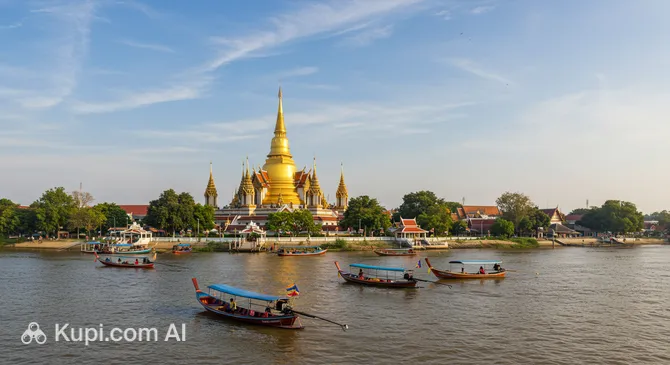
Phitsanulok. Source: Kupi.Binoculars

The city is steeped in legend and tradition, making it a fascinating stop for culture enthusiasts. delving into the history of Phitsanulok reveals its long-standing strategic importance, dating back to the Khmer era and the Sukhothai kingdom. It is famously celebrated as the birthplace of King Naresuan the Great, a national hero, and remnants of this glorious past can still be felt throughout the city.

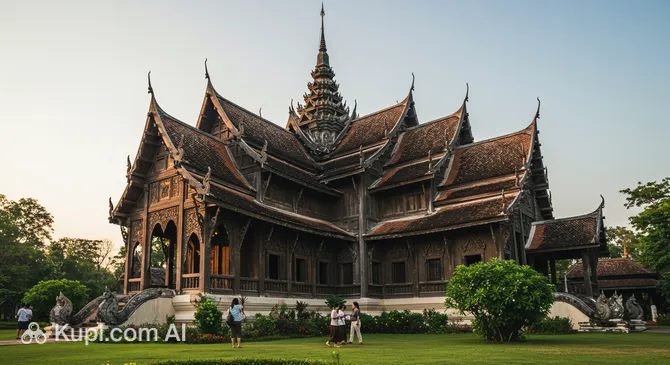
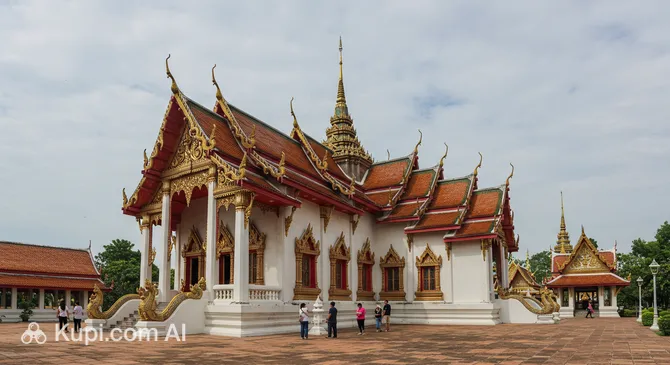
Among its many attractions, the crown jewel is undoubtedly Wat Phra Si Rattana Mahathat, known locally as Wat Yai. This temple houses the Phra Phuttha Chinnarat, which is widely regarded as one of the most beautiful and revered Buddha images in the country. Visitors also enjoy strolling along the riverfront promenades or exploring the lively night markets, where the local street food scene offers a delicious introduction to regional flavors.

Whether you are passing through on a journey to the north or planning a dedicated visit, Phitsanulok provides a genuine glimpse into Thai culture. Its welcoming spirit, combined with its magnificent temples and riverside charm, makes it a memorable destination worthy of exploration.
Weather Overview

Phitsanulok experiences a tropical savanna climate, characterized by generally warm temperatures year-round and distinct seasonal variations in rainfall. For travelers planning their itinerary, understanding the weather in Phitsanulok is key to a comfortable trip. The city moves through three main seasons: a hot, dry spring, a humid rainy season, and a cooler, pleasant winter.

The heat peaks around April, which is the hottest month, with average temperatures of 31.7°C and daily highs climbing up to 37.0°C. Following this sweltering period, the rainy season sets in from May through October. During these months, while the average temperature settles between 28°C and 30°C, the frequency of precipitation increases significantly, with August seeing up to 28 wet days.

The most popular time for visitors is usually from November to February, when the humidity drops and the skies clear. December and January are the coolest months, offering relief with average temperatures around 24.6°C to 24.9°C and night-time lows dipping to approximately 18.8°C. Expect intense heat during the spring months, frequent rainfall throughout the summer and early autumn, and mild, dry conditions during the winter season.

Interesting Facts

Beyond the famous temples, Phitsanulok holds many fascinating secrets and distinctive local traditions that surprise even seasoned travelers. Digging a bit deeper into the city's culture reveals unique origins and lively customs found nowhere else in Thailand.

  • The city is the birthplace of the Thai Bangkaew, a unique breed of dog known for its intelligence and fierce loyalty. Originating from the Bang Rakam district within the province, these dogs are believed to be descendants of a cross between a domestic dog and a wild jackal, making them a source of great local pride.

  • Dining in Phitsanulok can be a spectator sport thanks to the famous Flying Morning Glory performance. At certain night markets and restaurants, chefs stir-fry the vegetable on a high flame and toss it high into the air, where a waiter catches it on a plate, sometimes while standing on a raised platform or even a unicycle.

  • The city is filled with rooster statues, which serve as offerings to King Naresuan the Great, who was born at the Chan Palace. According to legend, the King won a wager with a Burmese prince using his fighting cock, a victory that is celebrated today by placing rooster figurines at his shrines.

  • Unlike typical government-run exhibitions, the Sergeant Major Thawee Folk Museum was created by a single passionate individual. This private collection preserves thousands of traditional tools, traps, and household items, offering an intimate look at the ingenious rural lifestyle of the past that is slowly disappearing.

Chan Palace. Source: Kupi.Binoculars

How to Get There

As a major transportation hub connecting the central plains to the northern regions, Phitsanulok is easily accessible by various modes of transport. Whether you prefer the speed of air travel or the scenic route by train or bus, the city welcomes visitors with convenient connections. You can find more about how to get to Phitsanulok and plan your journey in detail.

The most convenient way to arrive is by flying directly into Phitsanulok Airport (PHS). Located just 5.1 km from the city center, this domestic airport handles a significant volume of travelers and offers regular connections to Bangkok. The short distance means you can reach the heart of the city in approximately 30 minutes by taxi or car. For those exploring the wider region, another option is Sukhothai Airport (THS), situated in the neighboring city of Sukhothai. Although it is about 66.3 km away from Phitsanulok, the journey by road takes around 2 hours, offering a gateway to the nearby historical parks.

For clarity, here is a summary of the main airports:

Airport Name City Passenger Traffic Km from City
Phitsanulok Airport Phitsanulok Medium 5.1
Loei Airport Loei Small 169.5
Lampang Airport Lampang Small 178.7
Mae Sot Airport Mae Sot Small 184.0
Sukhothai Airport Sukhothai Small 66.3

Traveling by train is another popular and scenic way to reach the city. Phitsanulok is a key stop on the State Railway of Thailand's Northern Line, which connects Bangkok to Chiang Mai. The railway station is centrally located, making it very convenient for travelers to disembark and immediately access local transport, hotels, and markets. Trains run daily, offering a range of service classes from ordinary to air-conditioned sleepers.

Main Attractions

Phitsanulok offers a rich tapestry of cultural and historical sites that reflect its long-standing importance in Thai history. While many visitors come specifically for the famous Wat Yai, the city has several other compelling attractions that provide a deeper understanding of the region's heritage and local lifestyle. From ancient temples to vibrant markets, here are some of the key places to explore.

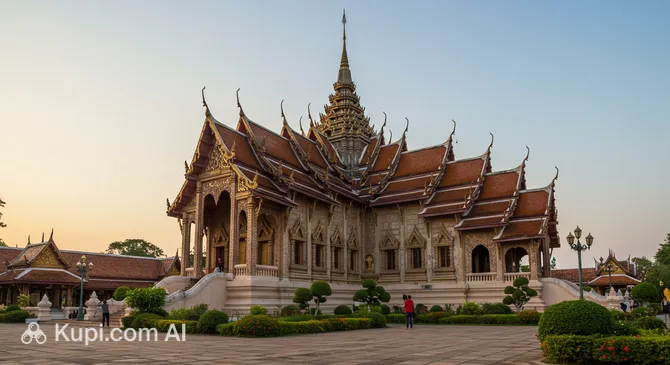
One of the most historically significant sites is Wat Nang Phaya. Located on the eastern bank of the Nan River and adjacent to the more famous Wat Phra Si Rattana Mahathat, this temple is renowned for its connection to the "Nang Phaya" clay amulets, which are highly prized by collectors. The temple grounds are peaceful, featuring a ubosot (ordination hall) adorned with intricate stucco reliefs that date back to the Ayutthaya period. It is a fascinating stop for those interested in Buddhist art and the spiritual traditions of the area.

Wat Nang Phaya. Source: Kupi.Binoculars

For a comprehensive look at the region's artistic heritage, a visit to the Phra Buddha Chinnarat National Museum is essential. Situated within the compound of the main temple, this museum houses an impressive collection of artifacts from the Sukhothai and Ayutthaya eras. Visitors can admire ancient Buddha images, ceramics, and religious objects that tell the story of the city's artistic evolution. It provides excellent context to the grandeur of the nearby temples and is a quiet retreat for history buffs.

Phra Buddha Chinnarat National Museum. Source: Kupi.Binoculars

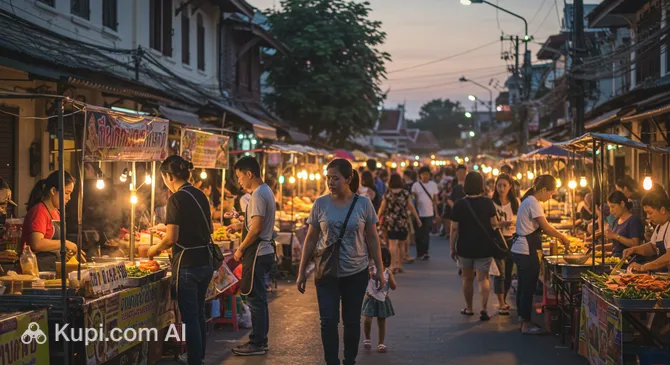
To experience the local vibe and culinary scene, travelers should head to the Phitsanulok Walking Street. Typically held on Saturday evenings along the river, this market transforms the area into a bustling hub of activity. It is the perfect place to sample traditional Thai street food, shop for handmade crafts, and observe the lively atmosphere of provincial life. The cool river breeze and the array of affordable goods make it a favorite evening activity for both locals and tourists.

Phitsanulok Walking Street. Source: Kupi.Binoculars

Another unique cultural gem is the Sergeant Major Thawee Folk Museum. Unlike typical state museums, this private collection offers an intimate glimpse into the traditional rural life of the past. The museum displays a vast array of indigenous tools, household items, and agricultural traps, showcasing the ingenuity of Thai villagers. It is an educational and inspiring attraction that highlights the simple yet sophisticated wisdom of local ancestors.

Sergeant Major Thawee Folk Museum. Source: Kupi.Binoculars

Finally, history enthusiasts should not miss the Chan Palace Historical Center. This facility serves as an information hub dedicated to the history of the Chan Palace, the birthplace of King Naresuan the Great. Through exhibitions and models, it explains the archaeological excavations and the significance of the palace in the kingdom's defense and administration. It is an excellent starting point before exploring the actual ruins of the palace nearby.

Local Cuisine

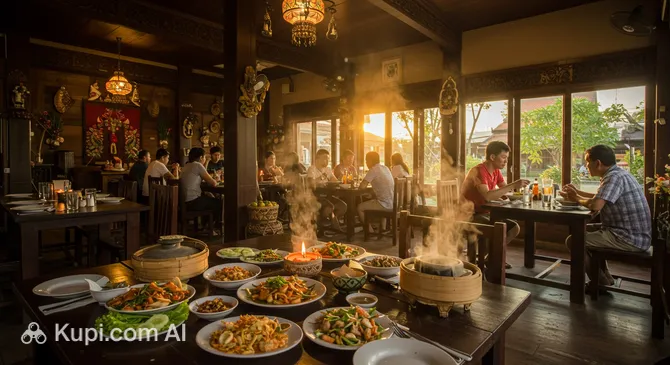
The culinary landscape of Phitsanulok is vibrant and deeply connected to its riverine geography, offering a delightful mix of Central and Northern Thai flavors. For many visitors, the highlight of the day is gathering along the banks of the Nan River as the sun sets. Here, the atmosphere comes alive with the aroma of grilling meats, aromatic soups, and fresh herbs wafting from the bustling night markets and open-air eateries.

One dish that has put Phitsanulok on the map is the famous "Flying Morning Glory" (Phak Bung Loi Fa). While stir-fried morning glory is a staple across Thailand, here it is served with a theatrical flair. Cooks toss the flaming vegetables high into the air, where they are skillfully caught on a plate by a waiter, sometimes standing on a platform. Beyond the showmanship, the dish itself is delicious, characterized by its smoky wok flavor, garlic, and chili kick.

Noodle lovers will find themselves in paradise, particularly with the local style known as Kuay Tiaw Hoy Kha, or "hanging legs noodles." This traditional dining style involves sitting on a raised platform with your legs dangling over the edge while enjoying a bowl of spicy Tom Yum noodles. These noodles typically feature minced pork, lime juice, ground peanuts, and green beans, offering a perfect balance of sour, spicy, and sweet flavors.

Nannum Restaurant. Source: Kupi.Binoculars

For a more relaxed dining experience by the water, the Nannum Restaurant is a popular choice among locals and tourists alike. Situated right on the riverbank, it offers a serene setting to enjoy authentic Thai cuisine while watching the gentle flow of the Nan River. It is an excellent spot to try local river fish dishes, which are always fresh and prepared with rich curry pastes or zesty lime dressings.

The city also has a thriving morning culture. To start the day like a local, you might visit Kopihub Dimsum Cafe. This establishment serves a variety of steamed dumplings, buns, and traditional coffee, reflecting the Chinese influence on the region's breakfast habits. It is a bustling spot where friends and families gather early in the day to fuel up before work or sightseeing.

When it comes to drinks, the local choices range from refreshing iced herbal juices, such as roselle or chrysanthemum found at street stalls, to classic Thai iced tea. For those looking to experience the local nightlife and enjoy a cold beer or spirits accompanied by live music, Tawandang Mahason provides a lively atmosphere. It is a large venue that combines dining with entertainment, making it a favorite for social gatherings.

Street food enthusiasts should not miss the Phitsanulok Walking Street. This is the ultimate destination to sample a little bit of everything, from grilled pork skewers (Moo Ping) to sweet treats like mango sticky rice, all while soaking in the energetic provincial vibe.

Travel Tips

Welcome to Phitsanulok, a city that offers a genuine slice of Thai life away from the heaviest tourist crowds. To help you navigate the "City of Two Rivers" comfortably and respectfully, here are some essential practical tips for your journey.

  1. Clothing and Temple Attire: Since the weather is generally hot and humid, pack lightweight, breathable fabrics like cotton or linen. However, Phitsanulok is home to one of Thailand's most sacred temples, Wat Phra Si Rattana Mahathat (Wat Yai). When visiting, you must dress modestly; shoulders and knees should be covered. It is also wise to wear slip-on shoes or sandals, as you will need to remove them frequently before entering temple buildings and some local shops.
  2. Getting Around: For a truly local experience, try a Samlor (a three-wheeled pedal rickshaw). Phitsanulok is one of the few remaining Thai cities where these are still widely used for short distances. For longer trips, motorized tuk-tuks and motorbike taxis are available. Ride-hailing apps like Grab are operating but may have fewer drivers than in Bangkok, so having a hotel call a taxi for you is often a reliable backup.
  3. Finances and Cash: The currency is the Thai Baht (THB). While hotels and larger restaurants accept credit cards, cash is king in Phitsanulok, especially at the famous night markets and street food stalls. ATMs are abundant, particularly outside 7-Eleven convenience stores. It is advisable to break large banknotes (like 1,000 baht) at convenience stores, as small vendors may struggle to provide change.
  4. Health and Safety: Being a riverside city, mosquitoes can be prevalent, especially around dusk. Carry a strong mosquito repellent and apply it before heading out for dinner by the Nan River. Pharmacies are easy to find and often have pharmacists who speak basic English. The city is generally very safe, but always exercise standard caution with your belongings in crowded market areas.
  5. Communication: English is spoken at major hotels and tourist attractions, but less so by local vendors and samlor drivers. It is highly recommended to buy a local SIM card (available at the airport or convenience stores) to use translation apps and maps. Learning a few basic Thai phrases like Sawasdee (Hello) and Khop Khun (Thank you) will go a long way in earning smiles from the locals.
  6. Local Etiquette: The traditional greeting is the Wai (pressing palms together at chest level). Thais regard the head as the most sacred part of the body and the feet as the lowest; never touch someone's head and avoid pointing your feet at people or Buddha images. When sitting on the floor in a temple, tuck your legs behind you to avoid pointing your feet at the altar.
  7. What to Avoid: Do not raise your voice or show visible anger in public. In Thai culture, maintaining a calm demeanor ("Jai Yen" or cool heart) is crucial, and losing your temper causes everyone involved to lose face. Also, avoid public displays of affection, which are considered impolite in this conservative provincial city.
  8. River Life Hack: To experience the best of the city, plan your evenings around the Nan River. Most shops and cafes in the heat of the day can be quiet, but the riverside comes alive after sunset. It is the social hub where you can find the best food, cool breezes, and the true pulse of the local community.

Phitsanulok is a welcoming destination where a little cultural awareness yields rich rewards. By following these simple guidelines, you will be well-prepared to immerse yourself in the local charm, enjoy the legendary street food, and connect with the friendly residents of this historic city.

Entertainment & Nightlife

Phitsanulok offers a refreshing variety of entertainment options that reflect its easygoing, riverside lifestyle. While it may not have the high-octane nightlife of Bangkok, the city charms visitors with its vibrant evening markets, live music venues, and ample green spaces designed for relaxation and recreation. Whether you prefer an energetic night out or a peaceful afternoon in nature, there is plenty to keep you occupied.

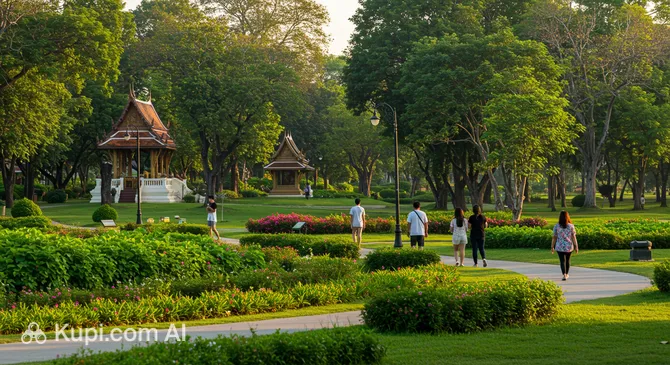
For a breath of fresh air, the city's parks are a central part of daily life. Chom Nan Chaloem Phra Kiat Park is the most popular spot, stretching beautifully along the Nan River. In the late afternoon, this park transforms into a community hub where locals gather for jogging, cycling, and public aerobics sessions. It is a fantastic place to unwind, watch the sunset over the river, and soak in the local atmosphere. Nearby, Chaloem Phrakiat Park provides another lush, well-maintained green space, offering a quiet retreat with shaded areas perfect for picnics or reading.

Chom Nan Chaloem Phra Kiat Park. Source: Kupi.Binoculars

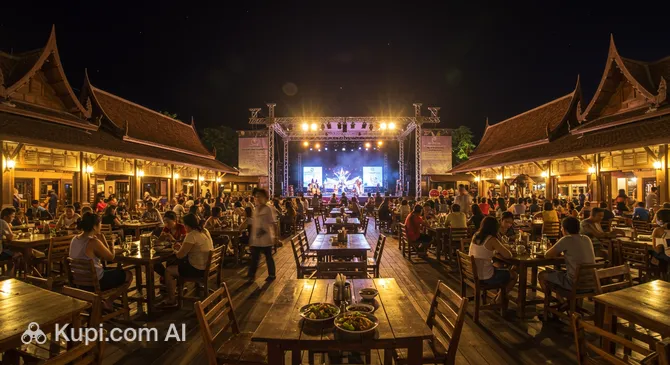
When the sun goes down, the entertainment scene shifts to music and socializing. A standout venue for a fun night out is Tawandang Mahason. This sprawling establishment is much more than just a bar; it is a lively entertainment complex that combines a microbrewery with a concert hall. Visitors can enjoy freshly brewed beer while watching energetic live performances, ranging from Thai country music (Luk Thung) to pop and rock. The atmosphere is always electric, making it a great place to experience how locals party.

Tawandang Mahason. Source: Kupi.Binoculars

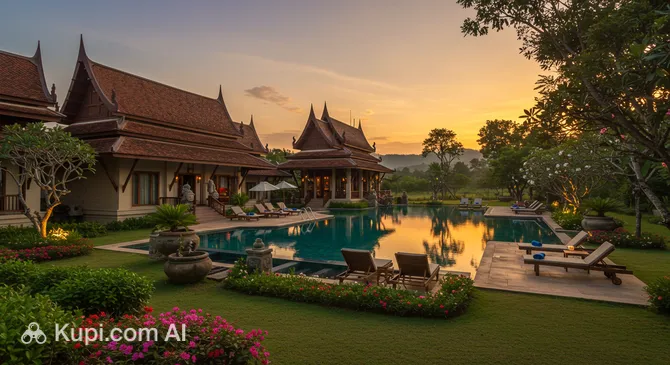
For those seeking relaxation and rejuvenation, Phitsanulok has excellent wellness facilities. After exploring temples and markets, treating yourself to a spa session is a must. Pattara Resort & Spa is renowned for its high-quality spa services, offering a luxurious escape from the city's bustle. Guests can indulge in traditional Thai massages, aromatherapy, and herbal treatments in a serene, tropical setting, ensuring a restorative experience for both body and mind.

Pattara Resort & Spa. Source: Kupi.Binoculars

Finally, no visit is complete without experiencing the entertainment at the Phitsanulok Walking Street on Saturday evenings. Beyond the shopping and food, this market is a stage for cultural expression. You will often find street musicians, traditional dancers, and local students performing, adding a festive soundtrack to your stroll. It is also a great spot to find affordable open-air foot massages, allowing you to relax right in the middle of the action.

Parks & Museums

Phitsanulok offers a delightful balance between urban energy and serene landscapes, making it a city where cultural exploration naturally extends into relaxing green spaces. For travelers looking to understand the soul of the province, the local museums provide deep insights into history and folk wisdom, while the riverfront parks offer a refreshing escape into nature.

The heart of the city's outdoor life is undoubtedly Chom Nan Chaloem Phra Kiat Park. Stretching along the banks of the Nan River, this promenade is more than just a park; it is the city's communal living room. Visitors can enjoy wide, paved paths perfect for walking or jogging while taking in scenic views of the water and the city skyline. It is particularly vibrant in the evenings when the heat subsides, and locals gather for exercise and socialization, creating a welcoming atmosphere for tourists to observe daily life.

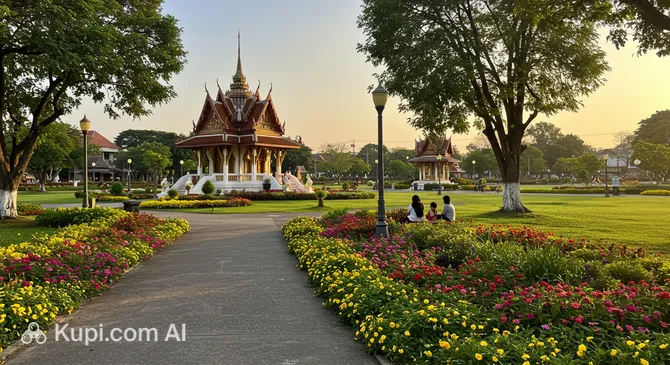
Another significant green area is Chaloem Phrakiat Park. Located at a major intersection, this park serves as a lush urban oasis featuring well-manicured gardens and shaded seating areas. It is a quieter alternative to the riverside, ideal for a peaceful break or a picnic amidst tropical flora. The park often hosts seasonal flower displays and provides a safe, open space for families and travelers seeking a moment of tranquility in the city center.

Chaloem Phrakiat Park. Source: Kupi.Binoculars

For culture enthusiasts, the Sergeant Major Thawee Folk Museum is an unmissable highlight. This unique institution is dedicated to preserving the ingenuity of the Thai people. Unlike formal state museums, it showcases a rustic collection of traditional agricultural tools, animal traps, and household utensils used in the past. It offers a fascinating look at how locals adapted to their environment before the modern era, making it a favorite for those interested in anthropology and social history.

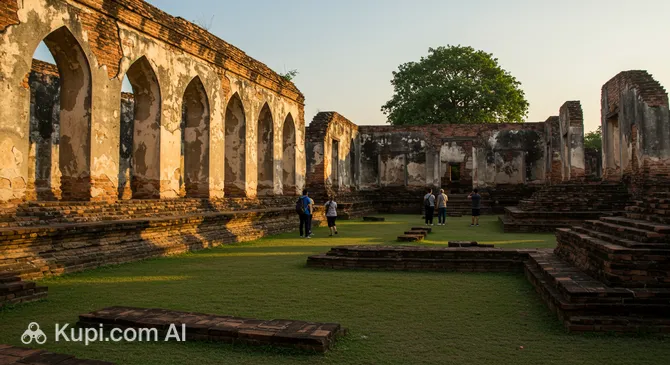
Those interested in the region's royal legacy should visit the Chan Palace Historical Center. This modern facility provides essential context before you explore the nearby archaeological ruins. Through informative exhibitions and detailed models, it narrates the life of King Naresuan the Great and the strategic importance of Phitsanulok during the Ayutthaya period. It is an educational stop that brings the ancient stones of the Chan Palace back to life.

Chan Palace Historical Center. Source: Kupi.Binoculars

Art and history lovers will also appreciate the Phra Buddha Chinnarat National Museum, located within the grounds of the city's most famous temple. The museum houses a refined collection of Buddha images, votive tablets, and ceramics that span the Sukhothai and Ayutthaya periods, showcasing the artistic evolution of the region.

For a truly authentic experience, try visiting the parks early in the morning just after sunrise. You will find a completely different vibe as monks walk on their alms rounds near the river and elderly locals practice Tai Chi, offering a peaceful and spiritual start to your day.

Getting Around

Navigating Phitsanulok is relatively straightforward, though it lacks the complex mass transit systems found in larger metropolises like Bangkok. There is no metro, tram, or light rail network here. Instead, the public transport system relies heavily on road-based vehicles, specifically the iconic "songthaews" (converted pickup trucks with two rows of benches) and a fleet of smaller private vehicles. For most tourists, getting around involves a mix of these local open-air buses, traditional three-wheeled vehicles, and walking, as the city center is quite compact.

The backbone of local transport is the network of Songthaews, often referred to by locals as "Rot Muang." In Phitsanulok, these are distinctively purple, making them easy to spot. They operate on fixed routes numbered to indicate their destination, covering key areas such as the train station, bus terminals, the university, and major shopping centers. To catch one, simply wait at a designated stop or wave it down along its route. You board from the back and press a buzzer on the ceiling when you want to get off.

A unique and charming feature of Phitsanulok’s transport scene is the Samlor, or pedal rickshaw. Unlike in many other cities where they have disappeared or serve only as tourist novelties, here they remain a genuine mode of daily transport for locals, especially for short trips to the market. Riding a Samlor offers a slower, nostalgic pace that fits the city's relaxed atmosphere perfectly. For faster private transport, motorized Tuk-tuks are widely available and are ideal for direct trips where you don't want to wait for a shared route.

Regarding payment, cash is the absolute rule for local public transport. There are no travel cards, tap-to-pay systems, or mobile ticket apps for songthaews, samlors, or tuk-tuks. A ride on a purple songthaew typically costs a flat fee of around 15 to 20 THB per person. You pay the driver or a conductor after you exit the vehicle. For tuk-tuks and samlors, you must negotiate and agree on the fare before you start your journey to avoid misunderstandings. It is essential to carry small banknotes and coins, as drivers rarely have change for large bills.

For those who prefer modern conveniences, ride-hailing applications like Grab are operational in the city. They provide a comfortable alternative with fixed pricing, allowing you to book cars or motorbike taxis without the need to haggle. Metered taxis also exist, but they are less common on the streets compared to tuk-tuks; if you find one, you may still need to negotiate a flat rate if the driver declines to use the meter.

Travelers should be aware that public transport operating hours are somewhat limited. The purple songthaews generally run from around 6:00 AM to 6:00 PM or 7:00 PM. After sunset, public options dwindle significantly, and you will likely need to rely on tuk-tuks, Grab, or private taxis to get around. If you plan to stay out late, it is wise to arrange your return transport in advance or have your hotel's contact number handy.

For complete independence, renting a motorbike or a car is a popular choice. Several rental shops are located near the train station and the bus terminals. A motorbike allows you to explore the city and nearby waterfalls at your own pace, but ensure you have a valid international driving license and wear a helmet at all times. This option is particularly good for visiting attractions on the outskirts that are not covered frequently by the purple songthaew routes.

Accommodation

Accommodation in Phitsanulok is generally affordable, unpretentious, and plentiful, reflecting its status as a functional provincial capital rather than a dedicated tourist resort hub. Visitors will not find the ultra-luxury international chains common in Bangkok or Phuket, but the city offers a wide range of comfortable options. From scenic riverside resorts to convenient budget hotels near the railway station, travelers can easily find a place that suits their needs and itinerary.

The most desirable location for many tourists is along the banks of the Nan River. Staying here puts you within walking distance of the night markets and the major temples while offering a peaceful, scenic atmosphere. This area is home to some of the city's more upscale properties, where you can enjoy breakfast with a view of the water. One of the top choices in this category is the Pattara Resort & Spa. Known for its modern design and serene environment, it features a large pool and lush gardens, making it a perfect sanctuary for relaxation after a day of sightseeing.

For those arriving by train or planning a short stopover before heading north, the area surrounding the Railway Station is the most practical choice. This district is bustling with activity and offers numerous budget-friendly guesthouses and mid-range hotels. While the views may be less picturesque than the riverside, the convenience is unbeatable; you are steps away from the morning market, local food stalls, and public transport connections like tuk-tuks and songthaews.

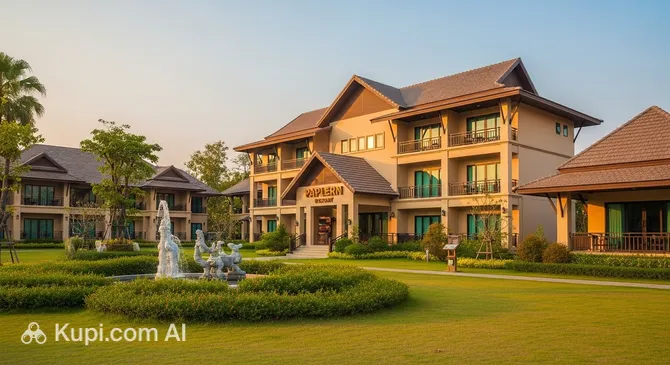
Travelers looking for a quiet retreat slightly away from the city center might consider places like Paplern Resort. Accommodations of this style often provide a more personalized, home-like feel with individual bungalows or garden settings. These resorts are ideal for visitors with their own transport or those who prefer a laid-back ambiance over the immediate proximity to urban attractions.

Paplern Resort. Source: Kupi.Binoculars

When booking, it is worth noting that prices in Phitsanulok are significantly lower than in Thailand's major tourist destinations. Amenities like air conditioning, Wi-Fi, and private bathrooms are standard even in budget accommodations. While reservations are recommended during major Thai festivals like Songkran (April) or Loy Krathong (November), walk-ins are usually possible throughout the rest of the year.

Whether you choose a river view room to watch the sunset or a practical city hotel for easy transit, Phitsanulok's hospitality is warm and welcoming, ensuring a restful stop on your journey through Northern Thailand.

Nearby Cities

For those looking to explore the surroundings, Phitsanulok serves as an excellent base for day trips to several interesting nearby locations. The city's central position in the lower north makes it easy to reach historical gems and natural retreats within a short drive.

The most prominent destination is undoubtedly Sukhothai, located just about an hour away. As the first capital of Siam and a UNESCO World Heritage site, it is home to the magnificent Sukhothai Historical Park. Visitors can cycle through the ancient ruins, admiring the graceful lotus-bud chedis and the massive sitting Buddha images that define the dawn of Thai happiness. It is an essential stop for history buffs and photographers alike.

Another fascinating option is Sawankhalok, situated to the north. Historically famous for its ancient ceramic kilns that produced pottery exported across Asia, the modern town retains a charming, old-world atmosphere. It features street art, a lovely walking street, and a heritage railway station, offering a more relaxed and culturally rich experience compared to the major tourist hubs.

For those seeking nature, the area around Ban Wang Nok Aen offers a refreshing escape. This district is known for its proximity to the Wang Nok Aen Waterfall (part of the Thung Salaeng Luang National Park), where the Khek River cascades over rocks, creating a misty and cool environment perfect for picnics and relaxation.

City Population Distance (km)
Sawankhalok 17148 67
Ban Wang Nok Aen 16689 62
Ban Samo Khae 16056 7
Sukhothai 15618 51
Ban Nong Kathao 15470 64

These nearby destinations offer a glimpse into the diverse culture and landscapes of the region, allowing travelers to easily expand their itinerary beyond the city limits.

Shopping & Souvenirs

Shopping in Phitsanulok offers a delightful mix of modern convenience and traditional provincial charm. While it may not boast the colossal luxury malls of Bangkok, the city provides a genuine retail experience where travelers can find everything from international brands to unique local handicrafts. The shopping scene here is less about high-end fashion and more about discovering regional specialties, affordable clothing, and immersing oneself in the bustling atmosphere of local markets.

For a modern shopping experience, the city is well-served by a few key establishments. Central Phitsanulok is the premier lifestyle destination, located slightly outside the city center on the highway to Sukhothai. This large complex houses a department store, cinema, and numerous international and Thai retail chains, making it the go-to spot for branded goods and air-conditioned comfort. Closer to the heart of the city, Topland Plaza is a long-standing local favorite connected to a hotel, offering a supermarket, IT shops, and a variety of clothing stores that cater to everyday needs.

However, the true spirit of commerce in Phitsanulok is found in its vibrant markets. The most famous among them is the Phitsanulok Walking Street, held every Saturday evening along the Nan River. This pedestrian-only zone is a treasure trove for shoppers, featuring stalls selling handmade crafts, vintage clothes, and local art. It is an excellent place to hunt for unique gifts while enjoying the cool river breeze. Additionally, the Night Bazaar near the river operates daily, offering a wide array of inexpensive clothing, accessories, and electronics.

When it comes to souvenirs, Phitsanulok is renowned across Thailand for its Kluay Tak (sun-dried bananas). Originating from the nearby Bang Krathum district, these sweet, honey-glazed treats are a must-buy and make for perfect edible gifts. You will find them packaged beautifully in souvenir shops and markets throughout the city. Other popular items include local textiles, woven handicrafts, and miniature Buddha images, reflecting the city's spiritual heritage.

Most shopping malls and department stores operate daily from approximately 10:00 AM to 9:00 PM or 10:00 PM. In contrast, night markets typically come alive around 5:00 PM and wind down by 10:00 PM or 11:00 PM. While malls and larger shops accept major credit cards, cash is king at street markets and smaller stalls. It is advisable to carry Thai Baht in smaller denominations for easier transactions with local vendors.

Tourists should also be aware of the "VAT Refund for Tourists" scheme. If you purchase goods from participating stores (usually displayed with a "VAT Refund" sign) in major malls like Central, and the total value exceeds a certain amount (typically 2,000 THB per store per day), you may be eligible to claim back the 7% Value Added Tax at international airports upon your departure from Thailand. Be sure to ask the sales staff for the necessary P.P.10 forms and keep your original tax invoices.

Reached the end of the page?

That means the route is fully explored