Support

Sukhothai

About

Welcome to Sukhothai, a mesmerizing destination whose name beautifully translates to "Dawn of Happiness." As the first capital of Siam, this city holds a special place in the heart of Thailand, offering visitors a unique glimpse into the nation's golden age. The atmosphere here is distinctively tranquil, contrasting with the bustle of modern metropolises, making it a perfect retreat for those seeking cultural immersion and peace.

Sukhothai. Source: Kupi.Binoculars

Geographically, Sukhothai is situated in the lower northern region of the country, acting as a bridge between the central plains and the northern mountains. With a modest population of approximately 15,600 residents, it maintains the authentic charm of a small town while serving as the administrative center of the province. The local climate is tropical, with a breezy and pleasant cool season that is particularly ideal for exploring the outdoors.

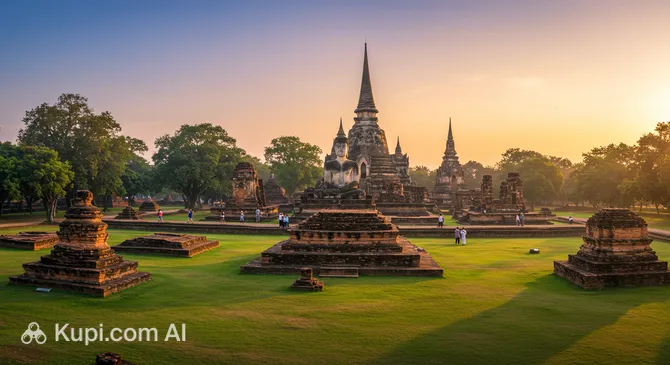
The rich history of Sukhothai is evident in every corner, most notably within the famous Sukhothai Historical Park. This UNESCO World Heritage site is the city's crown jewel, featuring the well-preserved ruins of royal palaces and Buddhist temples, such as the impressive Wat Mahathat with its iconic Buddha images. The park is spacious and scenic, encouraging visitors to rent bicycles and ride leisurely among the ancient chedis and lotus ponds.

Whether you are a history enthusiast or simply looking for a serene getaway, Sukhothai promises an unforgettable experience. The blend of spiritual heritage, architectural beauty, and warm local hospitality makes it a must-visit destination on any journey through the region.

Weather Overview

Sukhothai experiences a tropical climate with three distinct seasons, making it a year-round destination with varying atmospheres. The weather is generally warm, but the comfort level changes significantly depending on when you visit. For a comprehensive forecast and historical data to help plan your specific dates, you can view the detailed weather in Sukhothai guide.

The cool and dry season, spanning from November to February, is often considered the best time for exploration. During this period, rainfall is scarce, with months like December and January seeing almost 0 wet days. Temperatures are pleasant, with January averages hovering around 25.3°C and nighttime lows dipping to a refreshing 19.4°C, creating ideal conditions for walking through the historical parks.

From March to May, the heat rises sharply. April is typically the hottest month, with average temperatures reaching 32.4°C and daily maximums occasionally soaring to 37.9°C. Following the heat, the rainy season sets in from June through October. This period sees a dramatic increase in humidity and rainfall frequency; for instance, August can experience up to 26 wet days. Overall, expect sweltering heat in the spring, frequent showers during the lush green monsoon season, and mild, dry conditions in the winter months.

Interesting Facts

Beyond the majestic ruins and reflecting ponds, Sukhothai holds a treasure trove of cultural milestones and intriguing legends. This ancient capital is not just a collection of monuments, but the birthplace of traditions and artistic innovations that define modern Thailand.
  • The Birth of the Alphabet: King Ramkhamhaeng the Great is credited with inventing the Thai script in this very city around 1283. The famous Ramkhamhaeng Stele, discovered here, bears the earliest known inscription of the Thai language, marking a pivotal moment in the nation's literary history that unified the people.

  • The Legend of the Speaking Buddha: One of the most fascinating local stories surrounds the massive Buddha image, Phra Achana, at Wat Si Chum. Historical accounts suggest that during times of war, men would hide in a secret passageway within the thick walls behind the statue's head to address the troops, creating the illusion that the Buddha himself was offering words of encouragement.

  • A Unique Artistic Posture: Sukhothai artists were the first to depict the Buddha in a walking posture, known as "Leela." This fluid and graceful form was a significant departure from the static sitting or standing poses of the Khmer and Mon styles, and it is widely considered the crowning achievement of Thai religious art.

  • Ancient Hydraulic Mastery: The city was a marvel of early engineering, designed with an intricate system of reservoirs and canals called "Baray." These man-made waterworks were crucial for sustaining the population and rice paddies during the dry season, showcasing advanced urban planning skills long before the advent of modern technology.

How to Get There

Reaching this historical gem is a straightforward journey, with several options available depending on your starting point and preferred mode of travel. While the city maintains a tranquil atmosphere, it is well-connected to major hubs like Bangkok and Chiang Mai. For a detailed breakdown of routes and schedules, you can read more about how to get to Sukhothai to plan your trip effectively.

The most direct way to arrive is by flying into Sukhothai Airport (THS). Located approximately 25.5 km from the city center, this boutique airport offers a convenient entry point, though it serves a smaller volume of passengers. The transfer from the airport to the city typically takes around 60 minutes by local transport or taxi.

Alternatively, many travelers choose to fly into Phitsanulok Airport (PHS), which acts as a major regional gateway. Although the airport is situated in the city of Phitsanulok, about 54.9 km away, it handles significantly more traffic and often offers a wider range of flight schedules. From Phitsanulok, you can reach Sukhothai by bus or taxi, a journey that generally takes about 1 hour and 45 minutes.

For clarity, here is a summary of the main airports:

Airport Name City Passenger Traffic Km from City
Phitsanulok AirportPhitsanulokLarge54.9
Loei AirportLoeiMedium207.3
Lampang AirportLampangMedium143.2
Mae Sot AirportMae SotMedium140.7
Sukhothai AirportSukhothaiSmall25.5

Regarding rail travel, it is important to note that the city of Sukhothai does not have its own railway station. The closest rail hub is located in the neighboring city of Phitsanulok. Visitors often take a train from Bangkok or Chiang Mai to Phitsanulok station and then transfer to a local bus or minivan for the final leg of the trip to Sukhothai, which takes approximately one hour.

Main Attractions

Sukhothai is an open-air museum of Thai history, where centuries-old ruins sit amidst lush gardens and lotus ponds. While the entire Historical Park is a marvel, there are specific sites that stand out for their architectural grandeur and spiritual significance, along with unique local spots that offer a taste of the city's living culture.

Wat Mahathat is the most important and impressive temple in the Historical Park, serving as the spiritual center of the ancient kingdom. The vast complex is surrounded by a moat and brick walls, featuring a main lotus-bud chedi that represents the classic Sukhothai architectural style. Visitors are often struck by the serene smiling Buddhas and the rows of columns that once supported a grand vihara, offering a powerful connection to the city's golden past.

Located just outside the northern city walls, Wat Si Chum is famous for its massive seated Buddha image known as "Phra Achana," or "One Who Is Not Frightened." The statue is housed within a square mondop (building) with a narrow slit-like entrance, which historically allowed the Buddha to appear as if he were speaking to the worshippers below. The sheer scale of the statue, with its elegant tapered fingers often covered in gold leaf by devotees, makes it one of the most photographed sites in the region.

For a scenic change of pace, Wat Sa Si offers a picturesque setting on a small island in the middle of the Tra Kuan Pond. Accessible by a wooden bridge, this temple is known for its graceful Singhalese-style bell-shaped chedi and a beautiful walking Buddha image. The reflection of the ruins in the surrounding water, especially during sunset, creates a tranquil and romantic atmosphere that defines the charm of the old city.

Mai Klang Krung. Source: Kupi.Binoculars

After exploring the ancient ruins, a visit to Mai Klang Krung is highly recommended to experience the local culinary heritage. This renowned establishment is not just a restaurant but a cultural attraction in its own right, famous for serving authentic Sukhothai-style noodles in a beautifully decorated setting filled with antiques and traditional crafts. It provides a perfect opportunity to relax and enjoy the distinct flavors of the province in an atmosphere that complements the historical vibe of the city.

Local Cuisine

The culinary landscape of Sukhothai is a delightful reflection of its history, offering flavors that are distinct from the rest of Thailand. The local cuisine is characterized by its simplicity and the use of fresh, local ingredients, often leaning towards a harmonious blend of sweet, sour, and spicy tastes. For food lovers, the city provides an authentic gastronomic journey that ranges from humble street stalls to charming traditional eateries.

The absolute must-try dish here is the famous Sukhothai Noodles, or Kuay Tiew Sukhothai. Unlike standard noodles found elsewhere, this regional variation is renowned for its specific combination of ingredients. A typical bowl features thin rice noodles served in a broth (or dry) seasoned with palm sugar, lime juice, and fish sauce. What truly sets it apart is the generous topping of sliced string beans, ground pork, barbecue red pork, and crushed peanuts, creating a unique texture and a flavor profile that is slightly sweeter and nuttier than its Bangkok counterparts.

For those eager to sample this signature dish in a setting that matches the city's heritage, Mai Klang Krung is a standout choice. While the city has many vendors, this establishment is celebrated for preserving the traditional preparation methods, ensuring that every bowl of noodles delivers the authentic taste of the province.

To quench your thirst in the tropical heat, locals often turn to refreshing herbal drinks. You will frequently find vendors selling iced infusions made from roselle (nam krajeab), lemongrass, or bael fruit. These non-alcoholic beverages are not only cooling but also not overly sweet, making them perfect companions to the savory local dishes. For something stronger, local beers like Chang or Singha are widely available and commonly enjoyed with dinner.

The food culture in Sukhothai is best experienced at the local markets, particularly the Walking Street Market held on weekends near the historical park. Here, the atmosphere comes alive with rows of vendors grilling skewers, steaming dumplings, and serving traditional snacks like Khanom Krok (coconut rice pancakes) on banana leaves. It is a communal affair where tourists and locals alike sit on small stools or mats, enjoying affordable and delicious meals under the stars.

Travel Tips

Preparing for a trip to Sukhothai is straightforward, as the city is laid-back and welcoming to international visitors. However, keeping a few practical insights in mind will ensure your journey through this ancient capital is as smooth, respectful, and enjoyable as possible.

  1. Clothing and Gear: Given the tropical climate, light and breathable fabrics like cotton or linen are essential to stay cool. However, since the primary attractions are sacred ruins and active temples, you must dress modestly; ensure your shoulders and knees are covered at all times within temple grounds. Comfortable slip-on shoes are highly recommended, as you will need to remove them frequently before entering temple buildings.

  2. Transportation: The city is divided into "New Sukhothai" (where most hotels are) and "Old Sukhothai" (the Historical Park), located about 12 kilometers apart. The most convenient way to travel between them is by Songthaew (a shared pick-up truck taxi) which runs frequently. Once inside the Historical Park, renting a bicycle is the best way to explore the expansive grounds at your own pace.

  3. Finances: The currency used is the Thai Baht (THB). While major hotels and some restaurants in the new city accept credit cards, cash is absolute king for street food, local markets, and entrance fees. ATMs are plentiful in New Sukhothai and near the park entrance, but it is wise to carry small bills for songthaews and snacks.

  4. Health and Safety: Sukhothai is generally a safe destination for tourists. Pharmacies are easy to find in the new city, though they may not be open 24/7. The sun can be intense, so high-SPF sunscreen and a hat are necessary. Additionally, bring effective mosquito repellent, especially if you plan to visit the ruins during sunrise or sunset when mosquitoes are most active.

  5. Communication: The main language is Thai. While English is spoken by hotel staff and at major tourist sites, it is less common in local markets or with older residents. A translation app can be very helpful. You can easily buy a local SIM card with data packages at convenience stores like 7-Eleven to stay connected.

  6. Local Etiquette: The traditional Thai greeting is the Wai (pressing palms together at chest level), and it is polite to return it if offered. Always remove your shoes before entering a private home or a temple hall. Public displays of affection are generally frowned upon, and keeping a calm, smiling demeanor is the key to positive interactions.

  7. What to Avoid: Never point your feet at a Buddha statue, a monk, or another person, as the feet are considered the lowest and dirtiest part of the body in Thai culture. Furthermore, strictly avoid climbing on the ancient statues or ruins to pose for photos; this is viewed as highly disrespectful and can result in fines.

  8. Timing Your Visit: To experience the Historical Park at its most magical, try to arrive right when the gates open at 6:00 AM. Not only will you beat the sweltering midday heat and the tour bus crowds, but the soft morning light illuminating the ancient chedis creates an unforgettable atmosphere for photography.

With these tips in hand, you are ready to explore the "Dawn of Happiness" with confidence and ease. Embrace the slower pace of local life, respect the deep spiritual heritage of the area, and Sukhothai will reward you with a truly enriching travel experience.

Entertainment & Nightlife

Entertainment in Sukhothai reflects the city's overall character: laid-back, culturally rich, and intimate. Unlike the high-energy party scenes found in Bangkok or the southern islands, the nightlife here is subdued and centers around relaxation and socializing. The evening atmosphere is perfect for travelers looking to unwind after a day of cycling through ruins, swapping stories with fellow explorers, or enjoying live music in a cozy setting.

The nightlife geography is distinctively split between two main areas. New Sukhothai is where the pulse of the evening beats the strongest, housing the majority of bars, restaurants, and the daily night market. In contrast, Old Sukhothai (near the Historical Park) is generally very quiet after sunset, except for specific weekend events. Most travelers stay in the New City for access to evening amenities and take transport to the Old City for sightseeing.

For a classic backpacker vibe mixed with local flair, the area around Nikhon Kasem Road and the riverside in New Sukhothai is the place to be. Here you will find Chopper Bar, a long-standing favorite among international visitors. It is renowned for its lively atmosphere, affordable beer, and live bands that regularly play classic rock and Thai pop covers. Another popular spot is Fong Bar, which tends to attract a hip local crowd and offers a more modern setting for cocktails and conversation.

A quintessential part of the evening entertainment is the Sukhothai Night Market located near the bridge in the New City. Open nightly, it is a sensory delight where you can browse cheap clothing, grab a cold drink, and sample an array of street food. If you are lucky enough to visit on a Saturday, the Walking Street in the Old City is a must-visit. The road is closed to traffic, lanterns are lit, and the backdrop of the ancient temple Wat Sa Si creates a magical atmosphere for shopping and snacking.

Practical Advice for the Night: Most bars and venues close around midnight or 1:00 AM. The dress code is universally casual; shorts and t-shirts are acceptable everywhere. Prices are significantly lower than in tourist hotspots. However, public transport like the shared songthaews stops running around 6:00 PM. If you are staying in the Old City and partying in the New City (or vice versa), you will need to arrange a tuk-tuk or a motorbike taxi for your return. Always agree on the fare before hopping in.

Safety: Sukhothai is very safe for night walks, especially in the illuminated market areas. The main concern is not crime, but rather the dimly lit roads connecting the Old and New cities. It is not advisable to walk or cycle the 12 kilometers between them at night due to traffic and stray dogs. Rely on hired transport for inter-city travel after dark.

While the nights are calm, daytime entertainment offers a deeper dive into the region's heritage. Beyond the famous ruins, the Ramkhamhaeng National Museum is a treasure trove of artifacts that provides context to the history you see outside. For a change of pace, the Sangkhalok Museum showcases the famous ancient ceramic wares produced in the kingdom. There are no large amusement parks or malls here; instead, entertainment is found in the simple joy of exploring rural trails and engaging with the local culture.

Parks & Museums

While the ancient ruins are the primary draw, Sukhothai offers a surprising abundance of lush green spaces and well-curated museums that provide depth to the visual splendor of the temples. The city's layout integrates history with nature, allowing visitors to explore cultural heritage within serene, park-like environments that are perfect for leisurely exploration.

Sukhothai Historical Park is not just an archaeological site but a beautifully landscaped garden that serves as the city's main green lung. Spanning roughly 70 square kilometers, the park is divided into zones filled with lotus-covered ponds, ancient trees, and manicured lawns. It is a haven for photographers and nature lovers, offering a tranquil setting where you can cycle along paved paths shaded by expansive rain trees. The interplay of water and stone here creates a reflective atmosphere that softens the grandeur of the monuments.

For those seeking a rugged natural escape, Ramkhamhaeng National Park (often called Khao Luang) offers a dramatic change of pace. Located about 30 kilometers south of the city, this park is dominated by a mountain range that reaches over 1,200 meters in height. It is a favorite among hikers who tackle the steep trail to the summit for panoramic views of the province. The park features lush rainforests, waterfalls, and a cooler climate, making it an excellent spot for camping and observing local wildlife in their natural habitat.

To truly understand the artifacts found amongst the ruins, a visit to the Ramkhamhaeng National Museum is essential. Located right at the entrance of the central historical zone, this museum houses the majority of the portable art and antiques discovered in Sukhothai and nearby historic towns. Highlights include the famous Ramkhamhaeng Inscription (a replica, as the original is in Bangkok), exquisite bronze Buddha images, and detailed stucco reliefs. It provides the necessary context to appreciate the artistic evolution of the Sukhothai Kingdom.

Another cultural gem is the Sangkhalok Museum, which is dedicated to the ancient ceramic industry that once thrived here. Sukhothai was a major producer of celadon ware, exported as far as Japan and Indonesia. This private museum displays an impressive collection of these ceramics, including intact pieces and kiln wasters that show the production process. It offers a fascinating look at the economic history of the region and the craftsmanship that made "Sangkhalok ware" famous across Asia.

Among the historical sites that blend architecture with nature, Wat Saphan Hin stands out. Situated on a hill in the western zone, its name translates to "Stone Bridge Monastery" due to the slate pathway leading up to it. The climb is rewarded with a towering standing Buddha image, Phra Attharot, looking out over the valley. It is a spiritual site that offers one of the best vantage points for seeing the sunrise over the historical park.

For a unique insider experience, look for the Ban Phra Phim learning center in the nearby community. It is a small, local museum and workshop where you can learn about the ancient art of making Buddhist votive tablets. Visitors can often try their hand at pressing clay into molds, offering a tactile connection to a tradition that has been passed down for centuries, far removed from the typical tourist trail.

Getting Around

Navigating Sukhothai is refreshingly simple compared to the complex transit networks of larger metropolises. The city does not have a metro, subway, or large public bus system. Instead, public transportation relies primarily on Songthaews (converted pick-up trucks with two rows of bench seats in the back) and motorized three-wheelers known as Tuk-tuks. This straightforward system is easy to use and perfectly suited to the city's modest size and laid-back atmosphere.

The most important transport link for tourists is the songthaew route connecting New Sukhothai (where most accommodation and the bus terminal are located) with Old Sukhothai (the site of the Historical Park). These vehicles are typically blue or purple and are easily recognizable. They operate like a shared bus service, picking up and dropping off passengers along the main road (Charodvithong Road) that runs between the two zones. The journey covers about 12 kilometers and usually takes 20 to 30 minutes.

The payment system is strictly cash-based; there are no travel cards, apps, or digital passes for local transport here. Fares are very affordable and fixed for the main route between the New and Old cities, typically costing around 30 to 40 THB per person. You generally pay the driver or a conductor after you have reached your destination and exited the vehicle. It is essential to carry small bills and coins, as drivers often do not have change for large denominations.

For more direct or private travel, Tuk-tuks are widely available throughout the city. Unlike songthaews, they do not have fixed routes or fixed prices. You must negotiate the fare with the driver before you get in. A short trip within the New City might cost 50–60 THB, while a private hire to the Historical Park or the airport will cost significantly more. Motorbike taxis are another option for solo travelers looking for a quick ride; look for drivers wearing orange vests at street corners.

A popular alternative for exploring, particularly within the Historical Park, is renting a bicycle. Rental shops are abundant near the park entrance and many guesthouses offer them to guests for a small daily fee. Given the flat terrain and scenic routes, cycling is arguably the best way to see the ruins. For those wanting to explore further afield, such as the distant forest temples or the national park, renting a motorbike in the New City provides the freedom to travel at your own pace.

A special feature worth noting is the electric tram service located exclusively inside the Sukhothai Historical Park. While not a public city transit option, it is a convenient way for visitors who prefer not to walk or cycle to tour the vast temple complex. These open-air trams run on a loop past the major monuments, offering a comfortable and eco-friendly way to see the sights while listening to a guided commentary.

Tourists should be aware of the operating hours for public transport. The shared songthaews between the two cities generally run from 6:00 AM to 5:30 PM. After sunset, public options disappear, and you will need to rely on hiring a private tuk-tuk or arranging a transfer with your hotel. If you plan to stay at the Historical Park for the sunset or the Saturday Walking Street market, be sure to arrange your return transport in advance to avoid being stranded.

Accommodation

Finding a place to stay in Sukhothai is generally a stress-free experience, with options that cater to a wide variety of travel styles and budgets. The accommodation landscape ranges from simple, family-run guesthouses and backpacker hostels to charming boutique resorts that reflect the traditional architectural style of the region. Unlike the high-rise luxury hotels found in Bangkok, properties here tend to be low-rise, intimate, and often set amidst tropical gardens, offering a peaceful retreat after a day of exploration.

The most important decision for visitors is choosing between the two distinct zones: New Sukhothai and Old Sukhothai. New Sukhothai is the modern administrative center where the main bus terminal is located. It is the best choice for travelers seeking convenience, as it is packed with night markets, restaurants, and affordable guesthouses. Staying here puts you close to the evening street food scene and transport links to other provinces, though you will need to take a 20-minute shuttle ride to reach the historical sites.

On the other hand, Old Sukhothai is situated right next to the Historical Park. This area is ideal for history enthusiasts who want to wake up within walking distance of the ruins. The accommodation here tends to be slightly more upscale, featuring resort-style bungalows and boutique hotels that offer a quiet, atmospheric stay. It is particularly perfect for those wishing to cycle into the park at sunrise or enjoy the illuminated temples in the evening without worrying about transport back to the new city.

In terms of pricing, Sukhothai is known for being very affordable compared to southern Thai islands or the capital. Budget travelers can find comfortable rooms for a fraction of the cost expected elsewhere, while mid-range options often include swimming pools and breakfast for a very reasonable rate. Booking is typically done through major online platforms, though many smaller guesthouses also accept walk-ins during the low season.

Booking Tip: While finding a room is usually easy, it is highly recommended to book well in advance if you plan to visit during Loi Krathong (usually in November). Sukhothai is the spiritual home of this famous festival, and the city fills up quickly with visitors eager to see the spectacular light and sound shows at the Historical Park.

Nearby Cities

For those looking to explore the surroundings, Sukhothai serves as an excellent base for day trips to several interesting nearby locations:
City Population Distance (km)
Phitsanulok 70,871 51
Uttaradit 33,930 75
Kamphaeng Phet 29,178 65
Tak 17,565 87
Sawankhalok 17,148 31

Located just a short drive to the north, Sawankhalok is an essential stop for history lovers. It acts as the gateway to the Si Satchanalai Historical Park, which is often considered the sister city to Sukhothai. The ruins here are nestled in a more forested and hilly environment, offering a rugged charm distinct from the manicured lawns of Sukhothai. The area is also historically significant for its ancient kilns, which produced the famous Sangkhalok ceramic ware that was exported across Asia.

To the east lies Phitsanulok, a major provincial capital that offers a livelier urban experience. It is most famous for Wat Phra Si Rattana Mahathat, a temple that houses the Phra Buddha Chinnarat. This golden statue is widely regarded as one of the most beautiful and revered Buddha images in all of Thailand. Beyond the temple, visitors can enjoy a walk along the Nan River, where traditional houseboats and vibrant night markets showcase the local lifestyle.

Heading south, Kamphaeng Phet offers another layer of the region's UNESCO World Heritage history. Historically serving as a military outpost to protect the capital, its name translates to "Wall of Diamonds," signifying its strength. The Historical Park here is known for its impressive use of laterite stone and its "Forest Temple" zone. It is typically much quieter than Sukhothai, allowing for a peaceful exploration of its massive reclining Buddha and ancient fortifications.

These nearby destinations offer a glimpse into the diverse culture and landscapes of the region.

Shopping & Souvenirs

Shopping in Sukhothai offers a delightful contrast to the mega-malls of Bangkok. Instead of high-end fashion brands and sprawling department stores, the city specializes in rich cultural heritage and traditional craftsmanship. Visitors will find a treasure trove of locally made products, ranging from exquisite fabrics to intricate pottery, making it an excellent destination for those seeking authentic Thai souvenirs that carry a piece of history.

The main shopping activity is split between the two city zones. In New Sukhothai, the area around Charodvithong Road and the municipal market serves as the commercial heart, lined with small shophouses selling clothing, gold, and general goods. In Old Sukhothai, the shopping scene is concentrated near the entrance of the Historical Park. Here, rows of stalls cater specifically to tourists, offering T-shirts, handicrafts, and local snacks, allowing you to browse for gifts immediately after exploring the ruins.

For those looking for a modern retail experience, options are limited as Sukhothai does not have large luxury shopping complexes. The most prominent "mall" is the Big C Supercenter located in New Sukhothai. While primarily a hypermarket for groceries and daily essentials, it houses a small selection of restaurants, banks, and clothing outlets, providing a cool air-conditioned break and a place to stock up on travel necessities.

The true charm of shopping here lies in the local markets. The Sukhothai Night Market in the new city is a vibrant spot to visit every evening. Located near the Yom River, it is a bustling mix of food stalls and vendors selling inexpensive clothes and accessories. For a more atmospheric experience, the Saturday Walking Street in Old Sukhothai is unmissable. As the sun sets, the road near the historical park fills with lanterns, live folk music, and artisans selling handmade crafts, creating a magical setting for evening browsing.

When it comes to souvenirs, Sukhothai is famous for three distinct items. First is Sangkhalok ceramic ware, a revival of the ancient pottery style produced during the Sukhothai Kingdom; you can find beautiful bowls and figurines featuring the classic celadon green glaze. Second is the renowned Sukhothai gold, known for its high purity (99.99%) and intricate designs that mimic ancient patterns, often woven entirely by hand. Finally, look for Teen Jok fabric, a traditional hand-woven textile with colorful, detailed hem patterns that is unique to this region. Visitors can also find excellent examples of these local crafts at Mai Klang Krung, which doubles as a shop for antiques and woven goods.

Most small shops and market stalls operate from around 09:00 AM to 08:00 PM, though the night markets kick off at sunset and run until late. Cash is the preferred method of payment almost everywhere, especially in markets and smaller souvenir stands. Credit cards are generally accepted only at hotels, the Big C Supercenter, and established gold shops.

Regarding tax refunds, the VAT Refund for Tourists scheme is available in Thailand, but it is less commonly found in the small, independent shops of Sukhothai compared to major tourist hubs. If you make significant purchases at larger establishments like Big C, look for the "VAT Refund" sign and ask for the necessary P.P.10 form to claim your refund at the airport upon departure.
Reached the end of the page?

That means the route is fully explored