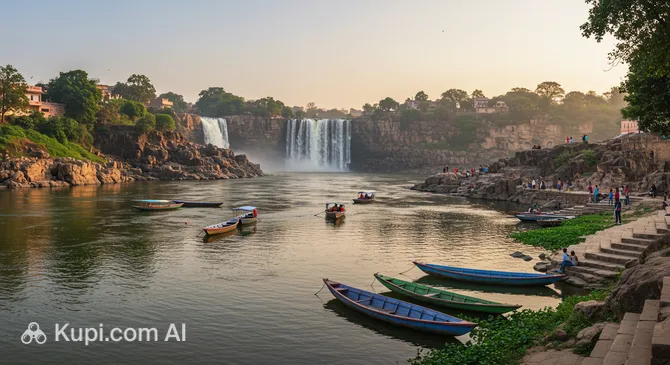
Jabalpur is one of the most prominent cities in the state of Madhya Pradesh, often celebrated as a cultural and industrial hub. Nestled on the rocky banks of the holy Narmada River, this city offers a fascinating blend of natural beauty and urban energy, making it a significant destination in the region.
Geographically located in central India, Jabalpur is surrounded by low hills and unique granite rock formations. The city is home to a bustling population of over 1.2 million residents and serves as a vital administrative center. Its strategic location makes it an excellent gateway to the famous tiger reserves of the state, such as Kanha and Bandhavgarh.
Jabalpur. Illustration.
Source: Kupi.com AI
The history of Jabalpur is deeply rooted in the past, with influences from the Kalachuri and Gond dynasties shaping its character over the centuries. Visitors can still feel the echoes of this heritage while exploring the city's ancient sites, colonial architecture, and enduring local traditions.
Among its most famous attractions are the breathtaking Marble Rocks at Bhedaghat, where the river flows through a gorge of gleaming magnesium limestone, creating a stunning visual effect. Nearby, the powerful Dhuandhar Falls creates a misty spectacle that mesmerizes visitors. For a touch of the past, the Madan Mahal Fort stands proudly on a hill, offering sweeping views of the landscape and the city below.
With its unique geological features and rich cultural tapestry, Jabalpur invites you to discover the heart of the country. It is an ideal stop for those seeking both scenic tranquility and historical exploration, promising a memorable experience for every traveler.
Weather Overview
The climate in this region involves distinct seasonal changes that travelers should be aware of when planning their visit. To help you pack appropriately, you can consult the detailed guide to the weather in Jabalpur. Generally, the city experiences a subtropical pattern with significant variations between the hot, wet, and cool periods of the year.
Summers can be quite intense, particularly in May, when the average temperature hits 33.1°C and daily maximums often reach nearly 40°C. This heat is followed by the monsoon season, which typically begins in June and lasts through September. During this time, rainfall becomes very frequent, with July and August seeing precipitation on as many as 26 days each month, bringing a humid atmosphere to the city.
Winters offer a much cooler and drier alternative, making it a popular time for sightseeing. January is usually the coldest month, with average temperatures dropping to 17.8°C and minimums around 11.4°C. Overall, expect hot summers, a persistent rainy season, and cool, pleasant winters with clear skies.
Average monthly temperature
Average monthly precipitation
Interesting Facts
Beyond the main attractions, Jabalpur holds many fascinating secrets that surprise even seasoned travelers. From being the birthplace of a global sport to housing geological wonders that defy gravity, the city has a unique story to tell.
Birthplace of Snooker: It is a little-known fact that the popular game of Snooker was invented right here in 1875. British Army officer Sir Neville Chamberlain conceived the game at the Officers' Mess in the city by adding colored balls to the existing game of Black Pool, forever changing the world of cue sports.
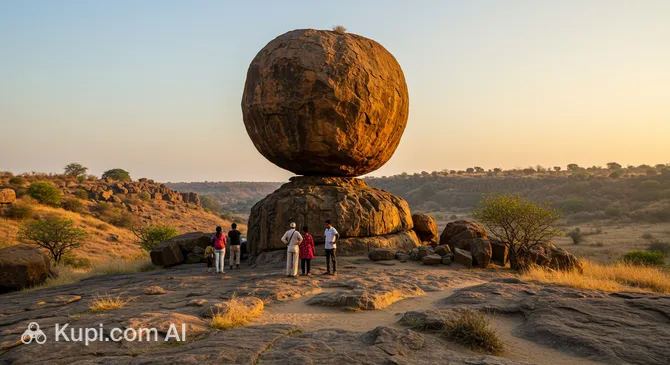
Gravity-Defying Wonder: The Balancing Rock is a geological phenomenon where a massive stone rests precariously on a tiny base. Remarkably, this formation survived a powerful earthquake in 1997 (magnitude 6.5) without shifting an inch, baffling geologists and locals alike.
The Cultural Capital: The city is affectionately known as "Sanskaardhani," or the Cultural Capital of Madhya Pradesh. This title was bestowed by the spiritual leader Acharya Vinoba Bhave, who was impressed by the city's rich intellectual heritage and harmonious social fabric.
A Queen's Legacy: The region is steeped in the history of the brave Gond Queen, Rani Durgavati, who died defending her territory against the Mughal army. Her legacy is immortalized at the Rani Durgavati Fort (Madan Mahal), which stands atop a hill offering panoramic views of the city.
Balancing Rock. Illustration.
Source: Kupi.com AI
Traveler photos:
How to Get There
Reaching this central Indian city is relatively straightforward thanks to its strategic location and good connectivity. Whether you prefer air travel or a scenic train journey, there are several options available. For a detailed overview of all routes and transportation modes, you can read more about how to get to Jabalpur to plan your trip effectively.
The most convenient way to arrive is by flying directly into Jabalpur Airport (IATA: JLR), also known as Dumna Airport. It is located approximately 12 km from the city center, which typically takes about 40 minutes by taxi. While it is a domestic airport with moderate traffic, it offers vital connections to major Indian cities.
If you are looking for more extensive flight options or international connections, you might consider flying into Dr. Babasaheb Ambedkar International Airport (IATA: NAG) in the city of Nagpur, situated roughly 247 km from Jabalpur. The journey from Nagpur by road takes about 6.5 hours. Another viable option is Raja Bhoj Airport (IATA: BHO) in Bhopal, located approximately 266 km away, which requires a drive of around 7 hours to reach Jabalpur.
For clarity, here is a summary of the main airports:
In addition to air travel, Jabalpur is a major railway hub in India, serving as the headquarters for the West Central Railway zone. The city is well-connected by an extensive rail network to major metropolitan areas like Mumbai, Delhi, Kolkata, and Chennai. Trains are a very popular and often scenic way to reach the city, offering a comfortable alternative to road travel for those arriving from distant parts of the country.
Main Attractions
Jabalpur is a city where history and spirituality converge, offering travelers a diverse range of sites to explore. From ancient fortifications perched on rocky hills to serene temples and museums preserving the region's rich heritage, the local attractions provide a deep dive into the cultural fabric of Madhya Pradesh.
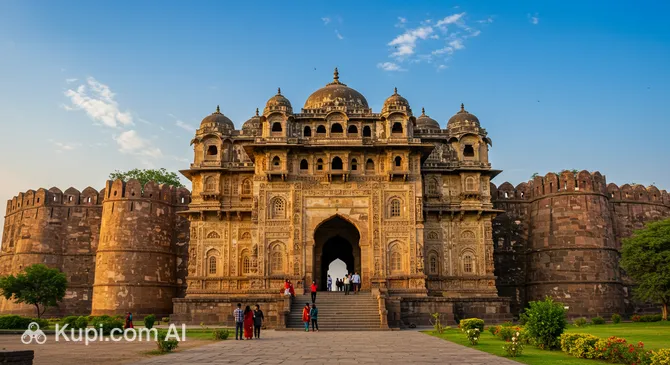
One of the most significant historical landmarks is the Rani Durgavati Fort, also widely known as the Madan Mahal Fort. Built in the 11th century by the Gond rulers, this military outpost stands atop a granite hill, offering commanding views of the city and the surrounding countryside. Visitors are often drawn here not just for the ancient architecture, but for the panoramic vistas that make it a perfect spot for photography and sunset viewing.
Rani Durgavati Fort. Illustration.
Source: Kupi.com AI
Traveler photos:
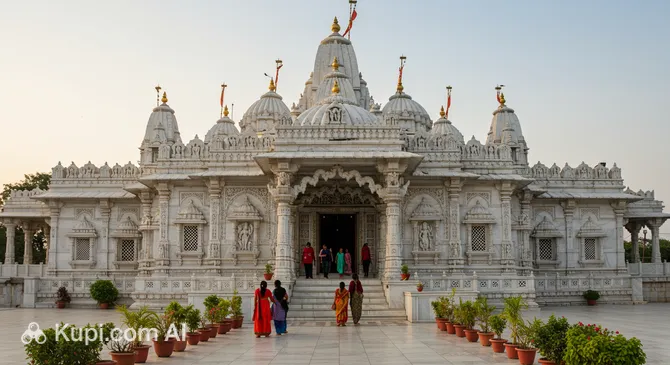
For those seeking spiritual solace and architectural grandeur, the Kachnar City Shiva Temple is a must-visit destination. The complex is famous for its colossal 76-foot tall statue of Lord Shiva, which sits majestically under the open sky. The temple grounds also feature beautifully crafted replicas of the 12 Jyotirlingas, making it a comprehensive pilgrimage site that attracts devotees and tourists alike.
Kachnar City Shiva Temple. Illustration.
Source: Kupi.com AI
Traveler photos:
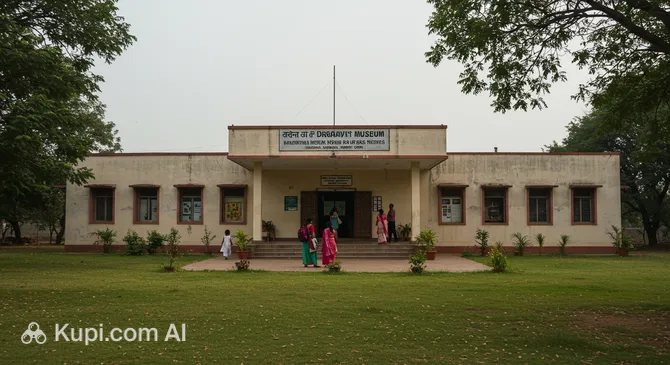
History enthusiasts will appreciate a visit to the Rani Durgavati Museum. Dedicated to the memory of the brave Queen Durgavati, this museum houses an impressive collection of sculptures, inscriptions, and prehistoric relics. It serves as a treasure trove of knowledge, showcasing artifacts that trace the region's history from ancient times through the Gond dynasty, offering a fascinating educational experience.
Another unique site is Pisanhari Ki Madiya, a revered Jain pilgrimage center located on a hill. The temple holds a touching backstory, as it is believed to have been built with the hard-earned savings of a poor woman who ground flour for a living. The complex is known for its peaceful atmosphere and provides a sweeping view of the city, making it a serene retreat from the urban bustle.
Local Cuisine
The culinary landscape of Jabalpur is a vibrant reflection of the Mahakoshal region, characterized by robust flavors, generous use of spices, and a deep-rooted love for sweets. The city is particularly famous for its thriving street food culture, where the aroma of freshly fried snacks fills the air from early morning until late at night. Food here is not just sustenance; it is a social activity that brings people together at bustling chowks and marketplaces.
A day in Jabalpur typically begins with a plate of Poha and Jalebi. Poha, flattened rice cooked with onions, mustard seeds, and turmeric, is a staple across Madhya Pradesh, often topped with crunchy sev and a squeeze of lemon. However, the true culinary gem of the city is Khoye ki Jalebi. Unlike the common flour-based version found elsewhere, this local specialty is made from condensed milk (khoya), resulting in a thicker, darker, and richer treat that melts in the mouth. It is a signature dish that every visitor must try.
As the day progresses, the streets come alive with vendors selling savory snacks. Aloo Banda (spiced potato dumplings battered and fried) and Mangoda (crispy moong dal fritters) are incredibly popular, usually served with spicy green chutney. Another favorite is the local variant of Chaat, particularly Gatpat, which offers a perfect balance of tangy, spicy, and sweet flavors. For a hearty traditional meal, you might look for Dal Bafla, a regional dish consisting of baked wheat balls served with spicy lentils and plenty of ghee.
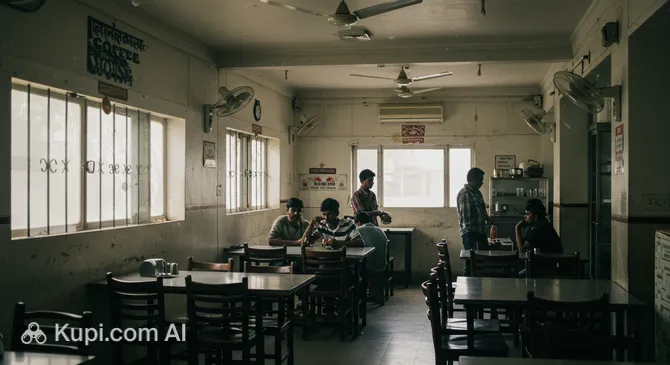
For a more relaxed dining experience, the city offers a mix of traditional eateries and modern cafes. A legendary institution in the city is the Indian Coffee House. With its old-world charm and waiters in traditional uniforms, it is a favorite meeting spot for locals to discuss daily life over a cup of hot coffee and South Indian snacks like dosas and idlis. It represents the nostalgic and intellectual side of Jabalpur's food scene.
Indian Coffee House. Illustration.
Source: Kupi.com AI
Traveler photos:
When it comes to beverages, a tall glass of thick, creamy Lassi is the perfect way to cool down during the hot summers. Sugarcane juice stalls are also ubiquitous, offering a fresh energy boost. For those looking to unwind in the evening with refreshing cocktails or spirits, the city has a growing number of lounges. Places like Smoky Brew and White Rose Restobar offer a contemporary atmosphere where travelers can enjoy music, global cuisine, and a wide selection of drinks.
Travel Tips
Welcome to the "Cultural Capital" of Madhya Pradesh! To ensure your journey through the stunning marble canyons and bustling historic streets of Jabalpur is as smooth and enjoyable as possible, we have compiled a set of essential practical tips.
Clothing and Gear: The choice of wardrobe depends heavily on when you visit. For the scorching summers, pack loose, breathable cotton clothing and a hat to protect against the sun. If you are visiting in winter (November to February), bring light woolens or a jacket, as evenings can get quite chilly. Since Jabalpur is a hub for religious tourism, always dress modestly when visiting temples; shoulders and knees should be covered. Comfortable walking shoes are a must, especially for climbing the steps at the Madan Mahal Fort or navigating the rocky terrain at Bhedaghat.
Transportation: The most common way to get around the city is by auto-rickshaw. You will see both the smaller three-wheelers and larger shared tempos (often called "Vikrams"). Ride-hailing apps like Ola and Uber operate in the city, offering a convenient alternative, though availability can vary in outer areas. For excursions to Bhedaghat or the Dhuandhar Falls, it is highly recommended to hire a private taxi or a car with a driver for the day, as this provides the flexibility to explore at your own pace.
Finances: The local currency is the Indian Rupee (INR). While hotels, malls, and upscale restaurants accept credit and debit cards, cash is still king in Jabalpur. You will definitely need small bills for paying auto-rickshaw drivers, buying entry tickets at some monuments, and enjoying the famous street food like Khoye ki Jalebi. ATMs are widely available across the city. A tip of about 10% is standard in restaurants, and rounding up the fare is appreciated by drivers.
Health and Safety: Jabalpur is generally a safe city for tourists, but standard precautions apply. Stick to bottled or filtered water and avoid consuming cut fruits or raw salads from street vendors to prevent stomach issues. Pharmacies (often labeled as "Medical Stores") are easy to find, and many near major hospitals operate 24/7. In case of emergency, dial 100 for police or 108 for an ambulance.
Communication: The primary language spoken is Hindi. While hotel staff and tour guides usually speak English, it may not be widely understood by local shopkeepers or auto drivers. Learning a few basic phrases like "Kitna?" (How much?) or "Roko" (Stop) can be very helpful. It is advisable to purchase a local SIM card (Airtel or Jio are reliable networks) at the airport or an official store, as you will need your passport and visa for activation.
Local Etiquette: The traditional greeting is "Namaste" with palms pressed together, which is respectful and widely appreciated. Always remove your shoes before entering a temple, a mosque, or a local home. When eating with your hands or handing money to someone, use your right hand, as the left is considered unclean in traditional contexts. Public displays of affection are generally frowned upon and should be avoided.
What to Avoid: Do not venture into the Narmada River for a swim at unauthorized spots, especially near the Dhuandhar Falls or Marble Rocks, as the currents can be deceptively strong and dangerous. Stick to the designated bathing ghats where safety measures are in place.
Local Insight: If your travel dates are flexible, try to plan your visit to the Marble Rocks around the Full Moon (Purnima). The boating experience through the gorge under the moonlight is magical and is considered one of the best travel experiences in central India. However, remember that boating is usually suspended during the monsoon season (July to September) for safety reasons.
By keeping these practical points in mind, you can focus on soaking in the spiritual aura and natural grandeur of this unique city. Jabalpur is known for its warm hospitality, so don't hesitate to ask locals for help—they are often eager to share the stories of their beloved hometown.
Entertainment & Nightlife
While Jabalpur is traditionally celebrated for its marble rocks and historical forts, the city's nightlife scene has evolved significantly in recent years. It offers a relaxed yet vibrant evening atmosphere that provides a welcome contrast to the daytime hustle. The nightlife here is not about sprawling nightclubs but rather sophisticated lounge bars, restobars, and lively dining venues where travelers can unwind with good music and conversation.
The epicenter of evening entertainment is largely concentrated in the upscale neighborhoods of Napier Town and Civil Lines. These districts are safe, well-lit, and home to the city's most trendy establishments. The crowd is typically a mix of young professionals, university students, and tourists, creating a friendly and cosmopolitan vibe. Most venues operate until around 11:00 PM or midnight, so it is best to start your evening early to make the most of it.
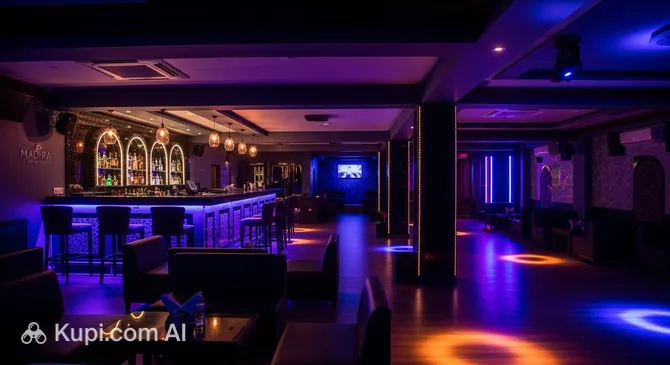
For those looking to enjoy a spirited evening with a modern ambiance, Madira Bar and Lounge is a popular destination. It is known for its energetic atmosphere, extensive drink menu, and upbeat music, making it a go-to spot for those wanting to experience the pulse of the city's social scene.
Madira Bar and Lounge. Illustration.
Source: Kupi.com AI
Traveler photos:
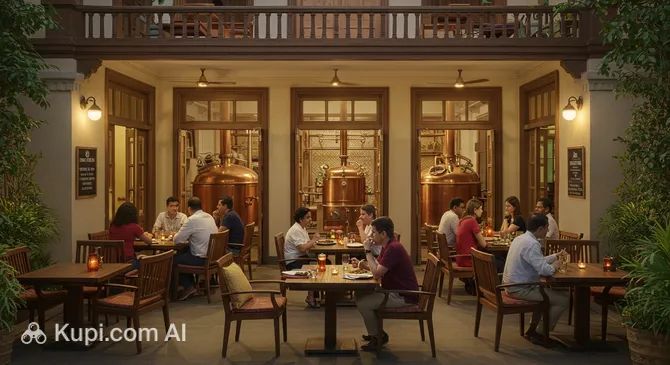
If you prefer an open-air setting that combines great food with a laid-back drinking experience, Verandah Brew House Kitchen is an excellent choice. The venue offers a rustic yet chic environment, perfect for enjoying the cool evening breeze while sampling a variety of cuisines and beverages. It is particularly lively on weekends when locals gather for long dinners.
Verandah Brew House Kitchen. Illustration.
Source: Kupi.com AI
Traveler photos:
A mention of the city's social life would be incomplete without the historic Nerbudda Club. Established during the British era, this club retains an old-world charm and serves as a prestigious gathering spot for the city's elite. While it is primarily a members-only club, it remains a significant landmark in Jabalpur's cultural landscape.
When heading out at night, safety is generally not a major concern in these busy districts, but standard precautions apply. It is advisable to use app-based taxi services like Ola or Uber for transportation, as they are reliable and trackable. The dress code across most bars and lounges is smart casual; flip-flops and shorts are often discouraged in the more upscale venues.
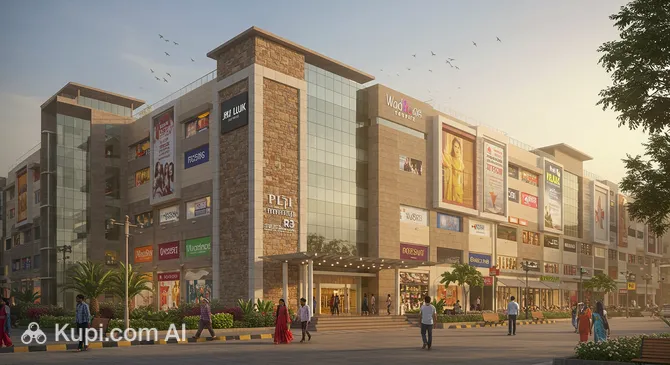
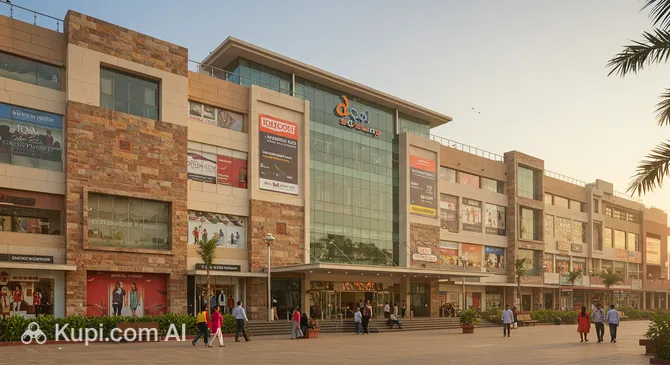
Beyond the nightlife, Jabalpur offers plenty of daytime entertainment options. Shopaholics and movie buffs often head to the South Avenue Mall, which houses a multiplex cinema, food court, and various international brands. For those seeking a quieter escape within the city limits, Tagore Garden provides a beautifully landscaped space for leisurely walks and family picnics.
South Avenue Mall. Illustration.
Source: Kupi.com AI
Traveler photos:
Parks & Museums
Jabalpur is a city that balances its urban energy with serene green spaces and a deep respect for its heritage. Beyond the famous marble rocks, the city invites travelers to explore its well-maintained gardens and insightful museums, which serve as windows into the region's rich history and natural beauty.
For those seeking a breath of fresh air, Tagore Garden is a delightful escape located in the heart of the city. This sprawling park is beautifully landscaped with lush lawns, flowering plants, and paved walkways, making it a favorite spot for morning joggers and families looking for a picnic spot. Its peaceful ambiance offers a quiet retreat from the city's bustling streets, allowing visitors to relax amidst nature.
Tagore Garden. Illustration.
Source: Kupi.com AI
Traveler photos:
Nature enthusiasts should also consider a visit to the Dumna Nature Reserve, located near the airport. While it is an eco-tourism site rather than a manicured garden, it is one of the best places to witness the local flora and fauna. Visitors here often spot spotted deer, wild boars, and a variety of bird species in their natural habitat, all centered around the scenic Khandari Dam.
To delve into the cultural legacy of the region, a visit to the Rani Durgavati Museum is essential. Named after the legendary Gond queen, this museum houses a remarkable collection of ancient sculptures, inscriptions, and prehistoric relics. The galleries display exquisite sandstone statues of gods and goddesses from the 10th and 11th centuries, alongside tribal artifacts that tell the story of the indigenous cultures of Madhya Pradesh.
Rani Durgavati Museum. Illustration.
Source: Kupi.com AI
Traveler photos:
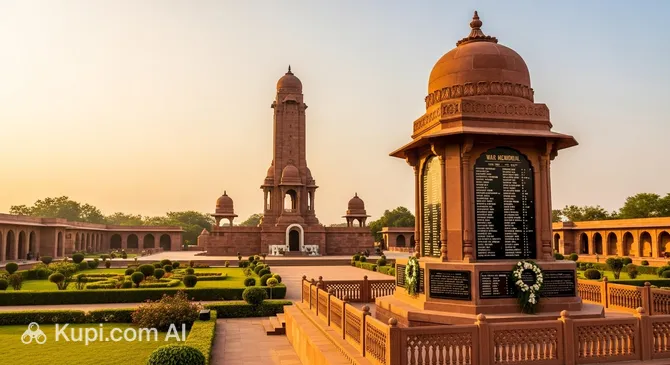
Another significant site dedicated to the spirit of patriotism is the War Memorial. This immaculately maintained complex honors the soldiers from the region who sacrificed their lives for the nation. The memorial features displays of military equipment, including tanks and artillery guns, set against a backdrop of manicured gardens, evoking a sense of pride and solemnity.
War Memorial. Illustration.
Source: Kupi.com AI
Traveler photos:
History buffs will also appreciate the Raja Shankar Shah and Raghunath Shah Statue. This monument commemorates the brave Gond ruler and his son, who played a pivotal role in the Indian independence movement of 1857. It stands as a powerful reminder of the city's contribution to the freedom struggle.
For an insider experience, try visiting the Bhawartal Garden in the evening. Located close to the museum, it comes alive with illuminated fountains and locals enjoying the cool breeze, offering a perfect slice of daily life in Jabalpur.
Getting Around
Navigating Jabalpur is an experience that blends modern convenience with traditional charm. The city does not have a metro rail system; instead, the public transport network relies heavily on a mix of city buses, auto-rickshaws, and app-based services. For a tourist, getting around is relatively inexpensive and offers a chance to observe local daily life up close.
The backbone of the organized transport system is the Jabalpur City Transport Services Limited (JCTSL), commonly referred to by locals as the "Metro Bus." These buses are color-coded and ply on specific routes connecting key landmarks, the railway station, and residential areas. They are the most budget-friendly option for longer distances across the city. You simply board the bus and purchase a ticket from the conductor inside; fares are calculated based on the distance traveled.
For shorter commutes and last-mile connectivity, auto-rickshaws are the most popular choice. You will encounter two distinct types: the standard three-seaters that can be hired privately, and the larger, shared vehicles often called "Tempos" or "Vikrams." The shared autos run on fixed routes much like buses and are extremely cheap, though they can be quite crowded. If you hire a private auto-rickshaw on the street, it is advisable to negotiate the fare before starting your journey, as meters are rarely used.
Travelers who prefer comfort and transparent pricing can rely on ride-hailing apps like Ola and Uber. These services are widely available within the city limits and provide a hassle-free alternative to negotiating with drivers. Traditional car rentals and private taxis are also available for full-day hires, which is often the best option if you plan to visit multiple tourist sites on the outskirts.
Cash is essential for using public transport here. While app-based cabs accept digital payments, city buses and auto-rickshaws operate almost exclusively on cash. It is highly recommended to carry small denominations (coins and notes of ₹10, ₹20, and ₹50), as drivers often struggle to provide change for larger bills. Operating hours for public transport typically run from early morning around 6:00 AM until late evening, though availability drops significantly after 10:00 PM.
A unique feature of the local transport landscape is the Ropeway at Bhedaghat. While primarily a tourist attraction, this cable car service is the only way to traverse the gorge above the Dhuandhar Falls, offering a spectacular aerial view of the marble rocks and the river below. It is a functional and scenic mode of transport that connects the eastern and western banks of the gorge, saving visitors a long detour by road.
Accommodation
Where to Stay:
Finding the right place to stay in Jabalpur is relatively easy, as the city offers a wide spectrum of accommodation options to suit various budgets and preferences. Travelers can choose from economical guesthouses and functional business hotels to more upscale resorts that provide a touch of luxury. Whether you are a backpacker looking for a simple bed or a family seeking comfortable amenities, the city's hospitality sector is well-equipped to host you.
The location of your stay can significantly impact your experience. For those who prioritize convenience and connectivity, the areas surrounding the Jabalpur Railway Station and Russel Chowk are ideal. These neighborhoods are bustling with activity and offer numerous budget-friendly lodges. On the other hand, if you prefer a quieter and more sophisticated environment, the districts of Napier Town and Civil Lines are excellent choices. These areas are known for their wide, tree-lined avenues and house many of the city's mid-range and premium hotels, often within easy reach of trendy restaurants and shopping centers.
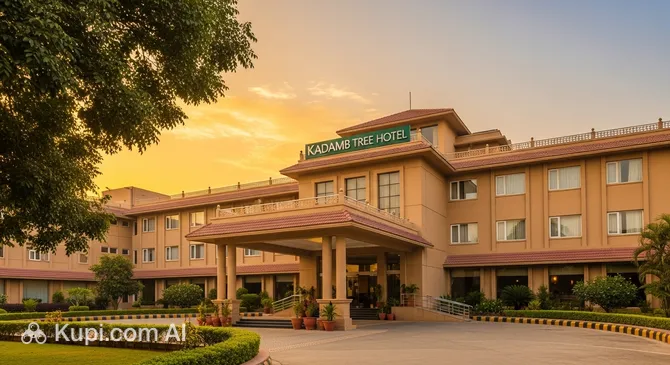
For travelers seeking a comfortable stay with modern facilities, the city has several reputable establishments. One such option is the Kadamb Tree Hotel, which is popular among visitors for its blend of contemporary design and warm hospitality. It serves as a great base for exploring the city while enjoying quality service.
Kadamb Tree Hotel. Illustration.
Source: Kupi.com AI
Traveler photos:
Another well-regarded choice is Hotel Ashirwad. Known for its strategic location and reliable amenities, it caters well to both leisure and business travelers who value accessibility and comfort during their trip.
Booking Tips: While it is usually possible to find a room upon arrival, it is highly recommended to book your accommodation in advance if you are visiting during the wedding season (winter months) or major festivals. During these peak times, the best hotels fill up quickly. Most properties in Jabalpur can be booked easily through major online travel platforms, though some smaller budget lodges may still prefer direct phone bookings or walk-ins. Prices generally range from very affordable rates for basic rooms to moderate prices for 3-star and 4-star equivalent properties, offering good value for money compared to larger metropolitan cities.
Nearby Cities
For those looking to explore the surroundings, Jabalpur serves as an excellent base for day trips to several interesting nearby locations:
City
Population
Distance
Suhagi
10 751
6 km
Bilpura
15 601
12 km
Panagar
25 143
15 km
Barela
14 361
15 km
Harduli
14 490
27 km
Among these, Mandla is particularly noteworthy for travelers interested in nature and history. Situated in a loop of the Narmada River, which surrounds it on three sides, the town is known for its picturesque views and the ancient fort built by the Gond rulers. It also serves as a key gateway to the famous Kanha National Park, making it a strategic stop for wildlife enthusiasts.
Another fascinating destination is Damoh, a city steeped in historical and spiritual significance. It is often visited by those heading to the nearby pilgrimage site of Kundalpur, renowned for its Jain temples. The region around Damoh also features the Singorgarh Fort, offering a chance to explore the architectural heritage of the area.
These nearby destinations offer a glimpse into the diverse culture and landscapes of the region.
Shopping & Souvenirs
Shopping:
Shopping in Jabalpur is a delightful experience that offers a perfect blend of traditional charm and modern convenience. The city is not just an industrial hub but also a center for unique local handicrafts and regional specialties. From bustling old-world bazaars filled with colorful textiles and aromatic spices to contemporary shopping complexes, the city caters to a wide range of tastes and budgets. Visitors often find that exploring the local markets provides a deeper insight into the culture and daily life of the Mahakoshal region.
For a quintessential local shopping experience, Sadar Bazaar is the place to be. This historic market area, with its roots in the colonial era, is lined with shops selling everything from branded clothing to traditional Indian wear. It is a lively district where you can find high-quality fabrics and footwear. Another significant commercial hub is Ganjipura, which is particularly famous for its vast collection of sarees and women's apparel. Here, you can browse through rows of shops offering intricate embroidery work and traditional designs that are popular in Madhya Pradesh.
If you prefer a more modern retail environment with air-conditioned comfort, the city has seen a rise in shopping malls that offer entertainment and dining alongside retail therapy. The South Avenue Mall is a favorite destination for families and young people, housing a variety of national and international brands. It is an excellent spot to escape the afternoon heat while browsing for fashion or electronics.
Another notable location is the Cobra Canteen Mall. While the name is unique, it serves as a popular hangout and shopping spot for locals, offering a mix of retail outlets and food options. These malls provide a stark contrast to the chaotic energy of the street markets, giving tourists a balanced shopping experience.
Cobra Canteen Mall. Illustration.
Source: Kupi.com AI
Traveler photos:
For those interested in unique local crafts, the markets near Bhedaghat are an absolute must-visit. This area is the heart of the city's famous stone craft industry. The local artisans are incredibly skilled at carving the soft marble rocks found in the region into exquisite statues, jewelry boxes, and decorative items. Walking through these stalls, you will see craftsmen at work, polishing the stone to perfection.
When it comes to souvenirs, marble artifacts are the top choice for most visitors. You can find everything from small carved elephants to elaborate idols of deities. Besides stone crafts, Jabalpur is surprisingly well-known for its soft toy industry. The city is a major production center for stuffed animals, and you can buy them here at a fraction of the price found in other big cities. Traditional handicrafts featuring Zardosi embroidery and jute crafts are also excellent keepsakes.
Most shops in the main markets open around 11:00 AM and remain busy until 9:00 PM or 10:00 PM. While the malls and larger showrooms accept credit and debit cards, cash is still the preferred mode of payment in the smaller bazaars and handicraft stalls at Bhedaghat. Digital payment methods like UPI are becoming increasingly popular, but carrying some cash in smaller denominations is always capable of ensuring a smooth transaction.
Tourists should be aware that tax-free shopping or VAT refunds are generally not available for international visitors in standard city shops in India. The price you see usually includes all applicable taxes, though bargaining is a common and expected practice in the street markets and souvenir stalls.