Support

Herat

About

Herat is widely regarded as the cultural heart of western Asia and is often poetically referred to as the "Pearl of Khorasan." This ancient city serves as a vibrant testament to the region's artistic and intellectual heritage, boasting a unique atmosphere where poetry, art, and architecture flourish. Located in the fertile valley of the Hari River, Herat is the third-largest city in Afghanistan, with a population of approximately 556,000 residents. Its strategic position has long made it a vital hub connecting the Middle East with Central and South Asia.

The city enjoys a semi-arid climate, characterized by hot summers and mild winters, making spring and autumn ideal times for exploration. The surrounding landscapes are dotted with lush gardens and vineyards, contributing to the city's reputation as a green oasis. Visitors are often captivated by the blend of bustling bazaars and serene historical sites that define the urban landscape.
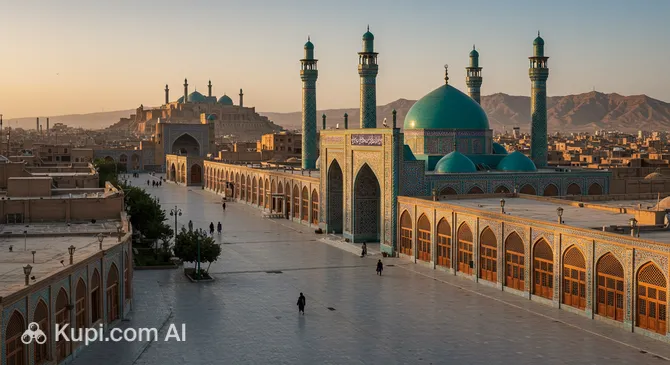
Herat. Source: Kupi.Binoculars

Exploring the history of Herat reveals a timeline that stretches back thousands of years, with the city serving as a pivotal stop on the legendary Silk Road. This rich past has left an indelible mark on the city's architecture. One of the most breathtaking landmarks is the Great Mosque of Herat (Masjid-i Jami), renowned for its intricate tile work and grand courtyard. Another must-see is the imposing Citadel of Herat (Qala Ikhtyaruddin), which offers panoramic views of the city and stands as a symbol of its enduring strength.

Beyond its monumental structures, Herat is famous for the remnants of the Musalla Complex, where towering minarets hint at the grandeur of the Timurid era. For travelers seeking a destination that combines deep historical roots with genuine hospitality and stunning Islamic architecture, Herat offers a truly memorable journey into the past.

Weather Overview

Herat experiences a semi-arid climate defined by four distinct seasons, offering a mix of hot, sunny days and cooler, crisper evenings depending on the time of year. Generally, visitors can expect hot, dry summers and cool winters with occasional light precipitation. To help you pack appropriately for your trip, it is helpful to consult the detailed forecast and historical trends for the weather in Herat.

The summer months, stretching from June to August, are characterized by substantial heat and clear skies. July is typically the warmest month, with average temperatures around 28.5°C and daily highs reaching up to 35.5°C. This period is extremely dry, with data showing virtually zero wet days, ensuring uninterrupted sunshine for outdoor exploration.

Winter, spanning from December to February, brings a distinct chill to the city. January is the coldest month, with average temperatures dropping to 3.9°C and nightly lows occasionally falling to -2.4°C. While the total precipitation volume remains low, these months, along with early spring, see the most moisture; February and March typically record about 7 wet days each, contrasting sharply with the arid summer.

Interesting Facts

Beyond the main attractions, Herat holds many fascinating secrets that reveal the depth of its history and the richness of its local culture. From ancient origins to unique natural phenomena, these details offer a glimpse into the daily life and heritage of the city.

  • The Wind of 120 Days: Herat is famous for a persistent wind known locally as the "Bad-e Sad-o Bist Roz." Blowing steadily from late May to September, this powerful northerly wind has shaped the region's architecture and history; it is believed that the vertical-axis windmill was invented in this area specifically to harness this relentless summer breeze.

  • Alexandria in Aria: While the city is now known as Herat, it was once one of the many cities named after Alexander the Great. Founded around 330 BC as Alexandria in Aria, the city's ancient footprint is still present, and the imposing Citadel of Herat is thought to stand on the foundations of the original fortifications built by Alexander.

  • A Haven for Grapes: The city is legendary for its viticulture. Locals often claim that Herat produces over 70 distinct varieties of grapes, ranging from small and seedless to large and fleshy types. These vineyards are a source of immense local pride and are celebrated during harvest seasons.

  • Guardians of the Mosaic: The Great Mosque of Herat houses a traditional tile-making workshop within its complex. For centuries, a dedicated team of artisans has worked on-site, hand-crafting and painting the intricate blue tiles using ancient formulas to continuously repair and maintain the mosque's stunning façade.

How to Get There

Reaching this historic city is the first step of your journey into Western Afghanistan. While the region is remote, there are established transport links connecting it to the rest of the country and the wider region. For a detailed breakdown of routes and travel tips, you can read more about how to get to Herat to help plan your logistics.

The most direct and convenient method for most travelers is flying. The city is served by Herat International Airport (HEA), which acts as a primary gateway to the province. Located approximately 15.9 km from the city center, this airport handles a significant volume of domestic and regional traffic. Once you land, the journey into town is relatively short; a taxi or private transfer typically takes around 45 minutes to reach the heart of Herat.

For clarity, here is a summary of the main airport:

Airport Name City Passenger Traffic Km from City
Herat International Airport Herat Medium 15.9

Travel by rail is another option, though it requires an overland transfer to reach the city itself. The city of Herat does not have a railway station directly within its limits, but you can arrive at the Serkhetabat station in the city of Serhetabat, which is about 103.2 km from Herat. From there, you can get a taxi or bus, which takes about 3 hours. Another option is the Serkhas station in Sarahs, located approximately 256.3 km away. The road transfer from Sarahs is significantly longer, taking roughly 7 hours.

Below is the information regarding the nearest railway stations:

Station City Passenger Traffic Km to Center
Serkhas Sarahs Small 256.3
Serkhetabat Serhetabat 103.2

Main Attractions

Herat is a city where history is etched into every stone and tile, offering travelers a chance to walk through centuries of architectural brilliance. The city's landmarks are not just ancient ruins but living testaments to its status as a cradle of art and culture in the region. Here are some of the most significant places to visit.

The Citadel of Herat (Qala Ikhtyaruddin) is undoubtedly the city's most commanding structure. Perched on an artificial mound, this massive fortress dominates the skyline and is believed to stand on foundations laid by Alexander the Great. It has been meticulously restored, revealing its imposing mud-brick walls and towers. Tourists are drawn here not only for the history but for the National Museum housed within its walls, which showcases artifacts from the region's past, and for the breathtaking panoramic views of the city from the upper battlements.

The Great Mosque of Herat (Masjid-i Jami) stands as a masterpiece of Islamic architecture and is the spiritual heart of the city. Unlike many other historical mosques, this site is famous for its vibrant life and continuous evolution; it has been rebuilt and decorated over eight centuries. Visitors are particularly fascinated by the sheer scale of its central courtyard and the intricate mosaic patterns. A unique highlight is the traditional tile workshop located on the premises, where artisans still craft the blue tiles by hand to maintain the mosque's splendor, allowing guests to witness a living art form.

The Musalla Complex offers a glimpse into the grandeur of the Timurid empire, despite the ravages of time. Commissioned by Queen Goharshad in the 15th century, the site once boasted a magnificent mosque and madrasa. Today, the five towering Minarets of Herat that remain are a striking sight, rising dramatically against the sky. They are interesting to tourists as a poignant reminder of the city's former architectural glory and are often cited as some of the most impressive medieval structures in the region.

The Shrine of Khwaja Abd Allah Ansari (Gazurgah Shrine) is a significant Sufi pilgrimage site located a few kilometers northeast of the city center. Built to honor the famous Sufi poet and mystic, the shrine is a jewel of Timurid design, featuring spectacular vaulted iwans and intricate decoration. It attracts visitors seeking a peaceful atmosphere and those interested in the deep spiritual heritage of Herat. The courtyard, shaded by ancient trees, provides a serene escape and a chance to observe local devotion and artistry up close.

Local Cuisine

The culinary landscape of Herat is a flavorful reflection of its position as a cultural crossroads, blending traditional Afghan staples with distinct Persian influences. The local cuisine is renowned for its richness and the use of fresh, locally grown ingredients. A defining feature of the city's food scene is Kichiri Quroot, a beloved regional dish. This hearty meal consists of sticky rice cooked with mung beans and is heavily topped with quroot (dried, reconstituted yogurt) and a savory meat sauce, often garnished with dried mint and garlic. It is a "must-try" comfort food that offers a unique tangy and savory profile found nowhere else in the country.

Meat lovers will appreciate the variety of kebabs available throughout the city, from tender lamb chops to minced meat skewers seasoned with local spices. Another specialty is Chainaki, a rich lamb stew traditionally cooked and served in small teapots. The slow-cooking process ensures the meat is incredibly tender, and it is typically enjoyed by crumbling pieces of fresh naan bread into the broth. To accompany these meals, locals serve an array of fresh sides, including pickles (torshi) and fresh herbs, which balance the richness of the main courses.

Herat is historically famous for its agriculture, particularly its vineyards, which produce over 70 varieties of grapes. Consequently, fresh fruit plays a massive role in the local diet, often served as a dessert or a snack. For those with a sweet tooth, Sheer Yakh, a traditional Afghan ice cream made with milk, rose water, and pistachios, is a popular treat, especially during the hot summer months. You might also find Sheer Pira, a sweet fudge-like confection flavored with cardamom and walnuts, often served to guests as a sign of hospitality.

When it comes to beverages, tea (Chai) is the undisputed king of drinks in Herat. Green tea, often infused with cardamom or locally grown saffron, is consumed throughout the day and is central to social gatherings. It is usually served with sugar or sweets (noql). Regarding alcohol, it is important for tourists to know that it is strictly prohibited and unavailable in Herat due to religious and legal regulations. Instead, visitors can enjoy fresh fruit juices, particularly pomegranate and grape juice, which are abundant and incredibly refreshing.

The food culture in Herat is deeply rooted in hospitality. While there are standard restaurants with table seating, many traditional eateries and local homes prefer the dastarkhan style, where meals are served on a cloth spread over a carpet, and diners sit on cushions on the floor. The bustling bazaars offer a vibrant street food scene where you can grab fresh bread from a tandoor or savory snacks on the go. Whether dining in a tea house (chaikhana) or a family-run restaurant, the atmosphere is communal and welcoming, inviting travelers to slow down and savor every bite.

Travel Tips

Visiting Herat offers a unique glimpse into the soul of the region, but navigating this historic city requires some cultural insight and preparation. These practical tips will help you respect local traditions while ensuring your journey is comfortable and memorable.

  1. Clothing and Gear: Modesty is non-negotiable in Herat due to local cultural norms. Men should wear long trousers and shirts, while women must wear loose-fitting clothing that covers the arms and legs, along with a headscarf. Comfortable walking shoes are a must for exploring the uneven paths of the Citadel, and a universal power adapter is recommended for your electronics.
  2. Transportation: The most reliable way to get around the city is by private taxi or motorized rickshaw. There is no formal metro or tram system, and ride-hailing apps are not standard. Always negotiate and agree on the fare with the driver before starting your journey to avoid confusion later.
  3. Finances: The local currency is the Afghani (AFN). The economy is almost entirely cash-based, so do not rely on credit cards or ATMs, which may be non-functional for international cards. Bring sufficient cash in USD or EUR and exchange it at local money changers (Sarrafs), often found in the markets, for the best rates.
  4. Health and Safety: Stick to bottled water for drinking and brushing your teeth to avoid stomach issues. Pharmacies are available in the city center, but it is wise to bring a supply of any prescription medications you need. Always remain aware of your surroundings and avoid walking alone in poorly lit areas after dark.
  5. Communication: The primary language spoken in Herat is Dari (a dialect of Persian). English proficiency is limited outside of hospitality settings, so learning a few basic phrases like "Salaam" (Hello) and "Tashakor" (Thank you) goes a long way. Purchasing a local SIM card upon arrival is highly advisable for internet access and translation apps.
  6. Local Etiquette: Greetings are formal and warm; placing your right hand over your heart is a respectful way to say hello. Be mindful of gender segregation norms; men should generally not attempt to shake hands with local women. Always remove your shoes before entering a mosque or a private home.
  7. What to Avoid: Never take photographs of people, especially women, without asking for explicit permission first. It is also important to avoid public displays of affection, as this is considered culturally inappropriate and offensive.
  8. Saffron Souvenirs: Herat is the hub of the region's saffron industry, often called "red gold." Buying high-quality saffron at the local bazaar is not only a great souvenir but also supports local farmers; just remember to haggle politely for a fair price.

With these tips in mind, you are ready to immerse yourself in the rich culture and history of Herat. Approach your travels with an open heart and respect for local customs, and you will be rewarded with the genuine hospitality for which this ancient city is famous.

Entertainment & Nightlife

Entertainment and nightlife in Herat offer a distinct cultural experience that contrasts sharply with Western concepts of partying. Due to strict local laws and cultural norms, you will not find nightclubs, discos, or bars serving alcohol in the city. Instead, the "nightlife" here revolves around vibrant social gatherings, culinary exploration, and relaxing in public gardens. The atmosphere is family-oriented and centered on conversation, with the evening hours dedicated to strolling, dining, and enjoying the company of friends over endless cups of tea.

The heart of Herat's evening activity is the traditional Chaikhana (tea house). These venues serve as the local equivalent of pubs, where men gather to discuss news, recite poetry, and relax on raised platforms (taks) lined with carpets and cushions. The atmosphere is lively yet respectful. For a truly authentic experience, head to the areas surrounding the Chahar Suq bazaar or the streets near the Great Mosque in the early evening. Here, the aroma of brewing green tea and cardamom fills the air, and the establishments stay open late, providing a warm, communal environment.

For those seeking a scenic evening, Takht-e Safar is a must-visit location. Situated on a hillside to the north of the city, this historic park offers panoramic views of Herat as the city lights begin to twinkle below. It is a favorite spot for local families to picnic and watch the sunset. Another popular venue is Park-e Taraqqi, located centrally, where the atmosphere is bustling with vendors selling snacks and children playing, making it a safe and pleasant place for a night walk.

Dining out is the primary form of late-night entertainment. Herat is famous for its ice cream culture, and visiting a Sheer Yakh (traditional ice cream) shop after dinner is a local ritual. The streets are lined with parlors where you can watch the ice cream being made by hand in metal canisters. The dress code for all evening outings remains conservative; men should wear long trousers, and women must keep their heads and bodies covered with loose clothing. Venues typically wind down earlier than in other global cities, with most restaurants and tea houses closing by 10:00 PM or 11:00 PM.

Regarding daytime entertainment, Herat is rich in cultural pursuits. The National Museum of Herat, housed within the majestic Citadel, offers a fascinating look at the region's history through artifacts and manuscripts. Art lovers should visit the tile-making workshops near the Great Mosque to see artisans keeping the Timurid tradition alive. For a more bustling experience, the covered bazaars offer a sensory overload of spices, textiles, and craftsmanship that can easily occupy an entire afternoon.

Safety and logistics are important considerations for night exploration. While the main streets and parks like Takht-e Safar are generally safe and populated during the evening, it is advisable to avoid unlit backstreets and to return to your accommodation before midnight. Public transport is scarce at night, so the best way to get around is by hiring a private taxi or a motorized rickshaw. Always agree on the fare before getting in, or ask your hotel to arrange a trusted driver for your evening excursion.

Parks & Museums

Herat is often celebrated as a "garden city," a reputation rooted in its ancient irrigation channels and the fertile valley of the Hari River. For tourists, the city offers a refreshing blend of manicured green spaces and profound historical collections that reflect its status as a cradle of art and civilization in the region. Visitors will find that the parks here are not just places for relaxation but are deeply integrated with the social and cultural life of the locals.

Takht-e Safar (Traveler's Throne) is perhaps the most beloved public park in Herat, situated on a hillside to the north of the city. This historic garden is famous for its terraced layout, ancient trees, and fountains, offering a cooler microclimate during the hot summer months. It is an essential stop for tourists because of its commanding panoramic views over the city and the valley below, making it a perfect spot for photography and witnessing the local picnic culture in full swing.

Another significant green space is Park-e Taraqqi, conveniently located in the city center. Unlike the hillside retreats, this park serves as a lush urban oasis where tall pine and cypress trees provide ample shade. It is a hub of daily activity, featuring paved walking paths and small recreational areas. For visitors, it offers a gentle introduction to the local pace of life, providing a safe and serene environment to rest between sightseeing excursions while observing the friendly interactions of Herati families.

When it comes to museums, the National Museum of Herat is a cultural treasure trove located within the majestic Citadel of Herat (Qala Ikhtyaruddin). The museum houses a rich collection of artifacts that span centuries, including pottery, metalwork, and manuscripts from the Timurid era. It is particularly interesting for history enthusiasts as it provides context to the architectural wonders seen outside, showcasing the artistic sophistication that once flourished in this region under various dynasties.

The Jihad Museum (Manzar-e Jahad) stands as a unique and visually striking institution perched on a hill overlooking the city. This rotunda-shaped building is dedicated to the history of the Afghan resistance against the Soviet Union. Inside, visitors are often captivated by the large-scale dioramas and murals that depict historical battles and events. It offers a somber yet fascinating insight into the modern history of the country, distinct from the ancient heritage found elsewhere in the city.

Beyond the formal museums, the Musalla Complex serves as an open-air museum of architectural grandeur. Although much of it has been lost to time, the remaining Minarets of Herat rise dramatically from the ground, featuring intricate tile work that hints at the site's former glory as a center of Islamic learning. Walking among these colossal towers gives tourists a sense of scale and history that is difficult to replicate in a traditional indoor gallery.

For a truly authentic experience, seek out the Bagh-e Shaidayee, a large park located slightly outside the main city area. It is less frequented by international tourists and offers a more rustic experience with its dense pine forests and open spaces. A visit here, especially on a Friday, reveals the heart of Herati hospitality, where large groups gather for day-long picnics, often inviting travelers to share a cup of tea or a piece of fresh fruit.

Getting Around

Navigating Herat offers travelers a chance to immerse themselves in the local rhythm of life. Unlike many modern capitals, the city does not possess a formal public transport system such as a metro or tram network. Instead, the streets are dominated by a mix of private vehicles, taxis, and the ubiquitous motorized rickshaws, creating a bustling and somewhat chaotic traffic environment that is typical of major urban centers in Afghanistan.

Taxis are the most convenient and comfortable option for tourists wishing to explore the city. They are widely available and can be hailed on the street or arranged through your hotel. Most taxis are yellow or white sedans. It is important to note that vehicles are rarely equipped with meters; therefore, you must negotiate and agree on the fare with the driver before getting into the car. Prices are generally reasonable, but having small denominations of the local currency is advisable to avoid issues with change.

For shorter trips and a more authentic local experience, motorized rickshaws, known locally as Zaranj, are a popular choice. These three-wheeled vehicles are nimble enough to navigate the narrower streets and congested bazaars where larger cars might struggle. They are significantly cheaper than taxis and offer an open-air ride, though they are less suitable for long distances or dusty days. As with taxis, fares should be settled in advance.

Walking is a viable and rewarding option, particularly within the historic Old City. Many of the main attractions, such as the Citadel and the Great Mosque, are located relatively close to one another. Exploring on foot allows visitors to appreciate the intricate architecture and vibrant market life up close. However, pedestrians should remain vigilant, as sidewalks can be uneven or occupied by vendors, and crossing the street requires careful attention to the flow of traffic.

Car rental without a driver is not recommended for visitors due to the unpredictable driving habits and lack of clear signage. Instead, hiring a car with a driver for the day is a stress-free alternative. This service can often be organized by guesthouses or hotels and provides the flexibility to visit multiple sites at your own pace, with the added benefit of a local driver who knows the best routes and parking spots.

Accommodation

Finding accommodation in Herat requires a bit of planning, as the city offers a functional but limited range of lodging options compared to major international tourist destinations. Travelers can generally expect to find a mix of budget guesthouses and mid-range hotels. There are no ultra-luxury international chains here; instead, the hospitality scene is dominated by locally owned establishments that pride themselves on traditional Afghan hospitality. These hotels typically provide essential amenities such as Wi-Fi, hot water, and on-site restaurants serving local cuisine.

For the most convenient stay, visitors should focus on the city center and the areas known as Shahr-e Naw (New City). These districts are the commercial hubs of Herat, offering relatively easy access to shops, banks, and transport. Staying here also keeps you within a reasonable distance of major attractions like the Citadel of Herat and the Great Mosque, allowing for easier sightseeing logistics. Some travelers also opt for hotels situated along the main road toward the airport, which tend to be newer and often feature more spacious grounds.

A crucial tip for booking accommodation in Herat is to rely on direct communication. Online booking platforms are rarely used or may not reflect current availability. The most effective way to secure a room is to have a local guide or contact make the reservation for you, or to call the hotel directly if you speak the language. It is advisable to book in advance, not necessarily due to overcrowding, but to ensure the hotel is prepared for your arrival and to confirm that all services are operational.

In terms of pricing, Herat is generally an affordable destination. Most comfortable, mid-range hotels fall into a price bracket that would be considered budget-friendly in Europe or North America. Be prepared to pay for your stay entirely in cash (either Afghani or US Dollars), as credit card facilities are virtually non-existent at hotel reception desks. Clarifying the price and currency in advance will help ensure a smooth check-in process.

Nearby Cities

For those looking to explore the surroundings, Herat serves as an excellent base for day trips or onward travel to several interesting nearby locations. The region offers a mix of historical sites, desert landscapes, and cultural hubs that provide a deeper understanding of Western Afghanistan.

Farah is a historically rich city located to the south of Herat. It is best known for the massive Citadel of Farah, an ancient mud-brick fortress that dominates the skyline and bears a resemblance to the citadel in Herat. The city sits in a fertile agricultural belt, offering visitors a view of the region's farming traditions and a chance to explore a site with deep historical roots connecting to Alexander the Great.

Situated to the northeast, Maymana is the cultural capital of the Faryab province and is famous for its exquisite craftsmanship. The city is renowned for the production of unique kilims, a specific type of flat-woven rug that is highly prized for its quality and vibrant geometric patterns. A visit here offers a unique opportunity to explore bustling bazaars filled with local handicrafts and to experience the distinct culture of the north.

Zaranj serves as a vital trade hub near the Iranian border, acting as the gateway to the historic Sistan region. Known for its desert landscapes and dry climate, it offers a contrast to the greener valleys around Herat. The city is a center for cross-border commerce and provides insight into the ancient trade routes that have traversed this part of Asia for centuries.

City Population Distance (km)
Farah 500,000 212
Lashkar Gah 276,831 367
Zaranj 160,902 378
Maymana 149,040 292
Tarin Kowt 78,300 391

These destinations highlight the diverse geography and heritage found within a relatively short distance of Herat.

Shopping & Souvenirs

Shopping in Herat offers a captivating journey through time, reflecting the city's historical status as a pivotal trading post on the Silk Road. Unlike the polished, high-end retail experiences found in modern global metropolises, the shopping scene here is deeply rooted in tradition and craftsmanship. Visitors will find that the true treasure of Herat lies not in international brands, but in its artisanal goods, ancient bazaars, and the vibrant atmosphere of its marketplaces. It is a destination where every purchase tells a story of local culture and artistry.

The heart of the city's commercial life beats in the Old City, particularly around the historic Chahar Suq (Four Bazaars). This bustling intersection serves as the traditional center of commerce, where four main covered streets meet. Walking through these thoroughfares, tourists are surrounded by a dizzying array of shops selling everything from spices and fabrics to household goods. It is the best place to soak up the local atmosphere and observe the daily rhythm of Herati life.

While the traditional bazaars dominate the retail landscape, Herat has seen the emergence of modern shopping complexes in recent years. Malls such as the Herat City Center and Family Mall offer a different experience, featuring multi-story layouts with escalators, food courts, and stores selling imported clothing, electronics, and cosmetics. These venues are popular with local families and young people, providing a glimpse into the modernizing side of the city, though they are generally less focused on tourist-specific goods.

For a truly authentic experience, the traditional markets and bazaars are unmissable. The areas surrounding the Great Mosque are lined with small workshops and stalls. Here, the air is thick with the scent of cardamom and cumin from the spice merchants. You can find dedicated sections for different trades, such as the coppersmiths' bazaar, where artisans hammer metal into pots and trays, and the fabric market, which displays colorful rolls of imported and local textiles.

When it comes to souvenirs, Herat is famous for several unique items. The city is renowned for its Herati glass, particularly the distinctive hand-blown blue glass vases and goblets that have been crafted here for centuries. Saffron is another must-buy; often referred to as "red gold," the saffron grown in this province is considered some of the best in the world. Additionally, visitors often look for intricate silver jewelry set with semi-precious stones like lapis lazuli, as well as high-quality hand-woven carpets and kilims that feature regional designs.

Opening hours in Herat generally follow the Islamic week. Shops are typically open from Saturday to Thursday, usually starting around 8:00 AM or 9:00 AM and closing by sunset or shortly after. Friday is the holy day, and most shops, especially in the bazaars, will be closed or may only open late in the afternoon. Payment is almost exclusively in cash (Afghani). Credit cards are rarely accepted outside of a few top-tier hotels, so it is essential to carry sufficient local currency. Bargaining is a standard part of the shopping culture in bazaars; it is expected that you will negotiate the price politely to reach a fair agreement.

Regarding tax-free shopping, tourists should be aware that there is no formal VAT refund system in place in Afghanistan. The price you agree upon with the vendor is the final price, and there are no facilities at the airport or borders to claim back taxes on purchases.

Reached the end of the page?

That means the route is fully explored