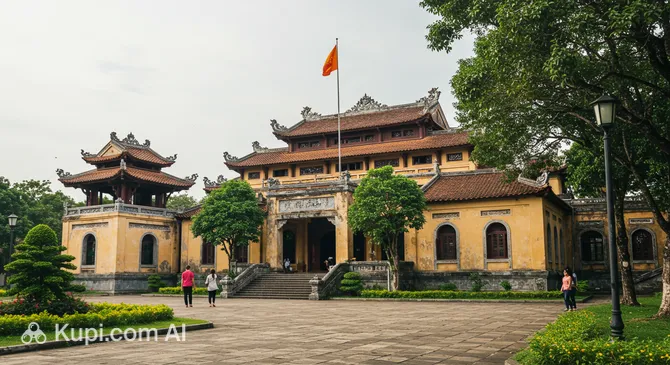
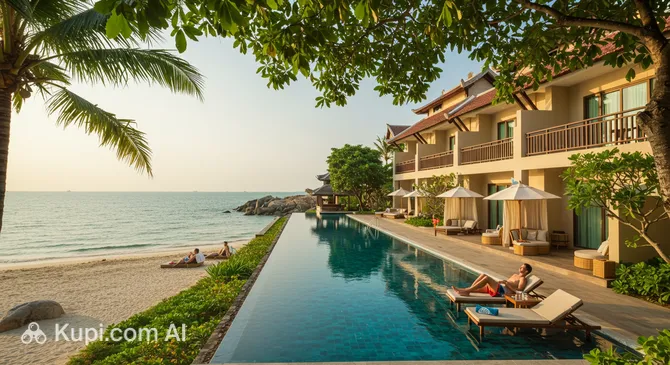
Qui Nhon is a vibrant coastal city located in the Binh Dinh Province of central Vietnam. Often overshadowed by more famous tourist hubs, this hidden gem offers a perfect blend of dramatic landscapes, pristine beaches, and a relaxed urban atmosphere. With a population of approximately 311,000 residents, the city maintains a charming local vibe while providing modern amenities for travelers seeking an authentic experience.
Qui Nhon
About
Weather Overview
Qui Nhon enjoys a tropical climate characterized by warm temperatures and distinct seasonal patterns. The weather in Qui Nhon is generally inviting for travelers, with average temperatures fluctuating between a comfortable 22°C in the cooler months and rising to around 30°C during the peak of summer. This consistent warmth makes the coastal city a year-round destination, although checking the forecast is always recommended for planning outdoor activities.
The hottest period typically spans from May to August, where daily highs can reach up to 33.7°C, creating perfect conditions for beachgoers who enjoy the heat. Conversely, the coolest weather occurs around December and January, with average temperatures settling near 23°C and minimums occasionally dropping to around 20.6°C. These milder months offer a refreshing atmosphere for exploring the city's cultural sites without the intensity of the midday sun.
Rainfall distribution varies significantly throughout the year. While the early months of March and April are relatively dry with fewer wet days, the latter part of the year sees a marked increase in rain frequency. From September through December, visitors should expect a higher chance of precipitation, with the number of wet days often ranging between 24 and 27 per month. Travelers planning a trip during this season should pack accordingly for frequent, albeit often passing, showers.
Interesting Facts
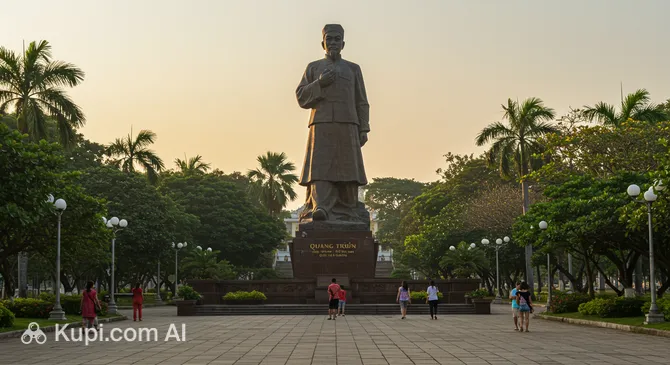
Qui Nhon is widely regarded as the cradle of traditional Vietnamese martial arts. The region is the birthplace of the Tay Son dynasty and the Emperor Quang Trung, a national hero known for his military brilliance. Visitors can pay homage to this heritage at the Quang Trung Statue, which stands as a proud symbol of the local spirit and history.
While Cham towers are typically built in groups of three, the Twin Towers of Quy Nhon are a rare architectural exception consisting of only two structures. Dating back to the late 12th century, these red-brick monuments feature stone sculptures of Garuda birds on their corners, showcasing a unique blend of Champa style with Khmer art influences.
The city is deeply connected to the tragic yet beautiful life of Han Mac Tu, one of Vietnam’s most celebrated romantic poets. He spent his final years at the Quy Hoa Leper Colony, a serene village that is now a popular spot for visitors to see his tomb and read his poetry, which is carved into stones in the scenic Ghềnh Ráng area.
A specific section of the coast is known as "Egg Stone Beach" (Bai Trung) due to the thousands of smooth, round stones that resemble giant dinosaur eggs. This picturesque spot was once a private bathing area for Nam Phuong, the last empress of Vietnam, adding a layer of royal history to the unique geological landscape.
How to Get There
Reaching this coastal gem is relatively straightforward, with air travel being the most convenient option for many visitors. Whether you are arriving from major Vietnamese cities like Hanoi or Ho Chi Minh City, or looking for alternative routes, you can find detailed information on how to get to Qui Nhon to plan your journey effectively.
The primary gateway to the city is Phu Cat Airport (UIH), strategically located within the administrative boundaries of Qui Nhon, approximately 27 km from the city center. It handles a significant volume of passengers annually and connects the region with major domestic hubs. The travel time from the airport to the downtown area is usually around 60 minutes by taxi or shuttle bus, making it the most direct and time-efficient entry point for travelers.
Another viable option, though further away, is Tuy Hoa Airport (TBB), located in the neighboring city of Tuy Hoa. Situated about 83 km from Qui Nhon, this airport serves as an alternative if flights to Phu Cat are fully booked or if you plan to explore the broader region. The journey from Tuy Hoa to Qui Nhon typically takes about 2.5 hours by road, offering a scenic drive along the coast.
For clarity, here is a summary of the main airports serving the region:
| Airport Name | City | Passenger Traffic | Km from City |
|---|---|---|---|
| Chu Lai International Airport | Tam Ky | High | 187.9 |
| Phu Cat Airport | Qui Nhon | High | 27.0 |
| Phung-Duc Airport | Buon Ma Thuot | Medium | 171.5 |
| Tuy Hoa Airport | Tuy Hoa | Medium | 82.7 |
| Pleiku Airport | Pleiku | Medium | 131.3 |
For those who prefer a slower, more scenic route, traveling by train is an excellent choice. The North-South Railway line runs through the province, offering travelers a chance to witness Vietnam's lush countryside and coastal views. While the main Reunification Express trains typically stop at Dieu Tri Station, which is a short drive from the city, there is also a spur line connecting directly to Qui Nhon Railway Station in the city center. It is advisable to check the current schedule and ticket availability in advance, as train travel is a popular mode of transport for both locals and tourists.
Main Attractions
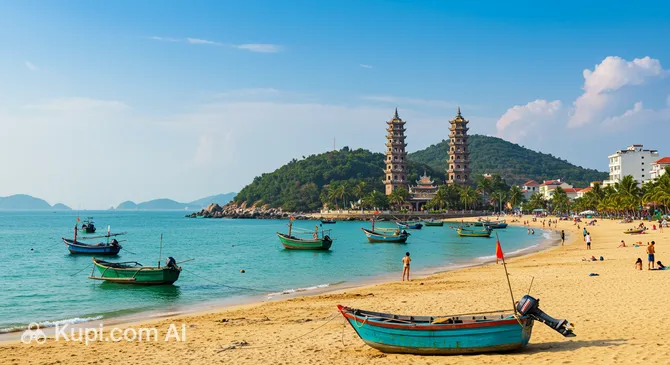
One of the most distinctive landmarks in the city is the Twin Towers of Quy Nhon, a historical site that dates back to the late 12th century. Unlike many other Cham towers that are perched on remote hilltops, these two impressive structures are conveniently located within a park in the city center. Visitors are often captivated by the intricate terracotta relief work and the unique architectural style, which blends Champa traditions with Khmer influences. The surrounding gardens provide a peaceful setting, making it an excellent spot to appreciate the region's ancient heritage amidst the bustle of modern life.
For those seeking relaxation by the sea, Quy Nhon Beach offers a sweeping crescent of golden sand right at the edge of the downtown area. This beach is beloved for its calm, blue waters and the spacious promenade that runs alongside it, which is perfect for evening strolls or morning exercise. Unlike the crowded beaches of more commercialized tourist destinations, this stretch of coast maintains a laid-back and authentic atmosphere, allowing travelers to unwind and watch local fishing boats bobbing in the distance.
To connect with the local culture and history, a visit to the Quang Trung Statue is highly recommended. Dedicated to the Emperor Quang Trung, a national hero and brilliant military strategist, the statue stands as a proud symbol of the city's spirit. The monument is located in a central square that often serves as a gathering place for residents, offering tourists a chance to observe local life while paying respects to a figure who played a pivotal role in Vietnam's history. The site is particularly atmospheric in the evening when the square comes alive with activity.
Local Cuisine
The culinary scene in Qui Nhon is a delightful journey for the senses, heavily influenced by the generous bounty of the East Sea. As a coastal city in Binh Dinh Province, the local cuisine is renowned for its freshness, simplicity, and bold flavors. Food lovers will find themselves in a paradise where seafood is not only abundant but also incredibly affordable compared to other major tourist destinations in Vietnam.
One of the city's signature dishes is Bún chả cá (Fish cake noodle soup). Unlike versions found elsewhere, the broth here is cooked primarily from fresh fish bones and heads, creating a naturally sweet and clear flavor without the heaviness of meat stock. Another must-try specialty is Bánh xèo tôm nhảy, or "jumping shrimp pancake." These small, crispy savory pancakes are topped with fresh shrimp that are so lively they are said to "jump" in the pan, served with a side of fresh herbs, rice paper, and a savory dipping sauce.
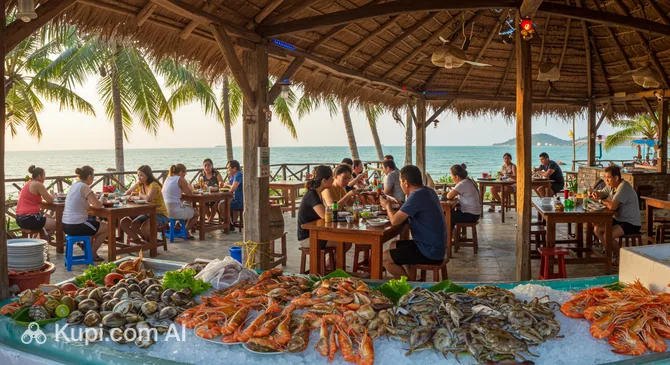
For those looking to indulge in the region's famous marine delicacies in a comfortable setting, Mr Moc Fresh Seafood is a popular choice. This establishment is well-regarded for offering a wide variety of locally sourced shellfish, crabs, and fish, prepared in styles that highlight their natural sweetness. Dining here offers a genuine taste of the coastal lifestyle that defines Qui Nhon.
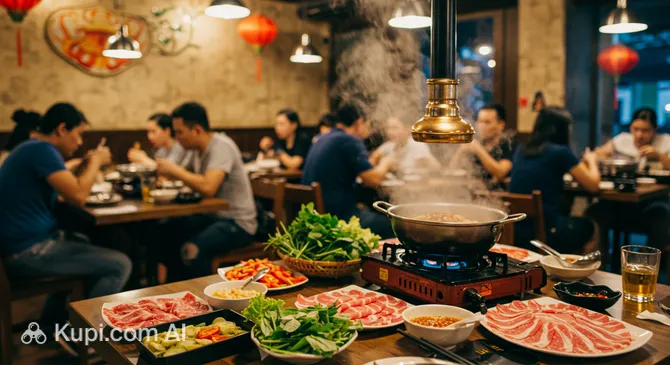
If you are in the mood for a hearty meal with diverse options, Moc Hotpot & Grill Buffet provides an excellent dining experience. It is a great spot for families and groups to enjoy a communal feast, featuring a range of marinated meats and seafood ready to be grilled at your table or cooked in a flavorful hotpot broth. This style of dining is a favorite among locals for social gatherings and celebrations.
Beyond the main meals, the streets of Qui Nhon are dotted with vendors selling Bánh hỏi lòng heo (fine rice vermicelli with pig offal), a traditional breakfast dish that pairs perfectly with hot porridge. Whether you are dining in a bustling street stall or a refined restaurant, the flavors of this coastal city are sure to leave a lasting impression.
Travel Tips
Welcome to Qui Nhon, a destination that perfectly balances raw natural beauty with authentic Vietnamese culture. To ensure your journey through this coastal haven is as smooth and enjoyable as possible, we have compiled a list of essential practical tips tailored to the local lifestyle.
Clothing and Gear: Given the tropical heat, pack lightweight, breathable fabrics like cotton or linen to stay cool. However, always carry a scarf or a sarong to cover your shoulders and knees when visiting spiritual sites like the Twin Towers of Quy Nhon or local pagodas, as modest dress is required. Comfortable walking shoes are a must if you plan to trek the rocky paths at Eo Gio or explore the sand dunes.
Transportation: While ride-hailing apps like Grab operate in the city, the fleet can be smaller than in major hubs like Ho Chi Minh City. Traditional taxis (such as Mai Linh or Sun Taxi) are reliable and easy to flag down. For the adventurous, renting a motorbike is the most popular way to explore the scenic coastal roads leading to Ky Co Beach, but ensure you have a valid international driving permit and always wear a helmet.
Finances: The official currency is the Vietnamese Dong (VND). While high-end resorts and larger restaurants accept credit cards, cash is king in Qui Nhon, especially at local markets and street food stalls. ATMs are plentiful in the city center, but it is wise to carry smaller bills for small vendors who may not have change for large denominations.
Health and Safety: Qui Nhon is generally a very safe city for tourists. Pharmacies (look for signs saying "Nhà Thuốc") are widely available in the downtown area, though few are open 24/7. The sun here can be intense, especially around noon, so high-SPF sunscreen and a wide-brimmed hat are non-negotiable health essentials.
Communication: English is spoken at major hotels and tourist attractions, but it is less common in local eateries and markets. Locals are incredibly friendly and patient, but having a translation app on your phone will be a lifesaver. Buying a local SIM card (Viettel or Vinaphone) is recommended for reliable data coverage, particularly if you venture to remote beaches.
Local Etiquette: The people of Binh Dinh are proud of their heritage and very hospitable. When greeting, a smile and a slight nod are appreciated. If invited into a local home or entering a temple, remember to remove your shoes at the door. When handing over money or a business card, use both hands as a sign of respect.
What to Avoid: Avoid wearing swimwear anywhere other than the beach or your hotel pool; walking around the city shirtless or in a bikini is considered culturally inappropriate. Also, try to avoid public displays of anger or frustration, as "saving face" is an important concept in Vietnamese culture; keeping calm will yield much better results.
Local Insight: Embrace the "siesta" culture. Between 11:30 AM and 1:30 PM, many local shops and smaller businesses may close or slow down as residents take a break from the midday heat. This is the perfect time for you to enjoy a long, leisurely lunch or relax in the shade before resuming your exploration in the cooler afternoon hours.
By keeping these practical tips in mind, you will be well-prepared to navigate Qui Nhon with confidence and ease. Immerse yourself in the local rhythm, savor the incredible seafood, and enjoy the warm hospitality that makes this coastal city truly special.
Entertainment & Nightlife
While Qui Nhon is often celebrated for its tranquility, the city comes alive after sunset with a nightlife scene that is both vibrant and pleasantly relaxed. Unlike the frenetic energy of larger Vietnamese metropolises, the evening atmosphere here is laid-back, favoring open-air venues and seaside breezes over crowded nightclubs. The heart of the action runs along Xuan Dieu Street, a curving coastal road where neon lights reflect off the ocean, and locals and tourists alike gather to enjoy the cool night air.
For those seeking a lively spot to enjoy music and drinks, the city offers several appealing options. A standout venue is the KYOTO Club Lounge, which brings a modern and energetic vibe to the coastal town. It is a popular destination for those looking to socialize, offering a mix of contemporary beats and a wide selection of beverages in a stylish setting. Along the beachfront, you will also find unique "surf bars" situated directly on the sand, where you can sip a cocktail while listening to the waves crash just a few meters away.
Travelers looking for a more immersive local experience should head to the Qui Nhon Night Market, typically located near Le Duan Street. This bustling area is a sensory delight, filled with stalls selling everything from affordable clothing and souvenirs to an endless array of street food. It is the perfect place to try local snacks, engage in friendly bargaining, and observe the nightly routines of the city's residents. The market usually operates from early evening until around 10:00 PM, making it an excellent stop for a post-dinner stroll.
If you prefer a more refined evening, many of the city's newer accommodations offer sophisticated spaces to unwind. Places like the L'Amor Boutique Hotel Quy Nhon often feature elegant lounges or proximity to the city's upscale dining areas, providing a quiet retreat where you can enjoy a glass of wine in comfort. These venues are ideal for couples or travelers who want to escape the bustle of the street markets.
Practicalities for a night out in Qui Nhon are straightforward. The city is generally very safe for evening walks, even in less crowded areas, though standard precautions with personal belongings apply. Taxis and ride-hailing services are readily available and affordable, making it easy to hop between the beach bars and the city center. The dress code is almost universally casual; shorts and sandals are acceptable in most bars, though you might want to dress up slightly for hotel lounges.
During the daylight hours, entertainment options shift towards cultural and family-friendly activities. The city is home to the Binh Dinh Museum, which offers deeper insights into the region's history beyond the ancient towers. For families, the nearby FLC Zoo Safari Park provides an exciting excursion to see wildlife in semi-wild habitats. Whether exploring heritage sites by day or enjoying the sea breeze by night, Qui Nhon offers a well-rounded travel experience.
Parks & Museums
Qui Nhon is not only defined by its coastline but also by its serene green spaces and rich cultural repositories that narrate the region's storied past. For travelers looking to step away from the sand and delve into the local heritage or enjoy a quiet stroll amidst nature, the city offers a variety of parks, museums, and historical sites that are easily accessible from the city center.
One of the most scenic natural areas in the city is the Ghenh Rang - Tien Sa tourist area, located just a few kilometers south of the downtown core. This hillside park is famous for its rocky cliffs, lush vegetation, and panoramic views of the bay. It is also a place of literary pilgrimage, as it houses the tomb of the celebrated Vietnamese poet Han Mac Tu. Visitors can walk through the "Poetry Garden," where his verses are inscribed on large stones using "fire pens," creating a unique blend of art and nature that reflects the romantic soul of the region.
For a more central green space, the promenade running along Quy Nhon Beach serves as the city's main outdoor living room. This expansive landscaped park stretches for kilometers, featuring manicured gardens, sculptures, and wide walking paths shaded by coconut palms. In the early mornings and late afternoons, it becomes a hub of activity where locals practice Tai Chi, jog, or simply relax on the benches to enjoy the sea breeze, making it an excellent spot for tourists to observe local life in a refreshing environment.
In terms of museums, the Binh Dinh General Museum is a key institution for understanding the area's history, particularly its connection to the Champa civilization and the Tay Son dynasty. The museum houses thousands of artifacts, including Cham sculptures, ceramics, and weapons, offering a comprehensive overview of the province's development through different eras. It provides valuable context for the ancient structures seen around the city and is a quiet, educational retreat from the midday sun.
History enthusiasts should not miss the Twin Towers of Quy Nhon, which function as an open-air museum of Champa architecture. Standing within a well-maintained park in the heart of the city, these towers are surrounded by green lawns and tropical plants, allowing visitors to admire the intricate brickwork and sandstone reliefs up close. The site is a peaceful sanctuary that contrasts sharply with the modern buildings surrounding it, serving as a tangible link to the 12th century.
Another significant landmark is the square housing the Quang Trung Statue. While primarily a monument, the surrounding area acts as a public plaza and cultural venue. The statue commemorates the national hero Nguyen Hue (Emperor Quang Trung), and the site often hosts cultural events and festivals. It is a proud symbol of the city and offers a glimpse into the reverence the local people hold for their historical leaders.
For an authentic insider experience, consider visiting the Quy Hoa Leper Colony (now a village) located near Ghenh Rang. Far from being a gloomy place, it is a serene village filled with beautiful French colonial architecture and tree-lined avenues. It offers a tranquil atmosphere and a unique architectural heritage that few tourists take the time to explore.
Getting Around
The public transport system in Qui Nhon is relatively modest compared to larger metropolises. There is no metro, subway, or tram network in the city. Instead, the local transportation infrastructure relies primarily on a developing bus network, widely available taxi services, and the ubiquitous motorbike culture. For most tourists, getting around involves a mix of rented vehicles, ride-hailing apps, and traditional taxis rather than a comprehensive public transit system.
The city operates a public bus service that connects the downtown area with neighboring districts and key locations, such as the industrial zones and the university. These buses are recognizable by their bright colors, typically blue and white or yellow. While they are an economical way to travel, the routes can be somewhat confusing for first-time visitors, and stops are not always clearly marked in English. The most useful route for travelers is the shuttle bus connecting the city center to Phu Cat Airport, which offers a reliable and cost-effective alternative to private transfers.
Regarding payment, the system is almost exclusively cash-based. You will not find travel cards, digital passes, or tap-to-pay terminals on local buses. Passengers purchase tickets directly from the conductor on board after boarding. Fares are very affordable, typically ranging from a few thousand to around 50,000 VND depending on the distance, such as the trip to the airport. It is essential to carry small denominations of the local currency, as conductors may not always have change for large bills.
For a more convenient alternative, taxis and ride-hailing services are the preferred choice for many tourists. The Grab app operates in the city, allowing you to book both car and motorbike taxis with transparent pricing, eliminating the language barrier. Traditional taxi companies, such as Mai Linh and Sun Taxi, are also plentiful and reliable; just ensure the driver turns on the meter at the start of the journey. "Xe Om" (traditional motorbike taxis) can be found on many street corners, but you must negotiate the price before hopping on.
A popular "public" transport feature specifically for tourists is the fleet of electric shuttle cars (buggies) that operate along the coastal promenade and main tourist streets. These open-air vehicles offer a breezy and scenic way to see the city sights, particularly in the evening. They usually run on fixed routes along Xuan Dieu and An Duong Vuong streets or can be hired for city tours. Prices are fixed per ride or per hour, making them a fun group activity.
For those seeking total freedom, renting a motorbike is the most common alternative. Rental shops are abundant, and many hotels offer this service directly. It allows you to explore the nearby beaches and attractions at your own pace. However, be aware that local traffic can be unpredictable. Public transport operating hours are generally limited; buses tend to stop running by early evening (around 6:00 PM or 7:00 PM), so if you are planning a night out, plan to return by taxi or Grab.
Accommodation
Accommodation in Qui Nhon has evolved significantly in recent years, transforming from a selection of simple guesthouses into a diverse landscape catering to all types of travelers. The city now offers a wide spectrum of lodging options, ranging from budget-friendly hostels and charming homestays run by local families to sophisticated mid-range hotels and high-end beachfront resorts. Whether you are a backpacker seeking an authentic cultural exchange or a vacationer looking for luxury and pampering, the city provides ample choices to suit your style and budget.
When choosing where to stay, location plays a key role in the experience. The most popular area for first-time visitors is the City Center, particularly along the coastal Xuan Dieu and An Duong Vuong streets. Staying here places you within walking distance of the municipal beach, the bustling night market, and a plethora of seafood restaurants. For those seeking a quieter, more rustic vibe, the fishing village of Bai Xep (located about 10 km south of the center) is a favorite among expats and solo travelers, known for its "life in a village" atmosphere. Conversely, the Nhon Ly area, closer to Ky Co Beach, is home to sprawling luxury resorts perfect for secluded getaways.
For travelers looking for a blend of modern comfort and convenient access to the city's attractions, L'Amor Boutique Hotel Quy Nhon is a noteworthy example of the city's rising hospitality standards. Establishments in this category typically offer well-appointed rooms, swimming pools, and attentive service, serving as a comfortable base for exploring the region's historical sites and natural wonders.
In terms of pricing, Qui Nhon remains generally more affordable than Vietnam's major tourist hubs like Da Nang or Nha Trang. Budget travelers can find comfortable dorm beds or private rooms in homestays for very reasonable rates, while mid-range hotels offer excellent value for money. Luxury resorts command higher prices but are still competitive by international standards. Most accommodations can be easily secured through major online booking platforms. However, a crucial tip for travelers is to book well in advance if you plan to visit during the peak summer months (May to August) or during national holidays like Tet, as the best rooms fill up quickly with domestic tourists.
Nearby Cities
For those looking to explore the surroundings, Qui Nhon serves as an excellent base for day trips to several interesting nearby locations:
| City | Population | Distance (km) |
|---|---|---|
| Nha Trang | 392,279 | 169 |
| Buon Ma Thuot | 340,000 | 178 |
| An Nhon | 317,620 | 16 |
| Quang Ngai | 260,252 | 155 |
| Da Loi | 256,019 | 106 |
Among these destinations, An Nhon is the ideal choice for a convenient and culturally rich day trip. Located just 16 km from Qui Nhon, this town sits on the site of Vijaya, the ancient capital of the Champa Kingdom. It is home to remarkable historical relics, including the majestic Banh It Towers, which offer panoramic views of the countryside, and the Canh Tien Tower. Visitors can also explore traditional craft villages renowned for pottery, wood carving, and the production of the potent local specialty, Bau Da wine.
For those willing to travel a bit further for a change of pace, Nha Trang presents a lively contrast to the tranquil atmosphere of Qui Nhon. Famous for its bustling promenade, vibrant nightlife, and island-hopping excursions, it is one of Vietnam's premier beach resort cities. While the distance makes it a longer journey, it is a popular option for travelers looking to experience a more energetic coastal vibe or to enjoy world-class mud baths and amusement parks.
Heading inland towards the Central Highlands, Buon Ma Thuot offers a completely different landscape characterized by coffee plantations and cooler temperatures. Known as the coffee capital of Vietnam, this city attracts nature lovers with its proximity to thundering waterfalls like Dray Nur and Dray Sap. It also provides a unique opportunity to learn about the rich heritage and gong culture of the ethnic minority communities living in the region.
These nearby destinations offer a glimpse into the diverse culture and landscapes of the region.
Shopping & Souvenirs
Shopping in Qui Nhon offers a distinct departure from the high-end luxury malls found in major metropolises. Instead, the experience here is deeply rooted in local culture, revolving around bustling traditional markets and specialty stores. For tourists, this is the perfect opportunity to discover authentic regional products, from dried seafood delicacies to unique handicrafts, all while interacting with friendly local vendors in a vibrant atmosphere.
The heartbeat of the city's commerce is undoubtedly its traditional markets. Dam Market (Cho Dam) is the premier destination for fresh produce and, more importantly for visitors, high-quality dried goods. This is the best place to purchase the region's famous dried squid, shrimp, and seasoned fish, which are vacuum-packed and make for excellent gifts. Another essential stop is the Qui Nhon Night Market. While it is a hub for dining, it also features numerous stalls selling affordable clothing, accessories, and souvenirs. It is a lively spot to practice your bargaining skills and pick up a memento of your trip.
Binh Dinh Province is renowned for its unique culinary specialties, which serve as the best souvenirs for travelers. A must-buy item is Banh It La Gai, a pyramid-shaped sticky rice cake wrapped in ramie leaves and filled with sweet mung bean or coconut. Another iconic product is Nem Cho Huyen, a fermented pork roll with a distinct sour and spicy flavor, often wrapped in banana leaves. For something more durable, look for Bau Da Wine, a traditional liquor known for its potency and craftsmanship, or the crispy coconut rice paper (Banh Trang Nuoc Dua), which is perfect for snacking.
For those in need of daily necessities, international brands, or a more air-conditioned environment, the city has seen the rise of modern retail centers. Kim Cuc Plaza, which houses a large supermarket, and Co.opmart Quy Nhon provide a familiar shopping experience with fixed prices. These are convenient stops for travelers needing toiletries, sunblock, or snacks before a beach day.
Most transactions in local markets and smaller shops are conducted in cash, so it is essential to carry small denominations of the local currency. Bargaining is common and expected in the markets, but it should always be done with a smile and a friendly attitude. Whether you are hunting for the perfect local treat or simply browsing, the shopping scene in Qui Nhon offers a genuine slice of coastal life.
Reached the end of the page?
That means the route is fully explored