Support

Da Nang

About

Da Nang is a dynamic and captivating destination that perfectly balances the energy of a modern metropolis with the relaxed atmosphere of a coastal resort. Located in central Vietnam, this vibrant city serves as a crucial gateway to three UNESCO World Heritage Sites, making it an essential stop for travelers exploring the region. Its unique charm lies in its harmonious blend of stunning natural landscapes, urban development, and rich cultural traditions.
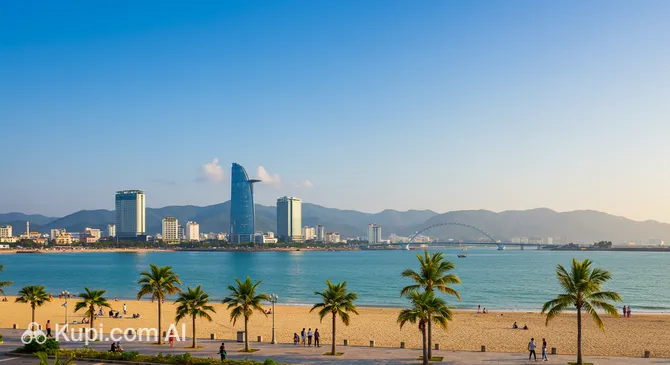
Da Nang. Source: Kupi.Binoculars

Geographically, the city is situated at the mouth of the Han River and stretches along the scenic coast of the East Sea. With a population of approximately 1.1 million people, Da Nang is one of the country's major urban centers and an economic hub. The local climate is tropical monsoon with two distinct seasons, ensuring warm and pleasant weather for beachgoers during the dry season.

While the city is famous for its glittering skyline and impressive bridges, it also possesses a deep and storied past. Visitors interested in the region's evolution can explore the history of Da Nang, which traces back to the ancient Champa Kingdom and its development as a significant trade port. This heritage is still visible today in the local architecture and museums.

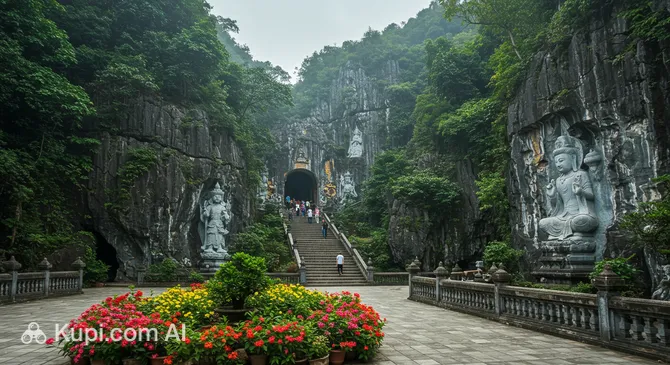
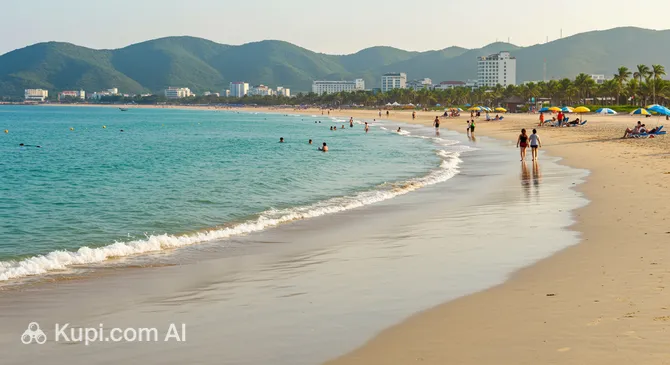
Travelers are drawn to Da Nang for its diverse attractions. The Marble Mountains, a cluster of five limestone and marble hills housing caves and temples, offer breathtaking views and spiritual solace. The iconic Dragon Bridge, known for breathing fire and water on weekends, has become a symbol of the city's prosperity. Additionally, the pristine white sands of My Khe Beach provide an idyllic setting for relaxation and water sports.

Whether you are seeking adventure, cultural immersion, or simply a peaceful retreat by the ocean, Da Nang offers a welcoming environment for all. We invite you to discover the friendly hospitality and spectacular beauty of this central Vietnamese gem.
Weather Overview

Da Nang typically experiences a warm and humid climate, making it a year-round destination for travelers, though the conditions vary by season. The temperatures are generally mildest at the beginning and end of the year; for instance, January sees an average temperature of about 21.2°C. As spring transitions into summer, the heat intensifies, with June reaching an average of 29.6°C, which is ideal for spending time by the sea.

Rainfall frequency is a key factor to consider when planning your itinerary. March and February tend to offer the most stable conditions with the fewest wet days, averaging around 12 to 13 per month. In contrast, the autumn months, particularly October, are characterized by a high frequency of precipitation, often recording up to 27 wet days. For a deeper understanding of seasonal trends and to help you pack accordingly, you can view the detailed report on the weather in Da Nang.

Overall, you can expect warm summers with consistent warmth and a higher likelihood of daily showers during the autumn months, while the early spring offers a balance of pleasant temperatures and fewer rainy days.

Interesting Facts

Beyond the popular sandy shores and the bustling city center, Da Nang holds many fascinating secrets that define its unique character. From architectural marvels to deeply rooted cultural beliefs, there are plenty of surprising details for the curious traveler to uncover.
Marble Mountains. Source: Kupi.Binoculars
  • The city is famously known throughout the country for its "5 No's" social policy, a unique initiative aiming to ensure there are no hungry households, no illiteracy, no beggars, no drug users, and no thieves, which contributes significantly to its reputation as the most livable city in the region.

  • The limestone peaks of the Marble Mountains are not named randomly; each of the five mountains corresponds to one of the five essential elements in Eastern philosophy: Metal, Wood, Water, Fire, and Earth.

  • Da Nang is home to the only swing bridge in Vietnam, the Han River Bridge, which was largely funded by local contributions and rotates 90 degrees on its axis in the middle of the night to allow large ships to pass through.

  • The design of the Dragon Bridge is modeled specifically after the dragon of the Ly Dynasty, a symbol of nobility and fortune, and the structure is illuminated by thousands of LED lights that change color to reflect different themes and festivals.

  • The Da Nang Museum of Cham Sculpture houses the largest collection of Cham artifacts in the world, preserving the intricate sandstone carvings and history of the ancient Champa Kingdom that once ruled Central Vietnam.

How to Get There

Reaching this coastal hub is relatively straightforward thanks to its central location and well-developed infrastructure. Whether you are arriving from domestic destinations or international cities, you can easily plan your journey and find more about how to get to Da Nang to suit your travel itinerary. The city serves as a major transportation node in Central Vietnam, offering various convenient entry points.

The most direct way to arrive is via Da Nang International Airport (DAD), which acts as the primary gateway to the region. Located just 1.2 km from the city center, it is incredibly convenient for travelers. A taxi or shuttle ride to the downtown area is very quick, typically taking around 20 to 25 minutes depending on traffic. As a major hub with significant passenger volume, it handles numerous daily flights from major Asian cities and domestic locations.

If you are exploring the wider region, you might also consider flying into Phu Bai International Airport (HUI), situated in the neighboring city of Hue. This airport is approximately 65.8 km away from Da Nang. The transfer by car or bus usually takes about 2 hours, offering a scenic route along the coast or through the famous Hai Van Tunnel. Another option is Chu Lai International Airport (VCL) in Tam Ky, located roughly 89.8 km south of the city, with a travel time of around 2.5 hours.

For clarity, here is a summary of the main airports serving the area:

Airport Name City Passenger Traffic Km from City
Da Nang International Airport Da Nang Large 1.2
Phu Bai International Airport Hue Medium 65.8
Chu Lai International Airport Tam Ky Medium 89.8
Dong Hoi Airport Dong Hoi Small 235.9
Pleiku Airport Pleiku Small 229.2

Beyond air travel, Da Nang is well-connected to the rest of the country by an extensive rail and road network. The city is a key stop on the North-South Railway (Reunification Express), making train travel a popular choice for those who enjoy scenic landscapes, particularly the breathtaking stretch over the Hai Van Pass. Long-distance sleeper buses also operate frequently from major cities like Hanoi and Ho Chi Minh City, offering a budget-friendly alternative for reaching this vibrant coastal destination.

Main Attractions

Attractions:

While the city is famous for its bridges and mountains mentioned earlier, Da Nang offers a wealth of other captivating sites that cater to nature lovers, history buffs, and food enthusiasts alike. Exploring these highlights provides a deeper connection to the local culture and the stunning geography of the central coast.

One of the most celebrated spots is My Khe Beach, often listed among the most beautiful beaches in the world. Stretching for kilometers with smooth white sand and gentle waves, it is the perfect place for a morning swim or a relaxing afternoon walk. Its proximity to the city center makes it incredibly accessible, allowing visitors to enjoy fresh seafood at nearby restaurants immediately after a dip in the ocean.

My Khe Beach. Source: Kupi.Binoculars

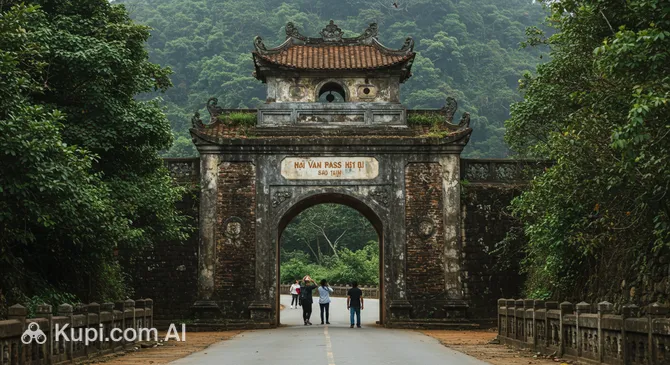
For those seeking breathtaking panoramic views and a touch of adventure, the Hai Van Pass Gate is an unmissable destination. Located at the top of the "Ocean Cloud Pass," this historical brick gate dates back to the Nguyen Dynasty and once served as a strategic barrier. Today, it offers travelers a spectacular vantage point where the misty mountains meet the sea, making it a favorite route for motorbike riders and photographers.

Hai Van Pass Gate. Source: Kupi.Binoculars

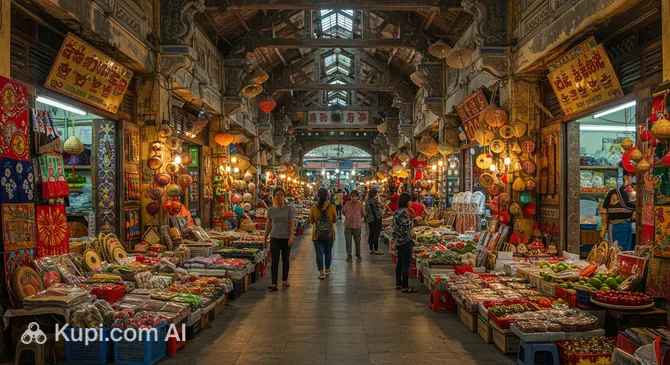
To experience the authentic daily life of the locals, a visit to Con Market is essential. As one of the city's largest and oldest wholesale markets, it is a bustling hub of commerce and gastronomy. Tourists love this spot for its vibrant food court, where you can taste traditional dishes like Mi Quang (turmeric noodles) and Banh Xeo (sizzling pancakes) at very affordable prices, all while soaking in the energetic atmosphere.

Con Market. Source: Kupi.Binoculars

Finally, for a different perspective of the cityscape, especially at night, take a ride on the Sun Wheel. Standing as one of the tallest observation wheels in the world, it illuminates the skyline with brilliant neon lights. A ride in one of its cabins offers a serene and majestic view over the Han River and the sparkling city lights, providing a romantic and memorable end to a day of exploration.

Local Cuisine

Da Nang is a true paradise for food lovers, offering a distinctive culinary style that sets it apart from the northern and southern regions of Vietnam. The local cuisine is known for its bold flavors, generous use of fresh herbs, and unique dipping sauces. A must-try dish that defines the city's gastronomic identity is Mi Quang (Quang noodles). Unlike typical noodle soups, it features a small amount of concentrated, turmeric-infused broth served with wide rice noodles, shrimp, pork, quail eggs, and a crispy sesame rice cracker on top.

Another favorite among locals and visitors alike is Banh Xeo, a savory sizzling pancake made from rice flour, water, and turmeric powder. These crispy delights are stuffed with pork, shrimp, and bean sprouts, then wrapped in rice paper with fresh greens and dipped in a special peanut sauce. For a lighter option, you can try Banh Trang Cuon Thit Heo, which consists of tender slices of boiled pork wrapped with aromatic herbs and dipped in mam nem, a fermented anchovy sauce that packs a punch of flavor.

Given its coastal location, the city is also famous for its abundance of fresh seafood. Travelers can head to the beachfront establishments to enjoy the catch of the day, prepared in various styles such as steamed with lemongrass, grilled with chili and salt, or stir-fried with tamarind. The dining culture here is vibrant and unpretentious; you will often find the best meals served at low tables on the sidewalk or in bustling food hubs like Con Market, where you can sample dozens of local specialties in one place.

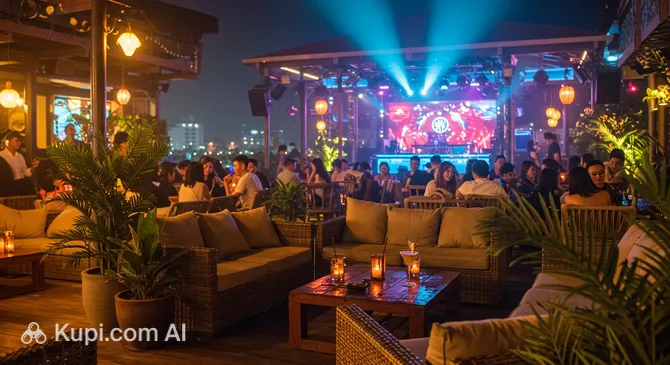
When it comes to beverages, coffee is an integral part of daily life. You can start your day with a strong Ca Phe Sua Da (iced coffee with condensed milk) or a refreshing coconut coffee. For evening relaxation, the local beer, Larue, is a popular choice to cool down after a hot day. If you prefer a more sophisticated setting to enjoy signature cocktails and a cozy ambiance, Son Tra Retreat Garden Lounge & Eatery is an excellent spot to unwind near the foot of the Son Tra Peninsula.

Son Tra Retreat Garden Lounge & Eatery. Source: Kupi.Binoculars

Travel Tips

Getting ready for your Da Nang adventure is exciting, but a little local know-how goes a long way in ensuring a smooth and enjoyable trip. We have compiled a list of essential practical tips to help you navigate the city with confidence and ease.

  1. Clothing and Gear: Light, breathable fabrics like cotton or linen are essential for the tropical heat, while a raincoat or compact umbrella is a must if you visit during the rainy season (September to December). Comfortable walking shoes are recommended for exploring caves and hills. Important: When visiting spiritual sites like the Marble Mountains or Lady Buddha, you must dress modestly by covering your shoulders and knees to show respect.

  2. Transportation: The most convenient way to get around is by using ride-hailing apps like Grab, which offer both motorbike and car options at fixed prices, eliminating the need to haggle. Traditional taxis like Vinasun and Mai Linh are also reliable and strictly use meters. While renting a motorbike is popular, only do so if you are an experienced rider with a valid license; otherwise, taxis are affordable and safer.

  3. Finances: The official currency is the Vietnamese Dong (VND). While credit cards are widely accepted in hotels, shopping malls, and upscale restaurants, cash is still king at local markets, street food stalls, and small cafes. ATMs are plentiful throughout the city. Tipping is not mandatory in Vietnam, but rounding up the bill or leaving a small amount is a kind gesture for good service.

  4. Health and Safety: Da Nang is generally very safe for tourists, but standard precautions against petty theft should be taken in crowded areas. Pharmacies are easy to find and often have English-speaking staff. Note: Do not drink tap water; always stick to bottled or filtered water to avoid stomach issues.

  5. Communication: Vietnamese is the main language, but English is fairly common in tourist hubs, hotels, and restaurants. To interact with locals in traditional markets, having a translation app on your phone is very helpful. You can easily purchase a local SIM card (Viettel or Vinaphone) at the airport or convenience stores for reliable 4G data. Wi-Fi is free and fast in almost every café and restaurant.

  6. Local Etiquette: Politeness is highly valued here. When handing money, a credit card, or a business card to someone, use both hands as a sign of respect. It is also customary to remove your shoes before entering a local home and some pagodas. A friendly smile is the best way to bridge any language barrier.

  7. What to Avoid: Public displays of anger or shouting are frowned upon and cause a "loss of face" for everyone involved; keep cool and smile even in frustrating situations. Additionally, avoid wearing revealing swimwear anywhere other than the beach or pool areas, as it is considered inappropriate in the city streets.

  8. Early Riser Advantage: Embrace the local lifestyle by waking up early at least once. Around 5:00 AM, the beaches are bustling with locals swimming, playing sports, and exercising to beat the midday heat. It is a unique cultural experience and the best time to see a spectacular sunrise over the ocean.

With these practical insights in hand, you are well-prepared to embrace the vibrant culture and stunning scenery of this coastal city. We hope your time in Da Nang is filled with memorable moments, delicious food, and safe travels!

Entertainment & Nightlife

When the sun sets, Da Nang shifts gears from a laid-back beach town to a vibrant city of lights. The nightlife scene here is diverse, catering to everyone from party animals to those seeking a quiet drink with a view. The energy is most palpable along the Han River, particularly on Bach Dang Street, which is lined with pubs, restaurants, and lounges offering views of the illuminated bridges. Another hotspot is the An Thuong Tourist Area near My Khe Beach, often referred to as the "foreigner quarter," where you can find a dense concentration of sports bars, craft beer spots, and live music venues.

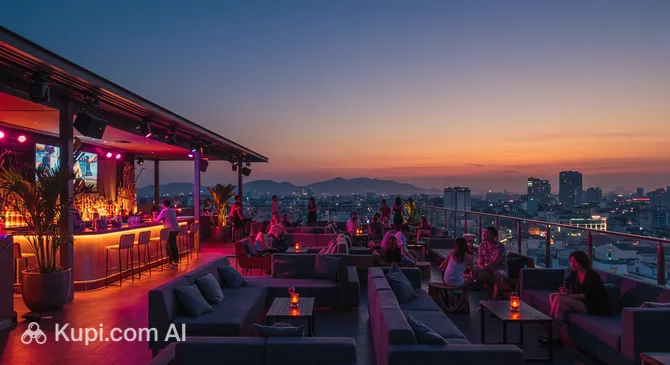
For those who enjoy live performances and a bustling crowd, On The Radio Bar is a local favorite. It is known for its energetic bands and friendly atmosphere, making it a great place to mingle with both locals and travelers. If you prefer a more modern lounge vibe with stylish decor and creative cocktails, Nuna Lounge offers a sophisticated setting to dance the night away or enjoy a conversation with friends. The dress code in most places is "smart casual"—shorts and t-shirts are generally fine for street bars, but you might want to dress up a bit for clubs or upscale rooftop venues.

Nuna Lounge. Source: Kupi.Binoculars

Beyond bars and clubs, the city's night markets are a must-visit for a taste of local life. The Son Tra Night Market, located near the Dragon Bridge, is perfect for trying street food like grilled seafood and buying souvenirs. For families or those looking for entertainment that transitions from day to evening, the city offers plenty of options. You can visit the Mikazuki 365 Water Park, an expansive indoor and outdoor Japanese-style park that provides fun water slides and hot spring baths for all ages, regardless of the weather.

The best time to experience the nightlife is after 9:00 PM when the clubs start to fill up, though bars and markets are busy from 7:00 PM onwards. Prices are generally affordable compared to Western standards; a beer can cost as little as 1-2 USD, while cocktails in upscale lounges might range from 5-10 USD. Getting around at night is safe and easy. Grab cars and bikes are readily available 24/7, and traditional taxis are also reliable. The city is very safe for night walks, especially along the riverfront and main tourist streets, but as always, it is wise to keep an eye on your belongings in crowded markets.

Parks & Museums

Beyond its golden sands and dragon-shaped bridges, Da Nang offers a rich tapestry of cultural and recreational spaces that invite travelers to explore the region's heritage and modern entertainment. The city's museums provide a window into the artistic and historical soul of Central Vietnam, while its parks offer vibrant settings for leisure and family fun.

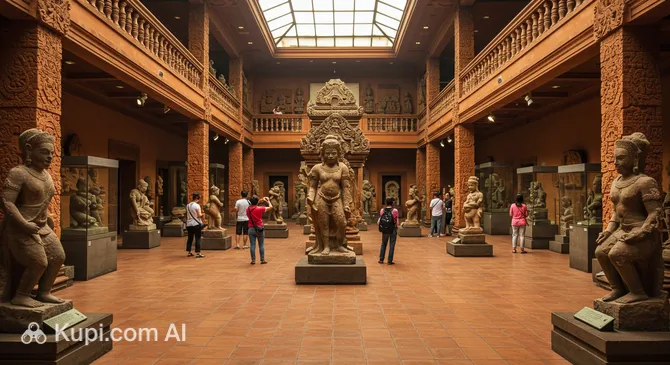
For history enthusiasts, the Da Nang Museum of Cham Sculpture is an absolute must-visit. Founded in the early 20th century, this architectural gem houses the world's most extensive collection of Cham artifacts. Walking through its open-air galleries, you can admire intricate sandstone carvings of Hindu deities, mythical creatures, and altars that date back centuries, telling the story of the ancient Champa Kingdom that once flourished along this coast.

Da Nang Museum of Cham Sculpture. Source: Kupi.Binoculars

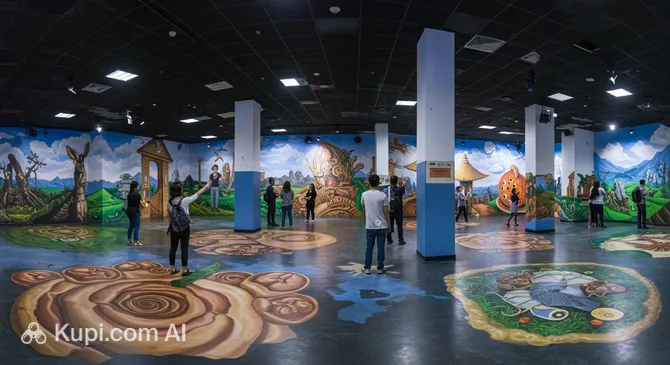
Art lovers will find inspiration at the Da Nang Fine Arts Museum. This facility showcases a diverse range of works, from traditional folk art and sculptures to contemporary paintings by local artists. It is a quiet and contemplative space that highlights the creative spirit of the city. For a more interactive and playful experience, the 3D Art Museum Da Nang offers a gallery filled with optical illusions where visitors can become part of the artwork, making it a popular stop for families and photographers.

3D Art Museum Da Nang. Source: Kupi.Binoculars

Those seeking outdoor entertainment should head to Danang Downtown. This expansive amusement park combines thrilling rides with cultural zones representing different Asian countries. It is a fantastic place to spend an evening, strolling through beautifully landscaped gardens and enjoying the lively atmosphere. Another notable mention for relaxation is the Mikazuki 365 Water Park, which brings a touch of Japanese wellness to the city with its hot springs and water slides.

Finally, for a serene escape rooted in spiritual tradition, visitors can explore the grounds of the Non Nuoc Pagoda. Nestled at the foot of the Marble Mountains, this centuries-old temple is surrounded by lush greenery and offers a peaceful environment for reflection, contrasting beautifully with the bustling energy of the city center.

Getting Around

Navigating Da Nang is straightforward and convenient, though the public transport options differ significantly from what you might find in Western metropolises. The city does not currently have a metro, tram, or train system for inner-city travel. Instead, the local infrastructure relies heavily on road-based transportation, with a public bus network serving as the primary mode of mass transit for residents and visitors alike.

The city's subsidized bus system, known as DanaBus, is characterized by its fleet of yellow buses. These vehicles are modern, air-conditioned, and cover most major routes, including connections between the city center, the beach areas, and the Marble Mountains. Tickets are very affordable, typically costing a flat rate regardless of the distance traveled. You do not need a travel card to use them; simply board the bus and pay the conductor in cash. It is highly recommended to carry small bills (VND) for this purpose, as conductors may not always have change for large denominations.

For tourists, the most popular and flexible alternative to the bus is using ride-hailing applications. Apps like Grab are widely used throughout the city, offering both car and motorbike taxi services. This option is incredibly user-friendly as it overcomes language barriers; you simply input your destination, see the fixed price upfront, and pay via the app or in cash upon arrival. Traditional taxis, such as Vinasun (white) and Mai Linh (green), are also plentiful and reliable. They operate strictly by the meter, making them a safe choice if you hail one on the street.

For those seeking a more independent way to explore, renting a motorbike is a common choice. Rental shops are scattered everywhere, and many hotels offer this service directly. However, this is only advisable if you are an experienced rider and possess a valid driving license, as traffic can be unpredictable. Alternatively, bicycle rentals are a fantastic option for exploring the flat coastal roads along the beach or the riverside promenades at a leisurely pace.

While not a mode of urban commuting, Da Nang boasts a record-breaking cable car system that is a transport attraction in itself. The cable car network transporting visitors to the Ba Na Hills resort holds several world records and offers spectacular views of the jungle and mountains. Within the city center, you might also see "cyclos"—three-wheeled bicycle taxis. These are intended purely for slow sightseeing rather than practical transport, offering a nostalgic way to view the street life.

When planning your travel, keep in mind that the public buses generally operate from early morning (around 5:30 AM) until early evening (approximately 6:00 PM to 7:00 PM), though some routes may run slightly later. Since night buses are not a standard feature, you will need to rely on taxis or ride-hailing apps if you are out enjoying the city's nightlife. To navigate the bus network, you can download the "DanaBus" mobile app, which allows you to search for routes and track bus locations in real-time.

Accommodation

Da Nang offers an impressive variety of accommodation options to suit every traveler's preference and budget. The city's hospitality landscape ranges from lively backpacker hostels and affordable guesthouses to mid-range boutique hotels and world-class luxury resorts. Whether you are looking for a simple place to sleep after a day of exploring or a lavish retreat with private pools and spa services, you will find ample choices here.

When choosing where to stay, location is key. Most tourists prefer one of two main areas: the beachfront or the city center. Staying near the beaches, particularly along the My Khe coastline, is perfect for those who want immediate access to the ocean and seafood restaurants. On the other hand, the area along the Han River in the city center offers a more urban vibe, placing you close to bustling markets, the famous bridges, and a vibrant nightlife scene.

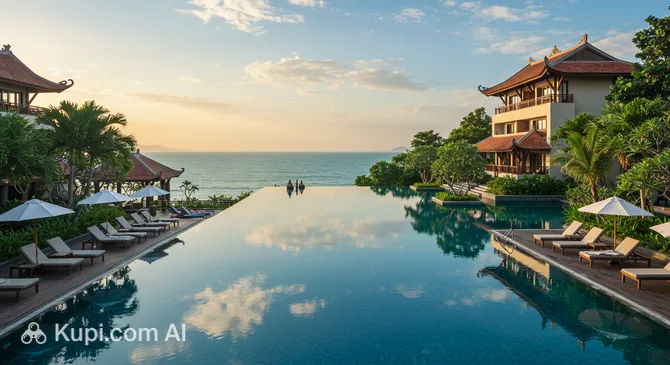
For those seeking a luxurious escape amidst nature, the Sun Peninsula Resort is a renowned choice. Nestled on the hills of the Son Tra Peninsula, this property is famous for its stunning architecture and secluded bay, offering a tranquil sanctuary away from the city's hustle. Alternatively, if you prefer to be right in the heart of the beach action, Yarra Ocean Suites provides modern amenities and easy access to the sandy shores, making it a convenient base for sun-seekers.

Sun Peninsula Resort. Source: Kupi.Binoculars

The price range for accommodation in Da Nang is generally very reasonable compared to other international destinations. Budget travelers can find comfortable dormitory beds or private rooms for very low rates, while mid-range hotels offer excellent value with high standards of cleanliness and service. Luxury resorts command higher prices but deliver exceptional experiences. Booking is typically done through major online platforms, which is often the easiest way to secure the best deals.

Booking Tip: While it is usually easy to find a room, it is highly recommended to book your accommodation in advance if you plan to visit during the peak summer months (June to August) or during major Vietnamese holidays like Tet (Lunar New Year), as popular hotels fill up quickly.

Nearby Cities

For those looking to explore the surroundings, Da Nang serves as an excellent base for day trips to several interesting nearby locations:

Just a short drive south lies the charming ancient town of Hoi An. Famous for its mustard-yellow merchant houses, colorful lanterns, and tranquil riverside setting, it is a UNESCO World Heritage site that offers a peaceful retreat from the city. Visitors can explore vibrant markets, visit traditional tailors, and enjoy the unique local cuisine.

Traveling north over the scenic Hai Van Pass brings you to Hue, the former imperial capital. This city is steeped in history, featuring the majestic Citadel, the Forbidden Purple City, and the elaborate tombs of the Nguyen emperors along the Perfume River. It is a must-visit for those interested in Vietnam's royal heritage.

For a destination further off the tourist trail, travelers can visit Quang Ngai. Located to the south, this province offers authentic local culture and historical sites, including the poignant My Lai Memorial, providing a deep insight into the region's past.

City Population Distance (km)
Hue 652572 80
An Nhon 317620 259
Qui Nhon 311000 274
Quang Ngai 260252 122
Da Loi 256019 221

These nearby destinations offer a glimpse into the diverse culture and landscapes of the region.

Shopping & Souvenirs

Shopping in Da Nang offers a delightful mix of traditional culture and modern convenience, reflecting the city's rapid development. Visitors can explore everything from bustling local markets filled with the aroma of dried seafood to contemporary air-conditioned shopping centers housing international brands. Whether you are looking for high-end fashion, unique handicrafts, or simple travel essentials, the city provides a diverse retail landscape that caters to all budgets and tastes.

For those who enjoy street shopping, Le Duan Street and Hung Vuong Street are the primary arteries for fashion and accessories. These busy avenues are lined with hundreds of boutiques selling clothing, shoes, and cosmetics, often at very reasonable prices. Walking along these streets offers a glimpse into the local youth culture and fashion trends. Additionally, the area around Bach Dang Street, which runs along the Han River, is excellent for finding souvenir shops and art galleries amidst its scenic cafes.

Travelers seeking a modern retail experience will find several large malls in the city center. Vincom Plaza and the Indochina Riverside Mall are popular destinations offering a wide range of international fashion labels, electronics, and entertainment options, including cinemas and food courts. For visitors specifically looking for local specialties and high-quality souvenirs in a comfortable setting, the Specialty Gift Store Central is a noteworthy stop. It gathers a variety of regional products under one roof, making it convenient for gift hunting.

Specialty Gift Store Central. Source: Kupi.Binoculars

No shopping trip to Da Nang is complete without visiting its famous markets. Han Market is the most popular choice for tourists due to its central location near the river. It is the perfect place to buy local snacks, rattan bags, and fabric for custom-made clothes. For a more authentic and gritty experience, Con Market remains the wholesale hub of the city. While it is famous for its food court, the dry goods section is packed with vendors selling clothing, household items, and fresh produce at local prices.

When it comes to souvenirs, Da Nang has several signature items worth bringing home. The city is renowned for its stone carvings, a craft originating from the village at the foot of the Marble Mountains. You can find intricate statues, jewelry, and small trinkets made from marble and limestone. Food items are also popular, particularly dried seafood like squid and beef jerky, as well as boxes of sesame cakes and local tea or coffee, which make for delicious and portable gifts.

Stores and markets generally operate from early morning until late evening. Markets like Han and Con open around 6:00 AM and start winding down by 7:00 PM, though some stalls may stay open later. Shopping malls typically open from 9:30 AM to 10:00 PM. In terms of payment, cash (VND) is essential for markets and small street shops, where bargaining is expected and part of the fun. Credit cards are widely accepted in shopping malls, supermarkets, and established souvenir stores.

International tourists should also be aware of the VAT refund scheme available in Vietnam. If you purchase goods totaling at least 2,000,000 VND in a single day from a participating "VAT Refund for Tourists" store, you may be eligible to claim a refund at the airport before your departure. Look for the tax-free signage at the entrance of larger stores or ask the staff for the necessary forms to present at customs.

Reached the end of the page?

That means the route is fully explored