Support

Pleiku

About

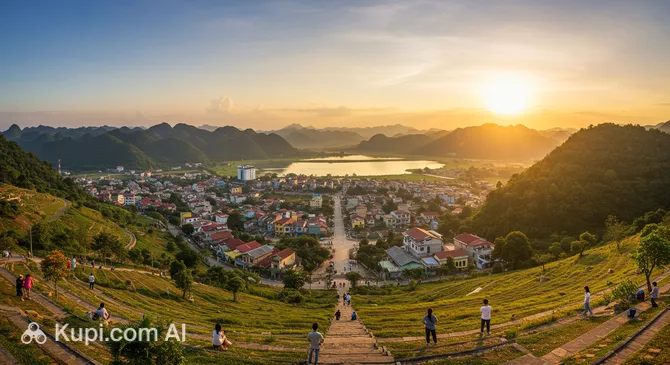
Nestled in the heart of the Central Highlands, Pleiku is a captivating city that serves as the capital of Gia Lai Province. Unlike the coastal destinations often associated with Vietnam, this city offers a refreshing mountain atmosphere, characterized by its cool climate, lush pine forests, and rich red basalt soil. With a population of approximately 218,000 residents, it balances the vibrancy of a developing urban center with the tranquility of its natural surroundings.

Pleiku. Source: Kupi.Binoculars

The city sits on a volcanic plateau, which has shaped both its geography and its local agriculture. Travelers interested in the history of Pleiku will find that the region has long been a crossroads of diverse cultures, particularly the indigenous Jarai and Bahnar ethnic groups. This cultural tapestry is woven into the daily life of the city, from its bustling markets to its diverse architecture.

One of the most iconic attractions is the breathtaking Sea Lake (Bien Ho), a freshwater lake formed in the crater of an extinct volcano, often poetically described as the "Eyes of Pleiku." Visitors are also drawn to the stunning Minh Thanh Pagoda, which features distinct architectural styles and a serene ambiance. Additionally, the surrounding region is famous for its vast coffee and tea plantations, making it a perfect spot for nature lovers and coffee enthusiasts alike.

Whether you are seeking a peaceful retreat into nature or a chance to explore the unique culture of the Central Highlands, Pleiku welcomes you with open arms. It is an ideal stop for those looking to experience a different, more serene side of the country.

Weather Overview

Pleiku benefits from a tropical plateau climate, offering generally moderate and comfortable temperatures throughout the year due to its elevation. The city's weather pattern is clearly defined by two seasons: a dry season and a rainy season, which significantly influences travel plans.

Travelers looking for the most favorable conditions should consult the detailed guide to the weather in Pleiku before booking. The dry season, spanning roughly from November to April, is characterized by plenty of sunshine and minimal rainfall. During these months, average temperatures range from cooler lows of about 18°C in January to highs reaching 32°C by April.

From May through October, the region enters its wet season. While temperatures remain warm, averaging around 24°C to 26°C, rainfall becomes very frequent. For instance, from July to August, visitors can expect rain on up to 30 days a month, making it a lush but wet time to visit.

Interesting Facts

Beyond its scenic pine forests and misty mornings, Pleiku holds a treasure trove of cultural secrets and unique local lore. From culinary distinctiveness to legends of ancient volcanoes, there is much more to this highland city than meets the eye.
  • The city is the birthplace of a unique culinary specialty known as "Pho Kho" or "Two-Bowl Pho." Unlike the traditional noodle soup found elsewhere in Vietnam, this dish is famously served in two separate bowls: one containing the rice noodles and toppings tossed in a savory sauce, and the other holding the hot, clear broth to be sipped on the side.

  • Local folklore surrounds the famous Sea Lake (Bien Ho), which sits in an extinct volcanic crater. A persistent urban legend claims the lake is bottomless and connected to the ocean via deep underground tunnels, a myth fueled by the lake's vastness and the region's volcanic geology.

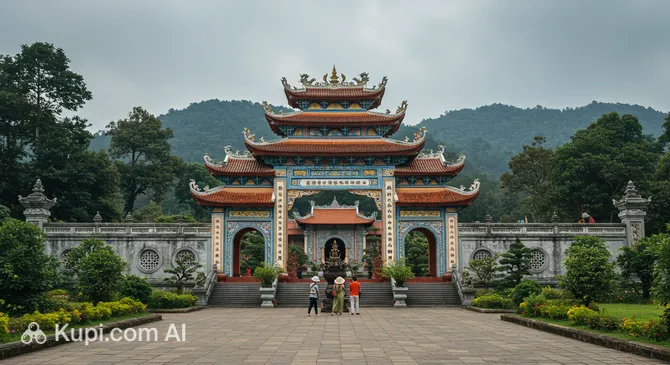
  • The skyline is graced by the Minh Thanh Pagoda, which stands out for its unusual architectural fusion. Unlike many traditional Vietnamese temples, it incorporates significant Japanese and Taiwanese design elements, featuring a stunning curved roof and a 9-story tower that is visible from much of the surrounding area.

  • Pleiku is a vital hub for the "Space of Gong Culture," a tradition recognized by UNESCO. For the indigenous Jarai and Bahnar communities in the region, gongs are not merely musical instruments but are considered sacred tools used to communicate with deities and ancestors during essential life rituals.

Minh Thanh Pagoda. Source: Kupi.Binoculars

How to Get There

Reaching the Central Highlands is relatively straightforward, with air travel being the most time-efficient method for most visitors. The region is well-connected to major Vietnamese cities, making the journey convenient. For a detailed breakdown of routes and transportation modes, you can read more about how to get to Pleiku.

The primary gateway to the city is Pleiku Airport (PXU), strategically located just 2.3 km from the city center. This regional hub handles a steady flow of travelers and offers the quickest access to the area; a taxi ride to downtown typically takes only about 24 minutes. Alternatively, travelers might consider Phu Cat Airport (UIH) in the coastal city of Qui Nhon. Although it serves a larger volume of passengers, it is situated approximately 111 km away, requiring a transfer time of roughly 3 hours by road. Another option is Phung-Duc Airport (BMV) in Buon Ma Thuot, located about 145 km from Pleiku.

For clarity, here is a summary of the main airports serving the region:

Airport Name City Passenger Traffic Km from City
Chu Lai International Airport Tam Ky Large 175.2
Phu Cat Airport Qui Nhon Large 111.0
Phung-Duc Airport Buon Ma Thuot Medium 144.7
Tuy Hoa Airport Tuy Hoa Small 176.2
Pleiku Airport Pleiku Small 2.3

The city of Pleiku does not have a railway station, as the national train network runs primarily along the coast and does not ascend into this part of the Central Highlands. Visitors wishing to travel by land typically rely on an extensive network of sleeper buses or private cars connecting the city with coastal destinations and major urban centers like Ho Chi Minh City and Da Nang.

Main Attractions

One of the most architecturally striking sites in the city is the Minh Thanh Pagoda. Located just a short distance from the city center, this temple is renowned for its unique fusion of Chinese and Japanese architectural styles, which sets it apart from many traditional Vietnamese pagodas. Visitors are often captivated by the towering nine-story Bao Thap stupa and the serene statues that adorn the grounds. The peaceful atmosphere, combined with intricate wood carvings and manicured gardens, makes it a perfect place for contemplation and photography.

Often referred to as the "Eyes of Pleiku," Sea Lake (Bien Ho) is a must-visit natural wonder situated in an extinct volcanic crater. The lake is famous for its crystal-clear turquoise water, which is so still it resembles a giant mirror reflecting the sky. Surrounded by lush pine forests, the area offers a cool, refreshing climate and scenic pathways that are ideal for a relaxing walk. It is considered the gem of the Central Highlands and provides a tranquil escape from the bustling city life.

For nature enthusiasts, Chu Dang Ya Volcano offers a spectacular landscape roughly 30 kilometers from the city. This extinct volcano is covered in rich basalt soil and vibrant vegetation, untouched by modern urbanization. It is particularly stunning during the wild sunflower season, typically in November, when the hillsides erupt in brilliant yellow blooms. The trek to the top is rewarding, offering panoramic views of the surrounding patchwork of farm fields and mountains, making it a favorite spot for hikers and landscape photographers.

To gain insight into the region's history, a visit to Pleiku Prison is highly recommended. Originally built by French colonists in 1925, this historical site served as a detention center for political prisoners during various periods of conflict. Today, it stands as a museum displaying artifacts and recreating the conditions of the past. Walking through the cells and observing the exhibits provides a somber but educational perspective on the resilience of the local people and the turbulent history of the Central Highlands.

Dominating the skyline with its impressive height of over 1,000 meters, Ham Rong Mountain (Dragon Jaw Mountain) is another volcanic peak that draws visitors for its breathtaking vistas. The mountain is often shrouded in mist and clouds in the early morning, creating a mystical atmosphere. It serves as an excellent viewpoint to admire the vast tea plantations and the city spreading out below, offering a fresh perspective on the grandeur of Gia Lai Province.

Local Cuisine

The culinary scene in Pleiku is a delightful reflection of the Central Highlands' cultural diversity, blending traditional Vietnamese flavors with the rustic simplicity of the mountain tribes. Thanks to the region's cool climate and fertile volcanic soil, the local cuisine is defined by fresh ingredients, abundant herbs, and robust flavors that warm the soul on chilly evenings.

The undisputed star of the city's gastronomy is Pho Kho, also known as "Two-Bowl Pho." While it was briefly noted as a local curiosity, experiencing it is a true culinary ritual. One bowl contains elastic rice noodles tossed with minced pork, fried shallots, and a special soybean paste, while the second bowl holds a clear, savory broth with beef or chicken. Diners mix fresh herbs and lime into the noodles and sip the hot broth separately, creating a unique interplay of textures and temperatures that you won't find anywhere else in the country.

For the adventurous eater, Bun Mam Cua (Fermented Crab Noodle Soup) is a must-try dish that locals adore. Often referred to as "smelly crab noodles" due to the strong aroma of the fermented field crabs used in the black broth, it offers a rich, salty, and spicy flavor profile. It is typically served with bamboo shoots, crispy pork skin, and plenty of raw vegetables to balance the intensity, making it an unforgettable gastronomic experience.

Reflecting the influence of the indigenous communities, Com Lam (Bamboo Tube Rice) paired with Ga Nuong (Grilled Chicken) is a staple feast. The rice is cooked inside bamboo tubes over charcoal, infusing it with a woody fragrance, while the chicken is marinated with honey and local herbs before being grilled to perfection. This meal is traditionally dipped in a mixture of salt, chili, and lemon basil, known locally as "muoi e," which elevates the savory meat with a zesty kick.

No visit to this coffee capital would be complete without indulging in the local drinking culture. As a major coffee-growing region, Pleiku offers exceptionally strong and aromatic Robusta coffee, often enjoyed iced with condensed milk. For a more traditional experience, visitors should try Ruou Can, a fermented rice wine stored in large ceramic jars. Drunk through long bamboo straws, often communally during festivals or gatherings, it represents the hospitality and communal spirit of the highland people.

The food culture here is laid-back and authentic, with the best meals often found at bustling street stalls rather than fancy restaurants. The Pleiku Night Market is the heart of evening dining, where the cool mountain air is filled with the scent of grilled meats and steaming soups. It is the perfect place to pull up a plastic stool, mingle with friendly locals, and sample a variety of affordable treats in a vibrant atmosphere.

Travel Tips

Welcome to Pleiku, a city that offers a distinctively cooler and calmer pace of life compared to Vietnam's bustling coastal hubs. To help you navigate the unique geography and culture of the Central Highlands, here are some practical tips to ensure your journey is as smooth and enjoyable as possible.

  1. Clothing and Gear: Due to the city's elevation, the climate can be surprisingly cool, especially in the early mornings and evenings. Pack light layers, such as a windbreaker or a light sweater, to stay comfortable when the temperature drops. If you are visiting during the rainy season (May to October), a high-quality raincoat or poncho is essential. Since you will likely be exploring natural sites like Sea Lake or climbing steps at pagodas, bring comfortable, sturdy walking shoes. Remember to dress modestly—covering shoulders and knees—when visiting spiritual sites like the Minh Thanh Pagoda.

  2. Transportation: Public transport within the city is limited and can be difficult for tourists to navigate. The most convenient way to get around is by taxi; reliable companies like Mai Linh or Sun Taxi are widely available. Ride-hailing apps may work but have fewer drivers than in major cities like Ho Chi Minh City. For the adventurous traveler, renting a motorbike is a popular option to explore the surrounding tea plantations and volcanic landscapes at your own pace, but ensure you have a valid international driving permit.

  3. Finances: The local currency is the Vietnamese Dong (VND). While some upscale hotels and restaurants in the city center accept credit cards, cash is king in Pleiku. You will need cash for street food, local markets, and small cafes. ATMs are plentiful in the downtown area, but it is wise to withdraw sufficient funds before heading out to more remote natural attractions where banking facilities are non-existent.

  4. Health and Safety: Pharmacies (look for signs saying "Nha Thuoc") are easy to find in the city center and are generally well-stocked with basic medications. Pleiku is a safe city for tourists, but standard precautions apply: keep an eye on your belongings in crowded markets. Since the region is lush and tropical, bring effective mosquito repellent to protect yourself from insect bites, especially if you plan to be outdoors around dusk or dawn.

  5. Communication: English is not as widely spoken here as it is in Hanoi or Da Nang. It is highly recommended to have a translation app downloaded on your phone to help with menus and basic directions. Buying a local SIM card (Viettel or Vinaphone have the best coverage in the highlands) is affordable and easy to do at the airport or local shops, ensuring you stay connected for maps and translation tools.

  6. Local Etiquette: The Central Highlands are home to many ethnic minority groups with distinct customs. When interacting with locals, a friendly smile goes a long way. Always ask for permission before taking photos of people, particularly in ethnic villages, as a sign of respect. When visiting someone's home, remove your shoes at the door unless told otherwise.

  7. What to Avoid: Avoid trekking into restricted border areas near Cambodia without a proper permit or a licensed guide, as this is strictly regulated. Additionally, avoid public displays of anger or raising your voice; keeping your cool is essential in Vietnamese culture and will help resolve any issues much faster.

  8. Local Insight: Embrace the "morning culture." Life in Pleiku starts early; the markets are most vibrant and the coffee is freshest right after sunrise. Do as the locals do: wake up early to enjoy a cup of strong Robusta coffee while watching the mist lift off the mountains.

By keeping these practicalities in mind, you will be well-prepared to embrace the authentic charm of Pleiku. Enjoy the fresh mountain air, the warm hospitality of the locals, and the unforgettable landscapes of the Central Highlands.

Entertainment & Nightlife

Unlike the frenetic energy of Vietnam's larger metropolises, the nightlife in Pleiku offers a more relaxed and authentic atmosphere. The cool mountain air sets the tone for evenings spent enjoying hot food, acoustic music, and the local "night coffee" culture. While you won't find an endless row of neon-lit nightclubs, the city has a distinct charm after dark, centered around social gatherings and culinary exploration.

The heartbeat of the evening scene is undoubtedly the Pleiku Night Market. Located near the city center, this bustling area comes alive as the sun sets. It is the perfect place to immerse yourself in the local vibe, where the air is filled with the aroma of grilled meats and the famous "two-bowl pho." The crowd here is a mix of local families, young people, and travelers, creating a friendly and safe environment. For a lively street experience, head to the intersection of Hoang Van Thu and Nguyen Thien Thuat streets, where vendors and small eateries stay open late.

For those seeking a drink and some music, the city offers a growing selection of pubs and lounges. Classic Coffee is a staple of the city's social life; while primarily a cafe, its evening atmosphere often buzzes with locals enjoying the cool weather. For a more energetic night out, venues like Century Club provide a space for dancing and modern music. The nightlife here is casual, so there is no need for a strict dress code—jeans and a light jacket are perfectly appropriate.

Practical advice for a night out includes carrying cash, as many street vendors and smaller bars do not accept cards. The best time to head out is around 7:00 PM when the streets are most active. Getting around is easy and affordable; reliable taxi services like Mai Linh are readily available to take you back to your hotel. The city is generally very safe for night walks, particularly in the well-lit downtown areas, but standard travel precautions regarding personal belongings should always be observed.

During the daylight hours, the city offers a different kind of entertainment focused on culture and nature. Visitors can explore the Gia Lai Museum to learn about the region's ethnic history or take a leisurely boat ride at Dien Hong Park. For a spiritual and architectural highlight, a visit to the Minh Thanh Pagoda is essential. This site transforms from a peaceful sanctuary in the day to a beautifully illuminated landmark in the early evening, offering a serene start to your night.

Parks & Museums

While Pleiku is famous for its volcanic soil and coffee plantations, the city also offers a refreshing array of green spaces and cultural institutions. These spots provide a perfect balance to the bustling markets, allowing visitors to unwind in nature or delve deeper into the rich heritage of the Central Highlands' indigenous tribes.

Dien Hong Park acts as the city's "green lung" and is a favorite gathering spot for locals. Centered around a tranquil lake, the park features paved walking paths shaded by willow trees and vibrant flower beds. It is a hub of activity from dawn till dusk, where you can watch residents practicing Tai Chi or playing badminton. For a truly local experience, visit in the late afternoon to find small cafes along the water's edge. Sipping a local juice or iced coffee here while watching the sunset reflects the slow, peaceful pace of highland life.

Just a short drive from the downtown area, the protected area surrounding Sea Lake (Bien Ho) functions as a magnificent natural park. Beyond the lake itself, the entrance is lined with ancient three-leaf pine trees that form a scenic green tunnel, often compared to the romantic landscapes of Da Lat. The fresh, oxygen-rich air and the sound of the wind rushing through the pine needles make it an ideal location for nature lovers seeking a quiet, meditative walk away from urban noise.

At the center of the city's civic life is Dai Doan Ket Square, often referred to as the "Heart of Pleiku." This expansive plaza is dominated by a massive bronze statue of President Ho Chi Minh, standing against a backdrop of stone reliefs that intricately depict the daily lives and unity of the local ethnic groups. The square is more than just a monument; it is a vibrant community space that comes alive in the evenings with families strolling, children skating, and occasional cultural festivals that showcase the region's spirit.

To truly understand the anthropological depth of the region, a visit to the Gia Lai Museum is essential. Located near the central square, this facility houses thousands of artifacts dedicated to the Bahnar and Jarai ethnic groups. Visitors can explore comprehensive exhibits featuring traditional stilt house models, intricate wood carvings, hunting tools, and colorful ceremonial costumes. The museum also highlights the significance of the gongs, providing crucial context for the UNESCO-recognized "Space of Gong Culture" that defines the Central Highlands.

Completing the cultural landscape are two other notable sites. The Minh Thanh Pagoda is well worth a visit, not just for its architecture but for its serene, Japanese-style gardens adorned with bonsai trees and statues, offering a Zen-like atmosphere. Meanwhile, Pleiku Prison stands as a somber historical museum, where preserved cells and galleries offer a brief but poignant glimpse into the revolutionary history and resilience of the Vietnamese people during the colonial and war eras.

Getting Around

The public transport system in Pleiku is relatively modest compared to the bustling metropolises of the region. Visitors should not expect to find a complex network of subways, trams, or light rail systems here. Instead, the city relies primarily on a road-based infrastructure, with buses serving as the main form of communal transit, supplemented heavily by private transport options which are often more convenient for tourists.

The local bus network connects the city center with surrounding districts and neighboring provinces, such as Kon Tum. These buses are typically painted green or yellow and are a familiar sight on the main arterial roads. While they are an authentic way to travel like a local, they are generally designed for commuting between towns rather than hopping between tourist attractions within the city limits. Stops are not always clearly marked with shelters or timetables, so spotting a bus often requires knowing the general route and waving it down.

Regarding the payment system, simplicity is key. There are no electronic travel cards, smart passes, or mobile payment apps for the bus system in Pleiku. Fares are paid exclusively in cash directly to the conductor on board. Ticket prices are very affordable, typically ranging from 10,000 to 30,000 VND depending on the distance traveled. It is highly recommended to carry small denominations of the local currency, as conductors may not always have change for large bills.

For most tourists, the most practical alternatives to public buses are taxis and motorbike rentals. Taxis are plentiful, safe, and relatively inexpensive; reputable companies like Mai Linh or Sun Taxi operate with meters, eliminating the need to haggle. Ride-hailing apps are available but may have fewer drivers than in larger cities. For those seeking freedom to explore the volcanic landscapes and tea plantations at their own pace, renting a motorbike is the most popular choice. Rental shops are easy to find near hotels and the city center.

A few practical tips will help ensure a smooth journey. Public buses generally operate during daylight hours, starting early in the morning around 5:30 AM and ceasing operations by late afternoon, often around 5:00 PM or 6:00 PM. Therefore, do not rely on buses for evening travel. If you choose to take a bus, simply board, find a seat, and wait for the conductor to approach you for payment. While the system lacks modern flair, it offers a glimpse into the slow, steady rhythm of daily life in the highlands.

Accommodation

Accommodation in Pleiku caters primarily to practical travelers and those seeking to explore the authentic culture of the Central Highlands. The city offers a solid selection of lodging options, ranging from budget-friendly guesthouses (known locally as "Nha Nghi") to comfortable mid-range hotels and a few upscale establishments. While visitors will not find the extensive rows of luxury beach resorts typical of Vietnam's coast, the available accommodations are generally clean, modern, and known for their warm hospitality.

For convenience and accessibility, the City Center is the most popular area to stay. Hotels located near major roads such as Hung Vuong, Tran Hung Dao, and Le Loi streets place travelers within easy walking distance of the bustling night market, local restaurants, and vibrant coffee shops. Staying in the downtown area also makes it significantly easier to arrange transportation, such as taxis or motorbike rentals. Alternatively, travelers seeking a quieter retreat may prefer locations on the outskirts near Sea Lake (Bien Ho). These spots offer serene views and fresh pine-scented air, though they are best suited for those who have their own transport or do not mind a short commute into town for dinner.

A helpful tip for booking is to consider the seasonality of the region. While Pleiku is not usually overrun with tourists, it is the gateway to the Central Highlands, and availability can tighten during the peak dry season from November to April. It is especially wise to secure your room in advance if your visit coincides with major Vietnamese holidays like Tet (Lunar New Year) or local cultural events such as the Gong Culture Festival, when the city welcomes a higher influx of domestic visitors.

In terms of pricing, the city is very affordable compared to major tourist hubs like Da Nang or Ho Chi Minh City. Budget travelers can find excellent value in local guesthouses, while mid-range hotels often provide spacious rooms and amenities at a fraction of the cost found elsewhere. Most established hotels are listed on major international booking platforms, making online reservations simple and reliable. However, for smaller homestays or guesthouses, direct booking or even walk-ins are still common practices in this friendly highland city.

Nearby Cities

For those looking to explore the surroundings, Pleiku serves as an excellent base for day trips to several interesting nearby locations:

City Population Distance (km)
Da Nang 1,134,380 231
Nha Trang 392,279 229
Buon Ma Thuot 340,000 144
An Nhon 317,620 119
Qui Nhon 311,000 132

While some of the larger coastal cities require a longer journey, there are excellent options for shorter excursions that showcase the diversity of the region. Buon Ma Thuot, located approximately 144 km south, is a fantastic destination for a short visit. As the largest city in the Central Highlands, it rivals Pleiku in coffee culture and is famous for its majestic waterfalls, such as Dray Nur and Dray Sap. It offers a deeper dive into the traditions of the Ede ethnic people and the history of coffee production in Vietnam.

For travelers craving a dramatic change of scenery from the mountains to the sea, Qui Nhon is reachable via a scenic drive through the An Khe Pass. Situated about 132 km to the east, this coastal city in Binh Dinh Province is renowned for its pristine beaches, turquoise waters, and ancient Cham towers. It provides a relaxing seaside escape where visitors can enjoy fresh seafood and explore coastal landmarks like Ky Co Beach and Eo Gio.

These nearby destinations offer a glimpse into the diverse culture and landscapes of the region, ranging from thundering highland waterfalls to serene sandy shores.

Shopping & Souvenirs

Shopping:

Shopping in Pleiku offers a distinctively local experience that contrasts with the high-end retail therapy found in Vietnam's larger metropolises. Instead of luxury fashion houses, the city is a haven for agricultural treasures and authentic cultural craftsmanship. Visitors will find that the shopping scene here revolves around the region's bountiful produce—particularly coffee, tea, and honey—as well as the unique handicrafts of the Central Highlands' indigenous communities.

The commercial pulse of the city beats strongest along its central arteries, particularly Hung Vuong Street and Tran Phu Street. These bustling thoroughfares are lined with a variety of shops selling clothing, shoes, and electronics. Walking along these streets provides a glimpse into modern local life, where small family-run boutiques stand alongside well-known Vietnamese fashion brands. It is the best area to find practical travel gear or casual wear suited to the cool highland climate.

For those seeking a modern retail environment, Vincom Plaza Pleiku is the city's premier shopping destination. Located in the heart of the downtown area, this mall offers a comfortable, air-conditioned escape featuring a supermarket, cinema, and a selection of international and domestic chain stores. It serves as a convenient one-stop shop for travelers needing to restock on essentials or looking for familiar brands in a contemporary setting.

However, the true spirit of commerce in Pleiku is found in its traditional markets. The Pleiku Market (often referred to as the New Market or Trung Tam Thuong Mai) is an imposing architectural structure where vendors sell everything from fresh produce to fabrics and household goods. For a more atmospheric experience, the Pleiku Night Market is unmissable. While primarily a food destination, the surrounding stalls often sell inexpensive clothes, accessories, and small trinkets, making it a lively place to browse after dinner.

When it comes to souvenirs, the region's agricultural heritage takes center stage. Coffee is the quintessential gift from Gia Lai Province; buying a bag of robusta beans directly from the source ensures exceptional freshness and quality. Another unique specialty is "Bo Mot Nang" (one-sun dried beef), typically paired with a jar of exotic weaver ant salt ("muoi kien vang"). For cultural keepsakes, look for brocade textiles (tho cam) woven by the local Bahnar and Jarai artisans, which are fashioned into bags, scarves, and tablecloths featuring vibrant, geometric patterns.

Most shops in the city open around 8:00 AM and close by 9:00 PM, though the night market stays active until late. Payment methods remain largely traditional; while the shopping mall and larger supermarkets accept credit cards, cash (VND) is absolutely essential for street shops, markets, and buying souvenirs from local vendors. It is advisable to carry smaller denominations for easier transactions.

Regarding tax refunds, tourists should be aware that the VAT refund scheme is generally not available in Pleiku. This service is typically restricted to large international airports and designated luxury stores in major tourist hubs like Ho Chi Minh City or Hanoi. Therefore, visitors should not expect to claim tax back on purchases made within the city.
Reached the end of the page?

That means the route is fully explored