Support

Da Lat

About

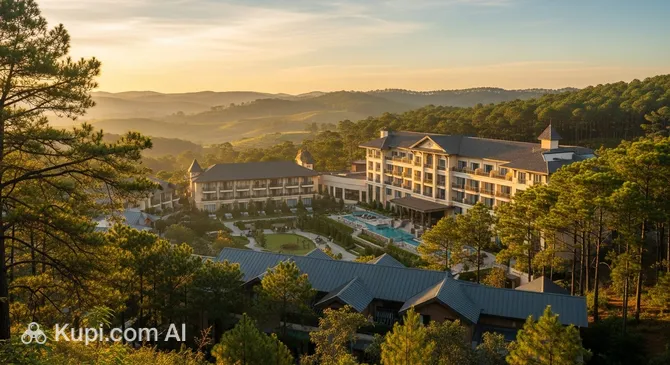
Nestled in the misty Central Highlands, Da Lat offers a refreshing escape with its cool climate and pine-covered landscapes. Often referred to as the "City of Eternal Spring," this charming destination stands out from the tropical heat typical of Vietnam. With a population of approximately 210,000 residents, it serves as the capital of Lâm Đồng Province and a popular retreat for both locals and international travelers.

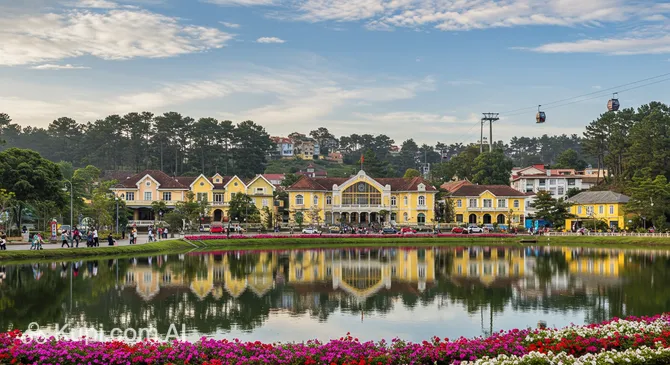
The city is renowned for its unique atmosphere, which blends natural beauty with a distinct architectural heritage. Visitors interested in the history of Da Lat will find fascinating traces of its past, particularly in the well-preserved French colonial villas and the vintage railway station that dot the cityscape. The temperate weather allows for the year-round cultivation of flowers, strawberries, and vegetables, adding vibrant colors to the surrounding hills.

Da Lat. Source: Kupi.Binoculars

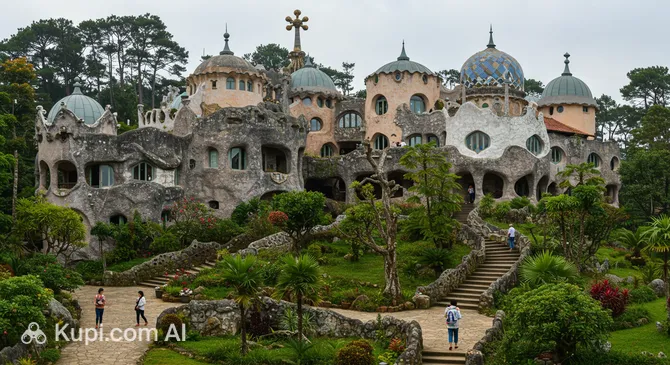
Da Lat is packed with scenic spots and quirky attractions. The serene Xuan Huong Lake lies at the heart of the city, perfect for a leisurely stroll or a swan boat ride. For those seeking something more unconventional, the Crazy House (Hằng Nga Guesthouse) offers a surreal architectural experience with its winding tunnels and organic shapes. Nature lovers should not miss the majestic waterfalls nearby, such as Datanla or Elephant Falls, which showcase the region's raw power.

Whether you are looking for romantic scenery, adventure, or simply a break from the coastal heat, Da Lat welcomes you with open arms. Its blend of culture, nature, and cool mountain air makes it an unforgettable stop on any travel itinerary.

Weather Overview

Da Lat is famous for its temperate climate, often described as "Eternal Spring," which stands in stark contrast to the tropical heat found elsewhere in the country. If you check the detailed weather in Da Lat, you will notice that temperatures remain pleasant throughout the year. The average monthly temperatures generally hover between a cool 19.7°C in December and a mild 23.0°C in May, making it a comfortable destination regardless of when you visit.

The year is distinctively divided into dry and wet periods. The dry season, typically from December through March, sees minimal rainfall with precipitation often as low as 1mm and between 5 and 12 wet days per month. This is widely considered the best time for outdoor exploration. Conversely, the wet season takes hold from May to October, where rainfall becomes a daily occurrence, peaking in months like July and August with up to 31 wet days.

Even during the warmest months of April and May, the heat is manageable, with maximum temperatures rarely exceeding 27.6°C. Nights can be crisp, especially in January and February, when lows dip to around 15.3°C. Expect mild, comfortable days year-round with a clear distinction between the dry winters and the frequent showers of the summer months.

Interesting Facts

Beyond the main attractions, Da Lat holds many fascinating secrets that add to its unique charm. This highland city is not just about pine forests and mist; it possesses a distinct character defined by its history and quirks.

  • Da Lat is affectionately known as "Le Petit Paris" due to its rich French colonial heritage. The city features around 2,000 French-style villas and even has a radio tower that was designed to resemble the Eiffel Tower.

  • One of the city's most unusual landmarks is the Crazy House (Hằng Nga Guesthouse). Designed by architect Dang Viet Nga, this building eschews straight lines for organic, tree-like shapes and is recognized globally as one of the world's most bizarre pieces of architecture.

  • For decades, Da Lat held the title of the "City of No Traffic Lights." It was the only city in Vietnam that managed traffic solely through roundabouts and driver courtesy, although modern development has recently introduced signals to some intersections.

  • The city served as a summer retreat for royalty. The last emperor of Vietnam owned three opulent mansions here, with Bao Dai Palace 3 being the most visited, preserved in its original Art Deco style.

  • Thanks to its temperate climate, the city is a horticultural paradise known as the "City of Thousands of Flowers." Places like the Dalat Flower Garden display rare blooms that cannot grow anywhere else in the country, making Da Lat the main flower supplier for all of Vietnam.

Crazy House. Source: Kupi.Binoculars

How to Get There

Reaching the highlands of Lâm Đồng Province is an exciting part of the journey, with several convenient options available for travelers. Whether you prefer a quick flight or a scenic road trip from the coast, you can find more about how to get to Da Lat and plan the route that best suits your itinerary.

The most direct way to arrive is by flying into Lien Khuong Airport (DLI), which is the primary gateway to the region. Located in the city of Da Lat approximately 23 km from the center, this airport handles significant regional traffic. The transfer to the city center typically takes about 55 minutes by taxi or shuttle bus. Alternatively, international visitors often choose Cam Ranh International Airport (CXR) in the coastal city of Nha Trang. Although it is about 83 km away, it is a major hub with high passenger volume. The journey from Cam Ranh to Da Lat involves a scenic drive up the mountain passes, taking approximately 145 minutes.

For clarity, here is a summary of the main airports:

Airport Name City Passenger Traffic Km from City
Cam Ranh International Airport Nha Trang High 83.1
Lien Khuong Airport Da Lat Medium 23.0
Phung-Duc Airport Buon Ma Thuot Medium 88.5
Tuy Hoa Airport Tuy Hoa Moderate 155.1
Pleiku Airport Pleiku Moderate 231.6

It is important to note that Da Lat does not have a direct connection to Vietnam's national North-South railway network. The city's charming vintage station is used primarily for short tourist excursions rather than long-distance transport. Travelers wishing to arrive by train typically disembark at the railway station in Nha Trang or Thap Cham. From these coastal cities, you can catch a sleeper bus or hire a private car to complete the journey up to the highlands, enjoying spectacular views of the valleys along the way.

Main Attractions

Exploring this highland city reveals a delightful mix of natural wonders, colonial architecture, and modern artistic landmarks. From thundering waterfalls to serene valleys, the main attractions cater to adventurers, romantics, and culture seekers alike. Below are some of the must-visit sites that define the character of the region.

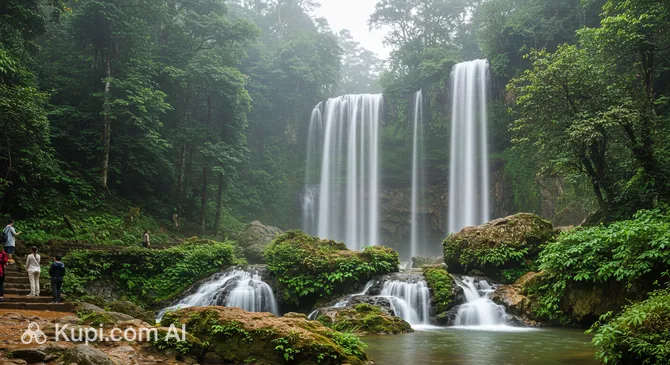
For those seeking a blend of nature and thrill, Datanla Waterfall is a top priority. Located just a few kilometers south of the city center, this site is famous not only for its cascading waters but also for the alpine coaster system that zips visitors through the pine forest. It is an exhilarating way to descend to the falls without a strenuous hike, making it accessible and fun for families and thrill-seekers.

Datanla Waterfall. Source: Kupi.Binoculars

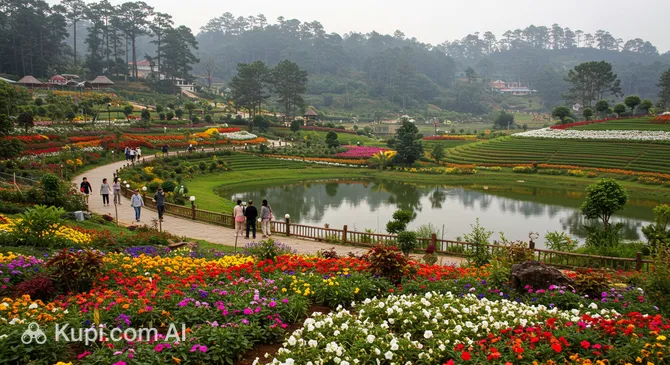
A symbol of romance and tranquility, the Valley of Love has been a favorite destination for couples for decades. This expansive park features rolling hills, lush flower gardens, and a picturesque lake where visitors can rent swan boats. The carefully manicured landscapes and "cowboy" themed guides create a whimsical atmosphere that is perfect for leisurely walks and photography.

Valley of Love. Source: Kupi.Binoculars

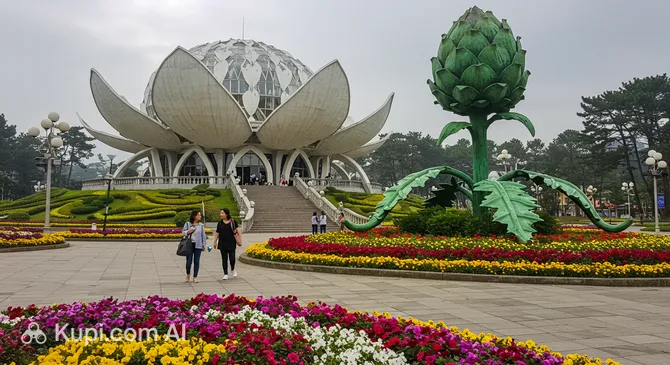
In the heart of the city lies Lam Vien Square, a modern gathering place overlooking the lake. It is instantly recognizable by two massive architectural works of art: a giant wild sunflower made of yellow glass and a stylized artichoke bud that houses a cafe. This vibrant public space is ideal for an evening stroll, offering a lively atmosphere where locals skate, fly kites, and enjoy the cool night air.

Lam Vien Square. Source: Kupi.Binoculars

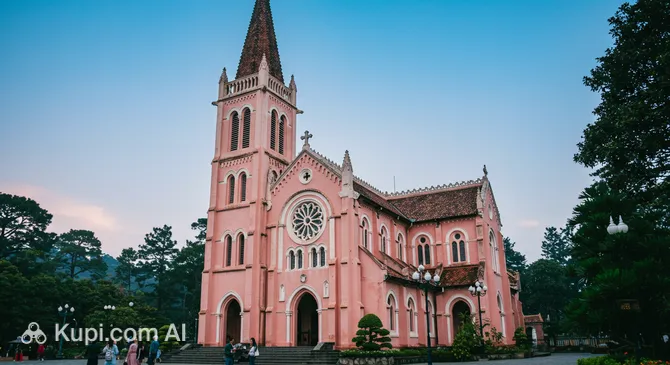
Architecture enthusiasts should not miss the Da Lat Cathedral, often referred to by locals as the "Chicken Church" due to the large copper rooster atop its bell tower. Built during the French colonial era, this striking pink edifice features beautiful stained-glass windows and offers a glimpse into the city's European heritage. It remains the largest church in the city and serves as a functioning place of worship as well as a historical landmark.

Da Lat Cathedral. Source: Kupi.Binoculars

Another fascinating stop is the Clay Tunnel, also known as the Sculpture Tunnel. This unique artistic attraction stretches over a kilometer and features intricate clay sculptures depicting the history and culture of the city. From replicas of iconic buildings to massive statues of animals and musical instruments, it offers a quirky and educational walk through a man-made canyon of red basaltic clay.

Local Cuisine

The culinary scene in Da Lat is deeply influenced by its cool highland climate and fertile soil, earning it the reputation of being Vietnam's vegetable garden. Unlike the tropical heat of the coast, the crisp air here calls for warm, hearty dishes that make the most of the region's incredibly fresh produce. The food culture is a delightful mix of street-side snacking and cozy dining, often centered around warming up in the chilly evenings.

One of the most iconic street foods you must try is Bánh Tráng Nướng, often referred to by travelers as "Da Lat Pizza." This savory snack consists of a sheet of rice paper grilled over charcoal, topped with beaten egg, green onions, dried shrimp, and sausage, then folded for a crispy, flavorful bite. Another local favorite is Bánh Căn, small round rice cakes cooked in terracotta molds and served with a warm bowl of fish sauce, meatballs (xiu mai), and green mango. It is a communal dish, perfect for sharing while sitting on small plastic stools at a street stall.

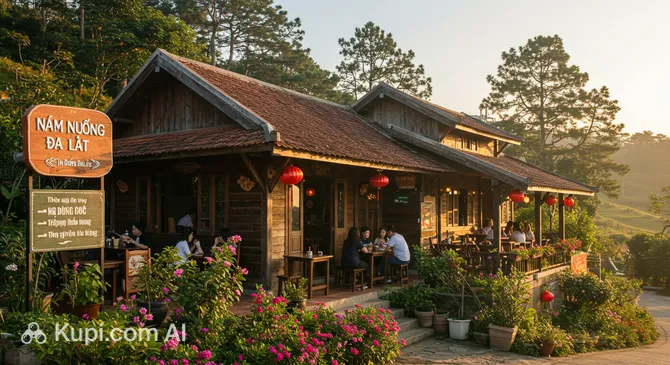
For a more substantial meal, the city is famous for Nem Nướng, a grilled pork sausage dish that is all about the assembly. Diners wrap the savory pork skewers in rice paper along with crispy fried dough, fresh lettuce, herbs, and pickled vegetables, dipping the roll into a thick, peanut-based sauce. A well-known spot to experience this specialty is Nam Nuong Da Lat, where the dipping sauce is legendary among locals and visitors alike.

Nam Nuong Da Lat. Source: Kupi.Binoculars

The drinking culture in Da Lat is just as distinct. As a major coffee-producing region, the local coffee is exceptional, particularly the Arabica beans grown in the surrounding hills. However, the quintessential Da Lat experience is sipping hot soy milk (Sữa Đậu Nành) in the evening. You will find vendors on nearly every corner selling steaming glasses of soy, mung bean, or peanut milk, often accompanied by sweet pastries. For wine lovers, Vang Da Lat is a locally produced wine made from grapes and sometimes mulberries, offering a unique taste of the highlands.

No culinary tour is complete without dessert. Thanks to the abundance of avocados grown in the region, Kem Bơ (avocado ice cream) is a must-try. It is a rich, creamy blend of fresh avocado smoothie topped with a scoop of coconut ice cream and dried coconut shavings. Whether you are exploring the bustling Night Market or finding a quiet corner in a cafe, the flavors of Da Lat are fresh, comforting, and unforgettable.

Travel Tips

To ensure your journey to the misty highlands is as smooth as it is memorable, here are some practical tips tailored for your visit to Da Lat. A little preparation goes a long way in this unique region, where the climate and culture differ significantly from the tropical coastal areas of Vietnam.

  1. Clothing and Gear: Unlike the rest of the country, Da Lat gets chilly, especially in the evenings when temperatures can drop to around 15°C. Pack layers—a light jacket, sweater, or hoodie is essential. During the day, comfortable walking shoes are a must for navigating the hilly terrain and exploring waterfalls. If you plan to visit temples or pagodas like the Linh Phuoc Pagoda, remember to dress modestly, covering your shoulders and knees.
  2. Transportation: The city is famous for its winding roads and lack of traffic lights (though a few have appeared recently), relying heavily on roundabouts. Motorbike rentals are the most popular way to explore, offering freedom to reach distant attractions, but only drive if you are experienced and licensed. Alternatively, ride-hailing apps like Grab (both bike and car) are widely available, affordable, and safe. Taxis are also plentiful and reliable.
  3. Finances: The local currency is the Vietnamese Dong (VND). While hotels and upscale restaurants accept credit cards, cash is king in Da Lat, especially at the Night Market, street food stalls, and small cafes. ATMs are abundant throughout the city. Tipping is not mandatory in Vietnam, but leaving a small amount for good service is appreciated.
  4. Health and Safety: Da Lat is generally very safe for tourists. Pharmacies (look for signs saying "Nhà Thuốc") are easy to find in the center. A crucial health tip is to respect the sun; the high altitude means UV rays are strong even when the air feels cool, so wear sunscreen. Be cautious on the winding mountain passes if you are driving yourself, as fog can reduce visibility quickly.
  5. Communication: Vietnamese is the main language. In tourist hubs and hotels, English is spoken, but it is less common in local markets or remote spots. It is highly recommended to buy a local SIM card (Viettel or Vinaphone have the best coverage in the highlands) upon arrival. Apps like Google Translate and Google Maps are invaluable tools for navigating and communicating with locals.
  6. Local Etiquette: The people of Da Lat are known for being gentle and polite. A friendly smile is the best greeting. When entering a home or certain guesthouses, always remove your shoes. Public displays of affection should be kept modest. When bargaining at the market, do so with a smile and a friendly attitude rather than aggression.
  7. What to Avoid: Be wary of "free" strawberry garden tours offered by random motorbike drivers on the street; these often lead to shops where you are pressured to buy overpriced jams or dried fruits. It is better to visit reputable gardens or those recommended by your hotel. Also, avoid raising your voice in public, as it is considered rude and causes a "loss of face."
  8. Additional Tip: Wake up early! The magic of Da Lat is best experienced at dawn when the pine forests are shrouded in mist and the streets are quiet. This is also the best time for photography before the midday sun clears the fog. Additionally, if you buy strawberries, wash them thoroughly with bottled water before eating.

With these tips in hand, you are fully equipped to embrace the romance, adventure, and cool mountain air of this charming city. Da Lat is a place to slow down and savor the moment, so relax and enjoy every sip of local coffee and every breath of fresh pine scent.

Entertainment & Nightlife

While Da Lat is famous for its serene mornings and misty pine forests, the city transforms as the sun goes down, offering a nightlife scene that is as unique as its climate. Unlike the high-energy metropolises of Vietnam, the evening atmosphere here is more laid-back, acoustic, and intimate. The cool mountain air encourages travelers to bundle up and seek out cozy spaces, making it the perfect place to enjoy a warm drink, live acoustic music, or a bustling night market experience.

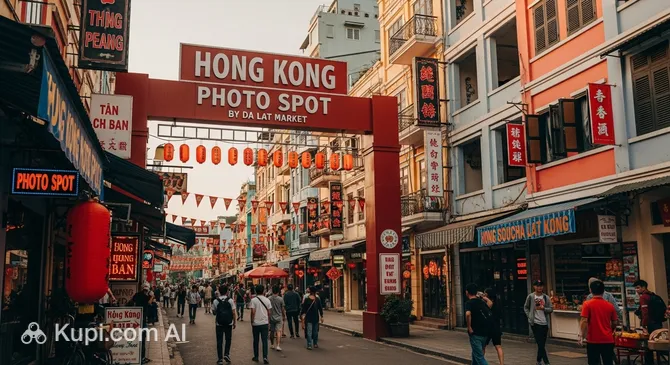
The epicenter of evening activity is undoubtedly the Da Lat Night Market (Cho Dem), located in the city center near Nguyen Thi Minh Khai Street. As dusk falls, the area is closed to traffic and floods with pedestrians. It is a sensory overload of grilled street food, steaming soy milk vendors, and stalls selling woolen clothes. Just a stone's throw away is the trending Hong Kong Photo Spot by Da Lat Market, a cinematic backdrop that has become a favorite gathering place for young people to take atmospheric photos before heading into the market for dinner.

Hong Kong Photo Spot by Da Lat Market. Source: Kupi.Binoculars

For those seeking a place to unwind with a cocktail or a local beer, the area around Truong Cong Dinh Street is the place to be. Often referred to as the "Backpacker District," this winding street is lined with intimate bars and bistros that feature a rustic, wooden aesthetic matching the city's vibe. A popular choice here is Gemination Eatery & Bar, known for its friendly staff and relaxed setting, making it an ideal spot to mingle with fellow travelers.

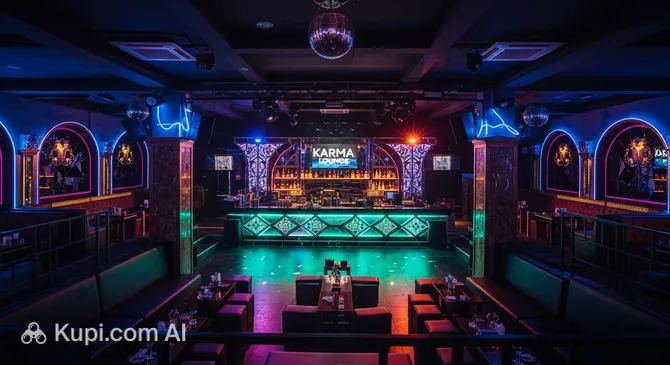
If you are looking for a more vibrant atmosphere with music and energy, the city has several lounges and clubs that stay open later than the average coffee shop. Karma Lounge Da Lat is a notable venue where you can enjoy modern beats and a lively crowd. Alternatively, for a classic Vietnamese nightlife experience, you might gather a group of friends and head to Taliss Karaoke to sing the night away in a private room, a favorite pastime among locals.

Karma Lounge Da Lat. Source: Kupi.Binoculars

Before the nightlife begins, Da Lat offers plenty of daytime entertainment that can easily extend into the early evening. Visitors often spend their afternoons exploring creative spaces like the Lumiere Da Lat Light Garden, a digital art museum that uses light projection and installation art to create immersive worlds. For history buffs, the Dalat Youth Prison Museum provides a somber but educational look into the region's past, though it is best visited during daylight hours.

Practical Tips for a Night Out: The dress code in Da Lat is casual but definitely requires warmth; a jacket or sweater is essential as temperatures drop significantly at night. Most bars and cafes close earlier than in Ho Chi Minh City or Hanoi, typically winding down around midnight or 1:00 AM. Prices are generally affordable, with beers and cocktails costing less than in major coastal hubs. Getting around is safe and easy; Grab cars and bikes are readily available, and traditional taxis are always parked near the market. The city center is safe for walking, but be mindful of your footing on the hilly, sometimes uneven sidewalks.

Parks & Museums

Da Lat is often referred to as a "City of Parks," where the cool climate allows for expansive gardens and green spaces that are unlike anywhere else in Vietnam. Beyond the city center, the surrounding valleys are dotted with thematic parks and flower villages that serve as open-air museums of nature, offering visitors a chance to immerse themselves in the region's vibrant flora.

One of the most impressive destinations for nature lovers is The Florest – Flowers in the Forest. Located in the Ta Nung Valley, this massive park is a breathtaking sanctuary where fields of hydrangeas, sunflowers, and heather bloom against a backdrop of ancient pine forests. It offers a rustic and peaceful atmosphere, perfect for those who wish to escape the crowds and wander through endless meadows of color.

For families and animal enthusiasts, the Puppy Farm has become a must-visit spot. This attraction beautifully combines agricultural tourism with fun interactions. Visitors can play with friendly dog breeds such as Corgis and Huskies before exploring the high-tech greenhouses filled with cherry tomatoes, baby cucumbers, and strawberries. It is a delightful mix of entertainment and education that appeals to all ages.

Those looking for a unique, culturally inspired experience should head to Mongo Land Dalat. Designed to mimic the vast steppes of Mongolia, this expansive tourist complex features colorful yurts, windmills, and lush green hills. It provides a whimsical setting for photography and offers activities like grass sledding and feeding farm animals, creating a distinct vibe that contrasts with the city's French colonial heritage.

To truly understand the city's reputation as the "Kingdom of Flowers," a visit to Van Thanh Flower Village is essential. As one of the oldest and largest traditional flower villages in the region, it allows travelers to step inside the greenhouses and see where Da Lat's famous roses and lilies are cultivated. It offers a fascinating behind-the-scenes look at the horticultural industry that defines the local economy.

Getting Around

Navigating Da Lat is a unique experience compared to many other cities, as the public transport system here is quite modest. There are no subways, trams, or extensive city bus networks designed for short hops within the downtown area. Instead, the city relies heavily on road-based transportation, with traffic flowing through roundabouts rather than traffic lights. For most visitors, getting around involves a mix of walking, hailing taxis, or renting personal vehicles to tackle the winding, hilly streets.

The local bus network primarily serves to connect the city center with surrounding districts and neighboring towns rather than acting as a hop-on-hop-off service for city attractions. These buses are typically green and white or yellow, departing from the station near the central market area. While they are an economical choice for reaching further destinations like Duc Trong or Lac Duong, they are less practical for short trips between city landmarks. Tickets are purchased directly on board from the conductor using cash, so it is essential to carry small denominations of the local currency.

For convenience and comfort, taxis are the most popular choice for tourists who prefer not to drive. You will see plenty of metered taxis waiting near major hotels and the market. Local companies like Lado Taxi are widely recommended by residents for being reliable and slightly more affordable than national chains. Ride-hailing apps are also fully operational here, allowing you to book both cars and motorbikes with a fixed price upfront, eliminating the need to negotiate fares or worry about the language barrier.

If you are feeling adventurous, renting a motorbike is arguably the best way to experience the "City of Eternal Spring." Rental shops are abundant, and many hotels offer this service directly to guests. having your own two wheels gives you the freedom to explore hidden alleys and distant waterfalls at your own pace. Prices are generally very reasonable, usually charged per day. However, always wear a helmet and be mindful of the hilly terrain and sometimes unpredictable traffic flow.

While not part of the daily commuter network, Da Lat features two special modes of transport that serve as major attractions. The historic Da Lat Railway Station offers a vintage train ride on a cog railway to the nearby village of Trai Mat. It is a scenic journey rather than a practical commute, perfect for sightseeing. Similarly, the cable car system connects Robin Hill to the Truc Lam Zen Monastery, providing a breathtaking aerial view of the pine forests and lakes, serving as both a transport link and a panoramic experience.

Regarding payments, cash is king for most transport options, including street taxis, buses, and motorbike rentals. While ride-hailing apps allow for credit card linkage, carrying cash is advisable for all other interactions. Transport services generally operate from early morning until late evening, but finding a taxi after midnight can sometimes be slower in quieter areas, so it is wise to plan your return trips accordingly.

Accommodation

Accommodation:

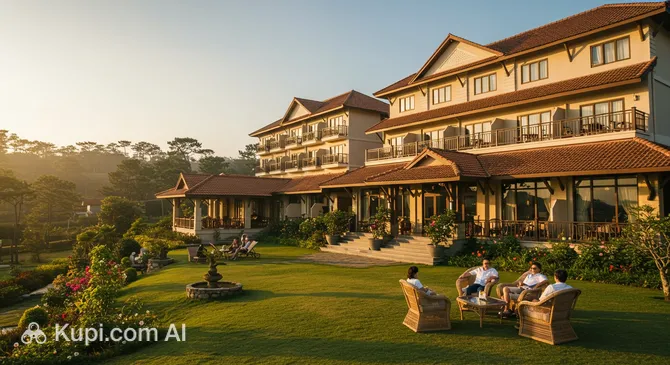
Finding the perfect place to stay in Da Lat is part of the charm, as the city offers a diverse array of accommodation styles that reflect its unique heritage and landscape. Unlike the high-rise dominance of coastal cities, accommodation here is characterized by charming French colonial villas, cozy homestays nestled in pine forests, and modern hotels. Options range from budget-friendly hostels for backpackers to mid-range boutique hotels and high-end luxury resorts, ensuring there is something for every type of traveler.

For those who prioritize convenience and want to be in the middle of the action, the area surrounding the Da Lat Night Market and Xuan Huong Lake is the most popular choice. Staying here means you are within walking distance of restaurants, cafes, and the evening bustle. However, if you prefer tranquility and scenic views, looking for accommodation a bit further out in the hills or near Tuyen Lam Lake is highly recommended. These areas offer a peaceful retreat where you can enjoy the misty mornings and fresh mountain air right from your balcony.

Travelers looking for a blend of modern comfort and central accessibility might consider the Golden Imperial Hotel. Located in the heart of the city, this establishment provides easy access to major landmarks while offering upscale amenities, making it a solid choice for those who want a luxurious base for their explorations.

Golden Imperial Hotel. Source: Kupi.Binoculars

Alternatively, for visitors who wish to immerse themselves in the region's natural beauty, Hung Nguyen Valley Dalat offers a different experience. Situated to take advantage of the landscape, it allows guests to disconnect from the noise of the town center and enjoy the serene atmosphere of the valleys that Da Lat is famous for.

Hung Nguyen Valley Dalat. Source: Kupi.Binoculars

Regarding costs, Da Lat is generally very affordable. Budget travelers can find dormitory beds or simple rooms for a very low price, while mid-range hotels offer excellent value. Luxury resorts are priced higher but remain reasonable compared to international standards. A crucial tip for booking is to plan well in advance if you are visiting during weekends or national holidays, as the city is a favorite getaway for domestic tourists and rooms fill up quickly. Most accommodations can be easily booked through major online platforms, though many smaller homestays also accept direct bookings via social media.

Nearby Cities

For those looking to explore the surroundings, Da Lat serves as an excellent base for day trips or short excursions to several interesting nearby locations. The region offers a fascinating contrast between the cool highlands and the tropical coast, allowing travelers to experience diverse landscapes within a relatively short distance.

Nha Trang is one of the most popular choices for a change of scenery. Located just a scenic drive down the mountain passes, this coastal city is famous for its turquoise bays, sandy beaches, and vibrant island tours. It offers a warm, sunny alternative to the misty weather of Da Lat, making it perfect for seafood lovers and beachgoers.

Heading deeper into the Central Highlands, Buon Ma Thuot awaits as the "Coffee Capital" of Vietnam. This destination is ideal for those interested in authentic culture and nature, featuring majestic waterfalls like Dray Nur and traditional longhouses of the Ede ethnic group. It provides a more rugged and cultural experience compared to the resort vibes of the coast.

Another coastal option is Phan Thiet, known for its unique red and white sand dunes and the resort area of Mui Ne. It is a fantastic spot for relaxation, windsurfing, and exploring local fishing villages. The journey from the mountains to the dunes offers a dramatic shift in environment that is well worth the trip.

City Population Distance (km)
Nha Trang 392,279 87
Buon Ma Thuot 340,000 92
Phan Thiet 299,680 118
Tuy Hoa 242,840 158
Phu Yen 231,363 144

These nearby destinations offer a glimpse into the diverse culture and landscapes of the region, ensuring that your adventure in Vietnam extends well beyond the pine forests of Da Lat.

Shopping & Souvenirs

Shopping in Da Lat offers a delightful departure from the high-end fashion malls found in Vietnam's larger metropolises. Instead of luxury brands, the city is famous for its high-quality local produce and unique handicrafts that reflect its temperate climate. Visitors will find an abundance of agricultural treasures, from aromatic coffees and teas to fresh strawberries and an impressive variety of dried fruits, making it a paradise for foodies looking to bring a taste of the highlands home.

The heart of the city's commercial activity beats along Nguyen Thi Minh Khai Street and the surrounding roads leading to the central roundabout. This area serves as the primary shopping district where tourists can find everything from pharmacies and convenience stores to specialty shops selling local jams and wines. Walking through these streets provides a lively atmosphere, especially in the late afternoon as the town gears up for the evening crowd.

While Da Lat is deeply traditional, it does feature modern conveniences. The most notable shopping mall is Go! Da Lat (formerly Big C), uniquely located underground beneath Lam Vien Square. It is a great place to buy groceries, fixed-price souvenirs, and essentials in a modern supermarket setting. The mall's architecture is integrated into the square's iconic green hill design, making it a convenient stop for those visiting the lake area.

However, the true soul of shopping here lies in the markets. The Da Lat Market (Cho Da Lat) is a multi-story bustling hub that operates throughout the day. The ground floor and surrounding streets are filled with stalls selling fresh flowers, avocados, and artichokes. As the sun sets, the area transforms into the famous Night Market. Here, the focus shifts to street food and affordable clothing. You will see endless rows of stalls selling second-hand warm clothing (locally known as "do si") and new woolen knitwear, which are essential for the chilly evenings.

When it comes to souvenirs, Da Lat has several signature items that are highly recommended. Woolen clothing such as sweaters, scarves, and beanies are practical and popular gifts. For edible treats, "Mứt" (dried candied fruits) is the city's specialty, with varieties ranging from sweet potato to strawberry and rose petals. Artichoke tea is another local health product that is widely available and makes for a lightweight, unique gift.

Coffee and tea enthusiasts should look for beans and leaves grown in the surrounding hills, which are considered some of the best in the country. Products from renowned plantations, such as those near Cau Dat Tea Hill, are prized for their flavor and quality. Additionally, Vang Da Lat (Da Lat Wine) is a locally fermented wine, often made from grapes or mulberries, which serves as a nice memento of the region's French influence.

Most shops and market stalls typically open around 7:00 AM and close by 9:00 PM or 10:00 PM, though the Night Market stays lively until late. Cash is the preferred payment method, especially at street stalls and traditional markets where credit cards are rarely accepted. While bargaining is common and expected at the market, it is best to do so with a smile. For those looking for tax-free shopping, it is generally not applicable in the local markets, so expect to pay the listed or negotiated price inclusive of any local taxes.
Reached the end of the page?

That means the route is fully explored