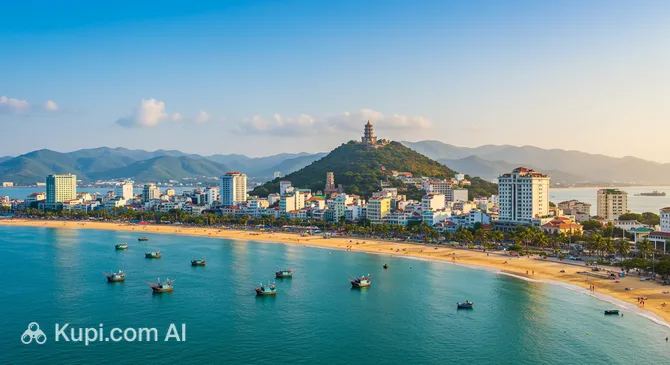
Nha Trang is widely recognized as one of the most energetic and stunning coastal destinations in Vietnam. Famous for its sweeping crescent beach and turquoise waters, this vibrant city offers a perfect blend of natural beauty and urban excitement. As the capital of Khánh Hòa Province, it serves as a bustling hub for tourism and commerce, maintaining a lively atmosphere year-round.
Geographically, the city is situated on the South Central Coast, enjoying a tropical savanna climate with a distinct dry season that makes it ideal for beach holidays. With a population of approximately 392,000 residents, the city feels substantial yet welcoming, offering modern amenities alongside traditional charm. The bay here is often cited as one of the most beautiful in the world, sheltered by a cluster of scenic islands.
Nha Trang. Illustration.
Source: Kupi.com AI
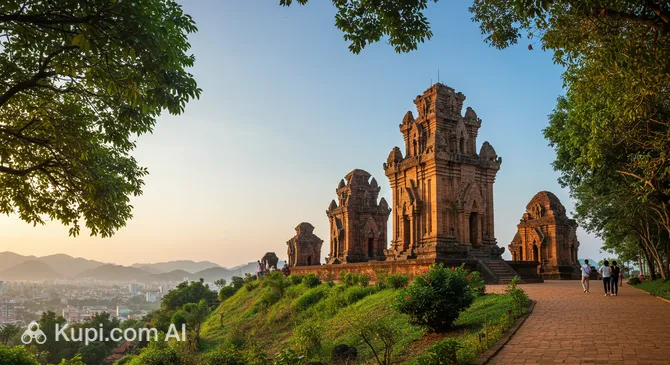
Beyond the sun and sand, visitors can delve into the rich history of Nha Trang, which dates back to the Champa Kingdom. A testament to this heritage is the impressive Po Nagar Cham Towers, a medieval temple complex that still stands on a hill overlooking the Cai River. For those seeking modern entertainment, the Vinpearl amusement park, connected by a spectacular cable car ride over the sea, provides fun for the whole family.
Whether you are looking to dive into some of the country's best scuba spots, relax on pristine sands, or enjoy fresh seafood by the promenade, Nha Trang has something for everyone. Its unique combination of city life and tropical relaxation makes it a must-visit stop on any Vietnamese itinerary.
Weather Overview
Nha Trang benefits from a tropical climate that keeps the city warm and inviting for beachgoers throughout the year. The temperature typically ranges from comfortable lows of around 20°C in January to highs of roughly 32°C during the peak summer months of June and August. This consistent warmth makes it a popular destination for those seeking sun and sea at any time.
For a more in-depth breakdown of seasonal patterns, you can consult the guide to the weather in Nha Trang. Generally, the early part of the year, specifically from January to April, offers the most stable conditions with lower humidity and minimal rainfall, as precipitation levels stay around 1-2mm. As the year progresses into May and through August, temperatures rise to an average of 28°C, and while the number of wet days increases significantly, the overall rainfall volume remains relatively low.
The latter months, particularly from September to December, mark a shift with slightly cooler average temperatures dropping to 23°C by December. This period also sees the highest frequency of rain, with up to 27 wet days in October, making it the dampest time of the year. Expect warm, sunny conditions for most of the year with a distinct dry period in early spring and frequent, albeit often light, showers during the summer and autumn months.
Average monthly temperature
Average monthly precipitation
Interesting Facts
Beyond the popular beaches and bustling promenade, Nha Trang holds several fascinating secrets and historical distinctions that add depth to its tropical charm. Here are some intriguing facts about this coastal city:
Po Nagar Cham Towers. Illustration.
Source: Kupi.com AI
Traveler photos:
The city was the beloved home of Alexandre Yersin, the renowned Swiss-French physician who discovered the bubonic plague bacillus. He lived here for nearly 50 years, and his legacy is preserved at the Alexandre Yersin Museum, which displays his personal equipment and library.
Nha Trang is home to the National Oceanographic Museum of Vietnam, which was established in 1922. It houses one of the largest collections of marine specimens in Southeast Asia, including a massive skeleton of a humpback whale that is fully assembled and on display.
The Po Nagar Cham Towers are not merely archaeological ruins; they remain an active spiritual site. Descendants of the Cham civilization and local Buddhists still visit daily to pray and make offerings to the goddess Yan Po Nagar, keeping a tradition alive that dates back over a thousand years.
The region is famous for its unique therapeutic mud baths, which use mineral-rich mud pumped from deep underground. Facilities like Thap Ba Mud Bath offer this distinctive spa experience, which is believed to have healing properties for the skin and joints.
How to Get There
Reaching this coastal gem is quite convenient due to its popularity as a major tourist destination in Vietnam. Whether you prefer flying directly to the coast or taking a scenic route through the highlands, there are several options available. For a detailed breakdown of all transport modes, including buses and trains, you can read more about how to get to Nha Trang.
The primary gateway for most travelers is Cam Ranh International Airport (CXR), which serves the city and the surrounding region. Although it serves Nha Trang, the airport is located approximately 28 km south of the city center. A journey by taxi or shuttle bus from the terminal to the main hotel districts typically takes about 60 minutes. As a busy hub handling both domestic and international flights, it offers excellent connectivity for visitors.
If you are planning a multi-stop itinerary, you might also consider arriving via neighboring cities. Tuy Hoa Airport (TBB) is located in Tuy Hoa, roughly 89 km north of Nha Trang, with a transfer time of around 2.5 hours. Alternatively, Lien Khuong Airport (DLI) serves the mountain city of Da Lat; it is situated about 105 km away, and the drive down to the coast takes approximately 3 hours. While these airports are further away, they can be useful entry points for exploring the broader region.
For clarity, here is a summary of the main airports:
Beyond air travel, Nha Trang is well-connected to the rest of Vietnam by land. The city is a major stop on the North-South Railway (Reunification Express), making train travel a scenic and popular option for those coming from Ho Chi Minh City or Da Nang. Additionally, an extensive network of sleeper buses and open-tour buses operates daily, offering budget-friendly access to the city center from virtually all major tourist hubs in the country.
Main Attractions
Nha Trang offers a diverse array of sights, ranging from spiritual sanctuaries to pristine natural wonders. While the city is globally recognized for its coastline, exploring its specific landmarks reveals a deeper cultural and scenic richness that goes beyond the sand and surf.
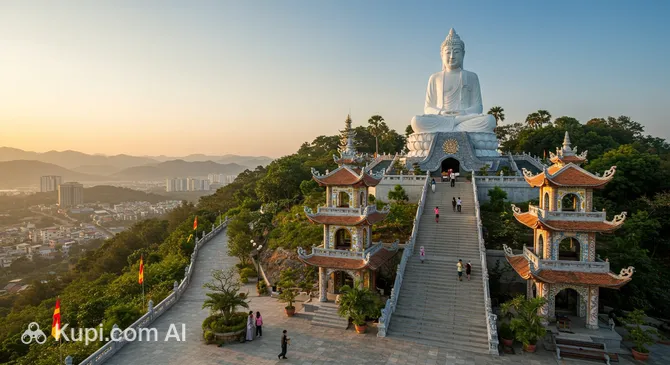
One of the most significant religious sites in the region is the Long Son Pagoda. Located at the foot of Trai Thuy Mountain, this temple is renowned for its intricate dragon mosaics and serene atmosphere. The main highlight, however, requires a climb of over 150 steps: a massive white Gautama Buddha statue seated on a lotus throne. Visitors who make the ascent are rewarded not only with a close-up view of this majestic figure but also with panoramic vistas of the city and the sea beyond.
Long Son Pagoda. Illustration.
Source: Kupi.com AI
Traveler photos:
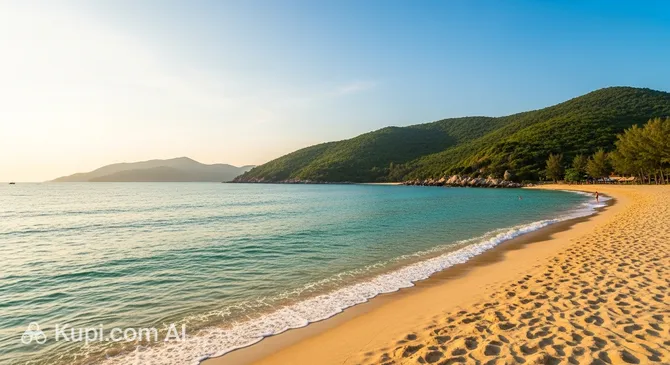
No visit is complete without spending time on Nha Trang Beach. Stretching for approximately six kilometers along the city center, this curving bay is the heartbeat of local tourism. The golden sands are bordered by a well-maintained promenade filled with parks, sculptures, and cafes, making it perfect for both sunbathing and evening strolls. The water here is famously clear, inviting travelers to swim or try various water sports right off the shore.
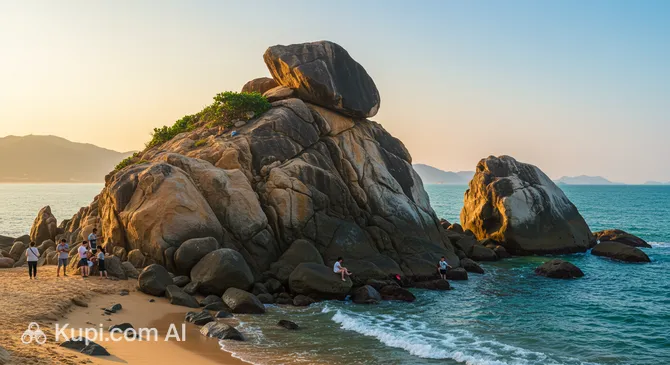
For a touch of geological wonder and local legend, Hon Chong Promontory is a must-see destination just north of the city center. It consists of a massive cluster of granite rocks stacked precariously on top of one another, jutting out into the turquoise waters. It is a quieter alternative to the main beach, offering a peaceful spot to watch the waves and admire the distant islands. Local folklore tells fascinating stories about the giant handprint impressed on one of the massive boulders here.
Hon Chong Promontory. Illustration.
Source: Kupi.com AI
Traveler photos:
To experience the island beauty that surrounds the bay, a trip to Hon Tam Resort is highly recommended. Located on Silkworm Island, this destination is accessible by a short boat ride and offers a luxurious escape from the bustling city streets. It is an eco-friendly spot known for its lush green vegetation, sparkling swimming pools, and opportunities for sea walking or kayaking, making it an excellent choice for travelers looking to enjoy the tropical environment in comfort.
Local Cuisine
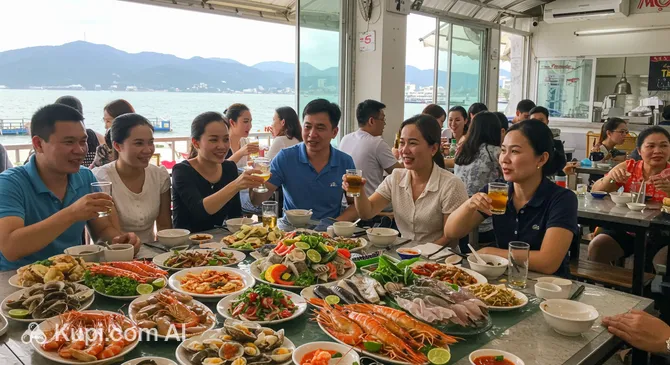
Nha Trang is widely regarded as the seafood capital of Vietnam, offering a culinary scene that is as vibrant as its coastal waters. The city's geography ensures a daily supply of fresh marine catch, ranging from lobster and squid to urchins and crabs. Dining here is an immersion into local culture, where simple street stalls sit alongside bustling restaurants, all serving dishes defined by freshness and bold, distinct flavors.
Among the must-try specialties is Nem Nuong Nha Trang, a savory grilled pork sausage that has become iconic to the region. It is typically served as a platter of ingredients including crispy fried rice paper, fresh herbs, pickled vegetables, and the grilled meat, which diners roll together and dip into a special thick, peanut-based sauce. Another local favorite is Bun Cha Ca, a comforting noodle soup topped with steamed or fried fish cakes made from mackerel or sailfish. The broth is famous for its natural sweetness, derived from simmering fish bones and pumpkin.
For a quintessential seafood feast, Moc Seafood Restaurant is a popular destination where visitors can enjoy a wide variety of local dishes in a lively setting. The establishment is known for its extensive menu and the quality of its ingredients, making it a reliable spot to sample the ocean's bounty.
Moc Seafood Restaurant. Illustration.
Source: Kupi.com AI
Traveler photos:
Travelers looking for a unique atmosphere should consider visiting Luong Son Cang Restaurant. This venue stands out for its distinctive design and scenic location, offering a memorable backdrop for a meal. If you are in the mood for something sweet after dinner, Vivu - Che Ngon Nha Trang serves an excellent array of Che, a traditional Vietnamese sweet soup that combines fruits, jellies, and coconut milk into a refreshing dessert.
For those craving a change of pace from traditional Vietnamese fare, the Alpaca Homestyle Cafe offers a cozy retreat with a menu featuring Western-style comfort foods and fusion dishes. It is an excellent spot for breakfast or a relaxed lunch, known for its friendly service and charming, eclectic decor.
Travel Tips
Welcome to Nha Trang, where the energy of a bustling city meets the serenity of the ocean. To help you navigate this vibrant coastal destination with ease and confidence, we have compiled a set of essential travel insights designed to enhance your experience.
Clothing and Gear
Given the tropical savanna climate, pack lightweight, breathable fabrics like cotton or linen to stay cool. While swimwear is perfect for the beach, remember that Vietnam is conservative regarding religious sites. When visiting places like Long Son Pagoda or the Po Nagar Cham Towers, you must dress modestly; covering your shoulders and knees is mandatory. A sturdy pair of sandals is ideal for walking, and a universal power adapter (Type A or C) will keep your devices charged.
Transportation
Getting around is straightforward, with ride-hailing apps like Grab being the most convenient and transparent option for tourists. Traditional taxis (stick to reputable brands like Mai Linh or Vinasun) are also plentiful. While renting a motorbike is a popular way to see the coast, only do so if you are an experienced rider and have a valid international driving permit, as local traffic can be chaotic.
Finances
The official currency is the Vietnamese Dong (VND). While credit cards are widely accepted in hotels, malls, and upscale restaurants, cash is king for street food stalls, local markets, and small shops. ATMs are widely available throughout the city. Tipping is not strictly customary in Vietnam, but leaving a small amount for good service is greatly appreciated by staff.
Health and Safety
Pharmacies are easy to find (look for signs saying Nhà Thuốc), and many pharmacists in tourist areas speak basic English. The sun in Nha Trang can be intense, so high-SPF sunscreen and hydration are non-negotiable. Tap water is generally not safe to drink; always opt for bottled or filtered water. The city is safe, but exercise standard caution with personal belongings in crowded areas or on the beach.
Communication
Vietnamese is the official language, but English is commonly spoken in hotels, restaurants, and tourist hotspots. However, having a translation app on your phone is incredibly useful for interactions in local markets. You can easily purchase a local SIM card (Viettel or Vinaphone generally offer the best coverage) at the airport or convenience stores to stay connected via 4G.
Local Etiquette
Politeness is highly valued in Vietnamese culture. Always remove your shoes before entering a private home or a pagoda. When handing over money or a business card, using both hands is a sign of respect. A friendly smile goes a long way here, and keeping your cool in frustrating situations—avoiding public outbursts—is crucial to "saving face" for everyone involved.
What to Avoid
Avoid touching anyone on the head, as it is considered the most sacred part of the body in local culture. Additionally, refrain from wearing revealing clothing when walking around the city center away from the beach; swimwear is appropriate strictly for the sand and pool areas.
Local Insight
To see the city at its most authentic, wake up early. Locals flock to the beach around 5:00 AM for exercise and a sunrise swim before the heat sets in. Joining them offers a unique glimpse into daily life and guarantees the best spot on the sand before the tourist crowds arrive.
Armed with these practical tips, you are ready to embrace the warmth and culture of Nha Trang. Whether you are bargaining in the markets or exploring ancient temples, a little local knowledge will ensure your journey is as smooth as it is memorable.
Entertainment & Nightlife
As the sun sets over the bay, Nha Trang transforms from a relaxed beach town into one of Vietnam's most vibrant nightlife hubs. The city offers a diverse range of evening entertainment, catering to everyone from backpackers looking for affordable buckets of beer to sophisticated travelers seeking rooftop cocktails with a view. The energy here is palpable, particularly along the beachfront and within the bustling tourist districts.
The epicenter of the action is undoubtedly Tran Phu Street, the main boulevard running parallel to the beach. Here, you will find high-energy beach clubs where DJs spin tracks right on the sand, allowing you to dance with the ocean breeze in your hair. For a quintessential experience of this seaside party atmosphere, Z Beach is a popular venue. It combines a relaxed lounge vibe during the sunset hours with a more upbeat tempo as the night progresses, making it a favorite spot for both locals and tourists.
Z Beach. Illustration.
Source: Kupi.com AI
Traveler photos:
Just a few blocks inland lies the "Western Quarter," centered around Biet Thu and Hung Vuong streets. This grid of narrow roads is packed with lively bars, pubs, and international restaurants. The atmosphere here is casual and friendly, with crowds spilling out onto the sidewalks. If you are looking for a modern setting to enjoy premium drinks and a chic ambiance, the Sigma Shisha & Cocktail Lounge is an excellent choice. It stands out for its stylish decor and extensive menu, offering a more refined alternative to the rowdier street bars.
For those interested in shopping and street food, the Nha Trang Night Market (located near the Cultural Center on Tran Phu) is a must-visit. Open daily from around 6:00 PM until nearly midnight, this pedestrian-friendly zone is illuminated by colorful lanterns and offers everything from handicrafts and souvenirs to fresh seafood and local snacks. It is a great place to soak up the local culture without the thumping bass of a nightclub.
Practical Tips for Nightlife:
Timing: The party starts late. Bars typically fill up around 9:00 PM, while clubs peak after 11:00 PM. Most venues stay open until 2:00 AM or 3:00 AM.
Dress Code: The vibe is generally relaxed. Shorts and flip-flops are acceptable in most beach bars and street pubs. However, upscale lounges and nightclubs may require smart-casual attire (no swimwear or sleeveless shirts for men).
Safety & Transport: The nightlife areas are generally safe, but standard precautions apply—keep an eye on your drinks and belongings. Getting around is easy; Grab taxis and motorbike taxis are readily available and safer than negotiating with random drivers on the street late at night.
While the nights are dedicated to music and socializing, the city offers plenty of daytime excitement as well. Beyond the beaches and temples mentioned earlier, families and thrill-seekers can explore attractions like Wonder Park Nha Trang, which features landscaped gardens and outdoor activities. Whether you are exploring amusement parks under the sun or dancing the night away by the sea, the city ensures there is never a dull moment.
Parks & Museums
While the coastline dominates the landscape, Nha Trang also offers refreshing green spaces and cultural venues that provide a deeper look into the region's heritage and natural beauty. Beyond the sandy shores, visitors can explore lush gardens, unique theme parks, and galleries that celebrate local craftsmanship and history.
For a whimsical escape into nature, the 100 Egg Theme Park is one of the city's most distinctive attractions. Spread across a sprawling hillside, this park is famous for its giant egg-shaped structures scattered throughout beautifully landscaped gardens. It combines a playful atmosphere with relaxation, offering mud baths, botanical areas, and panoramic views of the surrounding mountains, making it a fantastic spot for families and nature lovers alike.
Travelers seeking a more rugged natural experience should visit the Fairy Forest (Suoi Tien). This enchanting area features a natural stream flowing through a rocky landscape, surrounded by thick vegetation. It is a popular spot for locals to cool off, picnic, and enjoy the tranquil sounds of flowing water away from the bustling city center.
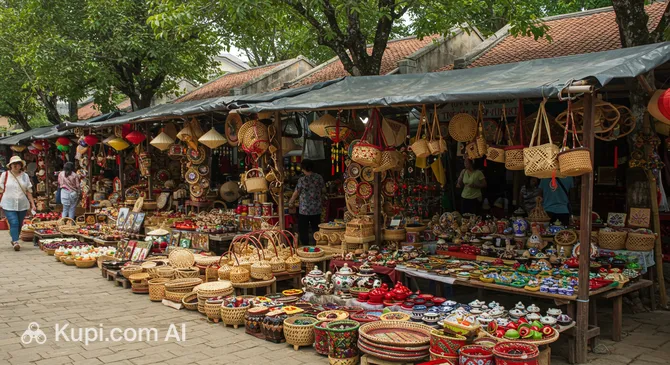
In terms of culture, the Truong Son Craft Village serves as a vibrant living museum. This beautifully designed complex showcases the traditional arts of the Khanh Hoa province. Visitors can watch artisans at work creating intricate sand paintings, hand embroidery, and rattan products. The village is also adorned with ornamental plants and statues, providing a serene backdrop for learning about Vietnamese artistic traditions.
Truong Son Craft Village. Illustration.
Source: Kupi.com AI
Traveler photos:
Another architectural and cultural landmark is the Agarwood Tower (Tram Huong Tower). Located right on the beachfront square, this lotus-shaped structure is an iconic symbol of the city. While primarily a monument, it often houses displays related to the region's production of agarwood and bird's nests, two of the province's most valuable commodities. Its unique design and central location make it a key stop for anyone exploring the city's cultural axis.
For a truly unique historical sight off the beaten path, look for the Diên Khánh Twin Dipterocarp Trees. These two ancient trees have stood for centuries and are revered by the local community, serving as a living testament to the area's natural history and resilience.
Getting Around
Navigating Nha Trang is relatively simple and affordable, thanks to a straightforward public transport network and a variety of private alternatives. The city does not have a metro or tram system; instead, the primary form of public mass transit is the bus network. These recognizable blue and white buses ply specific routes that connect the city center with major tourist attractions, the airport, and the northern and southern districts. For visitors, Route No. 4 is particularly useful as it runs near the most popular hotels and beaches, stopping at key landmarks like the Po Nagar Cham Towers.
The payment system for public buses is old-fashioned and cash-based, which adds to the local charm but requires some preparation. There are no electronic travel cards or mobile apps for buying bus tickets. Instead, you board the bus and take a seat; a conductor will approach you to collect the fare and issue a paper ticket. The cost is very low, typically ranging from 7,000 to 10,000 VND per ride depending on the distance. It is highly advisable to carry small bills, as conductors may not have change for large denominations.
For tourists, practical advice for using the bus includes paying attention to the operating hours. The buses generally run from early morning, around 5:30 AM, but stop service relatively early, usually by 6:00 PM. If you are planning an evening out, you will need to rely on other forms of transport to get back to your hotel. Bus stops are marked with signs, but they can sometimes be hard to spot; look for groups of locals waiting by the roadside or blue signs listing route numbers.
Ride-hailing apps and taxis serve as the most popular alternatives to buses, offering greater flexibility and comfort. The Grab app is widely used and is often the best choice for tourists, as it allows you to book both cars and motorbikes (GrabBike) with a fixed price known in advance, eliminating the language barrier and the need to haggle. Traditional taxis are also plentiful and can be hailed on the street; reputable companies like Mai Linh and Vinasun use meters, so ensure the driver turns it on when you enter.
For those seeking more independence, renting a motorbike is a very common way to explore the coastal roads. Rental shops are ubiquitous, and many hotels offer this service directly to guests. However, traffic can be chaotic, so this option is best reserved for experienced riders. Bicycles are also available for rent and are a pleasant way to cruise along the flat, scenic beach promenade during the cooler parts of the day.
A unique feature of the city's transport landscape is the spectacular cable car system connecting the mainland to Hon Tre Island. While primarily a gateway to the Vinpearl amusement park, the ride itself is an attraction, holding the record for being one of the longest over-sea cable cars in the world. It offers passengers breathtaking aerial views of the bay and is an unforgettable way to travel across the water.
Accommodation
Nha Trang offers a comprehensive range of accommodation options that cater to every type of traveler, from backpackers on a shoestring budget to vacationers seeking five-star luxury. The city's tourism infrastructure is well-developed, meaning you can easily find everything from simple guesthouses and boutique hotels to sprawling beachfront resorts and private villas. Whether you prefer the convenience of a city center high-rise or the seclusion of an island retreat, the city has a place to suit your needs.
The most popular area for tourists is undoubtedly along Tran Phu Street. Staying here puts you right in the heart of the action, with the beach just across the road and a plethora of restaurants and bars at your doorstep. For those looking for a lively atmosphere and budget-friendly rates, the "Western Quarter" around Biet Thu and Hung Vuong streets is the ideal choice, packed with hostels and mid-range hotels. Conversely, travelers seeking tranquility often opt for the northern part of the city along Pham Van Dong Street or one of the exclusive resorts located on the nearby islands.
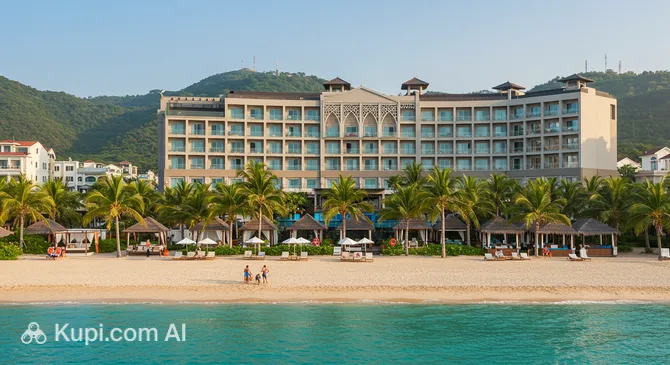
If you are looking for a comfortable stay with modern amenities, Luxury Nha Trang is a notable option within the resort hotel category. Establishments like this typically offer excellent service and easy access to the city's main sights. For a more secluded experience surrounded by nature, the Hon Tam Resort provides a luxurious island escape where guests can enjoy private beaches and lush gardens away from the mainland crowds.
Luxury Nha Trang. Illustration.
Source: Kupi.com AI
Traveler photos:
When planning your trip, it is advisable to book in advance, especially if you are visiting during the peak summer months (June to August) or during the Vietnamese Lunar New Year (Tet). During these times, demand surges, and the best rooms fill up quickly. For the rest of the year, it is often possible to find good deals even at the last minute.
Price-wise, Nha Trang is very competitive. Budget travelers can find dormitory beds or simple rooms for as little as $10–$15 USD per night, while mid-range hotels typically cost between $30 and $60 USD. Luxury resorts can range from $100 to over $300 USD per night depending on the level of exclusivity. Booking is straightforward, with most properties listed on major international online travel platforms, though contacting smaller guesthouses directly can sometimes yield a better rate.
Nearby Cities
For those looking to explore the surroundings, Nha Trang serves as an excellent base for day trips to several interesting nearby locations:
Travelers seeking a quieter coastal experience can head north to Tuy Hoa. This city offers unspoiled beaches and is the gateway to the famous Ganh Da Dia, a stunning geological formation of interlocking basalt columns. For a complete change of scenery, a trip inland to Buon Ma Thuot in the Central Highlands reveals a landscape of thundering waterfalls and vast coffee plantations. Alternatively, Qui Nhon combines history with nature, featuring ancient Cham towers and the pristine Ky Co beach.
These nearby destinations offer a glimpse into the diverse culture and landscapes of the region.
Shopping & Souvenirs
Shopping:
Shopping in Nha Trang offers a delightful mix of modern convenience and traditional Vietnamese commerce. While the city is primarily known for its beaches, it provides plenty of opportunities to indulge in retail therapy, ranging from air-conditioned complexes to vibrant open-air bazaars. The shopping scene here is less about high-end luxury fashion and more about discovering local handicrafts, beachwear, and unique regional specialties that reflect the coastal culture.
The heart of the tourist shopping district runs along Tran Phu Street and the adjacent "Western Quarter" around Hung Vuong and Biet Thu streets. This area is packed with small boutiques, souvenir shops, and convenience stores selling everything from swimwear and sunglasses to embroidered silk and lacquerware. Strolling down these streets in the evening is a popular activity, as the shops stay open late to cater to the dinner crowds.
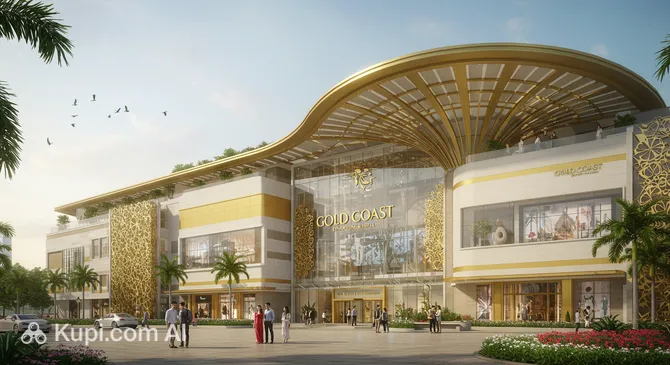
For a modern retail experience, travelers can visit the Gold Coast Shopping Mall. Located centrally near the beach, this large complex houses a variety of international and local fashion brands, a supermarket, and entertainment facilities. It is an excellent place to escape the midday heat, grab a coffee, or stock up on necessities in a comfortable environment.
Gold Coast Shopping Mall. Illustration.
Source: Kupi.com AI
Traveler photos:
Visitors interested in high-quality leather goods might find the Crocodile House & Multishop intriguing. This specialty store focuses on products made from crocodile and ostrich leather, offering items like bags, wallets, and belts. It is a distinct destination for those looking for durable and luxurious souvenirs made from exotic materials.
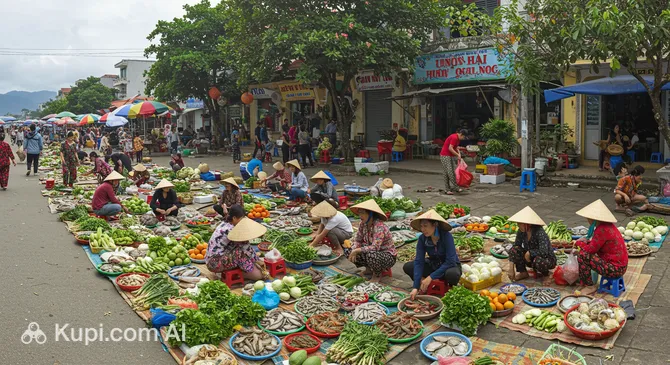
To truly understand the local lifestyle, a visit to a traditional market is essential. While the famous Dam Market (Cho Dam) is the largest and most architecturally significant, the Vinh Hai Market in the northern part of the city offers a more authentic, less touristy atmosphere. Here, you can wander through aisles of fresh produce, seafood, and household goods, observing the daily routine of Nha Trang's residents.
Vinh Hai Market. Illustration.
Source: Kupi.com AI
Traveler photos:
When it comes to souvenirs, Nha Trang is famous for its pearls and jewelry, thanks to the pristine waters that support aquaculture in the region. Other popular items to bring home include dried seafood (such as squid and shrimp), which is a local delicacy, and high-quality Vietnamese coffee. Handicrafts made from seashells and coconuts are also widely available and make for charming, affordable gifts.
Most shops and malls operate from around 9:00 AM to 10:00 PM, though local markets start much earlier, often at sunrise, and wind down in the late afternoon. While shopping malls and larger stores accept major credit cards, cash (VND) is essential for street vendors and traditional markets. Bargaining is expected in markets and small souvenir shops; doing so with a smile is part of the cultural experience.
Regarding taxes, Vietnam does have a VAT refund scheme for international tourists at participating stores, typically found in major cities and airports. Look for the "VAT Refund for Tourists" signage in larger establishments. If you make a qualifying purchase, you can request the necessary forms to claim a refund at the airport upon departure, although this is less common in smaller local shops.