Support

Thanh Hoa

About

Thanh Hoa. Source: Kupi.Binoculars

Thanh Hoa is a dynamic city located in the north-central region of Vietnam. Serving as the capital of Thanh Hoa Province, it acts as a vital bridge connecting the northern and central parts of the country. The city offers a unique blend of bustling urban life and serene natural landscapes, making it an intriguing destination for travelers seeking an authentic experience.

Geographically, the city is situated on the banks of the Ma River, approximately 150 kilometers south of Hanoi. With a population of over 393,000 people, it is a rapidly developing urban center that retains a strong sense of local community. The climate here features four distinct seasons, ranging from hot, sunny summers perfect for coastal trips to cooler, misty winters.

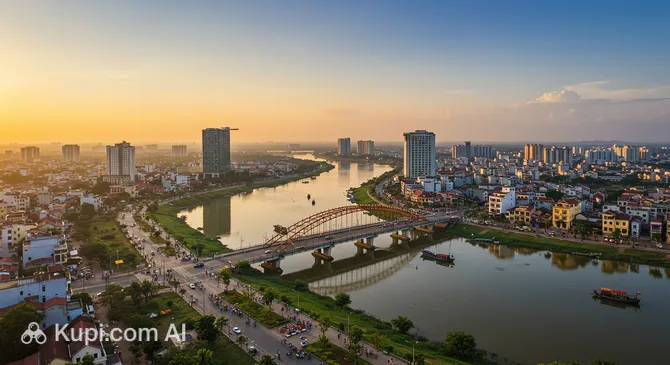
The region is steeped in tradition and heritage. Visitors interested in the past can explore the fascinating history of Thanh Hoa, which is reflected in its numerous monuments and cultural sites. One of the most iconic landmarks within the city is the Ham Rong Bridge, a historic structure that stands as a symbol of the area's resilience and endurance throughout the years.

Beyond the city center, the area serves as a gateway to several famous attractions. Just a short drive away lies the popular Sam Son Beach, a favorite summer retreat known for its expansive coastline and lively atmosphere. Additionally, the province is home to the Citadel of the Ho Dynasty, a UNESCO World Heritage site that showcases unique stone architecture from the 14th century.

Whether you are passing through on a journey across the country or planning a dedicated visit, Thanh Hoa welcomes you with warm hospitality and rich local culture. It is an excellent destination to discover the charm of north-central Vietnam away from the most crowded tourist paths.
Weather Overview

Understanding the local climate is essential for planning a comfortable trip, as the region experiences distinct seasonal changes. The city features a tropical monsoon climate, offering a mix of hot, sun-filled days and cooler periods depending on when you visit.

If you are looking for specific details to help schedule your activities, you can consult the guide to the weather in Thanh Hoa. Generally, the summer months of June and July are the hottest, with average temperatures climbing to around 30.9°C and daily highs reaching up to 34°C. In contrast, the winter season from December to February brings much cooler air, with average temperatures dipping to between 18°C and 19.6°C, and lows occasionally falling to around 15°C.

Rainfall patterns also vary significantly throughout the year. Expect warm summers with frequent wet days, especially in August and September, which can see precipitation on more than 20 days of the month. Conversely, the winter months are significantly drier with fewer wet days, though the air can sometimes remain crisp and misty. For many travelers, the transitional months like April and October offer a pleasant balance of moderate temperatures and fewer rainy days.

Interesting Facts

Beyond the main attractions, Thanh Hoa holds many fascinating secrets and cultural treasures that define its unique identity. From ancient archaeological roots to distinctive culinary traditions, there is much to discover beneath the surface of this bustling city.

Le Loi Monument. Source: Kupi.Binoculars
  • Thanh Hoa is widely famous across Vietnam for a special delicacy called Nem Chua. This fermented pork roll, wrapped tightly in banana leaves with garlic, chili, and herbs, is considered the region's signature snack and a must-try gift for visitors.

  • The city and its surrounding province are celebrated as the cradle of the Dong Son culture, a Bronze Age civilization famous for its intricate bronze drums. These ancient artifacts, found along the banks of the Ma River, are significant symbols of early Vietnamese history and craftsmanship.

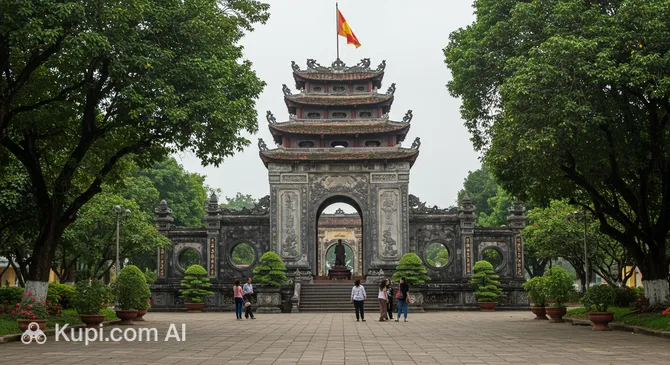
  • The region is the homeland of the national hero Le Loi, who founded the Le Dynasty. In the heart of the city, you can visit the Le Loi Monument, a grand statue that honors his legacy and leadership in the 15th century.

  • The famous Ham Rong Bridge spans a section of the Ma River known as the "Dragon's Jaw." This dramatic name comes from the local topography, where the Dragon Mountain and Pearl Mountain curve towards each other, creating a legendary landscape that has inspired poetry and folklore for generations.

How to Get There

Reaching this destination is relatively straightforward thanks to its location on major transport routes. While the city has its own airport serving domestic flights, international travelers often arrive via larger hubs in neighboring regions before continuing their journey by road or rail. To plan your journey in detail, you can read more about how to get to Thanh Hoa.

The most convenient option for those flying from within Vietnam is Bai Thuong Airport (THD), also known locally as Tho Xuan Airport. It is located approximately 35 km west of the city center. A taxi or shuttle bus from here typically takes around 1 hour and 15 minutes, making it a quick and efficient entry point.

For international visitors, the primary gateway is usually Noi Bai International Airport (HAN) in Hanoi. Although it is situated about 157 km from Thanh Hoa, it offers the widest range of flight connections. The transfer from Hanoi by private car or bus generally takes around 4 hours and 15 minutes, utilizing the national highway system.

For clarity, here is a summary of the main airports:

Airport Name City Passenger Traffic Km from City
Noi Bai International Airport Hanoi Large 156.6
Cat Bi International Airport Haiphong Medium 149.0
Vinh Airport Vinh Medium 119.0
Bai Thuong Airport Thanh Hoa Medium 34.8
Van Don Van Don Small 223.4

Traveling by train is another excellent and scenic option for reaching the city. Thanh Hoa is a major stop on the North-South Railway (Reunification Express), which runs the length of the country. Trains depart frequently from Hanoi in the north and Ho Chi Minh City in the south, offering a comfortable ride that delivers you directly to the city center station.

Main Attractions

Thanh Hoa is a city where history and modernity converge, offering visitors a variety of interesting sites to explore. From monuments honoring national heroes to vibrant commercial centers and nearby natural wonders, the city serves as an engaging stop for travelers in North Central Vietnam.

Located in the heart of the city, the Le Loi Monument is a significant cultural landmark dedicated to the national hero Le Loi. This imposing statue stands as a tribute to the leader who established the Le Dynasty and played a crucial role in Vietnam's history. Surrounded by a spacious park, it is not only a place of remembrance but also a popular gathering spot for locals. In the evenings, the area comes alive with people exercising and walking, making it a great place to observe local life and pay respects to the region's heritage.

A short distance from the city center lies the iconic Ham Rong Bridge, a historic structure spanning the Ma River. Known as the "Dragon's Jaw," this bridge is a symbol of resilience and determination. Visitors can walk along the bridge to enjoy panoramic views of the river and the surrounding mountains, including the legendary Ham Rong Mountain. It is a perfect spot for photography and for reflecting on the enduring spirit of the local people.

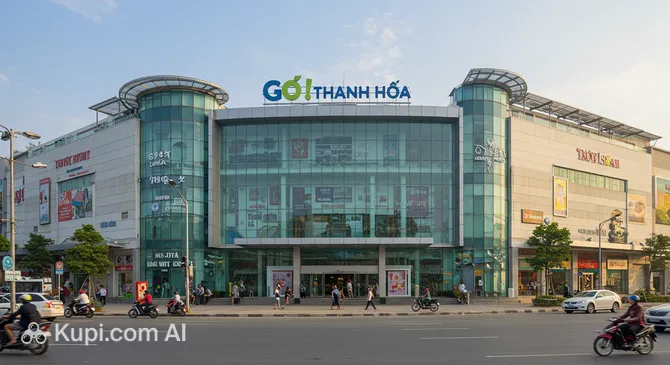
For those looking to experience the modern lifestyle of the city, Go! Thanh Hoa offers a contemporary shopping and leisure experience. As one of the largest commercial complexes in the area, it provides a cool and comfortable environment to take a break from sightseeing. Inside, you can find a wide range of retail stores, a supermarket, and entertainment options. It is an excellent place to pick up supplies, enjoy a quick snack, or simply see the developing urban side of the province.

Go! Thanh Hoa. Source: Kupi.Binoculars

Just a short drive from the city, Sam Son Beach awaits travelers seeking sun and sea. As one of the most famous coastal destinations in northern Vietnam, it boasts a long stretch of sandy beach and a lively atmosphere, especially during the summer months. Whether you want to swim, enjoy fresh seafood at the waterfront stalls, or simply relax by the waves, it makes for an easy and refreshing day trip from the city center.

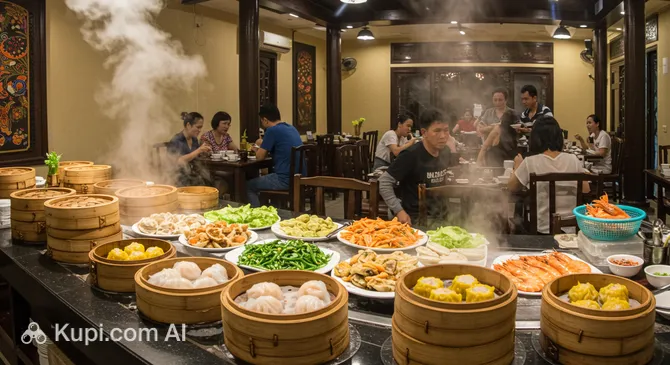
Food lovers exploring the city can also visit Sun Buffet: Seafood & Dim Sum. This restaurant is a popular dining venue known for its extensive selection of dishes, ranging from fresh local seafood to delicate dim sum. It offers a convenient and satisfying option for tourists wanting to sample a variety of flavors in a comfortable setting after a day of discovery.

Local Cuisine

The culinary landscape of Thanh Hoa is a delightful reflection of North Central Vietnam's rustic and bold flavors. The local cuisine is characterized by its simplicity and the use of fresh ingredients, particularly seafood from the nearby coast and produce from the fertile river plains. Visitors will find that the dishes here often strike a perfect balance between savory, sour, and spicy notes, creating a unique gastronomic identity that stands out from other regions.

The most famous specialty of the province is undoubtedly Nem Chua (fermented pork roll). While this dish is found elsewhere in the country, the Thanh Hoa version is renowned for its distinctive recipe and firm texture. These small rolls are made from minced pork, skin, garlic, and chili, wrapped tightly in banana leaves and fermented until they achieve a sharp, sour, and spicy flavor. They are widely available at street stalls and markets, often served with chili sauce as a popular snack or appetizer.

Another dish that seafood lovers must try is Cha Tom, or grilled shrimp patties. Unlike typical fish cakes, these are made from fresh shrimp pounded into a fine paste, wrapped around small bamboo sticks, and grilled over charcoal. The result is a smoky, savory treat that is slightly crispy on the outside and tender on the inside. It is usually eaten with a basket of fresh herbs and a sweet and sour dipping sauce, making for a light yet flavorful meal.

For breakfast or a light lunch, Banh Cuon (steamed rice rolls) is a local favorite. In this region, the delicate rice sheets are often filled with minced wood ear mushrooms and pork, served hot with crispy fried shallots. The dipping sauce here is typically milder and more aromatic than in other parts of Vietnam, often infused with the essence of the giant water bug (*ca cuong*) for a traditional touch. It is a comforting dish that offers a gentle introduction to the local palate.

Trần Phú Restaurant. Source: Kupi.Binoculars

When it comes to beverages, the local culture mirrors the relaxed vibe of the city. Bia Hoi (fresh draft beer) is extremely popular, especially in the evenings. Locals gather at roadside eateries to enjoy cold glasses of light beer accompanied by snacks like peanuts or Nem Chua. For non-alcoholic options, fresh sugarcane juice (*Nuoc Mia*) and various types of sweet soups (*Che*) are refreshing choices to cool down in the tropical heat.

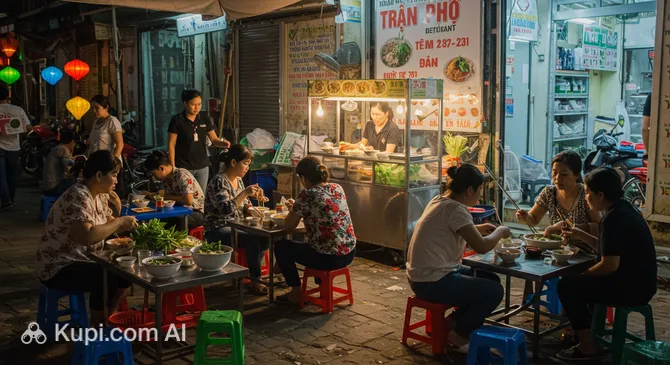
Dining in the city ranges from bustling street vendors to comfortable sit-down establishments. Street food culture is vibrant, with many of the best dishes found in small, family-run stalls. However, for a reliable dining experience where you can sample traditional Vietnamese dishes in a pleasant setting, you might visit Trần Phú Restaurant. Places like this are ideal for tourists who want to explore local flavors with the convenience of a diverse menu. Whether you are sitting on a low plastic stool on the sidewalk or in a restaurant, the hospitality in Thanh Hoa is always warm and inviting.

Travel Tips

Welcome to Thanh Hoa! To help you navigate this vibrant city and enjoy a hassle-free journey, we have compiled a list of essential travel advice. These practical tips cover everything from packing the right gear to understanding local customs, ensuring you make the most of your visit to this culturally rich region of Vietnam.

  1. Clothing and Gear: Since the weather varies significantly by season, check the forecast before packing. For the hot and humid summers, bring lightweight, breathable fabrics like cotton or linen, along with a good hat and sunglasses. If you visit during the cooler winter months (December to February), a light jacket or sweater is necessary as temperatures can drop below 20°C. Always carry a raincoat or compact umbrella, especially during the rainy season in August and September. When visiting religious sites or the Le Loi Monument, dress modestly by covering your shoulders and knees.
  2. Transportation: The most convenient way to get around the city is by taxi or ride-hailing apps. Grab is widely used and offers transparent pricing for both cars and motorbikes, eliminating the language barrier. Traditional taxi companies like Mai Linh are also reliable; just ensure the meter is running. While walking is a great way to explore the city center, be cautious when crossing streets, as traffic flows can be unpredictable.
  3. Finances: The official currency is the Vietnamese Dong (VND). While modern centers like Go! Thanh Hoa and major hotels accept credit cards, cash is still king for street food, local markets, and small shops. ATMs are plentiful throughout the city, particularly those of major banks like Vietcombank or Agribank. Tipping is not mandatory, but rounding up the bill or leaving small change is appreciated in restaurants and by service staff.
  4. Health and Safety: Thanh Hoa is generally a safe city for tourists, but standard precautions apply. Avoid drinking tap water; stick to sealed bottled water to prevent stomach issues. Pharmacies (look for signs saying "Nhà Thuốc") are easy to find, but it is wise to bring a basic medical kit with you. Be mindful of your belongings in crowded areas, such as markets or during festivals at Sam Son Beach.
  5. Communication: The primary language is Vietnamese, and English proficiency may be limited outside of major hotels and tourist hotspots. It is highly recommended to download Google Translate for offline use to help with menus and basic conversations. Buying a local SIM card (Viettel or Vinaphone) at the airport or a local store will give you reliable 4G access for maps and translation apps.
  6. Local Etiquette: The locals are friendly and hospitable. A smile is the best greeting. When entering a private home or certain traditional establishments, it is customary to remove your shoes. Public displays of affection are generally frowned upon, so it is best to be discreet. Showing respect to elders is a cornerstone of the culture; greet them first and be polite in your interactions.
  7. What to Avoid: Avoid losing your temper or shouting in public. causing someone to "lose face" is considered very rude and will not help resolve any issues. Also, never point your feet directly at religious altars or people, as this is considered disrespectful in Vietnamese culture.
  8. Shopping Tip: If you plan to buy the famous local specialty Nem Chua (fermented pork rolls) as a gift, purchase them from reputable shops recommended by locals to ensure freshness and quality. Be aware that because it is a raw fermented product, you should check customs regulations if you intend to take it out of the country, though it travels well on domestic trips.

By keeping these tips in mind, you will be well-prepared to embrace the local lifestyle and explore the hidden gems of Thanh Hoa with confidence. We hope you have a wonderful and memorable adventure in this fascinating part of Vietnam!

Entertainment & Nightlife

Nightlife in Thanh Hoa offers a distinctively local experience, characterized by vibrant street scenes, late-night dining, and a relaxed social atmosphere rather than the high-intensity clubbing found in larger metropolises. As the sun sets, the city cools down and the streets fill with locals enjoying the evening breeze, making it a perfect time for visitors to immerse themselves in the authentic rhythm of North Central Vietnam.

The heart of the evening action is often found along major thoroughfares such as Le Hoan Street and the areas surrounding the central square. Here, neon lights illuminate a variety of venues, from bustling coffee shops that stay open late to lively beer clubs. The atmosphere is generally casual and friendly, with a mix of families, young professionals, and tourists soaking up the energy. Casual attire is the norm for most places, though you might want to dress up slightly for a nice dinner or a visit to a karaoke lounge.

Food is an integral part of the nightlife here, often serving as the main event. For a lively dining experience with a wide variety of choices, Sun Buffet: Seafood & Dim Sum is a popular destination. It is an excellent place to enjoy fresh seafood and local specialties in a bustling environment, perfect for fueling up before exploring the rest of the night.

Sun Buffet: Seafood & Dim Sum. Source: Kupi.Binoculars

If you prefer a more traditional setting for your evening meal, Trần Phú Restaurant offers a reliable menu of Vietnamese favorites. Dining late is common, and these venues often remain lively well into the evening. For those who want to combine entertainment with shopping, Go! Thanh Hoa provides a modern space where you can shop, grab a snack, or catch a movie at the cinema, making it a convenient one-stop hub for evening leisure.

Beyond dining, the "Bia Hoi" (fresh beer) culture is a must-try experience. Makeshift stalls and open-air eateries pop up along the sidewalks, serving inexpensive draft beer and snacks. This is where you will find the true spirit of the city at night—loud, cheerful, and welcoming. Karaoke is also a favorite pastime, with numerous venues available for those who want to sing their hearts out in a private room. For a quieter night, many cafes offer acoustic music sessions or simply a comfortable place to people-watch.

Regarding practicalities, the nightlife scene typically peaks between 8:00 PM and 11:00 PM. Prices are generally very affordable compared to Hanoi or Ho Chi Minh City. The city is safe for night walks, particularly in well-lit central areas, but it is always wise to stay aware of your surroundings. Getting around is easy with ride-hailing apps or taxis, which are plentiful and safe to use at night.

While the nights are for socializing, the daytime offers its own array of cultural entertainment. Visitors can explore the Thanh Hoa Museum to learn about the region's heritage or attend performances at the local theaters which occasionally host traditional art shows. For families, the city's parks provide a green escape, offering a peaceful contrast to the lively evening streets.

Parks & Museums

Thanh Hoa offers a refreshing blend of urban greenery and deep-rooted cultural heritage, providing visitors with ample opportunities to relax in nature or dive into the region's storied past. From spacious public parks to museums housing ancient artifacts, the city’s recreational and educational venues reflect the pride of its people and the richness of their history.

For those seeking a breath of fresh air within the city limits, Hoi An Park is the most prominent green space. Located centrally, this expansive park serves as the city's "green lung," featuring well-maintained walking paths, shaded areas with large trees, and a serene atmosphere. It is a favorite spot for locals to exercise, jog, or simply unwind after a busy day. Another significant natural area is the Ham Rong Historic Cultural Relic Area. Dominated by the pine-covered Ham Rong Mountain, this site combines natural beauty with history. Visitors can hike up the trails to explore limestone caves and enjoy panoramic views of the Ma River winding through the landscape.

To truly understand the cultural significance of the region, a visit to the Thanh Hoa Provincial Museum is essential. This museum is a treasure trove of local history, showcasing thousands of artifacts that span from the prehistoric era to modern times. The highlight of the collection is the display of Dong Son bronze drums, which are world-famous symbols of the ancient civilization that originated in this very province. The exhibits provide a fascinating insight into the craftsmanship and social structure of early Vietnamese society.

In addition to the main museum, the Dong Son Ancient Village acts as a "living museum" located on the southern bank of the Ma River. Recognized as one of the ten most beautiful ancient villages in Vietnam, it retains the architectural layout and traditional atmosphere of a bygone era. Walking through its narrow lanes, tourists can admire century-old houses and communal halls that have withstood the test of time, offering a tangible connection to the cultural roots of the Dong Son civilization.

Among the city's architectural landmarks, the Le Loi Monument remains a focal point. While it serves as a tribute to the national hero, the surrounding square is also an open cultural space where history meets daily life. The monument's grandeur and the open plaza make it a key stop for anyone interested in the architectural and historical identity of the city.

For a unique authentic experience, consider taking a quiet morning walk along the banks of the Ma River near the Ham Rong Bridge. This area is less commercialized and offers a peaceful setting to watch local fishermen and boats, providing a glimpse into the everyday rhythm of life along this historic waterway.

Getting Around

The public transport system in Thanh Hoa is developing and primarily relies on a network of public buses. Unlike larger metropolises, the city does not have a metro, tram, or trolleybus system. For most visitors, the bus network is useful mainly for traveling between the city center and major outlying destinations, such as the nearby beaches or the airport, rather than for short hops within the downtown area.

The local bus fleet consists of numbered routes that connect the city with various districts and neighboring towns. For tourists, the most relevant route is often Bus No. 01, which runs frequently between Thanh Hoa City and Sam Son Beach, making it an affordable way to reach the coast. Another key route is the connection to Tho Xuan Airport. These buses are generally recognizable by their red and yellow or blue and white livery.

When it comes to payment, the system is traditional and cash-based. There are no electronic travel cards or mobile payment apps for the public bus system here. You simply board the bus and pay the conductor directly. The fare depends on the distance traveled but is very inexpensive, typically ranging from 10,000 to 25,000 VND. It is highly recommended to carry small bills (10,000, 20,000, or 50,000 VND notes) as conductors may not always have change for larger denominations.

For getting around the city center comfortably, alternatives to public transport are often the preferred choice for travelers. Taxis are abundant and reliable, with reputable companies like Mai Linh operating a large fleet. Ride-hailing apps, particularly Grab, are also available and extremely convenient. Using an app allows you to book both cars and motorbikes with a fixed price known in advance, eliminating any language barriers regarding the destination or fare.

If you prefer more freedom, renting a motorbike is a popular option. Many hotels and local shops offer daily rentals for a reasonable fee. This allows you to explore the city and its surroundings at your own pace. However, traffic can be busy, so this option is best suited for those who are confident in their driving skills. For short distances, you might also see traditional motorbike taxis (known as Xe Om) waiting at street corners; always agree on a price before starting your journey.

Practical advice for using transport here includes being mindful of operating hours. Public buses typically run from early morning (around 5:30 AM) until early evening (around 6:00 PM or 7:00 PM). If you plan to stay out late, be prepared to take a taxi back. Bus stops are marked with signs, but they can sometimes be subtle; looking for a group of locals waiting by the roadside is often a good indicator. Since English is not widely spoken by bus drivers, having your destination written in Vietnamese on your phone to show the staff is very helpful.

Accommodation

Where to Stay:

Accommodation in Thanh Hoa caters to a wide spectrum of travelers, ranging from economical guesthouses to modern high-rise hotels. As a transit hub and a developing urban center, the city provides options that suit both quick stopovers and longer business or leisure stays. While the nearby coastal areas are known for their expansive resorts, the city center itself focuses more on practical and comfortable lodging designed to meet the needs of urban explorers.

The most convenient area for tourists to stay is the City Center, particularly along major avenues such as Le Loi Boulevard and near the central square. Staying here places you within walking distance of key attractions like the parks and monuments, as well as shopping centers and vibrant dining streets. This area is also ideal for those relying on public transport, as it offers easy access to the train station and bus routes connecting to the airport or the beach.

In terms of hotel types, visitors will find a solid selection of mid-range establishments that offer excellent value for money. These hotels typically feature modern amenities, including air conditioning, Wi-Fi, and on-site restaurants. For budget-conscious travelers, the city is dotted with numerous "Nha Nghi" (guesthouses) and smaller family-run hotels. These provide basic but clean facilities at very affordable rates, making them a popular choice for backpackers and solo travelers passing through the region.

Booking Tips: If you plan to visit during the peak summer months (May to August) or during major Vietnamese holidays like Tet (Lunar New Year), it is highly advisable to book your accommodation well in advance. During these times, domestic tourism surges, and the best rooms in the city can fill up quickly. For the rest of the year, it is usually easy to find a room upon arrival, though booking ahead ensures a smoother check-in process.

Prices in Thanh Hoa are generally very reasonable compared to Vietnam's larger tourist hubs. Budget options can start as low as 250,000 to 400,000 VND per night, while comfortable mid-range hotels typically range from 600,000 to 1,200,000 VND. Most hotels and larger guesthouses are listed on major international booking platforms, allowing for easy online reservations, though many smaller local establishments still appreciate direct bookings via phone or social media.

Nearby Cities

For those looking to explore the surroundings, Thanh Hoa serves as an excellent base for day trips to several interesting nearby locations:

One of the closest destinations is Nghi Son, situated just a short drive south of the city. While it is known primarily as a developing economic hub, it also offers access to serene coastal spots such as Bai Dong Beach. This area provides a quieter alternative to the more bustling tourist beaches, making it perfect for a relaxing afternoon by the sea.

Heading north, travelers can visit Nam Dinh, a city rich in cultural and religious history. It is widely recognized for its impressive collection of churches featuring unique architectural styles, as well as the Tran Temple complex, which honors the Tran Dynasty. This destination offers a fascinating insight into the spiritual and historical heritage of the Red River Delta region.

Further south lies Vinh, the vibrant capital of Nghe An Province. It acts as a convenient gateway for those wishing to visit the Kim Lien relic site, the childhood home of President Ho Chi Minh. Beyond its historical significance, the city is a lively urban center that connects the north and central regions of Vietnam.

City Population Distance (km)
Hanoi 8246600 135
Hai Duong 507469 137
Vinh 490000 125
Nam Dinh 352108 80
Nghi Son 307304 53

These nearby destinations offer a glimpse into the diverse culture and landscapes of the region.

Shopping & Souvenirs

Shopping in Thanh Hoa offers visitors a genuine glimpse into the daily life of North Central Vietnam. While the city may not boast the high-end luxury boutiques found in Hanoi or Ho Chi Minh City, it provides a diverse mix of modern conveniences and traditional commerce. Travelers can find everything from essential travel supplies and affordable fashion to unique regional specialties that make for excellent gifts.

For those who enjoy browsing through street-side shops, Le Hoan Street is the city's primary commercial artery. This bustling avenue is lined with numerous fashion stores, shoe shops, and local boutiques catering to a variety of tastes and budgets. Walking down this street in the evening is a popular activity, as the neon lights create a lively atmosphere. Another key area is Tran Phu Street, which features a range of electronics stores, banks, and general merchandise shops, making it a convenient stop for practical needs.

Travelers looking for a modern retail experience should head to Go! Thanh Hoa. As one of the largest shopping malls in the city, it offers a comfortable, air-conditioned environment where you can find well-known fashion brands, cosmetics, and household goods. The complex also houses a large supermarket, which is perfect for stocking up on snacks, drinks, and local food products at fixed prices.

To truly understand the local culture, a visit to the traditional markets is a must. Vuon Hoa Market (Flower Garden Market) is the central trading hub of the city. Here, the energy is palpable as vendors sell fresh produce, clothing, and household items. It is a great place to observe local bargaining customs and see the array of fresh ingredients that define the region's cuisine. Another option is the South Market (Cho Nam Thanh), which serves the local residential community and offers a slightly less chaotic but equally authentic atmosphere.

When it comes to souvenirs, Thanh Hoa is best known for its culinary specialties. The most famous item to bring back is Nem Chua (fermented pork roll), a savory snack that is packaged neatly in banana leaves. You can also look for dried seafood, such as squid or shrimp, which is sourced from the nearby coastal districts and is of high quality. For non-food items, the province is renowned for Nga Son sedge mats and stone handicrafts, though these can be bulky to transport.

Most shops and markets in the city operate from around 8:00 AM to 9:30 PM, though the supermarket inside the mall may stay open slightly later. Cash is the preferred method of payment at street stalls, small boutiques, and traditional markets, so it is advisable to carry sufficient Vietnamese Dong. Credit cards are generally accepted at major shopping centers like Go! Thanh Hoa, hotels, and upscale restaurants.

Regarding tax-free shopping, tourists should note that Thanh Hoa is not a major international transit hub, and the VAT refund system commonly found in large airports or major tourist cities is generally not available here. It is best to assume that the price you see is the final price, although bargaining is expected and encouraged in traditional markets.

Reached the end of the page?

That means the route is fully explored