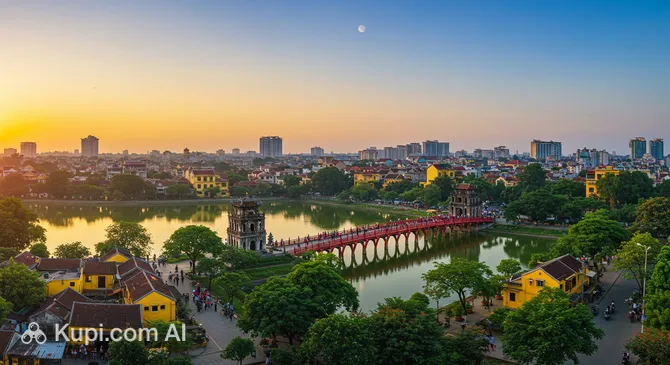
Welcome to Hanoi, the mesmerizing capital of Vietnam. Situated on the banks of the Red River, this city is a vibrant blend of Southeast Asian heritage, Chinese influence, and French colonial architecture. It is a place where ancient traditions seamlessly coexist with modern life, creating an atmosphere that is both energetic and deeply nostalgic.
With a population of over 8.2 million residents, Hanoi is a bustling metropolis that serves as the cultural and political heart of the nation. Despite its rapid modernization, the city has preserved its soul. Visitors interested in the past will find that the history of Hanoi offers a compelling narrative of artistic evolution, visible in its weathered pagodas and grand colonial buildings.
Hanoi. Illustration.
Source: Kupi.com AI
Travelers are often drawn to the chaotic charm of the Old Quarter, where narrow streets are traditionally named after the specific trades once practiced there. Another jewel of the city is the serene Hoan Kiem Lake, a perfect spot for a morning walk to watch locals practicing Tai Chi or to visit the iconic Ngoc Son Temple. Whether you are exploring the scholarly grounds of the Temple of Literature or sipping iconic egg coffee, the city offers endless discoveries.
Hanoi is a destination that engages all the senses, from its world-renowned street food to its leafy boulevards. It promises an unforgettable journey for every type of traveler. We invite you to immerse yourself in the unique rhythm and timeless beauty of this extraordinary city.
Weather Overview
The climate in Hanoi features distinct seasons, generally characterized by high humidity and significant variations in rainfall throughout the year. For a more detailed breakdown of seasonal trends and what to pack, you can consult the guide to weather in Hanoi. Overall, visitors should expect hot, humid summers with frequent rain and cooler, drier winters.
The summer months, particularly from May to August, bring the highest temperatures. June is typically the warmest month, with an average temperature of 30.3°C and highs reaching 33.5°C. This period is also the wettest; August stands out with approximately 26 wet days and higher precipitation levels, so carrying an umbrella or raincoat is essential during this time.
Conversely, the winter season offers milder conditions. January is usually the coldest month, seeing average temperatures drop to 17.3°C, with lows around 14.3°C. Rainfall is significantly lower during the cooler months; December is notably dry, recording only about 1mm of precipitation and 7 wet days, making it a comfortable time for outdoor exploration.
Average monthly temperature
Average monthly precipitation
Interesting Facts
Beyond the main attractions, Hanoi holds many fascinating secrets and unique cultural quirks that surprise even seasoned travelers. Digging a little deeper reveals a city defined by architectural oddities, inventive culinary history, and ancient traditions that have survived the test of time.
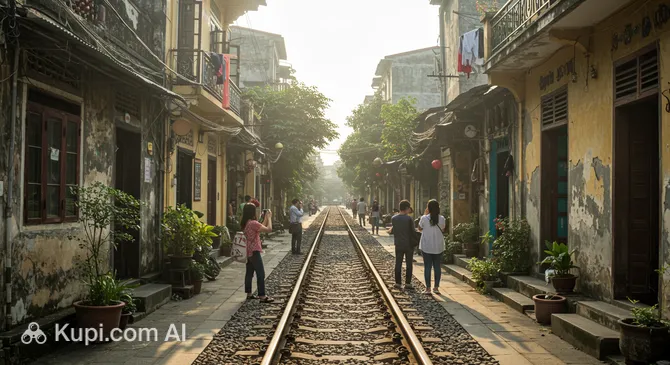
Hanoi Train Street. Illustration.
Source: Kupi.com AI
Traveler photos:
The "Tube Houses" Phenomenon: You will notice that many buildings in the city are incredibly narrow but very deep and tall. Known as "Nha Ong," this unique architecture developed due to historical property taxes that were based solely on the width of the street facade, prompting locals to build upward and backward rather than outward.
Life on the Rails: In a specific section of the city known as Hanoi Train Street, a high-speed train passes just inches away from the doorsteps of residential homes twice a day. Residents casually pack up their outdoor furniture moments before the train arrives and resume their daily activities immediately after it passes.
Invention of Egg Coffee: Hanoi’s signature drink, Ca Phe Trung, was invented in the 1940s during a milk shortage. A bartender named Nguyen Van Giang whisked egg yolks with sugar and condensed milk to create a creamy, meringue-like substitute for cappuccino foam, creating a legendary local delicacy.
Theater on Water: The art of water puppetry is indigenous to the Red River Delta and dates back to the 11th century. Originally performed in flooded rice paddies so villagers could entertain themselves during the wet season, this tradition is now preserved at venues like the Thang Long Water Puppet Theatre.
The "36 Streets" Concept: The Hanoi Old Quarter is historically divided into 36 streets, each named after the specific merchandise that was traditionally sold there, such as bamboo, silver, or silk. While commerce has modernized, you can still find streets dedicated almost entirely to a single type of product.
How to Get There
Reaching the vibrant capital of Vietnam is a straightforward experience for international and domestic travelers alike, thanks to its well-connected transport hubs. Whether you are arriving by air or considering overland routes, you can find more about how to get to Hanoi and choose the option that best suits your itinerary.
The primary gateway to the city is Noi Bai International Airport (HAN), which handles the vast majority of visitor traffic. Located approximately 21.6 km from the city center, it is a modern facility serving numerous international and domestic airlines. The journey from the airport to downtown Hanoi typically takes about 50 minutes by taxi or shuttle bus, depending on traffic conditions. As a major hub with high passenger volume, it offers a wide range of services and convenient connections to the city.
For those exploring the wider region, Cat Bi International Airport (HPH) is another viable option, although it is not located in Hanoi itself. Situated in the city of Haiphong, this airport is about 95.5 km away from the capital. While further afield, it serves as a key regional entry point. Travelers landing here can expect a transfer time of approximately 3 hours to reach Hanoi by road. This route is often chosen by those combining their visit with a trip to Halong Bay or the coastal areas.
For clarity, here is a summary of the main airports serving the region:
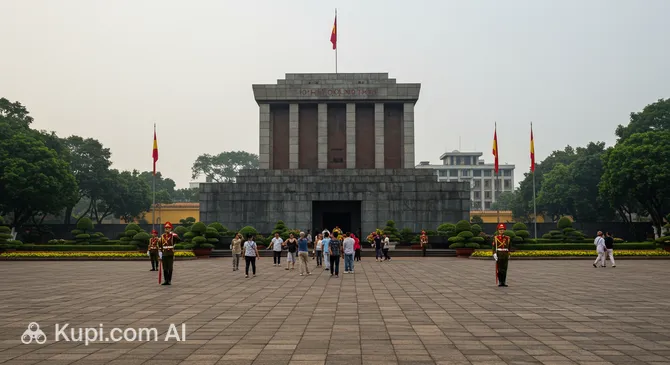
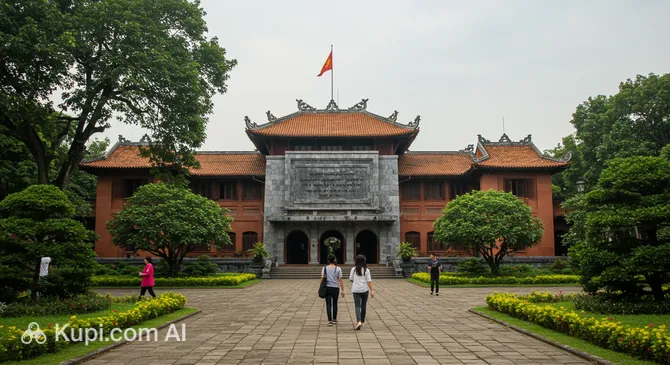
Exploring the capital of Vietnam offers a journey through centuries of history, from ancient dynastic foundations to the complexities of the modern era. The city is dotted with landmarks that tell the story of its resilience and cultural depth. Among the most revered sites is the Ho Chi Minh Mausoleum, a monumental marble structure located in Ba Dinh Square. This is the final resting place of the beloved leader, known affectionately as "Uncle Ho." Tourists visit to pay their respects and witness the solemn changing of the guard ceremony, making it a deeply significant cultural experience.
Ho Chi Minh Mausoleum. Illustration.
Source: Kupi.com AI
Traveler photos:
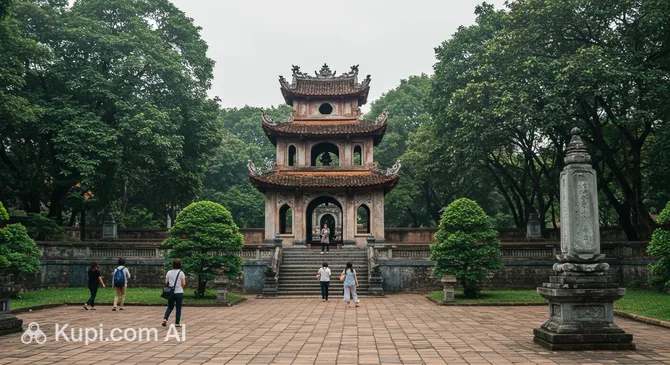
For a glimpse into the country's scholarly traditions, the Temple of Literature is an essential stop. Built in 1070 and dedicated to Confucius, it hosted Vietnam's first national university. The complex is a tranquil oasis of manicured gardens, ancient stone stelae, and traditional pavilions. It is particularly interesting for those who appreciate architecture and history, offering a peaceful retreat from the bustling streets outside.
Temple of Literature. Illustration.
Source: Kupi.com AI
Traveler photos:
Another site of immense historical value is the Imperial Citadel of Thang Long, a UNESCO World Heritage Site. This ancient complex served as the political center of the country for 13 consecutive centuries. Visitors can explore the archaeological excavations, old military bunkers, and the iconic Hanoi Flag Tower. It provides a fascinating layer-by-layer look at the different dynasties that have ruled from this very spot.
To understand the more turbulent chapters of the city's past, a visit to Hoa Lo Prison is highly recommended. Originally built by French colonists to detain political prisoners and later used during the Vietnam War—where it earned the ironic nickname "Hanoi Hilton"—the museum now displays poignant exhibits about the struggle for independence. It is a moving and educational experience that offers deep insight into the resilience of the Vietnamese spirit.
Finally, no tour is complete without seeing the unique One Pillar Pagoda. This iconic Buddhist temple is designed to resemble a lotus blossom rising from a muddy pond, symbolizing purity. Its distinct architectural style and spiritual significance make it one of the city's most photographed and cherished symbols.
Local Cuisine
Local Cuisine:
Hanoi is widely regarded as one of the world’s greatest food capitals, offering a culinary landscape that is as chaotic as it is delicious. The city’s cuisine is famous for its balance of five fundamental tastes: spicy, sour, bitter, salty, and sweet. Unlike the bolder flavors of the south, Hanoian food tends to be more subtle, relying heavily on fresh herbs and clear broths. Dining here is not just about sustenance; it is a social ritual often played out on low plastic stools along the sidewalks.
No culinary journey in the capital is complete without tasting Pho, the world-famous noodle soup that originated in Northern Vietnam. While it can be found everywhere, the local version is distinct for its clear, savory broth and wide rice noodles. Another must-try dish is Bun Cha, consisting of grilled fatty pork served in a dipping sauce with noodles and herbs. This dish gained international fame after being enjoyed by world leaders and remains a lunchtime staple for locals.
Ta Hien Beer Street. Illustration.
Source: Kupi.com AI
Traveler photos:
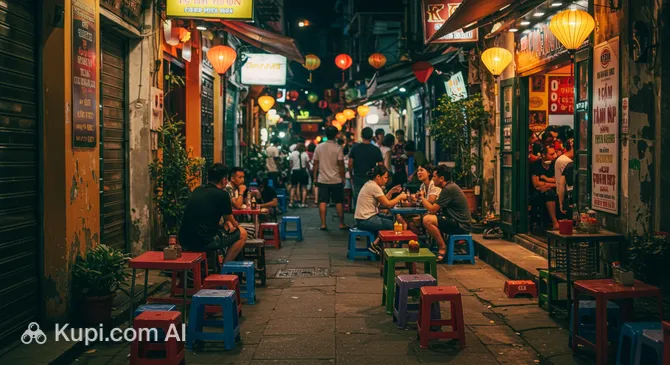
For those seeking a vibrant atmosphere, Ta Hien Beer Street in the Old Quarter is the place to be. By day, it is a relatively quiet street, but at night, it transforms into a bustling hub where locals and tourists alike gather to drink "Bia Hoi" (fresh draft beer) and enjoy street snacks. It is a perfect spot to soak in the energy of the city while enjoying affordable drinks and lively conversation.
Beyond street food, the city offers excellent sit-down dining experiences that cater to various dietary preferences. MẸT Vietnamese Restaurant & Vegetarian Food is a popular choice for those wanting to sample authentic local flavors in a more comfortable setting. Their menu features a wide array of traditional dishes presented on bamboo trays, providing a rustic yet refined dining experience.
Coffee culture is also deeply ingrained in the local lifestyle. After a meal, visitors can explore unique spots like the Hidden Gem Cafe. True to its name, this venue is tucked away and celebrated for its eco-friendly design, utilizing recycled materials to create a whimsical artistic space. It is an excellent place to try the famous egg coffee or simply relax away from the noise of the traffic.
Travel Tips
To ensure your journey through the bustling streets of Hanoi is as smooth and enjoyable as possible, we have compiled a set of essential travel insights. These practical tips will help you navigate the local culture, manage your logistics, and embrace the city's unique rhythm like a seasoned traveler.
Clothing and Gear: Hanoi's climate varies significantly, so pack accordingly. Light, breathable fabrics like cotton or linen are best for the hot, humid summers, while a warm jacket or layers are necessary for the surprisingly chilly and damp winters (December to February). Comfortable, closed-toe walking shoes are a must for navigating uneven sidewalks. If you plan to visit temples or pagodas, remember to dress modestly by keeping your shoulders and knees covered.
Transportation: The most convenient way to get around is by using ride-hailing apps like Grab, which offer both car and motorbike taxi options with fixed prices, saving you from negotiation hassles. Traditional taxis are available, but ensure the meter is on. Public buses are very cheap but can be confusing for newcomers, and while the metro system is modern, its coverage is currently limited. For short distances, walking is great, but stay alert.
Finances: The local currency is the Vietnamese Dong (VND). While credit cards are widely accepted in hotels, malls, and upscale restaurants, cash is king in the Old Quarter, street food stalls, and local markets. ATMs are abundant, but it is wise to keep a supply of smaller bills for small purchases. Tipping is not a strict local custom but is increasingly appreciated in tourism services; rounding up the bill or leaving a small amount is a nice gesture.
Health and Safety: Pharmacies (look for signs saying "Nhà Thuốc") are common and often staffed by pharmacists who speak basic English, though 24/7 options are mostly found near hospitals. Tap water is not safe to drink; always stick to bottled or filtered water. The biggest safety challenge is traffic—when crossing the street, walk at a steady, predictable pace and do not stop suddenly; drivers will weave around you.
Communication: Vietnamese is the official language. English is widely spoken in tourist areas, hotels, and restaurants, but less so in local markets. Learning a few phrases like Xin Chao (Hello) and Cam On (Thank you) will earn you warm smiles. Wi-Fi is available in almost every cafe, but for reliable connectivity, purchase a local SIM card (Viettel or Vinaphone) at the airport or convenience stores upon arrival.
Local Etiquette: The concept of "saving face" is crucial in Vietnamese culture. Always remain calm and polite; raising your voice or getting angry in public is frowned upon. When handing money, a credit card, or a gift to someone, use both hands as a sign of respect. Also, remember to remove your shoes before entering a private home and many religious sanctuaries.
What to Avoid: Avoid touching anyone on the head, as it is considered the most sacred part of the body in local culture. Additionally, refrain from public displays of affection, which are generally considered inappropriate in this relatively conservative society.
Morning Magic: For a truly authentic experience, wake up early (around 6:00 AM) and head to Hoan Kiem Lake. Before the traffic peaks, the area is filled with locals practicing Tai Chi, ballroom dancing, and aerobics. It is a peaceful and energizing way to start your day and see a side of the city that many tourists sleep through.
Hanoi is a city that rewards patience and curiosity, offering a rich tapestry of experiences for those willing to dive in. With these practical tips in hand, you are well-prepared to explore the capital's hidden corners and enjoy its vibrant atmosphere with confidence.
Entertainment & Nightlife
As the sun sets, Hanoi sheds its business persona and shifts into a vibrant playground for night owls. The nightlife scene here is a fascinating mix of traditional street culture and modern sophistication. From plastic stools on the pavement to glittering rooftop lounges, the city offers diverse ways to spend your evening, catering to both budget travelers and those seeking luxury.
The epicenter of the action is undoubtedly the Old Quarter. Here, the energy is frantic and fun, particularly around the famous "Beer Corner" at Ta Hien, where crowds spill onto the streets to enjoy cheap local drafts. For a more refined atmosphere, head to the West Lake (Tay Ho) district. This area is popular with expats and trendy locals, offering chic cocktail bars, bistros, and live music venues with stunning lakeside views and a more relaxed pace.
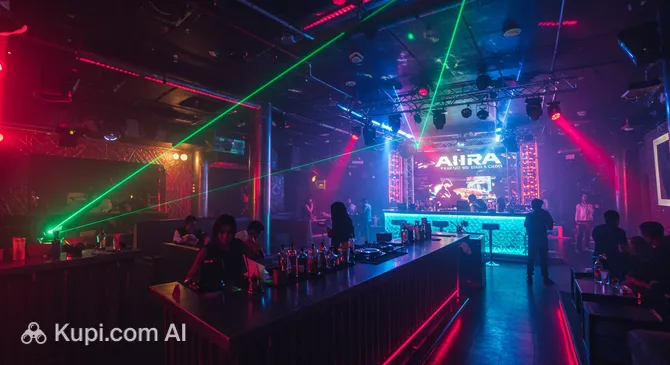
For those looking to dance the night away, AIRA Night Club is a top-tier destination featuring energetic DJ sets and a stylish crowd. If you prefer a venue with a view, the Acoustic Hotel & Spa Bar offers a fantastic vantage point to sip cocktails while admiring the illuminated city skyline. Another popular spot for late-night entertainment is A Plus Hanoi, known for its vibrant atmosphere and modern setting.
AIRA Night Club. Illustration.
Source: Kupi.com AI
Traveler photos:
Nightlife in the capital typically kicks off around 8:00 PM and can last well past midnight, especially on weekends. Prices vary significantly; a glass of fresh beer (Bia Hoi) on the street costs mere cents, while cocktails in upscale clubs are comparable to international prices. The dress code is generally relaxed, but smart casual attire is recommended if you plan to visit high-end bars or clubs. Most venues are welcoming, but it is always wise to carry some cash as smaller spots may not accept cards.
The city is generally safe for night walks, particularly in well-lit, busy areas like the Old Quarter. However, petty theft can occur, so keep an eye on your belongings and avoid walking alone in poorly lit alleys late at night. When it is time to return to your accommodation, it is best to book a car or bike through a ride-hailing app like Grab rather than hailing random taxis on the street to ensure safety and fair pricing.
Beyond the nightlife, the city offers plenty of daytime and early evening leisure activities. Culture enthusiasts should check the schedule at the Hanoi Opera House, an architectural gem that hosts classical performances and concerts. Families might enjoy a trip to Bao Son Paradise Park, which combines traditional culture with amusement rides, or explore the underwater world at the Times City Aquarium located in a modern underground mall.
Parks & Museums
Beyond its bustling streets and colonial architecture, Hanoi offers a wealth of green spaces and cultural institutions that provide a deeper understanding of Vietnam's heritage. The city's museums are among the best in the country, showcasing everything from ancient artifacts to diverse ethnic traditions, while its parks offer a welcome respite from the urban energy.
For a comprehensive look at the nation's cultural fabric, the Vietnam Museum of Ethnology is an unmissable stop. Located a bit further from the city center, this expansive facility is dedicated to the 54 ethnic groups of Vietnam. It features excellent indoor exhibits with artifacts, clothing, and videos, but the highlight is the large outdoor area. Here, visitors can walk through full-scale replicas of traditional tribal houses, including the towering Rong house of the Central Highlands, offering a unique immersive experience.
Vietnam Museum of Ethnology. Illustration.
Source: Kupi.com AI
Traveler photos:
Art enthusiasts should head to the Vietnam National Fine Arts Museum. Housed in a beautiful French colonial building that was once a boarding school for daughters of officials, the museum traces the evolution of Vietnamese art from prehistory to the present day. The collection includes exquisite lacquerware, silk paintings, and ancient sculptures, providing a quiet and aesthetic journey through the country's creative history.
When you need a break from the sightseeing, Thu Le Park is one of the city's major green lungs. Centered around a large lake, it is a popular spot for local families and joggers. While it also houses a small zoo, the park is best enjoyed for its leafy pathways and pedal boats, offering a simple, relaxing atmosphere right in the Ba Dinh district.
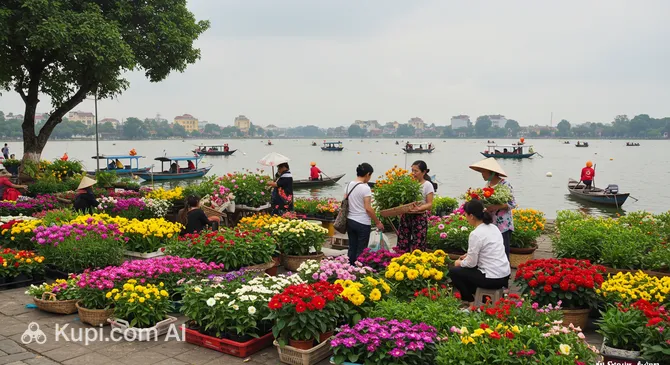
For those seeking a more photogenic natural setting, the West Lake Flower Valley is a delightful destination. Situated near the water park, this area is planted with seasonal blooms ranging from sunflowers to lotus, depending on the time of year. It is a favorite location for photography lovers looking to capture vibrant colors against the backdrop of West Lake.
West Lake Flower Valley. Illustration.
Source: Kupi.com AI
Traveler photos:
For a more rustic and off-the-beaten-path experience, consider visiting the Red River Rock Garden (Bai Da Song Hong). Located at the end of a lane in the Tay Ho district, this open space along the riverbank offers fields of flowers, tall grasses, and fresh breezes, making it a perfect spot for a late afternoon picnic away from the concrete jungle.
Getting Around
Navigating the bustling streets of Hanoi is an experience in itself, and the city offers a variety of transport options ranging from modern rail systems to traditional road vehicles. While the traffic can seem chaotic to newcomers, the public transport network is gradually expanding and modernizing, providing affordable ways to explore the metropolis.
The most extensive public transport option is the bus network. Dozens of routes crisscross the city, recognizable by their red, yellow, or blue exteriors. Buses are incredibly cheap, with tickets typically costing between 7,000 and 9,000 VND per ride. You simply board the bus and pay the conductor in cash; they will come to your seat to collect the fare and issue a paper ticket. For tourists, the Hanoi Bus Map or Google Maps are essential tools for deciphering routes and finding stops, as signage can sometimes be subtle.
A recent addition to the city's infrastructure is the Metro. The first operational line, the Cat Linh–Ha Dong line (Line 2A), offers a clean, air-conditioned, and rapid alternative to the gridlocked streets below. While the network is still developing and coverage is currently limited to specific corridors, it is an excellent way to travel between the city center and the southwestern districts. Tickets are purchased at automated vending machines or counters at the stations. You receive a token for single journeys or can purchase a rechargeable card for frequent travel.
For a more flexible and often faster way to get around, ride-hailing apps are extremely popular and highly recommended for tourists. Apps like Grab, Gojek, and Be allow you to book both cars and motorbikes (known locally as "Xe Om") with fixed prices, eliminating the language barrier and the need to haggle. The motorbike taxi option is particularly efficient for weaving through rush-hour traffic and offers a thrilling, authentic local experience. If you prefer traditional taxis, stick to reputable companies like Mai Linh or Taxi Group, and always ensure the driver uses the meter.
For a leisurely sightseeing experience rather than practical commuting, you can try a Cyclo. These three-wheeled bicycle taxis are iconic in the Old Quarter. They move slowly, allowing you to take in the architecture and street life up close. However, they are strictly for tourism; always negotiate and agree on a clear price before hopping in to avoid misunderstandings later.
Public transport generally operates from approximately 5:00 AM to 10:00 PM, though some major bus routes may run slightly later. When using buses, it is advisable to carry small bills, as conductors may not have change for large denominations. Whether you choose the efficiency of the metro or the organized chaos of a motorbike taxi, getting around the city is affordable and relatively straightforward once you understand the options.
Accommodation
Where to Stay:
Finding the perfect place to stay in Hanoi is relatively easy, as the city offers a vast spectrum of accommodation options to suit every budget and travel style. From backpacker hostels tucked away in narrow alleys to grand colonial-era hotels and modern luxury resorts, the capital provides a welcoming roof for everyone. The general standard of hospitality is high, and even budget options often include friendly service and basic amenities.
For most first-time visitors, the Old Quarter (Hoan Kiem District) is the most convenient area to base yourself. Staying here puts you within walking distance of major attractions, street food stalls, and the night market. However, be prepared for noise and bustle. If you prefer a quieter, more scenic environment with a cosmopolitan vibe, the West Lake (Tay Ho) district is an excellent alternative. It is popular with expats and features many boutique hotels and lakeside retreats. For business travelers or those seeking tranquility near historical sites, the Ba Dinh District offers a more relaxed atmosphere.
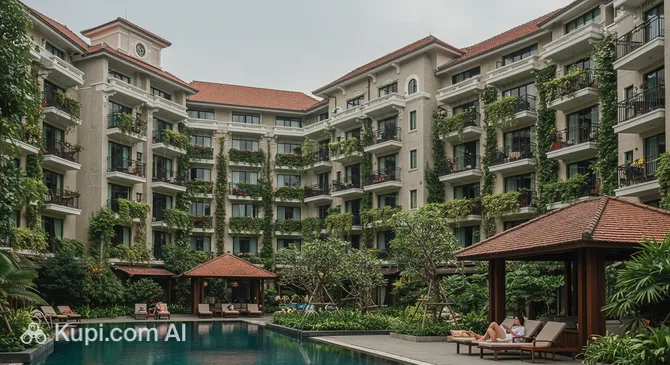
In recent years, serviced apartments have become a popular choice for families and travelers planning longer stays, offering more space and independence than traditional hotel rooms. Examples of such accommodations include VNAHOMES Aparthotel, which provides a comfortable residential experience. Similarly, VNAHOMES Serviced Apartments offer modern facilities that cater to those who appreciate the convenience of a fully equipped living space while exploring the city.
VNAHOMES Aparthotel. Illustration.
Source: Kupi.com AI
Traveler photos:
Booking Tip: While it is often possible to find a room on arrival, it is highly recommended to book your accommodation in advance, especially if you are visiting during the peak tourist season (October to April) or during major holidays like the Lunar New Year (Tet). During these times, the best-value rooms sell out quickly, and prices can rise significantly.
The price range for accommodation in Hanoi is generally very affordable compared to Western standards. Budget travelers can find dormitory beds or simple guesthouses for as little as $5 to $15 USD per night. Mid-range hotels, offering air conditioning and private bathrooms, typically range from $25 to $60 USD. For luxury stays, expect to pay upwards of $100 USD, with top-tier international 5-star hotels charging significantly more. Most bookings can be easily made through major online travel platforms, which are widely used and reliable throughout Vietnam.
Nearby Cities
For those looking to explore the surroundings, Hanoi serves as an excellent base for day trips to several interesting nearby locations:
Bac Ninh is a cultural gem located just a short distance from the capital. It is renowned as the birthplace of Quan Ho folk singing, a UNESCO Intangible Cultural Heritage. The area is dotted with ancient pagodas and temples, making it a perfect destination for history enthusiasts and those seeking spiritual tranquility.
Another captivating option is Thai Nguyen, famous for its vast, rolling tea plantations. It offers a scenic retreat where visitors can learn about tea cultivation and enjoy fresh brews. Additionally, the city hosts the Museum of Cultures of Vietnam's Ethnic Groups, providing valuable insights into the diverse traditions of the country's northern tribes.
These nearby destinations offer a glimpse into the diverse culture and landscapes of the region.
Shopping & Souvenirs
Shopping:
Shopping in Hanoi is a vibrant experience that reflects the city's unique blend of tradition and modernity. From bustling open-air markets and narrow craft streets to gleaming high-rise shopping centers, the capital offers a diverse array of retail therapy. Whether you are hunting for exquisite handcrafted souvenirs, high-end fashion, or quirky local curiosities, the city provides endless opportunities to find something special.
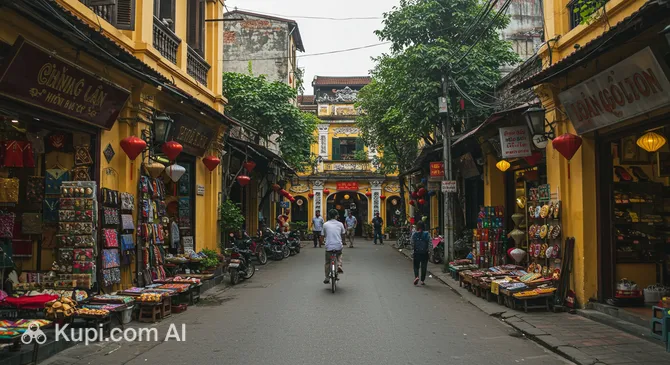
The heart of the shopping scene is undoubtedly the Hanoi Old Quarter. This historic district is famous for its "36 Streets," where each street was traditionally dedicated to a specific trade. Today, you can still stroll down Hang Gai (Silk Street) to find beautiful tailored clothing and fabrics, or visit Hang Bac (Silver Street) for intricate jewelry. Walking through these chaotic yet charming alleyways allows you to browse for bamboo products, lacquerware, and embroidery while soaking in the local atmosphere.
Hanoi Old Quarter. Illustration.
Source: Kupi.com AI
Traveler photos:
For those who prefer a more modern and air-conditioned environment, the city boasts several large shopping complexes. Long Bien Mall is a notable destination located across the Red River, offering a wide range of international brands, a supermarket, and entertainment options. Another popular spot is Hà Đông Mall, which serves the southwestern part of the city with various retail outlets and dining facilities. These malls provide a comfortable contrast to the street-side shops and are perfect for escaping the midday heat.
Markets are an essential part of daily life and commerce here. Dong Xuan Market is the largest indoor market in the city, housing hundreds of stalls selling everything from clothing and household goods to dried foods. It is a wholesale hub, so be prepared for a busy, gritty atmosphere. On weekends, the Night Market stretches through the Old Quarter, transforming the streets into a pedestrian-only zone filled with stalls selling phone accessories, souvenirs, and street food, creating a festive environment.
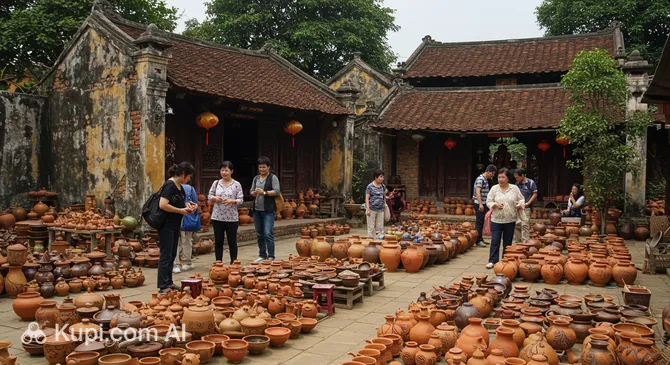
When it comes to souvenirs, Hanoi is famous for its handicrafts. Silk products, conical hats (Non La), and water puppets are classic choices. For high-quality ceramics, a visit to the Bat Trang Pottery Village is highly recommended. Located just outside the city center, this ancient village allows you to buy pottery directly from the artisans or even try your hand at making your own piece. Coffee lovers should also consider buying local Robusta beans or the famous Weasel coffee to take home.
Bat Trang Pottery Village. Illustration.
Source: Kupi.com AI
Traveler photos:
Most shops in the city open around 9:00 AM and close by 9:00 PM or 10:00 PM. Markets often start much earlier, with some fresh food stalls operating from dawn. Payment methods vary by location; while shopping malls and upscale boutiques accept credit cards, cash is essential for street markets, small shops in the Old Quarter, and bargaining. Bargaining is a common practice in markets and independent stalls, so do not hesitate to negotiate politely for a better price.
International tourists may be eligible for a VAT refund on goods purchased at designated "VAT Refund for Tourists" stores. If you buy items worth at least 2 million VND in a single day from a participating retailer, you can claim a refund at the airport before departure. Be sure to ask for the necessary refund declaration forms and keep your receipts handy.