Support

West Bank

About the Country

The West Bank is a region with a millennia-long history, holding a special place on the world map. Located in the Middle East, it attracts travellers with its unique atmosphere, where ancient traditions intertwine with modernity. This land bears the traces of many civilisations and is a cradle of world religions, making it incredibly interesting for exploration and pilgrimage.
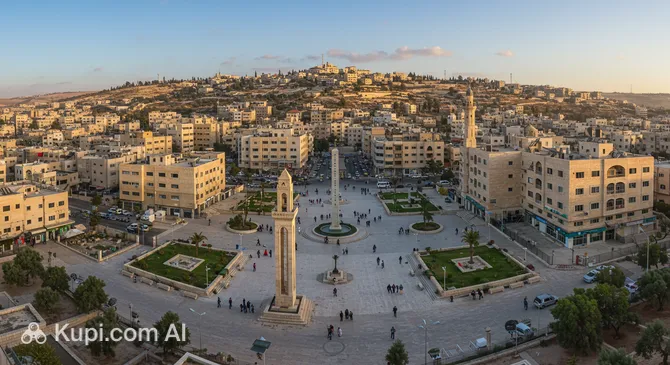
Ramallah. Source: Kupi.com Binoculars

The administrative centre and bustling heart of the region is Ramallah, a city of contrasts where one can find both modern business centres and charming old streets. No less significant are other cities, such as Bethlehem, known throughout the world for the Church of the Nativity, or the ancient city of Jericho, which is considered one of the oldest continuously inhabited cities on the planet.

The climate here is predominantly Mediterranean, with hot, dry summers and mild, sometimes rainy winters, making travel possible in different seasons. The West Bank offers not only an immersion in history and culture but also the opportunity to enjoy the picturesque landscapes of the Judaean Mountains and fertile valleys. The overall atmosphere of the region is filled with deep historical significance and the traditional hospitality of the local people, who are ready to share the richness of their culture.
Currency

Several currencies are in circulation in the territory of the West Bank. The primary currency used for most daily transactions is the Israeli New Shekel (ILS). The Jordanian Dinar (JOD) is also widely accepted, particularly in areas close to Jordan and for certain types of transactions, such as for savings or durable goods. In tourist areas and large retail outlets, US Dollars (USD) and Euros (EUR) may be accepted, but for smaller purchases and in most places, it is preferable to carry the local currency, primarily shekels.

You can exchange foreign currency for shekels or dinars at banks and official exchange offices found in the cities. It is advisable to avoid exchanging money with street money changers due to the risk of unfavourable rates or fraud. Credit cards (Visa, Mastercard) are accepted in most hotels, large restaurants, and some shops, especially in cities such as Ramallah. However, for purchases at markets, in small shops, and for paying for taxis, it is best to always have a sufficient amount of cash on hand.

Visa Requirements

When planning a trip to the West Bank, it is essential to understand the entry requirements in advance. For citizens of the United Arab Emirates, a visa is not required for short tourist visits to Israel, which controls entry to the West Bank. UAE passport holders can stay for up to 90 days without a visa. However, an Electronic Travel Authorisation (eTA) is required to enter Israel, which can be applied for online before your journey. Your passport must be valid for at least six months from your planned date of entry.

For UAE residents holding other passports, visa requirements may differ, and it is necessary to check the specific rules for your nationality. If a visa is required, the application process is handled through Israeli diplomatic missions. Regardless of your nationality, as entry is controlled by Israel, all travellers should be prepared to present supporting documents to immigration officials. These may include return flight tickets, proof of accommodation booking, and a comprehensive travel insurance policy. As visa and entry regulations can change, it is always strongly recommended to verify the latest information with official sources before you travel.

We'll tell you if you need a visa

Specify where you are going, or
Your citizenship
Destination

Time Zones

The West Bank operates on a single time zone, which simplifies travel planning as you will not need to adjust your watch when travelling between its cities and districts. The standard time is Eastern European Time (EET), which is two hours ahead of Coordinated Universal Time (UTC+2).

Like many countries in the region, Palestine observes daylight saving time (DST) in the summer, when clocks are moved forward by one hour to UTC+3. The dates for this change are announced annually by the Palestinian Government. For residents of the UAE, which operates on UTC+4 year-round, this means the West Bank is two hours behind during winter and only one hour behind during the summer DST period.

Therefore, visitors arriving in or travelling around the West Bank do not need to worry about internal time zone changes. Simply set your watch to the local time upon arrival to stay synchronised.

How to Get There

When planning a trip to the West Bank, it is important to understand the region's unique travel logistics. There are currently no international airports within the West Bank, so direct commercial flights are not possible. Travellers from the UAE will need to fly into an airport in a neighbouring country and continue their journey by land.

The most common entry points are via Jordan or Israel. From the UAE, you can take direct flights to Queen Alia International Airport (AMM) in Amman, Jordan, or to Ben Gurion Airport (TLV) near Tel Aviv, Israel. Airlines such as Emirates, Etihad Airways, flydubai, and Air Arabia operate regular services to these destinations. From there, you must cross into the West Bank by land. The primary crossing from Jordan is the Allenby (or King Hussein) Bridge, while various checkpoints facilitate entry from Israel. It is essential to check the operating hours and current status of these border crossings before you travel, as they can change at short notice. Note that crossing with a rental car can be complicated; always confirm cross-border insurance policies and permissions with the rental agency beforehand. Before your trip, ensure you are familiar with the latest entry regulations, visa requirements, and necessary documentation. It is also wise to book ground transportation in advance, particularly during peak travel seasons, to ensure a smooth and well-organised journey.

The West Bank is a land of immense history and culture, where every city and settlement breathes antiquity and spirituality. Travellers here will discover not just attractions, but places that have played a pivotal role in world history and faith. The region's cities offer a unique combination of ancient holy sites, archaeological monuments, and a vibrant contemporary culture.

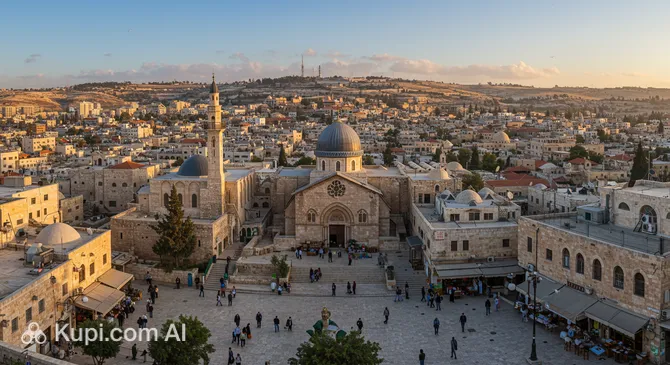
One of the most iconic and visited cities is Bethlehem, revered worldwide as the birthplace of the Prophet Isa (Jesus), peace be upon him. Pilgrims and tourists flock here to see the historic Church of the Nativity and connect with ancient holy sites. Equally captivating is the ancient city of Jericho, considered one of the oldest continuously inhabited cities on the planet. Here, you can explore archaeological excavations that are thousands of years old and enjoy panoramic views. For those wishing to experience modern Palestinian life and culture, Ramallah is an interesting and lively administrative and cultural centre.

Bethlehem. Source: Kupi.com Binoculars

Other significant places include Hebron (Al-Khalil), another ancient city sacred to Muslims, Christians, and Jews. It is renowned for the Ibrahimi Mosque (Sanctuary of Abraham), which holds the tombs of the Prophet Ibrahim (Abraham), his wife Sarah, and other prophets. For an authentic atmosphere, visitors will enjoy Nablus, with its colourful old city, narrow streets, traditional souqs, and famous olive oil soap factories. The city is also the celebrated home of Knafeh, a delicious sweet cheese pastry popular across the Middle East. Each of these cities offers its own unique experience, immersing you in the region's centuries-old history and culture.

Top Attractions

The West Bank is a land steeped in history and culture, drawing travellers to its many iconic sites. There is something for everyone here, from ancient holy places to important historical monuments.

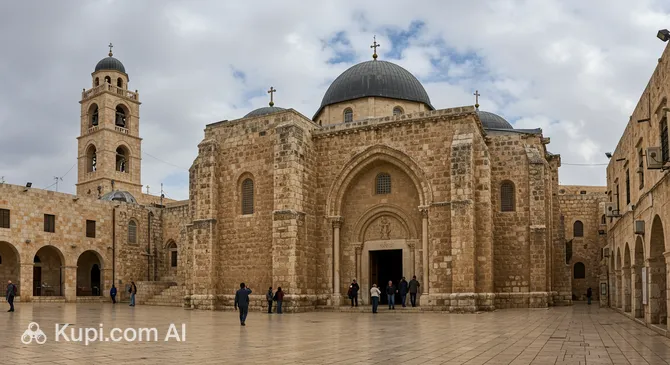
One of the most revered holy sites, not only in the West Bank but in the entire Christian world, is the Church of the Nativity in Bethlehem. According to tradition, this is the birthplace of Jesus (Isa, peace be upon him), attracting pilgrims and tourists from all over the world with its ancient history and spiritual atmosphere. Visitors are reminded to dress modestly when entering this sacred place.

Church of the Nativity. Source: Kupi.com Binoculars

History enthusiasts should definitely visit Ancient Jericho, considered one of the oldest continuously inhabited cities in the world. Archaeological excavations here reveal traces of civilisations that existed thousands of years ago, including the famous Walls of Jericho.

Ancient Jericho. Source: Kupi.com Binoculars

In Ramallah, you will find the Arafat Mausoleum, a modern memorial complex and museum. This site is significant for understanding the region's contemporary history.

Arafat Mausoleum. Source: Kupi.com Binoculars

Not far from Bethlehem is the Chapel of the Shepherd's Field. It is believed that this is the site where angels announced the birth of the Saviour to the shepherds. This quiet and spiritual place offers visitors an opportunity for reflection and prayer.

Shepherds' Field Chapel. Source: Kupi.com Binoculars

Best Time to Visit

The best time to visit the West Bank is during the spring (March to May) and autumn (September to November). In these periods, the weather is most agreeable, with pleasantly warm, sunny days and cool evenings. These are ideal conditions for sightseeing, taking walking tours, and delving into the region's rich history. In spring, the landscape comes alive with colourful blossoms, while the intense summer heat subsides in autumn. It is worth noting that these seasons are popular with tourists, especially around major religious holidays such as Easter and Christmas, which can affect the number of visitors and accessibility in certain areas. Travellers should also be mindful of the dates for Islamic holidays, like Ramadan, as timings for attractions may vary.

Summer, from June to August, can be very hot in the West Bank, particularly in low-lying areas such as those around Jericho, where temperatures often exceed 30°C. If you plan a trip during this time, be prepared for high temperatures. Winter, from December to February, brings cooler and sometimes rainy weather, with the possibility of frost in elevated areas. This period is considered the low season when there are noticeably fewer tourists. Before your trip, it is advisable to check the weather forecast for the specific cities you plan to visit, such as Bethlehem or Ramallah, as the climate can vary depending on altitude and location.

Traditions

The culture of the West Bank of the Jordan River is rich in traditions founded on hospitality and respect. Greetings are typically warm, and handshakes are common, especially between men. When greeting a woman, it is best to wait for her to extend her hand first. The traditional greeting "As-salamu alaykum" (peace be upon you) will always be met with a warm welcome. Hospitality is a cornerstone of the local culture. Receiving an invitation to a local's home is considered a great honour. Bringing a small gift for the hosts, such as sweets or fruit, is a thoughtful gesture, though not required. It is important to remember that refusing offered refreshments may be seen as impolite.

When visiting the West Bank, it is important to be mindful of the dress code. A modest style of dress that covers the shoulders and knees is recommended, particularly for women. When entering mosques and other religious sites, women are generally required to cover their hair, and all visitors must remove their shoes. Men should also avoid wearing shorts and sleeveless tops in such places. At the dining table, it is customary to eat with the right hand, as the left hand is traditionally considered unclean for eating. It is also good manners to wait for the host or the eldest person present to begin the meal first.

Religious holidays play a significant role in the lives of the local population, such as Ramadan (the month of fasting), the subsequent Eid al-Fitr, and Eid al-Adha. During these periods, the pace of life may change, which is worth considering when planning your trip. To show respect for local customs, try to avoid photographing people without their permission, especially women, and refrain from public displays of affection. Showing respect for elders and maintaining modest behaviour will always be appreciated.

Entertainment

The West Bank offers travellers more than just pilgrimages to sacred sites, with a diverse range of leisure opportunities also available. Lovers of outdoor activities will appreciate the hiking routes through picturesque hills, allowing for the exploration of ancient trails and offering breathtaking panoramic views. The cultural life of the region is rich and multifaceted; you can visit numerous historical monuments, archaeological sites, and museums that narrate the millennia of history and traditions of this land. When visiting religious sites, it is advisable to dress modestly. An ancient atmosphere can be felt in many towns, inviting you to enjoy unhurried strolls and make new discoveries.

Evening entertainment is most vibrant in major cities such as Ramallah, where you will find a concentration of restaurants serving both local and international dishes, with many offering halal options. Traditional coffee houses are also plentiful, providing a perfect setting to relax after a busy day. Shopping in the West Bank presents an excellent opportunity to purchase authentic souvenirs: items crafted from olive wood, handmade ceramics, colourful embroidery, and, of course, renowned local produce, including dates and olive oil. For family activities, consider educational excursions, walks through historic quarters, and visits to vibrant traditional souqs, which promise an unforgettable experience for both adults and children. For Muslim travellers, prayer facilities are widely available in all cities and towns.

Currency rates

Planning a trip? That's excellent! To ensure the financial aspects of your journey do not come as a surprise, it is important to remember that currency exchange rates are constantly changing. For this reason, we highly recommend tracking the latest rates, both before you fly and throughout your trip. You can use the data provided below for this purpose — we monitor currency exchange rates 24/7 and aim to provide the most up-to-date information.

ILS currency exchange rate as of 02.01.2026

1.16 AED
~ 1 ILS
120.35 AMD
~ 1 ILS
1 AUD
~ 2.12 ILS
1 AZN
~ 1.86 ILS
1 BYN
~ 1.08 ILS
1 CAD
~ 2.31 ILS
1 EUR
~ 3.72 ILS
1 GBP
~ 4.27 ILS
103.23 HUF
~ 1 ILS
28.39 INR
~ 1 ILS
27.59 KGS
~ 1 ILS
455.65 KRW
~ 1 ILS
160.08 KZT
~ 1 ILS
1.13 PLN
~ 1 ILS
24.88 RUB
~ 1 ILS
1.18 SAR
~ 1 ILS
1 SGD
~ 2.47 ILS
13.55 TRY
~ 1 ILS
13.34 UAH
~ 1 ILS
1 USD
~ 3.17 ILS
3790.09 UZS
~ 1 ILS

Reached the end of the page?

That means the route is fully explored