Support

Ubon Ratchathani

About

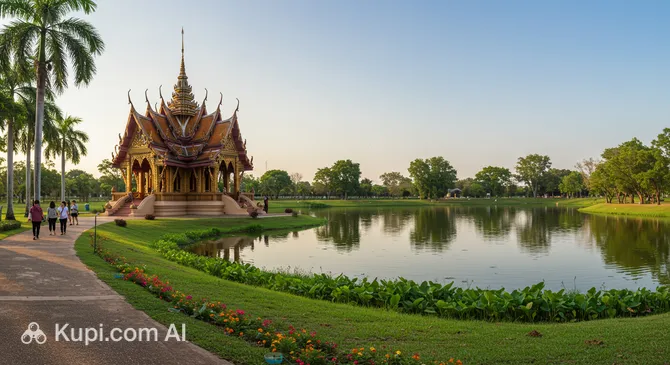
Ubon Ratchathani, often simply referred to as Ubon, is a captivating destination that serves as a significant cultural and commercial hub in the northeastern region known as Isan. As one of the "Big Four" cities in this area of Thailand, it offers a perfect blend of modern amenities and deeply rooted traditions, providing visitors with a genuine glimpse into the local way of life.

Geographically, the city sits gracefully on the northern bank of the Mun River, the second-longest river in the country. With a population of approximately 79,000 residents, Ubon maintains a lively yet relaxed atmosphere. Its strategic location makes it a gateway to the Emerald Triangle, the area where the borders of Thailand, Laos, and Cambodia converge, adding to its regional importance.
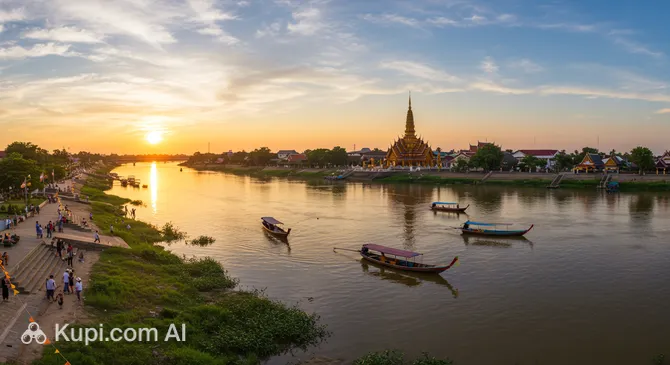
Ubon Ratchathani. Source: Kupi.Binoculars

The city boasts a rich heritage that dates back to the late 18th century. It was established by Lao migrants and has since evolved into a center of learning and religion. Travelers interested in the origins and evolution of this unique settlement can explore the fascinating history of Ubon Ratchathani, which reveals a tapestry of royal connections and local legends.

Ubon is renowned for its stunning Buddhist temples, particularly the forest monasteries established by the revered monk Ajahn Chah. A must-visit landmark is Wat Thung Si Mueang, famous for its beautiful wooden library built on stilts in the middle of a pond to protect ancient scriptures from insects. The city is also the home of the spectacular Candle Festival, held annually to mark the beginning of Buddhist Lent, featuring elaborate wax carvings that parade through the streets.

Whether you are drawn by the spiritual serenity of its temples or the vibrant energy of its festivals, Ubon Ratchathani promises an unforgettable experience. It is an ideal destination for those seeking to discover the authentic charm and warm hospitality of the Isan region.
Weather Overview

Ubon Ratchathani experiences a tropical climate defined by three distinct seasons, offering generally warm weather year-round. The hottest period occurs from March to May, peaking in April with an average temperature of 30.4°C and daily highs often reaching 35.1°C.

The rainy season begins in May and extends through October, bringing frequent showers that revitalize the region's lush landscapes. July and August are typically the wettest months, with precipitation occurring on up to 27 days, though these showers are often short and refreshing.

For those seeking the most comfortable conditions, the months from November to February are ideal. During this cool and dry season, the weather in Ubon Ratchathani becomes very pleasant, with minimum temperatures dropping to around 19°C in December and January. Expect hot temperatures during the summer peak, a humid rainy season, and a cooler, drier winter period perfect for outdoor exploration.

Interesting Facts

Beyond the main attractions, Ubon Ratchathani holds many fascinating secrets that reveal the depth of its cultural heritage. Digging a little deeper uncovers a city defined by artistic mastery, spiritual significance, and a unique blend of regional influences.
Wat Phra That Nong Bua. Source: Kupi.Binoculars
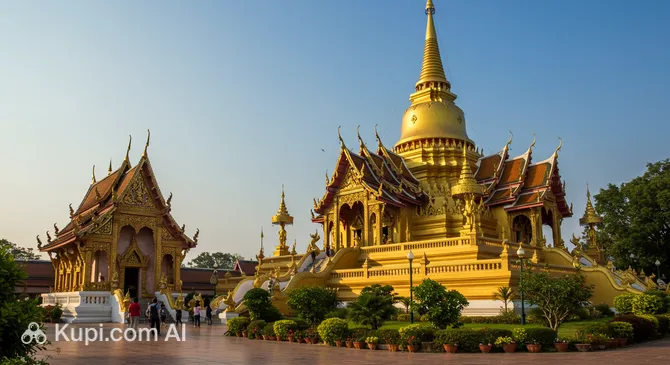
  • The Indian Connection: The striking Wat Phra That Nong Bua is distinct from typical Thai temples because its main chedi is modeled after the Mahabodhi Temple in Bodh Gaya, India. This architectural gem stands out with its intricate white and gold relief work, bringing a piece of Indian Buddhist heritage to the heart of Isan.

  • Royal City of the Lotus: The name "Ubon Ratchathani" translates to "Royal City of the Lotus." This floral symbolism is deeply embedded in the local identity, reflecting the Buddhist significance of the lotus as a symbol of purity and enlightenment, which aligns with the city's reputation as a center for forest tradition monks.

  • A Symbol in Wax: While the city is famous for its Candle Festival, visitors can see a tribute to this tradition year-round at Thung Sri Mueang. The public park features a massive sculpture of a carved candle, ensuring the spirit of the festival remains a permanent fixture of the city's landscape.

  • Culinary Fusion: Due to historical migration, the local breakfast culture is heavily influenced by Vietnamese cuisine. Instead of standard Thai dishes, it is very common to find locals enjoying Guay Jub Yuan, a Vietnamese-style noodle soup, highlighting the diverse cultural tapestry of the province.

How to Get There

Reaching this major city in Isan is quite convenient thanks to its status as a regional transport hub. Whether you prefer flying directly or taking a scenic journey overland, there are several options available. For a detailed guide on all transport modes, you can read more about how to get to Ubon Ratchathani to plan your trip effectively.

The most direct way to arrive is via Ubon Ratchathani International Airport (IATA: UBP). Conveniently located within the city of Ubon Ratchathani itself, it sits just 2.6 km from the city center. This proximity makes the transfer very quick; a taxi or bus ride typically takes around 25 minutes. As a primary gateway to the province, it handles a significant volume of passengers annually, connecting the city with Bangkok and other regional destinations.

For travelers coming from neighboring Laos, Pakse Airport (IATA: PKZ) is another option, though it is located in the city of Pakse. It is approximately 101 km away from Ubon Ratchathani. The journey involves crossing the border and traveling by road, which generally takes about 2.5 to 3 hours depending on traffic and immigration procedures. It is a smaller regional airport but serves as a key link for cross-border travel.

Another alternative within Thailand is Roi Et Airport (IATA: ROI), situated in the city of Roi Et. It is located about 150 km from Ubon Ratchathani. While further away, it can be a viable entry point if you are exploring the wider Isan region. The transfer by car or taxi from Roi Et to Ubon Ratchathani takes approximately 4 hours.

For clarity, here is a summary of the main airports:

Airport Name City Passenger Traffic Km from City
Siem Reap International AirportSiem ReapLarge217.7
Ubon Ratchathani International AirportUbon RatchathaniLarge2.6
Roi Et AirportRoi EtMedium150.2
Buri Ram AirportBuriramSmall171.3
Pakse AirportPakseSmall101.1

If you prefer traveling by train, Ubon Ratchathani is the terminus of the Northeastern Line from Bangkok. The railway station is actually located in the neighboring district of Warin Chamrap, just across the Mun River from the city center. Trains depart daily from Bangkok's main station, offering both express and sleeper services. The journey is a popular choice for those who want to enjoy the rural scenery of Thailand, taking anywhere from 8 to 12 hours depending on the service chosen. From the station, local buses and songthaews (shared taxis) are readily available to take you into the heart of the city.

Main Attractions

Ubon Ratchathani offers a delightful mix of spiritual heritage, green spaces, and local culture. While the city is a modern hub, its most compelling sites are deeply rooted in tradition, offering travelers a chance to explore unique architectural styles and relax in well-maintained public areas.

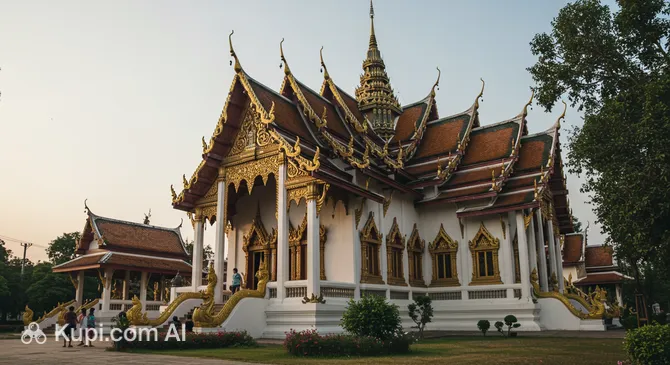
One of the most visually striking landmarks is Wat Phra That Nong Bua. This temple is famous for its magnificent white and gold rectangular chedi, which was inspired by the Mahabodhi Temple in Bodh Gaya, India. Visitors are often awestruck by the intricate relief carvings that adorn the structure. It is a peaceful place to observe local religious practices and admire one of the most distinctive pagodas in the Isan region.

Wat Phra That Nong Bua. Source: Kupi.Binoculars

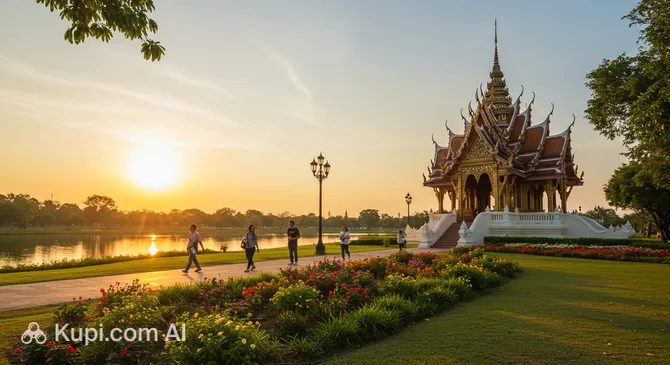
Located in the heart of the city, Thung Sri Mueang is a large public park that serves as the community's living room. It is historically significant and features a giant sculpture of a carved candle, symbolizing the city's famous Candle Festival. In the evenings, the park comes alive with locals jogging, playing sports, and enjoying the fresh air, making it a perfect spot for tourists to people-watch and soak in the local atmosphere.

Thung Sri Mueang. Source: Kupi.Binoculars

Just a short distance away lies Wat Thung Si Mueang, a temple renowned for its preservation of Isan arts. The highlight here is the exquisite wooden library (Ho Trai), built on stilts in the middle of a lotus pond. This traditional design was intended to protect ancient palm-leaf scriptures from termites and ants. The temple also houses murals that depict the life of the locals over 200 years ago, offering a fascinating window into the past.

Wat Thung Si Mueang. Source: Kupi.Binoculars

For those seeking a tranquil escape within the city limits, Nong Bua Public Park is an excellent choice. Situated near the famous Wat Phra That Nong Bua, this expansive park surrounds a large lake and provides a refreshing environment for a leisurely stroll or a picnic. It is a popular recreational area where you can enjoy the shade of trees and the gentle breeze off the water.

If you are looking for a modern shopping and dining experience, Central Ubon is the premier lifestyle destination in the province. As a large shopping mall, it offers a wide range of international and local brands, a cinema, and numerous restaurants. It is a convenient stop for travelers needing to pick up supplies, enjoy air-conditioned comfort, or sample diverse food options after a day of sightseeing.

Local Cuisine

The culinary landscape of Ubon Ratchathani is a vibrant reflection of its cultural history, offering a unique fusion of spicy Northeastern Thai (Isan) flavors and distinct Vietnamese influences. Food here is not just sustenance; it is a social activity deeply embedded in daily life. Visitors will find that the local palate appreciates bold tastes, fresh herbs, and communal dining experiences, ranging from humble street stalls to riverside eateries.

One of the most defining characteristics of Ubon's food scene is the prevalence of Vietnamese dishes, a legacy of the Vietnamese community that settled in the area. A breakfast staple you simply must try is Guay Jub Yuan, a comforting noodle soup made with sticky rice flour noodles in a thick, peppery pork broth. For an authentic taste of this local favorite, you can visit Ubon Ocha, a legendary spot in the city known for serving this dish alongside pan-fried eggs topped with Chinese sausage.

Ubon Ocha. Source: Kupi.Binoculars

Another signature item that Ubon Ratchathani is famous for is Moo Yor, a white pork sausage wrapped in banana leaves. It is ubiquitous in local markets and is used in various dishes, from spicy salads (Yum Moo Yor) to noodle toppings, or simply eaten plain as a snack. Alongside this, you cannot leave without experiencing a traditional Isan meal featuring Som Tum (papaya salad), Gai Yang (grilled chicken), and sticky rice. Be prepared for the local version of papaya salad, which often features Pla Ra (fermented fish sauce), adding a deep, savory umami kick that distinguishes it from the sweeter versions found in Bangkok.

When the sun sets, the city's food culture truly comes alive at the night markets. The area around the Mun River and Thung Sri Mueang transforms into a bustling gastronomic hub where locals gather to eat. Here, you can wander between stalls selling everything from grilled river fish to sweet desserts like mango sticky rice. It is the perfect setting to embrace the "street food" culture, grabbing a plastic stool and enjoying a cheap, delicious meal amidst the lively atmosphere.

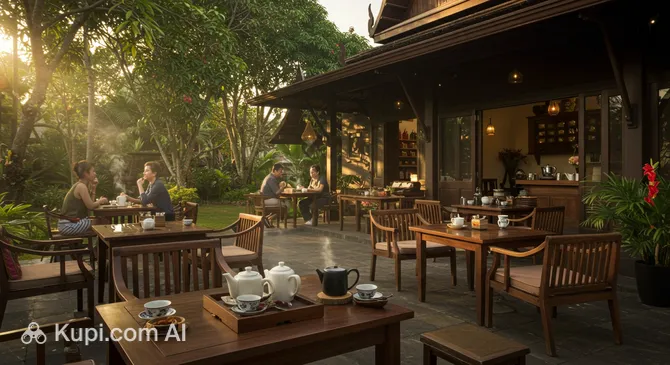
To wash down the spicy and savory flavors, locals often turn to refreshing herbal drinks. Iced Roselle juice (Nam Krajeab) and Chrysanthemum tea (Nam Kek Huay) are popular non-alcoholic choices that help cool the palate. For those looking for something stronger, local Thai beers are widely available and are typically consumed with ice to combat the tropical heat. In the evenings, many visitors also enjoy sitting at open-air garden restaurants, sipping a cold drink while enjoying live folk music.

Travel Tips

Visiting Ubon Ratchathani offers a wonderful opportunity to immerse yourself in the authentic culture of Northeastern Thailand, but a little preparation goes a long way in this less-touristy region. To ensure your journey through the "Royal City of the Lotus" is as smooth and enjoyable as possible, here are some practical travel tips to keep in mind.

  1. Clothing and Temple Attire: The weather in Ubon is generally hot and humid, so pack lightweight, breathable fabrics like cotton or linen. However, modesty is key when visiting religious sites like Wat Phra That Nong Bua. You must cover your shoulders and knees; carrying a sarong or a large scarf is always a good idea. Also, wear slip-on shoes or sandals, as you will need to remove them frequently before entering temple buildings and some local shops.

  2. Getting Around: Public transport in the city mainly consists of Songthaews (converted pick-up trucks with two rows of seats). They are affordable and follow specific routes based on their color, but they can be confusing for first-timers. For convenience, ride-hailing apps like Grab are widely available and reliable. If you plan to explore the wider province, renting a car or a scooter is highly recommended, but ensure you have a valid International Driving Permit (IDP).

  3. Managing Your Finances: The local currency is the Thai Baht (THB). While shopping malls like Central Ubon and major hotels accept credit cards, cash is absolute king in local markets, street food stalls, and smaller restaurants. ATMs are ubiquitous, particularly outside 7-Eleven convenience stores. It is wise to carry small bills (20s and 50s), as vendors may struggle to change large 1,000 baht notes.

  4. Health and Safety: Ubon Ratchathani is a safe city, but standard travel precautions apply. Pharmacies are plentiful, with major chains like Boots and Watsons located in shopping centers, often having English-speaking pharmacists. Since the city is in a tropical zone, mosquito repellent is essential, especially during the rainy season, to prevent dengue fever. Always drink bottled water and avoid tap water.

  5. Communication: English is spoken in hotels and by some younger locals, but it is not as widespread as in Bangkok or Phuket. Locals speak Thai and the regional Isan dialect. Downloading an offline translation app and a map is incredibly helpful. You can easily buy a tourist SIM card with a data package at the airport or at any 7-Eleven store upon arrival to stay connected.

  6. Local Etiquette: The standard greeting is the Wai (pressing palms together at chest level), and returning a Wai is considered polite. The head is considered the most sacred part of the body, while the feet are the lowest; never touch a Thai person's head, and avoid pointing your feet at people or religious images. When entering a home or a temple hall, always remove your shoes.

  7. What to Avoid: Do not raise your voice or show visible anger in public; causing someone to "lose face" is a major social faux pas in Thai culture. additionally, women should strictly avoid touching Buddhist monks or their robes. If a woman needs to hand something to a monk, she should place it on a receiving cloth or table rather than handing it directly.

  8. Early Riser Advantage: To experience the city at its most vibrant and comfortable, try to start your days early. The morning markets are bustling with activity and offer the freshest local breakfast options, such as Guay Jub Yuan, before the midday heat sets in. Most temples are also quieter and cooler in the early morning hours.

By following these simple guidelines, you will be well-equipped to navigate the charming streets of Ubon Ratchathani with confidence. Embrace the slower pace of life in Isan, interact with the friendly locals, and enjoy the unique experiences this fascinating corner of Thailand has to offer.

Entertainment & Nightlife

While Ubon Ratchathani is celebrated for its spiritual heritage, the city also offers a lively array of entertainment options that cater to both modern tastes and local traditions. From energetic nightlife venues to contemporary lifestyle hubs, visitors will find plenty of ways to enjoy their evenings after a day of sightseeing.

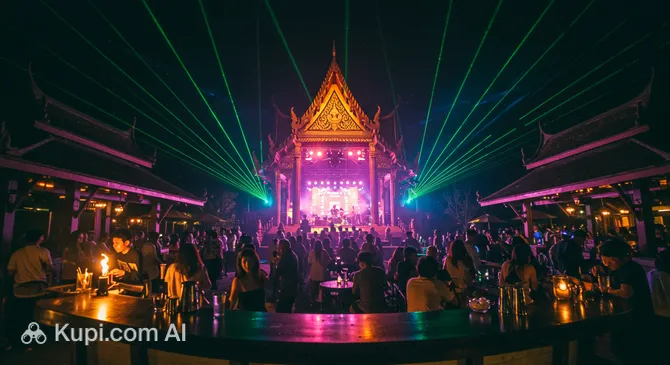
For a quintessential Isan nightlife experience, a visit to Tawandang Ubon Ratchathani is highly recommended. This expansive microbrewery and restaurant is famous for its vibrant atmosphere, featuring live performances that range from traditional Mor Lam folk music to modern pop. It serves as a fantastic social hub where you can enjoy delicious local dishes and draft beer while watching elaborate stage shows, offering a fun and authentic glimpse into how locals celebrate.

Tawandang Ubon Ratchathani. Source: Kupi.Binoculars

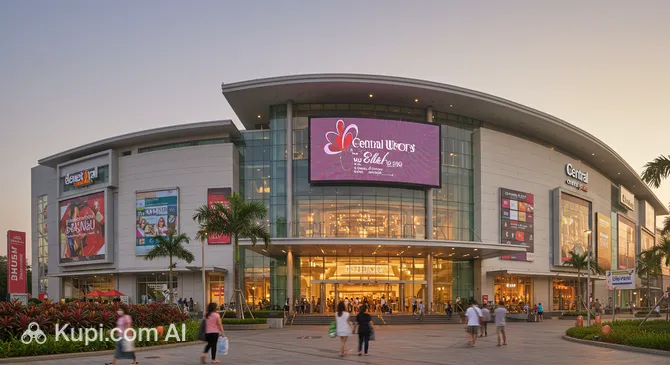
Travelers looking for a more familiar leisure experience will find it at Central Ubon. As the province's premier shopping and lifestyle complex, it offers a cool retreat from the tropical heat. Inside, you can catch the latest international films at the modern cinema, browse a wide selection of retail brands, or relax at one of the many cafes. It is a convenient stop for families and those seeking a comfortable afternoon of entertainment.

Central Ubon. Source: Kupi.Binoculars

As the sun sets, the city's outdoor spaces also come alive with activity. The areas surrounding the public parks often host informal gatherings, where locals engage in aerobics or enjoy leisurely evening walks. Exploring the bustling night markets nearby provides simple yet engaging entertainment, allowing you to sample street snacks and observe the vibrant community life that defines this charming riverside city.

Parks & Museums

Ubon Ratchathani offers a refreshing balance between urban development and natural serenity, with several green spaces that provide a welcome escape from the tropical heat. Alongside its parks, the city is home to institutions that safeguard the rich history and artistic heritage of the Isan region, allowing visitors to deepen their understanding of local culture beyond the temples.

For those seeking tranquility within the city limits, Nong Bua Public Park is a standout destination. Situated in front of the magnificent Wat Phra That Nong Bua, this expansive park is centered around a large, peaceful lake. It serves as a community hub where locals come to jog, enjoy picnics, and feed the fish. The park is particularly atmospheric in the late afternoon when the setting sun reflects off the water and the golden spire of the nearby temple, creating a picturesque setting for relaxation.

Nong Bua Public Park. Source: Kupi.Binoculars

Another significant green space is Huai Muang Public Park, located near the city center. This park is defined by its large reservoir, which provides a cooling breeze and a scenic backdrop for outdoor activities. It features well-paved paths that are perfect for cycling or walking, making it a favorite spot for health-conscious residents. The open, airy environment offers a peaceful contrast to the bustling streets, giving tourists a glimpse into the daily recreational life of the city.

To delve into the region's past, a visit to the Ubon Ratchathani National Museum is essential. Housed in a charming colonial-style building that was once the City Hall, the museum provides a comprehensive overview of the province's history. Its collections range from prehistoric artifacts and Dvaravati-era stone carvings to intricate local textiles and folk instruments. The museum effectively narrates the story of Ubon’s founding and its evolution into a major commercial center, making it a must-visit for history buffs.

For a more specialized cultural experience, travelers can explore the Kanchanapisek Art and Cultural Centre at Ubon Ratchathani Rajabhat University. This venue often hosts exhibitions showcasing contemporary Isan art as well as traditional crafts. It serves as an educational space that highlights the artistic talents of the region, preserving ancient techniques while encouraging modern expression.

An authentic local experience that often goes unnoticed by tourists is visiting Hat Wat Tai during the dry season. When the water levels of the Mun River recede, a natural sandy beach emerges, transforming the riverbank into a lively recreational area. Locals flock here to swim, dine at floating bamboo rafts, and enjoy the cool river breeze, offering a unique "beach" vibe in the heart of Northeastern Thailand.

Getting Around

Navigating Ubon Ratchathani is an adventure in itself, as the city does not have a formal mass transit system like a metro or tram. Instead, the public transport network is decentralized and relies heavily on road-based vehicles. The most common and recognizable form of transport is the Songthaew. These are converted pickup trucks with two benches in the back and a roof overhead. They function similarly to buses, following specific fixed routes designated by the color of the vehicle and a number displayed on the front. They are the backbone of local commuting, connecting the city center with markets, the bus terminal, and the train station in neighboring Warin Chamrap.

For a more direct and private mode of travel, Tuk-tuks are widely available. In this region, you might see a variation known as the "Skylab," which is a distinctive three-wheeled vehicle common in Isan. Unlike songthaews, these do not have fixed routes; they operate like taxis. Another quick option for solo travelers is the motorbike taxi, easily identified by drivers wearing orange vests. These are perfect for short hops during rush hour but require you to hold on tight.

The payment system across the city is almost exclusively cash-based. There are no travel cards, magnetic passes, or tap-to-pay systems for general transport. For songthaews, the fare is fixed and very affordable, usually costing a small amount per trip regardless of distance. You simply pay the driver in cash after you hop off. For tuk-tuks and motorbike taxis, prices are not fixed. It is essential to negotiate and agree on a fare with the driver before you get into the vehicle to avoid misunderstandings later. Small bills and coins are highly recommended, as drivers often do not have change for large banknotes.

Tourists should look out for the Ubon City Bus (often called the Smart Bus), a more modern addition to the transport landscape. These air-conditioned buses connect key locations, including the airport, the bus terminal, and major landmarks. They are comfortable and reliable, operating on a fixed schedule. You can sometimes track their location via mobile apps like ViaBus, which can be a great help for planning your movements without knowing the local language.

Operating hours for public transport can be somewhat limited compared to the capital. Songthaews typically run from early morning until around 6:00 PM or 7:00 PM. After sunset, finding a songthaew becomes difficult, and you will likely need to rely on private transport. To stop a songthaew, simply wave your hand when you see one approaching. To get off, press the buzzer located on the ceiling of the passenger area. Be aware that routes can be confusing for newcomers, so having a map or a destination written in the local language is very helpful.

For those who prefer modern convenience, ride-hailing apps like Grab are fully operational and highly popular. They offer a safe and stress-free alternative to negotiating with local drivers, allowing you to book cars or motorbikes with a fixed price and credit card payment options. Car and motorbike rentals are also excellent alternatives if you want the freedom to explore the province at your own pace. Several rental shops are located near the airport and the city center.

A unique and nostalgic feature of the city's transport is the Samlor, a traditional three-wheeled pedal rickshaw. While they are becoming less common and are slower than motorized options, taking a ride in a Samlor offers a leisurely way to see the sights and supports older local drivers. It is a charming experience best reserved for short distances or a scenic tour around the Thung Sri Mueang park area.

Accommodation

Finding a place to stay in Ubon Ratchathani is generally straightforward and wallet-friendly. The city offers a diverse range of accommodation options that cater primarily to budget and mid-range travelers. Visitors can choose from simple guesthouses and hostels favored by backpackers, to comfortable serviced apartments and modern city hotels. While the city does not have an abundance of ultra-luxury international resort chains, it boasts several charming boutique hotels and riverside resorts that provide excellent amenities and warm local hospitality.

For those who want to be in the heart of the action, the most popular area to stay is the city center, specifically around Thung Sri Mueang. staying in this vicinity places you within easy walking distance of the famous candle sculpture, the evening night markets, and several key temples. It is the best location for travelers who want to explore on foot and soak up the local atmosphere.

Another attractive option is to look for accommodation along the banks of the Mun River. Hotels here often offer scenic views and are close to a variety of riverside restaurants and cafes. Alternatively, if you prefer easy access to modern conveniences, shopping, and cinema, consider finding a hotel near Central Ubon. This area is slightly further from the old town but offers quick access to the mall and the highway, making it convenient for those with a car.

In terms of pricing, Ubon Ratchathani is very affordable compared to major tourist destinations like Bangkok or Phuket. You can often find high-quality rooms at a fraction of the price you would pay elsewhere. Booking can easily be done through major online platforms or directly with the property. A crucial tip for travelers is to book well in advance if you plan to visit during the Candle Festival in July. During this period, the city reaches full capacity, and finding a room at the last minute is nearly impossible.

Nearby Cities

For those looking to explore the surroundings, Ubon Ratchathani serves as an excellent base for day trips to several interesting nearby locations:

One of the most culturally significant stops nearby is Sisaket. Located just over an hour away, this peaceful town is a haven for history enthusiasts, boasting several ancient Khmer ruins that reflect the region's deep historical roots. Beyond its archaeological sites, Sisaket is famous for its fertile volcanic soil, which produces some of Thailand's most prized agricultural products, including garlic, shallots, and the renowned "volcanic" durian.

A bit further to the west lies Surin, a destination internationally recognized for its deep connection with elephants. The local culture is intertwined with these majestic animals, and visitors can explore villages where mahouts (elephant handlers) have lived alongside them for centuries. Surin is also celebrated for its exquisite silk weaving, producing high-quality fabrics with unique, complex patterns that make for perfect souvenirs.

If you enjoy riverside views and cross-border culture, Mukdahan offers a scenic escape along the Mekong River. Facing Laos, the city features the bustling Indochina Market, where traders sell goods from across the region. It is a great spot to enjoy a relaxed atmosphere, visit the distinctive Ho Kaeo Mukdahan tower for panoramic views, and witness the fusion of Thai and Lao cultures.

City Population Distance (km)
Sisaket 42,405 67
Surin 39,728 120
Roi Et 35,219 140
Mukdahan 33,102 145
Samrong 30,382 25

These nearby destinations offer a glimpse into the diverse culture and landscapes of the region.

Shopping & Souvenirs

Shopping:

Shopping in Ubon Ratchathani offers a delightful contrast between modern convenience and traditional charm. The city caters to all types of travelers, whether you are looking for air-conditioned comfort with international brands or the bustling atmosphere of local bazaars where the spirit of the Isan region truly shines.

For a contemporary retail experience, Central Ubon is the premier destination. As the largest lifestyle complex in the province, it features a comprehensive range of fashion stores, electronics shops, and beauty salons. It serves as a comfortable retreat from the tropical heat, allowing visitors to browse for familiar labels, pick up travel necessities, or simply enjoy a leisurely afternoon of window shopping in a modern setting.

However, to find unique items and immerse yourself in local culture, the city's markets are unmissable. The area surrounding Thung Sri Mueang transforms in the evenings into a vibrant center of commerce. This famous night market is a treasure trove of affordable clothing, accessories, and handicrafts. The energy here is contagious, with stalls illuminated by bright lights and the air filled with the sounds of negotiation and friendly chatter.

Ubon Ratchathani is particularly renowned for its exquisite hand-woven textiles. The province is a major producer of high-quality silk and cotton, often featuring distinct local patterns such as the Kab Bua (Lotus) design, which is the provincial fabric. Visitors can find beautiful sarongs, scarves, and raw fabrics at specialized local shops and OTOP (One Tambon One Product) centers, making for meaningful and elegant souvenirs.

Beyond textiles, the city offers a variety of other local products. Given its fame for the Candle Festival, intricate wax carvings and scented candles are popular artistic mementos. For edible souvenirs, the celebrated Moo Yor (white pork sausage wrapped in banana leaves) is a must-buy. It is widely available in markets and is a favorite gift among Thai tourists to take back home.

When visiting the night markets or smaller local boutiques, remember that cash is king. While the major malls accept credit cards, small vendors rely on cash transactions. Bargaining is a common practice in the open-air markets; approaching it with a smile and a polite attitude can often lead to a good deal and a pleasant interaction with the local sellers.

Reached the end of the page?

That means the route is fully explored