Support

Amami

About

Amami is a captivating city located on the island of Amami Oshima in the Kagoshima Prefecture. Known for its lush subtropical landscapes and crystal-clear waters, it serves as the commercial and cultural hub of the Amami Islands. With a population of approximately 43,000, the city offers a perfect balance of modern convenience and untouched natural beauty, making it a serene escape for travelers.

Located south of the mainland, this destination provides a unique perspective on Japan, featuring a climate that remains warm and inviting throughout the year. The region is celebrated for its biodiversity, often referred to as the "Galapagos of the East," and offers visitors a chance to explore dense forests and coral reefs that are distinct from the rest of the country.
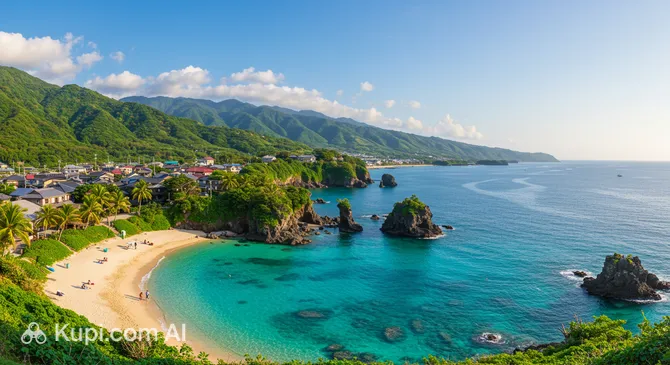
Amami. Source: Kupi.Binoculars

The history of Amami is rich and distinct, shaped by its isolation and trade connections, which gave rise to unique traditions and crafts. One of the city's most famous cultural exports is Oshima Tsumugi, a high-quality silk pongee textile that has been meticulously produced here for centuries. Visitors can learn about this intricate dyeing and weaving process at local workshops and museums.

Nature lovers will find plenty to admire, particularly at Ohama Seaside Park, a popular spot for swimming and watching spectacular sunsets. Another highlight is the Kuroshio no Mori Mangrove Park, where you can kayak through extensive mangrove forests, immersing yourself in the island's vibrant ecosystem. Whether you are looking to relax on pristine beaches or delve into local heritage, Amami welcomes you with open arms and island hospitality.

Weather Overview

Amami enjoys a humid subtropical climate that keeps the island lush and green year-round. Because of its southern location, the city avoids the harsh cold typical of mainland Japan, offering a warm and inviting atmosphere for visitors. Before heading out to explore the beaches and mangroves, it is helpful to review the current weather in Amami to plan your activities around the likely conditions.

Winters are exceptionally mild, with average temperatures in January and February staying around 16.5°C to 17.1°C, while summers are hot and humid, peaking at an average of 28.4°C in August. Rainfall is a consistent feature of the local climate, particularly in June, which is characterized by frequent precipitation and approximately 19 wet days. Expect warm summers with regular showers and mild winters that remain comfortable for outdoor sightseeing.

Interesting Facts

Beyond its stunning coastline and mangroves, Amami holds a treasure trove of biological rarities and cultural secrets that are unique to this archipelago. Here are some fascinating details that make this city and its island truly special.

  • The region is the exclusive home of the Amami Rabbit, often described as a "living fossil" because it retains primitive characteristics that modern rabbits have lost. With its dark fur and unusually short ears, this nocturnal creature can only be found here and on the neighboring island of Tokunoshima.

  • The island's famous Oshima Tsumugi silk owes its distinct quality to a peculiar dyeing process involving mud. Artisans use iron-rich mud from ancient rice paddies to react with dye extracted from the Japanese hawthorn tree, creating a deep, lustrous black color that cannot be replicated synthetically.

  • Local culinary tradition includes a dish called "Keihan" (chicken rice), which has aristocratic roots. It was originally created as a hospitality meal to entertain visiting samurai officials from the Satsuma Domain in mainland Japan, featuring chicken, omelet strips, and papaya pickles over rice with broth.

  • The presence of the venomous Habu snake has historically influenced local architecture. You may notice that many traditional properties are surrounded by high stone walls or hedges, which were specifically designed to prevent these dangerous serpents from entering residential areas.

How to Get There

Reaching this stunning island destination is the first step of your adventure. Most travelers arrive by air, connecting through major Japanese hubs or ferrying from nearby islands. For a complete overview of travel options, you can read more about how to get to Amami.

The most direct way to reach the area is via Amami Airport (ASJ). This regional hub connects the island to mainland Japan and handles a significant volume of passengers annually. It ensures regular connections and services for visitors arriving from major cities, serving as the primary gateway for those looking to explore the region's natural beauty.

For those traveling from further afield, Naha Airport (OKA) in Okinawa serves as a major international gateway in the wider region. While it is located on a separate island, it is a key transit point for flights in the archipelago. Travelers often fly into Naha and then take a connecting flight or ferry to reach their final destination.

For clarity, here is a summary of the main airports in the vicinity based on available data:

Airport Name City Passenger Traffic Km from City
Naha Airport Okinawa Very High 203.5
Amami Airport Amami High 119.3
Tokunoshima Tokunoshima Medium 16.2
Okinoerabu Airport Okinoerabu Medium 31.8
Yoron Airport Yoronjima Low 83.7

Amami does not have a railway station, as the island is not connected to the mainland rail network. Visitors typically rely on rental cars, local buses, or taxis to navigate the area after arriving by plane or ferry. It is recommended to check local bus schedules or book a rental car in advance to explore the scenic coastline and forests at your own pace.

Main Attractions

Amami offers a diverse array of attractions that range from breathtaking natural wonders to rich cultural exhibits. The island is a paradise for outdoor enthusiasts and those seeking a deeper connection with the unique heritage of the Ryukyu Islands. Whether you are chasing panoramic views or exploring artistic history, the city and its surroundings provide memorable experiences for every traveler.

One of the most scenic spots on the island is Cape Ayamaru. Located on the northern tip, this cape offers a spectacular panoramic view of the Pacific Ocean and the coral reefs below. It is considered one of the "Ten Views of Amami" and features a park where visitors can relax and enjoy the gentle sea breeze. The contrast between the lush green hills and the vibrant blue ocean makes it a perfect location for photography.

For a touch of romance and mystery, travelers often visit the Heart Rock in the town of Tatsugo. This heart-shaped tide pool is a natural phenomenon that only reveals itself during low tide. Surrounded by a quiet beach, it has become a popular "power spot" where visitors come to take photos and wish for good luck in love. The timing of your visit is crucial, adding an element of adventure to finding this hidden gem.

Those interested in art and local history should not miss Amami Park. This extensive facility serves as a gateway to the island's culture, featuring the Tanaka Isson Memorial Art Museum. Here, you can admire the striking works of Tanaka Isson, a Japanese painter who dedicated his later years to capturing the flora and fauna of Amami. The park also includes exhibits on the island's unique ecosystem and traditional lifestyle.

Another unique coastal destination is the Honohoshi Coast. Unlike the sandy beaches typical of the region, this shoreline is covered in smooth, round stones polished by the rough waves of the Pacific. As the waves crash and recede, the stones roll over one another, creating a distinct, soothing sound that is unlike anywhere else on the island. It is a mesmerizing spot to simply stand and listen to the rhythm of nature.

Local Cuisine

The culinary landscape of Amami is a delightful reflection of its subtropical climate and island heritage, distinct even from mainland Kagoshima. The local diet is often credited for the longevity of its residents, featuring an abundance of fresh seafood, pork, and locally grown vegetables. Dining here offers a chance to taste traditional Ryukyuan flavors blended with unique island ingredients that are difficult to find elsewhere.

The undisputed star of the local table is Keihan, or "chicken rice." While it has historical roots as a hospitality dish, today it is a beloved comfort food found in many local establishments. Diners are typically served a bowl of rice which they top with shredded chicken, strips of omelet, shiitake mushrooms, and pickled papaya. The experience is completed by pouring a rich, hot chicken broth over the mixture, creating a savory and warming soup-like meal that is full of flavor.

Another staple dish is Abura-zomen, which translates to "oiled somen noodles." Unlike the cold dipping noodles common in mainland Japan, these fine wheat noodles are stir-fried with oil, pork belly, and seasonal vegetables such as chives or cabbage. It is a hearty, home-style dish often served at family gatherings and local izakayas. For the more adventurous eater, Goat Soup (Yagi-jiru) is a traditional delicacy believed to boost stamina, though its strong aroma makes it a unique challenge for first-time visitors.

When it comes to beverages, Amami is famous for Kokuto Shochu, a distilled spirit made from brown sugar. By law, this specific type of shochu can only be produced in the Amami archipelago. Despite being made from sugar, the final spirit is not sweet but has a smooth, rich aroma that pairs perfectly with local cuisine. For non-alcoholic options, the island offers an array of tropical fruit juices, such as passion fruit and mango, as well as Miki, a traditional fermented rice drink that is sweet, creamy, and deeply rooted in local culture.

The food culture in Amami is relaxed and welcoming, with many locals dining in casual restaurants and izakayas (Japanese pubs). The vibrant nightlife districts often feature establishments where you can enjoy local dishes while listening to "Shima-uta," traditional island folk songs accompanied by the sanshin instrument. Whether you are snacking on brown sugar sweets at a market or enjoying a fresh seafood feast, the island's gastronomy provides a warm and authentic taste of life in the southern archipelago.

Travel Tips

Visiting Amami offers a chance to experience a slower, more authentic side of island life, but it also requires a bit of specific preparation compared to mainland Japan. To ensure your trip is as relaxing and trouble-free as possible, we have compiled a list of essential practical tips for your journey.

  1. Clothing and Gear: Due to the subtropical climate, breathable, quick-drying clothing is recommended year-round. Even in winter, temperatures are mild, but a light jacket is useful for windy evenings. Since rain is frequent, always carry a compact umbrella or a raincoat. If you plan to explore the forests, wear long pants and sturdy hiking boots to protect yourself from insects and rough terrain.
  2. Transportation: While there is a local bus network, services can be infrequent, especially in remote areas. The most efficient way to explore the island is by renting a car. This gives you the freedom to reach hidden beaches and observation decks at your own pace. If you do not drive, plan your bus routes carefully or consider hiring a sightseeing taxi for specific excursions.
  3. Finances: While major hotels and supermarkets often accept credit cards, Amami is still largely a cash-based society. Small restaurants, local craft shops, and rural buses usually require cash. Ensure you withdraw enough Japanese Yen (JPY) upon arrival; ATMs are available at the airport, post offices, and convenience stores, but they may be scarce in smaller villages.
  4. Health and Safety: The island is home to the Habu, a venomous snake found in forests and grasslands. Stick to paved paths and designated trails, and avoid walking through tall grass or bush, especially at night. Pharmacies are available in the main city center, but for serious emergencies, dial 119 for an ambulance.
  5. Communication: English is not widely spoken outside of major tourist facilities and hotels. It is highly recommended to have a translation app installed on your phone. Learning a few basic phrases like Arigato (Thank you) and Sumimasen (Excuse me) will be appreciated by locals. Free Wi-Fi is available in some public spots, but renting a pocket Wi-Fi or buying a SIM card is safer for reliable connectivity.
  6. Local Etiquette: The pace of life here is known as Shima-jikan (Island Time), so expect things to move slower than in big cities. When entering homes, traditional inns (ryokan), or certain restaurants, always remove your shoes. Be respectful of local shrines and sacred sites; these are places of worship, not just photo opportunities.
  7. What to Avoid: Do not touch or step on coral reefs while swimming or snorkeling, as they are fragile ecosystems. Additionally, avoid making loud noises on beaches at night during turtle nesting season (typically May to August), as this can disturb the wildlife.
  8. Typhoon Awareness: The island is prone to typhoons, particularly from late summer to autumn (August to October). If you are traveling during this season, keep a close watch on weather forecasts and be prepared for potential flight cancellations or ferry suspensions.

By keeping these tips in mind, you will be well-equipped to navigate the unique environment and culture of Amami. Embrace the relaxed island rhythm, respect the incredible nature around you, and enjoy a safe and unforgettable adventure in this tropical paradise.

Entertainment & Nightlife

While Amami is renowned for its tranquil beaches and nature during the day, the city transforms after sunset, offering a vibrant and authentic nightlife experience. The entertainment hub is concentrated in the Naze district, specifically along the bustling Yanigawa-dori (Yanigawa Street). This area is the heartbeat of the island's evening social life, packed with illuminated signs, laughter, and the inviting aromas of local cuisine wafting from open doors.

The atmosphere here is distinctly different from the high-energy club scenes of big cities like Tokyo or Osaka. Instead of massive dance floors, you will find intimate izakayas (Japanese pubs), live music venues, and "Snack" bars where locals and visitors mingle freely. The dress code is generally casual and relaxed, reflecting the island's laid-back lifestyle. Most venues open their doors around 6:00 PM or 7:00 PM, with many staying open late into the night, especially on weekends when the street is most alive.

A highlight of nightlife in Amami is the opportunity to experience Shima-uta, traditional island folk songs accompanied by the sanshin (a three-stringed instrument). Venues like Kazumi are legendary for their live performances, allowing guests to dine on local dishes while immersing themselves in the soulful rhythms of the island. For those looking to sample the region's famous spirits, many local bars offer an impressive selection of Kokuto Shochu (brown sugar shochu), providing a sophisticated yet cozy environment to taste different varieties unique to the archipelago.

For practical advice, it is important to note that many smaller bars and snack bars may still operate on a cash-only basis, so carrying sufficient yen is recommended. Prices are generally reasonable, though "Snack" bars often charge a seating cover fee (table charge) which usually includes a small appetizer. Getting around at night is straightforward; the Naze area is walkable, but for longer distances, taxis are readily available along Yanigawa-dori. You can easily hail one on the street or ask a restaurant staff member to call one for you.

Safety is rarely a concern in Amami, as the city is known for its low crime rate and friendly community. The nightlife districts are safe for walking, even for solo travelers, though standard precautions should always be taken. Beyond the nocturnal excitement, the city offers daytime cultural entertainment such as the Amami City Museum of History and Folklore, where you can explore the island's heritage before the sun goes down. Whether you are toasting with locals or listening to ancient melodies, the night here offers a warm and memorable embrace.

Parks & Museums

The city of Amami is a destination where nature and culture are inextricably linked, offering visitors a chance to explore lush subtropical environments alongside institutions that preserve the island's unique heritage. From sprawling mangrove forests to galleries dedicated to renowned artists, the green spaces and museums here provide a deeper understanding of what makes this archipelago so special.

One of the most beloved natural areas is Ohama Seaside Park, located just a short drive from the city center. This park is famous for its breathtaking sunsets and white sandy beaches, which serve as nesting grounds for sea turtles during the summer months. Beyond the beach, the park features a small seaside museum where you can observe marine life in large tanks and learn about the coral reef ecosystems that surround the island. It is an ideal spot for families and those looking to relax by the ocean while learning about local biodiversity.

For a more immersive nature experience, the Kuroshio no Mori Mangrove Park offers a gateway to the island's vast mangrove forests. Visitors can explore the intricate network of waterways by canoe, paddling through tunnels of trees that are teeming with wildlife, including fiddler crabs and rare birds. The park also includes a resource center with exhibits explaining the importance of the mangrove ecosystem, making it both an educational and adventurous excursion.

In terms of cultural appreciation, the Tanaka Isson Memorial Art Museum is a highlight for art enthusiasts. Located within the larger Amami Park complex, this museum is dedicated to the life and work of Tanaka Isson, a painter often compared to Paul Gauguin for his solitary life and focus on tropical nature. The gallery displays his vibrant masterpieces that capture the intense colors and spirit of Amami's flora and fauna, housed in architecture that harmonizes beautifully with the surrounding landscape.

To understand the human history of the region, a visit to the Amami City Museum of History and Folklore is essential. The exhibits here cover a wide range of topics, from the island's prehistoric era and the period of trade with the Ryukyu Kingdom to the unique tools and clothing used in daily life. It provides valuable context on how the islanders adapted to the subtropical climate and maintained their distinct identity through centuries of changing influences.

For an authentic local experience, consider taking a guided tour of the Kinsakubaru Primeval Forest. While it is a protected natural area rather than a manicured city park, it offers a rare glimpse into the ancient subtropical broad-leaved forests that once covered the island. Walking among giant ferns that tower over visitors feels like stepping back in time, providing a serene and majestic atmosphere found nowhere else.

Getting Around

Navigating Amami is a unique experience that differs significantly from the highly connected rail networks found in metropolitan areas. There are no trains or subways on the island, meaning that public transportation relies entirely on a network of local buses. For visitors who do not drive, these buses are the primary mode of transit, connecting the central Naze district with the airport, ports, and major sightseeing spots across the island.

The main bus operator, Shima Bus, runs routes that cover most key destinations. While the service is reliable, frequency can be low in rural areas, with some stops seeing only a few buses per day. The central hub is in the Naze area, from where lines radiate out to the northern and southern parts of the island. Riding the bus offers a scenic journey, often winding along coastal roads with beautiful ocean views, turning a simple commute into a sightseeing opportunity.

For payment, the system generally follows the traditional method often found in rural regions. You enter through the rear or middle door and take a small numbered ticket from a machine. When you reach your destination, you match the number on your ticket to the fare display board at the front of the bus and pay the exact amount in cash into the fare box next to the driver. It is essential to carry plenty of coins and 1,000-yen notes, as large bills cannot always be changed on board.

To save money and simplify travel, tourists are highly encouraged to purchase the "Shima Bus Free Pass." Available for one, two, or three days, this pass allows unlimited rides on almost all routes. It is a cost-effective option for travelers planning to visit multiple attractions, such as the mangrove park or distant beaches. Passes can be purchased at the airport information desk or the bus ticket office in the city center.

While buses are useful, many visitors find that renting a car is the most practical choice for exploring the island freely. Rental agencies are plentiful near the airport and in the city center. Having a car allows you to reach hidden gems, secluded cafes, and observation decks that are not easily accessible by public transport, without being constrained by bus timetables. Driving is generally stress-free, with well-maintained roads and light traffic outside of the main town.

Taxis are another alternative, readily available at the airport, ferry port, and downtown Naze. They are convenient for short distances or for returning to your hotel after a night out, but fares can add up quickly for long-distance travel. For shorter local trips, particularly within the flat areas of the city center, bicycle rentals are a pleasant way to get around, allowing you to enjoy the sea breeze at a leisurely pace.

Accommodation

Where to Stay:

Finding the perfect place to stay in Amami is an essential part of the island experience, with options ranging from luxurious beachfront resorts to cozy, family-run guesthouses. The type of accommodation you choose will largely depend on your transportation plans and the kind of atmosphere you seek, whether it is the convenience of the city center or the seclusion of a private cove.

For travelers who prioritize convenience and access to dining, the Naze district is the most practical base. As the island's commercial hub, this area offers a variety of standard business hotels that provide clean, comfortable, and affordable rooms. Staying here places you within walking distance of the lively Yanigawa-dori entertainment district, making it easy to enjoy local restaurants and nightlife without worrying about driving back to a remote location.

If your goal is relaxation and waking up to the sound of waves, the coastal areas of Kasari and Tatsugo in the north are excellent choices. These regions are home to several resort hotels that capitalize on the island's stunning geography, offering ocean views, direct beach access, and on-site marine activities. These properties often feature spacious rooms and resort-style amenities, making them ideal for couples and families looking for a tropical getaway in Japan.

For a more authentic and intimate connection with local culture, consider staying at a Minshuku. These traditional Japanese bed-and-breakfasts are often family-operated and provide a warm, home-like atmosphere. Guests typically sleep on tatami mats with futons and are served hearty, home-cooked meals featuring local ingredients. It is a fantastic way to interact with island residents and experience the famous island hospitality firsthand.

In recent years, the southern part of the island, such as the Setouchi area, has also seen a rise in vacation rentals and private villas. These options offer privacy and are perfect for those who want to explore the untouched nature of the south, including the intricate coastlines of the Oshima Strait. Regardless of where you choose to stay, it is highly recommended to book well in advance, especially during the peak summer season and Golden Week holidays.

Nearby Cities

Nearby Cities:

For those looking to explore the surroundings, Amami serves as an excellent base for day trips to several interesting nearby locations, particularly for travelers willing to take a short flight or ferry ride to the neighboring islands of the Ryukyu chain:

City Population Distance (km)
Okinawa 142,094 182
Uruma 122,371 175
Urasoe 115,855 195
Ginowan 99,256 188
Nago 63,060 149

Located in the northern part of the neighboring main island, Nago is a fantastic destination for nature enthusiasts. It is renowned for the Nago Pineapple Park, where visitors can ride automated carts through tropical fields, and the Busena Marine Park, which features an underwater observatory. The city offers a more relaxed pace compared to the southern urban centers, making it perfect for appreciating the subtropical flora and coastline.

For a unique cultural mix, Okinawa City (often called Koza) presents a vibrant atmosphere heavily influenced by American culture due to its history. It is a hub for music lovers, known for the Koza Music Town complex and various live houses. Visitors can also explore the Southeast Botanical Gardens, a sprawling paradise of exotic plants and animals that provides a peaceful retreat from the city streets.

Uruma is best known for its scenic driving routes, particularly the Kaichu Road. This inter-island causeway cuts across the ocean, connecting the main island to four smaller islands and offering spectacular water views on both sides. History buffs will appreciate the Katsuren Castle Ruins, a UNESCO World Heritage site that sits atop a steep hill, providing commanding panoramic views of the Pacific Ocean.

These nearby destinations offer a glimpse into the diverse culture and landscapes of the region.

Shopping & Souvenirs

Shopping in Amami offers a delightful opportunity to discover the island's rich craftsmanship and culinary heritage. Unlike the sprawling commercial complexes found in mainland Japan, the retail experience here is intimate and focused on locally produced goods. Visitors can expect to find unique items that reflect the subtropical climate and the distinct culture of the Ryukyu Islands, making every purchase a meaningful souvenir of their trip.

The island's most prestigious product is undoubtedly Oshima Tsumugi, a traditional silk pongee textile with a history spanning over 1,300 years. Renowned for its intricate patterns and durability, it is created using a unique mud-dyeing process exclusive to the region. While a full kimono can be quite an investment, travelers can easily find more affordable accessories made from this exquisite fabric, such as ties, wallets, handbags, and coasters, which make for elegant and lightweight gifts.

For those with a sweet tooth, brown sugar (Kokuto) is the signature flavor of Amami. The island's sugar cane fields produce high-quality brown sugar that is rich in minerals and deep in flavor. You will find it in various forms, from simple rock sugar chunks to processed sweets like bean jams and traditional cookies. Another exclusive product is Kokuto Shochu, a distilled spirit made from brown sugar. By law, this drink can only be produced in the Amami archipelago, making it a must-buy for connoisseurs of Japanese spirits.

The main hub for shopping is the Naze district, particularly the covered shopping arcade known as Tip Top (Yanigawa-dori area). This nostalgic street is lined with small boutiques, grocery stores, and souvenir shops where you can mingle with locals. For a more comprehensive souvenir hunt, the Big II discount supermarket in Tatsugo is a favorite stop for tourists. It offers a vast selection of island specialties, including local fruits like passion fruit and tankan citrus, often at very reasonable prices.

When shopping in Amami, it is important to keep in mind that many smaller, family-run establishments may not accept credit cards. Carrying a sufficient amount of cash is highly recommended, especially when visiting local craft workshops or markets. Whether you are looking for a piece of fine silk art or a bag of savory island snacks, the shopping scene here is as warm and welcoming as the people themselves.

Reached the end of the page?

That means the route is fully explored