Support

Kangding

About

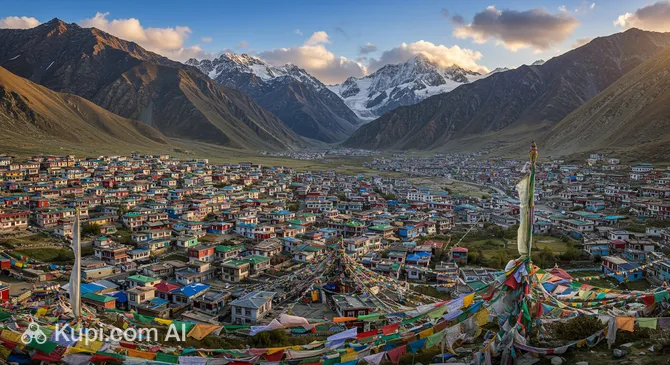
Kangding. Source: Kupi.Binoculars

Nestled in a deep valley within the Garzê Tibetan Autonomous Prefecture, Kangding serves as a fascinating cultural bridge between the Sichuan Basin and the Tibetan Plateau. This vibrant city in China is renowned not only for its breathtaking alpine scenery but also for the famous "Kangding Love Song," a folk melody that has made the town a household name across the country. With a population of approximately 130,000, it offers a lively yet intimate atmosphere where travelers can experience a unique fusion of Han and Tibetan traditions.

Geographically, Kangding is situated at the confluence of the Zheduo and Yala rivers, surrounded by towering peaks that create a dramatic backdrop for the city streets. The climate here is influenced by its high altitude, offering cool summers and crisp, cold winters, making it a refreshing escape for nature lovers. For centuries, the city played a pivotal role as a major trading hub on the ancient Tea Horse Road. Visitors interested in the past can explore the history of Kangding to learn how tea and horses were exchanged in this strategic mountain pass, significantly shaping the region's diverse heritage.

Today, Kangding is the perfect gateway to some of the region's most spectacular natural attractions. Just a short distance away lies the stunning Mugecuo Scenic Area, known for its crystal-clear alpine lakes, therapeutic hot springs, and dense forests. Adventurers are often drawn to the majestic Mount Gongga (Minya Konka), known as the "King of Sichuan Mountains," which dominates the skyline nearby. Whether you are here to hike the rugged trails, visit the sacred monasteries, or simply listen to the rushing river while soaking in the local culture, Kangding invites you to embark on a truly memorable journey.

Weather Overview

Due to its high elevation on the edge of the Tibetan Plateau, the climate here is distinctively alpine, featuring long, cold winters and short, cool summers. Travelers planning a trip should check the weather in Kangding beforehand, as temperatures remain relatively low throughout the year. Even during the warmest months of July and August, average temperatures hover around 11.0°C, with daily highs rarely exceeding 15°C, making it a refreshing retreat from the summer heat found elsewhere in the province.

Precipitation patterns vary significantly by season, though moisture is a constant companion during the warmer months. From May through September, the region experiences a high frequency of wet days—often exceeding 25 days per month in summer—so waterproof clothing is essential. In contrast, winters are freezing and drier; January typically sees average temperatures drop to -6.9°C, with overnight lows plummeting to -13.1°C. Visitors arriving in winter should pack heavy thermal gear to withstand the biting cold.

Interesting Facts

Beyond the scenic landscapes and its reputation as a gateway to the Tibetan Plateau, Kangding hides a wealth of cultural and historical intrigues. From the roaring river that shapes local habits to a melody that conquered the world, here are some lesser-known aspects of this mountain city.
  • The Roar of the River: The Zheduo River flows so rapidly and loudly through the city center that it is said to have influenced the locals' way of speaking. A popular urban legend suggests that residents developed naturally loud voices simply to be heard over the constant, thunderous sound of the crashing waters that echo through the narrow valley.

  • A Melody with Global Status: The famous "Kangding Love Song" (Kangding Qingge) is not merely a local tune; it is a cultural phenomenon that put the city on the world map. In the 1990s, the melody was recognized by UNESCO as one of the world's top ten folk songs, a distinction that solidified Kangding's romantic reputation across China and beyond.

  • The Meaning of Dartsedo: While the city is known as Kangding in Mandarin, its traditional Tibetan name, Dartsedo, serves as a literal geographic descriptor. It translates to "The Confluence of the Dar and Tse," pinpointing the exact location where these two vital rivers meet—a junction that originally made the settlement a natural stopping point for travelers.

  • The Tea-Horse Exchange Rate: As a pivotal hub on the ancient Tea Horse Road, Kangding was the specific point where the mode of transport changed. Porters from the lowlands would hand off loads of brick tea to Tibetan caravans with yaks. Historically, this was one of the few places where the exchange value of a horse was directly measured in kilograms of tea, creating a unique local economy.

How to Get There

Reaching this scenic gateway to the Tibetan Plateau requires navigating the rugged terrain of Sichuan province. While the journey offers breathtaking views, it is important to plan your route in advance. You can find out more about how to get to Kangding and explore the various transportation options available for your trip.

The most direct way to arrive is via Kangding Airport (KGT). Located approximately 23 km from the city center, it is one of the highest airports in the world. The transfer from the airport to the city is relatively quick, taking about 55 minutes by taxi or shuttle bus. Although it handles a small volume of passengers, this airport is the primary choice for travelers looking to save time and avoid long overland journeys.

For those traveling internationally or from distant parts of China, the major aviation hubs in Chengdu are the most common entry points. The city of Kangding does not have a large international airport, but you can fly into Chengdu Shuangliu International Airport (CTU) in the city of Chengdu, which is about 200 km from Kangding. The overland trip from there takes approximately 5 hours and 20 minutes. Another significant option is Chengdu Tianfu (TFU), also in Chengdu, located roughly 241 km away. The transfer from this airport typically takes around 6 hours and 20 minutes.

For clarity, here is a summary of the main airports:

Airport Name City Passenger Traffic Km from City
Chengdu Tianfu Chengdu Very Large 240.8
Chengdu Shuangliu International Airport Chengdu Large 199.5
Xichang Airport Xichang Medium 229.9
Daocheng Yading Airport Daocheng Small 202.6
Kangding Airport Kangding Small 23.2

Main Attractions

Kangding offers a captivating blend of natural wonders and cultural landmarks, serving as the perfect introduction to the Kham region. From soaring peaks to serene monasteries, the city and its surroundings provide travelers with diverse experiences that highlight the beauty of the Tibetan Plateau.

Located just a short drive from the city center, the Mugecuo Scenic Area is undoubtedly the region's crown jewel. Also known as the Kangding Love Song Scenic Area, it features Mugecuo Lake, a stunning high-altitude body of water situated at 3,700 meters. Visitors are treated to the sight of the Seven-Color Sea, a smaller lake that shifts hues with the changing light, and can relax at the natural hot springs which are hot enough to boil eggs. It is an essential stop for those seeking pristine alpine forests, rhododendron blooms, and snow-capped mountain reflections.

Rising steeply above the urban valley, Mount Paoma is famous throughout China due to the city's legendary folk song. While energetic travelers can hike up the mountain, a cable car offers a more accessible route to the top. The summit hosts the Dentok Monastery and provides sweeping panoramic views of Kangding city below. It is particularly interesting for its cultural significance and the annual festivals held here, offering a unique vantage point to appreciate the city's geography.

For a spiritual experience within the city limits, Nanwu Monastery stands as a vibrant center of Tibetan Buddhism. Located in the western part of town, this active monastery is known for its intricate architecture, golden roofs, and colorful murals. It offers a peaceful atmosphere where visitors can observe the daily lives of monks and hear the rhythmic chanting of prayers. It is a fascinating place to learn about local religious traditions away from the bustling commercial streets.

Although situated a bit further from the town center, the Tagong Grassland is a must-visit destination within the Kangding administrative area. This vast, rolling landscape is dotted with grazing yaks and black nomad tents, set against the dramatic backdrop of the sacred Yala Snow Mountain. The area is also home to the Tagong Monastery, known as the "Lhasa of Kham." Tourists flock here to experience the authentic nomadic lifestyle, ride horses, and take in the breathtaking open scenery of the plateau.

Marking the boundary between the Sichuan Basin and the Tibetan Plateau, the Zheduo Mountain Pass is a geographical landmark often called the "First Pass of Kham." At an elevation of over 4,200 meters, it offers spectacular views of the winding highway and the surrounding rugged peaks. It is an exciting stop for photographers and road-trippers, featuring a massive collection of prayer flags that flutter in the mountain wind, symbolizing the gateway to the high-altitude adventures beyond.

Local Cuisine

The culinary landscape of Kangding is a delicious reflection of its geographical position, serving as a melting pot where the fiery spices of Sichuan cuisine blend seamlessly with the hearty, warming flavors of the Tibetan Plateau. Food here is designed to sustain locals through the cold mountain weather, resulting in rich, savory dishes that are as comforting as they are flavorful. Visitors can expect a unique gastronomic journey that ranges from numbing peppercorns to rich dairy products.

Yak meat is the undisputed star of the local diet and a must-try for any traveler. One of the most popular ways to enjoy it is in a Yak Meat Hot Pot, a communal dish perfect for the chilly evenings. The broth is often rich and savory, sometimes infused with local herbs and wild mushrooms, cooking tender slices of meat right at the table. For a portable snack, dried yak meat is widely available; it is seasoned, chewy, and sold in strips by street vendors and specialty shops throughout the city, making it an excellent souvenir or hiking snack.

Beyond meat, the city offers distinct Tibetan staples such as Momos, which are dumplings filled with meat or vegetables, served either steamed or fried. A local specialty specific to the area is Kangding Liangfen, a type of bean jelly. Unlike the standard version found elsewhere in the province, the local variety is often thicker and served with a robust, spicy sauce made from chili oil, vinegar, and garlic, offering a cold and tangy contrast to the heavier hot dishes.

Beverages in Kangding are an integral part of the culture. Butter Tea (Suyoucha) is the traditional drink of choice; made from tea leaves, yak butter, and salt, it is an acquired taste for some but essential for hydration and energy at high altitudes. For those preferring something sweeter, sweet milk tea is also common. On the alcoholic side, Highland Barley Wine (Qingke Jiu) is a low-alcohol, slightly sour, and sweet home-brewed liquor that plays a central role in festivals and social gatherings.

The food culture in Kangding is vibrant and accessible, with many eateries clustered along the rushing Zheduo River. Tourists can find everything from small, family-run noodle shops serving steaming bowls of beef noodle soup to larger restaurants offering elaborate Sichuan-Tibetan fusion feasts. The atmosphere is often lively, with the roar of the river providing a constant backdrop to meals. In the mornings, local markets bustle with vendors selling fresh yak milk cheese and freshly baked flatbreads, offering an authentic taste of daily life in this mountain hub.

Travel Tips

Preparing for a trip to Kangding means getting ready for a unique adventure where the comforts of the Sichuan Basin meet the rugged beauty of the Tibetan Plateau. To help you navigate the high altitude, distinct local culture, and mountain climate, here are some practical tips to ensure your journey is as smooth and enjoyable as possible.

  1. Clothing and Gear: The weather in Kangding is famously unpredictable and often much cooler than in nearby Chengdu. Even in summer, temperatures can drop significantly at night, so dressing in layers is essential. Bring a waterproof jacket, as rain is common from May to September. Since the UV radiation is strong at high altitudes, high-SPF sunscreen, sunglasses, and a hat are mandatory. If you plan to visit monasteries, dress modestly; avoid shorts and sleeveless tops.

  2. Transportation: The city center is situated in a narrow valley and is compact enough to explore largely on foot. For longer distances within town, taxis are readily available and relatively cheap; always insist on using the meter or agree on a price beforehand. To visit outlying attractions like the Tagong Grassland or Mugecuo, public buses exist but can be infrequent. It is often more convenient to hire a private driver or share a minivan with other travelers, which can be arranged through your hotel.

  3. Finances: The local currency is the Chinese Yuan (CNY/RMB). While digital payments via Alipay and WeChat Pay are ubiquitous even in small stalls, setting these up before arrival is crucial. International credit cards are rarely accepted outside of high-end hotels. ATMs are available in the city center, but it is wise to carry a sufficient amount of cash, especially if you plan to venture further into the remote Tibetan areas where digital signals might be weak.

  4. Health and Safety: Kangding sits at an elevation of about 2,600 meters, and nearby attractions go much higher, posing a risk of altitude sickness. Take it easy on your first day, stay hydrated, and avoid alcohol. Portable oxygen canisters are sold in local shops if you feel short of breath. Pharmacies are easy to find (look for a green cross), but carrying a personal supply of basic medication for headaches or stomach issues is recommended.

  5. Communication: Mandarin Chinese is the primary language, though many locals speak a Tibetan dialect. English is not widely spoken, so having a translation app that works offline is indispensable. It is highly recommended to purchase a local SIM card upon arrival in China to access maps and translation tools. Learning a simple Tibetan greeting like "Tashi Delek" (hello/good fortune) will go a long way in breaking the ice with locals.

  6. Local Etiquette: When visiting Buddhist sites, always walk clockwise around stupas, prayer wheels, and monasteries. This is a sign of respect in Tibetan culture. If you are invited into a local home or a tent on the grasslands, wait to be seated and accept tea or food with both hands. It is polite to take a small sip of the butter tea offered to you, even if the taste is unfamiliar.

  7. What to Avoid: Do not take photographs of monks or local residents without asking for their permission first; some may find it intrusive. Additionally, avoid pointing your feet towards religious statues or altars when sitting in a temple, as this is considered highly disrespectful. Never step on the raised threshold of a temple or home doorway; always step over it.

  8. Additional Tip: Be prepared for the "Roar of Kangding." The Zheduo River rushes through the center of town with surprising force and volume. If you are a light sleeper and your hotel is located near the riverbank, bringing a pair of good earplugs is a simple life hack that ensures you get a restful night's sleep amidst the mountain atmosphere.

By keeping these practicalities in mind, you will be well-equipped to embrace the charm and challenges of this mountain gateway. Kangding offers a rich tapestry of experiences, and with a little preparation, you can focus fully on the stunning scenery and warm hospitality that define this legendary city.

Entertainment & Nightlife

Nightlife in Kangding offers a distinct departure from the neon-lit bustle of China's coastal metropolises. Instead of high-tech mega-clubs, the evening entertainment here is deeply rooted in local culture, social interaction, and the natural environment. As the sun sets behind the mountains, the city transforms into a lively hub where the roaring Zheduo River provides a constant soundtrack to a mix of traditional Tibetan festivities and a growing backpacker bar scene. The atmosphere is welcoming and communal, making it easy for visitors to join in the fun regardless of language barriers.

The absolute heart of the city's nightlife is Love Song Square (Kangding Qingge Square). Every evening, weather permitting, this central plaza becomes a massive open-air dance floor. Hundreds of locals, from toddlers to elders, gather to perform the Guozhuang, a traditional Tibetan circle dance. The energy is infectious, and tourists are enthusiastically encouraged to join the circles. It is not just a performance but a daily social ritual that defines the town's spirit. Nearby, the Liu-Liu City complex offers a more modern experience with shopping, dining, and cinema options, providing a shelter from the chilly night air.

For those seeking a drink and conversation, the promenade along the Zheduo River is the place to be. This area is lined with a variety of small bars, teahouses, and cafes that cater to hikers and travelers. The vibe here is relaxed and rustic, with many venues featuring Tibetan decor and playing folk or acoustic music. It is the perfect spot to try Highland Barley Wine (Qingke Jiu) or a local beer while swapping stories with other adventurers. The dress code is universally casual; hiking gear and warm layers are the standard fashion, given the sharp drop in temperature at night.

Practicality is key when enjoying a night out in this high-altitude city. The best time to head out is around 7:00 PM to catch the dancing at the square, while bars typically stay open until midnight or 1:00 AM. Prices are generally moderate compared to larger cities like Chengdu. Safety is rarely an issue in Kangding, as the town is well-lit and walkable, but visitors should be cautious near the riverbanks, where the water flows fast and aggressively. Taxis are plentiful and can be easily flagged down on the main street if you need a ride back to your hotel.

While the nights are for dancing and socializing, daytime entertainment in Kangding offers a quieter look at local heritage. Visitors can explore the Garzê Prefecture Museum to gain insights into the history and culture of the region, featuring artifacts that trace the legacy of the Tea Horse Road. For a more laid-back afternoon, local teahouses provide a warm refuge where you can enjoy traditional butter tea and observe the slow pace of mountain life before the evening energy picks up again.

Parks & Museums

Kangding is widely celebrated for its alpine scenery, but its true soul lies in the quiet courtyards, historical halls, and rugged trails that define its urban landscape. Beyond the famous scenic areas, the city offers a rich tapestry of cultural and recreational spaces where history is preserved and nature is experienced intimately. From architectural marvels that blend East and West to institutions safeguarding the heritage of the Kham region, these sites provide a deeper understanding of life on the Tibetan Plateau.

The Garzê Tibetan Autonomous Prefecture Museum is the premier destination for travelers seeking to understand the complex history and ethnography of the region. Far more than a simple repository of old objects, this institution offers a comprehensive journey through the timeline of the Kham Tibetan people. The expansive exhibits showcase a stunning array of cultural relics, including ancient Thangka paintings, intricate gold and silver ornaments, and traditional costumes that vary by valley and tribe. A significant portion of the museum is dedicated to the Tea Horse Road, illustrating Kangding's strategic importance as a commercial bridge between the Han Chinese and Tibetan civilizations, making it an essential stop for history buffs.

In the heart of the bustling city lies Anjue Monastery, a spiritual sanctuary that feels worlds away from the commercial streets just outside its gates. Unlike remote mountain temples, this monastery is deeply integrated into the daily urban life of Kangding's residents. Built centuries ago, it serves as a splendid example of Tibetan religious architecture, featuring beautifully carved wooden pillars, vibrant murals depicting Buddhist lore, and the soft glow of yak butter lamps. It is an active place of worship where visitors can often witness monks engaged in debate or chanting scriptures, offering a profound and authentic glimpse into the spiritual practices that anchor the local community.

One of the most surprising and unique landmarks in the city is the Kangding Catholic Church. A testament to the city's history of diverse cultural exchanges, this structure was established by French missionaries in the mid-19th century. The architecture is a fascinating hybrid, merging the verticality and layout of a Western Gothic church with the grey brickwork and curved eaves typical of traditional Chinese design. This distinctive fusion makes it an architectural curiosity and a photographer's delight. It remains an active religious site, serving the local Catholic community and standing as a silent witness to the era when Kangding was a frontier for foreign explorers and missionaries.

For those who prefer a hiking experience that feels raw and untamed, Guoda Mountain offers a perfect alternative to the more commercialized viewpoints. Rising steeply to the north of the city, this mountain is favored by fitness enthusiasts and locals seeking solitude. The trail is rugged and less developed, winding through scrubland and pine trees before opening up to sweeping vistas. Reaching the summit rewards hikers with a spectacular, unobstructed perspective of the city nestled in the valley and, on clear days, breathtaking views of the distant snow-capped giants. It is a place to hear the wind in the prayer flags and connect with the landscape without the crowds.

Getting Around

Navigating the public transport system in Kangding is relatively straightforward due to the city's compact size and unique geography. Unlike major Chinese metropolises, there is no metro system here. Instead, the public transportation network relies primarily on a small fleet of buses that run along the main arteries parallel to the Zheduo River. These buses are efficient for moving between the northern and southern ends of the city, but their routes are limited given the narrow shape of the valley.

For most travelers, taxis are the most convenient and popular mode of motorized transport. You will see them everywhere, painted in distinct colors (often green or yellow). Within the city limits, drivers generally use the meter, and fares are quite affordable, starting at a low base rate. However, for trips to attractions outside the immediate urban center, such as the Mugecuo Scenic Area or the Tagong Grassland, it is common practice to negotiate a flat rate or hire a driver for the day. Shared taxis or minivans are also a frequent sight, often waiting at designated spots to fill up with passengers before departing for nearby towns.

The payment system in Kangding reflects the broader digitalization of China, though cash remains useful. Public buses operate on a self-service basis; you simply drop the exact fare (usually 1 or 2 RMB) into a box next to the driver or scan a QR code. There are no specific tourist travel cards or complex zone systems to worry about. While most locals pay using smartphone apps like WeChat Pay or Alipay, tourists without these set up should ensure they carry plenty of small change (coins or 1 RMB notes), as drivers do not provide change.

A unique feature of the local transport landscape is the Mount Paoma Cableway. While primarily a tourist attraction, it serves as a functional transportation link to the upper reaches of the mountain, saving visitors a strenuous hike. The lower station is easily accessible from the city center. Operating hours for public transport generally run from early morning until around 9:00 PM or 10:00 PM, but taxis operate around the clock. If you plan to take a bus, simply look for the designated stops, though in practice, drivers may sometimes stop if flagged down in safe areas.

Given the city's layout, walking is often the best alternative to motorized transport. The downtown area is concentrated along the riverbanks, making it easy to explore shops, restaurants, and squares on foot. Ride-hailing apps like DiDi are available but less reliant than in big cities; flagging a taxi on the street is usually faster. Bike rentals are not very common due to the steep terrain and narrow roads, so comfortable walking shoes are your best asset for getting around this mountain city.

Accommodation

Accommodation in Kangding caters to a diverse mix of travelers, ranging from intrepid backpackers embarking on the Sichuan-Tibet highway to families seeking a comfortable cultural experience. The city offers a broad spectrum of lodging options, including lively youth hostels, mid-range boutique hotels featuring traditional Tibetan architecture, and a few higher-end establishments. Because Kangding is a major transit hub and a gateway to the Kham region, the hospitality scene is well-developed, with many places specifically designed to welcome hikers and road-trippers.

When choosing where to stay, location plays a significant role in the quality of your rest. The most popular area is the city center, nestled along the banks of the rushing Zheduo River. Staying here places you within walking distance of restaurants, shops, and Love Song Square. However, travelers should be aware that hotels directly adjacent to the river can be quite noisy due to the roaring water; if you are a light sleeper, you might prefer a hotel set a few streets back or in the slightly quieter "New Town" area. For those seeking immersion in nature, there are also guesthouses located on the outskirts near scenic areas, though these require arranged transport.

Booking Tip: Kangding is a favorite summer retreat and a stopover for travelers heading further west, so availability can tighten significantly from May to October. It is highly recommended to book your accommodation in advance, especially during the peak months of July and August or during Chinese national holidays, when prices can spike and rooms sell out quickly.

In terms of pricing, the city is generally affordable. Budget travelers can find dormitory beds in hostels for very reasonable rates, often with a great social atmosphere. Mid-range hotels offer excellent value, providing private rooms with modern amenities and distinct Tibetan decor at a fraction of the cost found in major coastal cities. Reservations can be easily made through major international online booking platforms, which is advisable as it ensures you have a confirmed place to stay and helps bridge any potential language barriers upon arrival.

Nearby Cities

Nearby Cities:

While Kangding itself is a treasure trove of culture and nature, its location in Sichuan Province places it within reach of several other fascinating destinations. Whether you are looking to return to the bustle of a major metropolis or explore more historic and scenic sites, the surrounding region offers diverse options for your next stop.

The most prominent destination nearby is Chengdu, the provincial capital located approximately 210 km away. As a major transportation hub, it is likely where many travelers begin or end their journey. Famous worldwide as the home of the giant pandas, Chengdu offers a stark contrast to the quiet mountain life with its vibrant teahouse culture, spicy hotpot, and modern urban energy. It is a city that effortlessly blends ancient history with rapid modernization.

For those interested in monumental history, Leshan is an excellent choice, situated about 183 km from Kangding. This city is renowned for the Leshan Giant Buddha, a colossal stone statue carved into a cliff face overlooking the confluence of three rivers. It is a UNESCO World Heritage site and a spiritual destination that attracts pilgrims and tourists alike. The city also offers a relaxed atmosphere and delicious local street food.

Travelers seeking spectacular natural landscapes should consider heading towards Huanglongsi. Located roughly 171 km away, this area is famous for the Huanglong Scenic and Historic Interest Area, known for its colorful calcite pools, snow-capped peaks, and waterfalls. It provides a continuation of the alpine beauty found in Kangding but with its own unique geological features that are truly breathtaking.

Further afield, about 262 km away, lies Deyang. Known for its rich history, it is home to the Sanxingdui Museum, which houses mysterious ancient bronze artifacts that have puzzled archaeologists for decades. Another option is Yibin, located 297 km from Kangding. Often called the "First City of the Yangtze River," it is famous for the Shunan Bamboo Sea, a vast natural forest that offers a serene and green escape.

Here is a quick overview of these nearby destinations:

Destination Distance from Kangding Highlight
Huanglongsi 171 km Scenic Pools & Nature
Leshan 183 km Giant Buddha
Chengdu 210 km Giant Pandas & Capital City
Deyang 262 km Ancient Sanxingdui Relics
Yibin 297 km Bamboo Sea & Yangtze River

Shopping & Souvenirs

Shopping in Kangding offers a unique experience that reflects its historical role as a trade gateway between the Sichuan Basin and the Tibetan Plateau. While you will not find the high-end luxury fashion houses typical of China's coastal metropolises, the city is an excellent place to find authentic Tibetan handicrafts, local delicacies, and essential outdoor gear. The retail scene here is a vibrant mix of practical supply stores for trekkers preparing for the mountains and traditional shops catering to the daily needs of the local Kham Tibetan community.

The commercial heart of the city lies along the banks of the rushing Zheduo River. The main streets running parallel to the water are lined with a dense array of storefronts and boutiques. Here, visitors can browse through shops selling everything from colorful Tibetan robes and cowboy hats—a signature style in the Kham region—to modern hiking boots and heavy winter jackets. Walking along these bustling avenues offers a chance to window-shop while soaking in the lively atmosphere of the town, with the sound of the river always in the background.

For a more modern retail experience, Liu-Liu City is the primary destination. Located near the city center, this commercial complex serves as a one-stop hub for shopping, dining, and entertainment. Inside, travelers can find clothing stores, supermarkets stocking both local and imported goods, and shops selling electronics. It provides a comfortable, climate-controlled environment, which can be a welcome respite from the chilly mountain weather outside, making it a convenient spot to pick up supplies.

To truly understand the local lifestyle, a visit to the traditional markets is a must. These bustling areas are where herdsmen and locals come to trade daily necessities. You will find stalls piled high with blocks of yellow yak butter, bags of dried cheese, and sacks of aromatic Sichuan peppers. In the mornings, fresh produce markets are particularly lively, offering wild mushrooms and mountain herbs gathered from the surrounding hills, providing a sensory overload of sights and smells that you won't find in a standard supermarket.

When it comes to souvenirs, the city specializes in goods that are distinct to the region. Dried yak meat is the most popular edible gift; it comes in various flavors, from spicy to natural, and is usually vacuum-packed for easy travel. For non-food items, look for Tibetan silver jewelry adorned with turquoise and coral, or hand-painted Thangkas (religious scrolls). The region is also famous for its medicinal herbs, such as saffron and cordyceps, which are highly valued in traditional Chinese medicine and make for prestigious gifts.

Most shops in the city center open around 9:00 AM or 10:00 AM and remain open until quite late, often closing around 9:00 PM or 10:00 PM to accommodate the evening crowds. Payment methods are heavily digital; WeChat Pay and Alipay are accepted almost everywhere, from large supermarkets to small street-side fruit vendors. While international credit cards are rarely accepted outside of major hotels, carrying some cash (Renminbi) is advisable for small purchases in traditional markets or when buying from elderly vendors.

As Kangding is a smaller inland city and not a major international entry point, tax-free shopping for tourists is generally not available. Visitors should not expect to find VAT refund counters in stores here. It is best to assume that the listed price is the final price, although bargaining is acceptable and often expected in smaller independent shops and market stalls, particularly when buying souvenirs or bulk items.
Reached the end of the page?

That means the route is fully explored