Support

Qitai

About

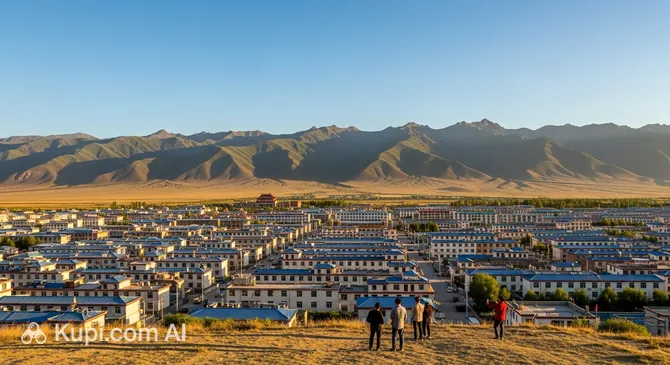
Qitai is a captivating destination nestled in the Changji Hui Autonomous Prefecture of the Xinjiang Uyghur Autonomous Region. Historically known as Gucheng, this area serves as a fascinating bridge between the rugged beauty of the Gobi Desert and the lush greenery of the Tianshan Mountains. With a local population of approximately 19,000 residents in its urban center, Qitai offers a tranquil and authentic atmosphere for travelers seeking to explore the vast and diverse landscapes of China away from the bustling metropolises.

Qitai. Source: Kupi.Binoculars

The geography of the region is defined by its dramatic contrasts, ranging from snow-capped peaks to extensive wheat fields that ripple like golden seas in the wind. The climate is continental, bringing distinct seasons that transform the scenery throughout the year, making it a photogenic spot in any month. For those interested in the past, the history of Qitai is deeply intertwined with the ancient Silk Road, where it once flourished as a vital trading hub and a resting point for caravans traversing the challenging desert routes.

Nature lovers will be enchanted by the Jiangbulake Scenic Area, a stunning landscape famous for its "Tianshan Wheat Sea" and the mysterious "Magic Slope," an optical illusion where water appears to flow uphill. Another significant attraction is the Qitai Silicified Wood-Dinosaur National Geopark, which houses the largest cluster of petrified wood in Asia and offers a glimpse into the prehistoric era. Whether you are marveling at geological wonders or soaking in the serene mountain views, Qitai promises an unforgettable journey into the heart of Xinjiang's natural splendor.

Weather Overview

The climate in this region is continental, marked by distinct seasonal changes and generally low humidity. Winters are typically freezing and dry, with January being the coldest month, where average temperatures hover around -12.2°C and can drop as low as -17.3°C. In contrast, the summer season brings warmth and sunshine, with July seeing average temperatures of 24.0°C and daytime highs reaching approximately 30°C.

Rainfall is minimal year-round, although the summer months from June to August tend to have slightly more wet days compared to the rest of the year. Overall, visitors can expect warm summers with occasional rain and cold, dry winters. To ensure you are fully prepared for your trip, it is advisable to review the detailed forecast for the weather in Qitai before departure.

Interesting Facts

Beyond its scenic beauty and ancient trade routes, Qitai harbors fascinating secrets that bridge the prehistoric past with the scientific future. From defying gravity to hosting giants of the Jurassic era, here are some intriguing facts about this unique region.

  • A Future Window to the Universe: Qitai was selected as the site for the Qitai Radio Telescope (QTT), a massive scientific project. Due to the area's surrounding mountains which shield it from radio interference, it serves as an ideal quiet zone for what is planned to be the world's largest fully steerable single-dish radio telescope.

  • Home of the Long-Necked Giant: Paleontologists put Qitai on the map with the discovery of the Mamenchisaurus sinocanadorum. This massive dinosaur is renowned for having one of the longest necks of any animal that has ever walked the Earth, measuring approximately 15 meters just for the neck alone.

  • A World-Record Illusion: While the "Magic Slope" in the Jiangbulake Scenic Area is a popular stop, few visitors know it holds a Guinness World Record. Spanning 290 meters, it has been certified as the world's longest "strange slope," where an optical illusion makes cars and water appear to move uphill against gravity.

  • Ancient Dry Farming Heritage: The famous "Wheat Sea" is not just visually stunning; it is a marvel of agricultural history. The fields rely entirely on natural precipitation and mountain snowmelt rather than artificial irrigation, preserving a rare dry-farming technique that has sustained the region for thousands of years.

How to Get There

Reaching Qitai involves a journey through the scenic landscapes of Xinjiang, as the city itself does not host a commercial airport. Most travelers utilize the major transport hubs in nearby cities. For a comprehensive look at all travel options, including road routes and transfers, you can consult the detailed guide on how to get to Qitai.

The most common gateway for international and domestic tourists is Urumqi Diwopu International Airport (URC), located in the regional capital, Urumqi. It is situated approximately 171 km from Qitai. As a major hub with high passenger volume, it offers extensive connections to cities across China and abroad. From the airport, a taxi or private transfer to Qitai typically takes about 2.5 to 3 hours, depending on traffic and weather conditions.

Alternatively, you can fly into Turpan Jiaohe Airport (TLQ) in the city of Turpan, which is roughly 117 km away. Although it is closer geographically, this airport serves fewer passengers and has more limited flight schedules compared to Urumqi. The drive from Turpan to Qitai generally takes around 2 hours.

For clarity, here is a summary of the main airports serving the region:

Airport Name City Passenger Traffic Km from City
Urumqi Diwopu International Airport Urumqi Large 170.6
Turpan Jiaohe Airport Turpan Small 117.3
Shihezi Huayuan Shihezi Small 297.4

Regarding rail travel, while the region is connected by rail, Qitai does not have a major high-speed railway station frequently used by tourists. Visitors often take a train to the Urumqi Railway Station, which is a key node in the regional network, and then proceed to Qitai by long-distance bus or taxi. The road trip from Urumqi offers a chance to see the changing terrain of the area.

Main Attractions

Qitai offers a remarkable blend of natural wonders and geological mysteries, making it a compelling destination for travelers exploring the Silk Road routes. From optical illusions in alpine meadows to remnants of the Jurassic era hidden in the desert, the attractions here provide a unique window into the diverse landscapes of Xinjiang.

Jiangbulake Scenic Area

Located on the northern slopes of the Tianshan Mountains, this area is arguably the most famous scenic spot in the region. In the local Kazakh language, Jiangbulake means "Source of Holy Water." The park is renowned for its sweeping "Wheat Sea," where vast fields of barley and wheat ripple against a backdrop of snow-capped peaks and spruce forests. The most intriguing feature here is the "Magic Slope," a section of road where an optical illusion causes water to appear as if it is flowing uphill and cars seem to roll up the incline in neutral. It is a paradise for photographers and hikers seeking serene alpine beauty mixed with a touch of mystery.

Qitai Silicified Wood-Dinosaur National Geopark

For those fascinated by Earth's ancient history, this geopark is a must-visit destination. Situated in the Gobi Desert north of the city, it preserves one of the largest petrified wood forests in Asia. These stone trunks, some measuring over 20 meters in length, date back roughly 150 million years. The park is also a significant paleontological site; it is where the fossils of the massive Mamenchisaurus were discovered. Walking through this arid landscape offers a humbling perspective on the prehistoric world that once thrived here.

Qitai Devil City (Gucheng Yadan Landform)

While not as commercially developed as other "Ghost Cities" in Xinjiang, the Qitai Devil City offers a raw and rugged experience of Yadan landforms. Carved by centuries of fierce winds, the rock formations here have taken on bizarre and fantastical shapes resembling castles, animals, and pagodas. The wind howling through the eroded structures creates eerie sounds, giving the site its name. It is an excellent spot for adventurous travelers who want to witness the stark, dramatic beauty of the desert away from large crowds.

Local Cuisine

To truly understand Qitai, one must taste it. As a region renowned for its vast "Wheat Sea" in the Jiangbulake area, it is no surprise that Qitai boasts some of the finest flour-based cuisine in China. The local food scene is a flavorful intersection of Hui and Uyghur traditions, characterized by hearty portions, aromatic spices, and a heavy emphasis on fresh, locally sourced ingredients.

The absolute culinary star of the city is Qitai Banmian (Latiaozi). Thanks to the exceptional quality of the local wheat, the noodles here are celebrated for their incredible elasticity and smooth texture. Unlike standard noodles, these are hand-pulled and boiled to perfection, then topped with a rich stir-fry of meat (usually lamb or beef), peppers, tomatoes, and onions. It is often said by locals that you haven't truly visited Qitai until you've had a bowl of its signature noodles.

Another must-try dish is Lamb Skewers (Chuanr). While popular throughout Xinjiang, the skewers here are particularly tender, seasoned with a mix of cumin and chili powder that enhances the natural flavor of the meat without overpowering it. For a communal dining experience, look for Dapanji (Big Plate Chicken), a spicy stew of chicken and potatoes served on a bed of wide, flat noodles that soak up the savory broth.

To wash down the rich food, locals often turn to Salty Milk Tea (Nai Cha). This warm, savory beverage is a staple in the daily diet, made by boiling brick tea with cow's milk and a pinch of salt. It is especially refreshing during the cold winters. For something cold and fizzy, try Kvass, a fermented drink made from bread, honey, and hops. It has a unique, slightly sweet taste and a low alcohol content, making it a popular alternative to soda.

The food culture in Qitai is unpretentious and community-focused. The best meals are often found not in high-end restaurants, but in small, family-run eateries and bustling Night Markets (Ye Shi). As the sun sets, these markets come alive with the smoke of charcoal grills and the scent of roasting spices. Here, tourists can sit on low stools alongside locals, sampling everything from grilled fish to baked samsa (meat pies), soaking in the lively atmosphere that defines the city's gastronomic soul.

Travel Tips

Visiting Qitai offers a unique opportunity to experience the authentic charm of Xinjiang, far removed from the standard tourist trail. To help you navigate this region of vast deserts and golden wheat fields with ease, here are some practical tips designed to make your journey as smooth and enjoyable as possible.

  1. Clothing and Gear: The continental climate here means temperatures can fluctuate significantly. Even in summer, evenings can be cool, so layering is essential. Bring a windbreaker and sturdy walking shoes, especially if you plan to hike in the Jiangbulake Scenic Area. Since the region is dry and receives ample sunlight, high-SPF sunscreen, sunglasses, and a hat are non-negotiable accessories. If visiting in winter, heavy thermal gear is required as temperatures drop well below freezing.

  2. Transportation: Public transport within the town consists of buses and taxis, but they may not reach remote attractions like the Petrified Wood Park. For sightseeing, the most practical option is to hire a private driver or charter a taxi for the day. Ride-hailing apps used elsewhere in China may have limited availability here, so arranging transport through your hotel or a local travel agency is often more reliable.

  3. Finances: The local currency is the Chinese Yuan (RMB). While mobile payments like Alipay and WeChat Pay are ubiquitous even in smaller towns, international credit cards are rarely accepted directly in shops or restaurants in Qitai. It is highly recommended to carry a sufficient amount of cash for small purchases and transport. ATMs are available in the town center, but they may not all support foreign cards.

  4. Health and Safety: Qitai is generally very safe for tourists. However, the air is extremely dry, which can cause dehydration or nosebleeds; drink plenty of water and consider carrying a moisturizer. Pharmacies are marked with a green cross, but staff generally speak only Chinese, so have a translation app ready or a photo of the medicine you need. Always carry your passport with you, as identification checks can occur at checkpoints when traveling between counties.

  5. Communication: Mandarin Chinese is the primary language for communication, though local dialects are also spoken. English proficiency is very low, so downloading an offline translation app is crucial for daily interactions. Be aware that internet access can be sporadic in remote desert areas. Purchasing a local SIM card is possible, but it often requires a passport registration at a major provider's official store.

  6. Local Etiquette: This region is home to diverse ethnic groups with rich cultural traditions. When dining, particularly in Halal restaurants (which are common here), avoid bringing in outside food or alcohol. It is polite to greet locals with a smile, but always ask for permission before taking close-up photographs of people, as some may prefer to maintain their privacy.

  7. What to Avoid: Strictly avoid taking photographs of government buildings, police stations, or security checkpoints. This is a sensitive rule throughout the region, and violating it can lead to unnecessary complications. Additionally, avoid discussing sensitive political topics; focus your conversations on the beautiful scenery, food, and culture.

  8. Xinjiang Time vs. Beijing Time: Although the official time is Beijing Time (UTC+8), daily life in Qitai often follows "Xinjiang Time," which is two hours behind. This means lunch might be served at 2:00 PM and dinner at 8:00 PM or later. When booking tickets or agreeing on meeting times, always clarify which time standard is being used to avoid missing your connection.

By keeping these practicalities in mind, you will be well-prepared to embrace the rugged beauty and warm hospitality of Qitai. Whether you are marveling at the optical illusions of the Magic Slope or enjoying a bowl of handmade noodles, a little preparation ensures your adventure remains focused on the incredible experiences this destination has to offer.

Entertainment & Nightlife

Nightlife in Qitai offers a distinct departure from the neon-lit frenzy of big cities, providing instead a warm, community-focused atmosphere. As the sun sets over the Gobi and the air cools, the town transforms into a lively hub where locals gather to unwind. The vibe here is authentic and relaxed, with entertainment revolving around open-air markets, casual strolling, and the spirited enjoyment of local culture.

The heartbeat of the evening scene is undoubtedly the Gucheng Night Market. While food is present, the true allure of this bustling venue lies in its vibrant social atmosphere. It serves as the town's living room, where families and friends congregate to play cards, roll dice, and catch up on daily news amidst the glow of hanging lights. Visitors can browse through stalls selling small trinkets, clothing, and local handicrafts, or simply soak in the energetic hum of conversation and laughter that fills the air. It is a safe and welcoming environment that offers a genuine look into the leisure habits of the local residents.

For a pleasant evening stroll, the Qitai Commercial Pedestrian Street is the main artery of activity. Lined with modern shops, boutiques, and traditional tea houses, this district offers a glimpse into contemporary life in the region. In the evenings, the street is illuminated and busy with residents shopping for clothes or electronics. Nearby, the town's public squares often host spontaneous dance groups, a common and charming sight in China. Here, people of all ages participate in traditional Uyghur dances or ballroom routines under the streetlights, often welcoming curious travelers to join in the rhythm.

For daytime cultural entertainment, the Qitai County Museum is a standout destination for history enthusiasts. This facility provides a deep dive into the region's pivotal role on the ancient Silk Road, showcasing a collection that ranges from bronze ware and pottery to ethnic costumes. A highlight for many is the paleontology section, which complements the nearby dinosaur geopark by displaying fossils and detailed exhibits about the prehistoric giants that once roamed this land. Exploring the museum offers a quiet and educational counterpoint to the outdoor adventures, perfect for spending a few hours immersed in the rich heritage of Gucheng.

Practicality is key when enjoying a night out in Qitai. The town is generally very safe for night walks, but it is advisable to stick to well-lit main roads and the busy market areas. Taxis are available but can be scarce late at night; it is often easier to hail one on a main street rather than relying on apps. Most venues operate on a cash-first basis or accept mobile payments like WeChat Pay and Alipay, so carrying some cash is recommended for international travelers. Dress codes are casual everywhere, but bringing a light jacket is smart as desert temperatures can drop quickly after sunset.

Parks & Museums

Qitai offers a fascinating convergence of ancient geological wonders and Silk Road heritage, effectively serving as an open-air museum where history is written in the rocks and landscapes. While the city center provides a glimpse into modern local life, the surrounding region is home to vast national parks and cultural venues that celebrate everything from Jurassic giants to traditional agriculture.

For nature enthusiasts, the Jiangbulake National Forest Park is the crown jewel of the region's green spaces. Located on the northern slopes of the Tianshan Mountains, this park is unique for its harmonious blend of alpine meadows, dense spruce forests, and the famous "Wheat Sea." Unlike typical manicured city gardens, Jiangbulake offers a raw, expansive wilderness experience where visitors can hike through rolling hills that change color with the seasons—lush green in spring and golden yellow in autumn. The park is also home to the curious "Magic Slope," a natural phenomenon that continues to baffle visitors and physicists alike.

Another significant natural area is the Qitai Silicified Wood-Dinosaur National Geopark. While technically a geological park, it functions as a vast outdoor gallery of Earth's history. Situated in the Gobi Desert, this protected area preserves a "stone forest" of petrified trees that stood here over 150 million years ago. Walking among these fossilized trunks, some of which are the largest in Asia, provides a stark and humbling contrast to the lush greenery of the nearby mountains. It is a stark, quiet place perfect for contemplation and photography.

In terms of cultural institutions, the Qitai County Museum is the primary destination for understanding the region's deep historical roots. The museum houses an impressive collection of artifacts that trace the area's significance as a hub on the ancient Silk Road, known historically as Gucheng. Exhibits range from Han Dynasty bronze ware and pottery to colorful ethnic costumes that reflect the diverse heritage of the local population. A major highlight for many tourists is the paleontology hall, which displays massive dinosaur fossils excavated from the surrounding desert, including the renowned Mamenchisaurus.

Reflecting the local industrial heritage, the Gucheng Liquor Culture Museum offers a different perspective on the city's traditions. Qitai has a centuries-old history of brewing, aided by its high-quality wheat and water sources. This venue allows visitors to explore the traditional brewing techniques that have been passed down through generations. It provides an aromatic and educational tour through the history of one of Xinjiang's most famous local products, often culminating in a chance to smell or sample the distinct local spirits.

For a mix of history and geology, the Qitai Devil City (Yadan Landform) stands as a natural monument carved by time. Located near the dinosaur park, this area features wind-eroded rock formations that resemble ancient castles, pagodas, and beasts. Though natural, the site feels like the ruins of a lost civilization. The howling winds that blow through the structures create an eerie soundtrack, earning the site its mysterious name and making it a compelling stop for those interested in the powerful forces of nature.

For an authentic experience, consider visiting the Jiangbulake area during the harvest season in late August or early September. This is when the "Wheat Sea" is at its most spectacular, and you can witness the traditional dry-farming methods that have sustained the region for millennia. Additionally, when visiting the "Magic Slope," bring a bottle of water to pour on the ground; watching the liquid appear to flow uphill is a simple but mind-bending experiment that is a favorite local pastime.

Getting Around

Navigating Qitai is a relatively straightforward experience, reflecting its status as a county-level town rather than a sprawling metropolis. The public transport system here is modest and functional, designed primarily for local residents. Unlike major Chinese cities, Qitai does not have a metro, tram, or light rail system. For most tourists, the town center is compact enough to explore on foot, but for reaching the outskirts or specific landmarks, a mix of buses and taxis serves as the primary means of mobility.

Public Buses are the main form of mass transit within the urban area. These buses run on fixed routes connecting the commercial center, residential districts, and key facilities like the bus station and hospitals. The fleet is generally modern, and the service is reliable during daylight hours. A typical bus ride costs a flat rate, usually around 1 to 2 RMB, regardless of the distance traveled. You simply board at the front door and pay the fare into the collection box or scan a QR code before finding a seat.

Regarding payment, the system is heavily digitized. While local residents almost exclusively use mobile payment apps like WeChat Pay or Alipay to scan a code upon entry, cash is still accepted. There are no specific "tourist travel cards" or multi-day passes available for the local bus network. Therefore, if you do not have access to Chinese mobile payment platforms, it is essential to carry small change (1 RMB coins or notes), as bus drivers do not carry change.

Taxis are the most convenient option for visitors, offering a flexible way to get around without deciphering bus routes in a foreign language. You can easily flag down a taxi on the street in the town center. Fares are quite affordable compared to larger cities, typically starting with a flag-fall price for the first few kilometers. While ride-hailing apps (integrated into platforms like Alipay or Didi) are technically available, availability can be lower than in regional capitals. For short trips within the city, taxis are efficient, but ensure the driver uses the meter or agree on a price beforehand if you are traveling to a destination just outside the city limits.

For travelers planning to visit the famous scenic spots, such as the Jiangbulake Scenic Area or the Petrified Wood-Dinosaur Geopark, standard public transport is not a viable option as these sites are located far from the town center. The most practical alternative is to hire a private driver or charter a taxi for the day. This allows you to travel at your own pace and reach remote areas where buses do not run. Hotels can often assist in arranging a reliable driver for these excursions.

A special transport feature to note applies specifically within the Jiangbulake Scenic Area. Once you arrive at the park entrance, private vehicles may be restricted depending on the season and current regulations. The park operates its own system of shuttle buses that transport visitors between key viewing points, such as the "Magic Slope" and the "Wheat Sea." These shuttles are included in the price of the entrance ticket or charged as a small supplement, and they are the only authorized way to navigate the steep and winding roads inside the reserve.

Operating hours for public transport in the city generally run from early morning (around 7:30 AM or 8:00 AM) until the evening (around 8:00 PM or 9:00 PM in summer). Be aware that services may wind down earlier in the winter months. Since English is rarely spoken by bus drivers or taxi drivers, it is highly recommended to have your destination written in Chinese characters on your phone or a piece of paper to show the driver.

Accommodation

Accommodation in Qitai caters primarily to practical travelers and nature enthusiasts, offering a range of options that reflect the region's status as a developing tourist destination. Visitors will not find ultra-luxury international hotel chains here; instead, the city provides a selection of reliable mid-range business hotels, budget-friendly inns, and unique local guesthouses. The hospitality landscape is split between the convenience of the urban center and the rustic charm of the scenic outskirts, allowing travelers to choose between modern comfort and immersion in nature.

For those prioritizing logistics and access to amenities, the City Center (Gucheng Town) is the most strategic area to stay. Hotels here are typically clustered around the main commercial streets, placing you within walking distance of restaurants, supermarkets, and the lively night markets. Staying in the town center ensures easy access to taxis and public transport for day trips. These accommodations generally offer standard modern facilities, including private bathrooms, Wi-Fi, and air conditioning, making them a solid choice for travelers seeking a comfortable base after a day of exploration.

A distinct feature of Qitai's accommodation scene is the availability of "Nongjiale" (Farm Stays) and yurt camps, particularly near the Jiangbulake Scenic Area. These options are perfect for tourists who wish to wake up to views of the "Wheat Sea" and the mountains. Accommodations here range from simple rooms in local farmhouses to traditional Kazakh yurts. While amenities in these areas may be more basic—sometimes involving shared facilities—the experience of traditional hospitality and the proximity to nature offer a unique cultural connection that standard hotels cannot match.

Regarding costs, staying in Qitai is generally very affordable compared to China's major metropolises. Prices typically fall into the budget to mid-range categories. A clean, comfortable double room in the city center is usually reasonably priced, while farm stays can vary depending on whether meals are included. Payment methods are heavily digital, with WeChat Pay and Alipay being the standard; however, some smaller guesthouses may still prefer cash, so it is wise to carry some renminbi.

Booking Tip: Qitai sees a significant influx of tourists during the summer months (July to September) when the wheat fields are at their golden peak. During this season, and especially around Chinese national holidays, rooms near the scenic areas can sell out weeks in advance. It is highly recommended to book your accommodation well ahead of time if you plan to visit during this window. While some international booking platforms list properties in Qitai, domestic Chinese apps often have a much wider inventory, so asking a local contact or travel agent for assistance can be helpful.

Nearby Cities

For those looking to explore the surroundings, Qitai serves as an excellent base for day trips to several interesting nearby locations. The region's vast scale means that "nearby" can still involve a scenic drive, but the destinations are well worth the journey.

One of the most compelling stops is Turpan, located approximately 123 kilometers away. Known for its unique geography as a depression basin, it offers a stark contrast to Qitai with its desert heat and the legendary Flaming Mountains. Visitors flock here to see the ancient Karez irrigation systems and to taste the region's famously sweet grapes in the Grape Valley. It provides a fascinating look into the agricultural and historical heritage of the Silk Road.

Another major destination is the regional capital, Urumqi, situated about 160 kilometers from Qitai. As a bustling metropolis, it offers a vibrant mix of modern amenities and traditional culture. Key attractions include the International Grand Bazaar, which is an architectural marvel filled with local crafts and foods, and the Xinjiang Regional Museum, home to well-preserved ancient mummies. It is the perfect spot for travelers who want to experience the energetic pulse of the region.

City Population Distance (km)
Urumqi 4,335,017 160
Korla 770,000 378
Shihezi 717,000 283
Hami 673,383 345
Turpan 622,903 123

These nearby destinations offer a glimpse into the diverse culture and landscapes of the region, ranging from lush oases to vibrant urban centers.

Shopping & Souvenirs

Shopping in Qitai is a grounded and authentic experience that reflects the town's role as a historic trade hub on the Silk Road. Unlike the high-end luxury retail found in China's coastal metropolises, the shopping scene here is focused on local necessities, agricultural bounty, and regional specialties. Visitors will find that commerce in Qitai is less about international brands and more about discovering unique local products, from savory dried snacks to traditional handicrafts, all within a friendly and unhurried atmosphere.

The primary destination for retail therapy is the Qitai Commercial Pedestrian Street. This bustling thoroughfare serves as the modern heart of the town, lined with a variety of clothing boutiques, shoe stores, and shops selling electronics and household goods. It is a vibrant place to walk in the late afternoon and evening, where you can observe local fashion trends and pick up practical items. The street is pedestrian-friendly, making it easy to browse different storefronts without the noise of traffic.

While Qitai does not host the massive, sprawling shopping complexes seen in larger cities, it does feature several mid-sized department stores and commercial plazas within the town center. These multi-story venues typically offer cosmetics, jewelry, and apparel on the lower floors, with household items on the upper levels. They provide a comfortable, climate-controlled environment for shopping, which can be a welcome respite during the hot summer afternoons or cold winter days.

For a more traditional experience, the local markets are unmissable. The Gucheng Night Market, while famous for its food, also hosts vendors selling small trinkets, accessories, and local crafts. During the day, various farmers' markets bustle with activity, showcasing the region's agricultural richness. Here, you can find piles of fresh melons, fragrant spices, and freshly baked naan bread, offering a sensory connection to the daily life of the residents.

When it comes to souvenirs, Qitai has several distinct offerings. The region is renowned for its wheat and grain, which translates into excellent local snacks, but the most famous product is undoubtedly Gucheng Liquor. This local spirit has a history spanning centuries and makes for a prestigious gift for those who appreciate traditional Chinese alcohol. Additionally, being in Xinjiang, the town is a great place to purchase high-quality dried fruits, such as raisins, apricots, and walnuts, which are sweet, nutritious, and easy to pack.

Regarding opening hours, shops in Qitai generally follow a schedule influenced by the local "Xinjiang Time" (which is effectively two hours behind Beijing Time, though clocks are set to Beijing Time). Most stores open their doors around 10:00 AM or 10:30 AM and stay open late, often until 9:00 PM or 10:00 PM. Payment methods are heavily digital; WeChat Pay and Alipay are accepted almost everywhere, from department stores to street stalls. Cash is useful for small transactions, but international credit cards are rarely accepted outside of major hotels.

Tourists should note that tax-free shopping schemes (VAT refunds) are generally not available in Qitai. The tax refund system in China is typically limited to designated stores in major international gateway cities. Therefore, visitors should expect to pay the marked price, though bargaining is often acceptable and expected in open markets and smaller independent shops.
Nearby cities

Reached the end of the page?

That means the route is fully explored