Support

Korla

About

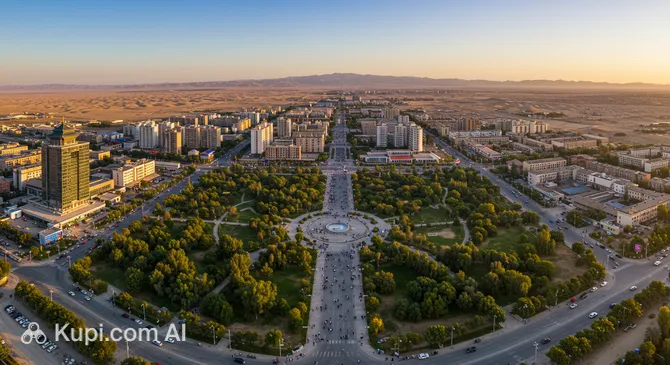
Korla, often celebrated as the "Pear City" for its sweet and fragrant local produce, is a captivating destination located in the heart of the Xinjiang Uygur Autonomous Region. As a significant hub in northwest China, this city offers a unique blend of modern urban development and stunning natural landscapes. With a population of approximately 770,000, it serves as a vital economic and cultural center, situated strategically between the majestic Tianshan Mountains to the north and the vast Taklamakan Desert to the south.

The city boasts a rich heritage that dates back centuries, having served as a crucial stop along the ancient Silk Road. Visitors interested in the past can delve deeper into the history of Korla to understand its strategic importance over the ages. Today, the city is known for its cleanliness, green spaces, and the scenic Peacock River (Kongque River) that gracefully winds through the urban center, creating a refreshing atmosphere even on warmer days.

Korla. Source: Kupi.Binoculars

Travelers are drawn to Korla not only for its famous pears but also for its proximity to remarkable sights. The historic Iron Gate Pass (Tiemen Pass), located just a short distance from the city, offers a glimpse into the region's defensive past. Additionally, the city serves as an excellent gateway for exploring the desert landscapes and the unique culture of the region. Whether you are strolling along the riverbanks at night to see the illuminated skyline or tasting the renowned local fruit, Korla provides a memorable experience.

With its harmonious mix of history, nature, and modern amenities, Korla is a destination that surprises and delights. It is an ideal stop for those traversing the Silk Road route or anyone looking to explore the diverse beauty of Xinjiang.

Weather Overview

The climate in this region is continental and arid, marked by distinct seasonal changes that travelers should consider when planning their visit. To get a detailed forecast for your specific travel dates, it is helpful to check the current weather in Korla. Generally, the city experiences hot summers, with July being the warmest month, featuring an average temperature of 25.8°C and daily highs reaching up to 32.1°C.

In contrast, winters are quite cold and dry. January is typically the coldest time of the year, where the average temperature drops to -7.3°C, and lows can plunge to -12.2°C. Precipitation is scarce throughout the year, with most months recording negligible rainfall amounts, although the summer months may see a few wet days.

Spring and autumn offer milder conditions, making them pleasant times for exploration; for example, May sees comfortable averages around 19.9°C. Overall, expect hot summers with minimal rainfall and cold, dry winters.

Interesting Facts

Beyond its reputation as the "Pear City," Korla holds several fascinating secrets that reveal its unique character and history. These lesser-known details offer a deeper glimpse into the culture and geography of this oasis metropolis.

  • The Winter Swans of the Peacock River: Despite the surrounding arid landscape, the Peacock River flowing through the city center does not freeze in winter. This unique phenomenon attracts hundreds of wild swans from colder regions every year, turning the city into a surprising sanctuary where locals and tourists gather to watch and feed these elegant birds.

  • A "Romeo and Juliet" Legend: The historic Iron Gate Pass is famous not only for its military significance but also for a tragic local folklore. It is the setting of a heartbreaking love story between a princess of the ancient Yanqi Kingdom and a humble herdsman, adding a layer of romance and mystery to the rugged canyon walls.

  • The Source of the Oasis: The river that gives life to Korla flows from Bosten Lake, located just northeast of the city. This massive body of water holds the title of the largest inland freshwater lake in China, acting as a natural reservoir that sustains the region's agriculture and lush greenery against the desert backdrop.

  • An Oil Metropolis: While its agricultural roots are deep, Korla's modern skyline and rapid development are largely driven by "black gold." As the headquarters for the Tarim Oilfield operations, the city has transformed into a wealthy, modern hub, often surprising visitors with its skyscrapers and advanced infrastructure in the middle of the Silk Road.

How to Get There

Reaching Korla is relatively convenient, with options catering to both direct arrivals and those traveling through major regional hubs. Whether you prefer flying or taking the train, the city is well-connected to the rest of the region. You can find all ways to reach the city in our detailed transport guide.

The most direct way to arrive is via Korla Airport (KRL). Located just 4.9 km from the city center, this airport serves as the primary entry point for the city. It handles a moderate volume of passengers annually, operating as a vital regional hub. Due to its close proximity, the commute to downtown is very quick; a taxi ride typically takes about 10 to 15 minutes.

Alternatively, many travelers choose to fly into Urumqi Diwopu International Airport (URC) in Urumqi. Although it is located approximately 265 km from Korla, it is a large international airport with extensive connections to major cities across China and abroad. From Urumqi, visitors can easily transfer to a train or long-distance bus to complete their journey to Korla.

For clarity, here is a summary of the main airports:

Airport Name City Passenger Traffic Km from City
Urumqi Diwopu International Airport Urumqi Large 264.6
Korla Airport Korla Medium 4.9
Kuqa Airport Kuqa Small 265.2
Turpan Jiaohe Airport Turpan Small 281.0
Shihezi Huayuan Shihezi Small 280.4

In addition to air travel, Korla is a key stop on the regional railway network. The city is served by the Southern Xinjiang Railway, which connects it to Urumqi in the north and Kashgar in the south. Trains are a popular and scenic mode of transport for those exploring the wider region, offering a comfortable journey through the diverse landscapes of Xinjiang. The railway station is accessible from the city center via local taxis and public buses.

Main Attractions

Korla offers a fascinating array of sights that blend its rich Silk Road heritage with stunning natural landscapes. From ancient defensive passes to shimmering lakes, the city and its surroundings provide diverse experiences for travelers. Here are some of the top places to visit during your stay.

Iron Gate Pass (Tiemen Pass)

Located just a few kilometers north of the city, the Iron Gate Pass is a historically significant site that once served as a critical checkpoint on the ancient Silk Road. Nestled in a steep, rugged gorge, this pass controlled the flow of trade and travelers between the Tarim Basin and the northern steppes. Today, visitors can explore the reconstructed gate tower and walk along the canyon paths, soaking in the dramatic scenery and the sense of history that permeates the area. It is an excellent spot for a short hike and offers a tangible connection to the region's past.

Bosten Lake

Situated to the northeast of Korla, Bosten Lake is a spectacular natural wonder and the largest inland freshwater lake in China. Often referred to as a "pearl in the desert," it features the popular Golden Beach (Jinhutan), where soft sands and clear waters create a seaside atmosphere in the heart of Xinjiang. Tourists flock here to enjoy swimming, boating, and sunbathing. The lake is also renowned for its vast reed marshes and blooming water lilies, making it a paradise for birdwatchers and nature photographers seeking a tranquil escape.

Peacock River (Kongque River)

The Peacock River is the vibrant soul of Korla, winding its way through the city center. The riverbanks have been developed into a scenic park that is perfect for relaxation and recreation. It is particularly enchanting in the evening when the city lights, fountains, and bridges illuminate the water, creating a dazzling nightscape. Visitors can enjoy a leisurely promenade along the water's edge, and in the winter months, the park becomes a prime location for observing wild swans that migrate to the unfrozen waters.

Luntai Populus Euphratica Forest

For nature enthusiasts willing to venture a bit further, the Luntai Populus Euphratica Forest is a must-see destination. This vast park protects an ancient forest of desert poplars, trees known for their incredible resilience in arid environments. The landscape is especially breathtaking in autumn, typically around October, when the leaves turn a brilliant golden yellow, contrasting sharply with the desert sands and blue sky. A sightseeing train allows visitors to travel deep into the forest to admire the twisted, artistic shapes of these millenary trees.

Local Cuisine

The culinary landscape of Korla is a vibrant reflection of its location in Xinjiang, blending the hearty, meat-heavy traditions of the Silk Road with the fresh bounty of the nearby oasis. Food here is characterized by bold flavors, aromatic spices like cumin and chili, and a generous use of fresh ingredients. As the "Pear City," no gastronomic tour is complete without tasting the world-famous Korla Fragrant Pear. Known for its thin skin and exceptionally sweet, juicy flesh, this fruit is not only a popular snack but also a symbol of local pride, often gifted to visitors and friends.

For a main course, travelers should definitely try the region's signature Polu (pilaf). This hearty dish consists of fluffy rice cooked with tender chunks of mutton, sweet carrots, onions, and vegetable oil, often served in large portions meant for sharing. Due to the city's proximity to Bosten Lake, Grilled Fish is another standout delicacy that sets Korla apart from other desert cities. Freshly caught fish is typically marinated in spicy seasonings and roasted over charcoal, resulting in a smoky, flavorful skin and tender meat that pairs perfectly with flatbreads.

When it comes to beverages, the local drink culture offers refreshing options to combat the arid climate. Kawass is a beloved non-alcoholic drink made from fermented honey and hops; it has a fizzy, amber appearance similar to beer but with a sweet, floral taste. For those looking for something stronger, Wusu Beer, brewed in the region, is a staple at dinner tables and is widely considered the perfect companion to spicy barbecue dishes. Traditional milk tea, often savory and rich, is also commonly served with meals.

The food culture in Korla is best experienced outdoors, particularly in the evenings. The city comes alive at night, with bustling night markets and food streets, especially near the Peacock River. Here, the air is filled with the smoke of roasting lamb skewers and the chatter of locals. Tourists can wander from stall to stall, sampling freshly baked Nang (flatbread), spicy noodles, and yogurt, enjoying a casual and communal dining atmosphere that continues late into the night.

Travel Tips

To ensure your visit to the "Pear City" is as smooth and enjoyable as possible, a little preparation goes a long way. These practical tips will help you navigate local customs, the desert climate, and daily logistics while exploring this fascinating oasis in Xinjiang.

  1. Clothing and Gear: Due to the continental desert climate, temperatures can fluctuate significantly between day and night. It is best to pack layers that you can easily add or remove. In summer, bring breathable fabrics, sunglasses, and a wide-brimmed hat to protect against the strong sun. For winter visits, heavy thermal wear is essential. Since you will likely do a lot of walking, especially around the Peacock River or Iron Gate Pass, sturdy and comfortable walking shoes are a must.
  2. Transportation: Getting around Korla is convenient and affordable. Taxis are plentiful and can be hailed on the street; they are generally metered and inexpensive. For a more tech-savvy approach, you can use ride-hailing apps like DiDi (the local equivalent of Uber), which often have English interfaces. Public buses are also available and very cheap, usually costing 1 or 2 RMB, though route maps are typically in Chinese.
  3. Finances: The local currency is the Chinese Yuan (RMB). While cash is still accepted, mobile payments via Alipay or WeChat Pay are the dominant form of transaction everywhere, from malls to street vendors. It is highly recommended to download one of these apps and link your international credit card before arrival. International cards are rarely accepted directly at merchants, so carry some cash for backup or use ATMs at major branches like the Bank of China to withdraw local currency.
  4. Health and Safety: Korla is generally very safe for tourists. The most important health consideration is the dry climate; keep yourself well-hydrated and carry lip balm and moisturizer. Pharmacies are marked with a green cross, but prescription medication labels will be in Chinese, so bring enough personal supplies. Tap water is not suitable for drinking; always opt for bottled or boiled water.
  5. Communication: Mandarin Chinese is the primary language for communication. English is not widely spoken, so having a translation app that works offline (like Microsoft Translator or Baidu Translate) is invaluable. To stay connected, you can purchase a SIM card at official China Mobile or China Unicom stores using your passport. Remember that many Western social media apps and Google services are inaccessible without international roaming or specific software solutions.
  6. Local Etiquette: Respect for local customs is appreciated. When greeting people, a simple nod or a handshake is standard. As Korla has a diverse population with significant Muslim communities, be mindful of Halal dietary laws. Do not bring outside food or alcohol into Halal restaurants, and dress modestly when visiting religious sites or traditional neighborhoods.
  7. What to Avoid: Avoid taking photographs of locals without asking for their permission first, as some may be camera-shy or consider it intrusive. Additionally, avoid public discussions on sensitive topics; it is best to focus your conversations on the beautiful scenery, food, and culture.
  8. Local Time Awareness: Although the official time across China is Beijing Time (GMT+8), locals in Xinjiang often operate on an unofficial "local time" which is about two hours behind due to the geographical longitude. This means lunch might be served around 2:00 PM and dinner around 8:00 PM or later. Be sure to clarify which time is being referred to when booking tours or transport locally.

By keeping these practicalities in mind, you can focus on enjoying the sweet pears, the vibrant night markets, and the stunning natural scenery that Korla has to offer. A respectful and prepared traveler will find the locals welcoming and the experience truly rewarding.

Entertainment & Nightlife

Nightlife in Korla offers a refreshing departure from the high-energy clubbing scenes of China's coastal metropolises. Instead of thumping bass and neon-lit dance floors, the evening culture here is centered around vibrant social dining, scenic riverside promenades, and bustling night markets. The atmosphere is relaxed yet lively, with locals staying out late to enjoy the cool desert air after a hot day. The city comes alive after sunset—which, due to the geographical location and the use of Beijing Time, often happens as late as 10:00 PM in the summer.

The heart of the city's evening activity beats along the banks of the Peacock River (Kongque River). This area transforms into a dazzling spectacle of lights and fountains, drawing families, couples, and tourists alike. A stroll along the riverfront is the quintessential Korla experience, where you can watch impromptu traditional dance performances by local residents or simply enjoy the illuminated skyline. The riverside landscape belt provides a magical backdrop for evening walks, with colorful lighting reflecting off the water, creating a serene yet animated environment.

For food lovers, the city's bustling night markets are an unmissable destination. This is where the true flavor of the city resides, offering a sensory explosion of sizzling lamb skewers, spicy crayfish, and fresh local fruits. Popular spots near the river and in the city center typically stay open well past midnight, serving as the primary social hub where friends gather to eat and chat. While dedicated western-style bars are not a prominent feature, you will find lively "music restaurants" and BBQ joints along the main streets, where cold Wusu beer flows freely alongside hearty Xinjiang cuisine.

Practicalities for a night out in Korla are straightforward. The city is very safe for night walks, even in the late hours, thanks to well-lit streets and a friendly local population. Taxis are abundant and affordable, making it easy to hop between the river and your hotel. Prices are generally lower than in eastern China, with a substantial meal at a night market costing a fraction of what you would pay in Beijing. Remember that mobile payments are the standard, so ensure your phone is charged to pay for your late-night snacks.

Parks & Museums

While Korla is situated on the edge of a vast desert, the city itself is surprisingly verdant, offering a refreshing array of manicured parks and cultural institutions. This "Oasis of the Silk Road" takes pride in its green urban planning and facilities that preserve the region's rich history, providing tourists with relaxing spaces to unwind and educational venues to learn about the diverse heritage of the Bayingolin area.

Bayingolin Mongol Autonomous Prefecture Museum

For those keen to understand the deep historical roots of the region, this museum is the premier cultural institution in the city. The building itself is architecturally distinct, often incorporating local design elements. Inside, visitors will find extensive collections ranging from ancient Silk Road artifacts and bronze ware to exhibits detailing the customs of the local Mongol and Uyghur populations. It is particularly interesting for its section on the "Torghut Return," a significant historical event involving the migration of the Torghut Mongols. The museum offers a comprehensive overview that contextualizes the sights you see around the city.

Longshan Park (Dragon Mountain Park)

Located on the eastern edge of the city, Longshan Park is a testament to Korla's efforts in afforestation and ecological recovery. Once a barren hill, it has been transformed into a lush recreational area featuring walking trails and pavilions. The park's crowning jewel is the Donggui Tower, a traditional-style structure that offers panoramic views of the entire city and the surrounding Gobi landscape. It is an excellent spot for photography, especially at sunset when the city lights begin to twinkle against the darkening desert backdrop.

Peacock River Park

Running through the heart of the city, the parklands lining the Peacock River serve as Korla's main green lung. While the river is a central attraction, the park itself features beautifully landscaped gardens, shaded promenades, and sculptures depicting local legends. It is the center of daily life for residents, who gather here for morning exercises, Tai Chi, and leisurely strolls. For tourists, it provides a cool, shaded refuge from the midday sun and a chance to observe the relaxed pace of local life up close.

Authentic Experience: The Pear Orchards

While not a traditional public park, the expansive pear orchards surrounding the city offer a unique seasonal experience. In April, the outskirts of Korla turn into a sea of white blossoms, creating a stunning floral landscape. Visiting these orchards provides a glimpse into the agricultural heart of the "Pear City" and offers a tranquil escape into nature that few standard tour itineraries include.

Getting Around

Navigating Korla is straightforward and convenient, thanks to a well-organized network of public transportation that caters to both locals and visitors. Unlike the massive metropolises of the coast, this city does not rely on a subway or tram system. Instead, the primary mode of public transit is an extensive bus network that covers the entire urban area, connecting major residential districts, commercial centers, and tourist attractions like the Peacock River and the train station.

The public bus system is modern, reliable, and incredibly affordable. Most routes operate from early morning, typically around 7:30 AM, until late in the evening, with some lines running until 10:00 PM or later during the summer months. The standard fare is very low, usually costing just 1 or 2 RMB per ride regardless of the distance. Buses are generally clean and air-conditioned, offering a comfortable respite from the desert heat or winter chill while moving between sights.

When it comes to paying for your ride, digital solutions are the norm. While you can still use cash, you must have the exact change in coins or small notes to drop into the fare box upon entry, as drivers do not carry change. However, the most convenient method is to use mobile payment apps like Alipay or WeChat Pay. These apps have dedicated "Transport" mini-programs that generate a QR code, which you simply scan at the reader near the bus entrance. This cashless system is universal and highly recommended for tourists to avoid the hassle of carrying small change.

For those seeking a more direct and private way to travel, taxis are ubiquitous and inexpensive. You can easily hail a taxi on the street; they are typically recognized by their distinct colors and roof lights. All official taxis are metered, and drivers are generally honest, though few speak English. Alternatively, ride-hailing apps are extremely popular and often easier for foreigners to use, as the apps allow you to input your destination in English (or via map pin) and pay automatically, bridging the language gap effectively.

Exploring on two wheels is another viable option, as shared bicycles are available throughout the city. You will find rows of colorful bikes parked on sidewalks, which can be unlocked using the same mobile payment apps used for buses. This is an excellent way to travel short distances, particularly along the scenic riverside parks where dedicated paths make cycling safe and enjoyable. Whether you choose the bus, a taxi, or a bike, getting around this "Pear City" is efficient and user-friendly.

Accommodation

Finding accommodation in Korla is generally easier and more comfortable than in many other parts of the region, thanks to the city's status as a prosperous economic hub. The hotel scene here is well-developed, catering to the steady stream of business travelers connected to the oil industry as well as tourists exploring the Silk Road. Visitors can expect a range of modern facilities that blend international standards with local hospitality.

For the best experience, travelers are highly recommended to choose a hotel in the city center, particularly along the banks of the Peacock River (Kongque River). Staying in this area places you within walking distance of the vibrant night markets, scenic riverside promenades, and the city's main commercial districts. Waking up to a view of the river and having easy access to evening entertainment makes this the most desirable location for leisure travelers.

Accommodations in Korla typically fall into two main categories: high-end business hotels and mid-range establishments. The luxury segment is surprisingly robust, offering 4-star and 5-star properties with spacious rooms, fitness centers, and extensive breakfast buffets featuring both Chinese and Western options. Mid-range hotels are also plentiful, providing clean, reliable, and cost-effective bases for exploration. Budget hostels are less common compared to eastern China, but affordable guesthouses can be found.

Important Note for International Travelers: When booking a hotel in Korla, it is critical to verify that the property is licensed to accept foreign guests. In the Xinjiang Uygur Autonomous Region, specific registration regulations mean that many budget hotels and smaller inns are only authorized to host mainland Chinese citizens. Always look for the "Accepts Foreigners" tag on booking platforms or contact the hotel directly to confirm their policy before you arrive, as turning up without a reservation at a non-licensed hotel can result in being turned away.

Amenities in Korla's hotels are generally good, with air conditioning being standard—a necessity during the hot summers. Heating is equally important and universally available for the cold winters. Wi-Fi is provided in most establishments, though connection speeds can vary, and you may need a local phone number to log in. By planning ahead and securing a compliant hotel, you can ensure a restful and hassle-free stay in this welcoming oasis city.

Nearby Cities

For those looking to explore the surroundings, Korla serves as an excellent base for day trips to several interesting nearby locations:

City Population Distance (km)
Urumqi 4,335,017 261
Shihezi 717,000 287
Turpan 622,903 283
Kuqa 462,588 267
Shanshan 230,000 356

Kuqa is a fascinating destination for history enthusiasts, located southwest of Korla. Once the center of the ancient Kingdom of Kucha, it is renowned for its rich Buddhist heritage and the spectacular Tianshan Grand Canyon. The canyon's burning red cliffs and dramatic rock formations offer a landscape that feels almost otherworldly. Visitors can also explore the ruins of the Subashi Buddhist Temple, which testify to the city's former glory as a pivotal stop on the Silk Road.

To the northeast lies Turpan, an oasis city famous for its unique geography and agriculture. Situated in a depression below sea level, it is known for its extreme summer heat, the legendary Flaming Mountains, and the lush Grape Valley where sweet fruits grow in abundance. Travelers are often intrigued by the Karez well system, an ancient underground irrigation marvel that has sustained the region for centuries. The ruins of Jiaohe and Gaochang also provide deep insights into the area's past civilizations.

For a more urban experience, the regional capital, Urumqi, is accessible for a longer excursion. As the political and cultural heart of the region, it offers the impressive Xinjiang Regional Museum, home to the well-preserved "Loulan Beauty" mummy. The International Grand Bazaar is another highlight, where visitors can immerse themselves in a vibrant atmosphere filled with traditional crafts, textiles, and local delicacies.

These nearby destinations offer a glimpse into the diverse culture and landscapes of the region, making them well worth the journey for travelers wishing to expand their itinerary beyond Korla.

Shopping & Souvenirs

Shopping in Korla offers a delightful mix of modern convenience and traditional charm, reflecting its status as a prosperous hub in Xinjiang. As a well-developed city, it features gleaming shopping malls and department stores that rival those in larger metropolises, stocking international brands and modern fashion. However, for a tourist, the real allure often lies in the local markets and specialty shops where the region's agricultural bounty and ethnic craftsmanship take center stage.

The primary commercial heartbeat of the city is centered around Renmin Road (People's Road) and the surrounding downtown area. This bustling district is lined with a variety of shops, ranging from high-end boutiques to local clothing stores. It is a vibrant place to walk, window shop, and soak in the modern urban atmosphere of the city. Here, visitors can find everything from electronics and cosmetics to everyday necessities, making it a convenient one-stop destination for travelers.

For a more structured shopping experience, the city boasts several large shopping malls and department stores. These multi-story complexes offer a respite from the desert heat and provide a wide array of goods in a comfortable, air-conditioned environment. You will find supermarkets on the lower levels, fashion retailers on the middle floors, and often a cinema or food court at the top. Places like the Korla Department Store or newer plazas in the Golden Triangle area are popular among locals for purchasing branded apparel and lifestyle products.

To truly experience the local culture, you must visit the markets and bazaars. While not as massive as the Grand Bazaar in Urumqi, Korla's markets are teeming with life. The wholesale markets for dried fruits are particularly impressive, offering endless rows of raisins, walnuts, jujubes (red dates), and almonds. In the evenings, the night markets near the Peacock River not only serve food but often feature stalls selling small trinkets, handicrafts, and local accessories, creating a lively atmosphere perfect for browsing.

When it comes to souvenirs, the undisputed king is the Korla Fragrant Pear. Famous throughout China for its thin skin and sweet, juicy flesh, these pears are a must-buy gift. They are sold in protective packaging suitable for travel. Beyond fresh fruit, premium dried fruits and nuts are excellent choices, as they are non-perishable and of exceptional quality in this region. Other popular items include colorful Uyghur musical instruments, ethnic skullcaps (doppa), and woolen textiles, which reflect the diverse cultural heritage of the area.

Opening hours in Korla can be slightly different from the rest of China due to the effective local time difference. Although clocks are set to Beijing Time, businesses often open later, typically around 10:00 AM or 11:00 AM, and stay open late into the evening, often until 10:00 PM or 11:00 PM. Payment methods are overwhelmingly digital. While some larger stores accept credit cards, the vast majority of vendors, from mall boutiques to street stalls, rely on mobile payments via WeChat Pay or Alipay. It is highly recommended to have one of these apps set up on your phone, as cash is becoming less common.

Regarding tax-free shopping, it is important to note that Korla is not a major international duty-free hub like Shanghai or Hainan. Tax refund services for tourists are generally rare or non-existent in standard retail stores here. Travelers should not expect to claim VAT refunds on general purchases and should plan their budget accordingly.
Reached the end of the page?

That means the route is fully explored