Support

Nukus

About

Welcome to Nukus, the capital of the autonomous Republic of Karakalpakstan and a hidden gem for travelers seeking off-the-beaten-path adventures. Often referred to as a "museum in the sand," this city offers a unique atmosphere that contrasts sharply with the ancient Silk Road architecture found elsewhere in the region. It serves as a cultural oasis in the desert, renowned for its warm hospitality and distinct local traditions.

Geographically, the city is situated in the northern part of Uzbekistan, near the Amu Darya river and surrounded by the vast Kyzylkum and Karakum deserts. With a population of over 300,000 people, it is the sixth-largest city in the country. The climate here is continental and arid, creating a rugged landscape that appeals to those who appreciate the raw beauty of nature.
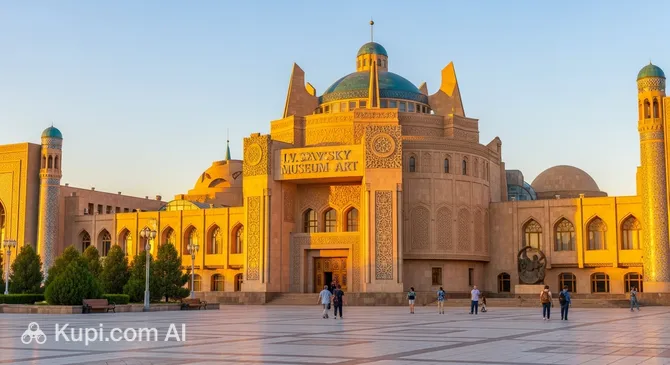
Nukus. Source: Kupi.Binoculars

While the modern city developed largely in the 20th century, the history of Nukus and the surrounding region is deeply rooted in the ancient civilization of Khorezm. Today, the city is most famous for the Savitsky Museum (The State Art Museum of Karakalpakstan), which houses one of the world's most significant collections of Russian avant-garde art. Additionally, Nukus acts as the primary gateway for expeditions to the shrinking Aral Sea and the mysterious Mizdakhan Necropolis, an ancient cemetery steeped in legends.

Whether you are an art aficionado coming to see the "Louvre of the Desert" or an explorer ready to witness the dramatic landscapes of Karakalpakstan, Nukus promises a memorable journey. We invite you to discover the resilience and artistic spirit of this fascinating city.
Weather Overview

The city is defined by an arid, continental climate with significant contrasts between seasons. To help plan your wardrobe, we recommend consulting the detailed guide to the weather in Nukus. Summers are typically long, dry, and hot, with July averages hovering around 30.1°C and daytime highs often climbing to 37.1°C. Winters, on the other hand, are cold, with January temperatures averaging -1.3°C and nighttime lows dropping to -5.5°C.

Rainfall is exceptionally rare in this region, making it a true desert environment. March is the most active month for precipitation, yet it still only sees about 6 wet days and negligible accumulation. Generally, you can expect scorching heat with clear skies in the summer and cold, dry conditions during the winter months.

Interesting Facts

Beyond its reputation as a gateway to the desert, Nukus holds fascinating secrets that reveal the unique spirit of the Karakalpak region. Here are a few intriguing details that distinguish this city from any other in Central Asia.
  • The city is home to the Savitsky Museum, often called the "Louvre of the Desert," which houses the world's second-largest collection of Russian avant-garde art; its founder, Igor Savitsky, secretly rescued thousands of banned artworks during the Soviet era, hiding them far from the authorities' reach.

  • Local folklore surrounds the nearby Mizdakhan Necropolis, specifically a crumbling ancient wall known as the "World Clock"; legend says that when the last brick falls, the world will end, leading pilgrims to carefully stack seven bricks nearby to delay the apocalypse.

  • Nukus is a relatively young capital, having taken over the title from the city of Turtkul in 1932 only because the Amu Darya river's shifting course threatened to wash the former capital away.

  • The city serves as the capital of a sovereign republic within Uzbekistan; Karakalpakstan occupies over a third of the country's territory and maintains its own distinct language, flag, and constitution.

Savitsky Museum. Source: Kupi.Binoculars

How to Get There

Reaching this unique destination in the heart of Karakalpakstan is an adventure in itself, with air and rail being the most popular choices for travelers. Whether you are arriving from within Uzbekistan or from abroad, you can find more about how to get to Nukus to plan your logistics efficiently.

The most direct way to arrive is by flying into Nukus Airport (NCU). Located just 2.3 km from the city center, this airport serves as the primary gateway for the republic. It handles regular domestic flights from Tashkent as well as select international connections. Due to its close proximity, a taxi ride to the downtown area is quick, typically taking around 25 minutes.

If flight options to Nukus are limited, many travelers choose to fly into Urgench Airport (UGC), situated in the city of Urgench. Although it is approximately 129 km away from Nukus, it is a larger hub with more frequent connections. The transfer from Urgench to Nukus by taxi or shared transport generally takes about 3.5 hours, offering a scenic drive through the desert landscapes.

For clarity, here is a summary of the main airports:

Airport Name City Passenger Traffic Km from City
Urgench Airport Urgench High 129.3
Nukus Airport Nukus Medium 2.3

Rail travel is another excellent way to experience the vastness of the region. The city is served by the Nukus Railway Station, which is conveniently located about 3.5 km from the center. Trains from Tashkent and other major Uzbek cities stop here regularly. Upon arrival, a short taxi ride of approximately 25 minutes will bring you to the heart of the city.

Travelers can also consider the Khodjeyli Railway Station in the neighboring city of Khodjeyli, located about 16 km from Nukus. It is a viable alternative if schedules to the main station do not fit your itinerary. The journey from Khodjeyli to Nukus by car takes roughly 45 minutes.

Below is a list of the nearest railway stations:

Station City Passenger Traffic Km to Center
Nukus Railway Station Nukus High 3.5
Kungrad Railway Station Kungrad High 90.4
Khodjeyli Railway Station Khodjeyli Medium 16.1
Qanlikoʻl Railway Station Qanlikoʻl Low 65.2
Shovot Railway Station Shovot 99.9

Main Attractions

While the city may appear quiet at first glance, the attractions of Nukus offer a profound glimpse into the history, art, and soul of Central Asia. The destination is best known for its world-class art collection, but it also serves as the custodian of ancient Khorezmian fortresses and the gateway to the tragic beauty of the Aral Sea region.

The absolute highlight for any visitor is the Savitsky Museum (The State Art Museum of Karakalpakstan). Often described as the "Louvre of the Desert," this institution holds an extraordinary collection of Russian avant-garde art that was banned during the Soviet era. Thanks to the efforts of Igor Savitsky, who collected and hid these works in this remote location, visitors can now admire thousands of paintings and artifacts that might otherwise have been destroyed. It is a must-visit for art lovers and history buffs alike.

For a journey further back in time, the Mizdakhan Necropolis is a fascinating site located roughly 20 kilometers from the city. This ancient architectural complex sits on a hill and features a mix of mausoleums, ruined fortresses, and sacred sites dating back to the 4th century BC. Walking among the historic graves and the ruins of the Gyaur-Kala fortress offers a hauntingly beautiful experience and a connection to the Zoroastrian roots of the region.

To understand the local culture and environment, the Karakalpak State Museum of Regional Studies is an excellent stop. This museum provides a comprehensive overview of the region's history, from ancient archaeology to the flora and fauna of the Amu Darya delta. It is particularly noted for its exhibits on traditional Karakalpak jewelry, costumes, and yurt decorations, giving tourists a colorful insight into the nomadic heritage of the people.

Finally, many travelers use Nukus as the base for an expedition to Muynak and the former shores of the Aral Sea. Although it is a day trip away, the "Ship Graveyard"—where rusting fishing vessels sit stranded in the desert sand—is one of the most iconic and moving sights in Uzbekistan. Seeing the scale of the environmental change firsthand is a powerful experience that defines tourism in this part of the country.

Local Cuisine

The culinary scene in Nukus offers a distinct flavor profile that sets it apart from the rest of Uzbekistan. While you will still find national staples, the local cuisine is heavily influenced by the region's nomadic heritage and the harsh desert climate. The food here is hearty, simple, and typically centered around meat and dairy products, designed to sustain travelers and locals alike through the extreme temperatures.

The absolute must-try dish in Nukus is Besbarmak, which translates to "five fingers" because it is traditionally eaten with one's hands. While popular across Central Asia, the Karakalpak version is unique. It consists of boiled meat (often beef, mutton, or even camel) served over wide, flat noodles in a savory broth. A truly local variation to seek out is Jueri Gurtik, where the dough is made from sorghum flour, giving the dumplings a distinctive dark color and a nutty flavor that you won't find anywhere else in the country.

Another staple of the local diet is fish, a nod to the region's proximity to the Amu Darya river and the legacy of the Aral Sea. Fried fish, typically carp or snakehead, is commonly served with fresh onions and bread. Of course, the ubiquitous Plov is also available, though in Karakalpakstan, it is often lighter and sometimes prepared with sesame oil, giving it a different aroma compared to the versions found in Tashkent or Samarkand.

When it comes to drinks, the tea culture is vital. Meals almost always begin and end with a pot of hot green or black tea (kok choy or qora choy), served in traditional bowls called pialas. For a more adventurous and authentic experience, try Shubat, a fermented camel's milk. This sour, slightly fizzy beverage is rich in vitamins and is considered a refreshing remedy for the desert heat, widely available at local markets.

Dining in Nukus is an unpretentious affair. You won't find many high-end fine dining establishments; instead, the best food is found in bustling Chaikhanas (tea houses) and simple local eateries. For the freshest produce, including the region's famous sweet melons and watermelons in season, a visit to the Central Dehkan Bazaar is essential. Here, you can sample local snacks, buy hot flatbread (non) straight from the tandoor, and experience the warm hospitality that defines Karakalpak culture.

Travel Tips

Visiting Nukus offers a unique opportunity to explore a side of Uzbekistan that is distinctly different from the famous Silk Road cities, but the desert environment and local customs require a bit of preparation. To help you make the most of your journey to the heart of Karakalpakstan, we have compiled a list of essential practical advice.

  1. Clothing and Gear: Since Nukus is surrounded by deserts, the climate is extreme. In summer, bring lightweight, breathable fabrics like cotton or linen, along with a sun hat, sunglasses, and high-SPF sunscreen. In winter, thermal layers and a heavy coat are necessary as temperatures drop significantly. While the city is relatively modern, it is respectful to dress modestly; cover your shoulders and knees, especially when visiting religious sites like the Mizdakhan Necropolis.
  2. Transportation: There is no metro or tram system in Nukus. The most convenient way to get around is by taxi. Ride-hailing apps like Yandex Go operate in the city and are very affordable, but you can also flag down cars on the street. If you do the latter, agree on the fare before getting in. For trips to the Aral Sea or remote fortresses, it is highly recommended to hire a private driver with a 4WD vehicle rather than renting a car yourself, as road conditions in the desert can be challenging.
  3. Finances: The local currency is the Uzbek Som (UZS). While some hotels and the Savitsky Museum may accept Visa or Mastercard, cash is king in Nukus. ATMs are available but can occasionally run out of money or reject foreign cards, so it is wise to bring sufficient cash (USD or EUR) to exchange at banks. Carry small denominations for taxis, bazaars, and small shops where change might be scarce.
  4. Health and Safety: Nukus is generally a safe city for tourists. Pharmacies (marked as Apteka) are widely available, and some operate 24/7. The most important health precaution is to stay hydrated; the dry desert air dehydrates you quickly, even in cooler months. Always drink bottled water and avoid tap water. Be cautious of the midday sun in summer and try to schedule outdoor activities for the morning or late afternoon.
  5. Communication: The main languages spoken are Karakalpak and Uzbek, with Russian serving as a common lingua franca. English is not widely spoken outside of the airport, major hotels, and the museum. It is highly recommended to download an offline translation app and offline maps before you arrive. Buying a local SIM card (providers like Ucell or Beeline) is easy and cheap, ensuring you have data connectivity throughout your trip.
  6. Local Etiquette: The people of Karakalpakstan are known for their hospitality. A common greeting is a handshake (usually between men) or placing your right hand over your heart with a slight bow. If you are invited into a local home, always remove your shoes at the door. It is polite to accept a cup of tea if offered, as refusing can be seen as slightly rude.
  7. What to Avoid: Avoid taking photographs of military installations, checkpoints, or government buildings unless you are sure it is permitted. Also, refrain from public displays of affection, as local culture is conservative. When eating traditional food like besbarmak with locals, use your right hand if eating without cutlery, as per tradition.
  8. Museum Tip: If you plan to visit the Savitsky Museum, allocate at least half a day. The collection is vast, and rushing through it would be a disservice. Also, be aware that there may be an additional small fee if you want to take photos inside the galleries, and this usually needs to be paid in cash at the entrance.

By keeping these tips in mind, you will be well-equipped to navigate the city comfortably and respect the local way of life. Enjoy the stark beauty of the landscapes and the incredible cultural treasures that Nukus has to offer!

Entertainment & Nightlife

Entertainment in Nukus is relatively low-key and traditional compared to the bustling nightlife of Tashkent or Samarkand. The city is conservative, and the concept of "nightlife" here revolves primarily around social dining, evening promenades, and spending time in tea houses (chaikhanas) rather than loud nightclubs or bars. However, visitors can still find pleasant places to unwind after a day of exploring the desert.

The evening atmosphere is relaxed and friendly. Most activity is concentrated in the city center, particularly near the main hotels and the central squares. While you won't find Western-style dance clubs, many larger restaurants transform into lively venues in the evening, often featuring live music and a dance floor where locals celebrate weddings or family gatherings. It is a unique cultural experience to witness the energetic local dancing and hospitality.

For those looking for a place to enjoy a drink or a late dinner, Jipek Joli is one of the most popular spots for tourists and expats. Attached to the hotel of the same name, it offers a cozy atmosphere, a good selection of local wines and beers, and a menu that caters to international tastes. Another well-regarded venue is Neo, a restaurant known for its modern interior and vibrant evening vibe. It is a great place to mix with locals, enjoy hearty Uzbek and Karakalpak dishes, and listen to pop music. Sherwood is another option often recommended for its barbecue and outdoor seating during warmer months.

Most venues in Nukus close relatively early, typically by 23:00 or midnight. The dress code is casual, but it is respectful to dress modestly, avoiding overly revealing clothing even in the evening. Prices are generally very affordable compared to Western standards; a generous dinner with drinks can cost significantly less than in the capital.

In terms of safety, Nukus is a calm city, and walking around the central well-lit streets in the evening is generally safe. However, street lighting can be sparse in residential areas or on the outskirts, so it is advisable to stick to main roads. Taxis are the best way to get around at night. You can use apps like Yandex Go, which are reliable and overcome the language barrier, or ask your restaurant or hotel to call a cab for you.

During the day, the city offers rich cultural experiences. The crown jewel of local entertainment is undoubtedly the Savitsky Museum (The State Art Museum of Karakalpakstan). It is essential to visit this world-renowned institution to appreciate the avant-garde art that puts Nukus on the global map. For theater lovers, the Berdakh Karakalpak State Academic Musical Theater hosts performances that showcase local folklore, music, and dramatic traditions, offering a deep dive into the region's artistic heritage.

Parks & Museums

While the surrounding landscape is dominated by the vast sands of the Kyzylkum Desert, Nukus surprises visitors with its rich cultural tapestry and welcoming pockets of greenery. The city serves as a sanctuary for art and history, offering a unique blend of Soviet-style planning, Karakalpak traditions, and refreshing open spaces that provide respite from the arid climate.

Although Nukus is located in a desert region, it features several green zones where locals gather to relax. Istiklol Park (Independence Park) is the central leisure spot in the city. It is a spacious area featuring fountains, statues, and walking paths lined with trees, making it a popular destination for families and evening strollers. Another refreshing area is the embankment along the Doslyk Canal. This waterway cuts through the city and offers a cooler microclimate, perfect for a quiet walk or a morning jog away from the dusty streets.

The cultural heart of the city beats within its world-renowned museums. The crown jewel is undoubtedly the Savitsky Museum (The State Art Museum of Karakalpakstan). It houses the world's second-largest collection of Russian avant-garde art, saved from destruction during the Soviet era by the visionary collector Igor Savitsky. Beyond the avant-garde masterpieces, the museum also displays an extensive collection of Karakalpak applied arts, including jewelry, carpets, and traditional costumes.

For a deeper dive into the local heritage, the Karakalpak State Museum of Regional Studies is an essential stop. This museum provides a comprehensive overview of the region's history, from ancient archaeology and the flora and fauna of the Amu Darya delta to the tragic history of the Aral Sea. Another significant institution is the Berdakh Museum, dedicated to the famous Karakalpak poet and thinker. It offers insight into the literary and spiritual history of the Karakalpak people, housed in a building with distinctive domed architecture.

In terms of historical sites, the most profound experience lies just outside the city limits at the Mizdakhan Necropolis. This ancient complex, often referred to as a "City of the Dead," features mausoleums and sacred sites that date back to the 4th century BC. It sits adjacent to the ruins of the Gyaur-Kala fortress, offering a stark and beautiful reminder of the ancient Khorezmian civilization that once flourished here.

For an authentic local experience, take a walk through the Central Dehkan Bazaar. While not a park or museum, it is a living exhibition of Karakalpak culture. Here, you can see the vibrant colors of local textiles, smell the aroma of freshly baked bread, and observe the daily life of the residents, which is as integral to the city's identity as its formal attractions.

Getting Around

Navigating Nukus is a straightforward experience, as the public transport system is far less complex than in larger capitals. The city does not have a metro, tram, or trolleybus network. Instead, the local transportation infrastructure relies entirely on road-based vehicles, specifically buses and the ubiquitous minibuses known locally as "Damas" vans.

The most popular and efficient way to travel like a local is by using the marshrutkas (minibuses). In Nukus, these are almost exclusively small white Chevrolet Damas vans that dart through the streets along fixed routes. They are fast, frequent, and incredibly cheap, though they can get quite crowded. You can catch them at designated stops or often simply by waving your hand along the route. While they don't have route maps in English, the destination or major landmarks are usually displayed on a sign in the front window.

Standard buses are also available, typically mid-sized Isuzu models. These cover major avenues and connect key districts, such as the railway station, the markets, and residential areas. Buses generally offer a slightly more comfortable ride than the cramped Damas vans but move at a slower pace. They are a good option if you are not in a rush and prefer a bit more personal space.

The payment system in Nukus is traditional and cash-based. There are no travel cards, electronic passes, or mobile payment terminals for public transport. You simply pay the driver directly, usually upon exiting the vehicle. Fares are very affordable, typically costing just a few thousand currency units. It is essential to carry small denominations of cash, as drivers may not always have change for large banknotes.

For tourists, taxis are often the most practical and stress-free alternative. Given the low cost of fuel and labor, taxi rides are inexpensive by international standards. You can easily flag a car down on the street—informal taxis are common—but for a fair price and safety, it is better to use ride-hailing apps like Yandex Go, which operates in the city. This eliminates the language barrier and ensures a fixed price before you start your journey.

Public transport operates from early morning, around 6:00 AM, until the evening. Be aware that the frequency of buses and marshrutkas drops significantly after sunset, and services may stop altogether by 21:00 or 22:00. If you plan to be out late dining or exploring, relying on taxis is the best strategy to ensure you can get back to your accommodation without hassle.

Walking is also a viable option for exploring the city center. Nukus is relatively compact, and many key attractions, such as the Savitsky Museum and the central squares, are located within walking distance of each other. However, due to the extreme continental climate, walking is best enjoyed in the mornings or evenings, avoiding the peak heat of the afternoon sun.

Accommodation

Accommodation in Nukus is modest but comfortable, reflecting the city's status as a developing tourist destination rather than a luxury resort hub. The options generally range from small, family-run guesthouses (B&Bs) to mid-range hotels. You will not find major international luxury chains here; instead, the hospitality sector is dominated by locally owned establishments that offer a warm, authentic welcome. Recently, a few modern hotels have opened, providing updated amenities, while older Soviet-era hotels offer a more nostalgic, albeit basic, experience.

The most convenient area to stay is undoubtedly the city center. Choosing a hotel near the central square or within walking distance of the Savitsky Museum allows for easy access to the main attractions, restaurants, and the bazaar without the need for constant taxi rides. This central zone is compact and safe, making it an ideal base for exploring the city on foot. For those planning excursions to the Aral Sea, the center also serves as the main pick-up point for tour drivers.

When planning your trip, it is highly recommended to book your accommodation in advance. While Nukus is off the beaten path compared to Samarkand or Bukhara, the limited number of high-quality hotels means that the best rooms fill up quickly, especially during the peak travel seasons of spring and autumn. During these times, large tour groups can occupy entire hotels, leaving independent travelers with fewer options if they arrive without a reservation.

In terms of pricing, Nukus is generally very affordable. Most accommodations fall into the budget to mid-range categories. While many hotels are listed on major international booking platforms, some smaller guesthouses may still rely on direct bookings or telephone reservations. It is also worth noting that while some larger hotels accept credit cards, smaller establishments often prefer or require payment in cash (Uzbek Som), so it is wise to have sufficient local currency on hand upon arrival.

Nearby Cities

For those looking to explore the surroundings, Nukus serves as an excellent base for day trips to several interesting nearby locations. The region offers a mix of ancient history and modern life, allowing travelers to experience the diversity of Karakalpakstan and the neighboring Khorezm region.

One of the most significant destinations is Khiva, located approximately 133 kilometers away. While it requires a drive of about two to three hours, it is undoubtedly worth the journey. Khiva is an open-air museum, famous for its Ichan-Kala fortress, a UNESCO World Heritage site packed with turquoise-tiled minarets, madrasahs, and palaces that evoke the grandeur of the ancient Silk Road.

Much closer to home is the town of Khodjeyli, situated just across the Amu Darya river. It is an essential stop for history enthusiasts because it sits adjacent to the Mizdakhan Necropolis and the ancient fortress of Gyaur-Kala. A visit here offers a mystical atmosphere and a deep dive into the Zoroastrian and Islamic heritage of the area without requiring a long commute.

Another key city in the vicinity is Urgench. As the administrative center of the Khorezm region, it is a modern contrast to the ancient sites. It features wide avenues, monuments, and bustling markets, serving as a major transportation hub connecting the desert regions with the rest of Uzbekistan.

City Population Distance (km)
Urgench 150000 133
Kungrad 80090 91
Khodjeyli 67800 15
Khiva 55568 133
Turtkul 50800 152

These nearby destinations offer a glimpse into the diverse culture and landscapes of the region.

Shopping & Souvenirs

Shopping in Nukus offers an authentic glimpse into the lifestyle of Karakalpakstan, distinct from the glitzy commercialism of larger global capitals. Rather than high-end fashion boutiques or sprawling luxury complexes, the city's retail scene is defined by bustling traditional bazaars, small local shops, and a growing number of modern trade centers. For visitors, the experience is less about international brands and more about discovering unique local handicrafts, fresh regional produce, and the warm hospitality of local merchants.

The primary shopping activity is concentrated in the city center, particularly around the main market area. The streets surrounding the central bazaar are lined with smaller stores selling everything from clothing and household goods to electronics. A stroll down these busy avenues provides a lively atmosphere where you can observe the daily rhythm of the city and find most travel essentials.

While Nukus does not have massive shopping malls comparable to those in Tashkent, it does feature several modern trade centers that cater to contemporary needs. Mega Nukus is one of the more prominent locations, offering a variety of shops, a supermarket, and entertainment options under one roof. These centers are the best places to find fixed-price goods, branded apparel, and modern conveniences in a climate-controlled environment.

The true heart of shopping in the city, however, is the Central Dehkan Bazaar. This vibrant market is an essential stop for any tourist. It is a sensory overload of colors and smells, where mounds of fresh fruits, vegetables, and spices are displayed alongside mountains of dried fruits and nuts. It is also the best place to buy inexpensive clothes and shoes. Bargaining is common and expected here, adding a fun, interactive element to your purchase.

For souvenirs, Nukus offers treasures that you won't find anywhere else in Uzbekistan. The region is famous for its distinct Karakalpak embroidery, which often features bold geometric patterns and vibrant colors. Look for traditional items like yurt decorations, embroidered skullcaps (tubeteikas), and carpets. The gift shop at the Savitsky Museum is arguably the best place to find high-quality art books, replicas of avant-garde paintings, and curated local crafts that make for meaningful keepsakes.

Most shops and markets operate from early morning, typically around 9:00 AM, until the evening, closing between 18:00 and 20:00. The bazaar starts even earlier, often bustling by 8:00 AM. When it comes to payment, cash is king in Nukus. While some modern supermarkets and hotels may accept cards (Uzcard or occasionally Visa/Mastercard), the vast majority of vendors at the bazaar and smaller shops deal exclusively in Uzbek Som. It is highly recommended to carry sufficient cash in smaller denominations to make transactions smoother.

Tax-free shopping schemes (VAT refunds) are not currently available for tourists in Nukus. Therefore, the price you see or negotiate is the final price you pay. Prices are generally very reasonable, making it an excellent destination to stock up on unique gifts and organic local treats without breaking the bank.

Reached the end of the page?

That means the route is fully explored