Support

Urgench

About

Welcome to Urgench, the administrative center of the Khorezm Region and a vital transport hub in western Uzbekistan. Situated near the banks of the Amu Darya River and crossed by the Shavat Canal, this city serves as the modern gateway to the ancient wonders of the area. With a population of approximately 150,000 people, Urgench offers a blend of contemporary urban life and traditional hospitality, making it a comfortable stopover for travelers exploring the Silk Road.
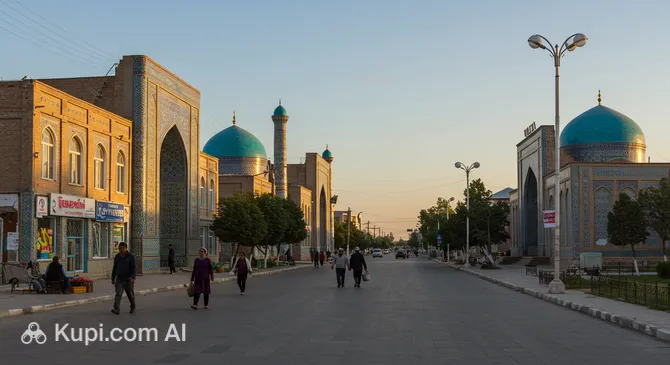
Urgench. Source: Kupi.Binoculars

Although the city itself is relatively young compared to its neighbors, the history of Urgench is deeply intertwined with the region's rich past. The modern city was established in the 19th and 20th centuries, distinct from the ancient site of Konye-Urgench, yet it carries the spirit of the Khorezm civilization. Today, it features wide avenues, green parks, and impressive monuments that reflect the nation's pride and cultural heritage.

Travelers often use Urgench as a convenient base for visiting the legendary city of Khiva, which is located just a short drive away. However, Urgench has its own charms to discover. Visitors can admire the grand Jalaloliddin Manguberdi memorial complex, dedicated to the courageous Khorezmian ruler, or take a stroll through the bustling local bazaars to taste fresh melons and other regional delicacies. The city's relaxed pace and well-developed infrastructure provide a pleasant contrast to the intense historical immersion of nearby ancient sites.

Whether you are passing through on your way to Khiva or taking the time to explore the local culture, Urgench welcomes you with open arms. Its strategic location and friendly atmosphere make it an essential part of any journey through the Khorezm oasis.
Weather Overview

Urgench experiences a sharp continental climate, characterized by significant temperature contrasts between the seasons. Travelers should expect hot, dry summers and cold winters, with minimal precipitation throughout the year. The city is situated in an arid region, meaning sunny skies are very common, but it is important to dress appropriately for the specific time of your visit.

The summer months, particularly from June to August, bring intense heat to the Khorezm Region. During July, the average maximum temperature reaches approximately 37.3°C, and rainfall is virtually non-existent. Conversely, winters can be quite chilly; in January, average temperatures drop to around -0.3°C, with lows frequently dipping to -4.7°C. To help you pack the right gear for your trip, you can check the detailed weather in Urgench.

The transition seasons of spring and autumn generally offer the most comfortable conditions for sightseeing. March through May sees temperatures rising pleasantly from an average of 9.3°C to 22.9°C, while September and October provide a welcome relief from the summer heat with averages cooling down to 13.3°C by mid-autumn. Rain remains scarce even during these milder months, with only a few wet days typically recorded.

Interesting Facts

Beyond the main attractions, Urgench holds many fascinating secrets and unique features that reveal its distinct character within the Khorezm region. While often viewed primarily as a transit hub, the city possesses a modern history and cultural quirks that surprise many visitors.

  • Urgench is home to one of the very few remaining intercity trolleybus lines in the world. This eco-friendly transport system connects the modern city directly to the ancient walls of Khiva, offering travelers a scenic and nostalgic 30-kilometer journey across the desert plains.

  • The city is often confused with the historical Konye-Urgench (Old Urgench), which is actually located across the border in Turkmenistan. The modern Urgench was established in the late 19th century as a trading post after the Amu Darya river shifted its course, leaving the original settlement without water.

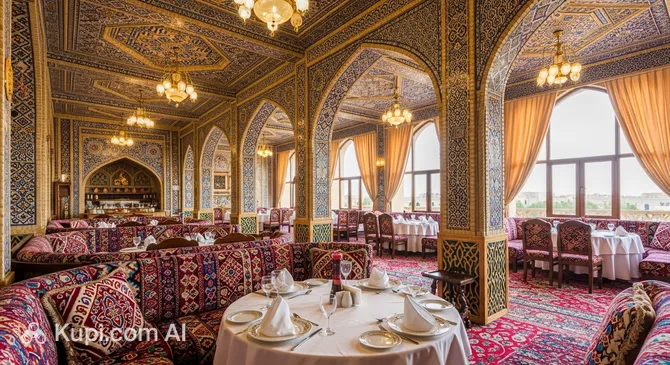
  • The region's gastronomy is quite distinct from the rest of Uzbekistan, featuring exclusive dishes like Shivit Oshi (green noodles infused with dill). Travelers can experience these unique local flavors at popular establishments such as Gavhar National Cuisine.

  • A towering monument in the city center is dedicated to Jalaloliddin Manguberdi, the last ruler of the Khorezmian Empire. He is celebrated as a national hero for his fierce resistance against the Mongol invasion led by Genghis Khan in the 13th century.

Gavhar National Cuisine. Source: Kupi.Binoculars

How to Get There

Reaching Urgench is relatively straightforward, as the city serves as a primary transportation hub for the Khorezm region. Whether you are arriving by air or rail, there are convenient options available. For a complete guide on planning your journey, you can read more about how to get to Urgench.

The most direct way to arrive is via Urgench Airport (UGC). This international airport is located just 5.7 km from the city center, making the transfer very quick and easy. A taxi or bus ride to downtown typically takes about 30 minutes. It handles a significant number of tourists annually and connects the region with major cities.

Alternatively, if you cannot find a direct flight, you might consider flying into Nukus Airport (NCU). However, please note that this airport is not in Urgench but in the city of Nukus, which is approximately 133.5 km away. The journey from Nukus to Urgench by taxi or bus is quite long, taking around 3 hours and 40 minutes.

For clarity, here is a summary of the main airports:

Airport Name City Passenger Traffic Km from City
Urgench AirportUrgenchLarge5.7
Nukus AirportNukusMedium133.5

Traveling by train is another popular option, offering a scenic view of the Uzbek landscape. The city is served by the Urgench Railway Station, which is conveniently located right in the city, only 0.6 km from the center. Arriving here is very convenient, as the transfer to your accommodation will likely take just 20 minutes.

Another nearby option is the Khiva Railway Station. It is important to know that this station is located in the neighboring city of Khiva, about 27.1 km from Urgench. It is a major hub for tourists visiting the ancient city, but if your destination is Urgench, you will need to take a taxi or bus, which takes approximately 1 hour.

Below is a list of the nearest railway stations:

Station City Passenger Traffic Km to Center
Khiva Railway StationKhivaLarge27.1
Urgench Railway StationUrgenchLarge0.6
Ellikkala StationBeruniySmall41.0
Turtkul Railway StationTurtkul34.3
Shovot Railway StationShovot34.9

Main Attractions

While Urgench is primarily known as a modern transport hub, it boasts several significant landmarks and recreational areas that offer a glimpse into the region's culture and history. Unlike the ancient clay walls of nearby Khiva, the attractions here are characterized by spacious squares, green parks, and monuments celebrating national heritage. A tour of the city provides a relaxing break and a chance to see contemporary life in the Khorezm Region.

The heart of the city is dominated by the Jalaloliddin Manguberdi Memorial Complex. This expansive plaza is dedicated to the last ruler of the Khorezmian Empire, a national hero renowned for his bravery against the Mongol invasion. The centerpiece is a striking statue of the ruler, often depicted gazing out over the land he defended. The surrounding park is a favorite spot for locals to walk and socialize, especially in the evenings when the fountains are illuminated, creating a vibrant atmosphere.

Another unique site is the Avesta Garden Complex, which pays homage to the ancient history of Zoroastrianism. It is believed by many scholars that the Avesta, the sacred text of Zoroastrianism, originated in the Khorezm region. The complex features a park, an amphitheater, and a distinct monument shaped like a giant open book. It serves as both a recreational space and a cultural symbol, reminding visitors of the deep historical roots that lie beneath the modern cityscape.

For those looking to experience the authentic flavors of the region as a tourist attraction in itself, Gavhar National Cuisine is a must-visit destination. Culinary tourism is a huge part of the Khorezm experience, and this establishment is celebrated for serving traditional dishes that are hard to find elsewhere in Uzbekistan. It is particularly famous for its preparation of Shivit Oshi, the bright green dill-infused noodles topped with stew, offering travelers a true taste of local hospitality.

Finally, a stroll along the Shavat Canal is a pleasant way to spend an afternoon. The canal cuts through the city and is lined with promenades, trees, and cafes. It functions as the city's lifeline and a cooling influence during the hot summer months. Walking here allows visitors to observe the daily rhythm of Urgench, watching fishermen on the banks and families enjoying the outdoors.

Local Cuisine

The culinary landscape of Urgench offers a distinct experience that sets it apart from other regions in Uzbekistan. While the country is generally famous for its plov and kebabs, the Khorezm region boasts unique recipes that you will rarely find elsewhere. The local food is characterized by its reliance on fresh herbs, dough-based creations, and a lighter touch with oils compared to the heavier dishes found in the capital.

The undisputed star of the local table is Shivit Oshi, a vibrant dish consisting of bright green noodles infused with fresh dill. It is typically served topped with a savory stew of beef, potatoes, and vegetables, accompanied by a side of sour yogurt to balance the flavors. Another gastronomic gem is Tuhum Barak, square-shaped dumplings filled with a mixture of raw egg and spices that cooks inside the dough as it boils. These delicate pockets are often dipped in yogurt and are a testament to the skill of local cooks.

Travelers should also try the Khorezm style of plov (pilaf), which differs significantly from the versions in Tashkent or Samarkand. Here, the rice is often steamed rather than fried, and yellow carrots are used extensively, resulting in a lighter, slightly sweeter dish. Given the city's proximity to the Amu Darya river, fried fish is another popular option, often served simply with salt and spices at roadside eateries.

When it comes to drinks, green tea is the staple beverage, consumed hot throughout the year to cool the body and aid digestion. It is the center of social life, usually served in traditional ceramic pots (teapots) and small bowls. During the scorching summer months, locals also enjoy refreshing fruit compotes or ayran (a cold yogurt drink). Alcohol is available in restaurants, with local vodkas and beers being common choices for evening meals, though tea remains the cultural dominant.

The food culture in Urgench revolves around hospitality and leisurely dining. You can find everything from bustling open-air bazaars selling the legendary, honey-sweet Khorezm melons to comfortable restaurants with traditional tapchans (raised platforms with low tables). For those seeking an authentic introduction to these regional specialties, Gavhar National Cuisine is a well-regarded establishment where visitors can sample the famous green noodles and other traditional favorites in a welcoming atmosphere.

Travel Tips

Traveling to Urgench offers a unique glimpse into the heart of the Khorezm region, but a little preparation goes a long way in this distinct desert environment. To help you navigate the city with ease and confidence, here are some practical tips designed to make your stay smooth and culturally respectful.

  1. Clothing and Gear: The climate here is extreme. If visiting in summer, bring lightweight, breathable cotton clothes, sunglasses, and a wide-brimmed hat to protect against the intense sun. For winter trips, heavy coats and thermal layers are essential as temperatures drop significantly. While Urgench is modern, it is respectful to dress modestly; avoid very short shorts or sleeveless tops when visiting religious sites or traditional neighborhoods.

  2. Transportation: Taxis are the most convenient way to get around the city itself; they are affordable and plentiful. Ride-hailing apps like Yandex Go are increasingly popular and help avoid language barriers when negotiating fares. For a unique experience, do not miss the intercity trolleybus that connects Urgench to Khiva—it is cheap, scenic, and a piece of local history.

  3. Finances: The local currency is the Uzbek Som (UZS). While major hotels and some modern restaurants may accept Visa or Mastercard, cash is still king, especially in bazaars and smaller shops. It is best to exchange money at banks or the airport upon arrival. ATMs are available in the city center, but it is wise to carry enough cash for daily expenses.

  4. Health and Safety: Urgench is generally a very safe city for tourists. However, the most important health rule is to drink only bottled water. Tap water is not suitable for drinking. Pharmacies are common and marked with a green cross, but carrying a basic first-aid kit with digestion aids is recommended due to the rich local cuisine.

  5. Communication: The primary language is Uzbek. Russian is widely understood and serves as a lingua franca for communication between different ethnic groups. English is spoken in hotels and tourist-centric areas, but less so by taxi drivers or market vendors. Downloading an offline translation app and learning a few basic phrases like "Rahmat" (Thank you) will be very helpful.

  6. Local Etiquette: Uzbek hospitality is legendary. When greeting people, a slight bow with your right hand placed over your heart is a polite and respected gesture. If you are invited into a local home or enter a mosque, always remove your shoes at the entrance. Respect for elders is paramount in social interactions.

  7. What to Avoid: Avoid public displays of affection, as conservative values are upheld in the region. Also, refrain from photographing government buildings or military installations unless you are sure it is permitted, although rules have relaxed in recent years.

  8. Seasonal Delight: If you are visiting in late summer or autumn (August to October), make sure to buy a Khorezm melon from the local bazaar. They are famous across Central Asia for their incredible sweetness and are often considered the best in the world—a true local "life hack" for a delicious snack.

By keeping these simple guidelines in mind, you will be well-equipped to enjoy the warm hospitality and unique culture of Urgench. Have a wonderful time exploring this gateway to the ancient Silk Road!

Entertainment & Nightlife

While Urgench does not have the frenetic nightlife of a major metropolis like Tashkent, it offers a pleasant and welcoming evening atmosphere that centers around socializing, dining, and relaxation. The nightlife scene here is distinctively Central Asian, where the line between a restaurant and a night spot often blurs. As the sun sets, the heat of the day dissipates, and the city's residents flock to the streets and venues to enjoy the cooler air.

The main hub of activity in the evenings is the area surrounding the Shavat Canal and the central Al-Khorezmi Street. This district transforms into a lively promenade where families, youth, and tourists walk along the waterfront. The atmosphere is generally laid-back and family-friendly until late evening, after which the focus shifts to local eateries and bars. The dress code is casual, but as in most of Uzbekistan, "smart casual" is the best approach; locals tend to dress neatly for a night out.

For those looking to experience the local version of a night out, the evening often starts with a hearty meal that extends into the night. Gavhar National Cuisine is a prime example of a venue that captures the local spirit. While primarily a restaurant known for its exquisite regional dishes, in the evenings, it becomes a bustling gathering place where the conversation flows as freely as the green tea. It is an excellent starting point to soak up the local culture before moving on.

If you are seeking a place with more of a "bar" atmosphere or a spot to enjoy a drink, options like Traktir are popular among both locals and expats. This venue is known for offering a mix of European and local food along with a selection of beers and spirits, often accompanied by music. Another reliable option for a late-night drink is the bar at the Khorezm Palace Hotel. It offers a quieter, more international setting, ideal for travelers who want a relaxing end to the day without the loud music found in local dance restaurants.

Regarding practicalities, the "party" in Urgench usually winds down earlier than in Western capitals. Most venues are liveliest between 8:00 PM and 11:00 PM, with many closing by midnight or 1:00 AM. Prices are very affordable by international standards; a substantial dinner with drinks will cost a fraction of what you might pay in Europe. Getting around is easy using taxis or ride-hailing apps like Yandex Go. It is the safest and most convenient way to move between venues at night.

Safety in Urgench is generally very high, and walking in the central, well-lit areas along the canal is secure. However, as with any city, it is advisable to stick to main streets and avoid unlit back alleys late at night. Solo travelers should feel comfortable, but taking a taxi back to your hotel is always the recommended choice after midnight.

Before the sun goes down, Urgench offers several daytime entertainment options to fill your schedule. The Khorezm Regional Drama Theatre is a cultural landmark offering performances that, while mostly in Uzbek, provide a visual treat. For a more relaxed afternoon, Yoshlik Lake Park is a popular recreational area with amusement rides and green spaces, perfect for a leisurely stroll before the evening festivities begin.

Parks & Museums

While the city's layout is defined by the grand Jalaloliddin Manguberdi Memorial and the expansive Avesta Garden Complex, Urgench offers several other distinct cultural and recreational spaces that provide a deeper look into local life. Beyond these central landmarks, travelers will find institutions dedicated to preserving the region's history and art, as well as parks designed for active leisure.

For those interested in the story behind the region, the Khorezm Regional History Museum is a key destination. Unlike the open-air museums of nearby ancient cities, this facility offers a structured, chronological journey through the area's development. The exhibits range from ancient archaeological discoveries to detailed ethnographic displays from the 19th and 20th centuries. Visitors can examine traditional clothing, intricate jewelry, and household items that paint a vivid picture of how the people of Khorezm have lived and adapted over millennia.

Art enthusiasts should seek out the Urgench Art Gallery, which serves as a showcase for local talent. The Khorezm school of art is renowned for its vibrant colors and unique style, often influenced by the landscapes and traditions of the Silk Road. The gallery displays works by regional painters and sculptors, offering a contemporary perspective on the area's heritage and providing a modern counterpoint to the historical architecture found in the province.

For a more active recreational experience, Yoshlik Lake Park is a favorite among locals and visitors alike. Centered around a large man-made lake, this park provides a welcome respite from the desert heat. It is a lively spot, particularly on weekends, featuring amusement rides, boating facilities, and shaded promenades. It offers a glimpse into the everyday life of Urgench residents, making it an excellent place for families to unwind in a friendly atmosphere.

To round off a tour of the city's green spaces, a brief walk along the tree-lined embankments of the Shavat Canal offers a simple yet refreshing way to connect with the city's rhythm. Together with the museums and parks, these spaces ensure that Urgench is not just a transit point, but a city with its own rich cultural tapestry.

Getting Around

Navigating Urgench is relatively straightforward as the city is compact and the public transport system is simple to understand. Unlike the capital, Urgench does not have a metro or tram network. Instead, the city relies heavily on a combination of buses, minibuses, and a unique trolleybus line, alongside a very affordable taxi network that fills the gaps for many visitors.

The most ubiquitous form of local transport is the minibus, locally known as a "marshrutka" or often simply referred to by the vehicle model, "Damas" (small white vans). These vans dash across the city on fixed routes and are the primary way locals commute. They are efficient and frequent, though they can get quite crowded. To use one, you simply flag it down at a bus stop or along the road, and tell the driver to stop when you reach your destination.

A standout feature of the transport system is the intercity trolleybus connecting Urgench to the historic city of Khiva. This line is a rare survivor of the Soviet era and offers a slow, scenic, and eco-friendly journey between the two cities. It is more than just transport; it is a nostalgic experience that many tourists seek out specifically. The trolleybus creates a direct link from the modern administrative center to the ancient Silk Road sites nearby.

When it comes to payment, cash is the absolute rule. There are no travel passes, smart cards, or mobile tap-to-pay systems for public transit in Urgench. You must pay the driver or the conductor directly, usually upon exiting the vehicle. Fares are extremely low by international standards. It is highly recommended to carry small denominations of the local currency, as drivers often struggle to provide change for large banknotes.

For tourists who prefer comfort and convenience, taxis are the best alternative. The ride-hailing app Yandex Go operates in Urgench, making it incredibly easy to book a car without needing to speak Uzbek or haggle over the price. Traditional taxis are also plentiful and can be hailed on the street, but you should agree on the fare before getting in if you are not using an app. Car-sharing and bike rental services are not widely developed, so taxis remain the primary private option.

Public transport generally operates from early morning, around 6:00 AM, until approximately 9:00 PM or 10:00 PM. Service frequency drops significantly after dark. If you are planning a late dinner or an evening out, rely on taxis to get back to your accommodation safely and quickly.

Accommodation

Finding a place to stay in Urgench is generally easier and more affordable than in the neighboring tourist magnet of Khiva. As a functional administrative center and transport hub, the city offers a practical selection of accommodations suited for travelers in transit or those preferring a quieter base away from the tourist crowds.

The accommodation landscape is dominated by mid-range hotels and larger establishments. Many of these are modern structures built to serve business travelers and tour groups, offering reliable amenities like air conditioning and Wi-Fi. You will not find ultra-luxury resorts here; instead, the focus is on comfort and utility. For budget-conscious travelers, there is a growing number of smaller guesthouses and B&Bs that offer a more personal, home-like atmosphere, though they are less abundant here than in the historic centers of Uzbekistan.

In terms of location, the most convenient area to stay is the city center, particularly along the main avenues near Al-Khorezmi Street and the Shavat Canal. Staying here places you within walking distance of parks, restaurants, and the main memorial complex. Another popular option is to choose a hotel near the Urgench Railway Station or along the road to the airport. These locations are ideal for those with early morning departures or travelers planning to take the trolleybus or a taxi to Khiva efficiently.

Prices in Urgench are generally lower than in Khiva or Tashkent, falling mostly into the budget to mid-range categories. While major booking platforms list the larger hotels, some smaller guesthouses may still operate primarily through direct contact. It is highly advisable to book in advance if you are traveling during the peak tourist seasons of spring (April-May) and autumn (September-October), as the city often accommodates overflow tourists when Khiva is full. Additionally, while larger hotels accept credit cards, it is wise to carry cash (Uzbek Som) for smaller establishments.

Nearby Cities

For those looking to explore the surroundings, Urgench serves as an excellent base for day trips to several interesting nearby locations. The region is rich in history and offers diverse experiences ranging from ancient architectural marvels to unique cultural institutions.

The most essential destination is undoubtedly Khiva, located just a short drive away. This city is a living museum, famous for its inner fortress, Itchan Kala, which is a UNESCO World Heritage site. Visitors can wander through labyrinthine streets lined with turquoise-tiled minarets, madrasahs, and palaces that perfectly preserve the atmosphere of the Silk Road.

For art lovers and those willing to travel a bit further, Nukus offers a completely different experience. As the capital of the autonomous Republic of Karakalpakstan, it is home to the renowned Savitsky Museum, often called the "Louvre of the Desert." This museum houses one of the world's largest collections of Russian avant-garde art, saved from censorship during the Soviet era.

Closer to Urgench lies the town of Beruniy, which sits on the right bank of the Amu Darya river. It serves as a gateway to the "Golden Ring of Ancient Khorezm," an area dotted with the ruins of desert fortresses (kalas) such as Toprak-Kala and Ayaz-Kala, dating back over two millennia.

City Population Distance (km)
Nukus319583133
Khodjeyli67800139
Khiva5556829
Turtkul5080031
Beruniy5070019

These nearby destinations offer a glimpse into the diverse culture and landscapes of the region, making them perfect for enriching your travel itinerary.

Shopping & Souvenirs

Shopping:

Shopping in Urgench offers a mix of modern convenience and traditional Central Asian flavor. Unlike the tourist-centric souvenir stalls of neighboring Khiva, the shopping scene here is more authentic to the daily lives of the local people. Visitors can expect to find everything from bustling open-air bazaars filled with fresh produce to contemporary shopping centers selling branded clothing and electronics. It is an excellent place to stock up on travel essentials or purchase regional specialties at local prices.

The main commercial artery of the city is Al-Khorezmi Street. This central avenue is lined with a variety of small shops, boutiques, and pharmacies. A walk down this street provides a glimpse into the local fashion and retail culture. It is the perfect place to find casual clothing, shoes, and mobile accessories. The sidewalks are wide and pedestrian-friendly, making window shopping a pleasant activity, especially in the cooler evening hours.

For a more modern retail experience, travelers can visit the Darital Shopping Center. As one of the prominent modern complexes in the city, it offers a more structured environment with air conditioning, which is a welcome relief during the hot summer months. Here, you can find a selection of clothing stores, perfume shops, and sometimes a food court. It serves as a popular gathering spot for the city's youth and families.

However, the true heart of shopping in Urgench lies in its markets. The Urgench Central Dehqon Bazaar is a must-visit for anyone wanting to experience the sights, smells, and sounds of the Silk Road. This sprawling market is where the locals buy their groceries. You will see rows of spices, dried fruits, nuts, and fresh dairy products. It is vibrant, colorful, and the best place to engage with friendly vendors.

When it comes to souvenirs, Urgench offers distinct regional items. The most iconic local product is the Chugurma, a large, fluffy sheepskin hat that is traditional to the Khorezm region. Even if you do not plan to wear it, it makes for a fantastic photo or a unique decorative piece. Additionally, if you are visiting in late summer or autumn, buying a Khorezm melon is essential; they are legendary for their sweetness and are often transported by tourists as edible gifts.

Most shops in Urgench open around 9:00 AM and close by 8:00 PM or 9:00 PM. Bazaars tend to start earlier, often at sunrise, and wind down by late afternoon. While modern supermarkets and shopping centers accept credit cards (Visa and Mastercard), cash is essential for bazaars and smaller street shops. It is advisable to carry Uzbek Som in smaller denominations for easier transactions.

Regarding Tax-Free shopping, the system is still in its developing stages in Uzbekistan and is not widely available in standard retail stores in Urgench. Tourists should not expect VAT refunds for everyday purchases in the city. Prices are generally fixed in malls, but bargaining is expected and welcomed in the bazaars.

Nearby cities

Reached the end of the page?

That means the route is fully explored