Support

Isfahan

About

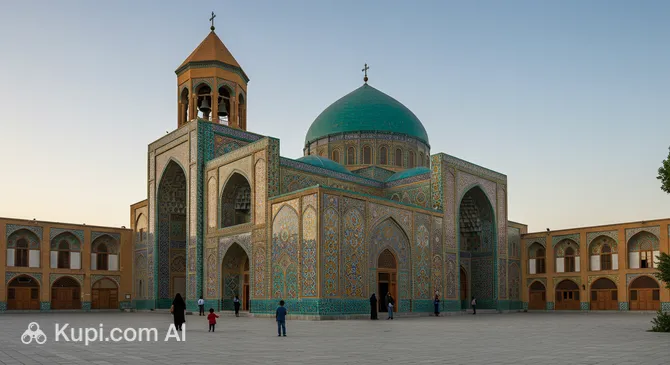
Isfahan, often affectionately referred to by the local proverb "Nesf-e Jahan" meaning "Half of the World," is a dazzling jewel of Persian culture and architecture. Located in the heart of Iran, this city offers an atmosphere of timeless elegance, where majestic turquoise domes shimmer against the blue sky and lush, tree-lined boulevards invite leisurely strolls. It is a place where art and life blend seamlessly, creating a unique urban experience that captivates every visitor.
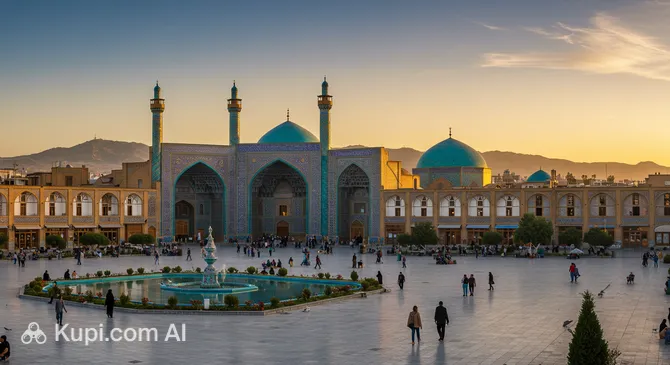
Isfahan. Source: Kupi.Binoculars

Geographically, the city is situated on the banks of the Zayandeh Rood River, resting at the foothills of the Zagros Mountains. As the capital of Isfahan Province, it serves as a bustling metropolis with a population of over 2.2 million inhabitants. The city enjoys a semi-arid climate with distinct seasons, making it a pleasant destination for most of the year.

The city's significance is deeply rooted in its past. Exploring the history of Isfahan reveals a glorious era, particularly when it served as the capital of the Safavid Empire. This period gifted the city with some of the most spectacular Islamic architecture found anywhere in the world, establishing a legacy of artistic excellence that survives to this day.

Travelers are invariably drawn to the breathtaking Naqsh-e Jahan Square, a UNESCO World Heritage site and one of the largest public squares globally, surrounded by monumental buildings like the Imam Mosque and Ali Qapu Palace. The city is also famous for its historic bridges, such as the iconic Si-o-se-pol (Bridge of 33 Arches) and the graceful Khaju Bridge, which are not just architectural feats but social hubs where locals gather to socialize and recite poetry.

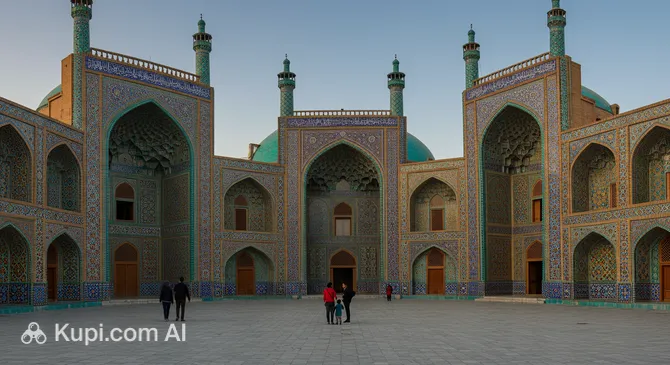
Whether you are admiring the intricate tile work of its ancient mosques or wandering through the labyrinthine alleys of the Grand Bazaar, Isfahan promises an unforgettable journey. We invite you to discover the magic of this legendary city, where every corner tells a story of beauty and grandeur.
Weather Overview

Isfahan experiences a semi-arid climate characterized by distinct seasons, offering travelers clear blue skies for most of the year. To help you plan your activities and pack appropriately, it is helpful to review the detailed forecast for the weather in Isfahan. Generally, the city enjoys plenty of sunshine, though the temperature contrast between summer and winter is quite noticeable.

Summers are hot and dry, particularly from June to August. July is typically the warmest month, with average temperatures around 29.4°C and daily highs often reaching 37.1°C. Rainfall is virtually non-existent during this period, with zero wet days recorded from June through September. In contrast, winters can be brisk; January is usually the coldest month, seeing average temperatures of 3.2°C and lows dropping to -3.3°C.

Spring and autumn offer milder conditions, though spring brings a slight increase in moisture. April is historically the wettest month with approximately 6 wet days, although total precipitation remains quite low. Overall, you can expect hot, dry summers and cold winters with very limited rainfall throughout the year.

Interesting Facts

Beyond the main attractions, Isfahan holds many fascinating secrets and engineering marvels that reveal the depth of its historical sophistication. Here are some intriguing facts that highlight the city's unique character:

Monar Jonban. Source: Kupi.Binoculars
  • The Monar Jonban, also known as the "Shaking Minarets," presents a curious architectural phenomenon: if one of the minarets is shaken physically, the other one vibrates in unison, a feature that has baffled and amused visitors for centuries.

  • The vast Naqsh-e Jahan Square was originally designed as a royal polo field, and if you look closely at the north and south ends of the square, you can still see the original stone goalposts that date back to the Safavid era.

  • Unlike most traditional mosques, the Sheikh Lotfollah Mosque was built without any minarets or a courtyard because it was intended exclusively for the private worship of the Shah’s harem, eliminating the need for a public call to prayer.

  • The Shah Mosque is famous for the acoustic properties under its central dome, where a single stomp or handclap can produce multiple distinct echoes, allowing a speaker to be heard clearly by a large congregation without amplification.

  • Isfahan's layout and gardens were so admired that they inspired the famous Persian proverb "Isfahan nesf-e jahan," meaning "Isfahan is half the world," reflecting the belief that seeing this city was equivalent to seeing half of the world's beauty.

How to Get There

Reaching Isfahan is relatively straightforward, as the city serves as a major transportation hub in central Iran. Whether you are arriving by air or considering overland travel, there are several convenient options to reach this historic destination. For a comprehensive overview of all travel methods, including bus and car routes, you can read more about how to get to Isfahan in our detailed guide.

The most direct way to arrive is via Isfahan International Airport (IFN). Located approximately 21.2 km from the city center, it handles a significant volume of domestic and international flights. A taxi or shuttle ride from the airport to downtown Isfahan typically takes around 50 minutes, depending on traffic conditions. With an annual passenger traffic of over 2.7 million, it is a busy and well-equipped facility ensuring a smooth arrival for visitors.

Alternatively, some travelers might fly into Yazd Airport (AZD), situated in the neighboring city of Yazd. However, it is important to note that this airport is located about 259.6 km away from Isfahan. Choosing this entry point would require a subsequent intercity journey by bus or taxi to reach your final destination.

For clarity, here is a summary of the main airports:

Airport Name City Passenger Traffic Km from City
Isfahan International Airport Isfahan Large 21.2
Yazd Airport Yazd Medium 259.6

In addition to air travel, Isfahan is well-connected to the national railway network. The city's railway station facilitates regular train services from major cities like Tehran, Shiraz, and Yazd. Traveling by train offers a comfortable and scenic way to traverse the Iranian landscape. Buses are also a very popular and affordable means of transport, with frequent services running to Isfahan from terminals across the country.

Main Attractions

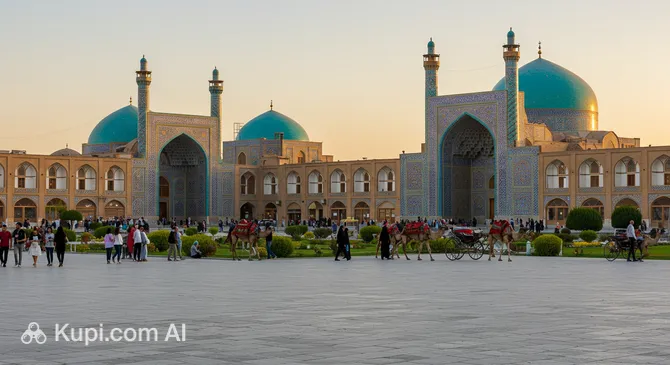
Isfahan is renowned for its breathtaking beauty and historical significance, offering visitors a wealth of sites that showcase the pinnacle of Persian art and architecture. At the center of it all lies the magnificent Naqsh-e Jahan Square. As one of the largest public squares in the world, it serves as the city's social and cultural hub. Tourists are captivated by its sheer scale and the elegant two-story arcades that surround it, filled with shops selling traditional handicrafts. It is the perfect place to enjoy a horse-drawn carriage ride or simply sit and admire the grandeur of the Safavid era.

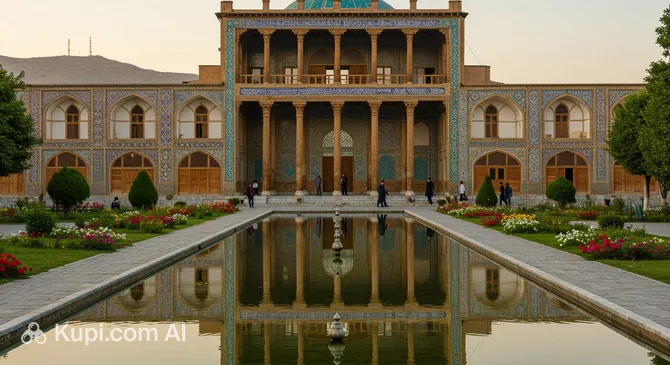
A short distance from the main square, you will find the exquisite Chehel Sotoun Palace, a UNESCO World Heritage site that is an absolute must-see. Known as the "Palace of Forty Columns," the structure actually features twenty slender wooden columns that reflect perfectly in the long pool in front, creating the illusion of forty. This pavilion, set within a lush garden, was historically used for royal receptions. Inside, visitors are treated to stunning frescoes and ceramic paintings that vividly depict court life and historical battles.

Chehel Sotoun Palace. Source: Kupi.Binoculars

For a glimpse into the diverse religious history of the city, a visit to the Vank Cathedral in the Jolfa district is highly recommended. This 17th-century Armenian church presents a unique architectural fusion, combining a modest brick exterior with an interior that is richly decorated with Islamic-style tile work and Christian frescoes. The cathedral also houses a museum dedicated to the history of the Armenian community in Isfahan, making it a fascinating stop for culture enthusiasts.

Vank Cathedral. Source: Kupi.Binoculars

Another architectural marvel is the Jameh Mosque of Isfahan, often described as a living museum of Islamic architecture. Unlike many other mosques that were built in a single period, this complex has evolved over more than a thousand years, featuring styles ranging from the Seljuk to the Safavid eras. Its vast courtyard and intricate brickwork offer a serene and educational experience, allowing travelers to walk through centuries of design innovation in one location.

Finally, no trip to the city is complete without experiencing the charm of the Si-o-se-pol Bridge. Spanning the Zayandeh Rood River, this iconic structure is famous for its 33 arches and serves as a popular gathering spot for locals and tourists alike. In the evenings, the bridge is beautifully illuminated, creating a magical atmosphere where people stroll, socialize, and enjoy the cool river breeze.

Local Cuisine

Isfahan offers a culinary journey that is as rich and intricate as its architecture. The city's cuisine is distinct from other parts of the country, featuring signature dishes that have been perfected over generations. Dining here is not just about eating; it is an exploration of unique textures, saffron-infused flavors, and the warm hospitality for which the locals are known.

The most famous local delicacy is Beryani (or Beryan), which should not be confused with the rice-based biryani found in other cuisines. The Isfahani version consists of minced mutton or lamb, seasoned with aromatic spices and cooked in small metal ladles over an open fire. It is traditionally served on a piece of fresh flatbread (nan-e sangak) and garnished with walnuts, almonds, and fresh basil. A bowl of meat broth is often served alongside it, making for a hearty and memorable meal.

Another dish unique to the region is Khoresht-e Mast, a "Yogurt Stew" that defies typical categorization. This bright yellow dish is made from yogurt, saffron, sugar, and shredded lamb neck meat that has been beaten until it dissolves into a creamy consistency. It has a sweet taste and is typically eaten cold as an appetizer, side dish, or even a dessert, offering a delightful contrast to savory main courses.

For those with a sweet tooth, Isfahan is the undisputed capital of Gaz, the traditional Persian nougat. Made with rose water, egg whites, and plenty of pistachios or almonds, it is the city's most popular souvenir. Visitors should also try Poolaki, thin, coin-shaped candies that dissolve slowly in the mouth and are the perfect accompaniment to a cup of Persian tea.

To taste these authentic flavors, travelers can visit established local eateries. One popular spot is the Haj Esmaeil Choloee Restaurant, which is well-regarded for its traditional dishes and bustling atmosphere. For those looking for a different dining environment, Parkland offers another excellent option to enjoy a meal in the city.

Travel Tips

Visiting Isfahan is a journey into the heart of Persian culture, but like any destination with deep-rooted traditions, a little preparation goes a long way. To ensure your experience in "Half the World" is as smooth and enjoyable as possible, we have compiled a list of essential practical tips for your stay.

  1. Clothing and Dress Code: As in the rest of Iran, adhering to the local dress code is mandatory. Women must wear a headscarf and loose-fitting clothing that covers the arms and legs (a tunic or manteau is ideal). Men should avoid wearing shorts in public. Since you will likely be walking extensively to explore sites like Naqsh-e Jahan Square, bring comfortable walking shoes. Summers can be hot, so breathable natural fabrics are recommended, while a warm jacket is necessary for winter evenings.
  2. Transportation: The most convenient way to get around Isfahan is by using ride-hailing apps like Snapp or Tapsi (the local equivalents of Uber). They are affordable, reliable, and overcome language barriers since you set the destination on the map. Regular yellow taxis are also plentiful, but agree on a fare before getting in. The city is quite walkable, especially around the historic center and the river bridges.
  3. Finances and Currency: International credit and debit cards (Visa, Mastercard) do not work in Iran due to banking restrictions. You must bring enough cash (USD or EUR) for your entire trip and exchange it at official exchange offices (Sarafi). Be aware of the difference between the official currency, the Rial, and the commonly used unit, the Toman (1 Toman = 10 Rials). Prices are almost always quoted in Tomans, so always double-check with the seller to avoid confusion.
  4. Health and Safety: Isfahan is generally very safe for tourists. Pharmacies, marked by signs reading Daru-khane, are widely available and well-stocked. It is advisable to drink bottled water rather than tap water to avoid any stomach upsets. In summer, stay hydrated and use sunscreen, as the sun can be quite strong in this semi-arid climate.
  5. Communication: While many young people and those in the tourism industry speak decent English, it is helpful to learn a few basic Farsi phrases like Salam (Hello) and Mamnoon (Thank you). Upon arrival, purchase a local SIM card (e.g., Irancell or MCI) to stay connected. Note that internet access may be restricted for certain global apps, so installing local alternatives or preparing beforehand is wise.
  6. Local Etiquette: You will likely encounter the concept of Taarof, a system of politeness where locals may initially refuse payment or offer something they don't mean to give. If a taxi driver or shopkeeper refuses your money, politely insist on paying; it is usually just a gesture of respect. Always remove your shoes when entering a private home or the carpeted areas of a mosque.
  7. What to Avoid: Public displays of affection (PDA) between couples should be kept to a minimum to respect local norms. Also, avoid taking photographs of government buildings, military sites, or anyone who has not given their permission, particularly women.
  8. Afternoon Siesta: Isfahan adheres to a traditional schedule where many shops and bazaars close in the afternoon, typically between 1:00 PM and 4:00 PM, for a rest period. Plan your shopping or bazaar visits for the morning or late afternoon/evening when the city comes alive again.

By keeping these practical tips in mind, you can navigate Isfahan with confidence and focus on what truly matters: soaking in the beauty of its turquoise domes and enjoying the legendary hospitality of its people. Have a wonderful and hassle-free trip!

Entertainment & Nightlife

Nightlife in Isfahan offers a unique and enchanting experience that differs significantly from the Western concept of clubs and bars. Due to local regulations, there are no nightclubs or establishments serving alcohol in the city. Instead, the "nightlife" here revolves around vibrant social gatherings, tea houses (chaikhaneh), atmospheric cafes, and evening strolls that continue well past midnight. The city comes alive after sunset, with locals flocking to public spaces to cool off, socialize, and enjoy the illuminated beauty of the architecture.

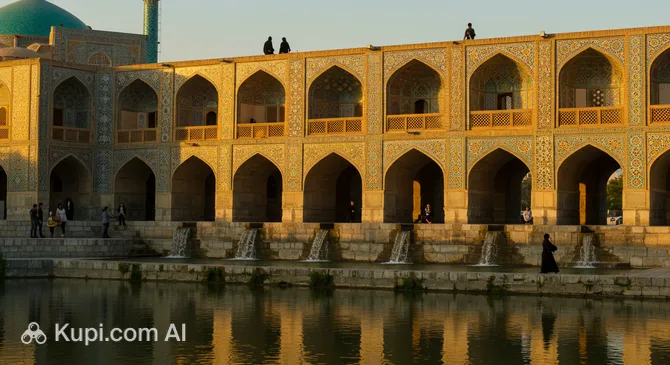
The beating heart of Isfahan's evening entertainment is undoubtedly its historic bridges. The Khaju Bridge is the most popular spot for night owls. Under its arches, the acoustics are phenomenal, and it is a long-standing tradition for men to gather here to sing traditional Persian songs (Avaz). The atmosphere is magical, with the sound of the water and the impromptu concerts creating a captivating mood. Locals and tourists alike sit on the stone steps, drinking tea and enjoying the cooler air.

Khaju Bridge. Source: Kupi.Binoculars

For a more modern and cosmopolitan vibe, head to the Jolfa District, the historic Armenian quarter south of the Zayandeh Rood River. This area is famous for its cobblestone streets and a high concentration of trendy cafes and eateries. While you won't find alcoholic bars, the coffee shops here serve sophisticated mocktails, herbal teas, and high-quality coffee. The crowd in Jolfa is generally younger and more fashion-forward, and the area feels distinct from the rest of the city. It is the perfect place to relax, people-watch, and enjoy a late-night snack in a cozy environment.

If you are looking for a cultural experience in the evening, the Isfahan Music Museum is an excellent choice. Located in the Jolfa quarter, it not only displays a magnificent collection of traditional instruments but often hosts live musical performances. These intimate concerts provide a soulful introduction to Persian classical music and are a highlight for many visitors.

For families or those seeking a different kind of entertainment, the Isfahan Aquarium located in Nazhvan Forest Park is a fantastic option. Walking through the underwater tunnels surrounded by marine life is a relaxing way to spend an evening. The surrounding park is also popular for evening picnics and leisurely walks.

Practical Advice for Nightlife:

  • Timing: The city stays awake late, especially in summer. Shops and cafes in popular districts often remain open until midnight or later. The bridges are liveliest between 9:00 PM and 11:00 PM.
  • Safety: Isfahan is very safe for night walks, even for solo travelers. The areas around the bridges and Naqsh-e Jahan Square are well-lit and populated by families.
  • Getting Around: Taxis are readily available at night. Using ride-hailing apps like Snapp is the most convenient and transparent way to get back to your hotel.
  • Dress Code: The standard dress code applies at night just as it does during the day.

While the evenings are dedicated to social strolls and cafe culture, the daytime in Isfahan offers its own array of leisure activities. Beyond the historical monuments, you can visit the lush Flower Garden of Isfahan or the expansive Isfahan Bird Garden, both of which provide delightful retreats into nature and are perfect for daytime exploration before the city lights up for the night.

Parks & Museums

Isfahan is not only a city of turquoise domes and bustling bazaars but also a sanctuary of lush greenery and profound cultural heritage. Beyond its grand squares, the city offers a refreshing array of botanical gardens and museums that allow visitors to dive deeper into the artistic and natural beauty of the region.

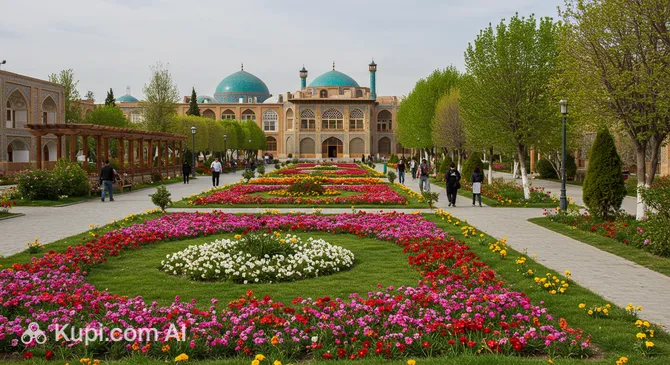
For nature lovers, the Flower Garden of Isfahan (Bagh-e Gholha) is a spectacular destination located along the riverbank. This carefully landscaped garden features different sections, including a rock garden, a pond with a waterfall, and a rose garden, showcasing the Persian tradition of gardening. It is particularly vibrant in spring, offering a colorful escape from the urban environment and a perfect backdrop for photography.

Flower Garden of Isfahan. Source: Kupi.Binoculars

Another significant green space is the Nazhvan Forest Park, often described as the lungs of Isfahan. Within this expansive area, you will find the Isfahan Bird Garden, a massive open-air aviary where birds roam relatively freely in a natural habitat. It is an excellent spot for families, allowing you to walk among peacocks, pelicans, and colorful parrots while enjoying the cool shade of the forest trees.

Delving into the city's cultural history, the Ali Qoli Aqa Historical Bathhouse offers a fascinating glimpse into the daily life of the Safavid era. Now converted into an anthropological museum, this well-preserved complex features wax figures that recreate scenes of traditional bathing rituals, massages, and social gatherings. The intricate tile work and architectural layout of the baths are masterpieces in themselves, illustrating the sophistication of ancient Persian engineering.

Among the architectural gems set within green grounds is the Hasht Behesht Palace, meaning "Eight Paradises." Located in the center of the Shahid Rajai Park, this octagonal pavilion was once a luxurious private residence for the royal family. Unlike the grand public reception halls, this intimate palace is renowned for its intricate interior decorations and the peaceful parkland that surrounds it, making it a serene spot for a historical walk.

For a truly authentic experience, take a quiet morning stroll along the paved paths of the Zayandeh Rood River parks. While the main bridges can be crowded, the stretches of parkland between them offer a peaceful atmosphere where you can watch locals practicing morning exercises or enjoying a picnic tea on the grass.

Getting Around

Navigating Isfahan is relatively easy and affordable thanks to a developing public transport system that connects major districts, historical sites, and transport terminals. The city's network primarily consists of a modern metro line, an extensive bus system, and a ubiquitous fleet of taxis. For tourists, combining these public options with ride-hailing apps offers the most flexibility for exploring the city's scattered attractions.

The Isfahan Metro is a clean, fast, and efficient way to travel, particularly for avoiding surface traffic. Currently, Line 1 is the main operational route, running from north to south. It is especially useful for travelers as it connects the Kaveh and Soffeh intercity bus terminals with the city center. Key stations like Imam Hossein Square and Si-o-se-pol place you within walking distance of the most famous historical landmarks and the river.

Complementing the metro is the Bus Rapid Transit (BRT) system, which is often more comprehensive for reaching specific neighborhoods. BRT buses run on dedicated lanes, bypassing traffic jams, and are a reliable mode of transport. In addition to the rapid lines, regular city buses cover the entire metropolitan area. It is important to note that buses in the city, like the metro, have designated sections for men and women; tourists should be observant of these signs when boarding to respect local customs.

To pay for rides on both the metro and buses, you will need an Isfahan Card. This rechargeable smart card can be purchased at ticket booths in metro stations and major bus terminals. Cash is generally not accepted directly by bus drivers or at metro turnstiles, so acquiring this card upon arrival is highly recommended. The cost of travel is extremely low by international standards, making public transport a budget-friendly choice for getting around.

For those preferring more privacy or direct routes, taxis are abundant. You will see official yellow taxis and shared taxis (known as "Savari") that run along fixed routes for a set fee per passenger. Alternatively, ride-hailing apps like Snapp and Tapsi are incredibly popular and convenient for tourists. They function similarly to international counterparts, allowing you to book a car, see the price upfront, and pay in cash or via the app if you have a local bank card.

While not a mode of commuter transport, the city features a telecabin (cable car) at Soffeh Mountain in the southern part of the city. While primarily a recreational attraction offering panoramic views of the skyline rather than a transit solution, it is worth noting for visitors who want to see the metropolis from a different perspective. Most public transport services operate from approximately 6:00 AM until around 10:00 PM, though hours may vary slightly on weekends and holidays.

Accommodation

Accommodation in Isfahan offers a delightful mix of modern comfort and historical charm, catering to a wide spectrum of preferences and budgets. The city is particularly famous for its "traditional hotels"—beautifully restored historic houses or caravanserais that have been converted into boutique lodgings. Staying in one of these establishments, often centered around a peaceful courtyard with a fountain and garden, provides an immersive cultural experience that complements the city's architectural grandeur. Beyond these unique heritage stays, visitors can also find standard modern hotels, budget-friendly guesthouses (known locally as mosafer-khaneh), and hostels suitable for backpackers.

When choosing where to stay, location is key to maximizing your time. The most coveted area is the city center, specifically the neighborhoods surrounding the magnificent Naqsh-e Jahan Square and along Chahar Bagh Abbasi Street. Basing yourself here puts you within walking distance of the major bazaars, palaces, and mosques, allowing you to easily explore the sights by day and enjoy the illuminated monuments by night.

Naqsh-e Jahan Square. Source: Kupi.Binoculars

For those seeking a more atmospheric and European-influenced vibe, the Jolfa district (the Armenian Quarter) is an excellent alternative. Located south of the river and near the Vank Cathedral, this area is known for its cobblestone streets, trendy cafes, and vibrant evening culture. It is slightly removed from the main Islamic monuments but offers a quieter, more relaxed environment that many travelers find appealing.

Regarding costs and booking, Isfahan is generally affordable compared to international standards. Options range from budget dorms to luxury suites in 5-star heritage hotels. A crucial tip for booking is to plan well in advance if you are visiting during the peak seasons of spring (April-May) and autumn (September-October), or during the Iranian New Year (Nowruz) in late March, when domestic tourism is at its highest.

Please remember that due to banking restrictions, most major international booking platforms (like Booking.com or Expedia) do not list Iranian properties, and international credit cards are not accepted at hotels. It is best to book your accommodation through specialized travel agencies or by contacting the hotels directly via email or WhatsApp. Be prepared to pay for your stay in cash (Euros or US Dollars are often widely accepted for exchange) upon arrival.

Nearby Cities

For those looking to explore the surroundings, Isfahan serves as an excellent base for day trips to several interesting nearby locations. While the city itself is a treasure trove of history, the adjacent towns offer their own unique character and attractions, ranging from historic pigeon towers to refreshing natural springs.

One notable destination is Najafabad, located just west of Isfahan. Historically known for its agriculture, particularly its high-quality pomegranates and almonds, the city is also home to the impressive Arg-e Sheikh Bahai. This site features the famous Seven Towers, which are traditional pigeon towers that have been beautifully preserved. Another close option is Khomeyni Shahr, which sits practically on the edge of the metropolis. It is a popular getaway for locals due to the Lader Spring (Cheshmeh Lader), a scenic mountain park with waterfalls and caves that offers a cool retreat from the urban heat.

Below is a list of nearby cities that are easily accessible for a short visit:

City Population Distance (km)
Khomeyni Shahr 247,128 13
Najafabad 235,281 29
Shahin Shahr 173,329 25
Khowrasgan 86,063 9
Baharestan 79,023 21

These nearby destinations offer a glimpse into the diverse culture and landscapes of the region, providing a perfect opportunity to see life beyond the main tourist trails.

Shopping & Souvenirs

Shopping:

Shopping in Isfahan is less about browsing international brands and more about immersing yourself in a world of artistic heritage. As the undisputed handicraft capital of Iran, the city offers a unique retail experience where buying a souvenir often means witnessing its creation firsthand. From intricate metalwork to delicate hand-printed textiles, the items found here are not mere products but pieces of history, making the city a paradise for art lovers and collectors.

The beating heart of the city's commercial life is undoubtedly the area surrounding Naqsh-e Jahan Square. The perimeter of this vast square is lined with two stories of arched shops, known as the Qeysarieh Bazaar. Here, you can wander for hours, watching artisans hammer copper, paint miniatures on camel bone, or weave silk carpets. For a more modern walking experience, Chahar Bagh Abbasi Street is a beautiful pedestrian boulevard lined with trees, offering a mix of clothing boutiques, shoe shops, and plenty of benches to rest and people-watch.

While traditional markets dominate the scene, Isfahan has embraced modernity with several large shopping complexes. The most prominent is the Isfahan City Center, located just outside the main city limits. It is one of the largest malls in the region, housing a hypermarket, cinema, museum, and countless fashion retailers. Closer to the center, the Arg-e Jahan Nama complex near Imam Hossein Square offers a mix of technology, clothing, and office spaces, providing a contrast to the historic bazaars.

For the most authentic atmosphere, you must explore the Grand Bazaar (Bazaar-e Bozorg). Starting from the northern gate of Naqsh-e Jahan Square, this labyrinth of covered alleys stretches all the way to the Jameh Mosque of Isfahan. It is a sensory overload of spices, dried fruits, and household goods, where locals shop for their daily needs. Unlike the tourist-focused shops on the main square, the inner lanes of the bazaar offer a glimpse into the genuine commercial pulse of the city.

When it comes to souvenirs, Isfahan is famous for Gaz, a delicious Persian nougat made with rose water, egg whites, and pistachios; it is the city's signature sweet. Artistically, look for Mina (blue enameled copper plates), Khatam (fine wooden inlay work), and Ghalamkar (hand-stamped cotton tablecloths). These crafts are the pride of the city, and buying them directly from the artisans in the bazaar ensures the best quality and price.

Shops in Isfahan generally operate from around 9:00 AM to 1:00 PM and reopen from 4:00 PM to 9:00 PM or later, observing a traditional midday break or "siesta." Friday is the main weekend day, and many shops, especially in the bazaar, may be closed or have reduced hours. Regarding payment, international credit cards like Visa and Mastercard are not accepted due to banking restrictions. You must pay in cash (Rials or Tomans) or use a local tourist debit card, which can be obtained from specialized providers upon arrival in the country.

Tourists should be aware that there is currently no standard tax-free or VAT refund system available for international visitors in Iran. The price you negotiate in the bazaars or see on the tags in malls is the final cost, so there is no need to prepare paperwork for customs refunds at the airport.

Nearby cities

Reached the end of the page?

That means the route is fully explored