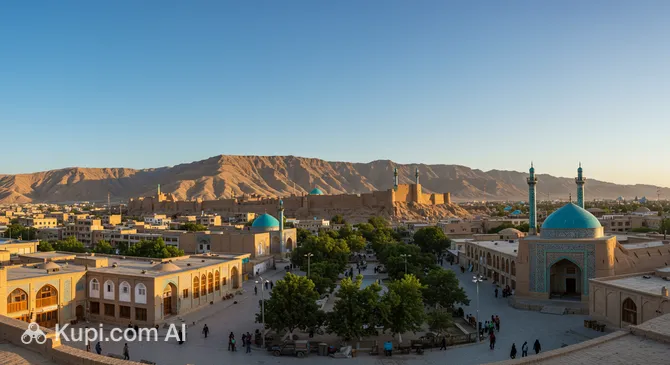
Shopping in Birjand is less about high-end fashion or sprawling luxury malls and more about discovering the authentic flavors and crafts of eastern Iran. As the trade hub of South Khorasan, the city offers a unique opportunity to purchase some of the world's finest agricultural products directly from the source. Visitors will find that the shopping experience here is deeply rooted in tradition, with a focus on local specialties that are difficult to find of the same quality anywhere else. Whether you are wandering through historic alleys or browsing modern storefronts, the goods you find here tell the story of the region's desert climate and artisanal heritage.
The primary shopping districts are concentrated around the city center, particularly along Jomhuri Eslami Boulevard and Shohada Street. These bustling avenues are lined with a mix of independent retailers selling everything from clothing and shoes to home goods and jewelry. For a more modern walking experience, Moallem Avenue is another popular destination, offering a variety of boutiques and confectionery shops where you can sample local sweets while you browse. These streets come alive in the evening, making them perfect for a post-sunset stroll.
While Birjand does not feature the massive mega-malls found in the capital, it has several modern commercial complexes, known locally as "passages," that cater to contemporary needs. Places like the Setareh Shargh Commercial Complex offer a more organized shopping environment with air conditioning and a variety of stores under one roof. These centers are good places to find apparel, electronics, and cosmetics, providing a comfortable contrast to the open-air markets.
The true highlight of the city's commercial scene is the Birjand Traditional Bazaar. This historic market is a sensory delight, filled with the aroma of spices and the vibrant colors of local textiles. Unlike tourist-trap markets, this is a functioning bazaar where locals do their daily shopping. It is the best place to engage with friendly shopkeepers, witness traditional commerce, and perhaps haggle a little for the best price. The atmosphere here is timeless, offering a glimpse into the old Silk Road trading culture.
When it comes to souvenirs, Birjand is arguably the best place in the world to buy saffron and barberry (zereshk). The region produces the highest quality of these "red golds," and buying them here ensures freshness and a much better price than in major cities. Another must-buy is jujube (annab), a red date-like fruit known for its medicinal properties. For those interested in handicrafts, the region is famous for its hand-woven carpets and rugs, particularly those from the nearby village of Mood, which are renowned for their durability and distinct patterns. Additionally, you might want to pick up some local kashk (dried curd) or traditional copperware.
Store hours in Birjand typically follow a split schedule to accommodate the afternoon heat. Shops generally open from around 9:00 AM to 1:00 PM, close for a midday break, and reopen from 4:00 PM until 10:00 PM or later. On Fridays, which is the weekend in Iran, the bazaar and many independent shops may be closed or operate with reduced hours. Payment is almost exclusively in cash (Iranian Rials), as international credit cards are not accepted. While some larger stores may have point-of-sale terminals for local debit cards, tourists should always carry sufficient cash.
Tax-free shopping systems (VAT refunds) for tourists are not currently operational in Birjand's local markets or shops. The prices you see are generally final, although bargaining is acceptable and expected in the traditional bazaar, especially for handicrafts and bulk purchases of spices. It is advisable to compare prices at a few stalls before making a purchase to ensure you are getting a fair deal.