Support

Majuro

About

Welcome to Majuro, the vibrant capital and largest city of the Marshall Islands. As a stunning coral atoll consisting of 64 islets, Majuro offers a unique blend of modern conveniences and traditional island charm. It serves as the political, economic, and transportation hub of the nation, providing visitors with a fascinating glimpse into life in the central Pacific Ocean. The atmosphere here is distinctly relaxed, allowing travelers to slow down and appreciate the natural beauty that surrounds them.
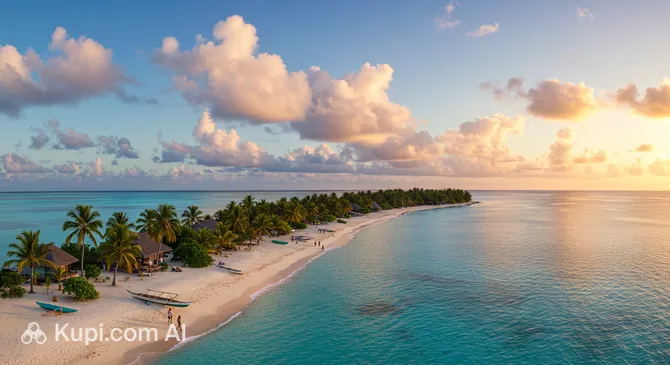
Majuro. Source: Kupi.Binoculars

Geographically, the atoll encloses a massive lagoon spanning over 113 square miles, while the land area itself is quite narrow. With a population of approximately 30,000 residents, Majuro is the most populous atoll in the country. The climate is tropical, characterized by warm temperatures year-round and refreshing trade winds. Visitors interested in the past will find that the history of Majuro is rich with stories of indigenous seafaring culture and significant World War II events, which have shaped the identity of this resilient community.

For those seeking adventure and relaxation, the city offers several key attractions. The Alele Museum and Public Library is a must-visit for culture enthusiasts wanting to learn about Marshallese heritage. Nature lovers often head to the western end of the atoll to visit Laura Beach, known for its pristine sands and calm waters, which contrast with the busier urban center of the Djarrit-Uliga-Delap (DUD) area. The expansive lagoon is also a paradise for diving and snorkeling, teeming with colorful marine life and coral formations.

Whether you are stopping by on a trans-Pacific journey or planning a dedicated island getaway, Majuro welcomes you with open arms and a warm "Yokwe." It is an ideal destination for travelers looking to experience authentic island culture, explore underwater wonders, and enjoy the serenity of a remote tropical paradise.

Weather Overview

Majuro enjoys a warm and stable tropical climate year-round, making it a destination where the thermometer rarely fluctuates. Visitors can anticipate consistent warmth, with average temperatures staying steadily around 27°C throughout the seasons. Daily highs typically reach up to 28.5°C, while nighttime lows seldom drop below 26.2°C, creating a comfortable environment for island exploration at any time.

Rainfall is a frequent companion in this part of the Pacific, so it is wise to be prepared for showers. The weather in Majuro is characterized by a high number of wet days, ranging from approximately 20 days in February to nearly every day in July. Although rain is common, with the data showing precipitation occurring on 20 to 30 days each month, the warm air ensures that the climate remains pleasant for travelers seeking a tropical getaway.

Interesting Facts

Beyond the swaying palms and pristine beaches, Majuro holds intriguing details that define its unique character. Here are a few fascinating facts about this slender atoll in the Marshall Islands that reveal its ingenuity and charm.

  • The Dual-Purpose Runway: The runway at Amata Kabua International Airport serves a critical function beyond aviation. It is designed as a massive rainwater catchment system, where the paved surface collects rain and directs it into reservoirs, providing a significant portion of the island's fresh water supply.

  • The D.U.D. Connection: The main urban center of the capital is actually composed of three separate islands—Djarrit, Uliga, and Delap—that were connected by causeways to form a continuous landmass. Locals and visitors alike refer to this bustling district simply by the acronym "DUD."

  • A Road Between Two Worlds: The atoll is incredibly narrow, often just a few hundred yards wide. As you travel along the single main road, it is common to see the calm, turquoise waters of the lagoon on one side and the deep blue waves of the open Pacific Ocean on the other simultaneously.

  • Traffic Light Trivia: Despite being a capital city, Majuro is known for its relaxed pace and lack of complex traffic infrastructure. For many years, the island functioned without any working traffic lights, relying instead on a simple flow of vehicles along its main thoroughfare.

How to Get There

Reaching this remote Pacific capital is an adventure in itself, primarily undertaken by air. For travelers planning their journey and looking for detailed ways to get to Majuro, flying is the most practical and convenient option. The atoll is served by a central aviation hub that connects this island nation to the wider world.

The main entry point for visitors is Amata Kabua International Airport (IATA: MAJ). Situated directly in Majuro, the airport is incredibly convenient, located just 0.6 km from the heart of the city. Because of this close proximity, the journey to the center is almost instantaneous, allowing you to settle into your island accommodation moments after arrival.

For clarity, here is a summary of the main airport:

Airport Name City Passenger Traffic Km from City
Amata Kabua International Airport Majuro 0.6

Main Attractions

While Majuro is a slender atoll, it is packed with sites that offer a deep dive into Marshallese culture and the breathtaking natural environment of the Pacific. The attractions here are not about grand monuments but rather about authentic experiences, from exploring the history of island navigation to relaxing on pristine sands at the edge of the lagoon.

For a profound understanding of the local heritage, the Alele Museum and Public Library is the premier stop in the downtown Uliga area. This cultural center is dedicated to preserving the traditions of the Marshall Islands. Visitors are particularly fascinated by the exhibits of authentic "stick charts," intricate navigational tools made of wood and shells that ancient mariners used to map ocean swells and currents. The museum also displays historical photographs, traditional canoes, and woven handicrafts, making it an essential visit for anyone wanting to appreciate the ingenuity of the island's ancestors.

Located at the far western tip of the atoll, about 30 miles from the town center, Laura Beach is widely considered the most beautiful stretch of sand on Majuro. Unlike the rocky coastlines found elsewhere, this area features soft white sands and calm, crystal-clear waters perfect for swimming and picnicking. It serves as a popular weekend retreat for locals and tourists alike, offering a peaceful atmosphere where the lagoon meets the ocean at the very end of the island road.

Just a short boat ride across the lagoon lies Eneko Island, a small, privately-owned islet that feels like a world away from the main town. It is a favorite destination for day trips and overnight stays, known for its untouched beauty and vibrant coral reefs. Tourists flock here for the exceptional snorkeling opportunities right off the beach, where colorful fish and marine life are abundant. The island provides a quiet sanctuary with basic amenities, allowing visitors to unwind in a true tropical paradise setting.

In the heart of the community stands the Cathedral of the Assumption, a prominent architectural landmark in Majuro. As the seat of the Roman Catholic Prefecture, the church is not only a place of worship but also a gathering point that reflects the strong faith of the local population. Its design is adapted to the tropical climate, and the interior often features beautiful local decorations. A visit here offers a moment of reflection and a chance to observe the vibrant community life that centers around the church.

Local Cuisine

The culinary scene in Majuro is a delightful reflection of its isolated location in the Pacific, heavily relying on the ocean's bounty and tropical crops. Seafood is the undisputed star of the local diet, with fresh catches arriving daily at the docks. Visitors should not miss the opportunity to try Yellowfin tuna, mahi-mahi, and wahoo, which are often served within hours of being caught. Because the fish is so fresh, sashimi is incredibly popular and widely available, often served with a simple soy sauce and lime dip that highlights the natural flavors.

Traditional Marshallese side dishes provide a hearty accompaniment to the protein-rich main courses. Breadfruit, known locally as , is a staple that is roasted, fried, or boiled, offering a texture similar to potatoes but with a sweeter, distinct taste. Taro and pandanus are also key components of the indigenous diet. For a simple yet beloved local snack, look for chukuchuk, which are rice balls rolled in freshly shredded coconut. These are perfect for a quick energy boost while exploring the atoll.

When it comes to beverages, nothing beats the refreshing taste of a fresh coconut. You will often see vendors selling them whole; the top is chopped off right in front of you so you can drink the cool, hydrating water straight from the shell. It is the quintessential island drink. Alcohol is available in restaurants and bars, with a selection of imported beers and spirits, but the local lifestyle centers more around these natural, non-alcoholic refreshments.

The dining culture in Majuro is casual and unpretentious, mirroring the laid-back island vibe. Most restaurants are concentrated in the Djarrit-Uliga-Delap (DUD) area. Tourists often frequent the open-air restaurants attached to major hotels, which offer a mix of Western, Asian, and local dishes with views of the lagoon. Interestingly, there is a strong presence of Chinese cuisine on the island, with numerous eateries serving generous portions of stir-fries and rice dishes that have become a go-to comfort food for many locals.

Travel Tips

Visiting Majuro is a unique experience that blends island serenity with the specific logistics of a remote Pacific atoll. To ensure your journey to the Marshall Islands is as smooth as the lagoon waters, here are some essential practical tips to help you prepare.

  1. Clothing and Gear: The climate is hot and humid, so pack lightweight, breathable fabrics like cotton or linen. However, modesty is highly valued here; when outside of beach resorts, ensure your clothes cover your shoulders and knees. Since rain showers can occur suddenly, a lightweight raincoat or a sturdy umbrella is an essential item to carry with you.
  2. Transportation: There is no public bus or train system, but getting around is easy and affordable using shared taxis. These are standard cars that pick up multiple passengers along the main road; simply wave one down and pay a small flat fee (usually a dollar or two) to get anywhere in the main district. Car rentals are available but often unnecessary unless you plan to drive frequently between Laura and the town center.
  3. Finances: The official currency is the United States Dollar (USD), which makes transactions convenient for many travelers. While major hotels and larger supermarkets accept credit cards, smaller shops, handicraft markets, and taxi drivers operate exclusively with cash. ATMs are available, primarily in the Uliga and Delap areas, but it is wise to carry sufficient small bills.
  4. Health and Safety: Majuro is generally very safe, but standard precautions apply. The main hospital is located in the Delap district for medical emergencies. Tap water is not always potable for tourists; stick to bottled water or confirmed rainwater catchment sources. Also, the equatorial sun is incredibly strong, so high-SPF sunscreen and a hat are non-negotiable for health safety.
  5. Communication: English is an official language and is widely spoken and understood, making communication easy. The local language is Marshallese; learning a few words like "Yokwe" (Hello/Love) goes a long way in building rapport. For mobile data, you can purchase a SIM card from the National Telecommunications Authority (NTA) office, as roaming charges can be steep.
  6. Local Etiquette: The culture is communal and respectful. When entering a home, always remove your shoes. It is polite to greet people you pass on the street. Be mindful of your posture; in traditional settings, it is considered rude to walk in front of someone who is seated without bowing slightly or saying "excuse me" to lower your profile.
  7. What to Avoid: Do not walk around the town or visit shops in swimwear or revealing clothing. This is considered disrespectful to local customs. Swimsuits should be reserved strictly for the beach or pool areas at your hotel or on outer islets like Eneko.
  8. Sunday Shutdown: Be aware that Sunday is a day of rest and religious observance for the majority of the population. Most shops, restaurants, and businesses will be closed or have very limited hours. Plan your activities, such as boat trips or beach visits, accordingly, and ensure you have any necessary supplies bought on Saturday.

By keeping these practicalities in mind, you will be well-equipped to navigate the island with confidence and respect. Embracing the local pace and customs will not only make your trip easier but will also deepen your connection to this welcoming Pacific community.

Entertainment & Nightlife

Entertainment in Majuro reflects the island's laid-back Pacific character. You will not find neon-lit mega-clubs or sprawling entertainment complexes here. Instead, the nightlife is intimate, friendly, and centered around socializing. The atmosphere is casually welcoming, where locals, expats, and tourists mingle freely. The primary form of evening entertainment revolves around open-air bars, hotel lounges, and the island's favorite pastime: karaoke. The dress code is almost universally casual; shorts and flip-flops are acceptable in nearly every venue, matching the warm tropical breeze that accompanies the night.

The hub of activity is undoubtedly the urban stretch known as the DUD district (Djarrit, Uliga, and Delap). This is where the majority of restaurants and watering holes are located. As the sun sets, the pace slows down, and people gather to enjoy cold drinks and fresh seafood. Karaoke is taken very seriously here, and you will often hear enthusiastic singing drifting from bars and private parties alike. It is a fun, judgment-free environment where joining in is the best way to make new friends.

For a reliable and enjoyable evening, the Marshall Islands Resort is a top choice. Its poolside bar and restaurant area, often referred to as the Jakaro Bar, frequently hosts live local bands playing island reggae and classic hits. It is a safe, comfortable spot with a great view of the lagoon, making it perfect for a sunset drink that turns into a late-night hang. Another staple of the local scene is the Tide Table restaurant and bar at the Hotel Robert Reimers. It offers a more relaxed setting where you can enjoy a meal and drinks right over the water, often frequented by travelers and business people looking for conversation.

If you are looking for something a bit more lively and local, The Flame Tree is a well-known venue in the Delap area. It combines a bar, restaurant, and sometimes a dance floor or pool tables. It tends to have a more energetic vibe later in the night and is a good place to experience how the local residents unwind. Prices across the city are generally reasonable, with beers and cocktails costing significantly less than in major international cities.

Practical advice for a night out in Majuro revolves around safety and transport. The streets are not brightly lit everywhere, so it is best to stick to the main road and populated areas. While the island is generally safe, walking alone late at night is discouraged, primarily due to the presence of stray dogs, which can be aggressive in packs. The best way to get around is by taxi. Shared taxis are abundant in the early evening, but they become scarce after 9:00 or 10:00 PM. If you plan to stay out late, arrange a ride back with a known driver or ask the venue to call a taxi for you.

Daytime entertainment in the city is quite limited compared to the water-based activities of the lagoon. There are no amusement parks or large shopping malls. Cultural enthusiasts might visit the small cinema if it is operational, but schedules can be irregular. For most visitors, daytime leisure in the city involves browsing small handicraft shops, visiting the local markets to see the fresh catch, or simply relaxing at a cafe. The true entertainment of Majuro lies in its natural environment rather than commercial facilities.

Parks & Museums

While Majuro may not be filled with manicured botanical gardens or sprawling urban parks in the traditional sense, its "green spaces" are defined by the raw beauty of the Pacific environment and the deep blue of the lagoon. The city's cultural venues are equally distinct, offering intimate and authentic insights into a seafaring history that dates back thousands of years. Visitors here will find that nature and heritage are often intertwined, with sites that tell the story of the island's resilience and its connection to the ocean.

The most significant natural recreational area on the atoll is Laura Beach Park. Located at the far western tip of the island, this area serves as the primary "park" for both locals and tourists. Unlike the rocky coral shores found elsewhere on Majuro, Laura features a sandy beach backed by lush vegetation and palm trees. It is an organized recreational spot with picnic tables, freshwater showers, and barbecue pits, making it the perfect destination for a day of relaxation. The park is particularly interesting to tourists for its calm, shallow waters, which are ideal for swimming and offer a stark contrast to the bustling DUD district.

For a moment of reflection amidst greenery, the Peace Park Memorial is a notable site located near the airport. This landscaped area is dedicated to the soldiers who died in the Pacific during World War II. It is a serene, well-maintained space featuring monuments and plaques that honor the past while promoting peace. Visitors often stop here to pay their respects and to appreciate the quiet atmosphere, which is maintained by visiting groups and local caretakers. It stands as a poignant reminder of the strategic role these islands played in global history.

When it comes to museums, the Alele Museum and Public Library is the guardian of Marshallese culture. Situated in the heart of Uliga, it serves as the National Archives and is the premier place to learn about the traditions of the Marshall Islands. The museum is famous for its collection of stick charts (rebbelib), which are traditional navigational tools made from coconut fronds and shells used to map ocean swells. Tourists will also find displays of intricate handicraft weaving, historical photographs, and artifacts from the German and Japanese colonial eras, providing a comprehensive overview of the nation's identity.

Another unique cultural venue is the Waan Aelõñ in Majel (WAM) program, located near the main wharf. While not a traditional museum with glass cases, it functions as a "living museum" and canoe building school. Here, visitors can watch master carvers and students build traditional outrigger canoes using age-old techniques. It is an exciting place to visit because it offers a dynamic look at how Marshallese maritime skills are being kept alive for future generations. You can often chat with the builders and learn about the engineering behind these swift sailing vessels.

History buffs should also look for the 1918 Typhoon Monument located in the Djarrit district. This simple yet powerful marker commemorates the victims of a devastating typhoon that reshaped the island's geography and history. Nearby, you may spot remnants of World War II bunkers and coastal guns that have been overtaken by jungle vines. These architectural relics are scattered along the coast and offer a tangible connection to the events of the mid-20th century, often sitting quietly in backyards or just off the main road.

For a truly authentic experience, try to visit the WAM center in the late afternoon. If you are lucky, you might see the students launching a completed canoe into the lagoon for a test sail. Additionally, keep in mind that the Alele Museum's opening hours can sometimes be "island style," so it is a good insider tip to call ahead or visit on a weekday morning to ensure the exhibits are open for viewing.

Getting Around

Navigating the public transport system in Majuro is refreshingly simple and distinct from the complex networks found in major global cities. There are no subways, trams, trains, or large municipal bus fleets operating on the atoll. Instead, the backbone of local transportation consists almost entirely of shared taxis. These are typically standard sedans or minivans that function much like a flexible bus service, driving up and down the single main road that connects the length of the island.

The payment system is straightforward and cash-based; there are no travel cards, mobile apps, or pre-paid passes. Fares are generally fixed flat rates rather than metered distances. A short trip within the main Djarrit-Uliga-Delap (DUD) district usually costs a very small amount, often under a dollar or two in the local currency (USD). If you are traveling further afield, such as to the distant community of Laura at the western end of the atoll, the fare will be higher but still very reasonable. It is essential to carry small bills and coins, as drivers may not always have change for large denominations.

For tourists, using these shared taxis is easy and is the most authentic way to experience local life. To catch a ride, simply stand on the side of the road in the direction you wish to travel and wave your hand when you see a taxi approaching. Taxis can often be identified by a "Taxi" sign on the roof or simply by the driver flashing their lights or honking lightly. Since these are shared rides, be prepared for the car to stop frequently to pick up or drop off other passengers. It is polite to slide over to make room for others, and you typically pay the driver upon reaching your destination.

While taxis are abundant during daylight hours and early evenings, they become significantly harder to find late at night and on Sundays. If you plan to be out late, it is advisable to arrange a pickup in advance or ask a restaurant to call a specific driver for you. Additionally, be aware that there are no formal "stops"; you can essentially get in or out anywhere along the main road where it is safe to pull over.

As for alternatives, car rentals are available and are a popular choice for visitors who want the freedom to explore the full length of the atoll, particularly for day trips to Laura Beach. Some hotels also offer bicycle rentals, which can be a pleasant way to explore the flat terrain of the immediate neighborhood, though the heat and humidity can make long rides challenging. Walking is feasible for short distances within the commercial centers, but due to the linear nature of the city, distances can be deceptively long.

A unique feature of transport in Majuro is the geography itself, which dictates the flow of traffic. Since the city is built on a narrow atoll, there is essentially only one main thoroughfare, often with the lagoon on one side and the ocean on the other. This makes getting lost nearly impossible. The "public transport" experience here is less about efficiency and schedules, and more about the communal atmosphere of sharing a ride along the scenic Pacific coastline.

Accommodation

Accommodation in Majuro is relatively limited compared to mass-tourism destinations, reflecting its status as a remote working capital rather than a polished resort hub. Visitors will not find sprawling all-inclusive luxury chains or high-rise hotels here. Instead, the options consist primarily of functional mid-range hotels, a few motel-style lodgings, and family-run guesthouses. The standard of comfort is generally good, offering clean, air-conditioned rooms with essential amenities, but travelers should adjust their expectations to "island time" and island simplicity.

The vast majority of travelers choose to stay in the Djarrit-Uliga-Delap (DUD) district. This continuous urban strip is where the pulse of the island beats, housing the main government buildings, supermarkets, restaurants, and the hospital. Staying in Uliga or Delap places you within walking distance or a short taxi ride of nearly everything you might need. For those seeking a quieter experience away from the "bustle" of the town, the western end of the atoll at Laura offers a more secluded, village-like atmosphere, though accommodation options there are very sparse and basic.

Two establishments dominate the local hospitality scene and serve as the primary landmarks for visitors. The Marshall Islands Resort is the largest hotel on the island, situated in the Delap district. It is favored by business travelers and conference attendees, featuring a lagoon-side setting, a tennis court, and a popular restaurant. Another cornerstone of Majuro accommodation is Hotel Robert Reimers, located centrally in Uliga. It is well-known for its "lanai" rooms and a row of iconic bungalows that sit directly over the lagoon, offering guests the chance to sleep with the sound of water beneath them.

Booking Tips: Because the inventory of rooms on the island is small, availability can disappear quickly. The hotels often fill up completely during regional government conferences, fishing tournaments, or diplomatic visits. It is highly recommended to book your accommodation well in advance of your trip. Do not rely on finding a room upon arrival, as you may find yourself with very few (or no) options.

In terms of pricing, Majuro is not a budget destination. Prices typically fall into the mid-range category, with standard rooms often costing between $100 and $150 USD per night. Budget backpacker hostels are virtually non-existent, though some smaller motels offer lower rates. While the major hotels can be booked via standard online travel platforms, many smaller guesthouses rely on direct email or phone reservations. Payment is generally in US Dollars, and while the main hotels accept credit cards, it is always wise to confirm this before you travel.

Nearby Cities

As an island nation spread across a vast expanse of the Pacific Ocean, the concept of "nearby" cities in the Marshall Islands differs significantly from continental destinations. Majuro serves as the central hub and capital, but other significant settlements are located on separate atolls, often requiring a domestic flight or a sea voyage to reach. Exploring these neighboring communities offers a deeper look into the diverse lifestyles found across the archipelago, from the bustling activity of Kwajalein to the quieter, traditional rhythms of the outer islands.

City Name Population Distance (km)
Ebeye 15,000 433
Kwajalein 11,408 484
Lae 6,700 592
Mili Atoll 738 117
Jaluit 700 226

Shopping & Souvenirs

Shopping in Majuro is a low-key and authentic experience that differs greatly from the commercialized retail therapy found in larger tourist destinations. You will not find sprawling luxury malls, designer boutiques, or duty-free complexes here. Instead, the city offers a selection of practical general stores, family-run shops, and, most importantly, outlets for exquisite local craftsmanship. For visitors, the true value of shopping in Majuro lies in discovering the unique cultural artifacts and supporting the local artisans who keep Marshallese traditions alive.

The primary commercial activity is concentrated within the Djarrit-Uliga-Delap (DUD) area, which serves as the economic backbone of the atoll. The district of Uliga is particularly notable as the main retail hub. Here, along the main road, you will find a cluster of businesses ranging from hardware stores and clothing shops to grocery outlets. Walking along this strip allows travelers to browse through a variety of goods while soaking in the daily bustle of the capital.

There are no "shopping malls" in the western sense of the word. Instead, the city features large, multi-purpose department stores and supermarkets that serve as one-stop shops for residents. Establishments like Cost Price and Payless Supermarket are among the largest on the island. While they primarily stock groceries and household items, they also carry sections for clothing, electronics, and beach gear. These stores are excellent places to restock on supplies, buy snacks, or find basic travel necessities.

While formal market halls are rare, the spirit of the market exists in the small roadside stands scattered throughout the DUD area and towards Laura. These stalls are the best places to buy fresh local produce, such as breadfruit, pandanus, and bananas, as well as drinking coconuts. In the late afternoons, you may also find fishermen selling their fresh catch of tuna or wahoo near the docks or along the roadside, offering a glimpse into the island's subsistence lifestyle.

The highlight of shopping in Majuro is undoubtedly the souvenirs, specifically the world-renowned Marshallese handicrafts known locally as amimono. The women of the Marshall Islands are famous for their intricate weaving skills using processed pandanus leaves and coconut fibers. The most prized items include the finely woven "Kili bags", which are distinct for their tight weave and durability. Other popular items include traditional fans, sleeping mats, and intricate shell jewelry. You can find these treasures at the gift shop in the Marshall Islands Resort, the Alele Museum shop, or small handicraft cooperatives in Uliga.

When planning your shopping trips, keep in mind that business hours typically run from 8:00 AM to 5:00 PM, Monday through Saturday. However, "island time" can sometimes apply, and smaller shops may have irregular schedules. A critical detail for tourists is that almost all shops and businesses are closed on Sundays due to religious observance. Plan to do all your necessary purchasing before Sunday arrives.

The official currency is the United States Dollar (USD), making transactions seamless for many international visitors. Cash is the preferred method of payment, especially for small purchases, taxi rides, and at handicraft stalls. While the larger supermarkets and hotels accept major credit cards, it is highly advisable to carry sufficient cash for daily expenses. There is no tourist tax refund scheme or VAT reclamation system in the Marshall Islands; the price you see is the final price you pay.

Reached the end of the page?

That means the route is fully explored