Support

Marshall Islands

Cities in the country

About the Country

The Marshall Islands are an amazing scattering of coral atolls and islands in the Pacific Ocean, offering travellers a unique experience of immersion in a tropical paradise. This island nation, consisting of two almost parallel chains of islands – Ratak (Sunrise) and Ralik (Sunset) – is captivating with its remoteness from the continents and its calm, measured pace of life. Here, crystal-clear lagoons, snow-white beaches, and a rich underwater world await you.

The capital of the Marshall Islands is Majuro, located on the atoll of the same name. This city serves as the country's administrative and economic centre, where you can become acquainted with the local culture, which is closely linked to the ocean and seafaring traditions. The climate here is tropical, with trade winds and warm weather all year round, making the islands an ideal destination for diving, snorkelling, and other water sports. Besides the capital, other atolls of interest include Kwajalein with its vast lagoon and Aur, which is appealing for its authenticity.
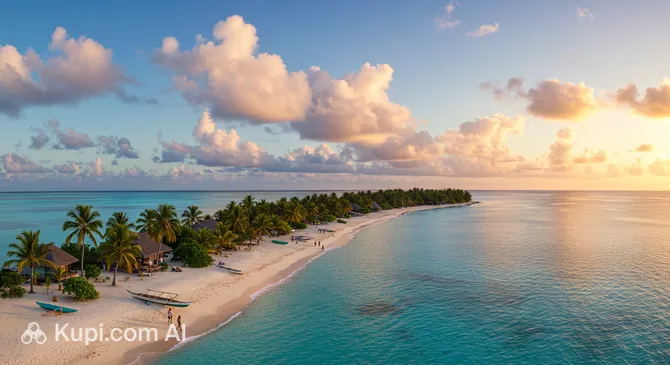
Majuro. Source: Kupi.com Binoculars

The history of the Marshall Islands is rich and multifaceted, with traces of ancient migrations and later European contact. The islands offer not only a beach holiday but also the opportunity to experience a unique island culture and enjoy untouched nature. This is a destination for those seeking seclusion, exoticism, and unforgettable experiences far from the bustling tourist routes.

Currency

In the Marshall Islands, the official currency is the United States dollar (USD). The country does not issue its own national currency, so standard American banknotes and coins are in circulation. This is particularly convenient for travellers from the UAE, as the UAE Dirham (AED) is pegged to the US dollar, which simplifies currency exchange and financial planning.

It is advisable to carry a sufficient amount of cash in US dollars, especially in smaller denominations. Exchanging other currencies can be difficult and is mostly limited to banks in the capital, Majuro. While major hotels, some restaurants, and shops in Majuro accept credit cards, cash is preferred for smaller purchases and in the more remote atolls. ATMs are also not widely available and are mainly found in the capital, so it is best not to rely solely on cashless payments during your travels around the islands.

Visa Requirements

When planning a trip to the Marshall Islands, it is important to clarify the visa requirements in advance. Good news for UAE passport holders is that they can obtain a visa on arrival for stays of up to 90 days. Citizens of the USA, European Union countries, and certain other nations also generally do not require a visa for short-term tourist trips.

For citizens of other countries who do require a visa, it must be arranged in advance through the consular offices of the Marshall Islands, as there is typically no option to obtain one upon arrival. Regardless of the visa rules, all travellers will need a valid passport with a validity of at least 6 months beyond the proposed date of departure from the country. You may also be asked to provide return tickets, proof of hotel booking, and medical insurance. As visa policies can change, it is strongly recommended to check the most current information on the official websites of the nearest embassy or consulate for the Marshall Islands before your trip. This will help you avoid any unforeseen issues at the border and ensure your journey to these paradise islands is as smooth as possible.

We'll tell you if you need a visa

Specify where you are going, or
Your citizenship
Destination

Time Zones

When planning a trip to the Marshall Islands, you will not need to worry about changing time zones within the country. The entire territory of the Marshall Islands is in a single time zone: UTC+12. For context, this is eight hours ahead of the UAE's standard time (UTC+4).

This means the time is the same across all atolls and islands, including the capital, Majuro. Therefore, you will not need to adjust your watch when travelling between different parts of this island nation.

How to Get There

The Marshall Islands are a remote archipelago in the Pacific Ocean, and the primary way to get there is by air. The country's main gateway is Amata Kabua International Airport (MAJ), located in the capital, Majuro. International air travel is quite limited, and for travellers from the UAE, reaching the islands will require at least two stops. Flights typically connect through major hubs in Asia, such as Manila or Taipei, before proceeding to a Pacific hub like Guam or Honolulu, which have direct flights to Majuro. Direct flights from continental landmasses are extremely rare.

Arriving in the Marshall Islands by sea is less common for most tourists, although some cruise liners may include the islands in their Pacific itineraries. However, this is more of an exception than a regular mode of arrival. There are no scheduled international ferry services to other countries due to the significant distances and the archipelago's isolated location. As the Marshall Islands are an island nation, there is no land access from other countries.

When planning your trip to the Marshall Islands, it is highly recommended to book your flights well in advance, especially if your travel dates coincide with holiday seasons or local festivals. The number of flights is limited, and they can sell out quickly. Also, remember to check the latest visa requirements for your nationality and review any recommended vaccinations before you travel.

For your reference, here is a summary of the country's main international airports:

Airport Name City Passenger Traffic
Amata Kabua International AirportMajuroMedium
Bucholz Army AirfieldKwajaleinMedium

The Marshall Islands are a scattering of coral atolls in the Pacific Ocean, offering a unique experience for travellers seeking seclusion, exotic nature, and an introduction to island culture. The main settlements here are small towns and villages on narrow strips of land, surrounded by azure lagoons. The country's primary hub is Majuro, the capital and largest atoll. This is where the main infrastructure is concentrated, including the international airport, hotels, shops, and government offices. Majuro offers a chance to experience local life, visit the Alele Museum & Public Library, and enjoy diving and snorkelling in its vast lagoon. For visitors from the UAE, it is worth noting that while international cuisine is available in Majuro, halal-certified options may be limited, so it is advisable to enquire at hotels and restaurants. The city is home to the nation's only mosque.

Majuro. Source: Kupi.com Binoculars

Beyond the capital, other atolls are also of interest. For example, Kwajalein is known for its American military base but also offers opportunities for sport fishing and exploring the underwater world, although access to some parts may be restricted. The nearby island of Ebeye, located close to Kwajalein, is one of the most densely populated islands in the world and provides a glimpse into another side of life in the Marshall Islands—one that is more traditional and focused on the local community.

For those seeking a quieter holiday and untouched nature, atolls such as Aur or Ine Island are ideal. These locations are famed for their picturesque beaches, crystal-clear water, and rich marine life, perfect for diving and snorkelling away from the crowds. A trip to these remote atolls is a chance to immerse yourself in the atmosphere of a true tropical paradise and experience the hospitality of the local residents. When visiting, it is respectful to dress modestly, particularly in villages and community areas. Women are advised to wear clothing that covers the shoulders and knees, and men are encouraged to wear shirts and long trousers.

Top Attractions

The Marshall Islands offer travellers a unique combination of dramatic 20th-century history and pristine tropical beauty. Here, you can find reminders of pivotal moments in the past, as well as idyllic atolls where time seems to stand still.

One of the most famous, yet controversial, attractions is Bikini Atoll. After the Second World War, it became a site for nuclear testing. Today, it is a UNESCO World Heritage Site, symbolising the dawn of the 'nuclear age'. For experienced divers, the atoll is of exceptional interest: a 'ghost fleet' of warships, sunk during the tests, rests on the lagoon floor, making it one of the world's most extraordinary wreck diving destinations.

For those seeking seclusion and an insight into traditional island life, Arno Atoll is an ideal choice. Located not far from the capital, it captivates with its natural beauty: crystal-clear lagoons, white sandy beaches, and dense mangrove forests. It is a wonderful place for snorkelling, kayaking, and observing the rich underwater world. A trip to Arno is an opportunity to see untouched Oceania and learn about the local way of life, which is still largely based on copra production.

To gain a deeper understanding of the culture and history of this island nation, a visit to the Alele Museum & Library is a must. Located in the nation's capital, Majuro, this cultural centre houses unique artefacts that tell the story of the Marshall Islands' past. A special place in the exhibition is dedicated to the famous navigation charts made of sticks and shells, which ancient seafarers used to make incredibly accurate journeys between the atolls.

Best Time to Visit

The Marshall Islands enjoy a tropical trade-wind climate, where the air and water temperatures remain comfortable all year round, hovering at around +27°C on average. However, like many tropical destinations, there are two distinct seasons. The high season, and the most favourable time to visit, typically runs from December to April. During this period, the weather is predominantly dry and sunny, and the ocean is calm, creating ideal conditions for diving, snorkelling, fishing, and relaxing on the beaches. Although the Marshall Islands are not a mass-tourism destination, you can expect slightly more visitors during the high season.

The low season in the Marshall Islands is from May to November. This period is characterised by a higher chance of rain, increased humidity, and the possibility of tropical storms, although powerful cyclones are relatively rare here. Despite this, even during the wet season, showers are often brief and do not spoil the entire day. This is also a great time to experience important cultural events, such as Constitution Day (Manit Day) on 1st May or Culture Day (Lutok Kobban Alele) at the end of September, which add a special touch to your trip. The advantages of travelling at this time can include even fewer tourists and potentially more attractive prices for accommodation. However, it is worth noting that some tourist services may be limited due to the weather conditions. Regardless of the season, it is advisable to check the weather forecast before your trip, especially if you are planning sea excursions to remote atolls.

Traditions

Immersing yourself in the culture of the Marshall Islands begins with the warm greeting "Yokwe" (yok-weh), which means "hello", "goodbye", and "love". This word is the key to the heart of the local people, who are known for their hospitality. Politeness and a respectful attitude are valued in conversation, especially towards elders. While direct eye contact is acceptable, staring for a prolonged period may be seen as a challenge. Hospitality is an important part of life here. If you are invited into a home, a small token of appreciation, such as fruit or sweets, would be appreciated, although it is not a strict requirement. The most important things are sincere gratitude and openness.

When visiting the Marshall Islands, it is important to remember to dress modestly, particularly outside of resort areas, in villages, and when visiting churches. Women are advised to cover their shoulders and knees. Swimwear is appropriate only at the beach or by the pool. There are no particularly strict rules at the dining table, but it is always polite to wait for the elders to start eating and to try a little of each dish offered. It is important to remember that pointing at anything or anyone with a finger is considered rude; instead, locals often use a lip or chin gesture. Notable events include Culture Day (Manit Day), which is usually celebrated on the last Friday of September. On this day, Marshallese people celebrate their unique traditions, crafts, and arts, which provides an excellent opportunity to gain a deeper understanding of the local way of life. Another important national holiday is Constitution Day, celebrated on 1st May.

For Muslim travellers, it is worth noting that the Marshall Islands is a predominantly Christian country, but there is a recognised Muslim community and the country's first mosque, the Baet-ul-Ahad Mosque, is located in Uliga on the Majuro atoll. The local cuisine is heavily based on seafood, such as grilled fish, as well as breadfruit, bananas, and coconut. While dedicated halal-certified restaurants are not widespread, the abundance of fresh seafood and plant-based local dishes provides accessible dining options.

To ensure your journey leaves only pleasant memories, always try to ask for permission before taking photographs of people. Removing your shoes before entering a home is a common practice that shows respect. Avoid loud conversations and overly emotional behaviour in public places. Respect for local customs and traditions will open doors to sincere communication and allow you to more deeply experience the unique atmosphere of these Pacific islands.

Entertainment

The Marshall Islands offer a unique range of entertainment, centred around their stunning natural environment and distinct culture. The main draw for tourists is undoubtedly water-based activities. The crystal-clear lagoons of the atolls provide ideal conditions for diving and snorkelling, where you can explore rich coral reefs and encounter a diverse array of marine life. Sport fishing, kayaking, sailing on traditional canoes, and windsurfing are also popular. While there are no ski resorts or extensive hiking trails, leisurely walks around the islands to discover their tropical nature offer plenty of enjoyment.

Cultural entertainment in the Marshall Islands is closely linked to local traditions. While you won't find large European-style theatres or concert halls, travellers can immerse themselves in island life by attending local community events to see traditional dances and hear national music. Of particular interest are the handicrafts made by local artisans. As souvenirs, tourists often purchase woven items from pandanus leaves (mats, baskets, hats), jewellery made from shells and wood, and model canoes. The main opportunities for shopping and finding authentic items are concentrated in the capital, Majuro. When visiting villages or community events, it is advisable to dress modestly out of respect for the local culture.

The nightlife on the islands is quite calm and does not feature loud, late-night parties. It mainly consists of restaurants and bars at the hotels, where you can spend a pleasant evening enjoying local cuisine or a tropical refreshment to the sound of the ocean. For travellers observing a halal diet, it is worth noting that while Majuro has a variety of restaurants, finding certified halal options may require some inquiry, and it is best to confirm with establishments beforehand. For family holidays, the Marshall Islands offer serene beaches, safe swimming in the lagoons, and the chance to introduce children to the amazing underwater world through snorkelling. Although there are no large theme parks or water parks, the atmosphere of seclusion, natural beauty, and the friendliness of the local people make a holiday with children both comfortable and memorable.

Currency rates

Planning a trip? That's wonderful! To ensure the financial side of your journey doesn't come as a surprise, it is important to remember that currency exchange rates are constantly changing. Therefore, we strongly advise tracking the latest rates both before you fly and throughout your trip. For this purpose, you can use the data provided below — we monitor currency rates 24/7 and strive to provide the most up-to-date information.

USD currency exchange rate as of 02.01.2026

3.69 AED
~ 1 USD
383.37 AMD
~ 1 USD
1.51 AUD
~ 1 USD
1.71 AZN
~ 1 USD
2.95 BYN
~ 1 USD
1.38 CAD
~ 1 USD
1 EUR
~ 1.17 USD
1 GBP
~ 1.34 USD
328.84 HUF
~ 1 USD
90.44 INR
~ 1 USD
87.88 KGS
~ 1 USD
1451.48 KRW
~ 1 USD
509.94 KZT
~ 1 USD
3.61 PLN
~ 1 USD
79.26 RUB
~ 1 USD
3.77 SAR
~ 1 USD
1.29 SGD
~ 1 USD
43.16 TRY
~ 1 USD
42.50 UAH
~ 1 USD
12073.27 UZS
~ 1 USD

Reached the end of the page?

That means the route is fully explored