Support

Marianna Islands

Cities in the country

About the Country

Nestled in the vast expanse of the western Pacific Ocean, the Mariana Islands offer a captivating blend of tropical beauty, rich history, and island serenity. This archipelago is renowned for its pristine white-sand beaches, crystal-clear turquoise waters, and lush limestone forests, making it a dream destination for nature lovers and adventure seekers alike. The islands possess a unique atmosphere where ancient Chamorro traditions blend seamlessly with modern comforts and significant World War II historical sites.

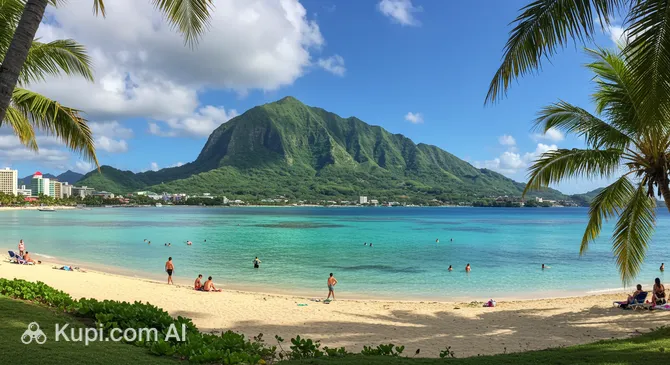
Saipan. Source: Kupi.Binoculars

The heartbeat of the archipelago is Saipan, the largest island and the capital. Here, visitors can explore a diverse landscape that ranges from rugged cliffs to tranquil lagoons perfect for swimming and snorkeling. Saipan is not only a hub for relaxation but also a place of deep historical significance, featuring memorials and museums that tell the stories of the Pacific theater. Beyond the capital, the islands offer world-class diving spots, such as the famous Grotto, and opportunities to immerse oneself in the warm hospitality of the local culture.

Currency

The official currency of the Mariana Islands is the United States Dollar (USD). As a commonwealth of the United States, the islands utilize standard American currency, meaning travelers will encounter the familiar green banknotes featuring historical figures like George Washington and Benjamin Franklin. This shared monetary system makes travel exceptionally convenient for visitors from the U.S., who require no exchange, while international tourists benefit from using one of the world's most stable and recognizable currencies.

For those arriving from abroad, currency exchange services are readily available at the airport and major banks in Saipan. ATMs are also widely distributed across the main tourist areas, offering a quick way to withdraw cash. Major credit cards, including Visa, Mastercard, and American Express, are accepted in most hotels, restaurants, and shopping centers. However, it is advisable to carry some cash for small purchases at local markets, convenience stores, or when exploring more remote areas where card terminals may be unavailable.

Currency rates

For international travelers planning a trip to the Mariana Islands, keeping an eye on the exchange rate of their home currency against the US Dollar (USD) is recommended. Since the islands use the standard US dollar, visitors from the United States do not need to worry about currency conversion. However, tourists from Asia, Europe, and other regions should check the latest market rates to accurately estimate their travel budget for accommodation, dining, and entertainment.

Tipping is a customary practice throughout the archipelago, following the standards observed on the US mainland. In restaurants and bars, it is polite to leave a gratuity of approximately 15% to 20% of the total bill for good service. Tipping is also appreciated by hotel staff, such as bellhops and housekeepers, as well as taxi drivers. It is advisable to check your bill before tipping, as some establishments may automatically include a service charge for larger groups.

Beyond standard expenses, visitors can take advantage of the region's status as a major duty-free shopping destination. This offers a financial benefit for tourists looking to purchase luxury items, cosmetics, and fashion brands at competitive prices. Most banks and financial institutions in Saipan operate on standard business hours, usually Monday through Friday, ensuring that currency exchange and other financial services are accessible during the week.

USD currency exchange rate as of 02.01.2026

3.69 AED
~ 1 USD
383.37 AMD
~ 1 USD
1.51 AUD
~ 1 USD
1.71 AZN
~ 1 USD
2.95 BYN
~ 1 USD
1.38 CAD
~ 1 USD
1 EUR
~ 1.17 USD
1 GBP
~ 1.34 USD
328.84 HUF
~ 1 USD
90.44 INR
~ 1 USD
87.88 KGS
~ 1 USD
1451.48 KRW
~ 1 USD
509.94 KZT
~ 1 USD
3.61 PLN
~ 1 USD
79.26 RUB
~ 1 USD
3.77 SAR
~ 1 USD
1.29 SGD
~ 1 USD
43.16 TRY
~ 1 USD
42.50 UAH
~ 1 USD
12073.27 UZS
~ 1 USD

Visa Requirements

Since the Mariana Islands are a commonwealth of the United States, entry requirements are generally aligned with U.S. immigration laws. Citizens of the United States do not need a visa, while travelers from many other countries may need to obtain a standard U.S. tourist visa. However, visitors from specific nations may be eligible for a special visa waiver program that permits short stays for tourism without a traditional visa. All international travelers must present a valid passport, and officials often request proof of return tickets and accommodation bookings upon arrival.

Immigration rules can change, and specific requirements depend heavily on your country of citizenship. To ensure a smooth journey, it is crucial to verify the latest entry regulations on the official websites of U.S. embassies or consulates before you travel. Taking the time to confirm whether you need a visa or an electronic travel authorization will help you avoid any issues at the border and enjoy your tropical getaway without stress.

We'll tell you if you need a visa

Specify where you are going, or
Your citizenship
Destination

Time Zones

The Mariana Islands observe a single time zone throughout the year, known as Chamorro Standard Time (ChST). This zone is 10 hours ahead of Coordinated Universal Time (UTC+10) and aligns with the time in nearby Guam. Notably, the islands do not participate in Daylight Saving Time, meaning the clocks remain unchanged year-round, which simplifies planning for international calls or keeping track of time relative to your home country.

Travelers exploring the archipelago will find it convenient that the time remains the same whether you are relaxing on the beaches of Saipan, visiting Tinian, or exploring Rota. There is no need to adjust your watch when moving between islands, allowing you to focus entirely on enjoying the tropical scenery and local attractions without the hassle of calculating local time differences during your domestic trips.

How to Get There

Reaching the Mariana Islands is a journey that almost exclusively begins by air, transporting visitors into the heart of the western Pacific. The primary gateway for international travelers is Saipan International Airport, located on the capital island. While direct long-haul flights from the US mainland or Europe are rare, the islands are well-connected to major regional hubs. Most visitors arrive via connecting flights from key Asian cities such as Tokyo and Seoul, or through the neighboring island of Guam, which serves as a vital transit point for flights originating from Honolulu and other parts of the Pacific.

Given the archipelago's remote island geography, ground transport options like trains or buses from other countries are non-existent. Arrival by sea is generally limited to cruise ships, which occasionally include Saipan as a scenic port of call on their trans-Pacific itineraries. There are no regular commercial ferries connecting the Mariana Islands to other nations. Since flight capacity on regional routes can be limited, especially during the peak dry season or holidays, it is highly advisable to book your tickets well in advance to secure the best connections and fares.

For clarity, here is a summary of the main airports:
Airport Name City Passenger Traffic
Saipan International Airport Saipan Large
Rota Airport Rota Small

The Mariana Islands offer a delightful variety of destinations, ranging from bustling tourist hubs to secluded natural escapes. As the archipelago's capital and most developed island, Saipan is the primary destination for most travelers. It serves as the vibrant center of action, boasting a mix of luxury resorts, duty-free shopping, and significant historical landmarks. Visitors here can immerse themselves in the energetic atmosphere of the Garapan district, known for its restaurants and nightlife, or take a short boat ride to the nearby islet of Managaha, which is famous for its pristine white sands and exceptional snorkeling opportunities.

Beyond the main hub, the islands of Tinian and Rota provide a more tranquil experience, perfect for those seeking relaxation and untouched nature. Tinian is celebrated for its blend of history and modern entertainment, featuring beautiful beaches alongside a well-known casino resort. Meanwhile, Rota, often referred to as "The Friendly Island," is renowned for its slower pace of life, lush flora, and dramatic geological features. These destinations invite tourists to explore the quieter, more scenic side of the archipelago, offering a stark contrast to the busier resort areas.

Top Attractions

The Mariana Islands are a treasure trove of natural wonders and historical landmarks, offering visitors a diverse itinerary that spans from the depths of the ocean to dramatic clifftops. Whether you are a history buff, an avid diver, or a beach lover, the archipelago provides unforgettable experiences deeply rooted in its unique geography and past. The islands are compact enough to explore easily, yet packed with enough scenic variety to fill days with discovery.

A marvel of underwater geography, The Grotto is widely considered one of the best cavern dives in the Pacific. Located in northern Saipan, this sunken limestone chamber is reached by a steep descent of over 100 steps. Once at the water's edge, divers and snorkelers are greeted by an ethereal blue glow as sunlight filters through underwater passages that lead out to the open sea, creating a magical and photogenic experience that is unique to this location.

Just off the western coast of Saipan lies Managaha Island, a tiny, uninhabited islet that embodies the tropical dream. Surrounded by a vibrant coral reef, the island is a designated marine conservation area, making it a haven for snorkelers who can swim alongside schools of tropical fish in shallow, calm waters. The soft white sands and lush interior offer a perfect setting for a day of relaxation or water sports, accessible via a quick ferry ride.

For a dramatic change of scenery, Banzai Cliff offers sweeping vistas of the Philippine Sea from the island's northern plateau. While the site is steeped in World War II history, today it serves as a place of peace and reflection, dotted with memorials and shrines. The sheer limestone cliffs dropping into the churning deep-blue ocean provide a powerful backdrop, creating an atmosphere of solemn beauty that captivates visitors.

Another natural gem is Bird Island, located in a sanctuary bay on the east coast. This limestone islet is a protected nesting ground for seabirds and is best viewed from the dedicated overlook platform. The contrast between the rugged rock, the vibrant greenery, and the multi-hued blue waters of the bay makes it one of the most photographed locations in the Mariana Islands, perfect for nature lovers seeking a quiet moment.
Best Time to Visit

The best time to visit the Mariana Islands is generally during the dry season, which spans from December to June. This period constitutes the high season, offering the most favorable weather conditions for outdoor adventures and beach relaxation. During these months, the humidity is lower, and cooling trade winds make the tropical heat much more comfortable. It is the perfect time for diving and snorkeling in the crystal-clear waters, as visibility is at its peak. However, because the weather is so idyllic, this is also the busiest time of year. Travelers should expect higher prices for accommodation and flights, as well as larger crowds at popular spots like Managaha Island and the Grotto.

The low season, or wet season, occurs from July to November. While temperatures remain warm, this period is characterized by higher humidity and frequent rainfall. Travelers visiting during these months should be aware of the increased risk of tropical storms and typhoons, particularly between August and October. Despite the wetter weather, the rain often comes in short, intense bursts followed by sunshine, allowing for plenty of activity in between. The main advantages of traveling during the off-season are the lush, vibrant landscapes and a quieter atmosphere. You may find better deals on hotels and fewer tourists, offering a more secluded experience on the beaches of Tinian and Rota.

Beyond the weather, local events and natural phenomena can greatly enhance your trip. A major highlight is the blooming of the Flame Trees (Royal Poinciana) in late spring and early summer, painting the islands in brilliant shades of red and orange. This natural spectacle coincides with the annual Flame Tree Arts Festival, usually held in April, which showcases local Chamorro and Carolinian culture through dance, music, and art. Since the climate is fairly consistent across the archipelago, you generally do not need to check separate forecasts for Saipan, Tinian, or Rota, making it easy to plan an island-hopping itinerary regardless of the season.

Traditions

The cultural heart of the Mariana Islands is defined by the warm and welcoming "Hafa Adai" spirit, a philosophy of cooperation and friendliness deeply rooted in Chamorro and Carolinian traditions. When meeting locals, a smile and a friendly "Hafa Adai" (Hello) is the perfect icebreaker. Respect for elders is a cornerstone of the culture; you may observe younger people performing a gesture known as mannginge', where they take an elder's hand and press it gently to their nose or forehead. While tourists are not expected to perform this, showing deference to older individuals is highly appreciated. Hospitality is paramount here, and if you are invited to a local home, it is polite to bring a small gift, such as food or a beverage, as a token of gratitude.

Social gatherings often revolve around food, particularly during the vibrant village fiestas held throughout the year to honor patron saints. These celebrations are open to everyone and feature an abundance of local dishes like red rice and kelaguen. If you attend a fiesta or a private dinner, wait to be invited to eat, and try to sample a bit of everything offered, as refusing food can sometimes be seen as impolite. In terms of clothing, while beachwear is standard on the sand, it is considered disrespectful to wear swimsuits in towns, stores, or restaurants. When visiting churches or religious sites, modest attire that covers the shoulders and knees is required.

To ensure a respectful visit, tourists should be mindful of local etiquette regarding nature and property. It is considered impolite to take fruits, such as mangoes or coconuts, from trees on private land without asking for permission first. Similarly, always ask before taking photographs of locals or their homes. The islands celebrate their heritage enthusiastically, with the Liberation Day festivities in July being among the most significant, marked by parades, beauty pageants, and carnivals that showcase the islanders' resilience and joy. By observing these simple customs and maintaining a humble, friendly attitude, visitors will find themselves warmly embraced by the local community.

Entertainment

The Mariana Islands are a veritable playground for active travelers, with the crystal-clear Pacific Ocean serving as the main stage for entertainment. Water sports are naturally the highlight here, offering world-class conditions for diving and snorkeling. Enthusiasts flock to the islands to explore vibrant coral reefs, underwater caves, and historic shipwrecks. Beyond the depths, visitors can enjoy windsurfing, parasailing, and banana boat rides on the calm lagoons. For those who prefer land-based activities, the archipelago is home to several spectacular golf courses designed by legends of the sport, offering challenging play with breathtaking ocean views, as well as scenic hiking trails that wind through lush limestone forests.

When the sun goes down, the energy centers around Saipan, particularly in the bustling Garapan district. This area is the heart of the islands' nightlife, filled with a variety of bars, karaoke lounges, and clubs where tourists can unwind. For a more culturally immersive evening, many visitors opt for traditional dinner shows. These events combine local cuisine with captivating performances of Chamorro and Carolinian dance, often featuring fire dancers and island rhythms that provide a festive introduction to the local heritage.

Shopping is another major pastime, largely due to the islands' status as a duty-free destination. Travelers can browse large shopping gallerias featuring high-end international luxury brands, cosmetics, and fashion at competitive prices. For those seeking authentic keepsakes, local markets and boutiques offer unique souvenirs such as hand-woven baskets, coconut oil products, and the iconic "bojo" dolls—traditional wishing dolls made from nuts and fibers that are believed to bring good luck and love to their owners.

Families traveling with children will find the islands to be a welcoming and safe destination. Many of the large resorts offer dedicated water parks with slides and lazy rivers that provide hours of fun for younger guests. Additionally, the calm, shallow waters of the western beaches are perfect for safe swimming and sandcastle building. The relaxed pace of island life, combined with these family-oriented facilities, ensures that visitors of all ages can find their own version of entertainment in this tropical paradise.

Reached the end of the page?

That means the route is fully explored