Support

Saipan

About

Saipan is the vibrant heart and the largest island of the Marianna Islands, offering a perfect blend of tropical relaxation, historical depth, and outdoor adventure. Known for its turquoise waters, white sandy beaches, and lush landscapes, this Pacific gem attracts travelers seeking both tranquility and excitement. As the capital of the Northern Mariana Islands, it serves as a bustling hub while maintaining a laid-back island atmosphere that instantly charms visitors.

Geographically, the island is characterized by a unique mix of limestone forests and stunning coastlines, surrounded by a barrier reef that creates calm, crystal-clear lagoons. The climate is tropical and marine, ensuring warm and pleasant weather year-round, which makes it an ideal destination for beach lovers and water sports enthusiasts. While the island supports a diverse community, it retains a close-knit feel that welcomes tourists with genuine hospitality.
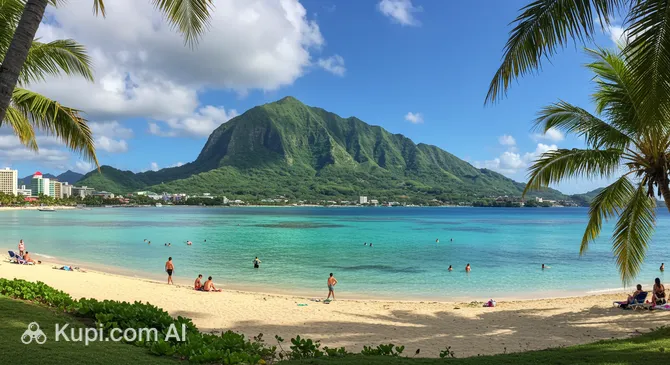
Saipan. Source: Kupi.Binoculars

Beyond its natural beauty, the island holds significant stories from the past. Visitors can explore the fascinating history of Saipan, which spans from ancient Chamorro roots and the Spanish colonial era to its pivotal role in World War II. Landmarks scattered across the island serve as poignant reminders of these events, offering a profound educational experience amidst the scenic backdrop.

For those seeking adventure, Saipan is home to world-class attractions. The Grotto is a famous limestone cavern connected to the open ocean, renowned globally among divers for its ethereal blue light and underwater passages. Another must-visit is Managaha Island, a tiny islet just off the west coast that offers pristine beaches and excellent snorkeling opportunities. Additionally, the towering Suicide Cliff and Banzai Cliff provide breathtaking panoramic views of the ocean and are sites of great historical importance.

Whether you are looking to dive into the deep blue, explore historical trails, or simply unwind by the sea, Saipan promises an unforgettable journey. Its unique combination of natural wonders and cultural heritage makes it a compelling destination for any traveler planning a trip to the Pacific.
Weather Overview

Saipan is blessed with a consistent tropical marine climate, ensuring warm and inviting weather regardless of when you choose to visit. Temperatures remain remarkably stable throughout the year, with monthly averages hovering comfortably between 26°C and 28°C. The island does not experience drastic seasonal temperature changes, meaning you can look forward to daytime highs reaching up to 29°C and pleasant evenings that rarely dip below 25°C.

While the heat is constant, rainfall patterns do shift across the calendar. The earlier months, particularly from January through April, are generally drier in terms of rainfall volume, although you may still encounter about 15 days with some moisture. The wet season becomes more pronounced from July to October, where the frequency of rain increases significantly, peaking in August with nearly daily occurrences. For a comprehensive forecast and monthly breakdowns, you can view the detailed weather in Saipan guide to help plan your activities. Overall, expect consistent warmth year-round with a higher likelihood of showers during the late summer and autumn months.

Interesting Facts

Beyond the main attractions, Saipan holds many fascinating secrets that surprise even the most seasoned travelers. From ancient architectural mysteries to world-record-breaking climate features, the island offers unique trivia that adds depth to its tropical allure.

  • A World Record Holder: Saipan is officially listed in the Guinness Book of World Records for having the most equable temperature in the world. The temperature on the island varies very little, staying consistently warm year-round, which has earned it the reputation of having an "eternal summer."

  • Ancient Megaliths: The landscape is dotted with Latte stones, which are ancient stone pillars capped with hemispherical capstones found only in the Mariana Islands. These structures served as foundations for the homes of the indigenous Chamorro people centuries before European explorers arrived, standing as silent testaments to a rich prehistoric culture.

  • The Legend of Taotaomona: Local folklore is deeply rooted in the belief of "Taotaomona," the spirits of the ancestors who are said to protect the land and the ancient banyan trees. It is a common custom for locals and respectful visitors to ask permission from these spirits before entering the jungle or passing by large trees to ensure a safe journey.

  • Forbidden Island: Despite its ominous name, Forbidden Island is a stunning bird sanctuary and nature preserve located off the southeast coast. While it was once traditionally off-limits to protect royal grounds or sacred sites, today it is a prized spot for hiking and discovering rare coastal flora, though it remains a protected area to preserve its pristine condition.

How to Get There

Reaching this tropical paradise is primarily done by air, as the island is well-connected to major hubs in Asia and the Pacific. For a comprehensive guide on planning your journey, you can read more about how to get to Saipan, including details on flight connections and local transport tips.

The most direct and convenient entry point is Saipan International Airport (SPN). Located directly in Saipan, this facility welcomes international flights and serves as the main gateway for visitors. It is situated approximately 7.8 km from the city center, making the transfer to your hotel quick and easy. A taxi or shuttle ride from the terminal to the main tourist areas typically takes around 30 minutes, depending on traffic.

Another significant hub in the region is A.B. Won Pat International Airport (GUM), located in the city of Hagatna on the neighboring island of Guam. While it is about 214 km away from Saipan, it serves as a major "Large" international transit point. Many travelers fly into Guam and then take a short connecting flight to reach Saipan. Additionally, for those exploring the wider archipelago, Rota Airport (ROP) in Rota is another regional option, located roughly 124 km away.

For clarity, here is a summary of the main airports:

Airport Name City Passenger Traffic Km from City
A.B. Won Pat International Airport Hagatna Large 214.3
Saipan International Airport Saipan Medium 7.8
Rota Airport Rota Small 124.3

Main Attractions

Saipan offers a diverse array of sites that blend natural splendor with profound historical significance. From pristine islets perfect for sunbathing to dramatic cliffs and underwater caverns, the island's main attractions provide unforgettable experiences for every type of traveler.

Managaha Island is often cited as the jewel of Saipan’s lagoon. Located just a short boat ride from the main island, this tiny, uninhabited islet is a paradise for beach lovers and snorkelers. Its waters are shallow, calm, and teeming with colorful marine life, making it an ideal spot for families and beginners to explore the underwater world. Visitors can spend the day relaxing on the powdery white sands or engaging in water sports like parasailing, all while surrounded by the vibrant turquoise hues of the Pacific.

For diving enthusiasts, The Grotto is a world-renowned limestone cavern that promises a truly unique adventure. A steep descent of over 100 steps leads to a collapsed karst cave filled with seawater, which is connected to the open ocean by three underwater tunnels. When the sun hits the water just right, the cave is illuminated in an ethereal blue glow. While snorkeling is possible, the site is most famous among scuba divers who come to navigate its challenging passageways and observe the resident sea turtles and reef sharks.

American Memorial Park serves as both a tribute to history and a recreational hub in the village of Garapan. The park honors the American and Marianas people who lost their lives during the Marianas Campaign of World War II. Beyond its solemn memorials and informative visitor center, the park features lush green spaces, walking paths, and picnic areas. It is a peaceful place to reflect on the island's past while enjoying the tropical outdoors.

On the northern tip of the island lies Banzai Cliff, a site of dramatic beauty and historical importance. The cliff offers breathtaking panoramic views of the crashing ocean waves against the rugged limestone coastline. While the scenery is spectacular, the location also serves as a poignant memorial to the tragic events of World War II. Nearby, visitors can also view the stunning Bird Island from a dedicated lookout, a protected sanctuary that creates a picture-perfect scene of a limestone islet sitting in a bay of deep blue water.

Local Cuisine

The culinary landscape of Saipan is a vibrant melting pot that reflects the island's multicultural history and tropical abundance. Local Chamorro cuisine is the star here, characterized by a unique fusion of indigenous ingredients with distinct Spanish, Filipino, American, and Japanese influences. For food lovers, dining in Saipan is an adventure that ranges from rustic beachside barbecues to sophisticated international dining, all centered around fresh flavors and generous hospitality.

No visit to Saipan is complete without trying Kelaguen, arguably the island's most iconic dish. It typically features chopped chicken, shrimp, or beef that is "cooked" in the acidity of lemon juice and mixed with fresh onions, hot peppers, and grated coconut. It is almost always served with titiyas, a savory flatbread made from flour or corn, similar to a tortilla. Another staple on every local plate is Red Rice (Hineksa' Agaga'), which gets its vibrant color and distinct flavor from achiote seeds. For a sweet treat, look for Apigigi, a delicious dessert made of young coconut and tapioca wrapped in banana leaves and grilled to perfection.

To quench your thirst, fresh coconut water is widely available and offers a refreshing respite from the tropical heat. For those looking to try a traditional alcoholic beverage, Tuba is a local specialty worth seeking out. It is a fermented wine made from coconut sap, which can range from a sweet, mild drink to a potent vinegar depending on how long it has aged. Of course, standard international beers and tropical cocktails are also ubiquitous at bars and restaurants across the island.

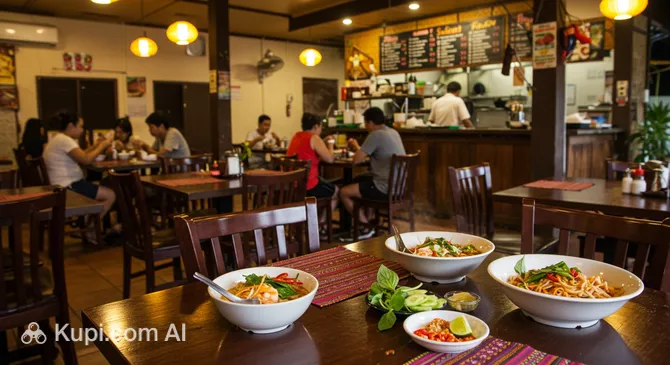
The food culture in Saipan is heavily centered around social gathering, with the village of Garapan serving as the main gastronomic hub. The weekly Thursday Night Market is a must-visit event where locals and tourists mingle to sample street food from dozens of stalls. While traditional Chamorro food is plentiful, the island also boasts an impressive array of international eateries. For instance, if you are craving authentic Asian flavors, you can visit Spicy Thai Noodle Place, which is popular for its rich broths and bold spices, showcasing the island's diverse palate.

Spicy Thai Noodle Place. Source: Kupi.Binoculars

Whether you are grabbing a quick bento box from a "mom-and-pop" store or enjoying a sunset dinner by the lagoon, the food in Saipan is unpretentious and deeply satisfying. The blend of fresh seafood, tropical fruits, and hearty comfort foods ensures that every meal provides a true taste of island life.

Travel Tips

Visiting Saipan is a dream come true for many, offering a seamless mix of American convenience and unique island charm. To help you make the most of your tropical getaway, here are some practical tips to ensure a smooth and enjoyable journey.

  1. Pack for the Tropics: The climate is warm and humid year-round, so bring light, breathable clothing made of cotton or linen. Essential items include swimwear, sunglasses, a hat, and reef-safe sunscreen to protect the marine environment. If you plan to hike to the Forbidden Island or explore caves, pack sturdy, comfortable walking shoes. Note that Saipan uses standard US plugs (Type A and B) with 110V electricity, so bring an adapter if your devices use different standards.
  2. Transportation Choices: Public transportation is quite limited on the island. While taxis and shuttle buses are available, particularly around the tourist hub of Garapan and major hotels, they can be expensive for long distances. The best way to explore the island's hidden gems is by renting a car. Driving is on the right side of the road, and a US driver's license or an International Driving Permit is generally accepted.
  3. Money Matters: The official currency is the US Dollar (USD). Major credit cards (Visa, Mastercard, JCB) are widely accepted in hotels, restaurants, and large stores like the DFS T Galleria. However, it is highly recommended to carry some cash for small purchases at local "mom-and-pop" stores, roadside fruit stands, and street markets. ATMs are readily available in commercial areas. Tipping is customary, typically around 10-15% in restaurants.
  4. Health and Safety: Saipan is a safe destination for travelers, but standard precautions apply. Do not drink tap water; always opt for bottled or filtered water to avoid stomach issues. Pharmacies are available, mostly in Garapan and near the Commonwealth Health Center, the island's main hospital. The emergency number for police, fire, or ambulance is 911.
  5. Staying Connected: English is an official language and is spoken everywhere, so communication is effortless. You will also hear Chamorro and Carolinian; try greeting locals with a warm "Hafa Adai" (Hello) to show appreciation for their culture. Wi-Fi is common in hotels and cafes, but for reliable mobile data, you can purchase a local SIM card at the airport or from providers like IT&E and Docomo Pacific.
  6. Local Etiquette: The island culture is friendly and respectful. It is polite to remove your shoes before entering a local home. While beachwear is perfect for the sand, remember to cover up with a t-shirt, shorts, or a sarong when entering shops, restaurants, or walking through town. Walking around shirtless or in a bikini in public streets is generally frowned upon.
  7. Respect the Nature: When snorkeling or diving, strictly avoid standing on or touching the coral reefs. Not only does this damage the delicate ecosystem, but it can also result in cuts and infections. Additionally, always heed warning signs at beaches; the currents on the eastern side of the island (like near Forbidden Island) can be very strong and dangerous for swimming.
  8. Thursday Night Market: If your trip includes a Thursday, do not miss the Garapan Street Market. It is the best place to sample affordable local street food, buy souvenirs, and experience the lively community atmosphere. Most shops in Saipan close around 9:00 PM or 10:00 PM, but the market offers a vibrant evening activity.

With these practical tips in hand, you are fully prepared to embrace the "Hafa Adai" spirit and enjoy everything Saipan has to offer. Relax, explore safely, and let the island's natural beauty and warm hospitality create lasting memories for your trip.

Entertainment & Nightlife

While Saipan is renowned for its tranquil beaches and historical sites, the island comes alive after sunset with a vibrant, albeit laid-back, nightlife scene. The entertainment landscape here is less about massive mega-clubs and more about friendly bars, live music venues, and bustling night markets where locals and visitors mingle. The atmosphere is generally casual and welcoming, reflecting the island's warm "Hafa Adai" spirit, making it easy to strike up a conversation or simply enjoy the tropical breeze with a cold drink in hand.

The epicenter of nightlife in Saipan is undoubtedly the village of Garapan. This district serves as the island's tourist hub, packed with duty-free shops, restaurants, and entertainment spots. The Paseo de Marianas, a pedestrian street in the heart of Garapan, is a popular thoroughfare where you can find everything from souvenir stalls to lively pubs. On Thursday evenings, the area transforms for the street market, but on any given night, it remains the go-to destination for those looking to soak up the evening energy.

For a memorable night out, you can start with a hearty meal at Spicy Thai Noodle Place. This popular eatery is a fantastic spot to fuel up with bold, authentic flavors before exploring the surrounding bars. After dinner, many visitors head to iconic local spots like Godfather's Bar, a staple of Saipan's nightlife known for its live bands, classic rock vibes, and friendly crowd. If you are in the mood for dancing, venues like GIG Discotheque offer a more high-energy club setting with DJs spinning current hits, attracting a mix of tourists and young locals.

The dress code across most venues is island-casual. You will feel perfectly comfortable in shorts and a polo shirt or a summer dress, though some nightclubs might prefer closed-toe shoes for men. Prices are generally comparable to the US mainland, with happy hour deals often available in the early evening. Most bars stay open late, typically until 2:00 AM, giving you plenty of time to enjoy the night.

Getting around at night is relatively straightforward, but safety should always be a priority. Garapan is generally safe for walking, especially along the well-lit main strip and near major hotels. However, if you venture outside the main tourist zone or plan to drink, it is best to use a taxi. Taxis are readily available at hotel lobbies and designated stands in Garapan. Rideshare apps are not standard here, so keeping a local taxi number handy or asking your bartender to call one for you is practical advice.

Beyond the nightlife, Saipan offers several daytime entertainment options for those seeking a break from the sun. The NMI Museum of History and Culture provides a fascinating indoor activity where you can dive deeper into the island's heritage. For movie lovers, the Regal Saipan Megaplex in Garapan screens the latest Hollywood blockbusters in air-conditioned comfort, offering a familiar slice of modern entertainment in the middle of the Pacific.

Parks & Museums

Parks and Museums:

Saipan’s landscape is a tapestry of verdant jungles and manicured gardens, complemented by institutions that safeguard the island's rich heritage. Beyond the pristine beaches, the city offers a variety of green spaces and cultural venues where visitors can connect with the local history and enjoy the island's natural diversity.

One of the most significant green spaces is the American Memorial Park. While often visited for its historical monuments, it is also a vital recreational area for the community, featuring expansive lawns, sports fields, and a swimming center. Nature lovers will appreciate the park's protected wetland and mangrove forest, which provide a sanctuary for native bird species and offer a peaceful setting for a leisurely walk along the interpretive paths.

For those seeking a more rugged natural experience, Mount Tapochau stands as the island's highest point and a premier natural landmark. Although not a traditional park, this peak offers a breathtaking 360-degree view of the entire island, the surrounding ocean, and the neighboring islands. The drive up involves passing through lush limestone forests, making it a perfect excursion for travelers wanting to immerse themselves in Saipan's tropical terrain.

To delve deeper into the island's past, a visit to the NMI Museum of History and Culture is essential. Housed in a restored Japanese-era hospital building across from Sugar King Park, the museum showcases a comprehensive collection of artifacts. Exhibits range from ancient Chamorro pottery and latte stones to relics from the Spanish, German, and Japanese colonial periods, providing a well-rounded narrative of the Northern Mariana Islands' complex identity.

Another key cultural site is the Visitor Center at American Memorial Park. This facility functions as a specialized museum dedicated to the events of World War II in the Marianas. Through interactive displays, photographs, and a short film, visitors can gain a profound understanding of the strategic importance of the island and the personal stories of those involved in the conflict, presented in a solemn and educational atmosphere.

History and nature intertwine beautifully at Sugar King Park. This landscaped garden is dedicated to Haruji Matsue, who established the sugar cane industry in the Marianas. Visitors can wander through serene paths lined with flowering trees, view a bronze statue of the "Sugar King," and see a vintage steam locomotive that was once used to transport sugar cane, offering a glimpse into the island's pre-war industrial era.

For a unique glimpse into architectural history, the Old Japanese Jail in Garapan is a fascinating site. This concrete structure survived the heavy bombardments of the war and now stands as a protected historical landmark. It offers an eerie yet captivating look at the penal system of the 1930s, with informative plaques explaining the function of the different cells and the history of the site.

For an authentic and lesser-known experience, seek out the Old Japanese Lighthouse located atop Navy Hill. While the structure itself is a shell of its former self, the location offers one of the best sunset views on the island, often without the crowds found at more popular lookouts. It is a quiet spot where history meets scenic beauty, perfect for reflection.

Getting Around

Navigating Saipan is a unique experience compared to major metropolitan cities, as the public transport system is relatively modest and designed primarily to connect key villages and commercial areas. The island does not have a metro, tram, or train network. Instead, the primary form of public transit is the bus service operated by the Commonwealth Office of Transit Authority (COTA). These buses operate on fixed routes, with the Blue Line (Route 1B) being the most prominent service currently in operation. This route serves as a vital link between the residential community of Koblerville and the main tourist hub of Garapan, connecting major villages and allowing visitors to travel between these districts affordably. While useful for getting between these specific areas, the frequency and coverage may not be sufficient for tourists wishing to explore remote beaches or historical sites on a whim.

For comfortable travel between accommodation zones and tourist areas, many major hotels and resorts operate their own shuttle services for guests. These shuttles are a convenient alternative to public transit, often providing reliable connections to the city center or specific attractions without the need for a car. Additionally, tour operators frequently include transportation in their excursion packages, and some accommodations offer dedicated airport transfers. It is advisable to check with your hotel's front desk to see what complimentary or paid transport options are available during your stay.

Regarding payment, the COTA bus system is quite affordable. Fares are typically paid in cash directly to the driver upon boarding, so it is essential to carry small bills and coins. There are options for single-ride tickets as well as daily or monthly passes, which offer better value for longer stays. Taxis are metered and widely available; while they accept cash, many drivers are increasingly accepting credit cards, though it is always safer to ask before the ride begins to ensure smooth payment.

Practical advice for using transport in Saipan centers on planning and patience. The COTA buses, including the Blue Line, typically operate during standard business hours and may not run late into the night, so they are better suited for daytime travel. Bus stops are marked, but schedules can sometimes be flexible, so it is wise to arrive early. If you plan to rely on hotel shuttles, always consult the latest timetable at your concierge, as frequencies can change depending on the tourist season. Always keep local currency on hand, as card readers can occasionally be offline in mobile settings.

Given the limited reach of the bus network, alternatives like renting a car are extremely popular and highly recommended for tourists. A rental car offers the freedom to visit distant attractions like the Grotto, Suicide Cliff, or Banzai Cliff at your own pace, which are otherwise difficult to reach using public transit. Taxis can be hailed at hotels or shopping centers, but fares can add up quickly for long distances. For short trips within Garapan, walking is a pleasant option, and you may also find scooter rentals for a breezy way to see the immediate area.

Accommodation

Where to Stay:

Saipan offers a diverse array of accommodation options suited to every type of traveler, ranging from opulent beachfront resorts to modest guesthouses. Whether you are looking for a luxurious getaway with full amenities or a budget-friendly base for your island adventures, you will find a place that fits your needs. The island's hospitality sector is well-developed, ensuring comfortable stays with a distinct tropical charm.

For the majority of tourists, the village of Garapan is the most convenient and popular area to stay. As the island's central tourist hub, it is home to the largest concentration of hotels, restaurants, and shopping centers, including the famous Duty-Free Galleria. Staying in Garapan means you are within walking distance of white sandy beaches, such as Micro Beach, and a vibrant nightlife scene, reducing the need for constant transportation. For those seeking tranquility away from the crowds, the areas of San Roque or Susupe offer quieter alternatives with a more local feel.

The price range for accommodation varies significantly depending on the season and the level of luxury. High-end resorts with private beaches and expansive pool complexes command premium prices, particularly during the dry season. Mid-range hotels and apartment rentals offer a balance of comfort and value, while budget travelers can find affordable hostels and motels. It is highly recommended to book in advance, especially if you plan to visit during the peak winter months or major holidays, as popular spots fill up quickly. Most accommodations can be easily secured through major online booking platforms or by contacting the properties directly.

Nearby Cities

For those looking to explore the surroundings, Saipan serves as an excellent base for day trips to several interesting nearby locations:

Just a short distance across the channel lies Tinian, an island known for its blend of historical significance and natural beauty. It is a popular getaway for those interested in visiting the famous House of Taga, which features massive ancient latte stones, or relaxing on the secluded sands of Taga Beach. The island also offers a glimpse into pivotal World War II history and features the spectacular Tinian Blowhole, where ocean sprays create a natural show.

Further to the south is Rota, often referred to as the "Friendly Island" due to its welcoming community and unhurried pace of life. This destination is perfect for nature lovers seeking a rustic escape, boasting attractions like the crystal-clear Swimming Hole and the bird sanctuary at Sagua'gaga Seabird Sanctuary. With its lush landscapes and the charming Songsong Village, Rota provides a tranquil contrast to the more bustling atmosphere of Saipan.

City Population Distance (km)
Rota 33000 128
Tinian 3136 23

These nearby destinations offer a glimpse into the diverse culture and landscapes of the region.

Shopping & Souvenirs

Shopping in Saipan is a delightful experience that ranges from browsing high-end luxury boutiques to exploring colorful local souvenir shops. As a duty-free port, the island is a haven for visitors looking to purchase premium goods at competitive prices, but it also offers plenty of opportunities to find unique island treasures. Whether you are searching for the latest fashion trends, cosmetics, or handcrafted mementos, the city provides a relaxed and friendly retail environment that perfectly complements a beach vacation.

The primary hub for shopping is the district of Garapan. This bustling area is where most tourists congregate, and it is packed with a variety of stores within walking distance of the major hotels. The Paseo de Marianas, a pedestrian-friendly promenade in the heart of Garapan, is lined with shops, cafes, and boutiques. It is a pleasant place to stroll, especially in the late afternoon and evening, allowing visitors to window shop and soak up the lively atmosphere of the city center.

For those interested in luxury brands and international fashion, T Galleria by DFS in Garapan is the most prominent shopping destination. This large, upscale complex features a wide selection of designer handbags, watches, jewelry, and beauty products from world-renowned labels. On the other end of the spectrum, the iconic I Love Saipan store acts as a massive one-stop-shop for tourists. It is filled with everything from t-shirts and swimwear to local snacks and trinkets, making it a fun place to browse for gifts. For everyday needs and groceries, the Joeten Shopping Center is a trusted local chain with several locations, offering a glimpse into the daily life of residents.

Markets play a vibrant role in the local shopping scene, blending commerce with culture. The most famous is the weekly Garapan Street Market, held every Thursday evening. While it is heavily focused on street food, it also features stalls selling local handicrafts, arts, and small souvenirs. It is an excellent place to interact with local artisans and find affordable, authentic items. For a morning experience, the Sabalu Market (Saturday Market) in Susupe offers fresh tropical fruits, vegetables, and locally made treats, providing a colorful and aromatic start to the weekend.

When it comes to souvenirs, there are several distinct items worth bringing back. The Bojobo doll is a signature Saipan keepsake; these traditional dolls are made from coconut fibers and seeds and are believed to bring good luck, love, and wealth. Food items are also popular, particularly Saipan chocolates (often shaped like the island's mascot, the Saipanda), dried tropical fruits, and products made with the fiery local donni sali chili pepper. Hand-carved wooden items and jewelry made from shells also make for beautiful reminders of the island.

Most shops in the main tourist areas are open daily, typically from 10:00 AM to 10:00 PM, catering to the evening crowds after a day at the beach. Smaller local boutiques may close a bit earlier, around 6:00 PM or 7:00 PM. The official currency is the US Dollar (USD). Major credit cards are widely accepted in malls, hotels, and larger stores, but carrying cash is advisable for markets and smaller mom-and-pop shops.

One of the biggest advantages for tourists in Saipan is the tax-free shopping status. The island does not impose a sales tax on goods, which can result in significant savings compared to many other destinations, especially on luxury items, electronics, and alcohol. This duty-free privilege makes shopping here not just an activity, but a financially savvy part of the travel experience.

Nearby cities

Reached the end of the page?

That means the route is fully explored