Support

Rota

About

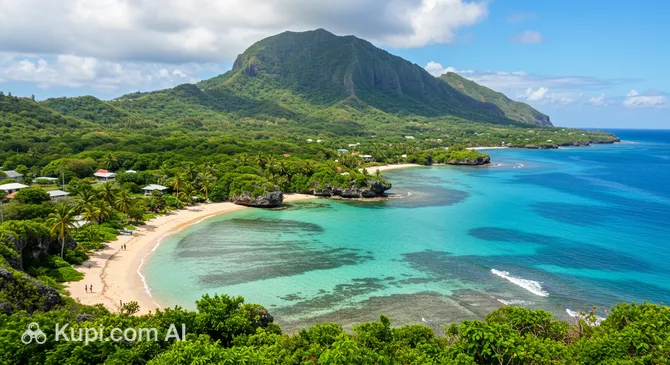
Known as the "Friendly Island," Rota is a serene and captivating destination that offers a peaceful escape from the bustle of modern life. Situated in the southern part of the Marianna Islands, this enchanting island is celebrated for its lush tropical landscapes, crystal-clear waters, and the genuine hospitality of its residents. It serves as a perfect retreat for nature lovers and those seeking a slower pace of travel.

Geographically, Rota is defined by its rugged limestone cliffs and dense flora, boasting a warm tropical climate that makes it an inviting destination year-round. While the island supports a close-knit community, its atmosphere remains quiet and uncrowded. Travelers interested in the past will find the history of Rota fascinating, as the island preserves significant archaeological sites and stories that date back thousands of years.

Rota. Source: Kupi.Binoculars

Visitors are often drawn to the island's unique natural landmarks. Wedding Cake Mountain (Mount Taipingot) dominates the skyline with its distinct layered shape, while the Rota Swimming Hole offers a natural, protected pool formed within the coral reef, perfect for a refreshing dip. Another must-see is the Taga Stone Quarry, where massive megaliths remain unfinished in the ground, offering a glimpse into the ancient Chamorro culture.

Whether you are hiking through unspoiled jungles, diving in pristine marine sanctuaries, or simply enjoying the sunset from Songsong Village, Rota promises an unforgettable experience. We invite you to discover the charm and tranquility of this Pacific jewel for yourself.

Weather Overview

Rota enjoys a consistent tropical climate, making it a warm and inviting destination at any time of the year. Visitors can expect steady temperatures that rarely fluctuate, with averages staying comfortably between 26°C and 28°C. This stability makes the island ideal for outdoor activities, though travelers should be prepared for high humidity and regular rainfall throughout the seasons.

When planning your trip, it is helpful to check the detailed weather in Rota to pack accordingly. The island experiences a significantly wetter period from July through October, where precipitation is most frequent, often with rain occurring on nearly every day of the month. In contrast, the months of February and March tend to be the driest, offering fewer wet days, although brief tropical showers are possible year-round.

Interesting Facts

Beyond its main attractions, Rota holds many fascinating secrets and local quirks that define its unique character. This quiet island offers more than just scenic beauty; it is home to rare wildlife, distinctive cultural customs, and natural phenomena found nowhere else in the archipelago.

  • The "Rota Wave" is a charming local custom that every visitor quickly notices. Because the community is so close-knit and the pace of life is relaxed, drivers invariably wave or lift a hand to acknowledge every vehicle they pass. It is said that there are no strangers on the roads here, only friends you haven't met yet.

  • The island is the only place on Earth where you can find the Rota White-eye, locally known as the Nosa Luta. This small, yellowish bird is endemic to Rota and cannot be found even on the neighboring islands of Saipan or Tinian. Birdwatchers travel from around the globe just for a chance to spot this rare species in the native limestone forests.

  • Divers and snorkelers often speak of "Rota Blue," a specific term used to describe the exceptionally vivid cobalt color of the island's waters. Due to the lack of runoff and the island's unique geology, the underwater visibility is phenomenal, often exceeding 50 meters (164 feet), creating a sensation of flying rather than swimming.

  • Unlike its neighbors in the Marianna Islands, Rota was largely bypassed by the major land invasions of World War II. While it endured air strikes, the lack of a ground battle meant that its lush jungles and ancient landscapes remained much more intact than those of Saipan or Guam, preserving a prehistoric feel that persists to this day.

  • At the I'Chenchon Park Bird Sanctuary, visitors experience a rare perspective on wildlife viewing. Unlike most sanctuaries where you look up to see birds, this reserve is situated high on a cliff, allowing you to look down upon thousands of seabirds as they soar and nest in the canopy below.

How to Get There

Reaching this serene island destination is an adventure in itself, typically involving a connection through the major hubs of the region. Since the island is relatively secluded, most travelers arrive by air, enjoying scenic views of the Pacific Ocean along the way. You can read more about how to get to Rota and plan your journey using the information below.

The primary entry point for all visitors is Rota Airport (IATA: ROP), also known as Rota International Airport. Located just 4.1 km from the main village of Songsong, this small regional facility welcomes commuter flights from neighboring islands. Once you land, the journey to the city center is convenient, taking just a quick taxi ride or shuttle trip. While the airport handles a modest volume of traffic, it is the vital lifeline connecting Rota to the rest of the archipelago.

Since Rota does not have direct long-haul flights, international travelers typically fly into one of the larger regional hubs first. The most significant gateway is A.B. Won Pat International Airport (IATA: GUM), located in the city of Hagatna on the island of Guam, approximately 86.6 km from Rota. Another common option is Saipan International Airport (IATA: SPN) in Saipan, situated about 120.3 km away. From either of these larger airports, you will need to transfer to a short inter-island flight to reach Rota.

For clarity, here is a summary of the main airports facilitating travel to the island:

Airport Name City Passenger Traffic Km from City
A.B. Won Pat International Airport Hagatna High 86.6
Saipan International Airport Saipan Medium 120.3
Rota Airport Rota Low 4.1

Main Attractions

While Rota is small in size, it is densely packed with scenic beauty and historical intrigue. The island's attractions range from pristine beaches and geological wonders to remnants of the past that tell the story of its strategic importance. Exploring these landmarks offers a deeper connection to the island's unique heritage and its untouched natural environment.

One of the most beloved spots on the island is Teteto Beach. Located on the northwestern coast, this stretch of coastline is famous for its powdery white sand and vibrant blue waters. It is a favorite among both locals and visitors for snorkeling, as the coral reefs here are teeming with colorful marine life just a few steps from the shore. The beach is also equipped with pavilions and barbecue pits, making it the perfect location for a relaxing afternoon picnic while watching the sun dip below the horizon.

For a taste of local life mixed with scenic grandeur, a stroll through Songsong Village is a must. As the island's main residential center, it exudes a peaceful, time-capsule atmosphere with its narrow streets and friendly community. The village is famously overshadowed by Mount Taipingot, commonly known as Wedding Cake Mountain, which creates a dramatic backdrop for photos. Walking through the town offers a chance to see traditional architecture and experience the slow, welcoming pace of life that defines the Marianna Islands.

History buffs will appreciate a visit to the Old Japanese Cannon, a relic from World War II situated on a hillside overlooking the Sasanhaya Bay. This well-preserved naval gun remains in its original position, serving as a silent reminder of the island's wartime history. Beyond its historical significance, the site serves as an excellent lookout point, offering panoramic views of Songsong Village and the sapphire waters of the bay below.

Another captivating site is the Thousand Steps, located in the Sabana conservation area. Although the name suggests a strenuous climb, the site actually features a long concrete staircase that descends toward the ocean, originally built by the Japanese during their occupation. While the steps no longer reach all the way to the water due to typhoon damage, the descent offers breathtaking panoramic views of the Philippine Sea and the rugged coastline, making it a prime spot for photography and experiencing the island's wild beauty.

Local Cuisine

The culinary landscape of Rota offers a delicious immersion into traditional Chamorro culture, characterized by bold flavors, fresh ingredients, and a fusion of Spanish, Filipino, and Pacific influences. Food here is more than just sustenance; it is a central part of the island's hospitality. Visitors can expect hearty portions and a reliance on locally sourced produce, from root vegetables grown in the rich volcanic soil to seafood caught daily in the surrounding pristine waters.

No culinary journey in Rota is complete without trying Kelaguen, arguably the most iconic dish of the region. It features meat—typically chicken, shrimp, or fish—that is "cooked" chemically using lemon juice or vinegar, then mixed with fresh coconut, green onions, and fiery hot peppers. It is almost always served alongside Red Rice (Hineksa' Agaga'), a staple grain colored with achiote seeds that gives it a vibrant savory flavor. For those who enjoy seafood, the local lobster and reef fish are often grilled simply to highlight their natural freshness.

For a unique local treat, look for Apigigi (or Apiqiqi), a popular sweet snack that is especially beloved on Rota. These are grilled parcels made from grated young coconut and tapioca, wrapped in banana leaves. They have a chewy, mochi-like texture and a subtle sweetness that makes them perfect for dessert or a midday energy boost. To wash it down, nothing beats the refreshing taste of fresh coconut juice straight from the shell. For adventurous travelers, Tuba, a fermented coconut sap wine, offers a potent taste of traditional island brewing.

The dining atmosphere in Rota is refreshingly unpretentious. You won't find large commercial chains or formal fine dining establishments here. Instead, the food scene is centered around small, family-run eateries and roadside stands, particularly in Songsong Village. These spots offer a warm, welcoming vibe where the owners often cook and serve the food themselves. Sundays and holidays are often celebrated with large community barbecues, where the scent of grilled meats fills the air, inviting visitors to experience the true spirit of the "Friendly Island."

Travel Tips

Traveling to Rota is a step back into a simpler, quieter time, but its remote nature means a little preparation goes a long way. Here are some practical tips to ensure your visit to this Pacific paradise is as smooth and relaxing as the island breeze.

  1. Clothing and Essentials: Given the warm tropical climate, pack lightweight, breathable fabrics like cotton or linen to stay cool. Since the island invites exploration, bring sturdy hiking sandals or sneakers for trekking to sites like the Painted Cave, and reef shoes are highly recommended for protecting your feet while swimming near coral. Don't forget a light rain jacket or poncho, as tropical showers can occur suddenly.

  2. Transportation: Public transportation like buses or trains does not exist on Rota, and taxis can be difficult to hail on the street. The best and practically only way to explore the island freely is to rent a car upon arrival at the airport. Driving here is incredibly stress-free due to the lack of traffic, but be mindful that some roads leading to secluded beaches may be unpaved.

  3. Finances: The official currency is the US Dollar (USD). While hotels and car rental agencies generally accept credit cards, many smaller local eateries and "mom and pop" stores operate on a cash-only basis. ATMs are available but limited, mostly found in Songsong Village, so it is wise to carry sufficient cash for your daily expenses.

  4. Health and Safety: Rota is a very safe destination with low crime rates, but general precautions should still be taken with valuables. For medical needs, the Rota Health Center in Songsong provides basic care. It is advisable to drink bottled water rather than tap water, and always carry insect repellent to protect against mosquitoes, especially when hiking in the jungle.

  5. Communication: English is an official language and is widely spoken, so communication is rarely an issue. The local language is Chamorro; learning a simple greeting like "Hafa Adai" (Hello) is a great way to show respect. Mobile coverage is generally good in the main village but can be spotty in remote areas; if you have a US SIM card, it will likely work without roaming fees, otherwise, local prepaid SIMs are available.

  6. Local Etiquette: The people of Rota are known for their friendliness. A unique local custom is the "Rota Wave"—when driving, it is polite to lift a hand or wave to oncoming drivers, acknowledging the community spirit. When entering a local home, it is customary to remove your footwear at the door.

  7. What to Avoid: Please do not touch, stand on, or break the coral reefs while snorkeling or diving. The marine ecosystem is fragile and vital to the island's beauty. Additionally, avoid rushing or showing impatience; the island operates on "island time," and a relaxed attitude is key to enjoying the experience.

  8. Shopping and Supplies: Shops on Rota are small and may have limited stock compared to larger islands like Guam or Saipan. If you have specific dietary requirements, medications, or preferred toiletries, it is a smart travel hack to bring them with you. Also, be aware that many businesses close early in the evening and may be closed on Sundays.

By keeping these tips in mind, you will be well-equipped to embrace the laid-back rhythm of Rota. Enjoy the pristine nature, connect with the welcoming locals, and let the island's tranquility rejuvenate your spirit.

Entertainment & Nightlife

Entertainment and nightlife in Rota reflect the island's overall character: relaxed, intimate, and deeply connected to the local community. Unlike the bustling party scenes found on larger islands like Guam or Saipan, the evening atmosphere here is subdued and refreshing. Travelers looking for neon-lit clubs or all-night dance floors will instead find cozy venues where the main attraction is good conversation, cold drinks, and the welcoming spirit of the residents. The nightlife is concentrated primarily in Songsong Village, where the streets are quiet, and the vibe is undeniably casual.

The most popular form of evening entertainment on the island is undoubtedly karaoke. It is a beloved pastime in the Marianas, and Rota is no exception. You will often find locals and visitors alike gathering in small bars or hotel lounges to sing their hearts out. The dress code is almost always casual—shorts and slippers are the norm—and the crowd is friendly, often eager to include visitors in the fun. Venues typically open around dinner time and wind down by midnight, so it is best to start your evening early to make the most of the social scene.

For those seeking a place to unwind, As Pari's is a well-known establishment in Songsong that serves as a hub for both dining and evening drinks. It offers a genuine slice of local life where you can enjoy a meal followed by a few beverages in a laid-back setting. Another staple of the local scene is the restaurant and bar area at the Valentino Hotel. It provides a comfortable space to relax after a day of exploring, often frequented by travelers sharing stories of their island adventures. Additionally, the Coral Garden Hotel often hosts guests in a friendly environment perfect for a quiet nightcap.

Practicality is key when planning a night out in Rota. Since there is no public transport and taxis can be virtually impossible to hail late at night, having a rental car is essential for getting around. However, be mindful that street lighting can be minimal outside the main village, so drive carefully. The island is incredibly safe, and walking around Songsong at night is generally worry-free, though carrying a flashlight is recommended for dimmer side streets. Most venues operate on a cash-only basis, so ensure you have enough US dollars on hand before heading out.

While the nightlife is quiet, daytime entertainment in Rota is abundant for nature lovers. The "entertainment" here is defined by the great outdoors rather than commercial amusement parks. Visitors spend their days exploring the stunning Rota Zoo (if open) or taking scenic drives to historical markers. The island's version of a "theater" is the underwater spectacle found at its dive sites, while the "museums" are the open-air archaeological sites like the Taga Stone Quarry. For a truly magical evening activity that requires no venue at all, simply drive to a secluded spot like the Soba’le Overlook to experience some of the most breathtaking stargazing in the Pacific.

Parks & Museums

Unlike bustling metropolises filled with enclosed galleries, Rota is essentially an open-air museum and a sprawling botanical garden combined. The island's "city" life in Songsong is seamlessly integrated with nature, where historical artifacts rest amidst creeping vines and public spaces are defined by the ocean's edge rather than concrete boundaries. Exploring the cultural and natural heritage here means stepping directly into the landscape where history happened.

I'Chenchon Park Bird Sanctuary is one of the island's most significant natural areas. Located on the eastern side of Rota, this sanctuary is a haven for nature enthusiasts and birdwatchers. A boardwalk trail winds through the limestone forest, leading to an observation deck that offers spectacular views of seabirds nesting in the cliffs below. It is one of the few places where you can observe the endangered Mariana Crow (Aga) and the Rota White-eye in their natural habitat, surrounded by untouched tropical vegetation.

For a more recreational green space, Pinatang Park in Songsong Village serves as a community hub. Situated near the famous swimming hole, this park features open grassy areas, picnic shelters, and playgrounds, making it a favorite spot for local families and visitors alike. It offers a relaxing atmosphere where you can enjoy a seaside barbecue or simply rest under the shade of ironwood trees while listening to the waves crashing against the nearby reef.

While Rota does not host large formal museums, the Rota Cave Museum offers a truly unique cultural experience. Housed inside a colossal limestone cavern, this site functions as a natural gallery displaying Chamorro artifacts, Spanish-era relics, and remnants from World War II. The setting itself is the main exhibit, with massive stalactites and stalagmites framing the historical displays, creating an atmospheric journey into the island's geological and human past.

The island's history is further immortalized at the Japanese Sugar Mill Ruins. Dating back to the early 20th century, these brick and concrete structures are all that remain of a once-booming industry established by the Nanyo Kohatsu Kabushiki Kaisha company. Visitors can walk among the overgrown ruins of the mill and see an old red steam locomotive resting nearby. The site stands as a silent, industrial monument to a transformative era in the Northern Mariana Islands.

Another profound historical site is the Mochong Latte Stone Village on the northern coast. This archaeological preserve contains some of the best-preserved examples of ancient Chamorro architecture in a pristine setting. Visitors can walk among the rows of latte stones—stone pillars that once supported ancient houses—while surrounded by a dense coconut grove that opens up to a secluded beach. It is a place of deep cultural significance that offers a quiet space for reflection.

For a truly authentic experience, take the time to explore the Chudo' Shrine area. Tucked away from the main tourist path, this site features a small shrine and offers panoramic views of the coastline. It is a peaceful spot often visited by locals for prayer and contemplation, providing a glimpse into the spiritual resilience of the community.

Getting Around

Navigating Rota requires a shift in expectations compared to major urban destinations. It is important for visitors to know immediately that the city and the island as a whole do not possess a public transport network. There are no subways, trams, public buses, or scheduled trolley services operating here. The infrastructure is designed almost exclusively around personal vehicle use, reflecting the island's small population and relaxed, rural atmosphere.

Consequently, there is no integrated payment system, travel card, or mobile app for transit. Tourists will not need to worry about purchasing tickets, zoning regulations, or validating passes. Instead, budgeting for transport should focus entirely on vehicle rental fees and fuel costs. For the few transport services that do exist, such as independent taxis, cash is the standard and often the only accepted form of payment, as credit card terminals are rarely available in vehicles.

The most practical advice for any traveler is to rent a car immediately upon arrival at the airport. This is widely considered the only reliable way to explore the island's scattered attractions, historical sites, and beaches. Several rental agencies operate directly at the terminal or can arrange vehicle drop-offs. It is highly recommended to book a vehicle in advance, as availability can be limited. Without a rental car, visitors may find themselves isolated, as getting from the main residential area of Songsong Village to the airport or remote scenic spots is not feasible on foot.

Alternatives to self-driving are limited but exist in specific forms. Taxis are available but are not typically found cruising the streets for passengers; they must be booked in advance by phone or arranged through your hotel concierge. Ride-sharing apps like Uber or Lyft do not operate on the island. Many hotels offer courtesy shuttle services specifically for airport transfers, so it is wise to confirm this when booking your accommodation. While walking is a pleasant option for exploring the compact streets of Songsong Village, the tropical heat and distance between landmarks make it unsuitable for island-wide travel.

Accommodation

Where to Stay:

Accommodation in Rota mirrors the island's tranquil and unpretentious nature. Visitors will not find sprawling luxury resorts or high-rise international hotel chains here. Instead, the lodging landscape is characterized by small, family-owned hotels, cozy bed-and-breakfasts, and vacation rentals that offer a warm, personal touch. The options are generally simple but comfortable, designed to provide a restful base after a day of exploration.

The majority of places to stay are concentrated in Songsong Village. Choosing accommodation in this area is highly convenient, as it places travelers within walking distance of local restaurants, small grocery stores, and the harbor. Staying in the village allows for a deeper immersion into the community's daily rhythm, where the atmosphere is friendly and the streets are quiet.

Among the well-known establishments on the island are the Valentino Hotel and the Coral Garden Hotel. These properties are staples of Rota hospitality, providing essential amenities and serving as reliable hubs for visitors. They are often favored for their central locations and the helpfulness of their staff, who can assist with arranging rental cars or providing local tips.

Booking Tip: Due to the limited inventory of rooms on the island, it is strongly recommended to book your accommodation well in advance, especially if you plan to visit during local festivals or peak travel seasons. While some properties are listed on major online booking platforms, others may operate more traditionally, so contacting them directly via phone or email can sometimes be the best way to secure a reservation.

In terms of pricing, Rota is generally affordable, with most options falling into the budget to mid-range categories. Travelers should manage their expectations regarding luxury amenities; the focus here is on cleanliness, safety, and hospitality rather than opulence. Additionally, it is worth noting that some smaller establishments may prefer cash payments, so carrying sufficient US dollars is a practical travel hack for a smooth check-in experience.

Nearby Cities

For those looking to explore the surroundings, Rota serves as an excellent base for day trips to several interesting nearby locations:

Just a short inter-island flight away is Tinian, a destination known for its blend of history and serenity. It is famous for the House of Taga, an archaeological site featuring the largest latte stones in the Marianas, which stand as a testament to the engineering skills of the ancient Chamorro people. The island also offers beautiful, uncrowded beaches like Taga Beach, where visitors can enjoy turquoise waters in almost complete privacy.

Further north lies Saipan, the capital and largest island of the archipelago. It offers a more bustling atmosphere compared to Rota, with a variety of shopping, dining, and entertainment options. Nature lovers are drawn to the Grotto, a spectacular underwater limestone cavern that is a world-class diving spot, while Managaha Island provides a perfect setting for snorkeling and relaxing on white sandy shores within the lagoon.

City Population Distance (km)
Tinian 3136 105
Saipan 2500 128

These nearby destinations offer a glimpse into the diverse culture and landscapes of the region.

Shopping & Souvenirs

Shopping in Rota is a reflection of the island's overall lifestyle: simple, relaxed, and intimately connected to the local community. Unlike the bustling commercial hubs found on neighboring Saipan or Guam, Rota does not offer high-end luxury boutiques, sprawling department stores, or duty-free complexes. Instead, visitors will find a selection of small, family-run establishments that cater primarily to daily needs and the occasional visitor. The shopping experience here is less about acquiring material goods and more about interacting with friendly shopkeepers and finding unique, locally made treasures.

The primary area for any commercial activity is Songsong Village. As the island's main residential center, this is where the majority of grocery stores, gift shops, and general merchandise retailers are located. There is no specific "shopping district" or pedestrian promenade; rather, stores are scattered along the village's quiet streets. A stroll through Songsong allows you to pop into these modest shops, where you can find everything from beach essentials and snorkeling gear to cold drinks and snacks.

Travelers should be aware that there are no shopping malls on Rota. The island's retail landscape is defined by "mom-and-pop" stores rather than chain retailers or large commercial centers. If you are accustomed to one-stop shopping complexes, you will find the experience here refreshingly traditional. Most supplies are imported, so selection can vary based on when the last cargo ship arrived, adding a bit of an adventurous element to finding specific items.

While there are no large formal markets, you can often find roadside stands or small local markets selling fresh produce. These are excellent places to purchase locally grown fruits such as bananas, papayas, mangoes, and sweet potatoes, as well as fresh coconuts. On occasion, particularly during village festivals or community events, local artisans may set up stalls selling food and handmade crafts, offering a vibrant taste of the island's culture.

For those looking to bring a piece of Rota home, souvenirs are typically handmade and authentic. Popular items include traditional Chamorro handicrafts such as woven baskets or hats made from pandanus leaves, and jewelry crafted from local shells. You can also find T-shirts and caps emblazoned with "Rota" or "Luta" (the local name for the island), which make for great keepsakes. Additionally, locally produced coconut oil and spicy condiments are practical gifts that capture the flavors of the region.

Opening hours in Rota operate on "island time." Most shops open around 8:00 AM or 9:00 AM and close relatively early, often by 6:00 PM or 7:00 PM. It is important to note that many businesses close for a lunch break and may have reduced hours or be completely closed on Sundays and holidays. Regarding payment, cash is the preferred method for most transactions. While some larger hotels and a few stores may accept credit cards, smaller vendors and village shops often operate on a cash-only basis, so it is wise to carry US dollars with you.

Regarding taxes, the Northern Mariana Islands, including Rota, generally do not impose a consumer sales tax at the register in the same way many US states or international destinations do. This means the price you see on the shelf is typically the price you pay. Consequently, there is no formal tax-free refund system for tourists, as the shopping is inherently devoid of value-added tax (VAT).
Nearby cities

Reached the end of the page?

That means the route is fully explored