Support

Hagatna

About

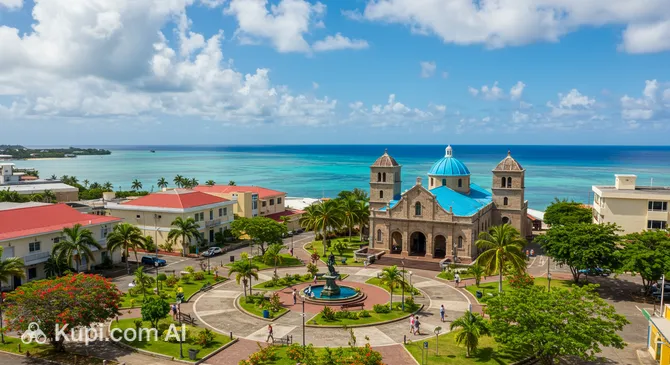
Hagatna. Source: Kupi.Binoculars

Welcome to Hagatna, the vibrant capital and administrative center of Guam. Located on the island's western coast at the mouth of the Hagatna River, this city serves as the seat of the territory's government while maintaining a charming, close-knit community atmosphere. Despite its relatively small population of around 1,050 residents, Hagatna pulses with cultural significance and stands as a testament to the island's enduring heritage.

The city is a fascinating destination for those interested in the past, as the history of Hagatna is deeply intertwined with the legacy of the indigenous Chamorro people and the era of Spanish colonization. Walking through the streets, visitors can encounter remnants of this rich background, including the famous Plaza de España, which was once the location of the Governor's Palace during the Spanish era. Nearby, the majestic Dulce Nombre de Maria Cathedral-Basilica stands as a spiritual landmark and a centerpiece of the local community.

Another unique feature is the Senator Angel Leon Guerrero Santos Latte Stone Memorial Park, where travelers can see ancient latte stones—pillars that served as foundations for traditional Chamorro homes. Whether you are exploring its historical landmarks or enjoying the tropical climate along the bay, Hagatna offers a unique and educational experience. We invite you to discover the heart of the island and immerse yourself in the stories that shaped this captivating capital.

Weather Overview

Hagatna experiences a warm, tropical climate with remarkably stable temperatures throughout the year. Visitors can expect consistent warmth, with average daily temperatures hovering between 26°C and 27°C. Daytime highs typically reach up to 28°C, while nights remain balmy, rarely dropping below 26°C. This steady climate makes the city a welcoming destination regardless of the season. To help plan your activities, you can consult the detailed guide to the weather in Hagatna.

While the temperature remains constant, the rainfall pattern defines the seasons. The early months of the year, particularly February and March, are generally the driest, with fewer wet days recorded. In contrast, the period from July to October brings more frequent precipitation, with rain occurring on most days during the peak of this season. Despite the higher frequency of wet days in the summer and autumn, the showers are often part of the lush tropical experience.

Interesting Facts

Beyond the main attractions, Hagatna holds many fascinating secrets that reveal the depth of its cultural heritage. This small capital is filled with stories hidden in plain sight, waiting to be discovered by observant travelers.

Plaza de España. Source: Kupi.Binoculars
  • One of the city's most beloved recreational areas, Paseo de Susana, stands on land that originally did not exist. The peninsula is man-made, constructed entirely from the debris and rubble of the city following the destruction of World War II, turning historical ruins into a vibrant foundation for community life.

  • Inside the grounds of the Plaza de España, visitors can find a charming round structure known as the "Chocolate House." During the Spanish colonial era, this was the elegant venue where the Governor's wife would host social gatherings and serve hot chocolate to her guests.

  • Despite being the seat of government, Hagatna is one of the smallest capitals in the region, with a population often hovering just above 1,000 residents. For decades, it was known internationally as "Agana," but in 1998, the name was officially changed back to Hagatna to honor the correct Chamorro pronunciation and spelling.

  • While the modern Guam Museum is a stunning architectural highlight, a nearby park preserves ancient engineering from a different part of the island. The eight massive latte stones in the Senator Angel Leon Guerrero Santos Latte Stone Memorial Park were not originally found there; they were carefully relocated from the southern Mepo Valley to protect them for future generations.

How to Get There

Reaching the capital of Guam is a straightforward and scenic journey, primarily centered around air travel given the island's location in the Pacific. Whether you are arriving from Asia, the United States, or neighboring islands, the city is well-connected to major international hubs. For a detailed overview of all transport options and routes, you can read more about how to get to Hagatna to plan your arrival smoothly.

The primary gateway for all visitors is the A.B. Won Pat International Airport (GUM). Conveniently located within the municipality of Hagatna (Tamuning area), this bustling hub handles a large volume of international traffic and serves as the main entry point to the territory. Since the airport is situated just 4.8 km from the city center, the transfer is quick and easy. A taxi or shuttle ride to downtown Hagatna typically takes about 10 to 15 minutes, depending on traffic conditions. As a major international airport, it offers a full range of services for travelers.

For those island-hopping across the Marianas, you might also transit through Saipan International Airport (SPN) or Rota Airport (ROP). It is important to note that these airports are located on the neighboring islands of Saipan and Rota, respectively. Saipan is approximately 209 km away, while Rota is about 93 km from Hagatna. Consequently, you cannot reach Hagatna directly by road from these locations; a short connecting flight to Guam is required to complete your journey.

For clarity, here is a summary of the main airports:

Airport Name City Passenger Traffic Km from City
A.B. Won Pat International Airport Hagatna High 4.8
Saipan International Airport Saipan Medium 209.6
Rota Airport Rota Low 93.6

Main Attractions

While the capital of Guam is compact, it is densely packed with historical landmarks and cultural treasures that tell the story of the island's rich heritage. Exploring the city allows visitors to walk through centuries of history, from the ancient Chamorro period through the Spanish colonial era to the modern day. Below are some of the most compelling places to visit during your stay.

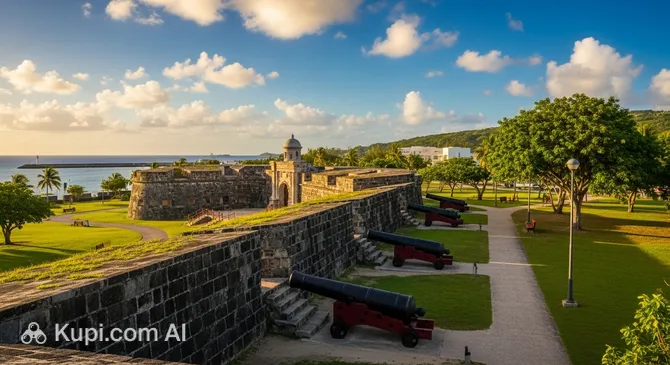
Perched atop Apugan Hill, Fort Santa Agueda offers one of the best vantage points in the entire territory. Built around 1800 during the Spanish colonial period, this fortification was originally designed to protect the harbor and the city below. Today, it stands as a popular historic site where tourists can admire the surviving cannons and enjoy panoramic views of Hagatna Bay and the northern coastline. It is an excellent spot for photography and for understanding the strategic importance of the island in centuries past.

Fort Santa Agueda. Source: Kupi.Binoculars

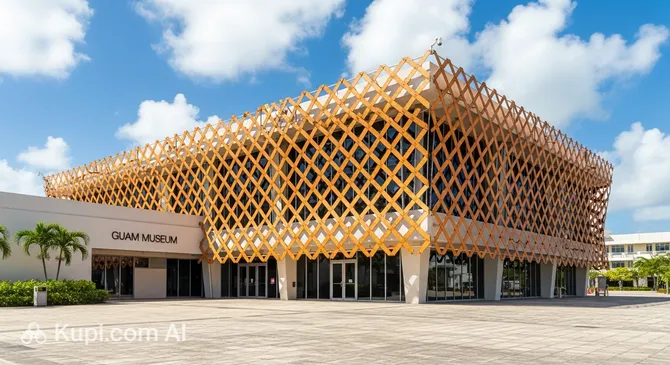
For a deep dive into the local culture, the Guam Museum is an essential stop. The building itself is an architectural marvel, designed to resemble an open book, symbolizing the unfolding story of the Chamorro people. Inside, visitors will find high-tech, interactive exhibits that cover the island's history, natural environment, and artistic traditions. It serves as a cultural hub, frequently hosting educational programs and temporary exhibitions that highlight the unique identity of the Marianas.

Guam Museum. Source: Kupi.Binoculars

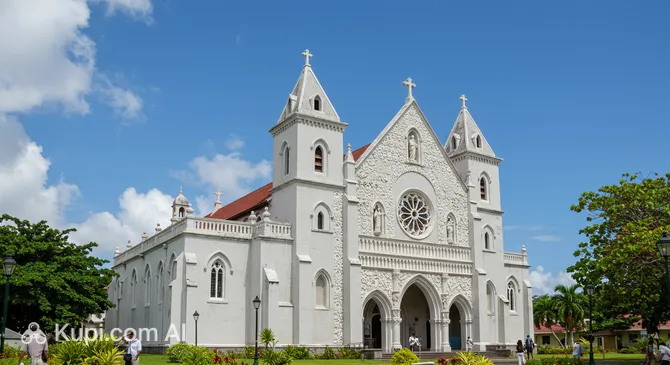
At the spiritual heart of the city stands the Dulce Nombre de Maria Cathedral-Basilica. This majestic white structure is built on the site of the very first Catholic church on Guam, which was constructed in 1669. The cathedral is not only a place of worship but also a landmark of resilience, having been rebuilt and restored over the years. Inside, it houses the revered statue of Santa Marian Kamalen, the patron saint of the Marianas, making it a site of great significance for the local community and a peaceful retreat for visitors.

Dulce Nombre de Maria Cathedral-Basilica. Source: Kupi.Binoculars

If you are looking to combine sightseeing with outdoor fun, the Paseo de Susana is a bustling waterfront park built on land reclaimed from the rubble of World War II. It is a favorite gathering spot for locals and features a miniature replica of the Statue of Liberty, gazing out over the harbor. The park also hosts the Chamorro Village, especially vibrant on Wednesday nights, and offers ample space for jogging, picnicking, or simply watching the sunset over the ocean.

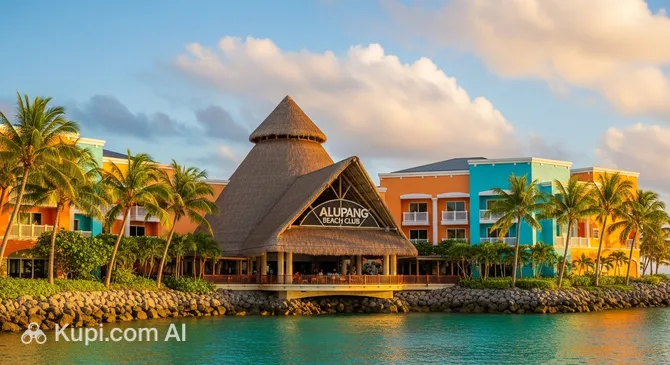
For travelers seeking active recreation and water sports, the Alupang Beach Club is a premier destination located just a short distance from the city center. This resort facility provides a wide array of marine activities, including parasailing, jet skiing, and dolphin-watching tours. It is the perfect place to experience the warm tropical waters of Guam in an energetic and safe environment, with facilities that cater to families and adventure seekers alike.

Alupang Beach Club. Source: Kupi.Binoculars

Local Cuisine

The culinary landscape of Hagatna is a delicious reflection of Guam's history, blending indigenous Chamorro traditions with Spanish, Filipino, and American influences. The local food culture is centered around bold flavors, where tangy, spicy, and savory notes come together to create unique gastronomic experiences. For tourists, dining here is not just about eating; it is an exploration of the island's soul, ranging from festive family-style feasts to modern, creative eateries.

One dish you simply must try is Kelaguen. A staple of Chamorro cuisine, it is somewhat similar to ceviche but distinct in its preparation. It typically features chopped chicken, shrimp, or beef, "cooked" by the acidity of lemon juice and mixed with fresh grated coconut, green onions, and hot peppers. It is often served with a side of titiyas (a local flatbread). Another iconic accompaniment is Red Rice (hineksa' agaga'), which gets its vibrant color and subtle earthy flavor from achote seeds. No meal is complete without Finadene, a ubiquitous dipping sauce made from soy sauce, vinegar, lemon, onions, and spicy peppers that adds a zesty kick to grilled meats and rice.

For a taste of local favorites in a welcoming atmosphere, visitors should head to Mosa's Joint. This popular spot is renowned for its creative take on island comfort food and its award-winning dishes, making it a perfect place to sample the local fusion style where East meets West.

Mosa's Joint. Source: Kupi.Binoculars

If you are looking for a quick and satisfying meal, Stax Smash Burgers offers a modern culinary experience that has become a hit with locals for its high-quality ingredients and casual vibe. For those who prefer a variety of options in one location, the Agana Shopping Center houses several dining establishments ranging from casual cafes to sit-down restaurants, allowing you to explore different tastes in air-conditioned comfort.

To wash down the rich flavors of the island, try a glass of fresh Calamansi juice. This local citrus drink is refreshing, slightly tart, and sweet—perfect for the tropical weather. Whether you are eating at a roadside stall or a sit-down restaurant, the warm hospitality in Hagatna ensures that you will never leave hungry.

Travel Tips

Preparing for your trip to Hagatna ensures you can focus on the beauty of the island rather than logistics. To help you navigate the capital of Guam with ease and confidence, we have compiled a list of essential practical advice for a smooth journey.

  1. Clothing and Gear: Given the tropical climate, pack lightweight, breathable fabrics like cotton or linen to stay cool. However, brief but intense rain showers are common, so carrying a compact umbrella or a light rain jacket is highly recommended. For footwear, comfortable walking shoes are essential for exploring historical sites, while sandals are perfect for the beach. If you plan to visit the Dulce Nombre de Maria Cathedral-Basilica, remember to dress modestly; shoulders and knees should be covered as a sign of respect.

  2. Transportation: While there is a public bus system (GRTA), schedules can be infrequent and routes limited for tourists. The most convenient way to explore Hagatna and the surrounding areas is to rent a car. This gives you the freedom to visit attractions at your own pace. Alternatively, taxis are available, and you can use the local ride-hailing app, Stroll, which functions similarly to Uber or Lyft.

  3. Finances: As a U.S. territory, the official currency is the United States Dollar (USD). Credit and debit cards are widely accepted at hotels, restaurants, and shops, but it is wise to carry some cash for small purchases at local markets or roadside stands. ATMs are readily available throughout the city. Tipping is customary here, generally following American standards of 15-20% for good service in restaurants and taxis.

  4. Health and Safety: Hagatna is generally a safe destination for travelers, but standard precautions like watching your belongings in public areas apply. Pharmacies and clinics are easily accessible, with the main hospital located nearby in Tamuning. The sun can be deceptively strong, so applying high-SPF sunscreen and staying hydrated is crucial. Tap water is generally treated, but most visitors prefer drinking bottled water to avoid any potential adjustment issues.

  5. Communication: English is one of the official languages and is spoken fluently by everyone, so you will have no trouble communicating. The indigenous language is Chamorro; learning a few basic phrases like "Hafa Adai" (Hello/Welcome) and "Si Yu'os Ma'ase" (Thank you) is deeply appreciated by locals. Wi-Fi is common in hotels and cafes, and you can easily purchase a local SIM card from providers like Docomo Pacific or GTA upon arrival.

  6. Local Etiquette: The "Hafa Adai spirit" represents the island's culture of hospitality and friendliness. When greeting people, a smile and a handshake are common. If you are invited to a local's home, it is customary to remove your shoes before entering. Respect for elders is also a pillar of the culture; you may see younger people performing a gesture called mannginge' (taking an elder's hand and touching it to their nose or forehead) as a sign of reverence.

  7. What to Avoid: Do not underestimate the currents if you go swimming in the bay; always check warning signs. Culturally, avoid being overly loud or boisterous in sacred places or historical memorial sites. Additionally, never damage or remove coral, shells, or sand from the beaches, as preserving the natural environment is taken very seriously.

  8. Local Insight: If your schedule allows, try to be in the city on a Wednesday evening. The Chamorro Village Wednesday Night Market is a highlight of the week, offering a fantastic opportunity to taste local street food, buy handicrafts, and watch traditional dance performances, providing a true taste of community life.

By keeping these tips in mind, you will be well-equipped to enjoy everything this welcoming city has to offer. We hope your visit to Hagatna is filled with memorable discoveries, warm encounters, and the unique charm of the Marianas.

Entertainment & Nightlife

When the sun sets over the Philippine Sea, Hagatna transforms from a bustling administrative hub into a relaxed destination for evening enjoyment. Unlike the high-energy club scene found in nearby tourist districts, the nightlife here is characterized by a laid-back, community-focused atmosphere. Visitors will find that evening entertainment revolves around open-air markets, casual dining with live local music, and enjoying the warm tropical breeze along the waterfront.

The undisputed highlight of the city's nightlife is the weekly Chamorro Village Night Market, held every Wednesday evening. Located near the Paseo de Susana, this event draws both locals and tourists for a festive celebration of island culture. The air fills with the aroma of barbecue, while visitors browse stalls selling handicrafts and watch traditional dance performances. It is the perfect place to mingle with the community and experience the true spirit of Guam under the stars.

Paseo de Susana. Source: Kupi.Binoculars

For those seeking a place to unwind with a drink and good food, the city offers several welcoming establishments. Mosa's Joint is a popular choice, known not just for its culinary delights but also for its vibrant atmosphere where friends gather to enjoy local brews and occasional live acoustic sets. The dress code in these venues is typically "island casual"—shorts and aloha shirts are perfectly acceptable, reflecting the unpretentious vibe of the capital.

If you prefer a more modern entertainment experience, the Agana Shopping Center provides a variety of options. Beyond its retail stores, the center features a movie theater where you can catch the latest international blockbusters. It serves as a convenient hub for families and groups looking for a comfortable, air-conditioned environment to spend the evening.

Agana Shopping Center. Source: Kupi.Binoculars

Practicalities for a night out in Hagatna are straightforward. The best time to experience the city's energy is undoubtedly Wednesday night, though weekends also see increased activity in local bars. Prices are generally reasonable, often lower than in the major resort areas. For transportation, it is advisable to use the "Stroll" mobile app or arrange a taxi, as public buses do not run late into the night. The city is generally safe for night walks, especially around the illuminated areas of the marina and main streets, but it is always wise to stay in populated zones.

While the nights are charming, daytime entertainment in Hagatna is equally enriching. Visitors can explore the island's heritage at local museums, visit historical fortifications, or take a leisurely stroll through the city's well-maintained parks. Whether you are interested in history or simply want to enjoy the coastal views, the capital offers a balanced mix of activities to fill your day before the evening festivities begin.

Parks & Museums

Exploration of Hagatna reveals a city where green spaces and cultural heritage are seamlessly woven together. The capital offers a variety of parks and museums that allow visitors to step back in time while enjoying the island's natural beauty, making it an ideal destination for history buffs and nature lovers alike.

Among the city's most prominent green spaces is the Paseo de Susana. Situated on a man-made peninsula jutting into the ocean, this park is a hub for recreation and relaxation. It features a promenade perfect for sunset strolls, picnic areas, and the iconic miniature Statue of Liberty. Another significant area is the Plaza de España, which served as the center of administration during the Spanish occupation. Today, its manicured lawns and restored ruins, including the Azotea and the Chocolate House, provide a tranquil setting where visitors can relax amidst reminders of the colonial past.

For a deeper understanding of the island's identity, the Guam Museum is the premier cultural institution in the city. Its permanent and changing exhibitions showcase over 4,000 years of history, art, and culture, telling the resilient story of the Chamorro people. While traditional museums are few, the city itself acts as an open-air gallery. The Senator Angel Leon Guerrero Santos Latte Stone Memorial Park displays ancient stone pillars that are unique to the Marianas, offering a tangible connection to pre-contact indigenous society.

History enthusiasts will also appreciate the architectural landmarks that define the cityscape. Fort Santa Agueda, the only remaining Spanish fort in Hagatna, sits atop Apugan Hill and offers commanding views of the bay alongside its historical cannons. In the heart of the city, the Dulce Nombre de Maria Cathedral-Basilica stands as a spiritual and architectural beacon. Built on the site of the first Catholic church in Guam, it houses a small collection of religious artifacts and historical documents that reflect the deep spiritual roots of the community.

For a truly authentic experience, take the time to walk the Hagatna Heritage Walking Trail. This self-guided route connects many of the major historical sites and parks, leading you through hidden corners of the city that many tourists might miss in a vehicle. It is the best way to absorb the quiet charm and layered history of this Pacific capital.

Getting Around

Navigating Hagatna is a unique experience that differs significantly from large metropolitan centers. The city does not have a metro, tram, or train system. Instead, the public transport network relies primarily on buses and tourist-oriented shuttles. For many visitors, the pace of transport here is relaxed, reflecting the island lifestyle, and understanding the available options is key to getting around efficiently.

The main public transportation is provided by the Guam Regional Transit Authority (GRTA). These buses connect the capital with various villages and key locations across the territory. While they are an affordable way to travel, tourists should be aware that routes and schedules can be limited, and wait times may be longer than expected. It is a functional system for locals, but it requires patience and careful planning if you intend to use it for sightseeing.

For visitors, a more popular and convenient alternative is the tourist bus system, often referred to as the Red Guahan Shuttle or simply the "Red Bus." These open-air trolleys are a familiar sight and specifically cater to travelers. They run frequent routes connecting the major hotel districts in neighboring Tamuning with key attractions in Hagatna, such as the Agana Shopping Center and the Chamorro Village. Riding these shuttles is not just a mode of transport but a sightseeing activity in itself, allowing you to enjoy the breeze and views while moving between destinations.

Regarding payment, the systems differ depending on the service. For the standard GRTA public buses, fares are typically low and are usually paid in cash (exact change is recommended) directly to the driver. In contrast, the tourist shuttles operate on a ticket or pass system. Visitors can purchase single-ride tickets, but it is often more economical to buy multi-day passes. These can be acquired at ticket counters in major shopping centers, tour desks in hotels, or sometimes via mobile apps associated with the shuttle operators.

Given the limitations of the public bus schedule, many travelers find that renting a car is the most practical solution for exploring Hagatna and its surroundings. This offers the freedom to visit historical sites and beaches at your own pace without relying on fixed timetables. Parking in the capital is generally readily available and free.

For those who prefer not to drive, taxis are available, though they are generally not hailed on the street; it is best to book one by phone or find them at designated stands near the shopping center. Additionally, the ride-hailing app Stroll is widely used and serves as a convenient, modern alternative similar to other global ride-sharing services. Exploring the downtown area on foot is also quite feasible, as many historic landmarks are clustered close together, though carrying water is advisable due to the tropical heat.

Accommodation

Where to Stay:

Finding accommodation directly within Hagatna can be a unique experience compared to the bustling resort strips found elsewhere on the island. As the administrative capital, the city’s lodging options are somewhat limited and tend to cater more to business travelers or those seeking a quieter, culturally immersive stay. Visitors will generally find a mix of functional business hotels, smaller inns, and short-term rentals rather than the sprawling luxury complexes typical of the main tourist zones.

For those wishing to stay close to the city's historical heart, the downtown area offers the most convenience. Staying here places you within walking distance of government offices, the cathedral, and major museums, making it an excellent choice for travelers interested in history and local culture. Alternatively, the coastal areas provide a more scenic setting, allowing guests to enjoy ocean views and easy access to water activities while still being just minutes away from the city center.

While the capital itself is not densely packed with hotels, there are notable establishments in the immediate vicinity that cater to visitors seeking a resort atmosphere. One such example is the Alupang Beach Club. Although famous for its daytime marine sports and recreational activities, it represents the type of coastal resort facility that defines the hospitality landscape along Hagatna’s shores, offering a gateway to the island's celebrated tropical lifestyle.

When planning your stay, it is important to consider that prices in and around the capital generally fall into the mid-range category. Because inventory is smaller compared to the major tourist districts, it is highly recommended to book your accommodation in advance, especially if you plan to visit during cultural festivals or the peak dry season. Most bookings can be easily managed through major online travel platforms, though contacting smaller local establishments directly can sometimes yield better rates or specific availability.

Nearby Cities

For those looking to explore the surroundings, Hagatna serves as an excellent base for day trips to several interesting nearby locations:

One of the closest and most accessible destinations is Maina. Often grouped with the village of Asan, this area is nestled in a lush valley just minutes from the capital. It offers a tranquil contrast to the administrative center, featuring verdant hills and a quiet, community-focused atmosphere. A visit here allows travelers to experience the serene, green interior of the island while remaining very close to the coast.

City Population Distance (km)
Maina 122411 2

These nearby destinations offer a glimpse into the diverse culture and landscapes of the region.

Shopping & Souvenirs

Shopping in Hagatna offers a relaxed and authentic alternative to the high-end luxury districts found elsewhere on the island. While the capital serves as the administrative center, its retail scene caters effectively to both locals and visitors, providing a mix of modern conveniences and traditional island culture. Travelers can expect a pleasant experience that ranges from browsing contemporary fashion outlets to hunting for unique handcrafted treasures in open-air markets.

The city's retail landscape is anchored by the Agana Shopping Center. Conveniently located in the heart of downtown, this mall is a favorite among residents for its comfortable, air-conditioned environment and diverse selection of stores. Unlike the tourist-centric luxury malls, this center features a variety of affordable international brands, department stores, and specialty shops. It is an excellent place to pick up vacation essentials, clothing, or electronics while enjoying a casual atmosphere.

For those seeking souvenirs that reflect the spirit of the Marianas, the area around the Paseo de Susana is a key destination, particularly on Wednesday nights. The Chamorro Village, situated nearby, transforms into a bustling hub of commerce and culture during its weekly night market. Here, artisans sell handmade goods such as woven palm-leaf baskets, intricate wood carvings, and jewelry made from seashells. It is the ideal spot to find meaningful gifts that support the local community.

When looking for keepsakes, visitors should keep an eye out for items featuring the iconic "Latte Stone" shape, a symbol of Chamorro heritage. Local food products also make excellent gifts; look for boxes of chocolate-covered macadamia nuts, spicy local jams, or packages of Chamorro cookies. These edible souvenirs allow you to bring a taste of the island back home to friends and family.

One of the significant advantages of shopping in Hagatna, and Guam in general, is its duty-free status. There is no general sales tax on goods, which can result in considerable savings compared to prices in many other regions. This makes purchasing clothing, accessories, and gifts particularly attractive for budget-conscious travelers.

Most stores in the city operate on standard business hours, typically opening around 10:00 AM and closing by 8:00 PM or 9:00 PM, though smaller local boutiques may have shorter hours or close on Sundays. The official currency is the US Dollar, and major credit cards are widely accepted at the shopping center and larger establishments. However, if you plan to visit the outdoor markets or smaller stalls, carrying some cash is recommended to facilitate smoother transactions.

Nearby cities

Reached the end of the page?

That means the route is fully explored