Support

Kiribati

Cities in the country

About the Country

Kiribati is a remarkable island nation in the Pacific Ocean, whose uniqueness lies in its location: it is the only country in the world with territories in all four hemispheres, crossing both the equator and the 180th meridian. Comprising 33 coral atolls and one raised coral island scattered across a vast expanse of ocean, Kiribati offers travellers a true sense of remoteness from the hustle and bustle of civilisation. The nation's capital is Tarawa, located on the atoll of the same name.
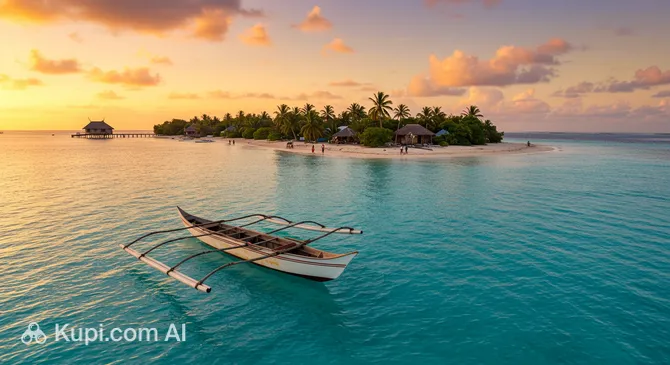
Tarawa. Source: Kupi.com Binoculars

The culture of Kiribati is deeply rooted in the traditions of its Micronesian seafaring ancestors. The local people, known as I-Kiribati, are renowned for their hospitality, navigational skills, traditional dances and songs, as well as unique handicrafts such as weaving from pandanus leaves. Daily life on many of the islands is still closely connected to the ocean and its resources. Historically, the islands witnessed significant events of the Second World War, particularly the atoll of Tarawa. For example, visitors can explore Betio, where historical relics serve as a reminder of the bloody Battle of Tarawa.

Kiribati's nature is its greatest treasure. Travellers can expect idyllic beaches with pristine white sand, crystal-clear lagoons, a rich underwater world perfect for diving and snorkelling, and world-class fishing opportunities. The Phoenix Islands, a part of Kiribati, are a UNESCO World Heritage site and one of the largest marine protected areas in the world. The climate is tropical and maritime, with warm weather year-round, making the country attractive for those seeking secluded beach holidays and an introduction to untouched nature. For those looking for unique natural landscapes, Washington Island, also known as Teraina, is of particular interest with its freshwater lake in the crater of an extinct volcano.

Currency

The official currency of Kiribati is the Australian dollar (AUD). Alongside Australian dollars, the country also circulates its own Kiribati dollar coins. These are pegged to the Australian dollar at a 1:1 ratio and have the same denominations. While Australian banknotes are used, the coins in circulation can be either Australian or local Kiribati ones, which often feature designs reflecting the islands' unique flora, fauna, and culture. This makes them an interesting souvenir for collectors.

It is best to exchange foreign currency for Australian dollars before arriving in Kiribati, or in the nation's capital, Tarawa, where the few banking facilities are located. Outside the capital, finding currency exchange points can be difficult. The use of credit cards in Kiribati is extremely limited and is only possible in a few large hotels and some organisations in Tarawa. Therefore, it is highly recommended to carry a sufficient amount of cash in Australian dollars for your daily expenses during your trip.

Visa Requirements

When planning a trip to Kiribati, it is important to clarify the visa requirements in advance. For citizens of the United Arab Emirates, travel to Kiribati has been simplified thanks to a mutual visa waiver agreement. Holders of regular UAE passports can enter Kiribati for tourism or business without needing a visa for stays of up to 90 days.

Regardless of the visa-free arrangement, all travellers to Kiribati must have a valid passport with a validity that covers their entire intended period of stay. It is also highly recommended to carry return or onward tickets, proof of accommodation, and comprehensive travel insurance. As visa and entry rules can change, it is always advisable to check the most current information with the relevant authorities before your journey.

We'll tell you if you need a visa

Specify where you are going, or
Your citizenship
Destination

Time Zones

When travelling to Kiribati, it is worth remembering that this island nation is unique in its location and covers as many as three time zones. This is due to the vast territory over which the country's numerous atolls and islands are scattered, stretching for thousands of kilometres in the Pacific Ocean.

Kiribati's time zones are UTC+12, UTC+13, and UTC+14. Some of the Line Islands, which are part of Kiribati, are among the first places on Earth to welcome the new day. When planning travel between different island groups, for example, when travelling from the capital Tarawa (which is in the UTC+12 zone) to other islands, be sure to check the local time. This will help to avoid any confusion with transport schedules, tours, and other activities.

How to Get There

Reaching the remote paradise of Kiribati in the Pacific Ocean from the United Arab Emirates is possible exclusively by air. The country's main international gateway is Bonriki International Airport (TRW), located in the capital, Tarawa. There are no direct flights from the UAE to Kiribati. Travellers will need to fly with at least two stops, typically connecting through a major airport in Oceania. The most common routes involve flying from Dubai (DXB) to Nadi, Fiji (NAN) with airlines like Emirates, and then taking a connecting flight to Tarawa with Fiji Airways. Another option is to fly via Brisbane, Australia (BNE), connecting onward to Tarawa with Nauru Airlines.

Given Kiribati's island geography, there are no land-based methods to enter the country. Sea travel is primarily limited to cargo ships. While some cruise liners may occasionally visit certain atolls like Kiritimati (Christmas Island), there is no regular international passenger ferry service to Kiribati. Therefore, air travel remains the most practical and common option for tourists.

When planning a trip to Kiribati, it is strongly recommended to book flights and accommodation well in advance. Due to the nation's remoteness and the limited number of flights, finding last-minute availability can be challenging, particularly during peak travel periods. Careful planning will ensure a smooth start to your adventure in this unique part of the world.

For your reference, here is a summary of the main airports:

Airport Name City/Island Passenger Traffic
Bonriki International Airport Tarawa Medium
Cassidy International Airport Kiritimati (Christmas Island) Small

Kiribati, spread across the vast Pacific Ocean, offers travellers a unique opportunity to explore picturesque atolls, discover a distinctive culture, and connect with significant historical events. Among the most appealing destinations is the nation's capital, Tarawa. This atoll is not only the administrative and economic hub but also a place where you can learn more about the history of the Second World War and enjoy the beauty of its tropical lagoons.

Tarawa. Source: Kupi.com Binoculars

Equally interesting is Betio, part of the Tarawa atoll, which preserves the memory of the famous Battle of Tarawa and attracts military history enthusiasts. For those seeking a more tranquil holiday and wishing to immerse themselves in the traditional way of life of the islanders, the ideal choice is the atoll of Butaritari, known for its lush greenery, fertile lands, and welcoming villages.

Fans of unspoilt nature and underwater exploration will truly appreciate Tabuaeran, also known as Fanning Island, with its crystal-clear waters, ideal for diving and snorkelling. Also worth visiting is the atoll of Abemama, which captivates with its idyllic beaches and rich history connected to the last king of Kiribati. Each of these locations reveals its own unique facet of the amazing world of Kiribati.

Top Attractions

Kiribati, an archipelago lost in the vast expanse of the Pacific Ocean, entices travellers with its untouched natural beauty, unique culture, and opportunities for a secluded holiday. Although the country is not abundant in monumental structures, its main treasures are its atolls, rich underwater world, and distinctive heritage.

One of Kiribati's main gems is undoubtedly the Phoenix Islands Protected Area (PIPA). This unique marine reserve, one of the largest in the world, is a UNESCO World Heritage Site. PIPA amazes with its incredible biodiversity and offers a rare opportunity to observe marine life in its pristine state. Access to the area is strictly regulated to preserve this fragile ecosystem, which underscores its exceptional value.

Another iconic location is Christmas Island (Kiritimati), which is the largest coral atoll on the planet. It is known worldwide for its excellent conditions for sport fishing and birdwatching, as millions of seabirds nest here. The vast lagoons and secluded beaches of Kiritimati create the perfect atmosphere for those seeking tranquillity and communion with nature.

In addition to its natural wonders, Kiribati offers a deep immersion into its distinctive local culture. The traditional community meeting houses, known as the Maneaba, hold a central place in the islanders' social life. This is where important gatherings, celebrations, and rituals take place, allowing guests to experience the authentic traditions and customs of the Kiribati people.

History enthusiasts will also find interesting sites here. On some islands, particularly on the atoll of Tarawa, relics from the Second World War have been preserved. These silent witnesses to the fierce battles that took place in these waters are a reminder of an important historical period and attract researchers and tourists interested in military history.

Best Time to Visit

When planning a trip to Kiribati, it is important to consider the tropical marine climate of this island nation. Generally, it is warm and humid all year round, but there are two main seasons. The high season, which is considered the best time to visit, usually lasts from May to October-November. During this period, the weather is drier and sunnier, with less rainfall and a pleasant ocean breeze. This is the ideal time for beach holidays, snorkelling, diving, and exploring the numerous atolls. Although Kiribati is not a mass tourism destination, there may be slightly more visitors during the high season, and prices for flights and accommodation may be a little higher.

The low season, or rainy season, occurs from November-December to April. During this time, the chance of rain increases, which can range from short showers to prolonged downpours, and the humidity rises. The advantages of travelling in the low season include even fewer tourists and possibly better deals on accommodation. However, you should be prepared for the weather to alter your plans, and some activities that depend on calm seas may be limited. An important event to consider when planning your trip is Kiribati Independence Day (12 July), which is celebrated with colourful festivals and traditional events and falls during the dry season.

Kiribati is a vast country made up of 33 atolls scattered over a huge area of the Pacific Ocean, so climatic conditions can vary slightly between the island groups (Gilbert, Phoenix, and Line). Nevertheless, the overall picture remains similar. For most travellers visiting the main islands, such as Tarawa, the choice between the dry and wet season will be the main factor. In any case, Kiribati will offer you a unique experience of Pacific culture and nature.

Traditions

The culture of Kiribati is deeply rooted in traditions of hospitality and respect. The local people, known as I-Kiribati, usually greet guests with a warm smile and the word "Mauri" (which means "hello" or "welcome"). When communicating, a friendly tone, a calm manner of speaking, and moderate eye contact are appreciated; excessive gesturing is not common. If you are invited into a home, it is considered a great honour. While gifts are not obligatory, a small token of appreciation, such as fruit or useful small items for children, will be gratefully received.

When visiting villages or public places in Kiribati, especially traditional community houses known as the "maneaba" or churches, modest clothing that covers the shoulders and knees is recommended. Swimwear and overly revealing clothing are appropriate only on beaches or within tourist resorts. At the dining table, there are no particularly strict rules, but it is important to show respect for elders and your hosts, for instance, by waiting for them to start eating first and not refusing offered food if possible. To better understand the spirit of the people, you could visit the Independence Day celebrations (12th July), when colourful festivals with traditional dances, songs, and sports competitions take place across the country. In general, to ensure your journey is a pleasant one and to show respect for local customs, avoid loud arguments in public, displays of impatience, and photographing people without their prior permission.

Entertainment

Kiribati offers unique recreational opportunities, primarily linked to its island location and rich underwater world. Fans of active holidays will find a paradise for diving and snorkelling, exploring coral reefs and shipwrecks from the Second World War. Sport fishing, particularly for bonefish and giant trevally, is also popular, along with kayaking and windsurfing. For those who prefer land-based activities, there are walks through picturesque atolls and birdwatching, especially on the Phoenix Islands, a designated UNESCO World Heritage site.

Cultural entertainment in Kiribati is closely intertwined with local traditions. Tourists can experience the unique Micronesian culture by visiting traditional villages, watching local dances (te mwaie), and listening to authentic music. When visiting villages or a traditional meeting house (maneaba), it is important to dress modestly to show respect for local customs. Although there are no large museums or theatres, the cultural experience lies in immersing oneself in the daily life and customs of the islanders. Nightlife in Kiribati is quite relaxed and mainly centred in the capital, Tarawa, and on some other large atolls. Here you can find small bars and restaurants offering local dishes, which are rich in fresh seafood like grilled tuna. While specific halal certification is uncommon, the abundance of seafood and plant-based foods provides suitable options for many diners.

Shopping in Kiribati is primarily an opportunity to purchase unique handmade crafts. Local artisans create beautiful woven baskets, mats from pandanus leaves, jewellery from seashells and wood, and models of traditional canoes. These souvenirs serve as a wonderful reminder of your trip. The main places to buy these items are at local markets and small shops in Tarawa and other settlements. As for family entertainment, Kiribati offers a peaceful and safe holiday in nature. Children will be delighted by the sandy beaches, swimming in the warm lagoons, and discovering the amazing marine life while snorkelling in the shallows.

Currency rates

Planning a trip? That's wonderful! To ensure the financial side of your journey does not come with any surprises, it is important to remember that currency exchange rates are constantly changing. Kiribati's official currency is the Australian Dollar (AUD), and it is advisable to carry enough cash for your daily expenses as credit card acceptance is limited, especially on the outer islands. Therefore, we strongly advise monitoring the latest AUD exchange rates before you fly and throughout your stay. You can use the data provided below for this — we monitor currency rates 24/7 and aim to provide the most up-to-date information.

Reached the end of the page?

That means the route is fully explored