Support

Museo Regional de Historia de Tamaulipas

About

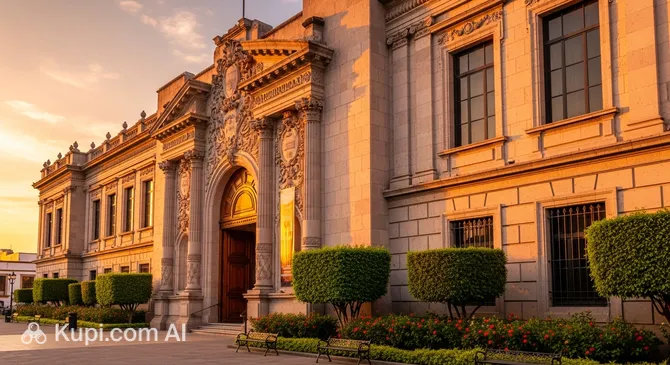
In the very heart of Ciudad Victoria lies one of the region's most important cultural venues—the Regional Museum of History of Tamaulipas. This site is not just a storehouse of antiquities, but an architectural gem housed in the former Vincentian Asylum (Ex Asilo Vicentino) from the late 19th century. The museum's elegant facades are a reminder of the rich history and charitable past of this structure.
\n\n
Regional Museum of the History of Tamaulipas. Source: Kupi.com AI
\n\n

Officially opened in 2003 after meticulous restoration, the museum became home to a massive collection of over 3,300 items. Within these walls, Mexico carefully preserves the heritage of different eras: from mysterious pre-Columbian civilizations to the turbulent events of modern times. About 750 artifacts are on permanent display, offering visitors a visual narrative of the state's formation.

\n\n

The museum is rightfully considered one of the most significant landmarks in Ciudad Victoria. The combination of historical walls and modern exhibition technologies makes it attractive both for academic history buffs and curious tourists eager to understand the soul of this northern region.

Contacts

To confirm current information about special exhibitions or to book group tours, you can use the institution's official contact details.

\n\n\n \n \n \n \n \n \n \n \n \n \n \n \n
Address22 Allende S/N, Zona Centro, 87000 Cdad. Victoria, Tamps., Mexico
Phone+52 834 315 1456, +52 834 310 0474
Official Websitetamaulipas.gob.mx/cultura

What to Do

Visitors to the museum can expect a fascinating journey through the centuries, organized into 11 thematic halls. The exhibition begins with an immersion into the region's geographical landscape and an introduction to the daily life of indigenous cultures. One of the highlights of the collection is the unique Huastec ceramics, which showcase the skill of ancient pre-Hispanic artisans.

\n\n

In the halls dedicated to the colonial era, you can see rare works of art and learn about the "meeting of two worlds." Special attention is given to the history of New Santander and the transformation of these lands into the modern state of Tamaulipas. Interactive video screens and modern museum technologies help visualize the region's economic development, social life, and rich tourism potential.

\n\n

Besides exploring the display cases, it is definitely worth taking time to appreciate the architecture of the complex itself. A walk through the courtyards and galleries of the former asylum allows you to feel the atmosphere of the 19th century. Here, the city's history comes to life not only in documents and artifacts but in the very stones of the building, which has stood as a silent witness to many historical changes.

Getting There

Finding the museum is easy, as it is located in the heart of the historic center of Ciudad Victoria, in the Zona Centro district. A landmark for tourists is the intersection of Venustiano Carranza and Allende streets. The building stands out with its classical architecture and is one of the district's main visual landmarks.

\n\n

If you are using public transport, local buses pass through the center. Simply ask the driver to stop at the museum or near the central square. For those who prefer comfort, a taxi ride from any part of the city to the museum entrance is quick and affordable.

\n\n

For travelers with a personal or rental car, there are paid parking zones in the Zona Centro area. Given its central location, many of the city's attractions are within walking distance of the museum, allowing you to combine your visit with a pleasant stroll through the streets of Mexico.

History & Facts

The history of this majestic building began in the late 19th century, around 1897. At the initiative of Bishop Filemón Fierro Terán, the foundation was laid for the Vincentian Asylum (Ex Asilo Vicentino)—a charitable institution for orphans and women in need. The land for construction was donated by patrons Fermín Legorreta Fernández and his wife.

\n\n

Over the decades, the walls of the future museum witnessed changing eras and purposes: the building served as a school, military barracks, and even a government office. By the late 20th century, the structure had fallen into disrepair, but thanks to the efforts of local authorities and the "Patronage of Friends of the Museum," a large-scale campaign to save and restore it began in 1988.

\n\n

In the early 2000s, a complete reconstruction was carried out under the direction of architect Francisco Filizola González. Specialists managed to preserve the historical appearance while adapting the space to the requirements of a modern museum complex. The grand opening of the renovated Regional Museum of History of Tamaulipas took place on February 12, 2003.

Time Needed

To leisurely explore all the museum's exhibits and soak in the atmosphere of the historic building, we recommend planning for about 2–3 hours. This is sufficient time to visit the 11 thematic halls and examine the most valuable archaeological artifacts.

\n\n

If you plan to carefully study the information boards and watch the video materials illustrating the region's economic development, your visit may last half a day. In any case, the richness of the collection makes this a must-visit for anyone interested in the culture of the state of Tamaulipas.

Working Hours

The museum traditionally welcomes guests from Tuesday to Sunday. The doors are open from 10:00 AM to 5:00 PM, allowing you to easily plan a visit during the day. Please note that the museum is closed on Mondays—this day is reserved for technical maintenance and the preservation of the collections.

\n\n

On weekends, the operating hours may be slightly shorter (sometimes closing at 4:00 PM), so it is recommended to check the official website or verify with local tourist centers before your trip to ensure you have enough time to see all the halls.

Nearby

The museum's location in the city's historic core allows tourists to easily continue exploring the local flavor. A stroll through the surrounding streets will reveal cozy squares, traditional Mexican establishments, and architectural landmarks that harmoniously complement the state's historical context.

\n\n

Exploring the central blocks will help you feel the atmosphere of the city, where the modern pace of life meets a rich heritage of the past. Below are some interesting sites located nearby:

\n\n\n \n \n \n \n \n \n \n \n \n \n \n \n \n \n \n \n \n \n \n \n \n \n \n \n \n \n \n \n \n \n \n \n \n \n \n \n \n \n \n \n \n \n \n \n \n \n \n \n
NameDistance (km)
Plaza Gallo1.2
La Capital Botanero1.2
El Picorrazo1.6
Huisachal1.6
Papu house2.0
Placa Conmemorativa Avenida Tecnológico2.0
Manhattan Bar - Botanero2.1
Salón y Alberca Marhil2.7
Jardín Etnobotanico Anacahuita3.4
Salón Mayakar3.8

Reached the end of the page?

That means the route is fully explored