Support

Mexico

About the Country

Mexico is a country of incredible contrasts and vibrant experiences, stretching across the southern part of North America and bordered by the Pacific Ocean and the Caribbean Sea. It is a land where ancient civilisations have left behind majestic pyramids and mysterious cities, while its colonial past has gifted it with elegant architecture and unique traditions. The heart of the country is its bustling capital, Mexico City, one of the world's largest metropolises, where modernity is closely interwoven with a rich history.
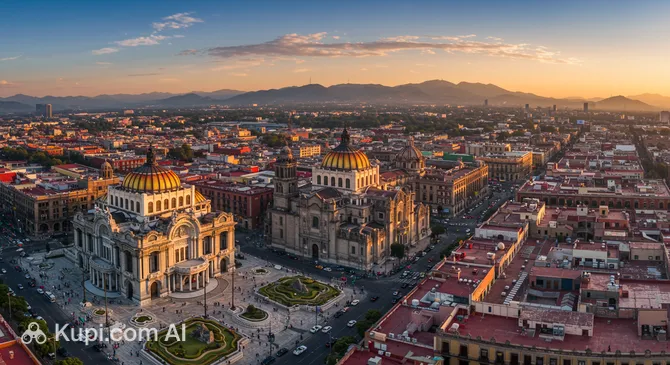
Mexico City. Source: Kupi.com Binoculars

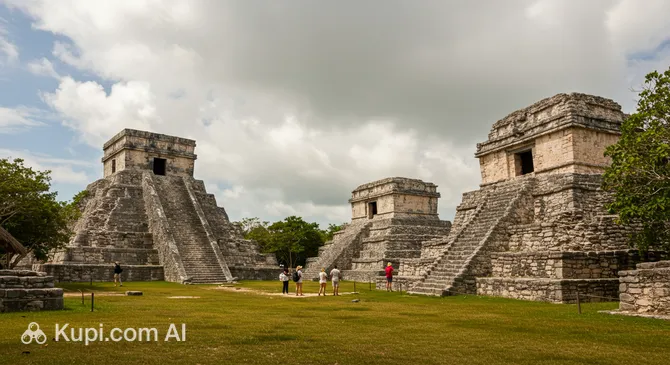
Mexico is famous for its unique cultural heritage, which is rooted in the times of the powerful Mayan and Aztec civilisations. Travellers can expect not only renowned archaeological sites, such as Chichen Itza or Teotihuacan, but also stunning natural beauty. From the white sandy beaches of the Caribbean coast, for example in the popular Cancún, to the majestic Sierra Madre mountain ranges and the unique desert landscapes in the north, there is something for everyone. Explore the mysterious cenotes of the Yucatán, dive into the vibrant underwater world, or simply enjoy the hospitality of the local people. For travellers from the UAE, Emirates offers flights to Mexico City, making this fascinating destination more accessible.

The climate in Mexico is extremely varied, ranging from humid tropical on the coasts and in the jungles to drier and more temperate in the highland areas, making the country attractive to visit almost all year round. The atmosphere of Mexico is a true celebration of life, filled with the lively music of mariachi, the aromas of its world-famous spicy cuisine, and the bright colours of its folk crafts. While finding certified halal food can be a challenge, major cities like Mexico City and Cancún offer a growing number of halal-friendly options, particularly Lebanese, Indian, and Pakistani restaurants. Visiting iconic sites like the Constitution Square in the capital will allow you to immerse yourself more deeply in the spirit of this amazing and multifaceted country.
Currency

The national currency of Mexico is the Mexican peso (MXN). Peso banknotes are adorned with images of famous historical figures, as well as the country's significant cultural and natural landmarks. For example, you can find portraits of Frida Kahlo and Diego Rivera, depictions of ancient Mayan cities, or iconic ecosystems on the notes. The coins also feature various designs, often with national symbols.

It is recommended to exchange currency at official banks or exchange offices (casas de cambio), which can be found in airports, cities, and tourist areas. For travellers from the UAE, it is advisable to carry US dollars (USD) to exchange for pesos, as this is more straightforward than exchanging Emirati Dirhams (AED). Try to avoid exchanging money with street money changers due to the risk of fraud or unfavourable exchange rates.

Credit and debit cards (mainly Visa and Mastercard) are widely accepted in most hotels, restaurants, large shops, and travel agencies, especially in popular resort towns and the capital, Mexico City. However, in smaller towns, at local markets, or in small family-run establishments, cash is preferred. Therefore, it is always useful to have a certain amount of pesos on hand for small expenses and in case card payments are not possible.

Visa Requirements

When planning a trip to Mexico, it's important to familiarise yourself with the visa requirements, which depend on your citizenship. Citizens of the United Arab Emirates holding a valid passport can travel to Mexico without a visa for tourism or business purposes for up to 180 days.

Regardless of visa regulations, all travellers entering Mexico will require a passport that is valid for the duration of their stay. Upon arrival by air, you will typically need to complete a Digital Multiple Migratory Form (FMMD). You may also be asked by immigration officials to provide evidence of a return or onward flight, hotel reservations, and sufficient funds for your trip.

As visa and entry rules can change, it is highly recommended to confirm the latest information with the Embassy of Mexico in the UAE or on the official website of Mexico's National Institute of Migration before your journey. This will help you avoid any unforeseen complications and ensure a smoother travel preparation process.

We'll tell you if you need a visa

Specify where you are going, or
Your citizenship
Destination

Time Zones

When planning a trip around Mexico, it is important to remember that the country uses four main time zones. This means that the time can differ depending on which region you are visiting. The main time zones are distributed across the country from east to west: the Southeast Zone (Zona Sureste), Central Zone (Zona Centro), Pacific Zone (Zona Pacífico), and Northwest Zone (Zona Noroeste).

The nation's capital, Mexico City, is in the Central Zone (UTC-6). For context, this is 10 hours behind the UAE, which observes Gulf Standard Time (UTC+4). When planning domestic travel or excursions, especially over long distances, be sure to check the local time at your destination to avoid any confusion and ensure you do not miss anything of interest.

How to Get There

The easiest way to get to Mexico is by air. For travellers from the UAE, there are no direct flights, but several convenient one-stop options are available. Major airlines like Emirates, Etihad Airways, Turkish Airlines, and Qatar Airways offer flights from Dubai, Abu Dhabi, and other regional hubs to Mexico's main international airports with a single connection in cities such as Barcelona, Istanbul, or Paris. The country's primary gateway is often the Benito Juárez International Airport in Mexico City, which serves as a major hub. Popular resort destinations like Cancún also have large international airports with extensive routes, receiving scheduled and charter flights from all over the world.

For travellers already in the United States, Guatemala, or Belize, it is possible to cross into Mexico by land. International bus routes connect Mexican border towns with cities in neighbouring countries, offering a more economical, though longer, way to travel. Additionally, Mexico is a popular destination for cruise ships. Many cruises call at Mexican ports on the Caribbean coast (e.g., Cozumel, Costa Maya) and the Pacific coast (e.g., Ensenada, Puerto Vallarta, Cabo San Lucas), which can be an excellent way to get a taste of the country's coastal regions.

For Muslim travellers, finding Halal food can be challenging outside of major cities like Mexico City and Cancún, where a small number of Lebanese, Indian, and Pakistani restaurants offer Halal options. It is advisable to confirm with the restaurant directly. In other areas, vegetarian and seafood dishes are widely available alternatives. Prayer facilities are not common in public spaces, but mosques can be found in some larger cities. It is recommended to plan prayer times and locations in advance.

Regardless of how you choose to travel to Mexico, it is highly recommended to book your tickets and plan your itinerary in advance. This is especially true if your trip falls during peak tourist seasons, such as the winter holidays (Christmas and New Year), Easter week (Semana Santa), or the summer months. Early booking will not only help you find better fares but also guarantee availability for your desired dates.

For your reference, here is a summary of the main airports in Mexico:

Airport Name City Passenger Traffic
Benito Juárez International AirportMexico CityVery Large
Cancún International AirportCancúnVery Large
Tijuana International AirportTijuanaLarge
Miguel Hidalgo y Costilla Guadalajara International AirportGuadalajaraLarge
Monterrey International AirportMonterreyMedium

Mexico offers travellers an incredible diversity of experiences, from bustling metropolises with a rich cultural heritage to world-renowned resorts with pristine white-sand beaches on the Caribbean Sea and picturesque bays along the Pacific Ocean. Each city and resort in the country has its own unique character, capable of satisfying the most discerning tastes.

Mexico City. Source: Kupi.com Binoculars

The heart of the country and one of the world's largest metropolises is Mexico City. This city captivates with its blend of ancient Aztec ruins, magnificent colonial architecture, and modern skyscrapers. Here you will find world-famous museums, such as the National Museum of Anthropology, bustling squares like the Zócalo, and a uniquely vibrant and festive atmosphere. For those who dream of turquoise seas and white sands, the perfect choice is Cancun. This popular resort on the Yucatán Peninsula is famous for its luxurious hotels, crystal-clear waters, opportunities for water sports, and lively evening entertainment, as well as its proximity to the mysterious ancient cities of the Maya.

If you are seeking a more authentic experience and an immersion in history, head to Guanajuato – a charming colonial city and a UNESCO World Heritage site. Its narrow, winding alleyways, colourful building façades, underground tunnels that were once a riverbed, and the famous Mummy Museum create an unforgettable atmosphere. On the Pacific coast, Puerto Vallarta awaits. This resort harmoniously combines the charm of its cobbled old town with modern amenities, beautiful beaches such as Playa los Muertos, and opportunities for outdoor activities, including surfing and whale watching. Each of these destinations is just a glimpse of what hospitable and multifaceted Mexico has to offer.

Top Attractions

Mexico is rich in amazing places, capable of impressing any traveller. One of the main attractions in the country's capital, Mexico City, is the Constitution Square, also known as the Zócalo. This is a huge space in the heart of the city, surrounded by historic buildings, including the Metropolitan Cathedral and the National Palace, where you can see the famous murals of Diego Rivera. The square often becomes a venue for national holidays and cultural events. When visiting religious sites such as the Cathedral, it is recommended to dress modestly, covering shoulders and knees, out of respect.

Constitution Plaza. Source: Kupi.com Binoculars

Not far from the centre of Mexico City lies Chapultepec Forest — one of the largest urban parks in the world. It is a true oasis where you can not only take a break from the city's hustle and bustle but also visit numerous museums, including the National Museum of Anthropology, Chapultepec Castle, a zoo, and a botanical garden. The park is very family-friendly and offers entertainment for all tastes and ages.

Chapultepec Forest. Source: Kupi.com Binoculars

For lovers of ancient civilisations, a visit to the San Gervasio Archaeological Zone on the island of Cozumel is a must. This was an important Mayan pilgrimage site dedicated to the goddess Ix Chel, who was revered as the goddess of the moon and fertility. Here you can walk among the ruins of ancient temples and shrines, connecting with the mysterious history of pre-Columbian America.

San Gervasio Archaeological Site. Source: Kupi.com Binoculars

If you are looking for something romantic and unusual, head to Guanajuato to see the famous Alley of the Kiss. This narrow street, where the balconies of the houses almost touch, is shrouded in a tragic legend about two lovers. It is said that couples who share a kiss on the third step of the alley will find happiness.

Alley of the Kiss. Source: Kupi.com Binoculars

For travellers, it is worth noting that while halal food options are not widespread in Mexico, a number of restaurants serving halal cuisine, particularly Middle Eastern and South Asian, can be found in major cities like Mexico City. It is always advisable to confirm with the restaurant directly. Prayer facilities for Muslims are also available in the capital.

Best Time to Visit

The best time to visit Mexico largely depends on your plans and preferences. The high season traditionally lasts from November to April. During this period, the weather is dry and sunny, especially in popular resorts on the Caribbean coast, such as Cancun, and on the Pacific coast, for example, in Puerto Vallarta. This is the ideal time for beach holidays, diving and exploring ancient ruins. When visiting cultural or archaeological sites, it is advisable to wear modest, lightweight clothing and comfortable shoes to show respect and stay comfortable in the heat. Additionally, from December to March, you can go whale watching off the coast of Baja California or visit the Monarch butterfly sanctuaries in the central part of the country. However, be prepared for larger crowds of tourists and higher prices for accommodation and services.

The low season, or shoulder season, runs from May to October. This period is characterised by hotter, more humid weather and the rainy season, which is particularly intense from June to September. Although the rain often consists of short afternoon showers, there is a risk of hurricanes on the Caribbean coast from June to November. The advantages of this period are fewer tourists, more affordable prices and lush green landscapes. The end of this season, from late October to early November, is famous for the celebration of the Day of the Dead (Día de Muertos) – a unique cultural event that draws many travellers to cities like Guanajuato or the nation's capital, Mexico City.

Given Mexico's vast size, the climate can vary significantly in different parts of the country. While coastal areas have distinct dry and wet seasons, the central highland regions, including Mexico City, have a more temperate climate year-round, although the summer months also bring rain. Northern regions, for example, near Tijuana, can be very hot in the summer. While halal food options and prayer facilities are not widespread, they can be found in major cities like Mexico City and tourist hubs such as Cancun. It is always recommended to check the weather forecast for the specific region you plan to visit to ensure your journey is as comfortable as possible.

Traditions

Mexican culture is famous for its warmth and openness, which is clearly shown in daily interactions. When meeting people, it is customary to shake hands while making direct eye contact. Mexicans highly value hospitality; if you are invited to a home, a small gesture of appreciation, such as flowers (avoiding yellow flowers and marigolds as they can have special meanings) or high-quality sweets (ensuring they are halal), will be gratefully received. In conversation, Mexicans often use gestures and may stand closer than is common in some other cultures, which is a sign of their friendliness. When greeting between men and women, it is polite to wait for the woman to offer her hand first.

Regarding clothing, Mexicans prefer a comfortable style for daily life, but a neat appearance is always welcome. When visiting religious sites, such as churches, it is important to show respect: men and women are advised to cover their shoulders and knees. While dedicated prayer facilities are not widespread, some mosques and Islamic centres can be found in major cities like Mexico City, Tijuana, and Guadalajara, often with separate areas for women. At the dining table, Mexicans generally follow continental etiquette. It is considered polite to wait for the hosts to signal the start of the meal (often with the phrase "Buen provecho!"). Remember to use the words "por favor" (please) and "gracias" (thank you) – these are the foundations of polite communication. Try not to discuss controversial political topics and avoid criticising local customs, so as not to offend those you are speaking with.

The cultural life of Mexico is filled with vibrant festivals. One of the most famous and unique is the Day of the Dead (Día de los Muertos), celebrated on the 1st and 2nd of November. This is not a sombre event, but a colourful and heartfelt festival dedicated to the memory of deceased relatives, featuring special altars, food, and flowers. Another significant national holiday is Independence Day (16th of September), which is celebrated with great enthusiasm across the country. While finding halal-certified food can be a challenge outside of major cities, tourist areas in places like Cancún and Mexico City have a growing number of halal-friendly restaurants, often serving Middle Eastern or Indian cuisine. Understanding these traditions will help you to more deeply appreciate the spirit of Mexico and will make your journey even more memorable.

Entertainment

Mexico offers travellers an incredible variety of entertainment to suit every taste, from thrilling outdoor adventures to deep dives into its rich culture. Active holidaymakers will find a wealth of opportunities, from diving and snorkelling in the crystal-clear waters of the Caribbean Sea and Pacific Ocean to surfing at famous spots. For those who prefer to stay on land, there are trekking routes through picturesque mountains and canyons, as well as the exploration of mysterious cenotes.

The cultural programme in Mexico is just as rich. The country is proud of its ancient heritage, which can be explored in numerous archaeological zones and museums. Major cities, such as Mexico City, offer visits to theatres, art galleries, and concert halls that introduce you to contemporary Mexican art. As evening falls, many resort towns like Cancún or Puerto Vallarta come alive with a vibrant scene of restaurants and entertainment venues, where you can enjoy local cuisine, music, and dancing until the early hours. While halal-certified restaurants are growing in number, particularly in major cities, visitors may find it useful to inquire about food preparation or opt for seafood and vegetarian dishes.

Shopping in Mexico is a pleasure in itself. Tourists often bring home colourful handcrafted items: ceramics, textiles, and silver jewellery, alongside other local specialities. Local markets and charming shops offer a huge selection of authentic souvenirs. For a family holiday, Mexico also provides a host of options: from modern theme parks and water parks that children will especially love, to educational excursions to ancient ruins that can captivate travellers of all ages.

Currency rates

Planning a trip? Excellent! To ensure the financial aspects of your journey don’t come as a surprise, it’s important to remember that currency exchange rates are constantly changing. Therefore, we strongly advise you to monitor the latest rates both before you fly and throughout your trip. To help with this, you can use the data provided below—we monitor currency rates 24/7 and strive to provide the most up-to-date information.

The official currency in Mexico is the Mexican Peso (MXN). While US dollars might be accepted in some tourist areas, it is recommended to use pesos for your transactions to get better value. You can exchange your UAE Dirhams (AED) for Mexican Pesos at currency exchange offices in the UAE before you travel, or upon arrival in Mexico at the airport or local banks. Major credit and debit cards are widely accepted in cities and tourist destinations, but it is always a good idea to carry some cash for smaller purchases, local markets, and tipping.

MXN currency exchange rate as of 02.01.2026

1 AED
~ 4.88 MXN
21.29 AMD
~ 1 MXN
1 AUD
~ 11.96 MXN
1 AZN
~ 10.54 MXN
1 BYN
~ 6.09 MXN
1 CAD
~ 13.05 MXN
1 EUR
~ 21.05 MXN
1 GBP
~ 24.14 MXN
18.26 HUF
~ 1 MXN
5.02 INR
~ 1 MXN
4.88 KGS
~ 1 MXN
80.61 KRW
~ 1 MXN
28.32 KZT
~ 1 MXN
1 PLN
~ 4.99 MXN
4.40 RUB
~ 1 MXN
1 SAR
~ 4.78 MXN
1 SGD
~ 13.94 MXN
2.40 TRY
~ 1 MXN
2.36 UAH
~ 1 MXN
1 USD
~ 17.92 MXN
670.47 UZS
~ 1 MXN

Reached the end of the page?

That means the route is fully explored