Support

Oaxaca

About

Oaxaca is widely regarded as the cultural and culinary heart of Mexico. Nestled in the central valleys of the Sierra Madre del Sur mountains, this captivating city offers a perfect blend of indigenous traditions and colonial charm. With a population of approximately 300,000 residents, it maintains a welcoming, intimate atmosphere despite being the bustling capital of the state that shares its name.
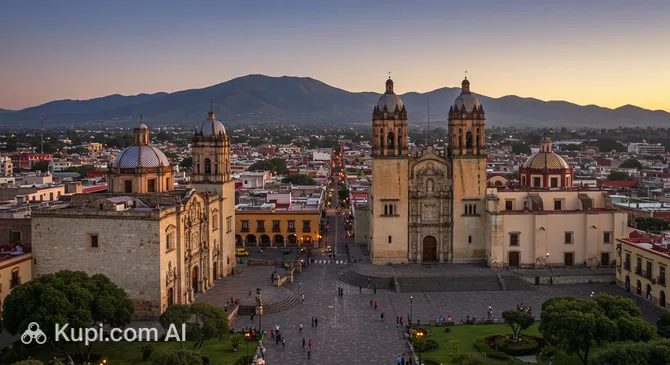
Oaxaca. Source: Kupi.Binoculars

The city's historic center is a UNESCO World Heritage site, famous for its buildings made of green volcanic stone that seem to glow in the sunlight. Exploring the history of Oaxaca reveals a fascinating timeline that stretches back to ancient Zapotec and Mixtec civilizations, whose influence is still deeply felt in local customs and festivals. This rich heritage creates a unique environment where ancient practices coexist harmoniously with modern life.

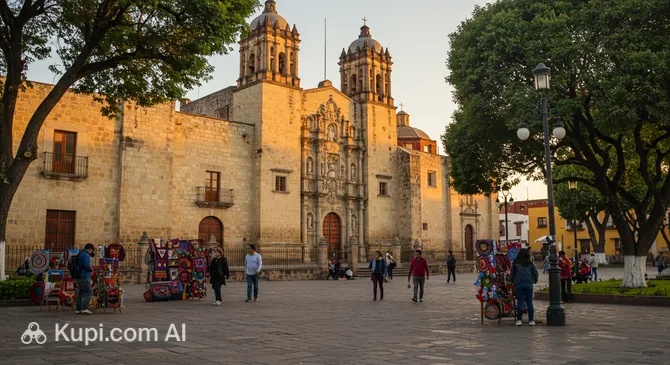
Travelers are invariably drawn to the vibrant Zócalo, the city's main square, which is always alive with music, street vendors, and locals enjoying the shade of massive laurel trees. A visit is not complete without admiring the stunning Temple of Santo Domingo de Guzmán, a masterpiece of New Spanish Baroque architecture. Additionally, Oaxaca is a world-class destination for food lovers, celebrated globally for its complex moles, traditional chocolate, and artisanal mezcal.

Whether you are wandering through its colorful streets, browsing the bustling markets, or using the city as a base to explore nearby archaeological wonders like Monte Albán, Oaxaca promises an unforgettable experience. It is a destination that invites you to slow down, savor the flavors, and immerse yourself in the authentic spirit of the region.
Weather Overview

Oaxaca generally enjoys a mild, temperate climate year-round, often described as "eternal spring." The region experiences two main seasons: a dry season that spans from late autumn to spring, and a green, rainy season during the summer months. To help plan your packing and itinerary, it is helpful to review the detailed weather in Oaxaca before your departure.

Temperatures are quite consistent and comfortable, rarely becoming unpleasantly hot or freezing. The warmest period occurs in April and May, where average temperatures reach around 20.4°C and daily highs can climb to 27°C. During the cooler winter months of December and January, the average temperature sits closer to 15.6°C, with nights feeling crisp as lows drop to approximately 9°C.

Precipitation patterns are distinct, with clear skies dominating the winter. From December through March, rainfall is negligible, often with zero recorded precipitation and only one or two wet days per month. In contrast, the summer brings frequent showers; August and September are the wettest months in terms of frequency, seeing up to 24 wet days. However, these rains often occur in short afternoon bursts, leaving plenty of time to explore.

Interesting Facts

Beyond the well-known colonial architecture and vibrant festivals, Oaxaca holds many fascinating secrets that surprise even seasoned travelers. Digging a little deeper reveals unique traditions, engineering marvels, and culinary customs that define this region's distinct identity.

  • The city is frequently referred to as "La Verde Antequera" (The Green Antequera) due to the unique green volcanic stone, known as cantera, used to construct many of its historic buildings. This stone, which can be seen in the structures surrounding the Zocalo of Oaxaca City, takes on a deeper, more vibrant emerald hue when it rains.

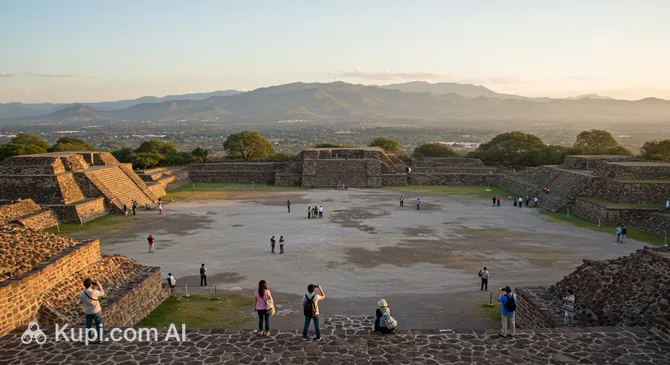
  • One of the most impressive feats of the ancient Zapotec civilization at the Monte Albán Archaeological Zone is the main plaza itself. Builders artificially leveled the rugged mountaintop completely by hand, cutting away rock and filling in crevices without the aid of the wheel or metal tools to create the sacred site.

  • Local snacking habits might surprise visitors, as toasted grasshoppers, known as chapulines, are a beloved staple rather than a novelty. Seasoned with lime, garlic, and chili, these crunchy treats are sold by the basketful at the 20 de Noviembre Market and are considered a rich source of protein.

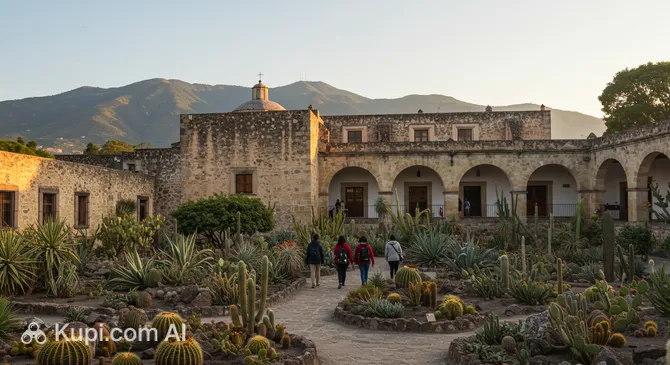
  • The Oaxaca Ethnobotanical Garden is distinct from typical botanical gardens because it only houses plants that are native to the state and have a cultural connection to its people. Every single cactus, shrub, and flower planted there has been used historically for food, medicine, or ritual purposes by the indigenous communities.

Oaxaca Ethnobotanical Garden. Source: Kupi.Binoculars

How to Get There

Reaching this destination in the Sierra Madre mountains is relatively straightforward, with air travel being the most convenient option for international and domestic visitors. While the city is tucked away in the central valleys, it is well-connected to major hubs. You can find more specific details on routes and transport options on the page dedicated to all ways to reach the city.

The primary gateway for most travelers is Xoxocotlan Airport (IATA: OAX), located directly in Oaxaca. It is a significant regional hub, handling over 1.7 million passengers annually. Situated just 8 km from the historic center, the airport offers a quick and easy transfer; a taxi or shuttle ride typically takes approximately 30 minutes. This airport receives frequent flights from Mexico City and several international destinations, making it the best choice for direct access.

Travelers exploring the broader region might also consider airports on the coast, though it is important to note that these are located in different cities and require a significant ground transfer to reach the state capital. Puerto Escondido Airport (IATA: PXM) is located in the city of Puerto Escondido, about 138 km away. The journey from the coast to Oaxaca City involves a drive through mountainous terrain, taking roughly 3 hours and 45 minutes. Similarly, Huatulco Airport (IATA: HUX) in Huatulco is approximately 152 km away, with a travel time of around 4 hours and 10 minutes by road.

For clarity, here is a summary of the main airports serving the region and nearby cities:

Airport Name City Passenger Traffic Km from City
Xoxocotlan Airport Oaxaca High 8.0
Veracruz International Airport Veracruz High 236.4
Puerto Escondido Airport Puerto Escondido Medium 137.9
Huatulco Airport Huatulco Medium 151.9
Huejotzingo Airport Puebla Medium 289.1

Since there are no passenger train services currently operating to the city, the most common alternative to flying is traveling by road. First-class buses connect Oaxaca efficiently with Mexico City, Puebla, and other neighboring states, offering a comfortable and scenic journey through the highlands.

Main Attractions

Oaxaca is a city that rewards exploration, offering a dense concentration of historical sites, vibrant public spaces, and cultural treasures. From ancient ruins perched on mountaintops to bustling markets in the city center, the main attractions provide a deep dive into the region's rich heritage and daily life.

A visit to the region would be incomplete without exploring the Monte Albán Archaeological Zone. Located just a few kilometers west of the city, this UNESCO World Heritage site was the ancient capital of the Zapotec civilization. The site is famous for its Grand Plaza, which sits on an artificially leveled mountaintop offering spectacular 360-degree views of the valleys below. Tourists are fascinated by the well-preserved pyramids, the astronomical observatory, and the mysterious stone carvings known as Danzantes.

Monte Albán Archaeological Zone. Source: Kupi.Binoculars

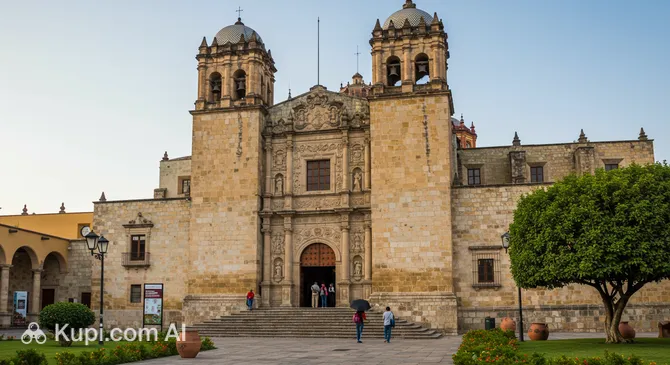
In the heart of the historic center, Santo Domingo Square stands as one of the most beautiful and iconic spots in the city. Dominated by the magnificent Temple of Santo Domingo de Guzmán with its intricate baroque facade, the plaza is a hub of activity. It is a favorite location for visitors to take photos, watch street performances, and admire the agave plants that line the pedestrian areas, all while soaking in the colonial atmosphere.

Santo Domingo Square. Source: Kupi.Binoculars

Just a short walk away lies the Zocalo of Oaxaca City, the city's main square and social center. Shaded by massive laurel trees, this plaza is always alive with music, from marimba bands to state orchestras. Surrounded by the cathedral and historic portals filled with cafes, it is the perfect place to sit, enjoy a coffee, and witness the vibrant pulse of Oaxacan life as vendors and locals mingle in the park.

For those interested in history and art, the Museum of Oaxacan Cultures is an essential stop. Housed within the stunning restored convent adjoining the Santo Domingo church, the museum offers a comprehensive journey through the state's history. The absolute highlight is the treasure of Tomb 7 from Monte Albán, a dazzling collection of gold, silver, turquoise, and crystal artifacts that represents one of the most significant archaeological finds in the Americas.

Museum of Oaxacan Cultures. Source: Kupi.Binoculars

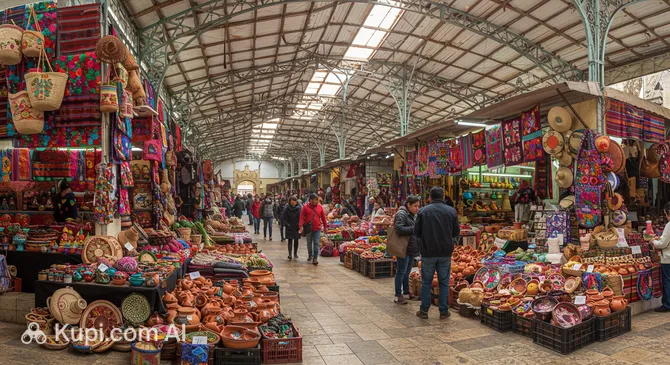
To experience the local flavors and craftsmanship, travelers should head to the Benito Juárez Market. Located near the Zocalo, this bustling indoor market is a sensory delight packed with stalls selling everything from leather sandals and embroidered textiles to fresh flowers and regional cheeses. It is an excellent spot to purchase authentic souvenirs and try local snacks like chapulines (grasshoppers) or a refreshing cup of tejate.

Benito Juárez Market. Source: Kupi.Binoculars

Local Cuisine

To truly understand Oaxaca, one must taste it. This city is widely celebrated as the gastronomic capital of Mexico, boasting a culinary tradition that is as complex as it is delicious. The local cuisine is a vibrant fusion of ancient indigenous ingredients—such as corn, chiles, and chocolate—and Spanish influences, creating flavors that cannot be found anywhere else in the world.

The crown jewel of Oaxacan food is undoubtedly mole. While there are seven distinct varieties in the region, the most famous is Mole Negro, a rich, dark sauce made from over 30 ingredients, including chocolate and various dried chiles. It is typically served over chicken or turkey with rice. Another staple is the Tlayuda, often referred to as "Oaxacan pizza." This large, crispy tortilla is covered with refried beans, lard, lettuce, avocado, Oaxaca cheese (quesillo), and your choice of meat, such as tasajo (dried beef) or chorizo.

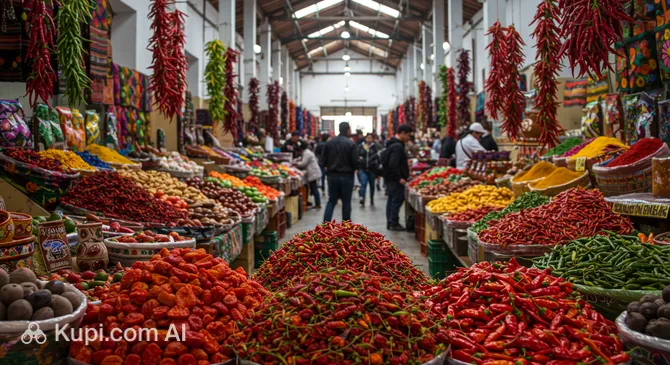
For an immersive dining experience, head straight to the 20 de Noviembre Market. This bustling spot is famous for its "Pasillo de Humo" (Smoke Hall), a corridor lined with vendors grilling fresh meats over charcoal. You can select your preferred cuts of beef or spicy pork, buy fresh tortillas and salsas from passing vendors, and enjoy a smoky, authentic feast at the communal tables.

20 de Noviembre Market. Source: Kupi.Binoculars

While traditional food is the main draw, the city also has a thriving modern culinary scene. A favorite among locals and visitors alike is Boulenc, an artisanal bakery and restaurant known for its exceptional sourdough bread and inventive breakfasts. Housed in a charming colonial building, it is the perfect place to enjoy a sandwich or a pastry when you want a break from corn-based dishes.

No meal in Oaxaca is complete without a drink. The region is the heartland of Mezcal, a smoky spirit distilled from agave. Visitors can sip it straight, accompanied by orange slices and "worm salt" (sal de gusano). For something non-alcoholic, try a warm cup of Oaxacan hot chocolate, spiced with cinnamon and almonds, or a refreshing bowl of Tejate, a pre-Hispanic maize and cacao beverage served cold from large clay bowls on street corners.

Travel Tips

Welcome to Oaxaca! To help you make the most of your journey through this vibrant cultural hub, we have compiled a list of essential practical advice. These tips will ensure your visit is as smooth, comfortable, and enjoyable as possible, allowing you to focus on the incredible food and history.

  1. Clothing and Gear: The weather in Oaxaca is generally mild, but layers are key. Mornings and evenings can be quite cool, while afternoons are warm and sunny. Bring a light jacket or sweater for the nights. Since the historic center is paved with cobblestones, comfortable flat walking shoes are a must; leave the high heels at home. Also, at an altitude of over 1,500 meters, the sun can be strong, so pack a hat, sunglasses, and high-SPF sunscreen.
  2. Transportation: The best way to explore the city center is on foot, as most major attractions are within walking distance. For longer distances, yellow taxis are abundant. Note that they typically do not use meters, so you must agree on the fare with the driver before getting in. Ride-hailing apps like DiDi are often available and can be a convenient alternative, though availability may vary compared to Mexico City.
  3. Finances: The local currency is the Mexican Peso (MXN). While hotels and upscale restaurants accept credit cards, cash is king in Oaxaca, especially at markets, street food stalls, and small artisan shops. ATMs are widely available near the Zócalo and inside banks. Tipping is customary; aim for 10-15% in restaurants and leave a few coins for hotel staff or grocery baggers.
  4. Health and Safety: Oaxaca is generally a safe destination for tourists, but standard precautions apply. Stick to well-lit, busy streets at night. The most important health rule is to never drink tap water; always buy bottled or purified water. Pharmacies (farmacias) are common and often have a doctor on-site for minor consultations. If you need one, look for major chains like Farmacias del Ahorro.
  5. Communication: Spanish is the primary language. While staff in hotels and tourist restaurants often speak English, it is less common in local markets. Learning a few basic phrases like "Buenos días" (Good morning) and "Gracias" (Thank you) goes a long way. You can easily buy a SIM card at OXXO convenience stores to stay connected. Free Wi-Fi is often available in public parks and cafes.
  6. Local Etiquette: Oaxacans are known for their politeness. It is polite to greet shopkeepers or taxi drivers with a "Buenos días" or "Buenas tardes." A unique and charming local custom occurs in restaurants: when you leave your table or pass someone eating, it is polite to say "Buen provecho" (enjoy your meal). Locals will appreciate this gesture of respect.
  7. What to Avoid: Do not take photographs of people, especially in indigenous communities outside the city, without asking for explicit permission first. Many locals believe this captures their soul or is simply disrespectful. Also, avoid raising your voice or showing outward frustration in public, as this is considered rude in the relaxed local culture.
  8. Mezcal Tasting Tip: When trying the famous local spirit, Mezcal, remember to sip it slowly ("a besos" or "kisses"), never shoot it. It is meant to be savored. It is often served with orange slices and sal de gusano (worm salt), which complements the smoky flavor perfectly.

By keeping these practical tips in mind, you will be well-prepared to navigate the city like a pro. Oaxaca is a place that welcomes visitors with open arms, and a little preparation will ensure you experience the very best of its warmth, flavors, and traditions.

Entertainment & Nightlife

Oaxaca offers a nightlife experience that is distinct from the high-energy clubbing scenes found in Mexico's coastal resorts. Here, the evening entertainment is sophisticated yet relaxed, deeply rooted in the local culture of mezcal tasting and bohemian gatherings. The atmosphere is generally laid-back, with a mix of locals and travelers enjoying conversation in atmospheric courtyards, rooftop terraces, and intimate bars. While you can certainly find places to dance, the vibe is more about savoring the moment, the music, and the drinks.

The heart of the action is undoubtedly the Centro Histórico. The streets surrounding the Templo de Santo Domingo are particularly vibrant after dark. A stroll down the pedestrian-friendly Calle Macedonio Alcalá (often called the Andador Turístico) reveals a wealth of options, from chic cocktail lounges to traditional cantinas. This area is safe for walking in the evening, buzzing with energy as street musicians perform and people hop from one venue to another.

For those seeking a stylish night out with a view, Cozana Prime is a popular choice. This venue combines a modern atmosphere with excellent service, making it a great spot to enjoy cocktails while soaking in the city's ambiance. If you prefer a more interactive and lively evening, Friends Live Karaoke offers a fun environment where you can sing your heart out or simply enjoy the performances of others in a welcoming setting.

Practicality is key to enjoying Oaxaca at night. Most bars and mezcalerias stay open until around 1:00 AM or 2:00 AM, while clubs may go later. The dress code is generally casual to smart-casual; you will feel comfortable in jeans and a nice shirt, though some rooftop venues might inspire you to dress up a bit more. Prices are reasonable compared to major international cities, with a beer often costing between 40 to 60 MXN and cocktails ranging from 100 to 180 MXN.

Safety is generally good in the tourist center, but standard precautions apply. Stick to well-lit streets and avoid walking alone late at night in desolate areas. When it is time to return to your hotel, it is best to use a radio taxi or a ride-sharing app like DiDi rather than hailing a cab on a dark street corner. Taxis are plentiful and affordable, providing a secure way to get around the city after hours.

During the day, the city offers a different kind of entertainment. Culture enthusiasts should visit the Museum of Philately, a unique institution dedicated to the art of stamps and postal history, housed in a beautifully restored building. For a relaxing afternoon outdoors, El Llano Park is a favorite local spot to read a book, watch skaters, or enjoy a casual walk under the shade of giant trees.

Parks & Museums

Oaxaca is a city where cultural heritage and natural beauty intertwine seamlessly, offering visitors a diverse array of green spaces and world-class artistic venues. Beyond its bustling markets and famous culinary scene, the city invites travelers to explore its tranquil gardens and museums that safeguard the region's rich artistic legacy.

For a peaceful escape within the city limits, the Conzatti Garden is a favorite among locals. Unlike the busy main square, this park offers a serene atmosphere shaded by lush trees, making it an ideal spot for a quiet morning walk or reading a book. Further afield, near the airport, lies El Tequio Park, one of the largest green areas in the region. It is perfect for outdoor enthusiasts, featuring extensive trails for running, sports courts, and picnic areas where families gather to enjoy the fresh air.

Conzatti Garden. Source: Kupi.Binoculars

The city's artistic soul is best experienced through its exceptional museums. The Rufino Tamayo Museum of Pre-Hispanic Art is a must-visit institution. It houses a magnificent collection of pre-Columbian artifacts donated by the famous Oaxacan artist Rufino Tamayo, displayed in a way that emphasizes their aesthetic beauty rather than just their archaeological significance. Another key venue is the Museum of Oaxacan Painters (MUPO), located in a beautiful 17th-century mansion. This museum is dedicated to showcasing the works of regional artists, highlighting the state's significant contribution to Mexico's visual arts scene.

Architectural grandeur and spiritual history come together at the Basilica of Our Lady of Solitude. This minor basilica is dedicated to the patron saint of Oaxaca and is renowned for its unique facade, which is built in the shape of a folding screen to protect it from earthquakes. Adjacent to the church is the Plaza de la Danza, a vast stone amphitheater that frequently hosts cultural events, dance performances, and festivals, offering a dramatic setting against the backdrop of the city's stone architecture.

For a truly authentic cultural experience, seek out the San Pablo Cultural Center. Hidden within a restored Dominican convent, this space beautifully blends ancient stone walls with modern glass architecture and hosts free exhibitions and concerts. Art lovers should also visit the Oaxaca Graphic Arts Institute (IAGO), founded by the late artist Francisco Toledo. It houses an impressive library and graphic art collection in a stunning courtyard setting that feels like a secret garden in the heart of the city.

Getting Around

Public transport in Oaxaca primarily consists of a network of buses and shared taxis, as the city does not have a metro, tram, or light rail system. The urban buses are the most common way for locals to navigate the city; they are easily recognized by the destinations hand-painted on their windshields rather than numbered routes. While the system may seem informal compared to larger capitals, it covers the city extensively and offers an authentic glimpse into local daily life.

For travel to nearby towns or suburbs, colectivos (shared taxis) are the main mode of transport. These are typically maroon and white sedans that operate on fixed routes, picking up passengers until the vehicle is full. They function like minibuses but are faster and slightly more expensive than standard buses. They are particularly useful for tourists planning day trips to surrounding artisan villages or archaeological sites that are just outside the city limits.

The payment system is entirely cash-based; there are no electronic travel cards, transit passes, or mobile apps for ticketing. Passengers pay the driver directly upon boarding. The fares are very affordable, generally costing between 8 to 10 MXN for a single ride within the city. It is essential to carry coins or small bills, as drivers often do not have enough change for large denominations.

To use the bus system effectively, you must flag down the bus by waving your hand as it approaches, as formal stops are not always strictly observed. When you wish to exit, simply press the buzzer near the rear door or call out "bajan" to the driver. Transport services typically run from early morning, around 6:00 AM, until approximately 9:00 PM or 10:00 PM. Since buses do not operate late at night, you should plan alternative transport for evening outings.

Taxis are a popular and convenient alternative, especially after dark. The city's yellow taxis are abundant, but it is important to note that they do not use meters. You must negotiate and agree on the fare with the driver before entering the vehicle. Ride-sharing apps like DiDi are also available and widely used in the city, providing a secure option with transparent pricing, although traditional taxis remain the fastest way to get a ride on the street.

For a more relaxed orientation, the city offers a designated sightseeing bus, often referred to as the Turibus. This double-decker bus runs a loop past the major historic landmarks and offers a hop-on, hop-off service. While the historic center is compact and best explored on foot, this service is an excellent way to rest your legs while getting a comprehensive overview of the area's architecture and layout.

Accommodation

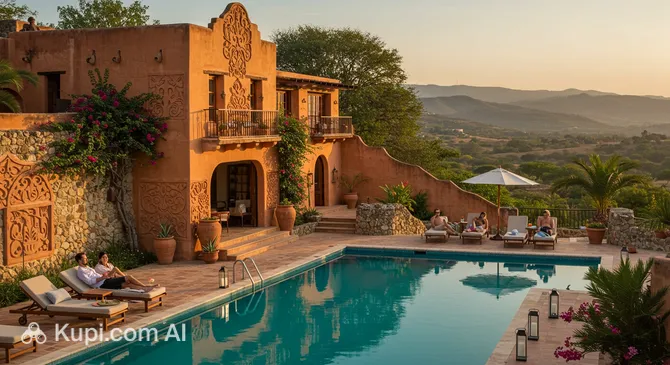
Finding the perfect place to stay in Oaxaca is part of the charm of visiting this colonial city. The accommodation landscape is diverse, ranging from budget-friendly hostels with vibrant communal atmospheres to luxurious boutique hotels housed in restored 16th-century mansions. For those seeking a more home-like experience, there is also a growing number of vacation rentals and apartments available throughout the city.

The most popular area for tourists is undoubtedly the Centro Histórico (Historic Center). Staying here places you within easy walking distance of the main square, the best restaurants, and major cultural attractions. For a quieter but equally picturesque experience, the neighborhoods of Jalatlaco and Xochimilco are excellent choices. These areas are famous for their cobblestone streets and colorful street art, offering a slightly more relaxed vibe while still being close to the action.

Travelers looking for a blend of traditional Oaxacan architecture and modern comfort might consider the Oaxaca Real Hotel. Its central location makes it an ideal base for exploring the city on foot. Another well-regarded option is the Hotel Rivera del Ángel, which offers convenient access to local markets and historic sites, providing visitors with a genuine taste of local hospitality.

Oaxaca Real Hotel. Source: Kupi.Binoculars

Accommodation prices in Oaxaca are generally reasonable, catering to all budgets. Backpackers can find dormitory beds for very low rates, while mid-range hotels offer excellent value for money. However, if you plan to visit during major festivals such as the Guelaguetza in July or the Day of the Dead celebrations in late October and November, it is essential to book your room several months in advance, as the city fills up quickly and prices can rise significantly.

Most hotels and guesthouses can be easily booked via major online platforms, though contacting smaller boutique properties directly can sometimes yield better rates or special packages. Whether you choose a luxury suite or a cozy room in a family-run inn, the warm hospitality of Oaxaca ensures a comfortable stay.

Nearby Cities

For those looking to explore the surroundings, Oaxaca serves as an excellent base for day trips to several interesting nearby locations:

City Population Distance (km)
Santa Cruz Xoxocotlan 93,188 6
Santa Lucia del Camino 49,459 3
Zaachila 43,279 14
Santa Maria Atzompa 41,921 5
Miahuatlán de Porfirio Díaz 35,517 83

Among these options, Zaachila stands out as a destination rich in history and tradition. Located just a short drive from the capital, it was the last Zapotec capital before the arrival of the Spanish. Today, it is famous for its archaeological site containing ancient tombs and its vibrant Thursday market, where locals from surrounding villages gather to sell fresh produce, livestock, and regional delicacies like nut-based drinks and barbacoa.

Another fascinating stop is Santa Maria Atzompa, a town renowned for its centuries-old pottery tradition. Artisans here are famous for creating beautiful green-glazed ceramics, known as barro verde, using techniques passed down through generations. Visitors can explore the local workshops to see the potters in action or hike up to the recently excavated Atzompa Archaeological Site, which offers stunning views of the valley.

Closer to the city center lies Santa Cruz Xoxocotlan. While it has become part of the greater metropolitan area, it retains a strong cultural identity, particularly during the Day of the Dead celebrations when its cemeteries are illuminated by thousands of candles. It also serves as a gateway to nearby artisan villages known for wood carving, making it a convenient stop for those interested in folk art.

These nearby destinations offer a glimpse into the diverse culture and landscapes of the region.

Shopping & Souvenirs

Shopping in Oaxaca is a vibrant journey through the region's artistic soul rather than a typical retail experience. The city is celebrated globally for its exceptional folk art and handicrafts, offering visitors a unique opportunity to purchase items directly from the artisans who create them. From colorful textiles to intricate pottery, the goods found here are deeply rooted in indigenous traditions.

The primary hub for upscale shopping is the pedestrian-friendly Calle Macedonio Alcalá, known locally as the Andador Turístico. This picturesque cobblestone street is lined with colonial buildings that house art galleries, designer boutiques, and jewelry shops specializing in gold, silver, and amber. It is the perfect place to enjoy a leisurely stroll while browsing for high-quality fashion and sophisticated interpretations of traditional crafts.

For a more authentic and varied selection of local goods, the Oaxaca Artisan Market (Mercado de Artesanías) is an essential stop. Located just a few blocks from the main square, this market focuses specifically on regional crafts, offering everything from hand-woven rugs to embroidered blouses. Another excellent option for serious collectors is the Oaxaca Handicrafts House (ARIPO). This government-run institution gathers the best work from artisans across the state, ensuring high quality and fair prices for unique ceramic and wood pieces.

While the city is famous for its traditional markets, those seeking a modern shopping experience can visit Macroplaza Oaxaca. Situated a short drive from the historic center, this mall features department stores, a cinema, and various international chains. Closer to the downtown area, Parque Plaza offers a smaller but convenient selection of shops and services, ideal for picking up travel necessities or casual clothing.

When it comes to souvenirs, Oaxaca offers several signature items that are worth bringing home. Alebrijes—fantastical, brightly painted wooden figures carved from copal wood—are perhaps the most iconic. Barro Negro (black pottery) from the nearby village of San Bartolo Coyotepec is also highly prized for its elegant, metallic sheen. Additionally, bottles of artisanal Mezcal and bags of locally grown coffee are popular gifts that capture the flavors of the region.

Most shops in the city center operate from approximately 10:00 AM to 8:00 PM. While larger stores and boutiques in the tourist corridor stay open all day, smaller family-run businesses may close for a short break in the mid-afternoon. Cash is the preferred method of payment in markets and street stalls, so it is wise to carry Mexican Pesos. However, credit cards are widely accepted in malls, hotels, and upscale galleries.

International tourists shopping at participating stores may be eligible for a tax refund on purchases that meet a minimum value. Look for the "Moneyback" or "Tax Free" signage in shop windows. To claim this refund, you must request an official VAT invoice (factura) at the time of purchase and present your documents at the designated counters in international airports before leaving the country.

Reached the end of the page?

That means the route is fully explored