Support

Veracruz

About

Veracruz, often referred to as Puerto de Veracruz, is a city pulsing with energy, music, and a rich maritime tradition. As the oldest European settlement on the North American mainland, it possesses a unique atmosphere where colonial heritage blends seamlessly with the lively "jarocho" culture. It is a place where history is not just preserved in museums but is lived daily in the bustling squares and vibrant streets.

Situated along the tropical coast of the Gulf of Mexico, the city is home to approximately 428,000 residents. Its strategic location has made it the principal seaport of Mexico for centuries, serving as a vital gateway for trade and cultural exchange. The climate is characteristically warm and humid, inviting visitors to enjoy the coastal breeze and the relaxed pace of life near the ocean.

The city's past is filled with tales of explorers, pirates, and trade. To truly appreciate the depth of its legacy, it is worth exploring the history of Veracruz, which explains its resilience and cultural diversity. This deep-rooted heritage is evident in the architecture of the historic center and the festive spirit that fills the Zócalo, the city's main plaza.
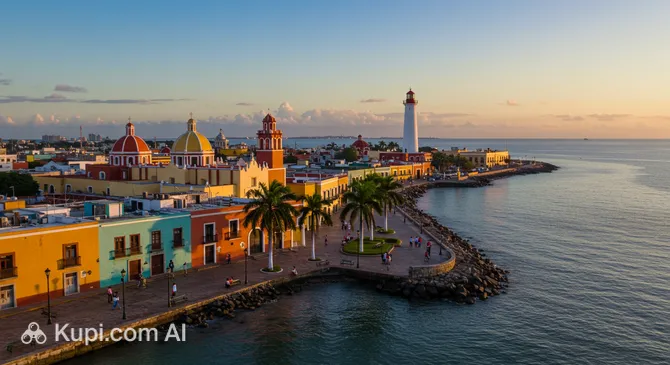
Veracruz. Source: Kupi.Binoculars

Travelers are drawn to several key attractions that define the city's character. The fortress of San Juan de Ulúa is a must-visit landmark, standing as a testament to the city's defensive past against pirate attacks. For nature enthusiasts, the Veracruz Aquarium is considered one of the most impressive in Latin America, showcasing the rich marine life of the Gulf. Meanwhile, a stroll along the Malecón offers picturesque sea views and the chance to witness the local lifestyle firsthand.

Whether you are eager to taste the famous Huachinango a la Veracruzana, listen to the rhythmic sounds of marimba music, or simply soak up the sun, Veracruz offers an authentic and welcoming experience. It is a destination that invites you to linger, explore, and become part of its vibrant story.
Weather Overview

Visitors to this coastal city can expect a tropical climate with generally warm temperatures and distinct seasonal rainfall. To help plan your trip effectively, it is useful to check the weather in Veracruz, as conditions shift noticeably between the dry and wet months.

The heat peaks in late spring, with May being the hottest month, featuring average temperatures of 30.2°C and highs climbing to 34.4°C. The winter months offer a respite from the intense heat; January and December are the coolest times, with averages around 23°C and pleasant lows near 19.5°C.

Precipitation patterns are quite specific here. A distinct rainy season occurs from June through October, where wet days are frequent, often exceeding 20 days per month. Conversely, the period from November to April is significantly drier; March is typically the driest month with minimal rainfall, making it an excellent time for outdoor exploration.

Interesting Facts

Beyond the sun-soaked beaches and lively marimba music, Veracruz holds fascinating secrets that define its unique identity. This historic port is a city of "firsts" and heroic resilience, with stories deeply etched into its coral walls and daily rituals.
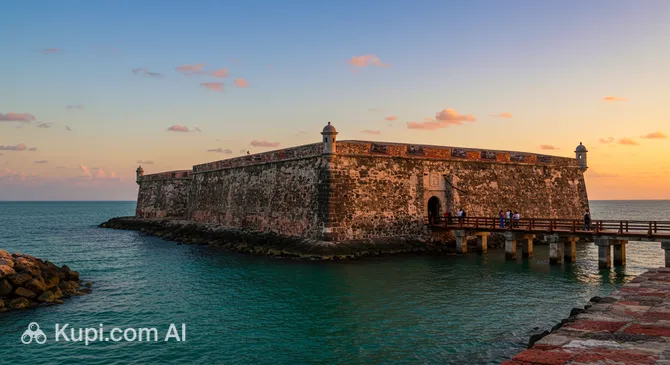
San Juan de Ulúa. Source: Kupi.Binoculars
  • Veracruz is the only city in Mexico to be officially titled "Four Times Heroic" (Cuatro Veces Heroica). The locals earned this honor by successfully defending the port and national sovereignty against foreign invasions on four separate occasions: against the Spanish, the French, and twice against the United States.

  • The imposing fortress of San Juan de Ulúa hides a curious construction secret: it was built using múcara, a stone made from coral reefs. Lacking local quarries, the Spanish builders extracted coral from the ocean floor and bound it with a mortar made of oyster shells, sand, and bird eggs to create the massive walls.

  • The city is the birthplace of the "Lechero" coffee ritual. When visiting traditional cafes near the Zócalo of Veracruz, diners summon the waiter not by calling out, but by tapping their spoon against the glass; this signal prompts the waiter to pour hot milk from a considerable height to create a perfect froth.

  • This destination holds the distinction of being the first European municipality established on the American mainland. Founded by Hernán Cortés on Good Friday in 1519, it was originally named Villa Rica de la Vera Cruz (Rich Village of the True Cross), marking the beginning of the colonial era in the region.

How to Get There

Reaching this vibrant coastal city is relatively straightforward, with air travel being the most efficient method for most visitors. Whether you are arriving from within Mexico or from abroad, the local airport serves as the primary hub. For a complete overview of all travel options, including buses and driving routes, you can read more about how to get to Veracruz.

The most convenient entry point is Veracruz International Airport (VER), also known as General Heriberto Jara International Airport. It is a well-connected hub located directly in the city, handling a steady flow of passengers. Since the terminal is only about 6.4 km from the city center, the transfer is quick and hassle-free. A taxi or shuttle ride to the downtown area or the Malecón typically takes around 30 minutes.

If direct flights are unavailable, some travelers might consider flying into neighboring regions, though this involves a ground transfer. Huejotzingo Airport (PBC) is located in the city of Puebla, approximately 235 km away; the drive from there to Veracruz takes approximately 3.5 to 4 hours via toll highways. Another option is Xoxocotlan Airport (OAX) in Oaxaca, which is about 248 km away, requiring a longer journey by bus or rental car.

For clarity, here is a summary of the main airports:

Airport Name City Passenger Traffic Km from City
Veracruz International Airport Veracruz Medium 6.4
Huejotzingo Airport Puebla Medium 235.3
Xoxocotlan Airport Oaxaca Medium 248.4

Regarding rail travel, the city is not currently served by a regular passenger train service. While it has a rich history connected to the railways, today's visitors predominantly use the extensive and comfortable long-distance bus network (such as ADO) to travel from Mexico City or other nearby states.

Main Attractions

Veracruz is a city where history and modernity coexist by the sea, offering a diverse range of activities for every type of traveler. From world-class marine exhibits to historic fortifications, the city's landmarks tell the story of its evolution from a colonial stronghold to a vibrant cultural hub.

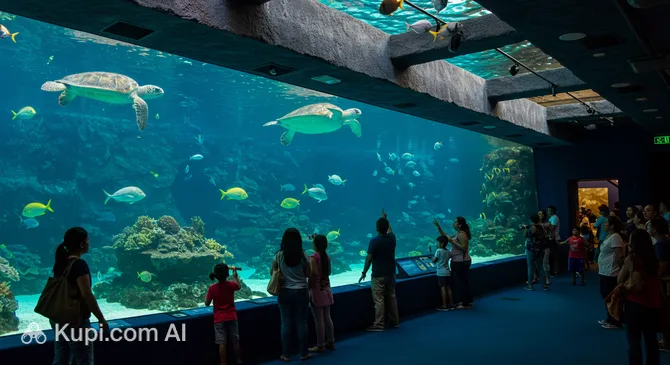
One of the most visited destinations is the Veracruz Aquarium, widely regarded as the most impressive in Latin America. Located within a large commercial plaza, it features a massive shark tank that allows visitors to see these predators up close. The aquarium is also home to manatees, dolphins, and a penguin enclosure, making it a fascinating educational experience for families and nature lovers alike.

Veracruz Aquarium. Source: Kupi.Binoculars

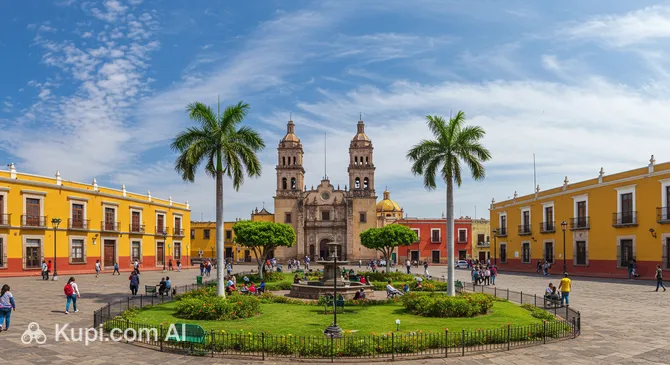
For a taste of local life, the Zócalo of Veracruz is the undisputed heart of the city. This lively main square, officially named Plaza de Armas, is surrounded by colonial portales and the cathedral. It is the best place to witness the traditional danzón, an elegant dance performed by locals dressed in white, usually accompanied by live marimba music. The atmosphere here is always festive, with outdoor cafes inviting you to sit and watch the world go by.

Zócalo of Veracruz. Source: Kupi.Binoculars

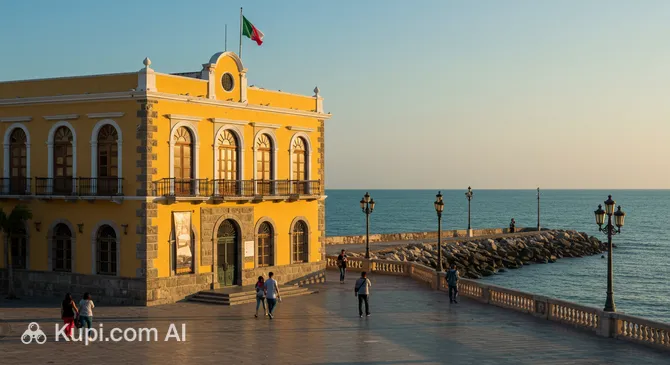
A stroll along the Veracruz Waterfront (Malecón) is an essential part of any visit. This scenic promenade stretches along the harbor, offering views of docking cargo ships and traditional fishing boats. It is a popular spot for buying handmade souvenirs from local artisans and enjoying the refreshing ocean breeze. In the evenings, the area fills with street performers and families enjoying the cool coastal air.

Veracruz Waterfront (Malecón). Source: Kupi.Binoculars

History enthusiasts will appreciate the Baluarte de Santiago Museum. This fortress is the last standing remnant of the great wall that once protected the city from pirate attacks. Inside, visitors can view "Las Joyas del Pescador" (The Fisherman's Jewels), a remarkable collection of pre-Hispanic gold jewelry discovered at the bottom of the ocean, providing a glimpse into the region's rich past.

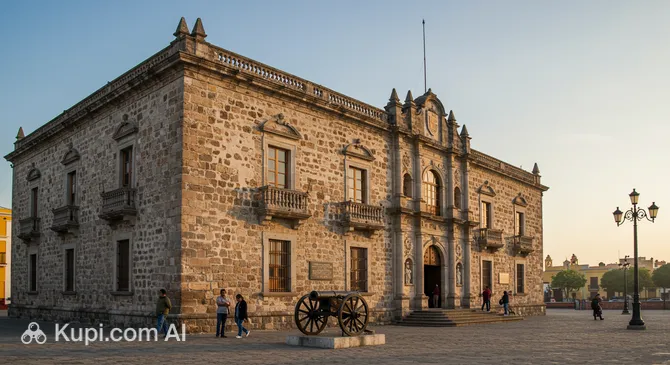
Another significant cultural site is the Mexican Naval Museum. Housed in a beautifully restored building that formerly served as the Naval Academy, the museum offers interactive exhibits and historical artifacts detailing Mexico's maritime history. It highlights the strategic importance of the port and the heroic defenses that have defined the city's character over the centuries.

Mexican Naval Museum. Source: Kupi.Binoculars

Local Cuisine

The culinary scene in Veracruz is a vibrant reflection of its history, blending indigenous traditions with Spanish and Afro-Caribbean influences. As a major port city, the local diet is heavily centered around fresh seafood, enhanced by the region's abundant tropical fruits and spices. Dining here is not just about the food; it is a social ritual often accompanied by the sound of marimba music and the lively atmosphere of the tropics.

The undisputed star of the local menu is Huachinango a la Veracruzana (Veracruz-style Red Snapper). This iconic dish perfectly illustrates the cultural fusion of the region, featuring a whole fish baked in a rich sauce of tomatoes, onions, garlic, olives, and capers—ingredients introduced by Spanish settlers. Another seafood staple is Arroz a la tumbada, a savory, soupy rice dish packed with shrimp, octopus, crab, and clams, seasoned with epazote leaves for a distinct local flavor.

For a more casual bite or a traditional breakfast, visitors should try picadas. These are thick, hand-made corn tortillas with pinched edges to hold savory toppings. They are typically smothered in red or green salsa, sprinkled with fresh cheese and chopped onions, and sometimes served with cream. They are a staple street food found in markets and corners throughout the city, offering a simple yet delicious taste of daily life.

The Portals of Veracruz. Source: Kupi.Binoculars

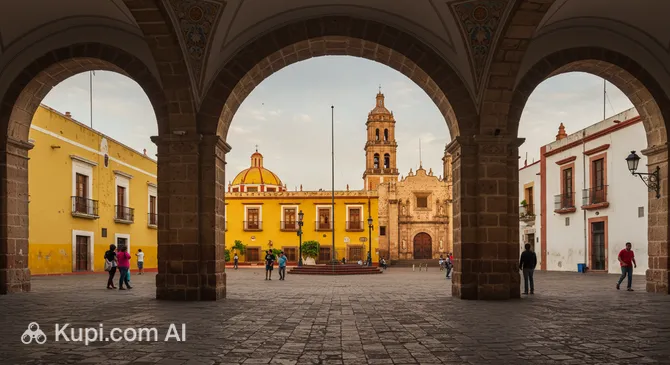
No culinary tour of the city is complete without experiencing its legendary coffee culture. The best place to enjoy this is at The Portals of Veracruz (Los Portales). Located right on the main square, this arcade of cafes and restaurants is the social heart of the city. Here, you can order the famous café lechero, a strong espresso mixed with hot milk, traditionally poured from a height to create a frothy top. It is the perfect spot to linger, watch the passersby, and soak in the historic ambiance.

When it comes to refreshing drinks, the heat of the coast calls for a cold beer or a michelada. However, for something uniquely local and sweet, try a Torito. This creamy, frozen cocktail is made with cane alcohol and blended with flavors like peanut (the classic choice), coconut, guanabana, or coffee. It is a potent but delicious treat often enjoyed as an aperitif or dessert after a hearty seafood meal.

Travel Tips

Visiting Veracruz is an immersion into a lively, tropical atmosphere where the welcome is as warm as the weather. To ensure your trip is as smooth as the marimba rhythms playing in the plaza, keep these practical essentials in mind while planning your journey.

  1. Clothing and Gear: Due to the hot and humid tropical climate, pack lightweight, breathable fabrics like cotton or linen. A hat, sunglasses, and high-SPF sunscreen are non-negotiable essentials. If you plan to visit religious sites or dine in nicer restaurants, "smart casual" is appropriate; for men, a traditional guayabera shirt is both stylish and practical for the heat.
  2. Transportation: Taxis are the most common way to get around, but be aware that they generally do not use meters in Veracruz. You must agree on the fare with the driver before getting into the car to avoid overcharging. Ride-hailing apps are also available and offer a more transparent pricing option for travelers unfamiliar with local rates.
  3. Finances: The local currency is the Mexican Peso (MXN). While hotels and larger restaurants accept credit cards, cash is king for street food, small museums, and local markets. It is advisable to carry small denominations. Tipping is customary; leaving 10-15% in restaurants and a small amount for porters or grocery baggers is standard practice.
  4. Health and Safety: The tropical setting means mosquitoes can be present, so packing insect repellent is wise. Stick to drinking bottled water only and avoid tap water, even for brushing your teeth if you have a sensitive stomach. In terms of safety, stick to the well-lit tourist areas like the Malecón and the Zócalo, especially at night, and keep valuables secure.
  5. Communication: Spanish is the primary language, and English is not widely spoken outside of major hotels and tourist-centric establishments. Downloading a translation app or learning basic phrases like "¿Cuánto cuesta?" (How much?) and "La cuenta, por favor" (The bill, please) will be incredibly helpful. SIM cards can easily be purchased at ubiquitous convenience stores like OXXO.
  6. Local Etiquette: The people of Veracruz, known as jarochos, are famous for their friendliness and informality. A warm greeting of "Buenos días" or "Buenas tardes" when entering a shop or elevator is expected and appreciated. When dining, it is polite to say "Buen provecho" (enjoy your meal) to other diners when you arrive or leave a table.
  7. What to Avoid: Do not lose your patience with the pace of service. Life here moves at a relaxed, coastal rhythm; rushing a waiter or getting frustrated with delays is considered rude. Also, avoid walking on the beach with glass bottles, as this is often prohibited and frowned upon.
  8. Local Insight: Keep an eye on the weather forecast for "Nortes." These are strong northern winds that can hit the coast, causing temperatures to drop slightly and closing the port or beaches. If a Norte is blowing, it’s the perfect excuse to retreat to the Portales for a long, leisurely coffee while watching the wind whip through the palm trees.

By following these tips, you will be well-prepared to navigate the city with confidence and ease. Embrace the laid-back energy, engage with the friendly locals, and let the charm of Veracruz create unforgettable travel memories.

Entertainment & Nightlife

Nightlife in Veracruz is a vibrant reflection of the city's soul—loud, joyful, and deeply musical. Unlike many other destinations where the action is hidden behind club doors, here the party often spills out onto the streets and squares. The evening typically begins with a relaxed stroll or a drink in the historic center, where the sound of marimbas and the rhythmic stomping of danzón dancers set the mood for the night ahead.

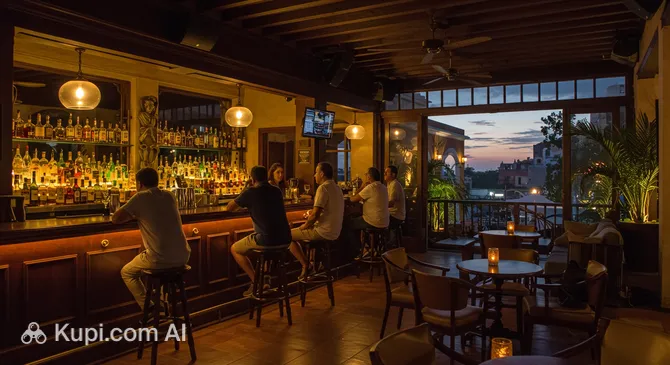
The absolute epicenter of traditional nightlife is The Portals of Veracruz (Los Portales). Located alongside the Zócalo, this series of arches is packed with bars and restaurants that stay open late. It is the perfect place to start your evening with a cold beer or a "Torito" cocktail while watching street musicians perform. The atmosphere here is casual and welcoming, drawing a mix of locals and tourists who gather to socialize, sing, and enjoy the cooling evening breeze.

For those seeking a more modern and high-energy experience, the district of Boca del Río is the place to be. This upscale area, located just south of the main city, is home to trendy nightclubs, chic lounge bars, and oceanfront venues. Here, the music shifts from traditional folk to reggaeton, pop, and electronic beats. Venues like Madison Grill offer a lively setting for drinks and socializing, often featuring live bands or DJ sets that keep the energy high well into the morning.

Madison Grill. Source: Kupi.Binoculars

If you are looking to dance the night away, the clubs in Boca del Río typically open their doors around 11:00 PM and stay busy until dawn. Places such as Pomos y Chelas Ahuevo attract a younger crowd ready to party. The dress code in this area tends to be smarter than in the historic center; while the Zócalo is fine with shorts and sandals, the clubs in Boca del Río often expect "smart casual" attire, so it is worth dressing up a bit.

Regarding safety and logistics, the main tourist zones—the Historic Center, the Malecón, and the main strip of Boca del Río—are generally safe for night walks, especially where crowds are present. However, it is always advisable to stay in well-lit areas. When moving between districts, such as going from the Zócalo to Boca del Río, avoid walking long distances in the dark. Instead, use radio taxis or ride-hailing apps, which are affordable and reliable ways to get around at night.

While the nights are for dancing, the city offers plenty of daytime entertainment to fill the hours before sunset. You can explore the rich maritime history at local museums, take a boat tour to the nearby reefs, or simply relax on the beaches. Whether you are admiring colonial architecture or enjoying the thrill of an amusement park, the daylight hours are just a prelude to the electric energy that takes over when the sun goes down.

Parks & Museums

Beyond its famous fortress and bustling aquarium, Veracruz offers a variety of cultural spaces and green areas that provide a deeper look into local history and daily life. Exploring these museums and parks allows visitors to step away from the busiest tourist hubs and enjoy the city's architectural heritage and relaxing outdoor environments.

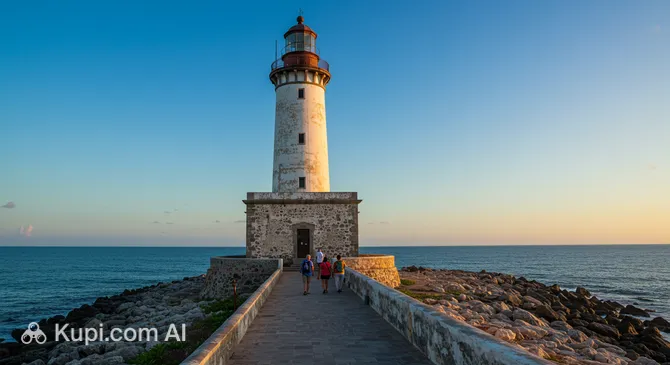
A significant landmark for history enthusiasts is the Venustiano Carranza Lighthouse. This striking neoclassical building, located near the harbor, is not just a beacon but a monument to Mexico's political past. It once served as the seat of the national government under Venustiano Carranza and now houses a museum dedicated to his legacy and the revolutionary era. The structure itself is an architectural gem, standing tall as a symbol of the city's resilience.

Venustiano Carranza Lighthouse. Source: Kupi.Binoculars

For a lighter, family-friendly experience, the Wax Museum is a popular stop. Conveniently situated near the aquarium, it features a diverse collection of lifelike figures, ranging from historical personalities and international celebrities to fantasy characters. It is an entertaining place to spend an hour, offering plenty of photo opportunities with replicas of famous icons.

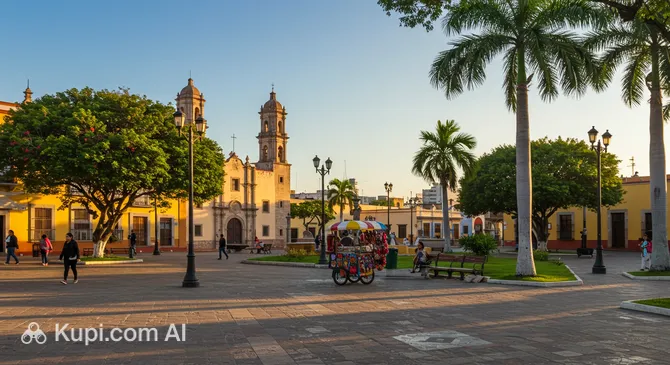
When it comes to public squares, Zamora Park is one of the most traditional spots in the city. Surrounded by historic buildings, this park serves as a social hub where locals gather to chat, play games, and enjoy the shade. It provides an authentic glimpse into the relaxed pace of Veracruz life, away from the commercial bustle of the main waterfront.

Zamora Park. Source: Kupi.Binoculars

Those seeking a dedicated space for outdoor activities should visit the Adolfo Ruíz Cortines Ecological Park. This urban green space is excellent for walking, jogging, or enjoying a quiet picnic with family. For a more picturesque setting, La Campana Square offers a charming atmosphere in the heart of the city, while the Boca del Río Boardwalk provides a modern riverside promenade perfect for sunset strolls.

Getting Around

Navigating Veracruz is a relatively straightforward experience, although the public transport system differs significantly from what travelers might be used to in larger global capitals. The city does not have a metro or light rail network; instead, mobility relies heavily on a vast and somewhat informal network of urban buses, complemented by a large fleet of taxis. For most visitors, a combination of walking in the historic center and using taxis or ride-sharing apps for longer distances is the most efficient strategy.

The urban buses, known locally as camiones, are the backbone of local transportation. They cover nearly every corner of the city and the neighboring district of Boca del Río. You will see them frequently, often painted in various colors depending on the route. Destinations are typically hand-painted on the windshield rather than displayed on digital signs, so it is essential to know the name of the neighborhood or landmark you are heading to. To catch a bus, simply wave your hand from the curb; they do not always stop at designated stations unless signaled.

Regarding payment, the bus system operates exclusively on cash. There are no travel cards, passes, or mobile payment options for general public transit. You pay the driver directly upon boarding. The fare is very affordable, typically costing around 9 to 13 pesos depending on the route and the condition of the bus (some air-conditioned units charge slightly more). It is crucial to carry small change and coins, as drivers often do not have change for large bills.

Taxis are an extremely popular alternative and are generally inexpensive compared to other tourist destinations. However, it is important to note that taxis here do not use meters. Fares are based on a zone system or are simply negotiable. You must agree on the price with the driver before getting into the vehicle to avoid misunderstandings. Taxis found at designated stands (sitios) are generally safer and slightly more expensive than those hailed on the street.

For those who prefer a more modern and transparent way to travel, ride-sharing apps like Uber, DiDi, and InDrive operate efficiently in the city. These are often recommended for tourists as they eliminate the language barrier regarding directions and provide a fixed price upfront. They are particularly useful for safe travel at night or for trips between the historic center and the modern district of Boca del Río.

While there is no functional tram system for commuting, the city features a charming "Tranvía del Recuerdo" (Tram of Remembrance). This is a tourist trolley bus designed to look like an old-fashioned streetcar. It departs from the Malecón or the Zócalo and offers guided tours of the major historic landmarks. It is less of a transport mode and more of a cultural experience, perfect for getting an overview of the city's layout without walking in the heat.

Public transport generally operates from early morning, around 6:00 AM, until about 10:00 PM or 11:00 PM. Service frequency drops significantly after dark, so if you are planning a late night out, it is best to rely on taxis or ride-sharing apps to return to your accommodation safely.

Accommodation

Travelers planning a stay in Veracruz will find a welcoming variety of accommodation options that cater to different tastes and budgets. The city's lodging landscape ranges from charming, colonial-style guesthouses steeped in history to modern, high-rise resorts offering panoramic views of the Gulf of Mexico. Whether you are a backpacker looking for a hostel or a family seeking full-service luxury, the city provides ample choices compared to other Mexican coastal destinations.

The most popular area for tourists who want to be in the heart of the action is the Historic Center of Veracruz. Staying here places you within walking distance of the main plaza, the cathedral, and the lively Portals. This district is ideal for those who appreciate architecture and traditional atmosphere, offering many mid-range hotels housed in restored buildings with high ceilings and balconies. It is the best choice if you want to step out of your lobby directly into the vibrant street life.

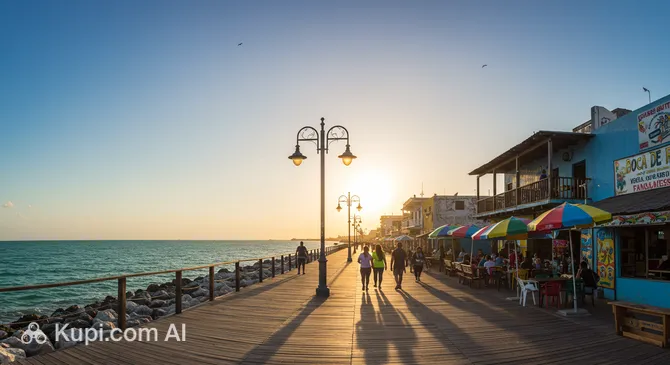
Conversely, for a more modern and upscale experience, the district of Boca del Río is the preferred choice. Located just south of the downtown area, this zone features major international hotel chains, luxury resorts, and direct access to the beaches. Visitors here can enjoy proximity to modern amenities like the Andamar Lifestyle Center and the scenic Boca del Río Boardwalk. This area is often quieter at night than the bustling center but offers a sophisticated dining and nightlife scene.

Boca del Río Boardwalk. Source: Kupi.Binoculars

Regarding costs, accommodation in Veracruz is generally more affordable than in Mexico's Caribbean destinations. Budget travelers can find economical hostels and simple hotels, while luxury options remain reasonably priced by international standards. Booking is typically easy through major online platforms. However, a crucial tip for travelers is to reserve rooms well in advance if visiting during Carnival or Semana Santa (Holy Week), as the city fills up quickly with domestic tourists during these peak festive periods.

Nearby Cities

For those looking to explore the surroundings, Veracruz serves as an excellent base for day trips to several interesting nearby locations:

City Population Distance (km)
Cordoba 218153 89
Boca del Rio 138058 8
Huatusco 60674 87
Alvarado 57035 60
Tezonapa 56956 86

Boca del Rio is practically a neighbor to the city, located just a few minutes south along the coast. It offers a modern contrast to the historic center, featuring upscale hotels, shopping centers, and fine dining. Visitors often head here to enjoy the beaches or take a boat tour through the nearby mangroves of Mandinga, known for their abundant birdlife and fresh seafood restaurants.

Traveling inland, Cordoba presents a different atmosphere filled with colonial charm and the aroma of coffee. As a historic city where Mexico's independence treaties were signed, it boasts beautiful architecture and lush parks. It is surrounded by coffee plantations, making it an ideal destination for those interested in tasting some of the region's finest brews.

To the southeast lies Alvarado, a traditional fishing town situated where the Papaloapan River meets the Gulf of Mexico. It is famous for its laid-back coastal vibe and distinct regional cuisine. A visit here offers a chance to experience an authentic port town atmosphere and enjoy excellent locally caught seafood.

These nearby destinations offer a glimpse into the diverse culture and landscapes of the region.

Shopping & Souvenirs

Shopping in Veracruz offers a delightful mix of traditional charm and modern convenience, reflecting the city's dual identity as a historic port and a contemporary urban center. Visitors can find everything from bustling open-air stalls selling local handicrafts to sophisticated shopping centers housing international brands. The city is particularly famous for its regional goods, such as high-quality coffee, vanilla, and maritime-themed souvenirs, making it easy to find unique mementos to take home.

For a traditional shopping experience, the area along the Veracruz Waterfront (Malecón) is the most popular destination for tourists. As you walk along the promenade, you will encounter numerous vendors and stalls displaying a wide array of local crafts. This is the ideal place to browse for seashells, keychains, and traditional clothing while enjoying the ocean breeze. The historic center also features various boutiques selling the iconic guayabera shirts, which are a staple of formal wear in the tropics.

If you prefer a modern retail experience, the neighboring district of Boca del Río is home to the city's premier shopping malls. The Andamar Lifestyle Center is an upscale complex that offers not only luxury fashion brands but also breathtaking views of the sea. It is a favorite spot for both shopping and dining in a sophisticated atmosphere. Right next to it lies Las Américas Mall, a large and busy center featuring department stores, a cinema, and a vast food court, catering to all family needs.

Andamar Lifestyle Center. Source: Kupi.Binoculars

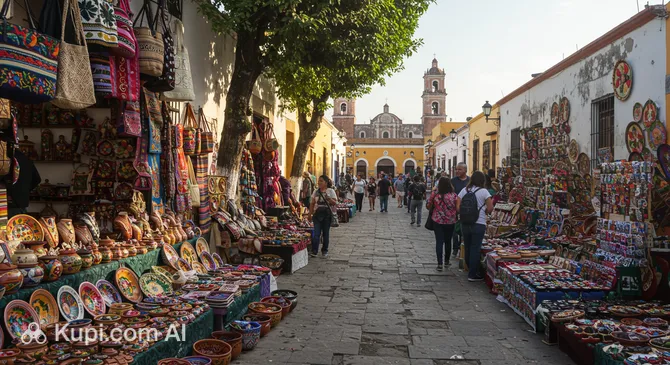
For those seeking authentic local souvenirs, the Artisan Market (Mercado de Artesanías) is a must-visit. Located near the port area, this market consists of rows of small stalls packed with goods made from seashells, coral, and wood. It is the best place to find affordable gifts, jewelry, and the famous "ships in a bottle." Bargaining is not strictly the norm here as prices are generally fixed and fair, but a friendly negotiation is sometimes possible if buying multiple items.

Artisan Market. Source: Kupi.Binoculars

When deciding what to bring back, you cannot go wrong with the region's gastronomic treasures. Veracruz is one of Mexico's top coffee-producing states, so buying a bag of locally roasted beans is highly recommended. Vanilla from the nearby town of Papantla is another prized item, often sold in the form of extract or whole beans. Additionally, handmade cigars (puros) from the San Andrés Tuxtla region are highly regarded by aficionados.

Store hours in Veracruz typically run from 10:00 AM or 11:00 AM until 9:00 PM for shopping malls and major chains. Smaller shops and markets often open earlier, around 9:00 AM, and may close by sunset. While major malls and supermarkets accept credit and debit cards, it is essential to carry cash (Mexican Pesos) when visiting the artisan markets or buying from street vendors.

International tourists shopping in Mexico may be eligible for a tax refund on certain purchases through the "Moneyback" program. To qualify, you must shop at participating stores that display the Tax-Free logo, spend a minimum amount, and present your passport during the purchase. Be sure to ask the cashier for the necessary forms and keep your receipts to process the refund at the airport before leaving the country.

Reached the end of the page?

That means the route is fully explored