The public transport system in Minatitlan is straightforward and functional, primarily designed to serve the daily needs of the local population. Unlike larger metropolitan areas in Mexico, there is no metro, tram, or light rail network here. Instead, the city relies heavily on a network of buses and an extensive fleet of taxis to move people around. For tourists, the system is inexpensive and covers most areas of interest, though it can be a bit chaotic for first-time visitors.
The backbone of public transit consists of urban buses, locally referred to as urbanos or camiones. These vehicles range from older, school-bus-style units to slightly more modern minibuses. They follow specific routes that are usually displayed on the windshield in bright, hand-painted letters listing major landmarks, neighborhoods, or streets. While they are not the most luxurious way to travel—often lacking air conditioning—they offer an authentic and very affordable way to navigate the city.
When it comes to payment, cash is the only option. There are no travel cards, digital passes, or mobile apps for paying bus fares in Minatitlan. You pay the driver directly upon boarding. The fare is fixed and generally very low, typically ranging between 10 to 12 MXN per ride. It is essential to carry small change, such as 5 and 10 peso coins, as drivers often do not have enough change for large bills like 200 or 500 pesos.
For a more comfortable and flexible alternative, taxis are the most popular choice for travelers. You will see thousands of them on the streets, easily recognizable by their specific color schemes. Taxis in Minatitlan do not use meters; instead, fares are based on a zone system or are simply negotiated. It is standard practice to ask for the price to your destination before getting into the car. A short trip within the city center is usually quite cheap, often costing between 30 and 50 MXN.
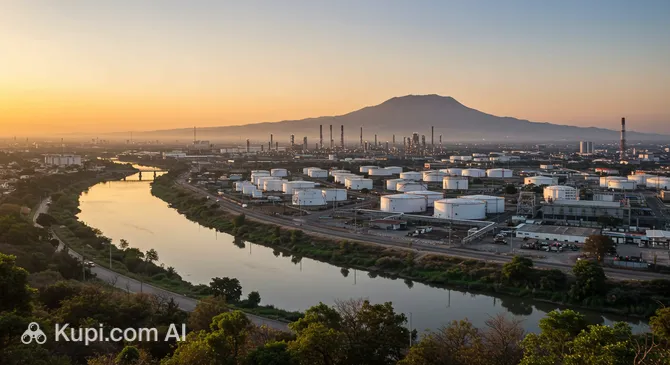
A unique feature of transport in Minatitlan is the river crossing system. Since the city sits on the banks of the Coatzacoalcos River, small passenger boats known as lanchas are frequently used to cross over to communities on the other side, such as Capoacan. These boats operate like water taxis, offering a quick and scenic way to traverse the river for a nominal fee, providing a perspective of the city that road transport cannot match.
Ride-sharing apps have a variable presence in the region and may not be as reliable or widespread as in Mexico City or Cancun. While you might find service occasionally, traditional taxis remain the dominant and most dependable option. If you choose to walk, the downtown area near the main square and the riverfront is pedestrian-friendly, but for longer distances, especially in the heat, motorized transport is highly recommended.
Buses generally operate from the early morning, around 6:00 AM, until approximately 9:00 PM or 10:00 PM. After these hours, frequency drops significantly, and taxis become the only viable mode of public transport. To get off a bus, look for a button near the rear door, or simply call out "Bajan!" (getting off) to alert the driver, as stops are not always automatically announced.